
Orthodontic bonding: secure attachment for your teeth
Bonding in orthodontics refers to attaching brackets, attachments or retainers to a tooth. A special dental adhesive is used. It creates a stable bond between orthodontic elements and the tooth surface.
The procedure is important for fixed braces, aligner treatments and retention appliances. At Wunschlachen, bonding is carefully planned and checked.
Über 350 Google-Bewertungen
What does bonding mean in orthodontics?
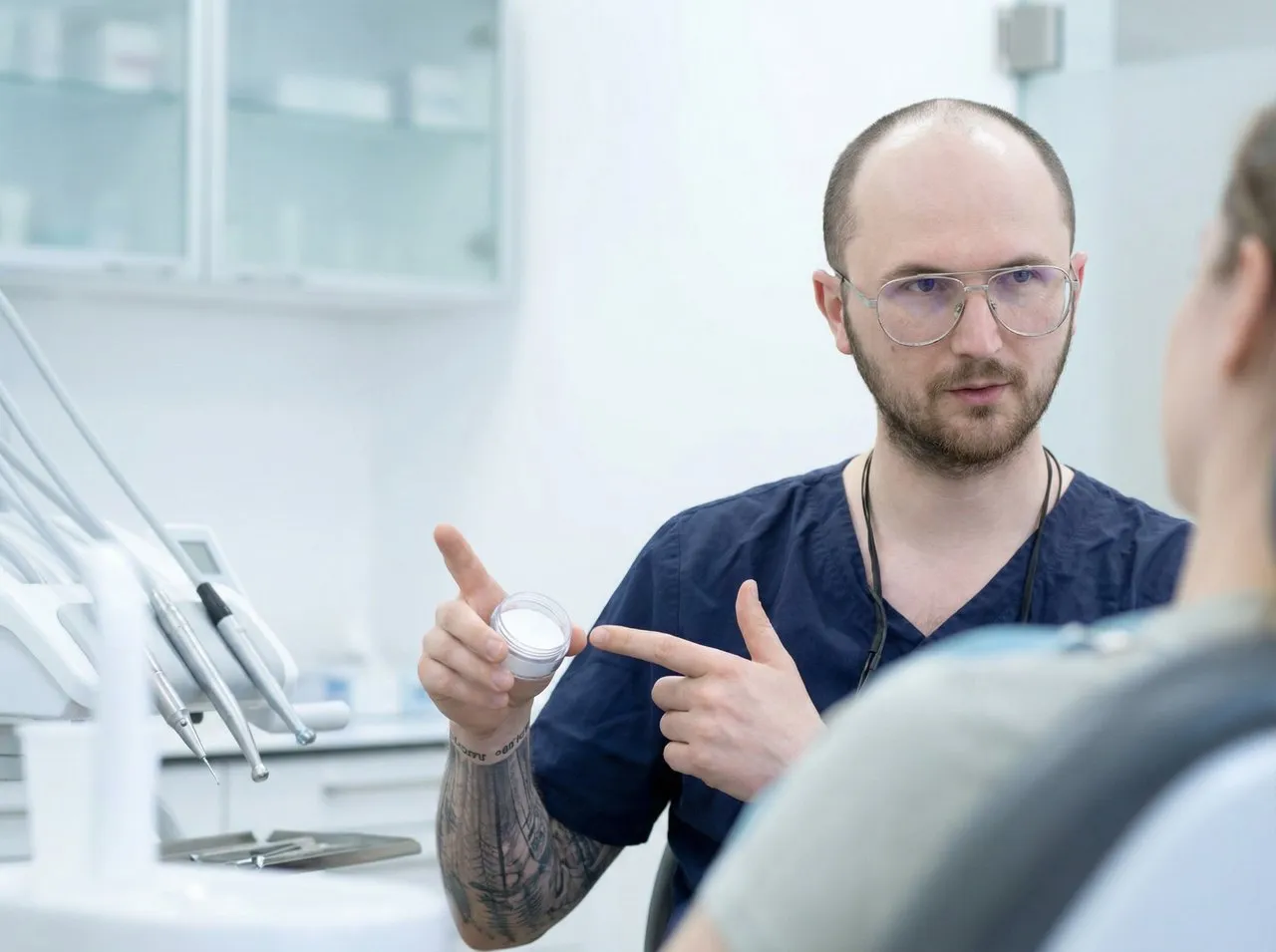
The term bonding comes from English and means connection. In orthodontics, it refers to adhesive attachment to tooth enamel. The tooth surface is prepared and coated with a resin adhesive for this purpose.
This technique is used primarily for brackets. However, it can also be used for attachments for clear aligners. Bonded retainers are also frequently attached using bonding.
The aim is to create a durable bond. It must withstand the forces involved in speaking and chewing. At the same time, the tooth enamel should be preserved as much as possible.
How does orthodontic bonding work?
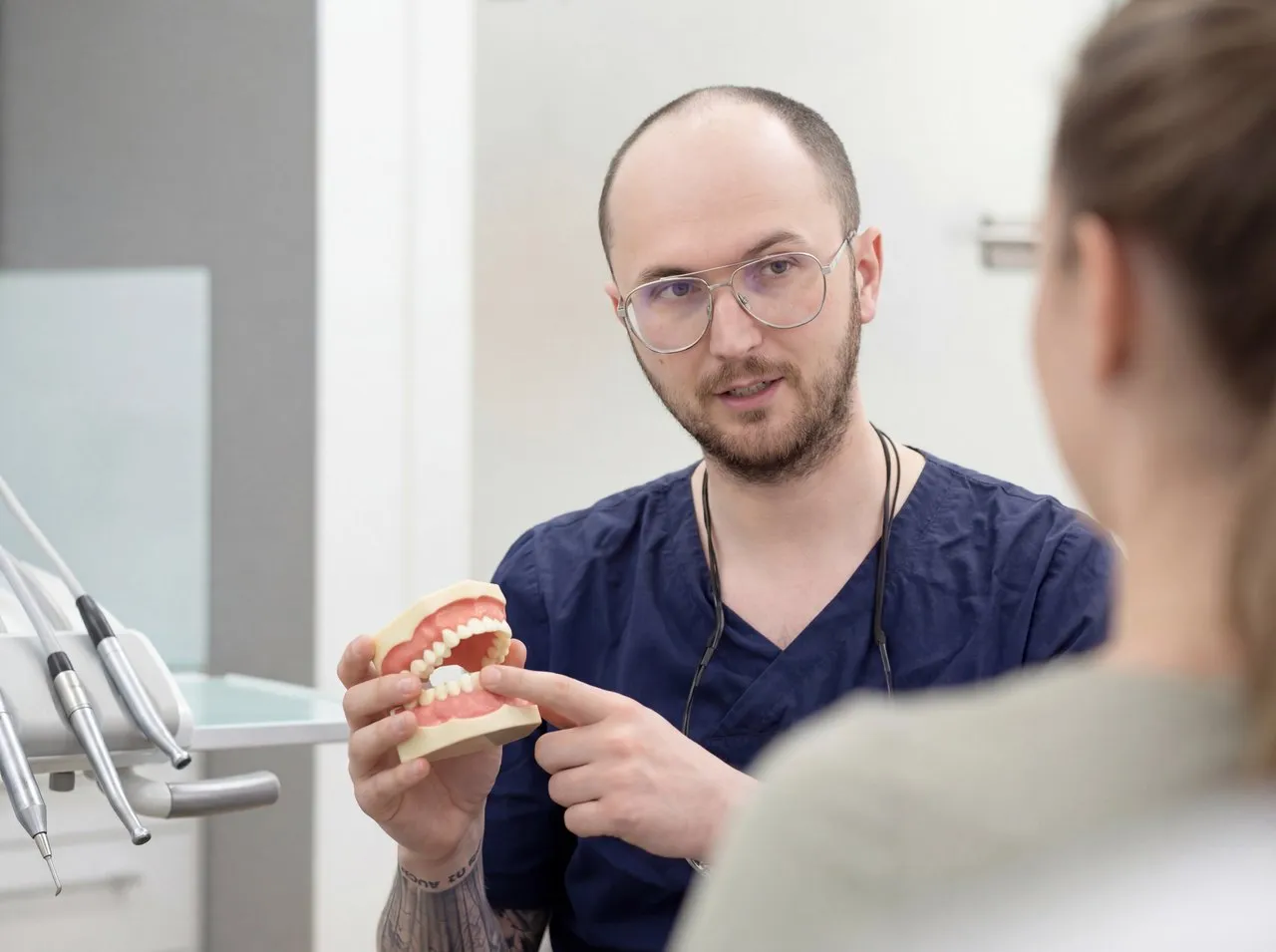
The tooth is first cleaned and dried thoroughly. The clinician conditions the surface with a special gel to improve adhesion, then applies a bonding agent.
The bracket or attachment is positioned precisely and excess composite is carefully removed. The material is then cured with light to bond the element firmly to the tooth. The dentist checks the fit and the bite.
Bonding for fixed braces
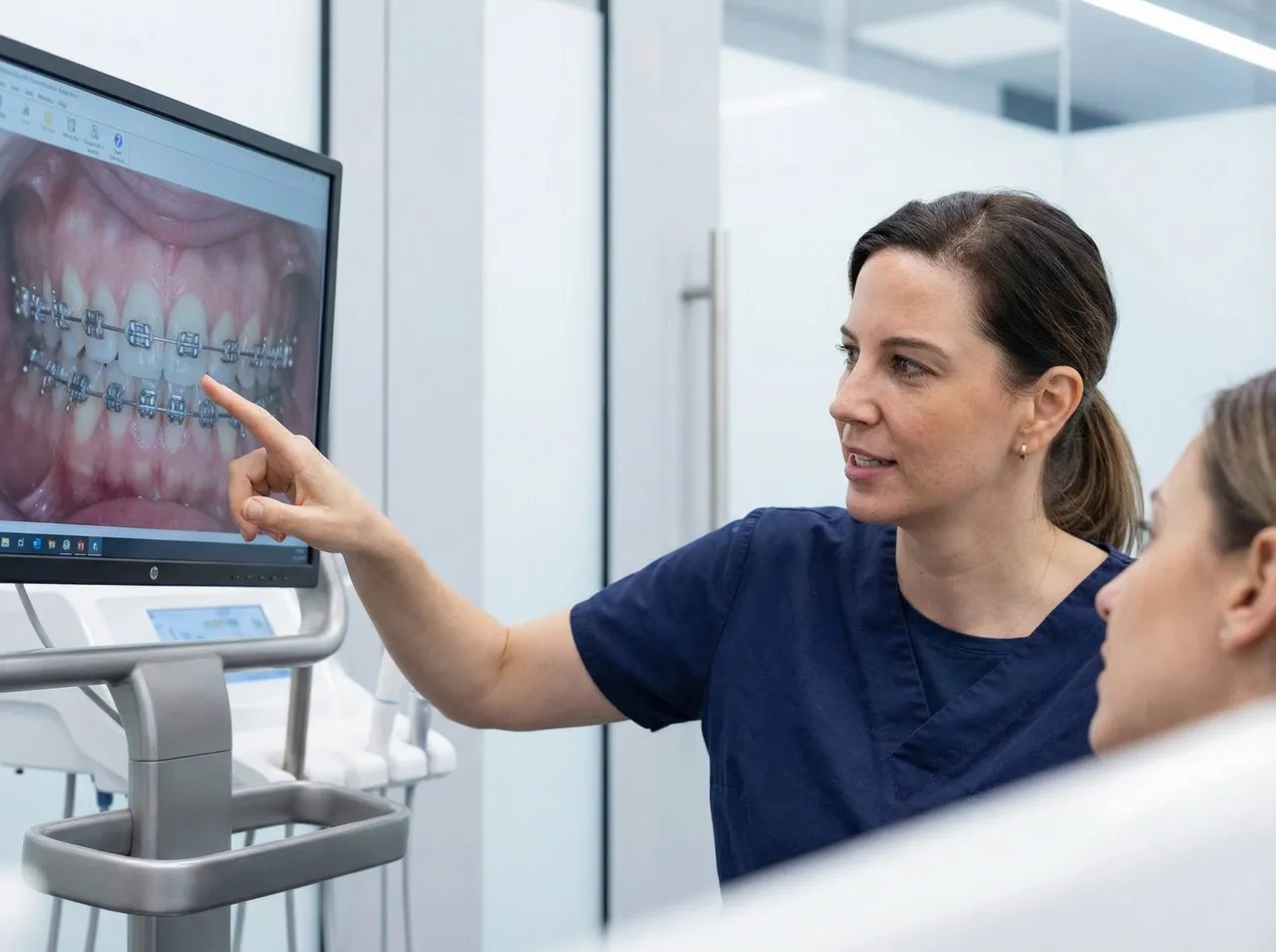
Bonding is particularly important for fixed braces. The brackets must be positioned precisely on the teeth. This is the only way to ensure that the planned tooth movements are carried out correctly.
Every small deviation can affect the course of treatment. Precise placement is therefore crucial. Modern digital planning can support this step.
Clean bonding increases the stability of the appliance. It reduces the risk of brackets coming loose. Nevertheless, hard foods or unfavourable stresses can cause problems.
Bonding for aligners and attachments
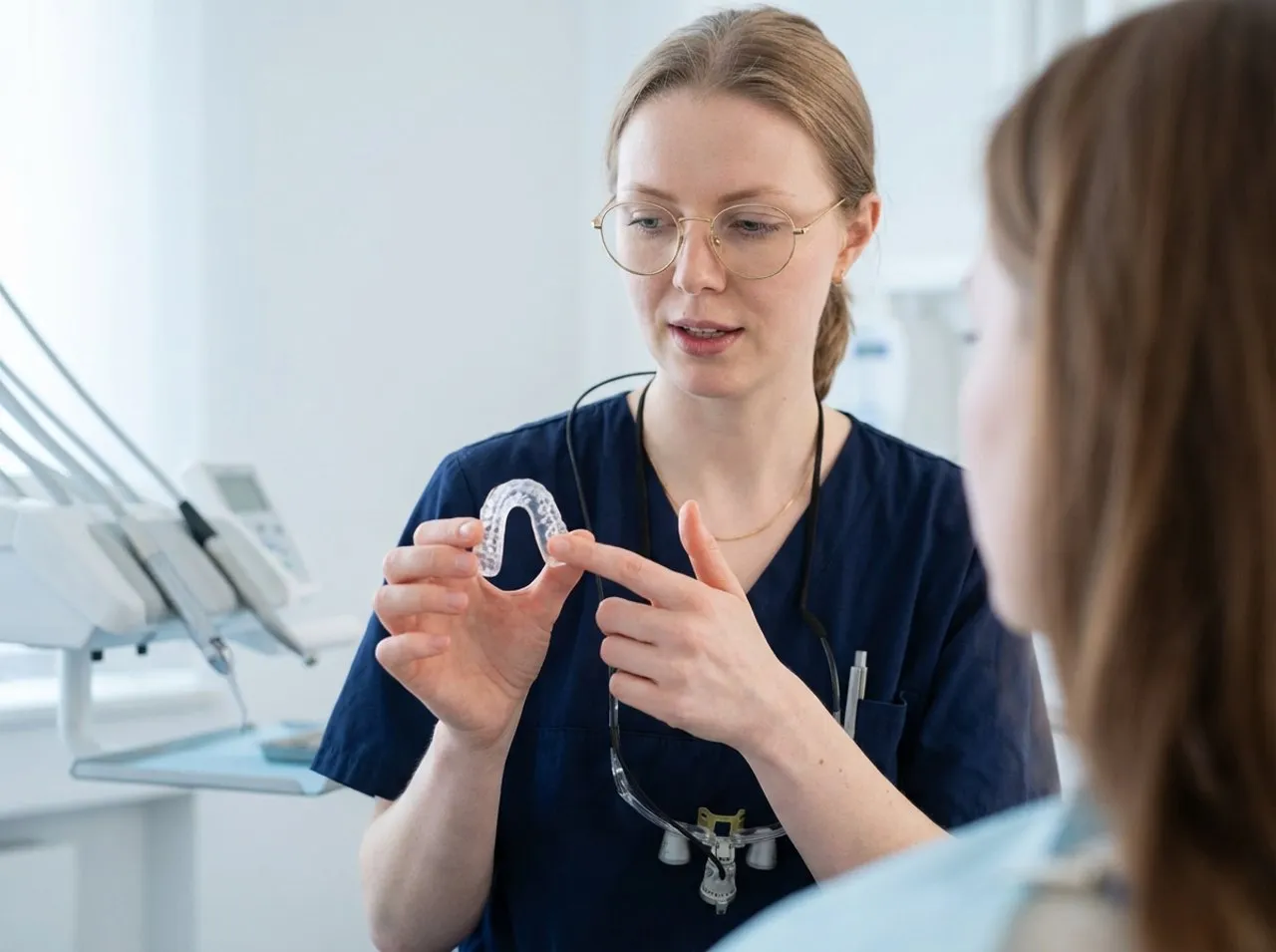
Bonding also plays an important role in aligner therapy. Small tooth-coloured attachments are bonded to the teeth. They help the aligners to apply targeted forces.
The shape of the attachments depends on the treatment plan. Some are rounded, while others are more angular. They are usually barely noticeable to patients.
The attachments are removed at the end of treatment. The tooth surface is then polished. The aim is a smooth and natural surface.
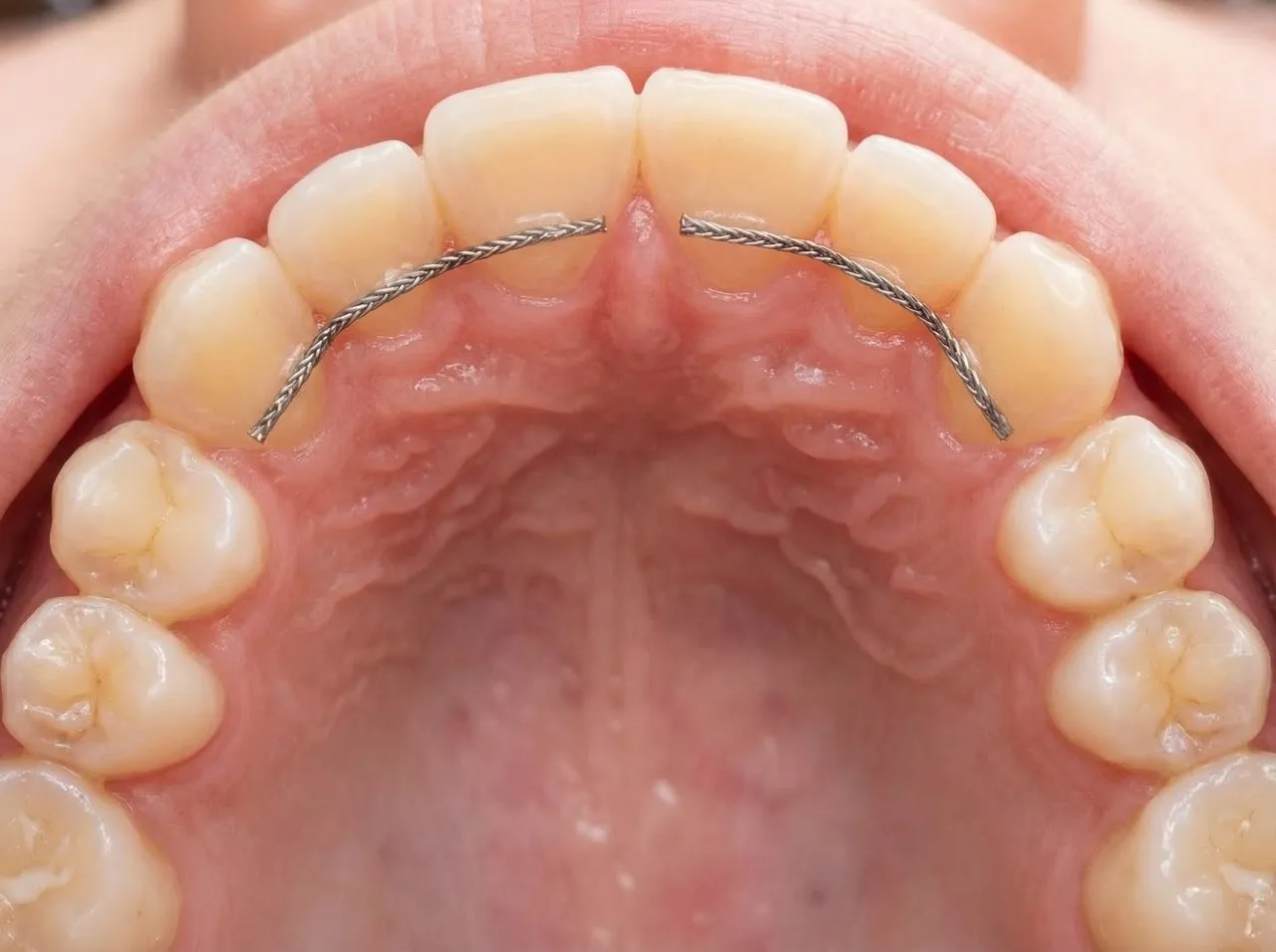
Bonding for retainers after teeth have been straightened
Retention is important after tooth straightening. Fixed retainers are often used. These thin wires are bonded to the backs of the front teeth. Regular checks are particularly important.
If a bonding point comes loose, have it checked promptly to reduce the risk of your teeth shifting. Small defects can be easy to miss.
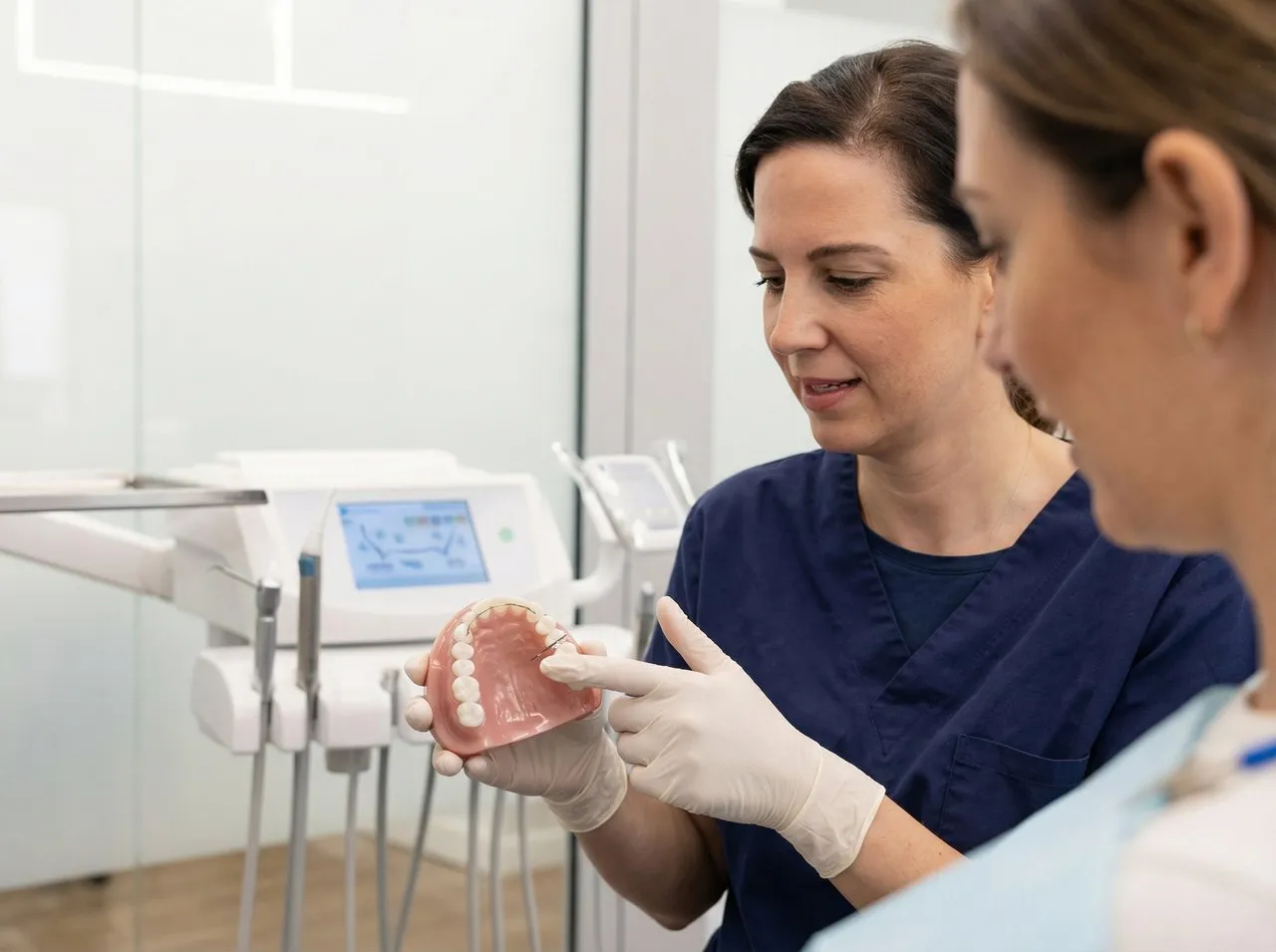
What are the benefits of bonding?
Bonding enables precise attachment while preserving tooth substance. The tooth surface does not need to be altered significantly. This makes the procedure particularly valuable.
Another advantage is its flexible application. Bonding is suitable for brackets, attachments and retainers. This makes it relevant in many phases of treatment.
The procedure can also be aesthetically convincing. Tooth-coloured materials are barely noticeable in everyday life.
What should patients bear in mind after bonding?
Avoid putting unnecessary strain on the bond immediately after treatment. Hard foods can loosen brackets or attachments, and sticky foods can also cause problems.
Good oral hygiene remains important. Plaque builds up more quickly around brackets and retainers. Interdental brushes and specialist dental floss can help.
If you wear aligners, clean them regularly and brush carefully around the attachments to minimise gum irritation.
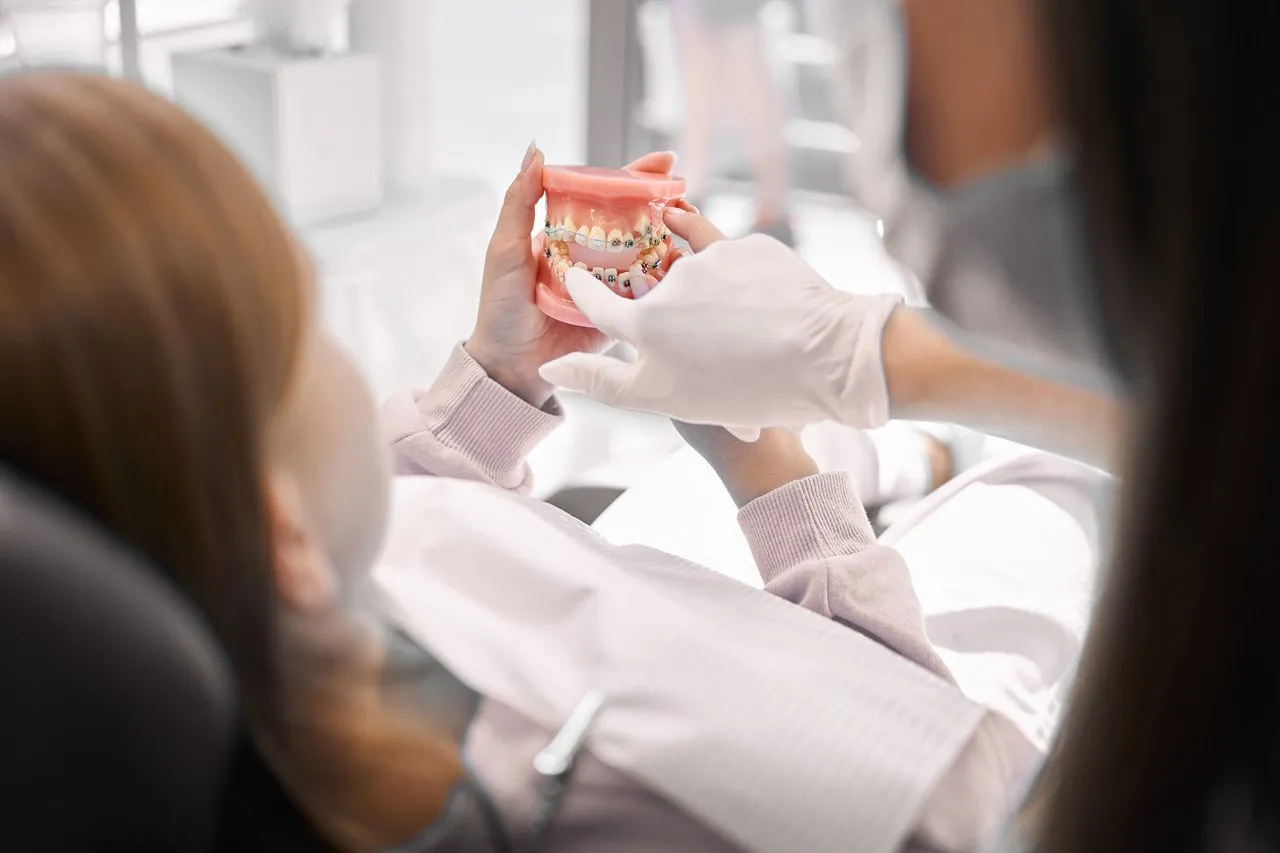
Can bonding come loose?
Yes, bonding can come loose in everyday life. Common causes include heavy chewing, hard foods or unnoticed premature contacts. Moisture during bonding can also reduce adhesion.
A loose bracket is usually not an emergency. However, it should be checked promptly. Otherwise, treatment may take longer.
A loose retainer needs to be checked quickly. Even small movements can change the position of the teeth. The practice should therefore be informed at an early stage.
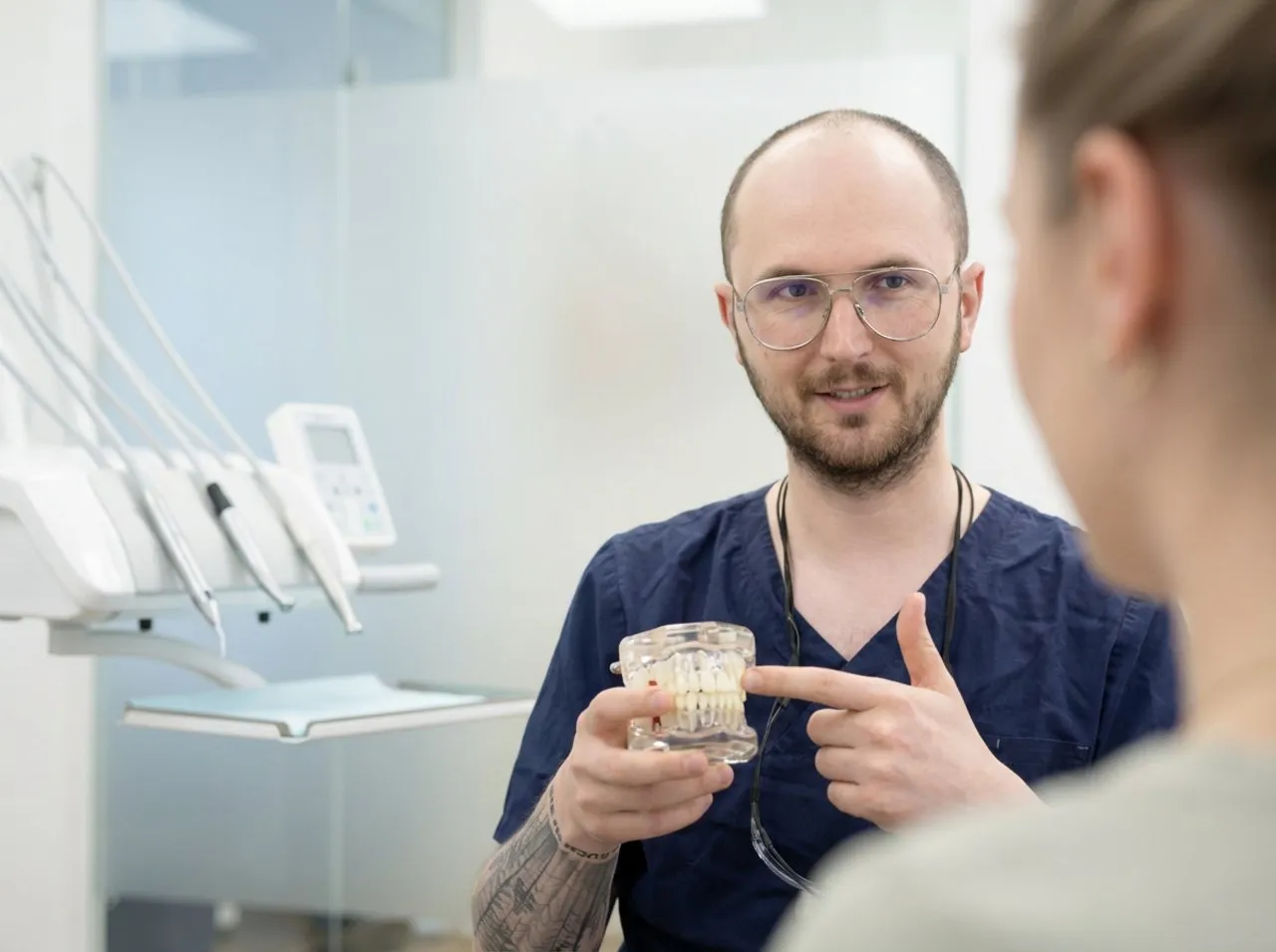
Is bonding suitable for everyone?
In principle, bonding is suitable for many patients. The decisive factors are tooth enamel, oral hygiene and the treatment goal. Existing fillings or crowns may also play a role.
Bonding adheres differently to ceramic or metal than to tooth enamel. The situation must therefore be assessed individually. At Wunschlachen, this assessment takes place before treatment.
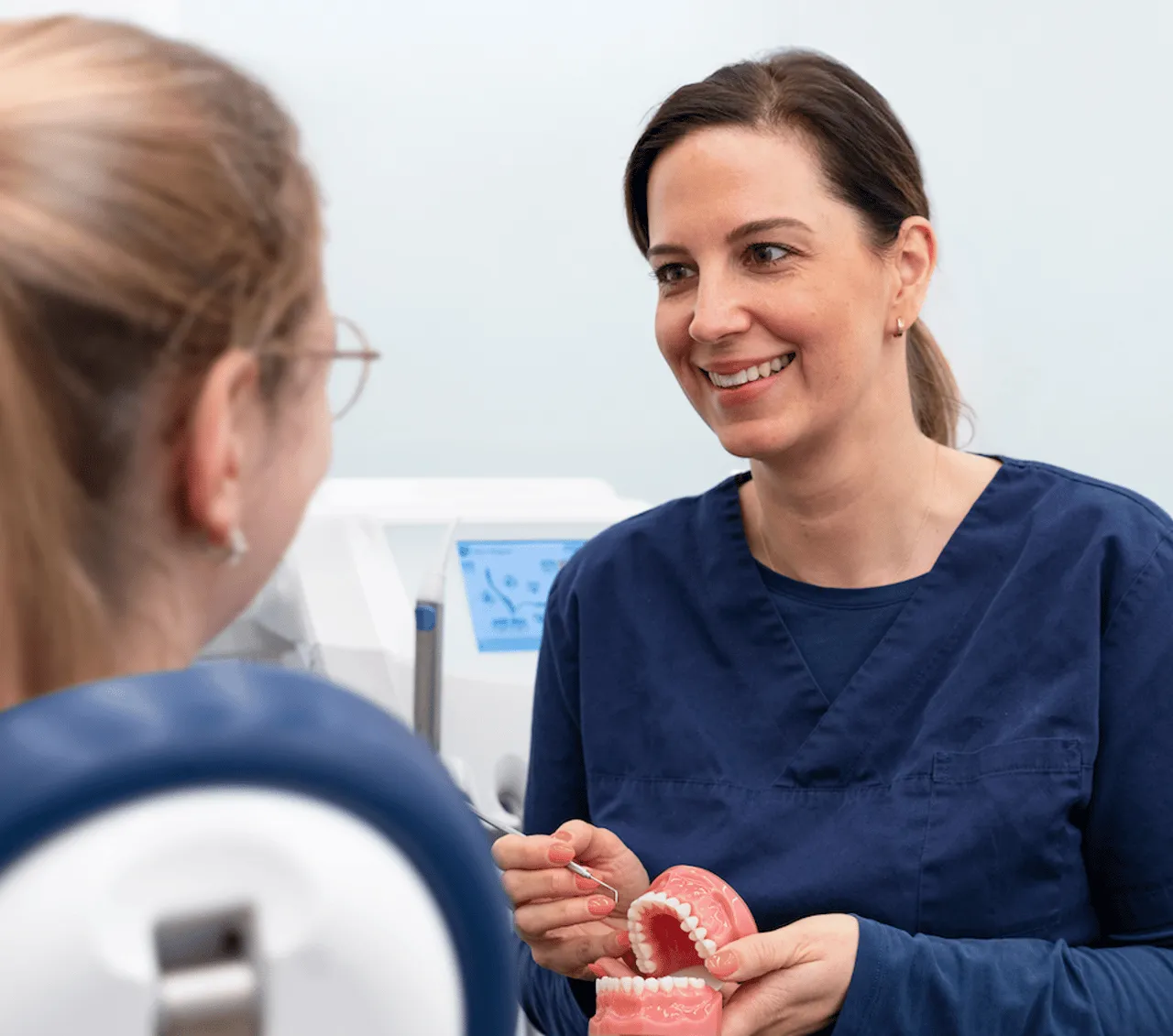
Orthodontic bonding at Wunschlachen
At the Wunschlachen practice, precise planning is the priority. Before bonding, the position of the teeth, bite and oral hygiene are checked. The appropriate method is then selected.
We ensure precise placement and clean workmanship. This is important for a stable result. At the same time, we advise you on proper care.
Bonding is a small step with a big impact. It combines modern orthodontics with reliable attachment. In this way, it supports predictable and aesthetically pleasing teeth straightening.