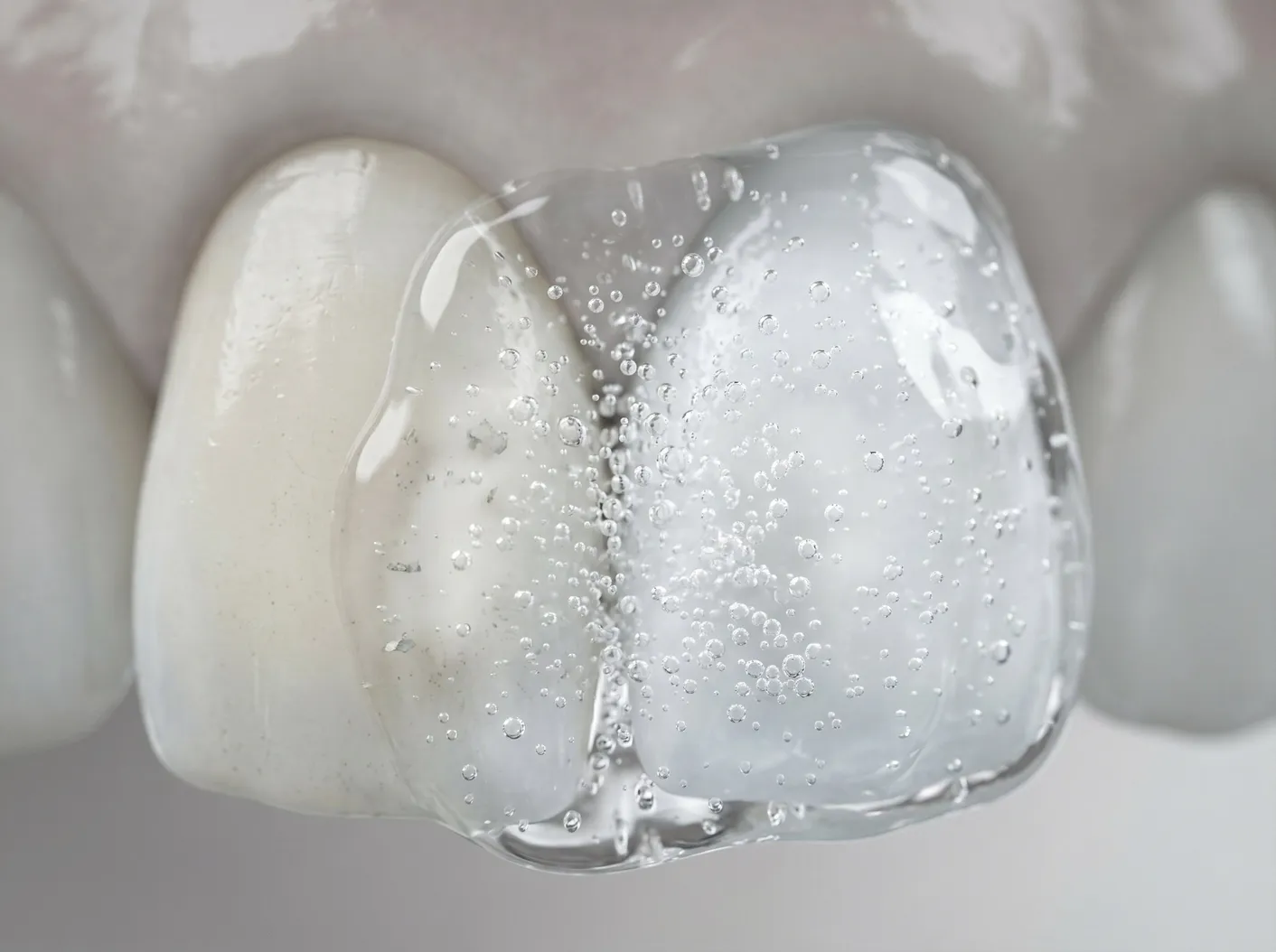
Teeth whitening or veneers – making the right decision
Teeth whitening and veneers are suitable for different aesthetic goals. Teeth whitening lightens natural teeth and preserves the tooth substance. Veneers also change the shape and position of teeth and conceal visible defects. Which solution is more suitable depends on the tooth colour, the enamel and the desired outcome. At Wunschlachen, we assess in advance which method is medically appropriate.
Über 350 Google-Bewertungen
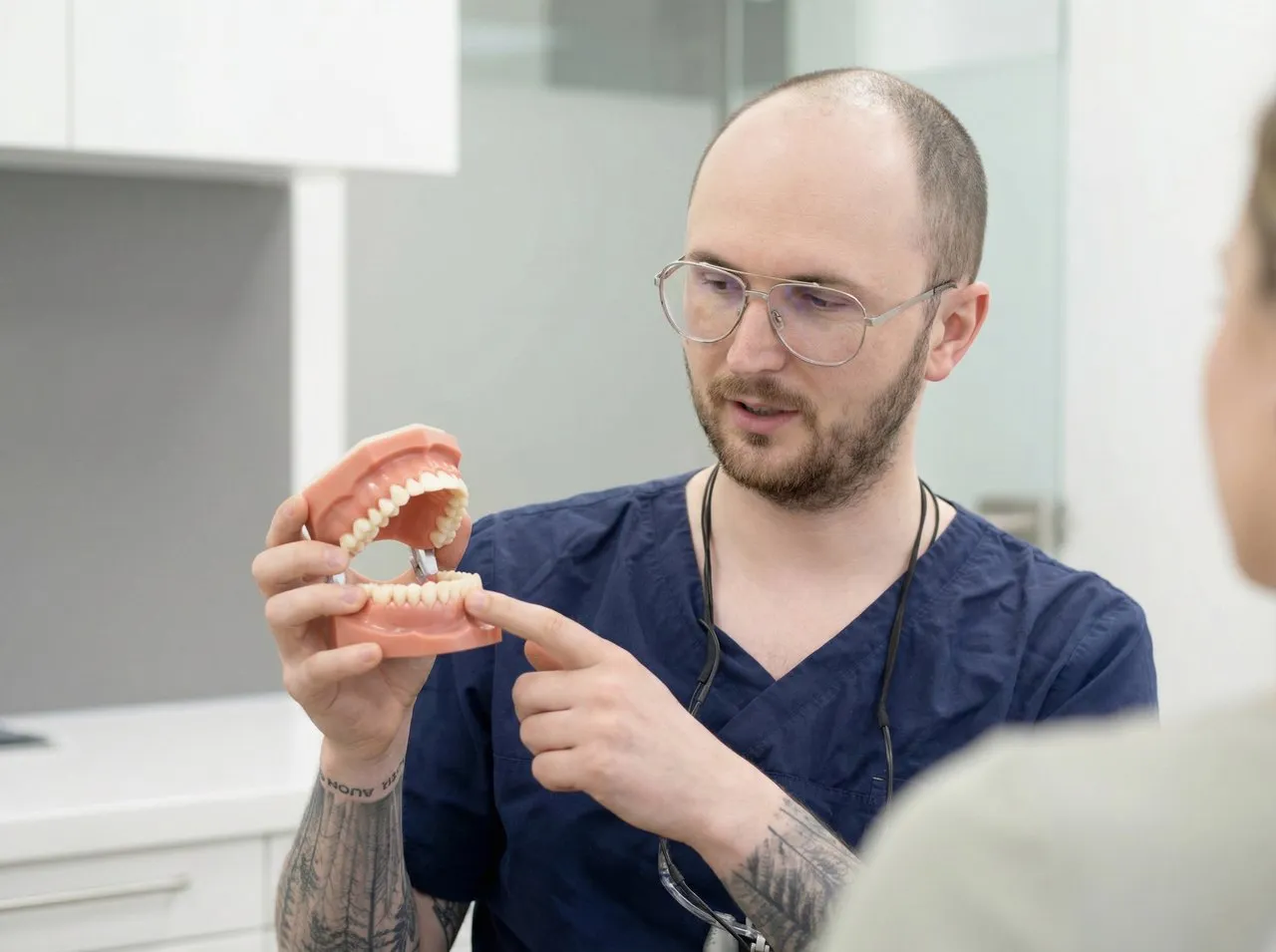
What is the difference between teeth whitening and veneers?
Teeth whitening is a dental procedure for lightening the teeth. It lightens colour pigments within the tooth. The natural shape of the tooth remains unchanged.
Veneers are thin ceramic shells for the front teeth. They are permanently bonded to the tooth surface. This makes it possible to correct the colour, shape and minor misalignments.
The most important difference lies in the objective. Teeth whitening primarily improves the colour of the teeth. Veneers reshape the entire visible appearance of the teeth.
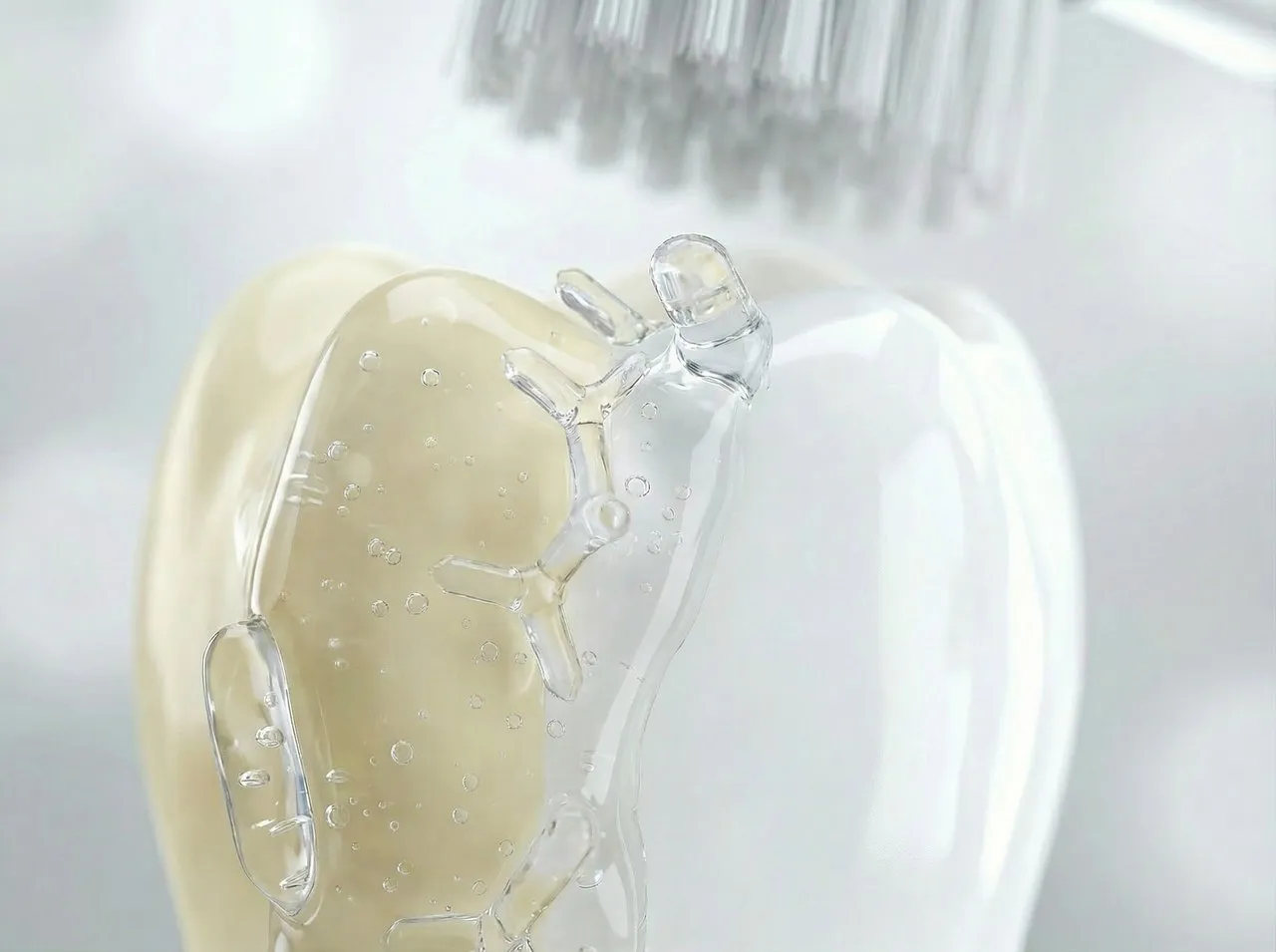
When is teeth whitening advisable?
Whitening is suitable for healthy, natural teeth. It is particularly effective for stains caused by coffee, tea or nicotine and may also reduce age-related discolouration.
A professional cleaning before whitening removes deposits and helps achieve a more even result. The dentist then assesses your gums, enamel and fillings.
Fillings, crowns and ceramic restorations do not lighten. Some may need adjusting after whitening, particularly older visible fillings.

When are veneers the better choice?
Veneers are advisable when concerns extend beyond the colour of the teeth. These include small gaps between teeth, chipped edges or uneven incisors. Severe discolouration can also be concealed.
Ceramic veneers look very natural. They reflect light in a similar way to tooth enamel. This creates a harmonious, high-quality appearance.
Veneers are particularly suitable for the visible front teeth, where shape and colour have a major influence on the smile. At Wunschlachen, planning is carried out digitally and individually.
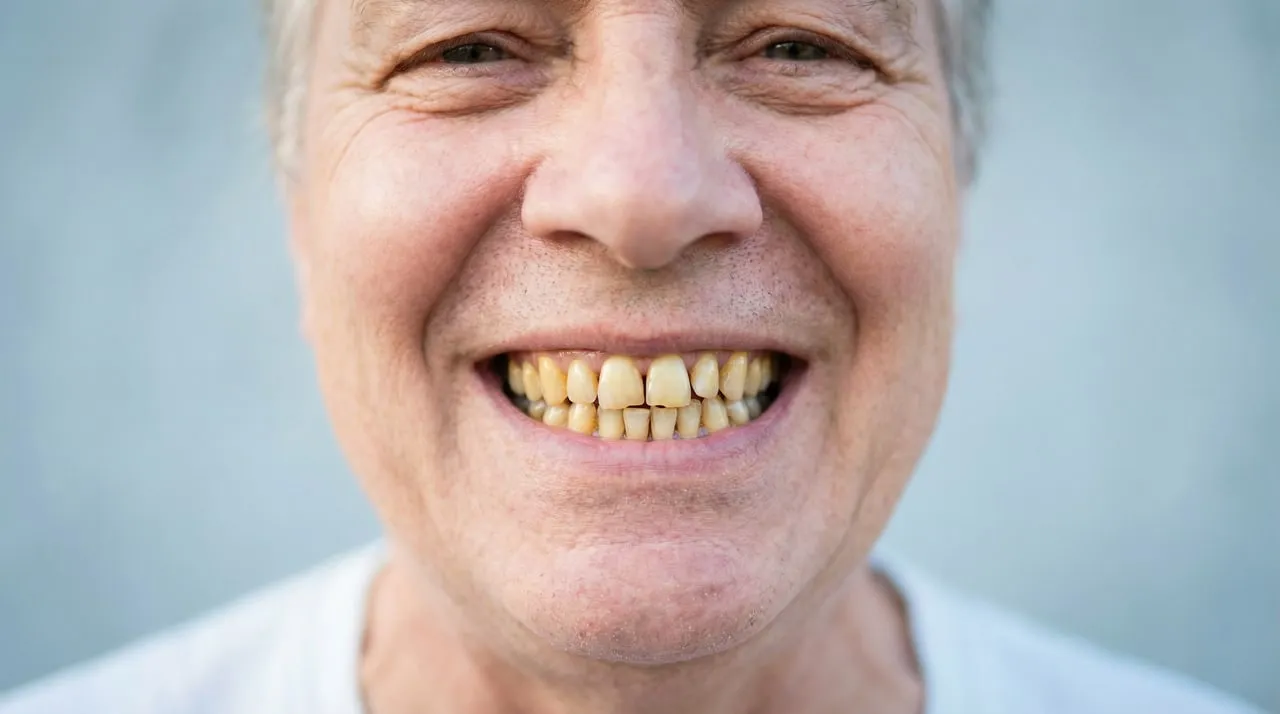
Teeth whitening or veneers for yellow teeth?
For yellow teeth, whitening is often the first option. It preserves the natural tooth structure and can give your teeth a brighter, natural-looking result.
Whitening alone may not be enough for deep stains, including those caused by medicines or enamel irregularities. In these cases, veneers may offer a more satisfactory cosmetic result.
The best approach depends on the cause of the discolouration. Finding that cause helps determine which method is suitable.
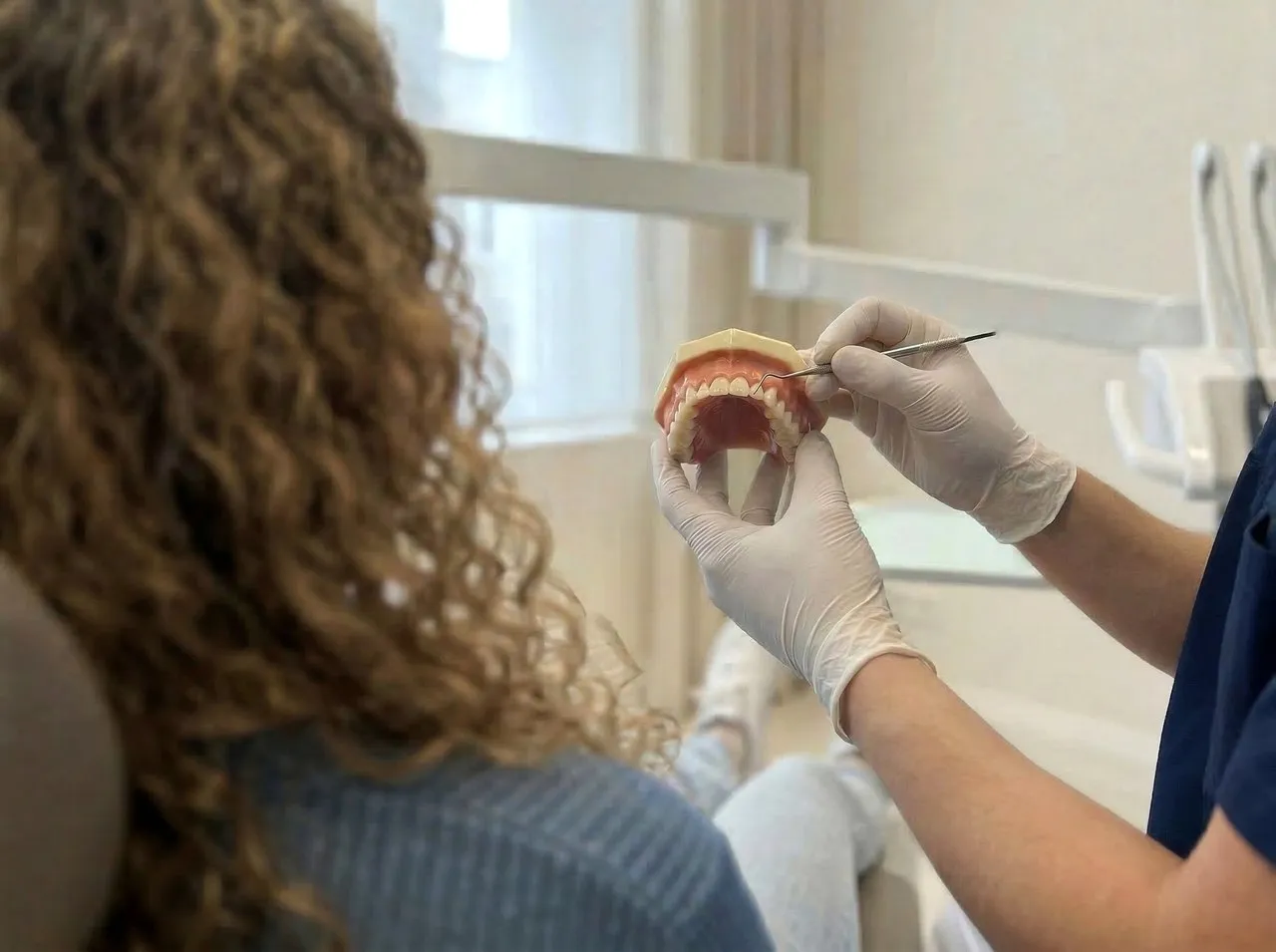
How professional teeth whitening works
First, the dentist carries out an examination. The teeth and gums are then prepared. Protecting the gums is particularly important.
A whitening gel is then applied. Depending on the procedure, it is activated or reapplied several times. The treatment usually does not take long.
After the appointment, foods and drinks that stain should be avoided for a short time. These include red wine, curry, coffee and black tea. This helps the result to remain stable for longer.
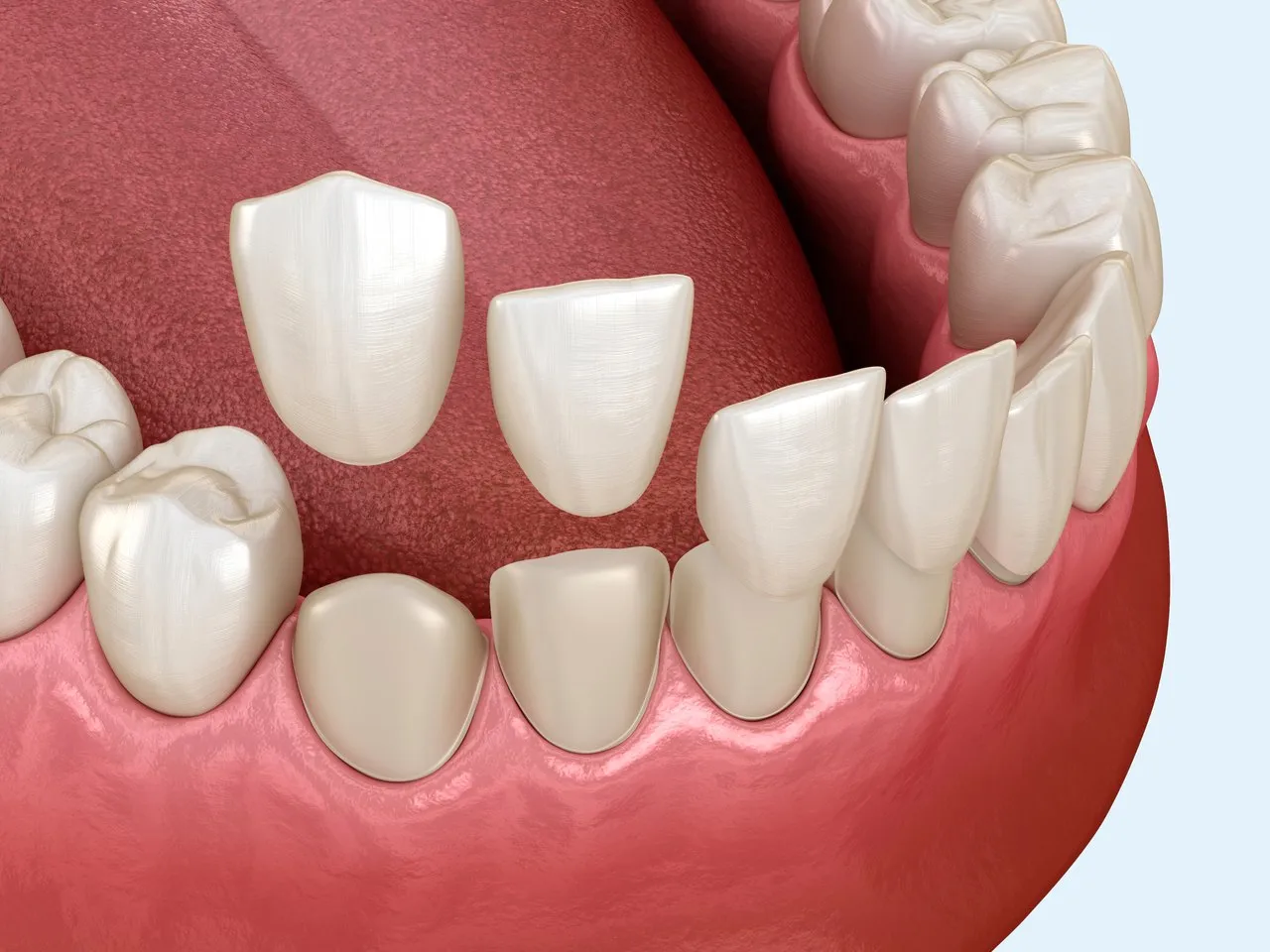
How veneer treatment works
The process begins with a detailed aesthetic analysis. The tooth shape, lip line and bite are examined. The desired tooth colour is also agreed together.
With conventional veneers, very little enamel is removed. The dentist then takes a precise impression. The individual ceramic shells are made in the laboratory.
After a try-in, the veneers are bonded in place. The bond with the tooth is very stable. Regular check-ups help to ensure a good long-term result.
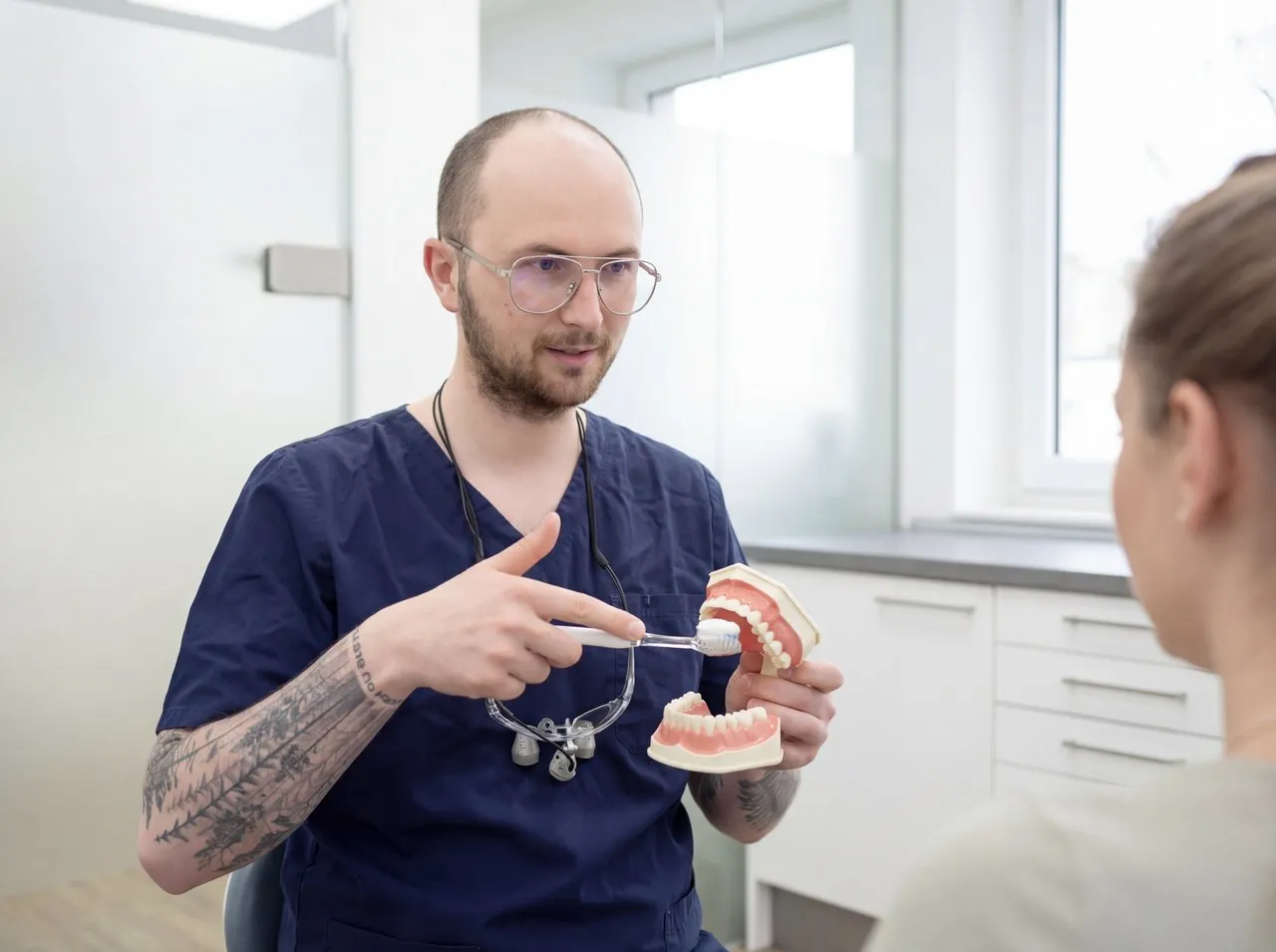
Durability and care compared
Teeth whitening usually lasts from several months to a few years. Its duration depends greatly on lifestyle. Coffee, tea and smoking can change the colour more quickly.
With good care, veneers often last for many years. Ceramic is colour-stable and resistant. Nevertheless, excessive pressure should be avoided.
Oral hygiene is crucial for both solutions. Thorough brushing and regular preventive dental care are important. This keeps the smile well cared for in the long term.

Costs: teeth whitening or veneers?
Teeth whitening is usually less expensive than veneers. It involves less work and no dental prosthesis is made. The costs depend on the procedure.
Veneers are more complex and are made in a laboratory. The cost per tooth is therefore higher. In return, they can achieve significantly more comprehensive aesthetic changes.
At Wunschlachen, patients receive a transparent cost breakdown in advance. This makes the treatment easy to plan. The decision remains medically and aesthetically understandable.
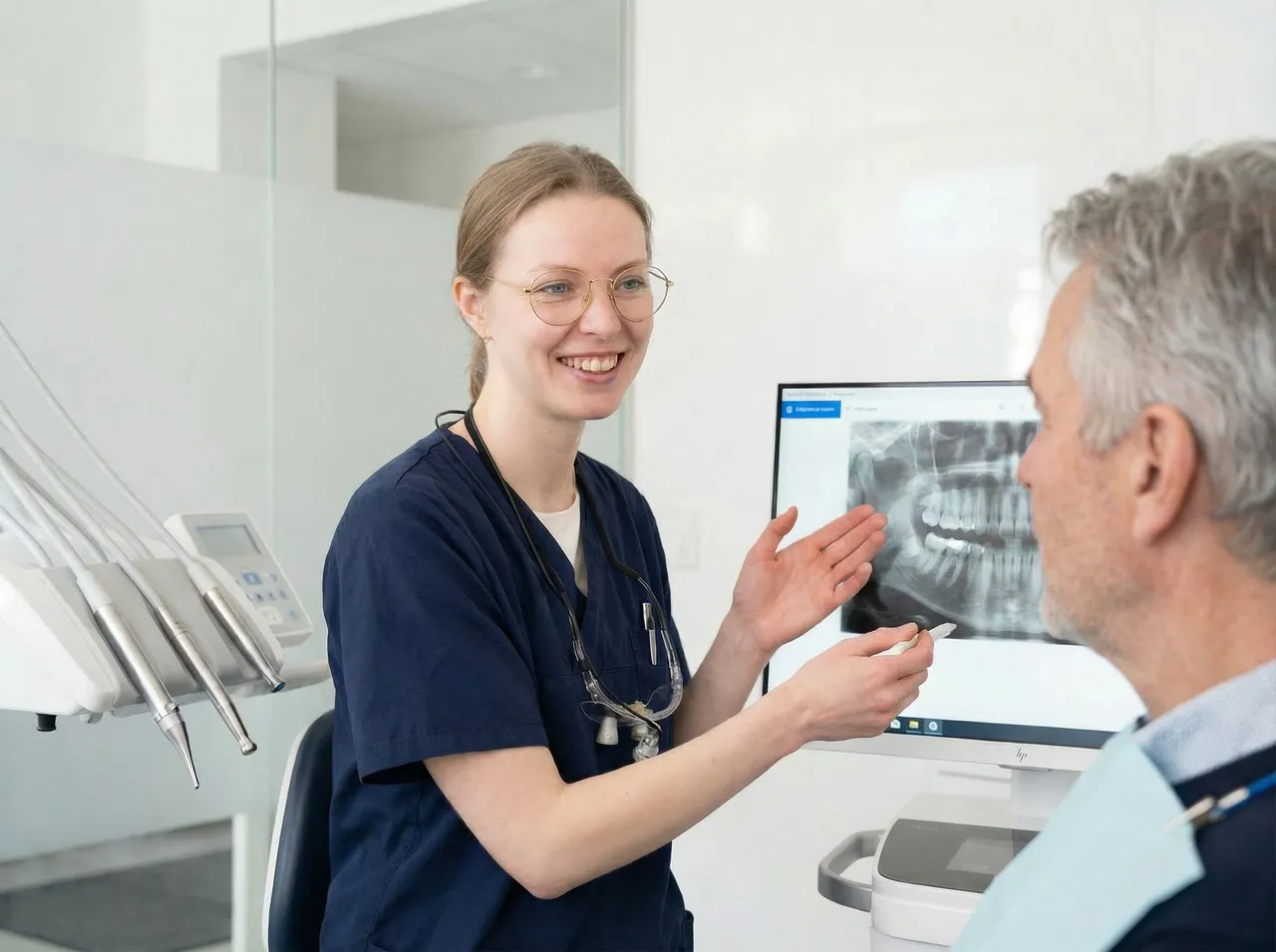
Which method is right for me?
Teeth whitening is often a good option for those who simply want whiter teeth. Those who want to change the shape and colour of their teeth are more likely to benefit from veneers. Sometimes a combination is also advisable.
Whitening can be carried out first. Individual veneers are then colour-matched. This creates a particularly natural overall appearance.
The best solution depends on the clinical findings and the desired outcome. A personal consultation helps to prevent the wrong decision. This creates a smile that suits the face.