
Treating mouth ulcers – help with inflammation in the mouth
Aphthous ulcers are small, inflamed sores in the lining of the mouth. They often appear on the lips, cheeks, tongue or gums. Avoiding irritants can help the affected area heal.
Über 350 Google-Bewertungen
What are aphthous mouth ulcers?
Mouth ulcers are usually round changes in the mucous membrane. They often have a whitish centre and a reddened edge. Many people experience burning, pressure or soreness.
These small lesions are generally not contagious. Nevertheless, they can cause considerable discomfort when eating, drinking and speaking. Acidic, spicy or hard foods are particularly likely to irritate the mucous membrane further.
Some people rarely get a mouth ulcer. Others regularly suffer from recurrent mouth ulcers. In that case, a dental assessment is particularly advisable.

Common causes of mouth ulcers
The exact cause of mouth ulcers is often unclear. Several factors can disrupt the balance of the oral mucosa. These include stress, minor injuries and a weakened immune system.
A hard toothbrush can also irritate the mucous membrane. Sharp tooth edges, dentures or braces can also be triggers. At Wunschlachen, we carefully investigate such causes.
Nutrient deficiencies are also possible triggers. These include deficiencies in iron, folic acid, zinc or vitamin B12. If symptoms occur frequently, a blood test arranged by a doctor may help.
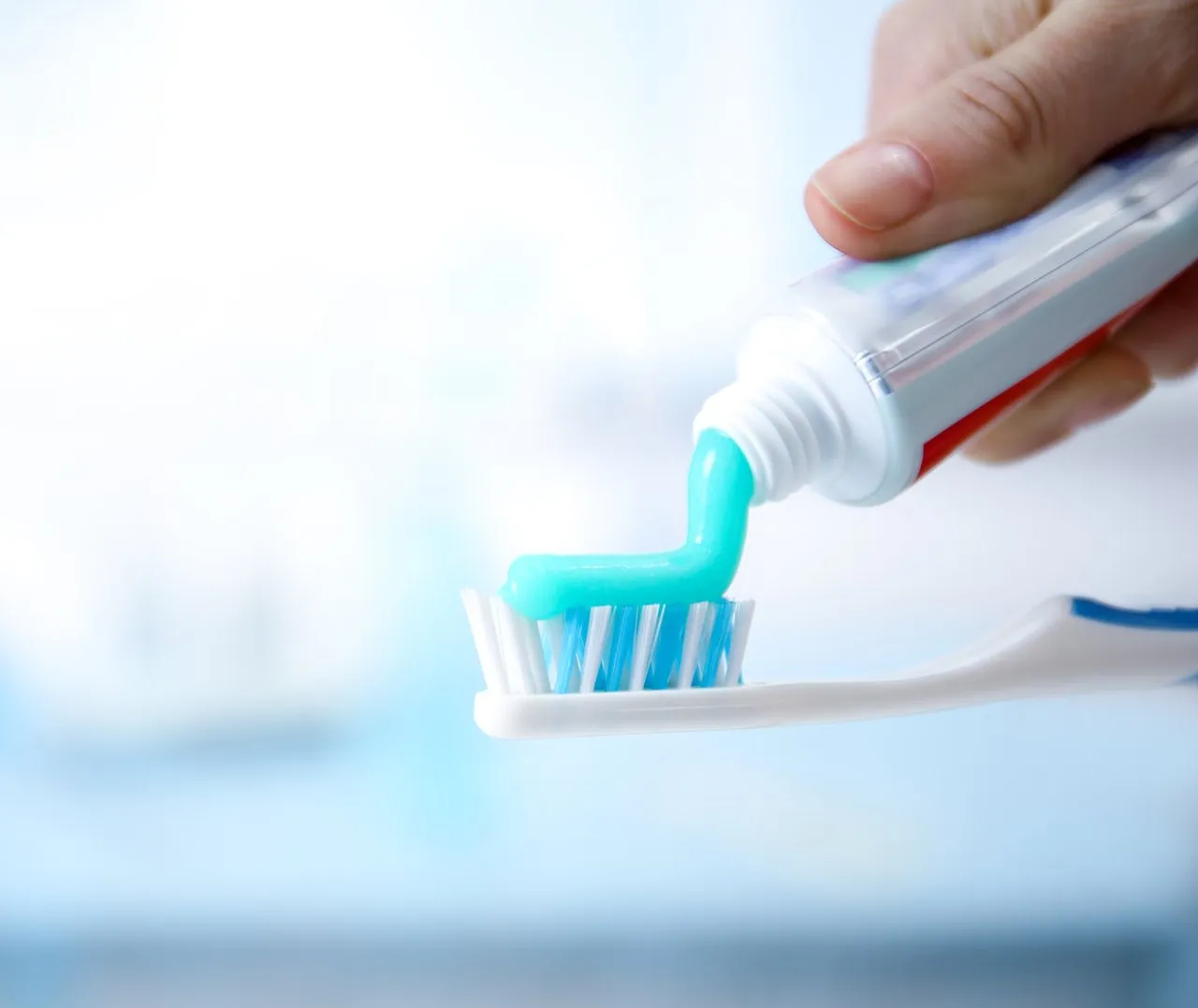
Some patients are sensitive to certain foods. Nuts, citrus fruits and heavily seasoned foods are frequently mentioned. Toothpaste containing sodium lauryl sulphate can also be irritating.

Recognising the symptoms of mouth ulcers
Typical symptoms of mouth ulcers are small, open lesions in the mouth. They may burn, throb or be sensitive. Eating is often more difficult for a few days. Mouth ulcers on the tongue are particularly troublesome when speaking.
Mouth ulcers on the gums may become noticeable when brushing your teeth. On the inside of the cheek, they are often aggravated by biting.
The lesions are usually only a few millimetres in size. Larger mouth ulcers can last longer and cause greater discomfort. Numerous small lesions can also spread over a wider area.

Treating mouth ulcers: what really helps?
Treating mouth ulcers is primarily about relieving irritation to the mucous membrane. Irritating foods should be avoided temporarily. Soft, mild foods are more comfortable during this phase.
A soft toothbrush protects the sensitive oral mucosa. Brush carefully, but continue to do so thoroughly. This reduces the risk of additional inflammation.
Gels, sprays and mouthwashes are available from pharmacies. They can soothe the affected area. Some preparations form a protective film over the mouth ulcer.
Antiseptic mouthwashes may be helpful for more severe irritation. However, they should not be used continuously without professional advice. Your dentist will explain how to use them appropriately.
Self-treatment is often not enough for very large or frequent mouth ulcers. Stronger preparations may then be necessary. Their use should be agreed with a dentist or doctor.

Home remedies for mouth ulcers: useful support
Home remedies for mouth ulcers can provide additional relief from symptoms. Mild rinses with camomile or sage are well established. Lukewarm salt water is also commonly used.
Gentle application is important. Rubbing or scratching delays healing. Alcohol-based solutions can cause additional burning and should be avoided.
Drink plenty of water. This keeps the oral mucosa moist. Very hot drinks, on the other hand, can irritate the area more.

When should a dentist examine mouth ulcers?
A visit to the dentist is advisable if mouth ulcers recur frequently. Very large lesions should also be examined. The same applies if a mouth ulcer persists.
Please also come in if you have a fever or significant swelling. Bleeding or unusual-looking lesions should also be investigated. This allows other conditions to be ruled out.
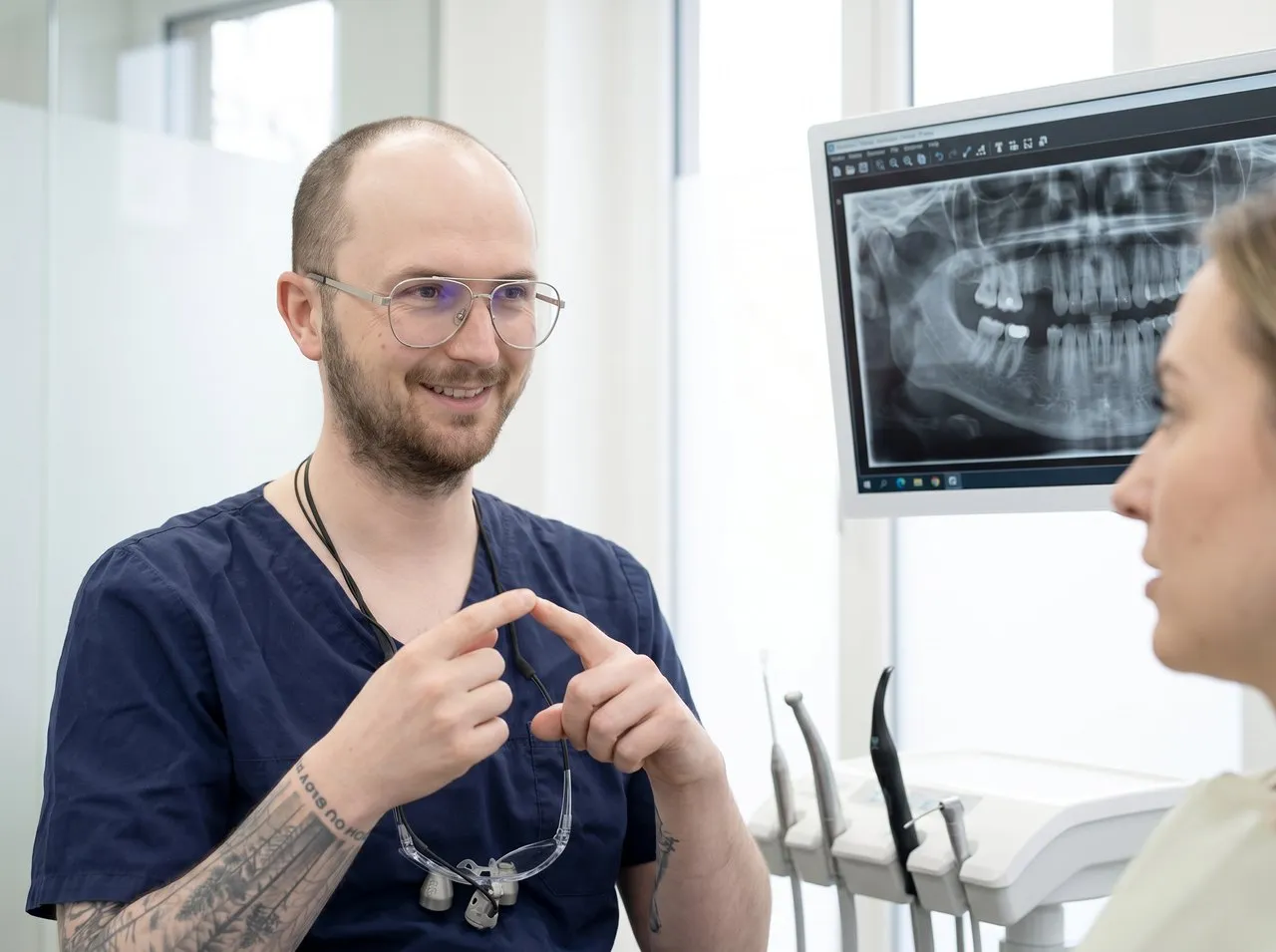
At Wunschlachen, we examine the oral mucosa closely. We check tooth edges, fillings and dental prostheses. This often enables us to find avoidable sources of irritation.
Preventing mouth ulcers in everyday life
Good oral hygiene supports prevention. Use a soft toothbrush and a gentle brushing technique. Dental floss or interdental brushes complement cleaning.
Pay attention to your personal triggers. A food diary can reveal connections. This often makes it easier to understand recurrent mouth ulcers.
Regular dental check-ups are important. Small defects or rough areas are detected early. This protects the mucous membrane from ongoing irritation.

Mouth ulcers and Wunschlachen
Mouth ulcers are usually harmless, but unpleasant. The key is to identify the cause as precisely as possible. Treatment can then be planned in a targeted way.
At our Wunschlachen practice, we provide personal advice. We carefully examine the oral mucosa, teeth and gums. This allows us to give you clear recommendations for your situation.