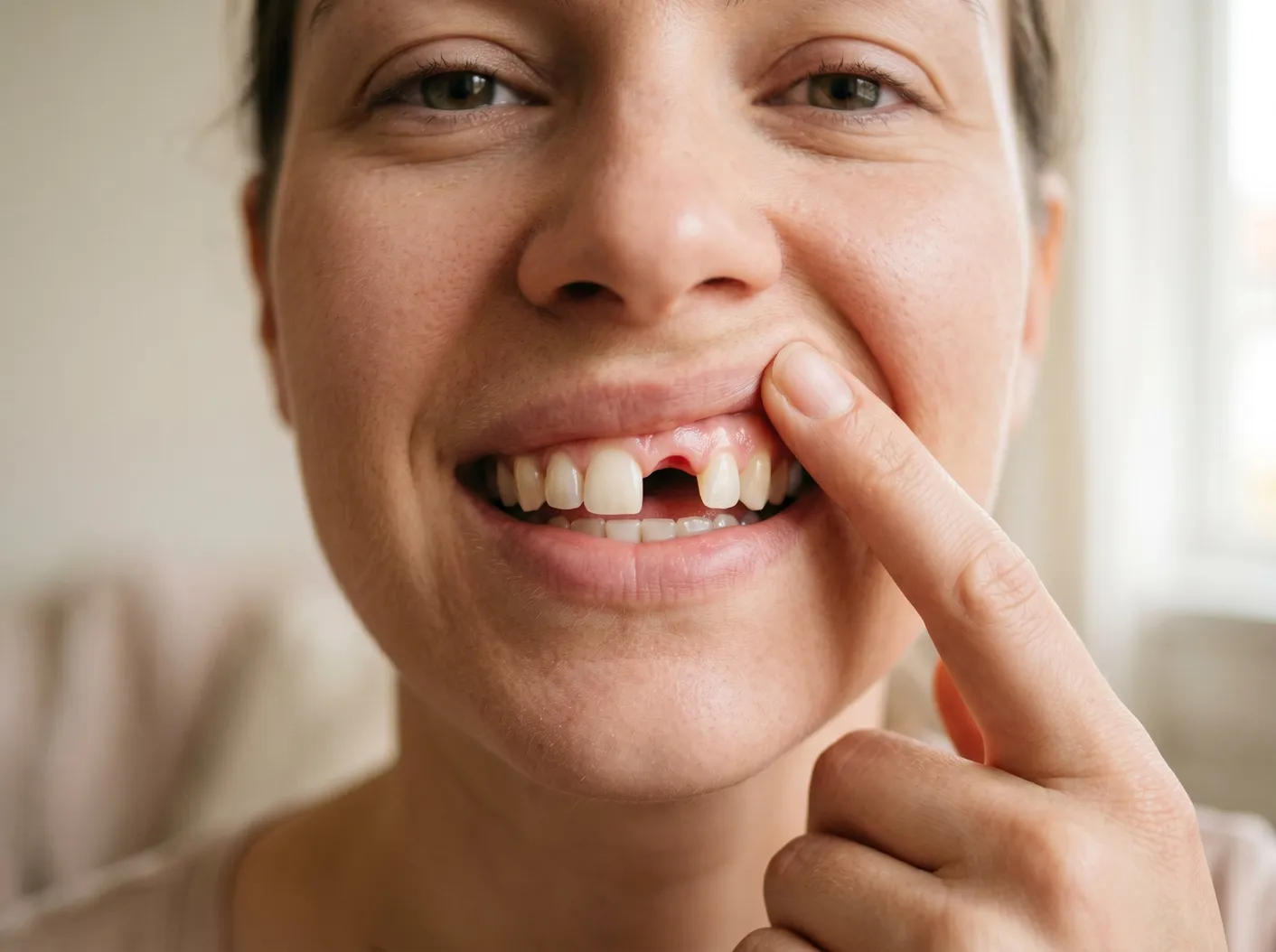
Tooth extracted and gap visible - options
When a tooth is extracted, the gap is often visible straight away. This worries many patients, especially when it is in the front teeth. The important thing to know is that a visible gap is normal immediately after an extraction, but it should be addressed through an individually planned dental restoration.
Über 350 Google-Bewertungen
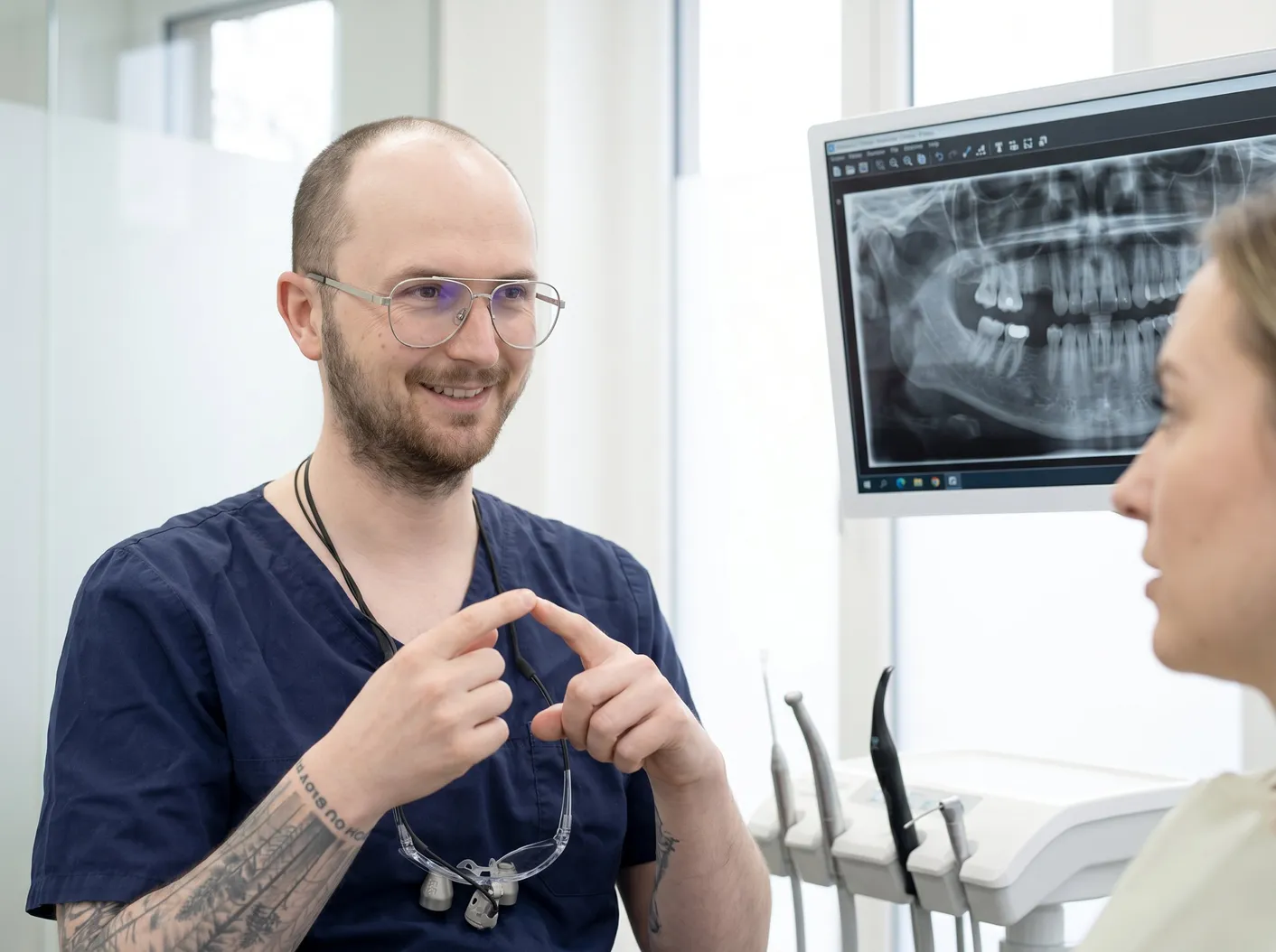
Why is the gap visible after a tooth extraction?
The natural crown of the tooth is missing immediately after an extraction. The surrounding tissue needs time to heal. This is why the gap initially remains open and clearly visible.
How noticeable the gap is depends on the position of the tooth. It is often less visible at the back of the mouth. At the front, it is usually immediately noticeable when speaking and smiling.
The shape of the gums also changes after the procedure. The area may appear swollen during the first few days. The tissue then gradually begins to close.
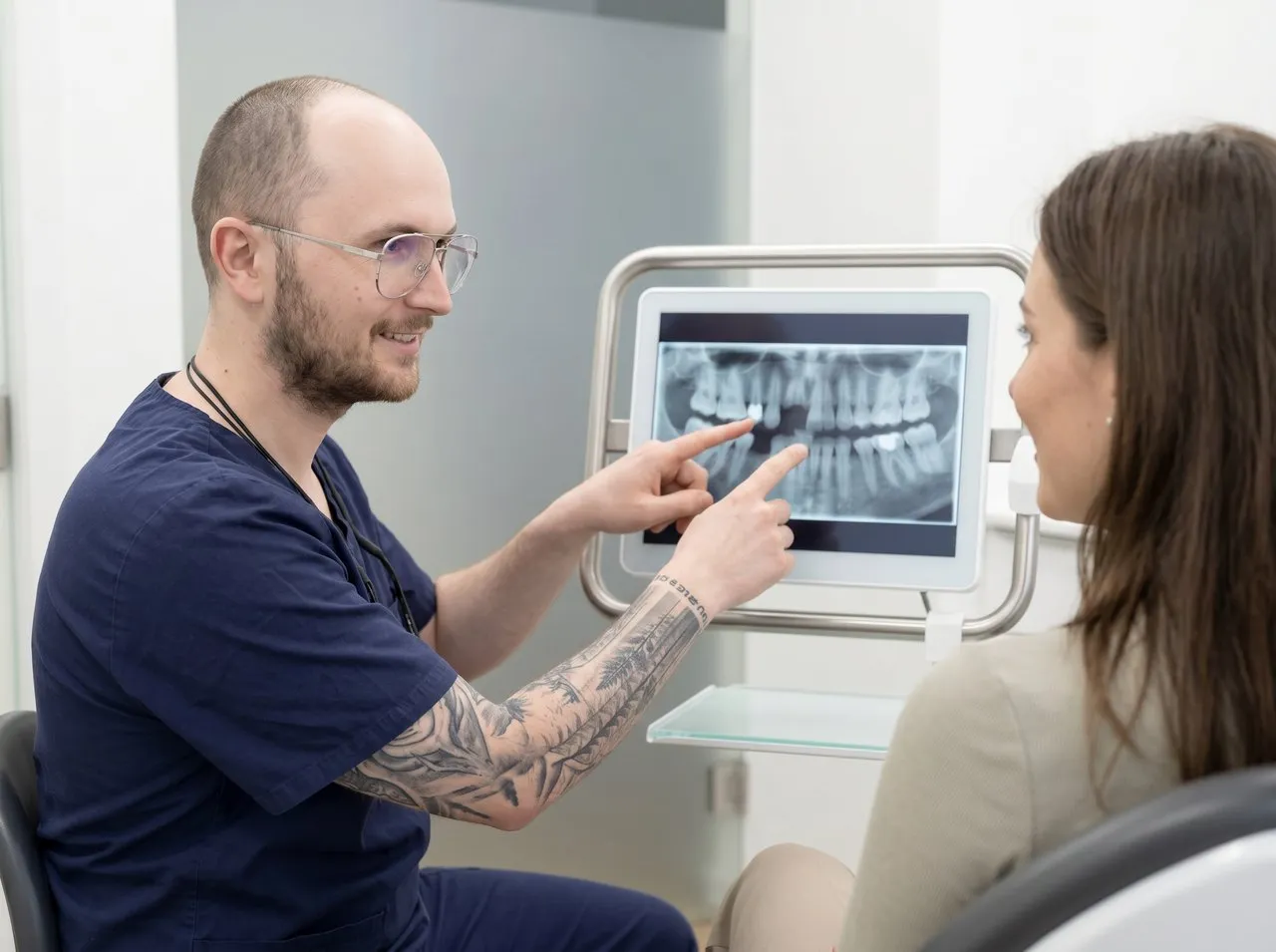
Is a visible gap after an extraction normal?
Yes, a visible gap is normal after a tooth extraction. The tooth has been removed, so the visible structure is missing. What matters is how healing progresses and what restoration is planned.
Wound healing is the priority during the first few days. The blood clot protects the tooth socket. It forms the basis for further regeneration.
After a few weeks, the tissue usually settles down considerably. However, the gap remains visible until replacement teeth are fitted. This is particularly true when an incisor is missing.
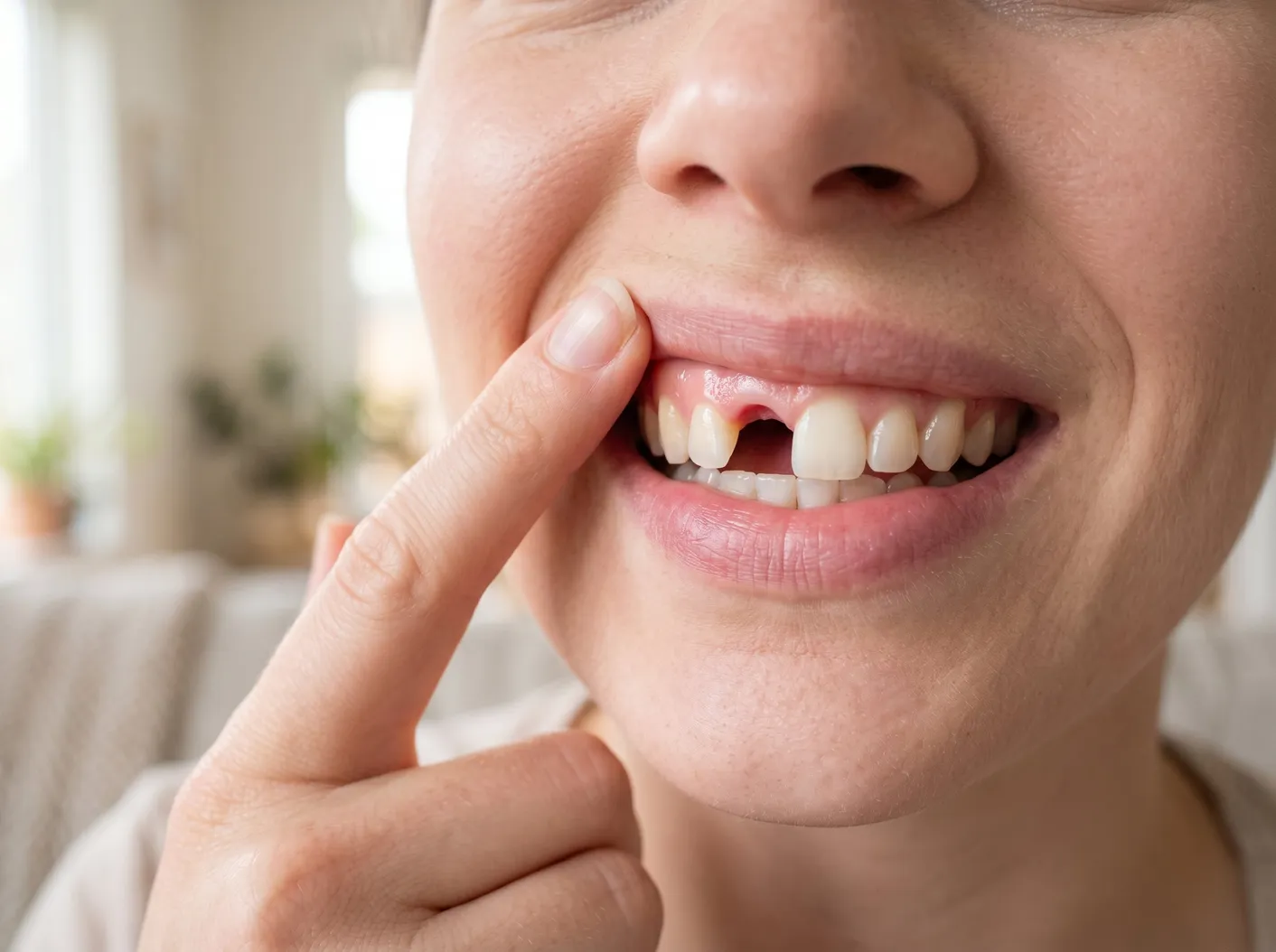
How long does the gap remain visible after a tooth extraction?
The gap remains visible until it is restored with a dental prosthesis. Although the gums close over the wound, the body does not grow a new tooth.
How soon a restoration can be fitted depends on the clinical findings. Sometimes an immediate restoration may be possible. In other cases, the tissue should be allowed to heal completely first.
A healing period is often allowed for with an implant. This can take several weeks or months. A temporary solution may be advisable during this phase.
What are the consequences of an untreated gap?
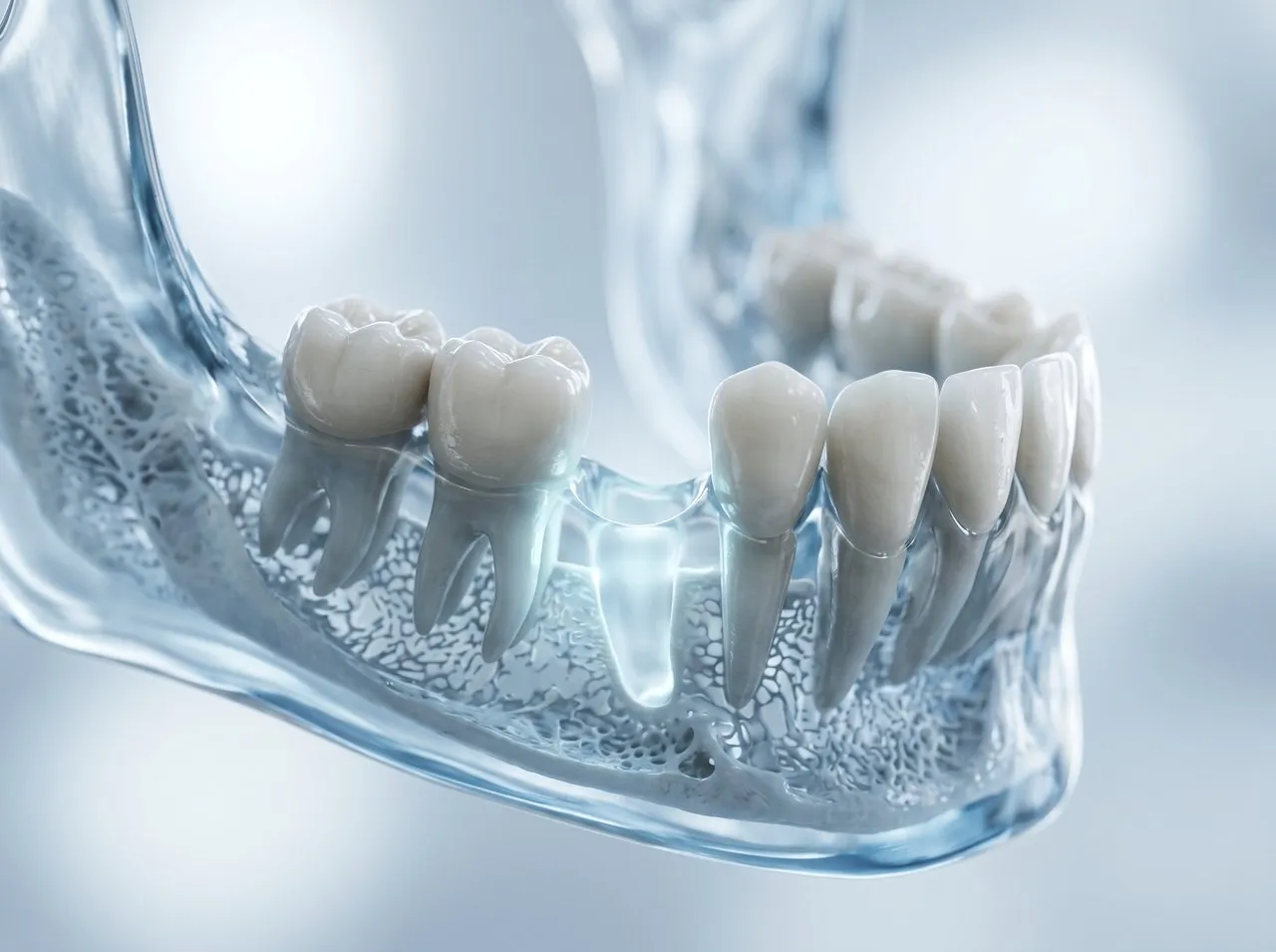
A visible gap is not just an aesthetic issue. Functional problems can also develop over time. Treatment should therefore not be put off for too long. Neighbouring teeth can tilt into the gap. Opposing teeth can over-erupt. This changes the bite.
The jawbone can also deteriorate. The lack of chewing stimulation affects bone volume. This can make it more difficult to plan an implant later on.
Appearance often suffers when the gap is in the front teeth. Many patients then become more reserved when speaking. Speech sounds can also change.

What solutions are available for a visible gap?
Which treatment is suitable depends on the tooth position, available bone and your preferences. Modern dentistry offers several options. Individual planning is therefore very important.
Temporary restoration after a tooth extraction
A temporary restoration can close the visible gap for a while. This is particularly relevant in visible areas. It helps your smile look harmonious again more quickly.
Depending on the situation, removable or fixed temporary restorations may be suitable. They bridge the healing phase. At the same time, they often also protect the affected area.
Dental bridge
A bridge can be a fixed solution. It closes the gap functionally and aesthetically. Neighbouring teeth usually have to be prepared for this.
This type of restoration is not suitable for every clinical situation. Healthy neighbouring teeth play an important role. The indication should therefore be assessed carefully.
Dental implant
A dental implant replaces the missing tooth root. A crown is attached to it later. This solution often looks very natural.
Sufficient bone is usually required. After a tooth extraction, the area must be assessed carefully. Bone augmentation may also need to be considered if necessary.

What should be considered with a visible gap in the front teeth?
The burden is often particularly great when the gap is in the front teeth. The gap is visible when speaking. Photographs and social interactions also play a role.
An aesthetic temporary restoration is often discussed at an early stage in these cases. The aim is a harmonious appearance during healing. At the same time, the tissue must be protected.
Planning treatment for the front teeth requires great precision. Tooth colour, tooth shape and the gum line must all work together. This is why a precise diagnosis is important.
What should patients bear in mind after a tooth extraction?
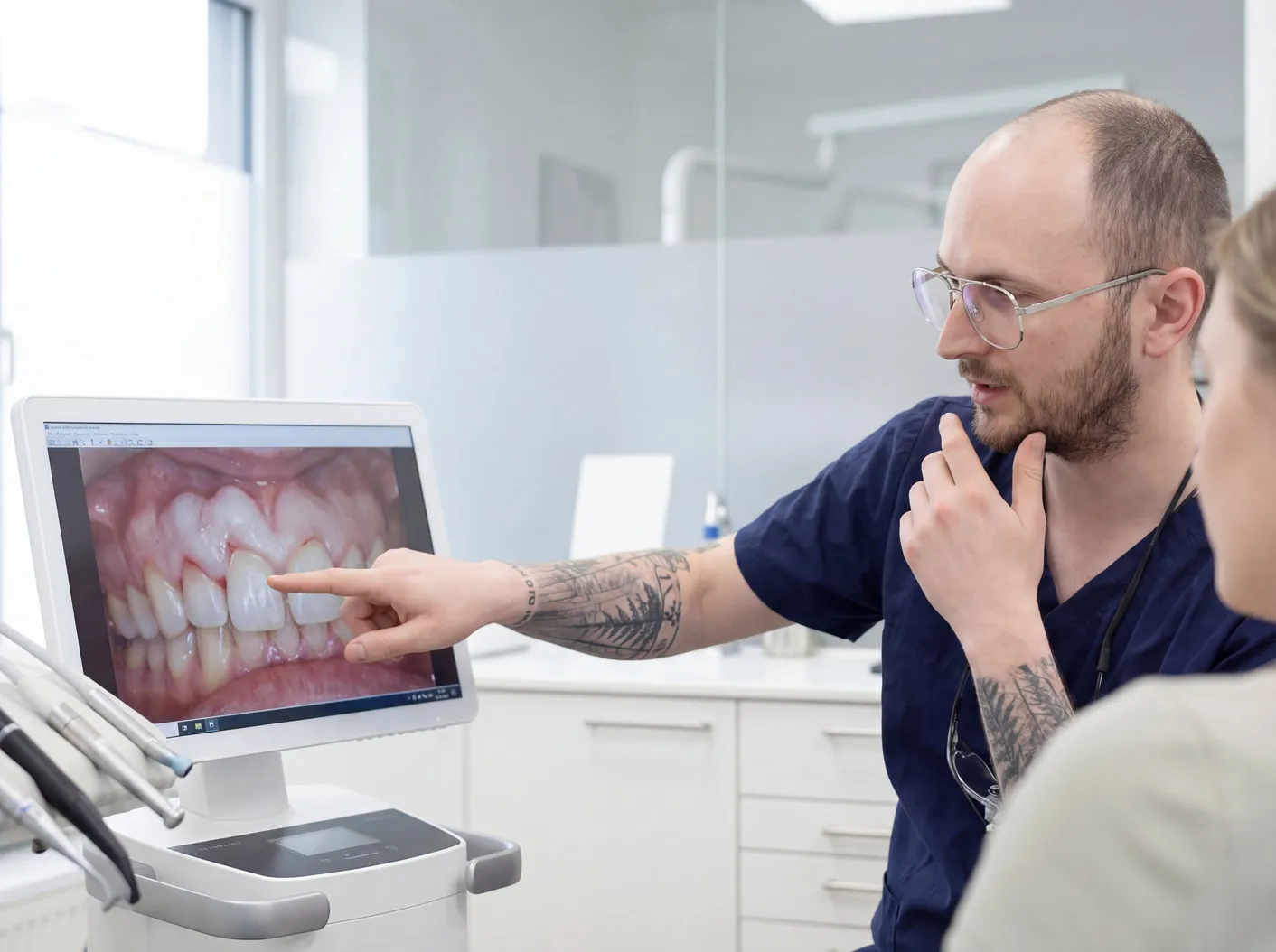
The wound should be protected after the procedure. Vigorous rinsing is usually not advisable at first. Smoking can also impair healing.
The practice's instructions should be followed carefully. Follow-up appointments are important. This allows healing and restoration to be planned safely.
Anyone who finds a visible gap distressing in everyday life should raise this openly. There is often a good interim solution. At Wunschlachen, we provide individual, evidence-based dental advice on this.
Conclusion: targeted treatment for a visible gap after a tooth extraction
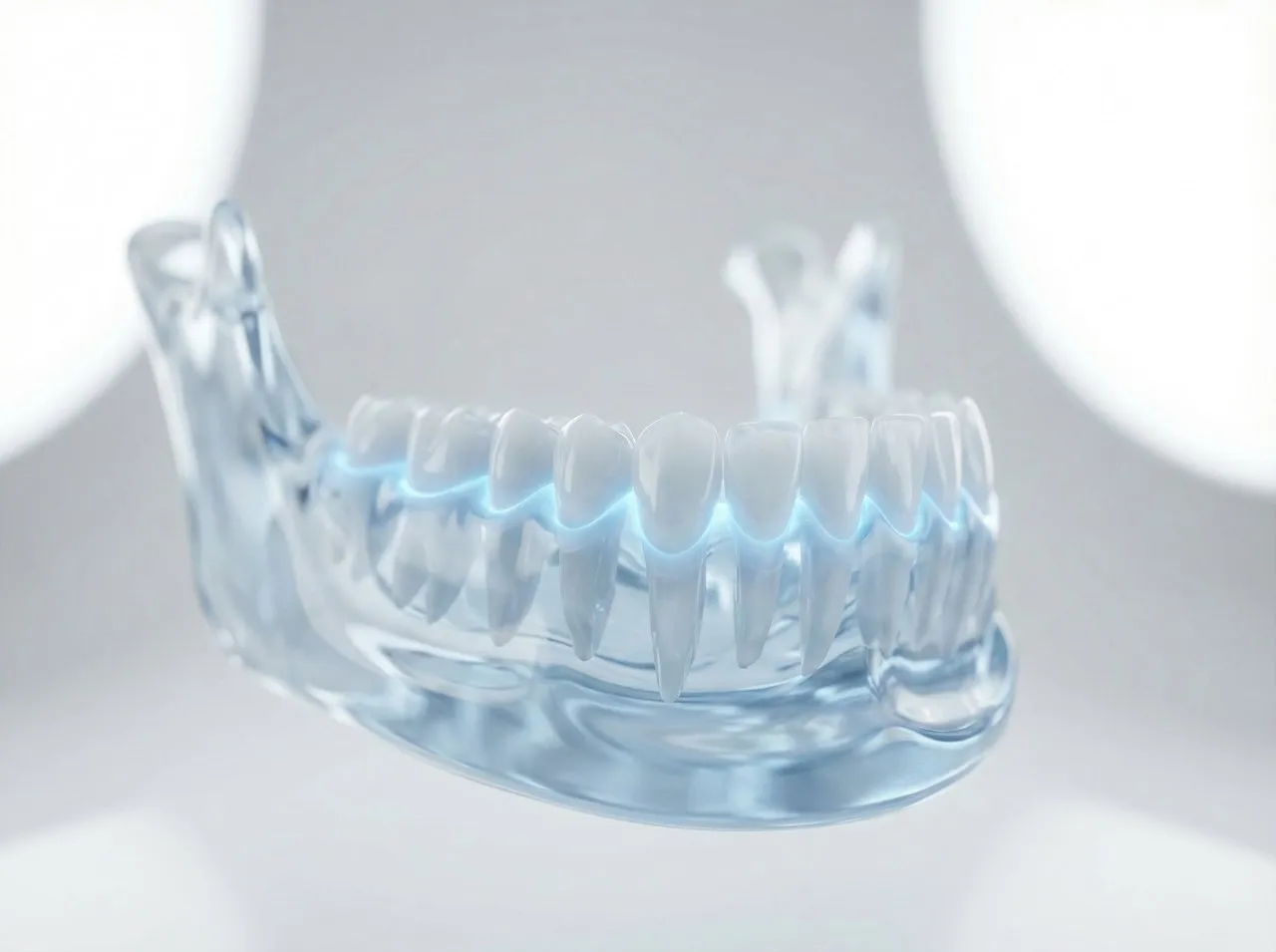
Soft foods help during the first few days. You should chew on both sides. This keeps the denture more stable in your mouth. When a tooth has been extracted, the gap is normal at first. However, it should not be left untreated permanently. Good planning protects aesthetics, function and the jawbone.
Whether a temporary restoration, bridge or implant is advisable depends on the individual case. The clinical findings, healing and personal preferences are decisive. An early consultation provides clarity.