Causes of bad breath - what can really help
Bad breath is unpleasant, but it can usually be explained. The most common causes of bad breath are found directly in the mouth. Bacteria on the tongue, teeth and gums produce odorous substances. A dry mouth, tooth decay, periodontitis or dental restorations may also be involved. A thorough examination at Wunschlachen helps to identify the cause reliably.
Über 350 Google-Bewertungen
What does bad breath mean?
Bad breath is also known medically as halitosis. It means breath that smells unpleasant over a prolonged period.
A temporary odour after eating garlic or onions or drinking coffee is normal. It usually disappears after a few hours. Persistent bad breath often has a clear cause. It should therefore not be ignored.
Common causes of bad breath in the mouth
Most cases of bad breath are caused by bacteria. They break down food debris and proteins in the mouth and produce volatile sulphur compounds, which can have a strong smell.
The bacteria are particularly common on the tongue and between the teeth. Plaque, food debris and tartar make the problem worse. A standard toothbrush can only partly reach these areas.
A coated tongue as an important trigger
A coated tongue is one of the most common causes of bad breath. The rough surface of the tongue gives bacteria a good foothold. The back of the tongue in particular is often overlooked. Many odour-producing germs accumulate there.
Gently cleaning the tongue can significantly improve your breath. It is important to do this regularly and gently. At Wunschlachen, we will show you suitable cleaning techniques. This makes daily care easier and safer.
Gum inflammation and periodontitis
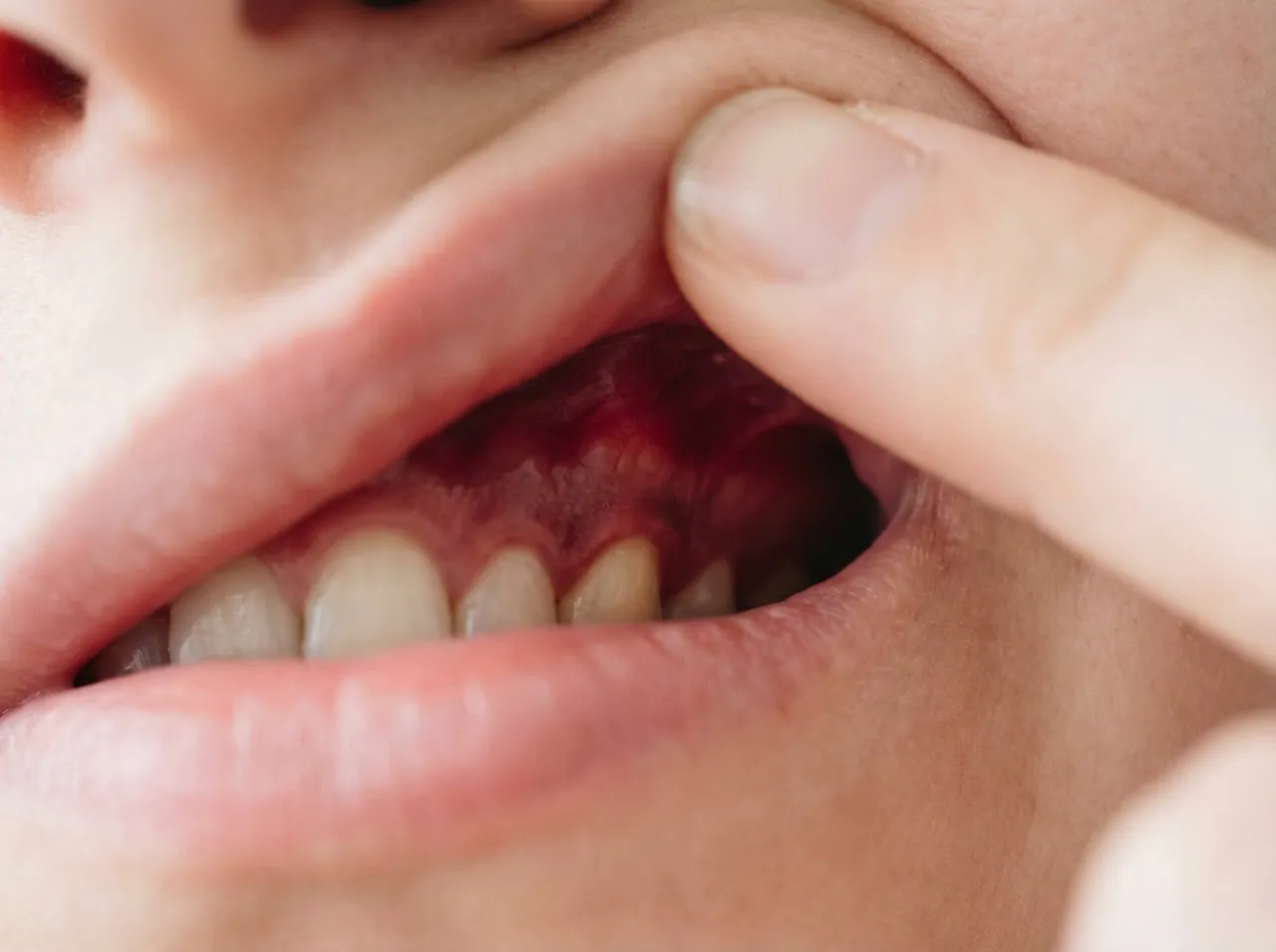
Inflamed gums can cause bad breath. Bacteria accumulate along the gumline and in small pockets. Gum inflammation often causes bleeding. Redness and swelling may also occur.
If the inflammation is left untreated, periodontitis can develop. This attacks the supporting structures of the teeth. Periodontitis is a common cause of persistent bad breath. Professional treatment is then particularly important.
Tooth decay and defective fillings
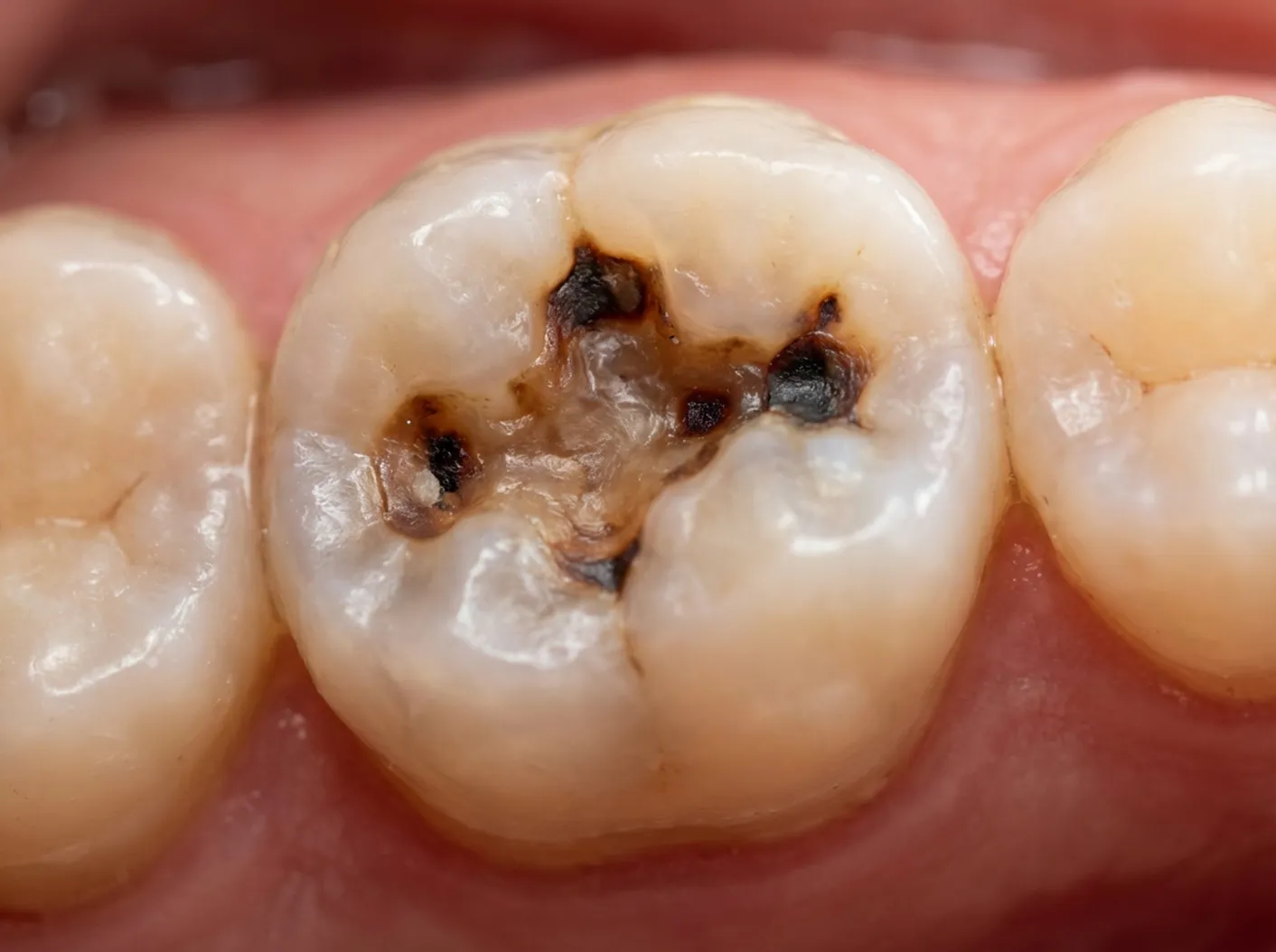
Tooth decay can also cause bad breath. Bacteria and food debris collect in cavities, which are difficult to clean at home. This creates conditions in which unpleasant smells can develop.
Damaged fillings can cause similar problems. Small gaps are often only found at a check-up. Leaking crowns or old restoration margins can also be involved. A dental examination can identify the cause.
Caring properly for dental restorations and implants
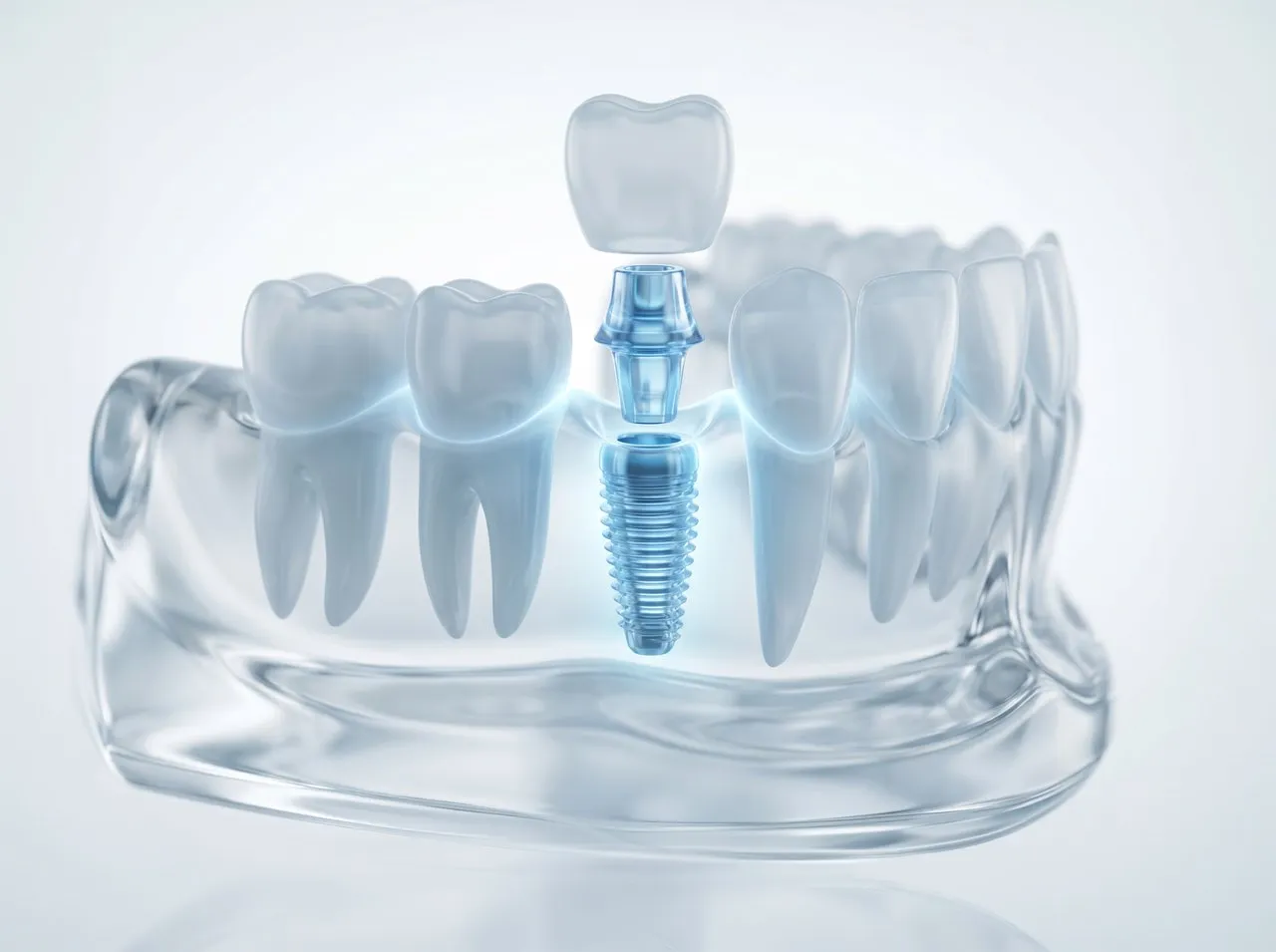
Dental restorations can encourage bad breath if plaque is left behind. This applies to dentures, bridges, crowns and implants. The transitions to the gums require particular attention. Bacteria often accumulate there unnoticed.
Implants must be cared for just as thoroughly as natural teeth. Interdental brushes can be very helpful for this. At Wunschlachen, we will explain the appropriate care. This helps to prevent inflammation and odours more effectively.

A dry mouth as a cause
Saliva protects the mouth naturally. It washes away food debris and neutralises acids. When the mouth is dry, it loses this important cleaning function and bacteria can produce odorous substances more quickly.
Dry mouth can arise from medication, stress or mouth breathing. Drinking too little may also play a part. Many people notice worse breath in the morning because saliva production drops substantially at night.

Diet, smoking and habits
Certain foods temporarily change your breath. These include garlic, onions, coffee and alcohol. Smoking is a particularly important risk factor. It changes the oral flora and irritates the gums.
Diets can also affect your breath. Severely restricting carbohydrates produces different metabolic products. These can cause a noticeable odour on the breath. This usually improves with an adjusted diet.
Can other illnesses cause bad breath?
Not every cause lies in the mouth. The nose, throat or stomach may also be involved. Tonsil stones can cause a strong odour. Chronic sinus problems are another possibility.
Illnesses such as diabetes can change your breath. This is less common, but should be investigated. Nevertheless, the search usually begins with the dentist, as this is where the most common causes are found.

Diagnosis at Wunschlachen
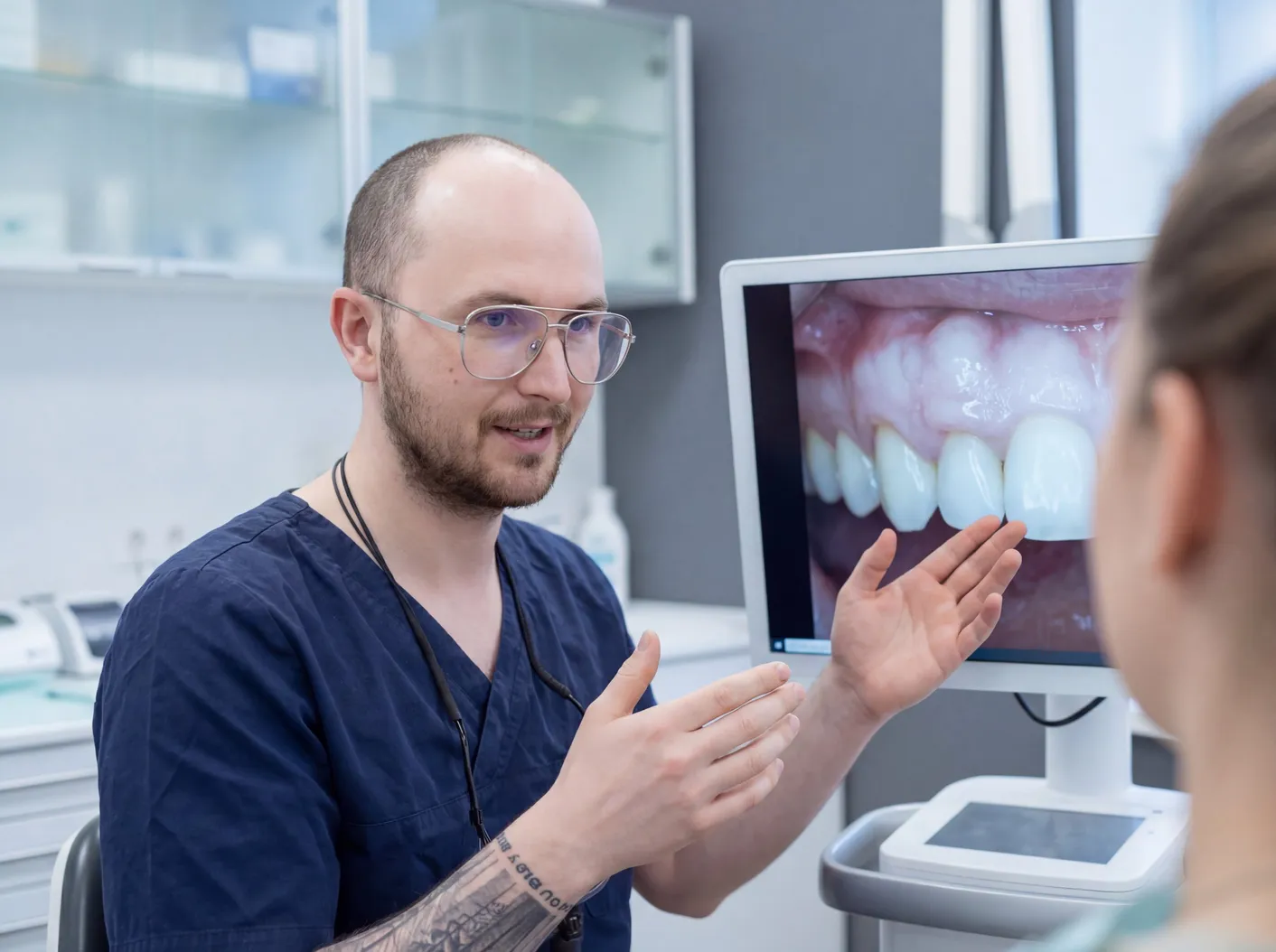
At Wunschlachen, we examine the teeth, gums and tongue. Dental restorations and implants are also checked carefully. We look for plaque, tartar and inflammation. Gum pockets are measured if necessary.
This allows the cause to be identified specifically. We then discuss the appropriate treatment. Professional dental cleaning often helps. Home care is also adjusted.

What helps against bad breath?
The right help depends on the cause. First, plaque and inflammation must be removed. Cleaning the tongue, dental floss and interdental brushes are often crucial. Professional dental cleaning can also improve matters considerably.
Periodontitis requires targeted treatment. Tooth decay or defective fillings should be treated. Mouthwashes can have a supporting effect. However, they are no substitute for a diagnosis and thorough care.