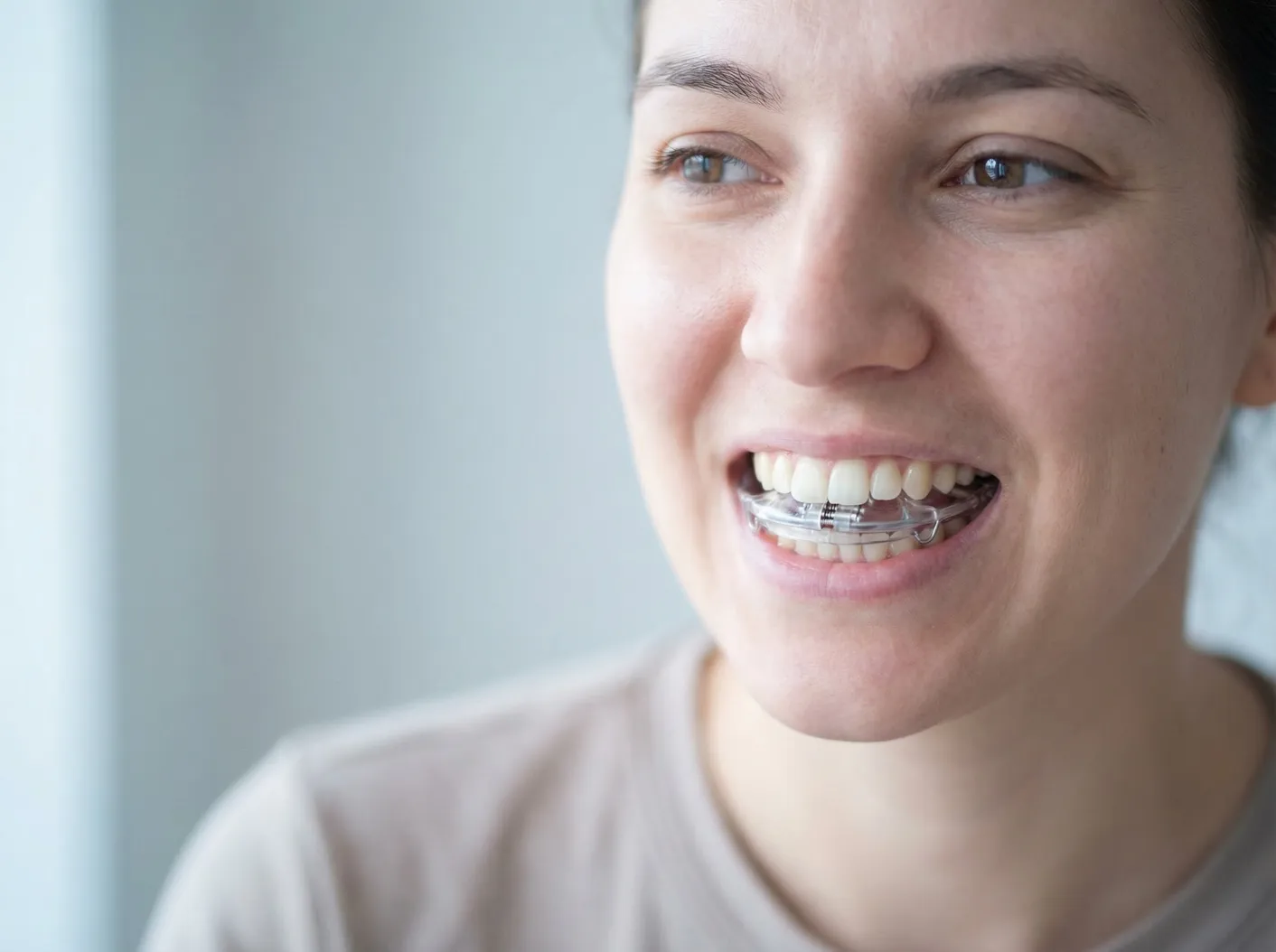
Cleaning your snoring mouthguard: care for peaceful nights
A snoring mouthguard needs daily care to keep it hygienic. If you want to clean your snoring mouthguard, you should use gentle products. This helps preserve the material, fit and function for a long time. In this guide, you will learn which cleaning methods are advisable.
Über 350 Google-Bewertungen

Why cleaning your snoring mouthguard is important
A snoring mouthguard sits in your mouth for several hours every night. It comes into contact with saliva, plaque and bacteria. Even the smallest food particles can settle on its surface.
Without regular care, odours, discolouration and hard deposits can develop. These can significantly impair hygiene. The mouthguard may also feel unpleasant.
Cleaning protects not only the mouthguard. It also supports your oral health. Clean appliances are part of dental care.
Clean your snoring mouthguard every day
Daily cleaning begins immediately after taking the mouthguard out. First rinse it with lukewarm water. This makes it particularly easy to remove fresh deposits.
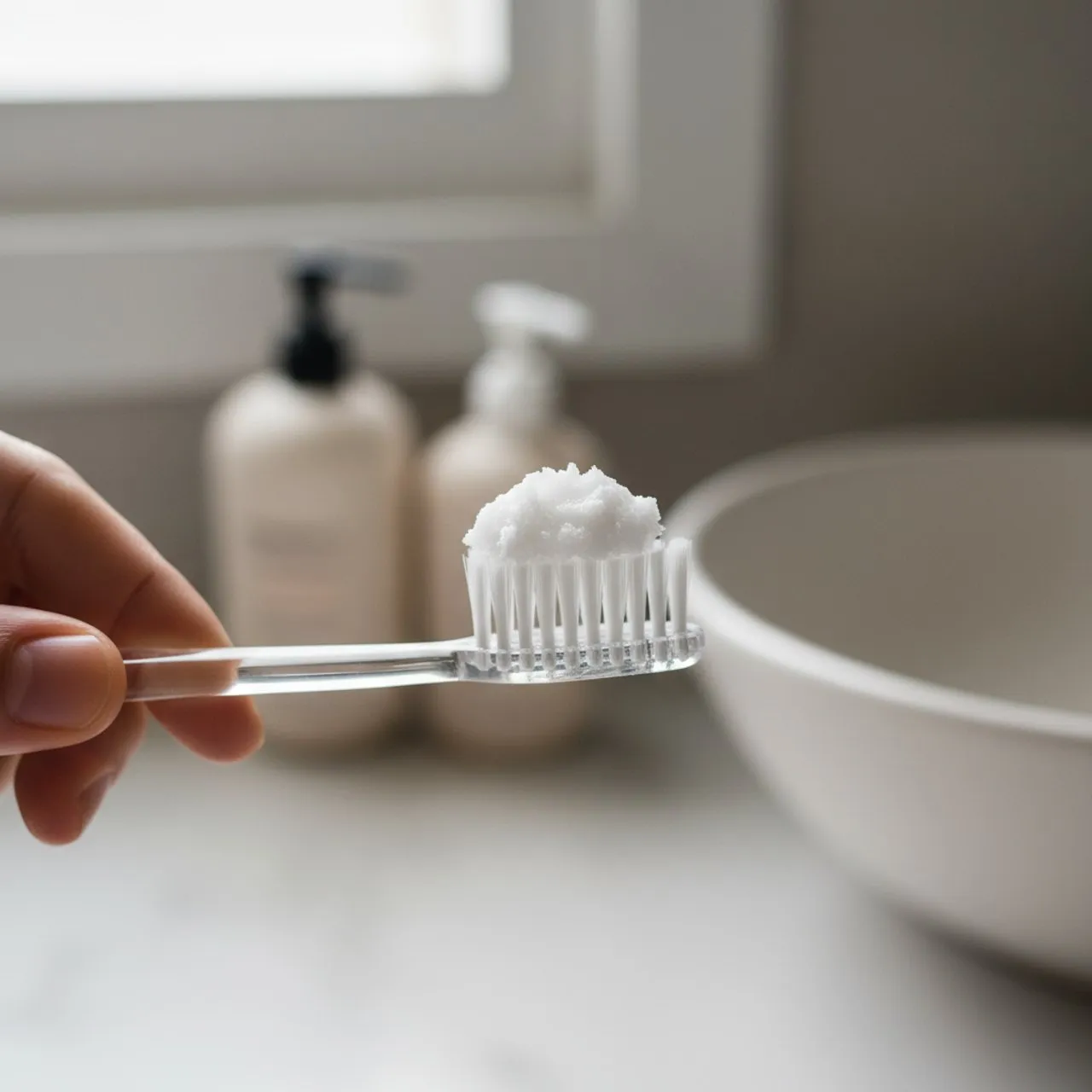
Then use a soft toothbrush or a special denture brush. Carefully clean all surfaces without applying strong pressure. Recesses, edges and connecting elements are especially important.
Mild liquid soap is suitable for cleaning. pH-neutral cleaning products can also be used. Afterwards, rinse the mouthguard thoroughly with water.
Toothpaste is often not a good choice. Many toothpastes contain abrasives. These can cause fine scratches in the plastic.
Cleaning a snoring mouthguard with cleaning tablets
Cleaning tablets can be a useful addition. They loosen deposits and reduce odours. However, it is important to use them correctly.
The mouthguard should not be left permanently in the cleaning solution. Always follow the manufacturer's instructions. Excessively long soaking times can strain the material.
After using the cleaning solution, rinse the mouthguard carefully. It should then dry completely. Only then should it be put back in its storage box.
Not every tablet is suitable for every snoring mouthguard. You should therefore ask your dental practice. At Wunschlachen, we are happy to advise you on suitable care.

Which home remedies are suitable?
Many patients ask about home remedies. The basic rule is: gentle care is more important than aggressive cleaning. Not every home remedy is suitable for dental mouthguards.
Vinegar, citric acid and bicarbonate of soda can damage materials. Alcohol, mouthwashes and disinfectants are also often problematic. They can alter the surface and colour.
Cleaning with lukewarm water and mild soap is safer. A professional check can help with heavier deposits. This allows the mouthguard to be checked and cleaned appropriately for its material.

You should avoid these mistakes
Hot water is one of the most common mistakes. High temperatures can deform plastic. The mouthguard will then no longer fit correctly.
The dishwasher is also unsuitable. Heat and detergents are too harsh. This can cause the mouthguard to lose its fit.
Avoid hard brushes and abrasive cleaners. Small scratches encourage new deposits to form. The surface can also become dull more quickly.
Never store the mouthguard while it is damp and in a closed container. Moisture encourages odours and germs. First leave the mouthguard to dry thoroughly.

Storage after cleaning
After cleaning, the snoring mouthguard should be left to air dry. Place it on a clean cloth. Avoid direct sunlight and strong heat.
Then put the mouthguard in a ventilated box. A closed container without air holes is unsuitable. Residual moisture can remain there for longer.
The box itself must also be cleaned. Rinse it regularly with water. Leave the box to dry completely too.
When is professional cleaning advisable?
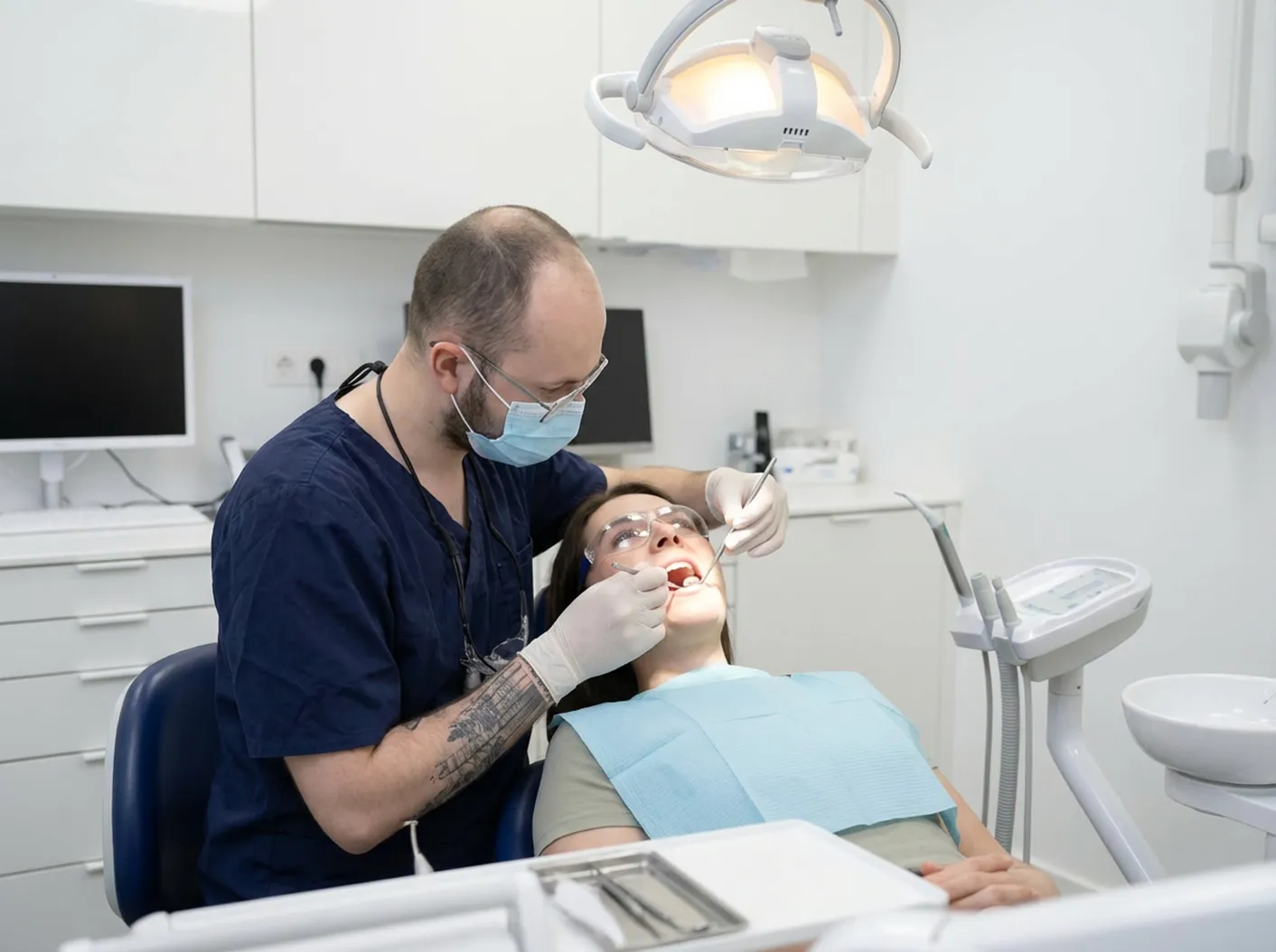
Sometimes cleaning at home is not enough, especially if there is tartar, discolouration or a persistent smell. A dental professional should then check the device.
Small cracks or rough areas are also warning signs. Deposits can build up more easily in these areas, and the device can lose strength.
At the practice, we check the fit, material and function. If needed, we recommend cleaning or adjustment so the device continues to work reliably.
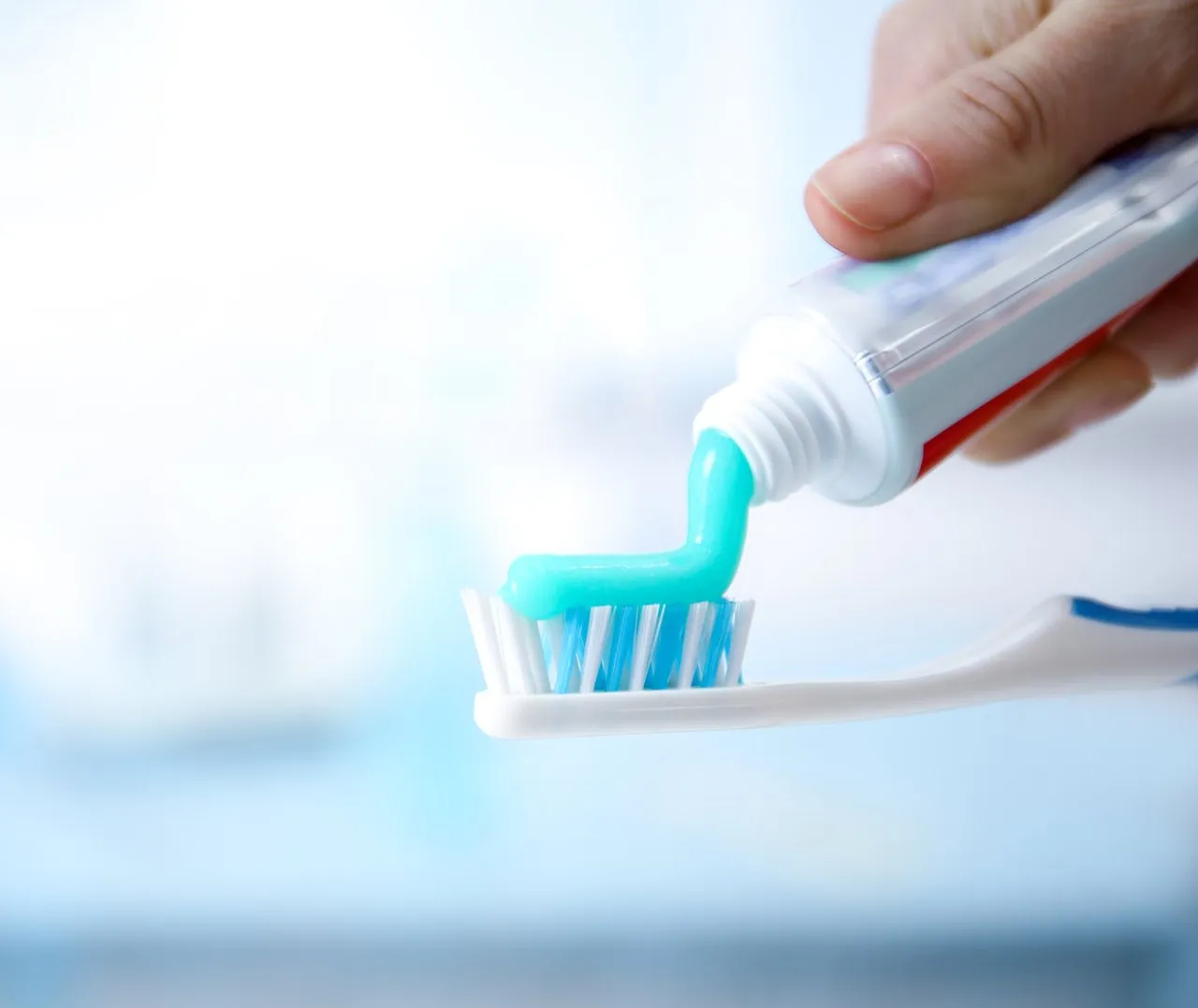
Snoring mouthguards and oral hygiene go together
A clean mouthguard alone is not enough. Your teeth should also be cleaned thoroughly before inserting it. Otherwise, deposits will transfer directly to the mouthguard.
Brush your teeth carefully in the evening. Also use dental floss or interdental brushes. This reduces deposits between your teeth.
Oral hygiene is important in the morning too. Clean your teeth and mouthguard separately. This gives you a hygienic start to the day.

How often should the mouthguard be checked?
A snoring mouthguard should be checked regularly by a dentist. This allows changes to be detected early. The fit can also change over time.
A check at intervals agreed with your dentist is recommended. If you experience discomfort, looseness or pressure points, you should come in sooner. A change in your bite should also be checked.
At Wunschlachen, you will receive clear care instructions. We will show you how to clean your mouthguard correctly, step by step. This keeps it hygienic and functional.

Conclusion: clean your snoring mouthguard correctly
If you want to clean your snoring mouthguard, you should do so consistently. Daily rinsing, soft brushes and mild products are essential. Aggressive home remedies and heat should be avoided.
Good care protects the material, hygiene and wearing comfort. Regular checks are a useful addition to daily cleaning. This allows your snoring mouthguard to provide reliable support over the long term.