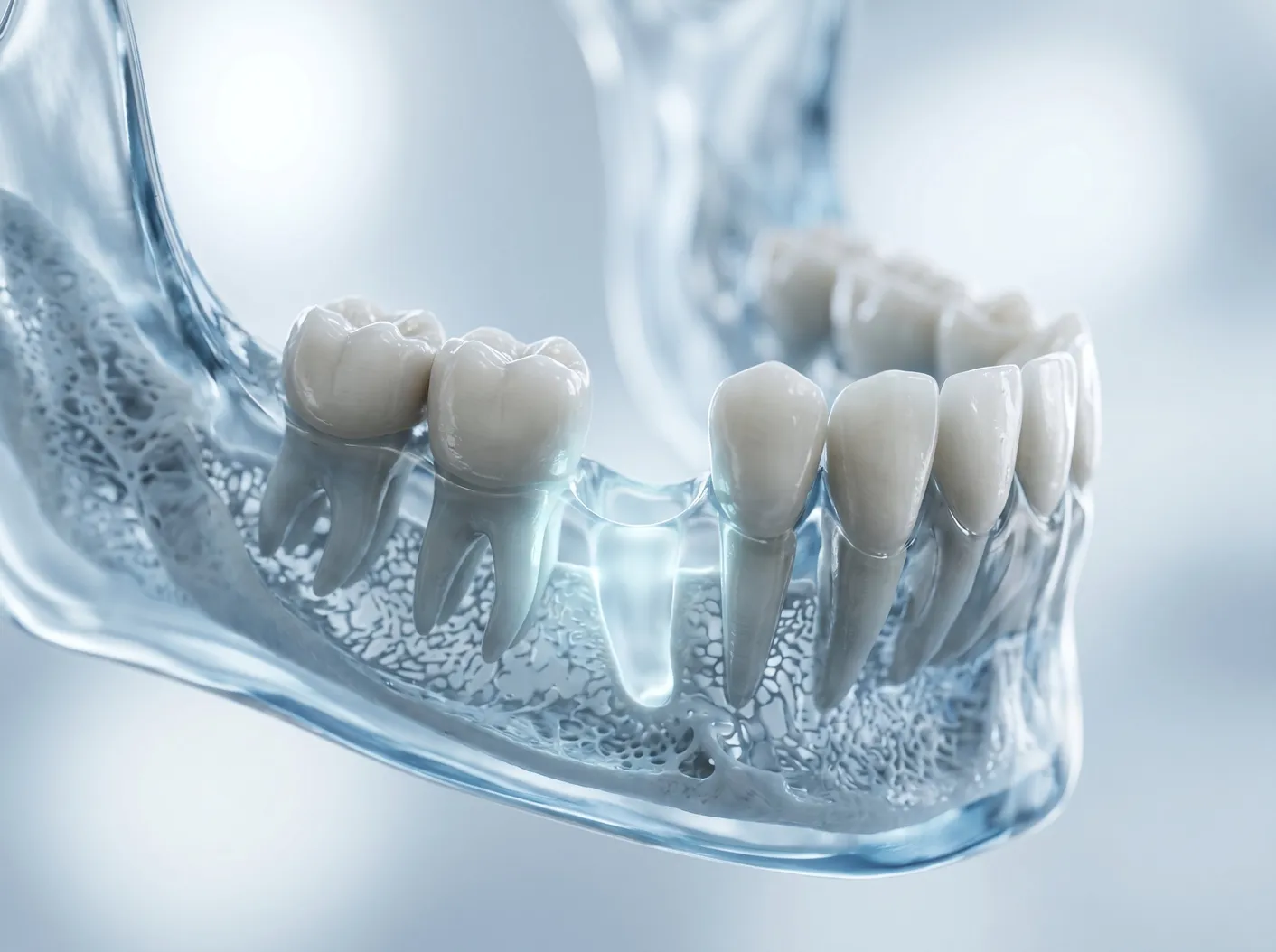
Closing a gap between your incisors yourself – is it possible?
Über 350 Google-Bewertungen
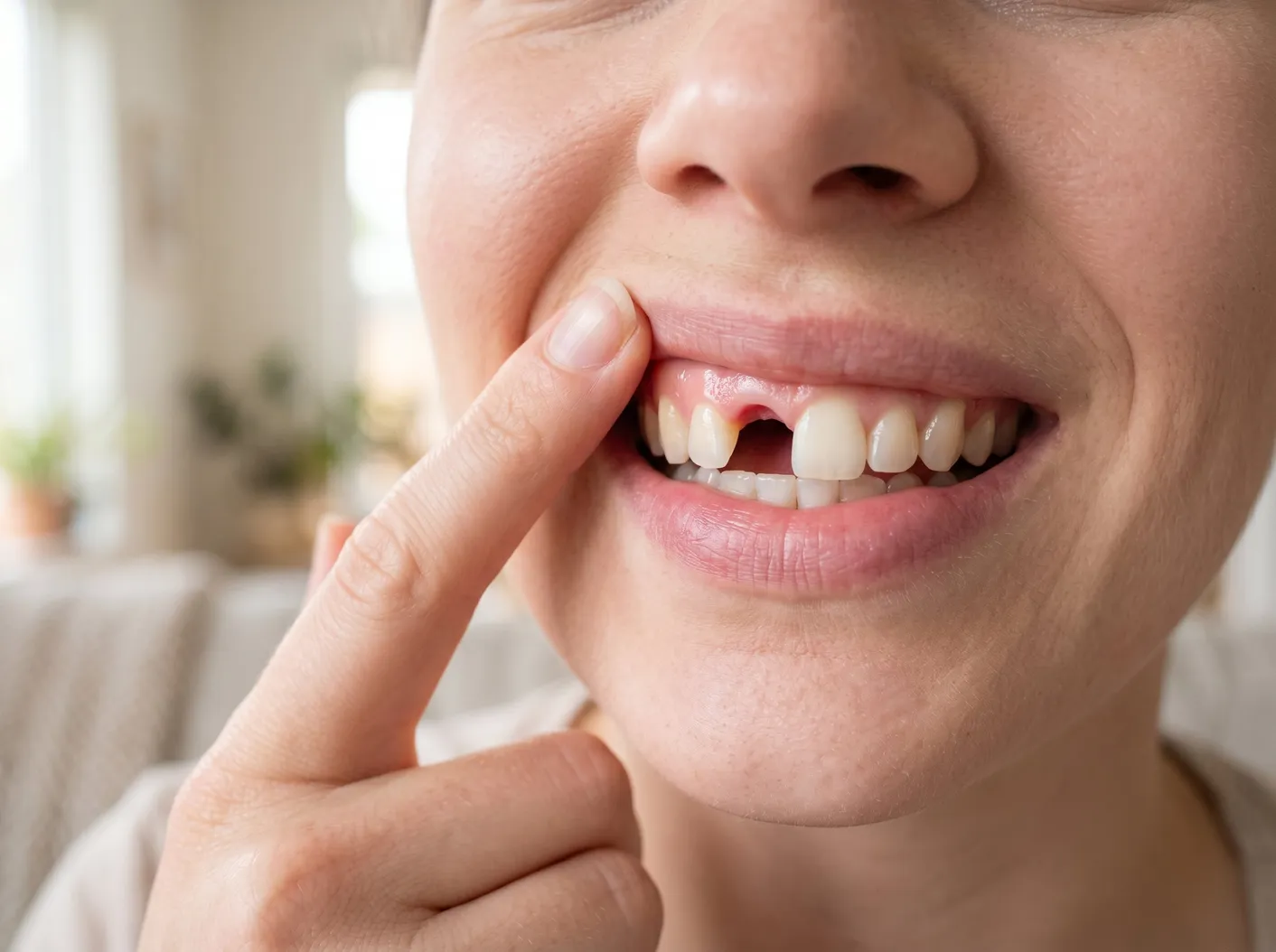
Can you close a gap between your incisors yourself?
A small gap is often called a diastema. It can be hereditary. A labial frenum, pressure habits or tooth migration may also be responsible.
Many people look for home remedies. Some consider using elastic bands or applying pressure to the teeth. Such attempts are risky. They can loosen teeth, alter the bite or irritate the gums.
A gap between the teeth should therefore not be treated without professional help. A dental diagnosis is needed before any correction. This is the only way to identify the cause reliably.
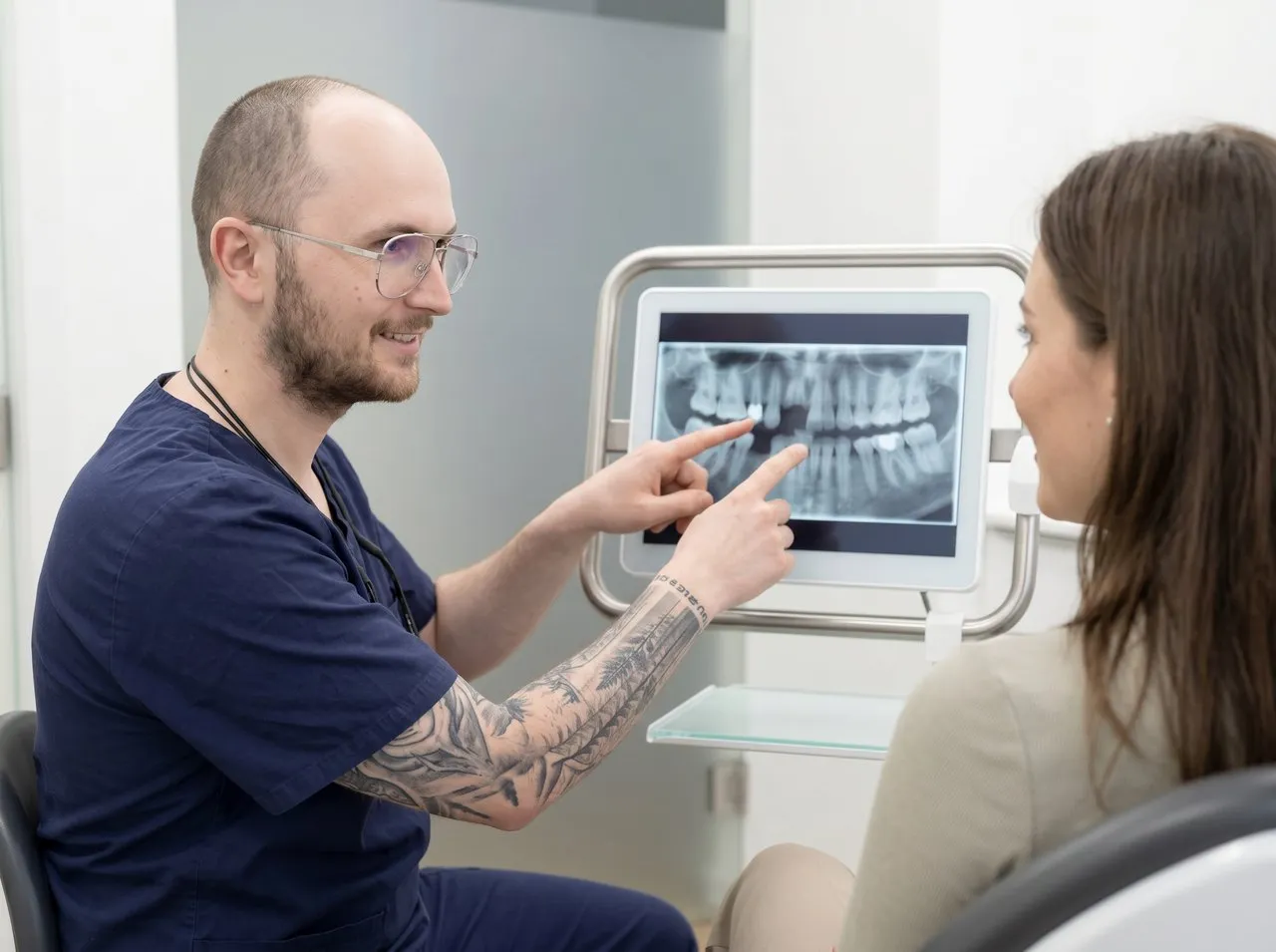
Why does a gap develop between the incisors?
A gap between the front teeth can have various causes. Heredity often plays a role. Tooth shape can also have an influence.
A low-attaching labial frenum is another possibility. It can keep the space between the central incisors open. This is quite common in children.
Habits may also be responsible. These include thumb-sucking or pressure from the tongue. Periodontitis can also lead to tooth migration.
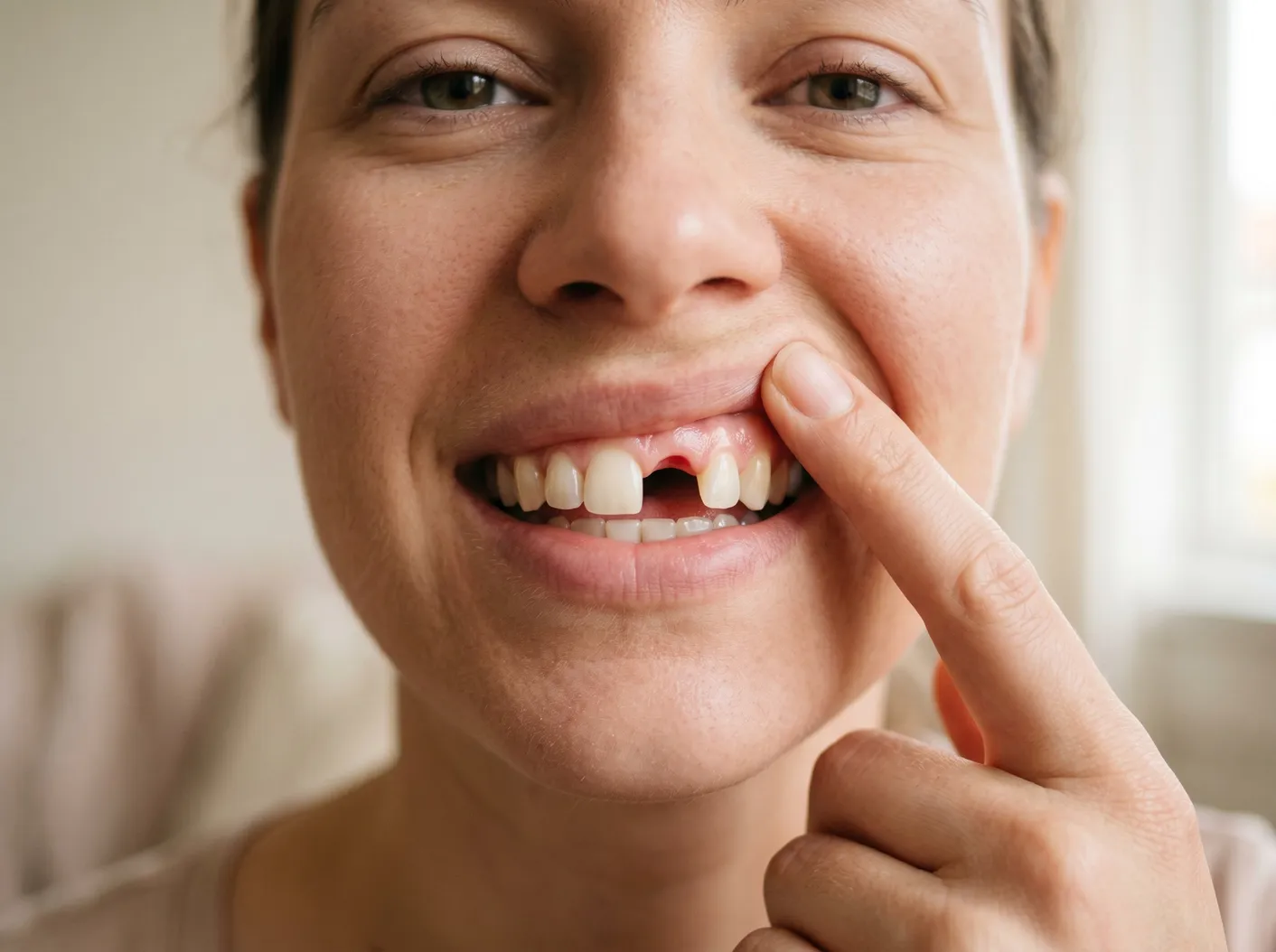
Why trying it yourself is problematic
Teeth cannot simply be moved at will. Every tooth movement requires monitoring. Otherwise, misalignment or strain on the jaw may result.
Elastic bands bought online are particularly problematic. They can slip beneath the gums. In the worst case, this can cause inflammation or damage to the tooth-supporting structures.
Over-the-counter bite aids are not a solution either. They do not correct the cause. Often, they merely delay appropriate treatment.
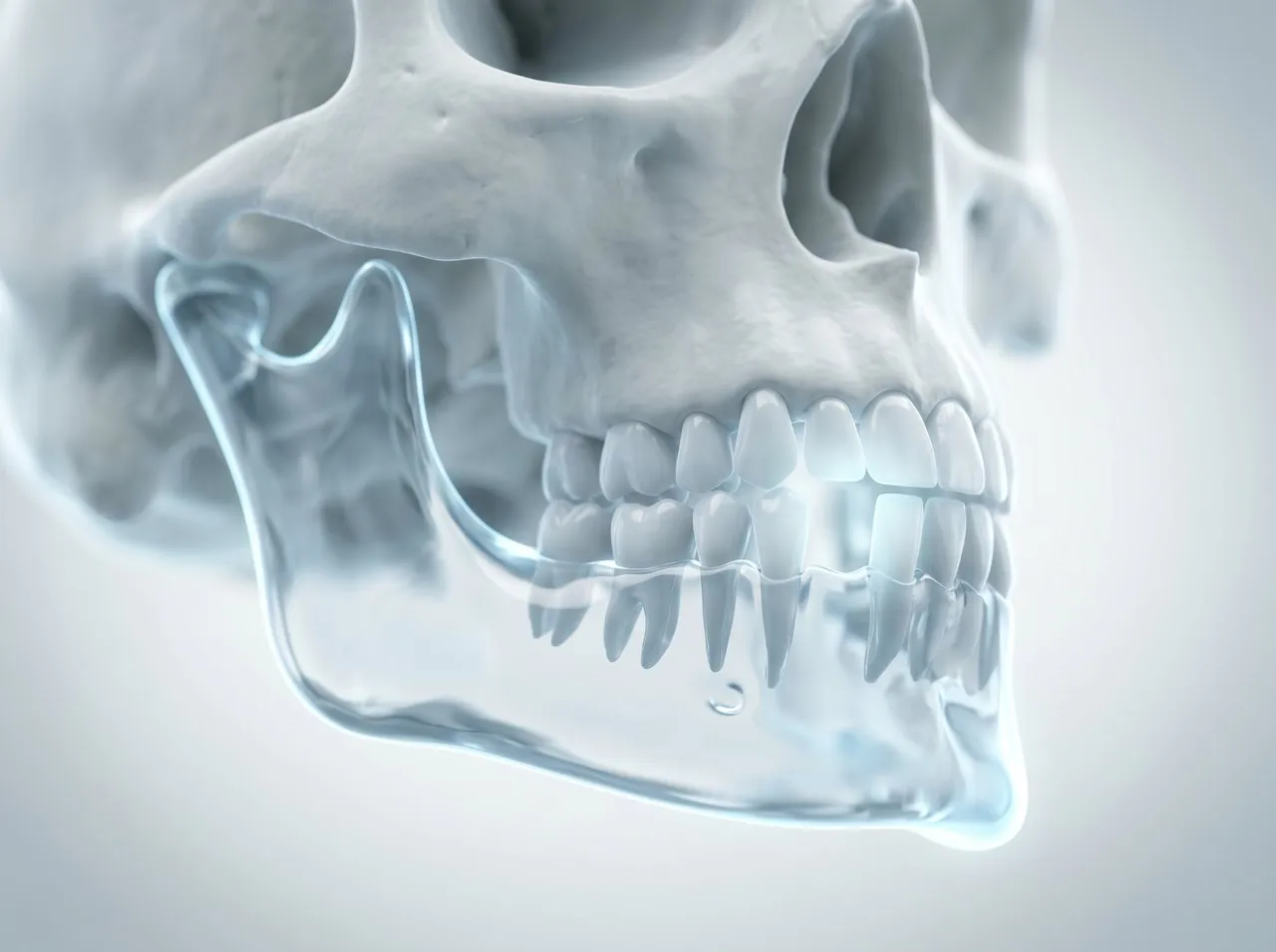
What safe treatments are available?
The appropriate therapy depends on the cause and the findings. Not every gap between the teeth requires braces. Sometimes an aesthetic correction is sufficient.
For genuine misalignment, aligners or fixed braces can help. They allow the incisors to be moved in a targeted way. Treatment proceeds in small steps.
Bonding is often a good option for very small gaps. The dentist shapes the tooth using composite. The result usually looks more harmonious straight away.
Veneers may be suitable for irregularities in tooth shape. Thin ceramic shells alter the visible tooth surface. They are particularly suitable for aesthetic corrections.
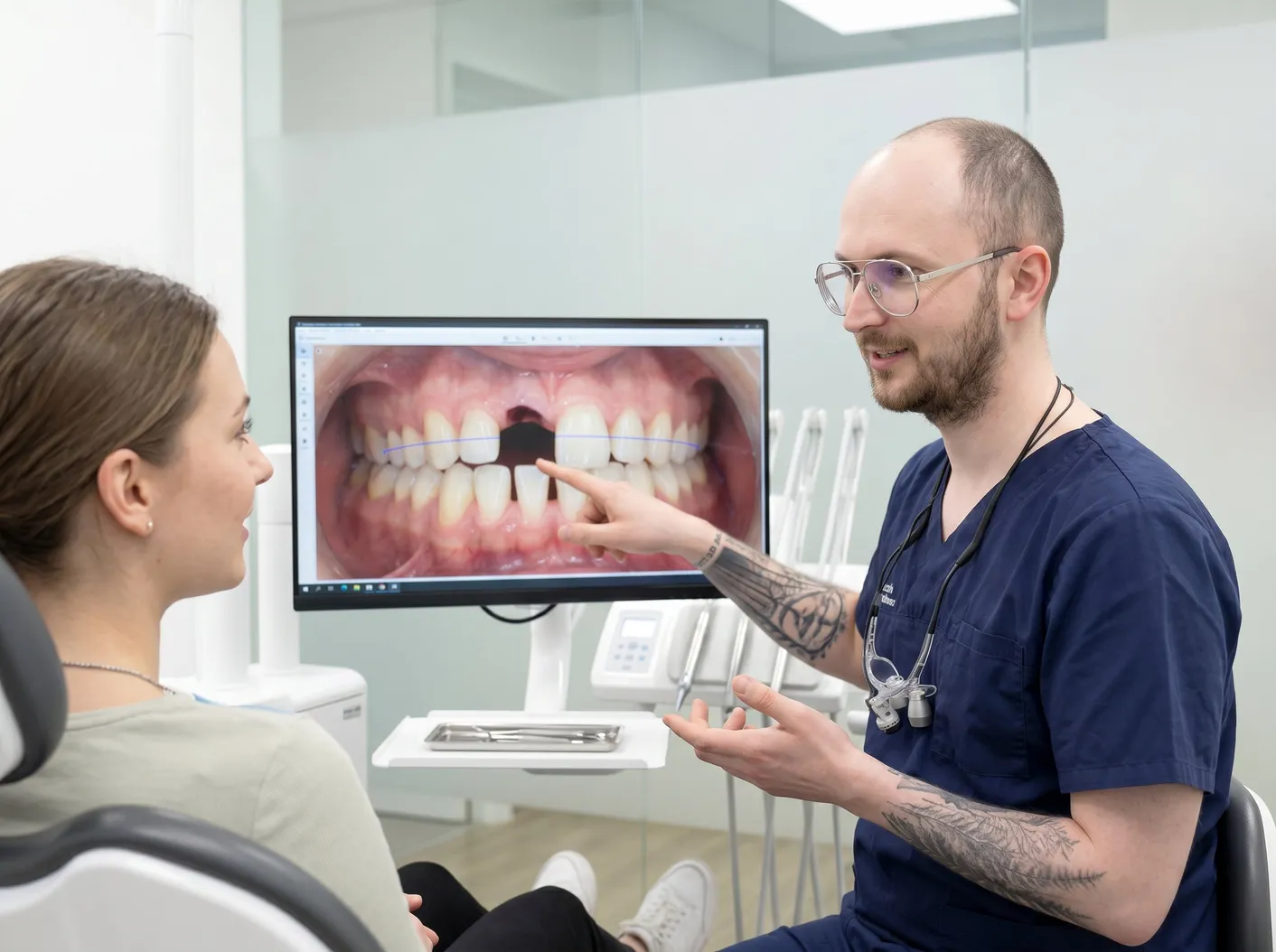
Close a gap without braces?
Yes, this is possible in some cases. The size of the gap is decisive. The position of the teeth also plays an important role.
Bonding is often suitable for small gaps. Most of the natural tooth substance is preserved. The treatment is usually quick as well.
Veneers are also an option. They work well for narrow front teeth. For larger gaps, however, this method is often insufficient.
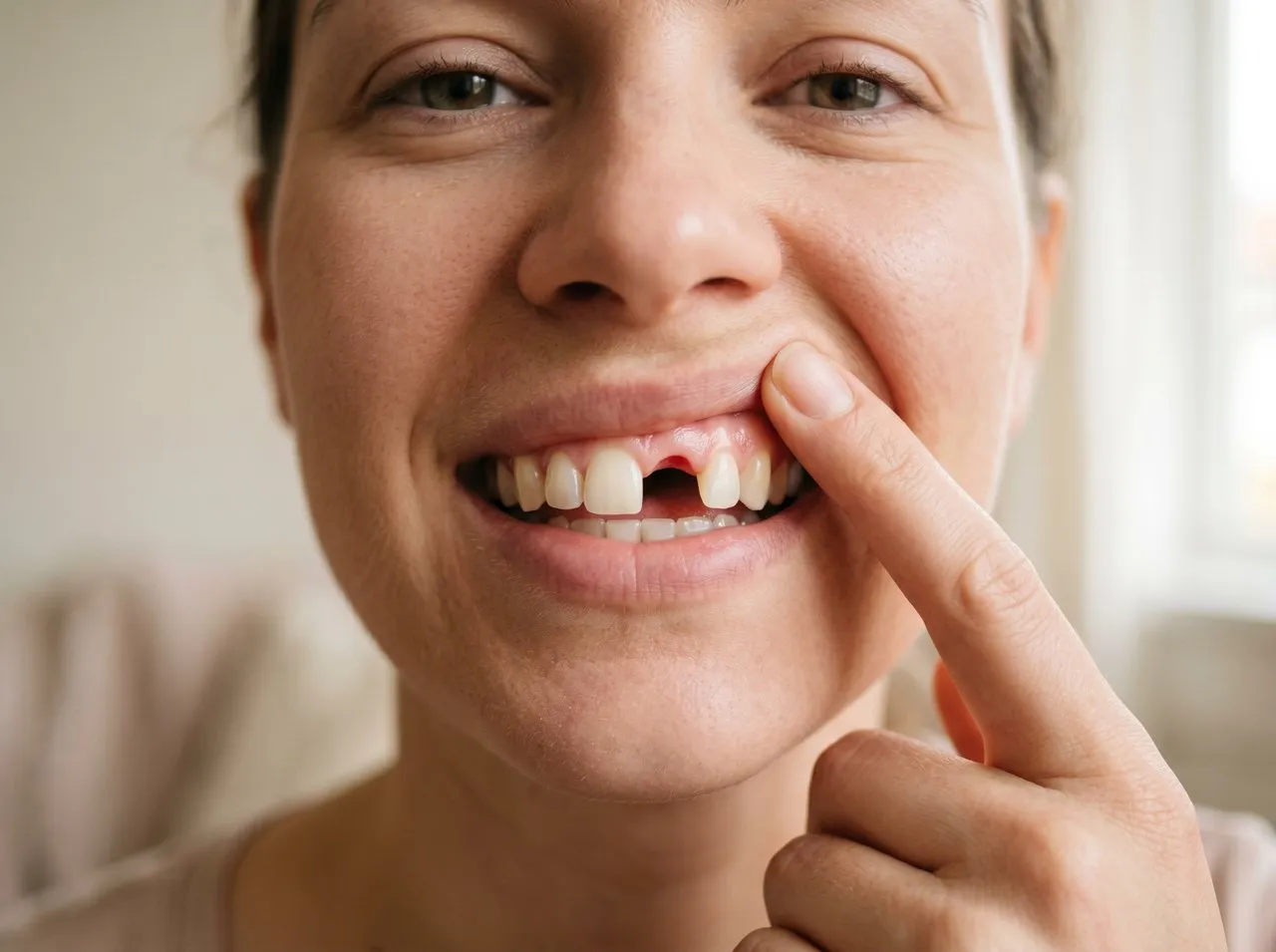
When is the labial frenum relevant?
A pronounced labial frenum can contribute to a gap between the front teeth. The gap then often remains despite tooth movement. In such cases, the tissue is examined.
Sometimes a minor surgical procedure is advisable. This is called a labial frenum correction. It is often performed in addition to orthodontic treatment.
An examination will show whether this is necessary. It is impossible to say for certain without a diagnosis. Individual planning is therefore important.
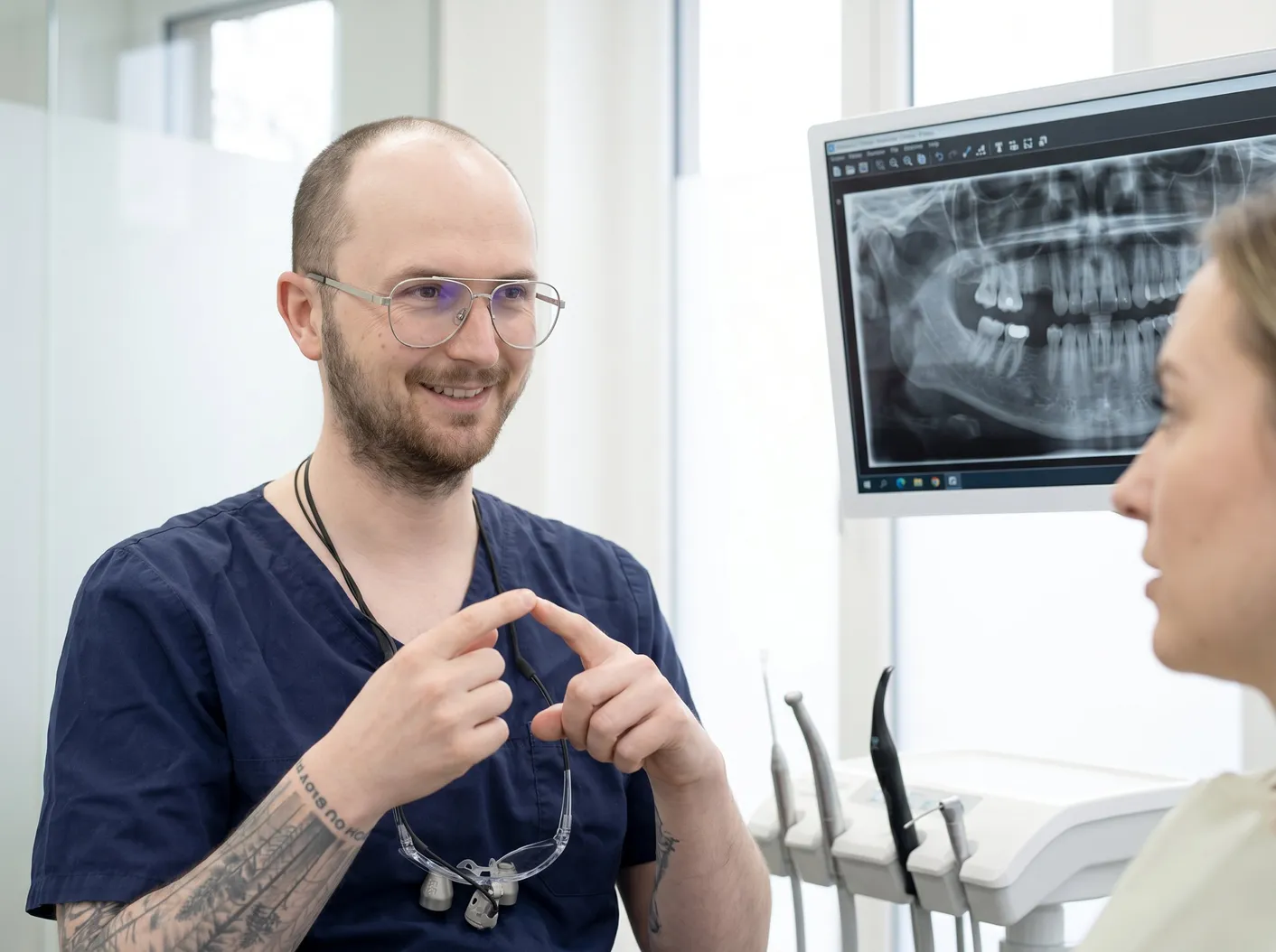
When should the gap be examined?
An examination is particularly important for new gaps. This also applies to teeth that feel loose. The cause must then be determined promptly.
Similarly, bleeding gums are a warning sign. The same applies to a feeling of pressure or tooth migration. Such signs may indicate periodontitis.
The earlier the diagnosis is made, the more targeted the treatment can be. This often improves the result too. It also makes subsequent damage easier to avoid.
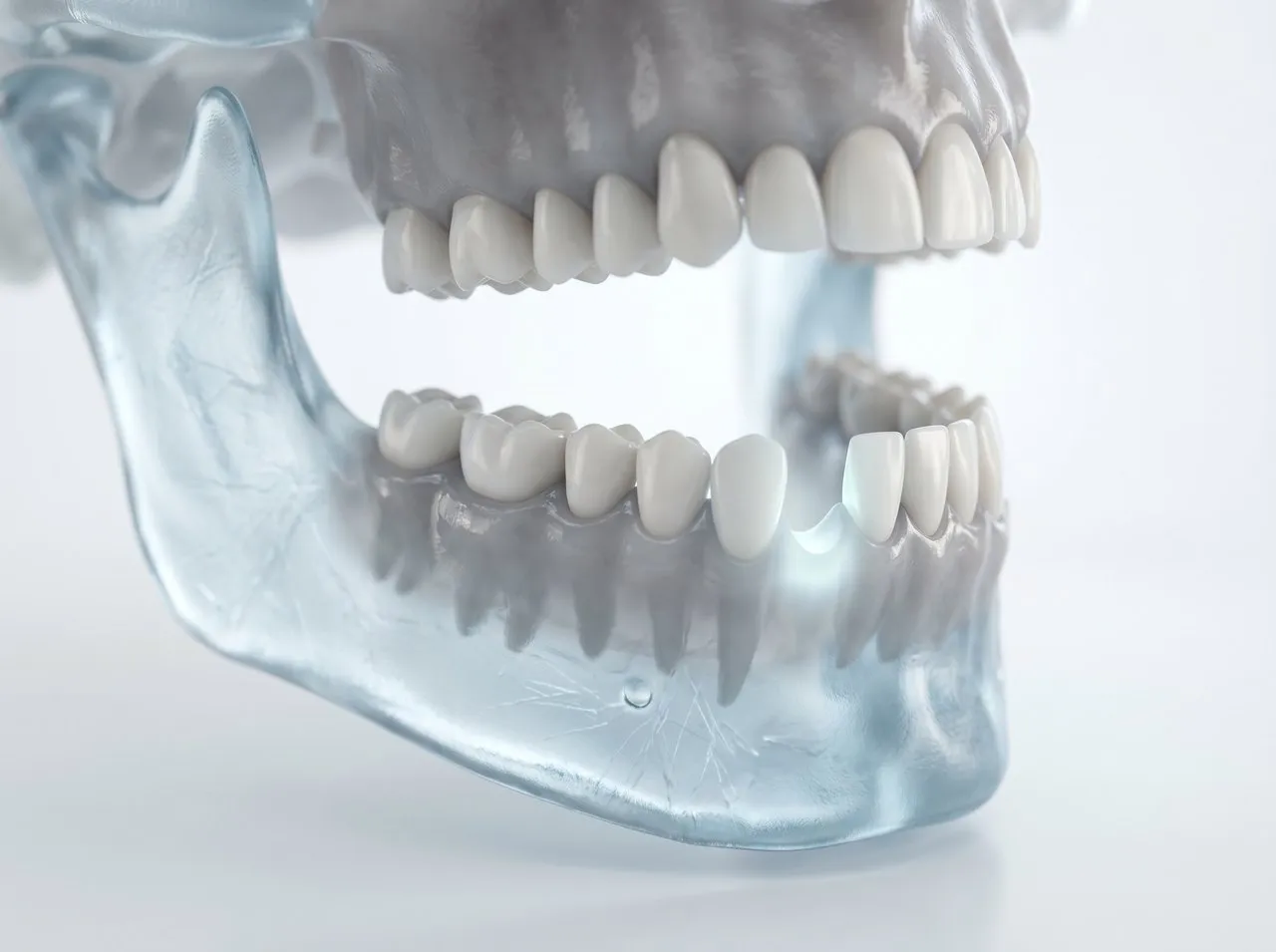
What is important for adults?
Adults can also have a gap between their teeth closed. Modern aligners are very popular for this. They are discreet and practical for everyday life.
The gums should be healthy before treatment begins. Any inflammation must be treated first. Only then can the teeth be moved in a stable manner.
Correction is usually followed by retention. A retainer stabilises the result. This helps keep the gap between the front teeth closed for as long as possible.
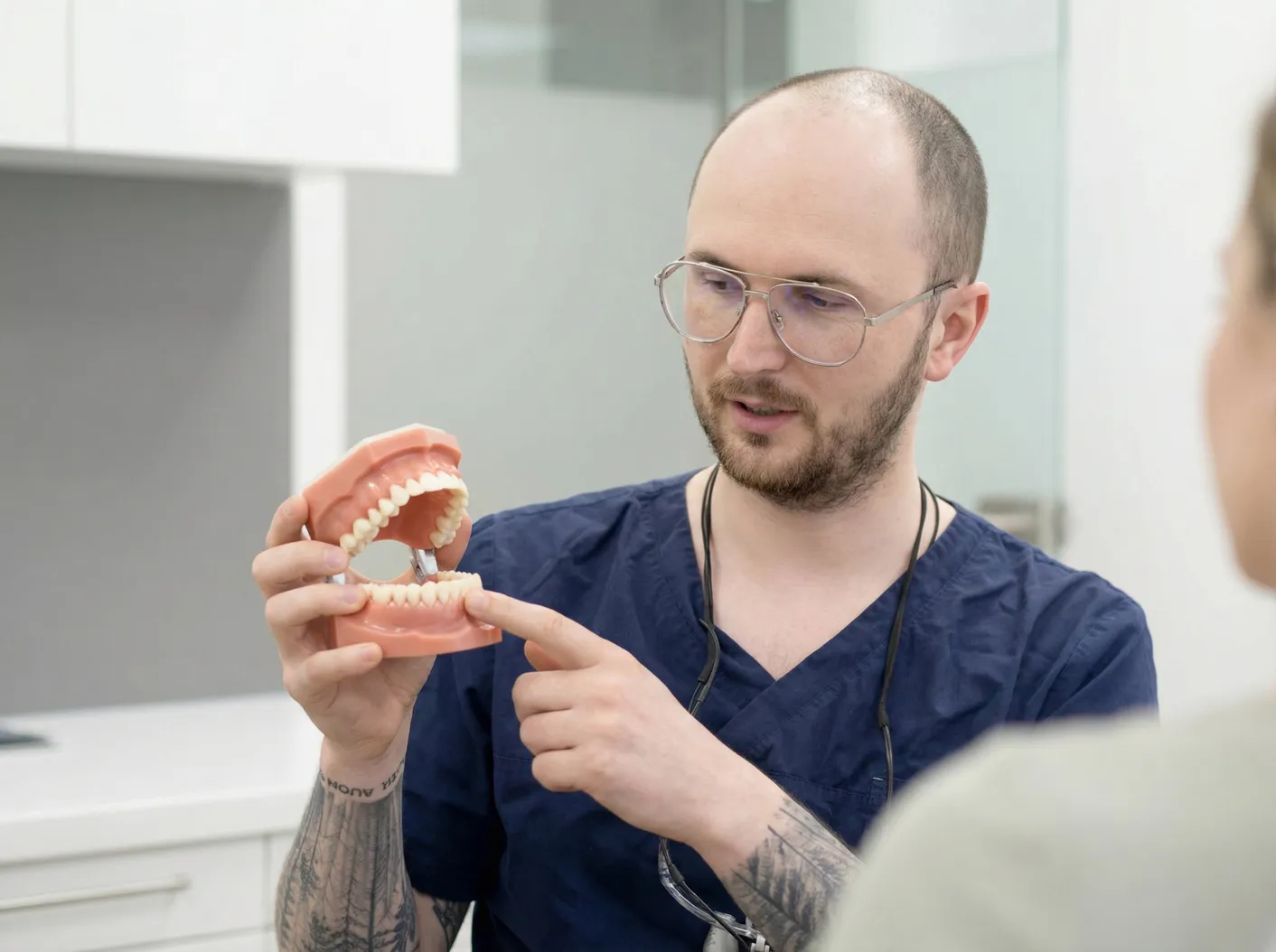
What can you usefully do yourself?
You can look out for harmful habits. These include pressure from the tongue and clenching. Teeth grinding should also be assessed by a dentist.
Good oral hygiene is also important. Healthy gums improve the starting conditions. Regular check-ups provide additional help.
However, you should not close the gap yourself. Only planned treatment is safe. This protects the teeth, gums and bite.

Conclusion: have a gap between your incisors closed professionally
You should not close a gap between your incisors yourself. Trying it yourself is often risky. A dental assessment is the better choice.
Depending on the cause, aligners, braces, bonding or veneers may be suitable. The labial frenum can also be treated if necessary. This achieves an aesthetic and functional result.
At Wunschlachen, we examine your findings carefully. We then recommend the appropriate therapy. This keeps treatment predictable and tailored to you.