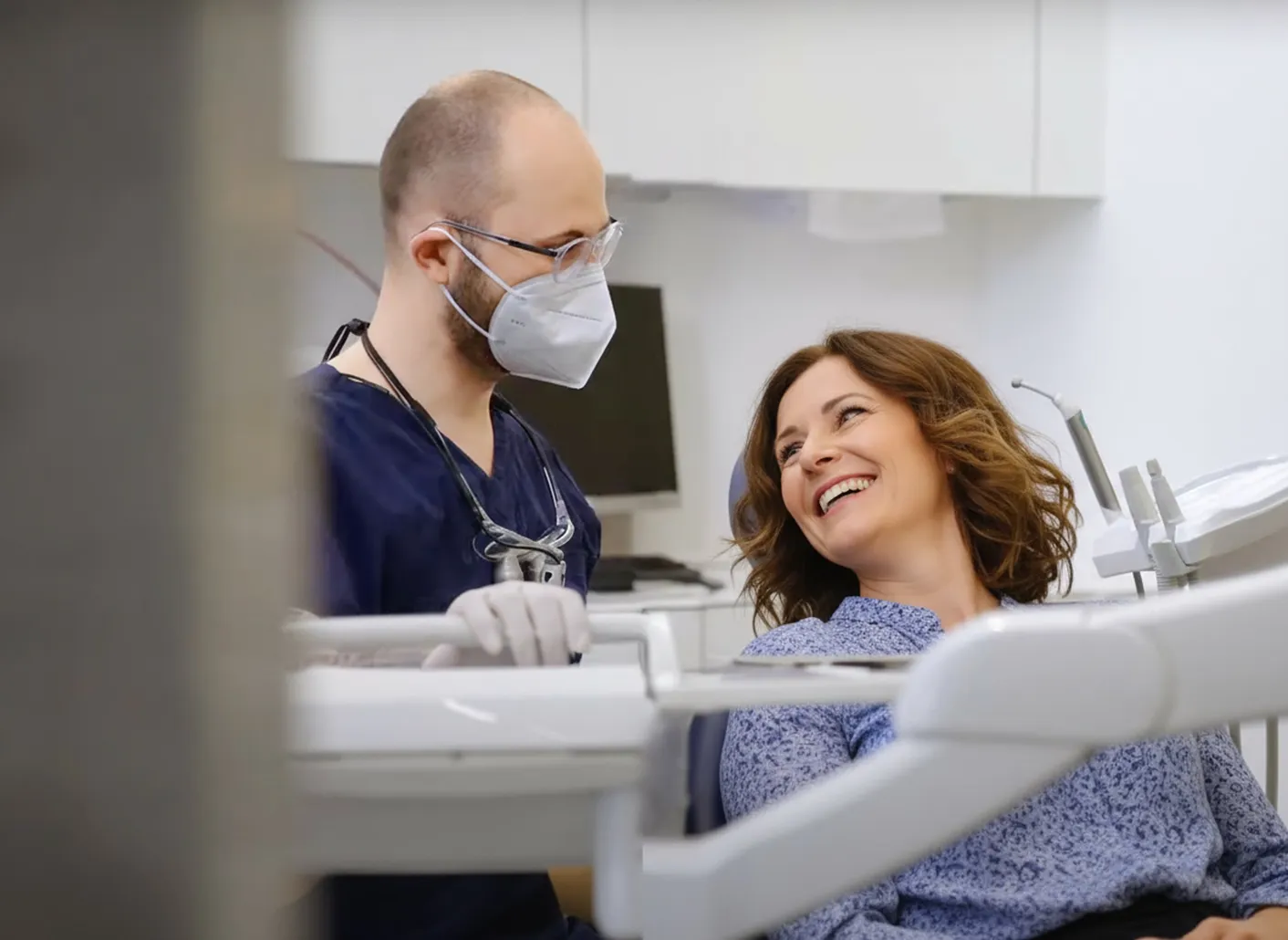
Complete tooth replacement for the upper jaw: new approaches
Complete tooth replacement in the upper jaw can now be planned more precisely. New methods often provide better stability and greater comfort. The right solution depends on the bone, your health and your goals.
Über 350 Google-Bewertungen
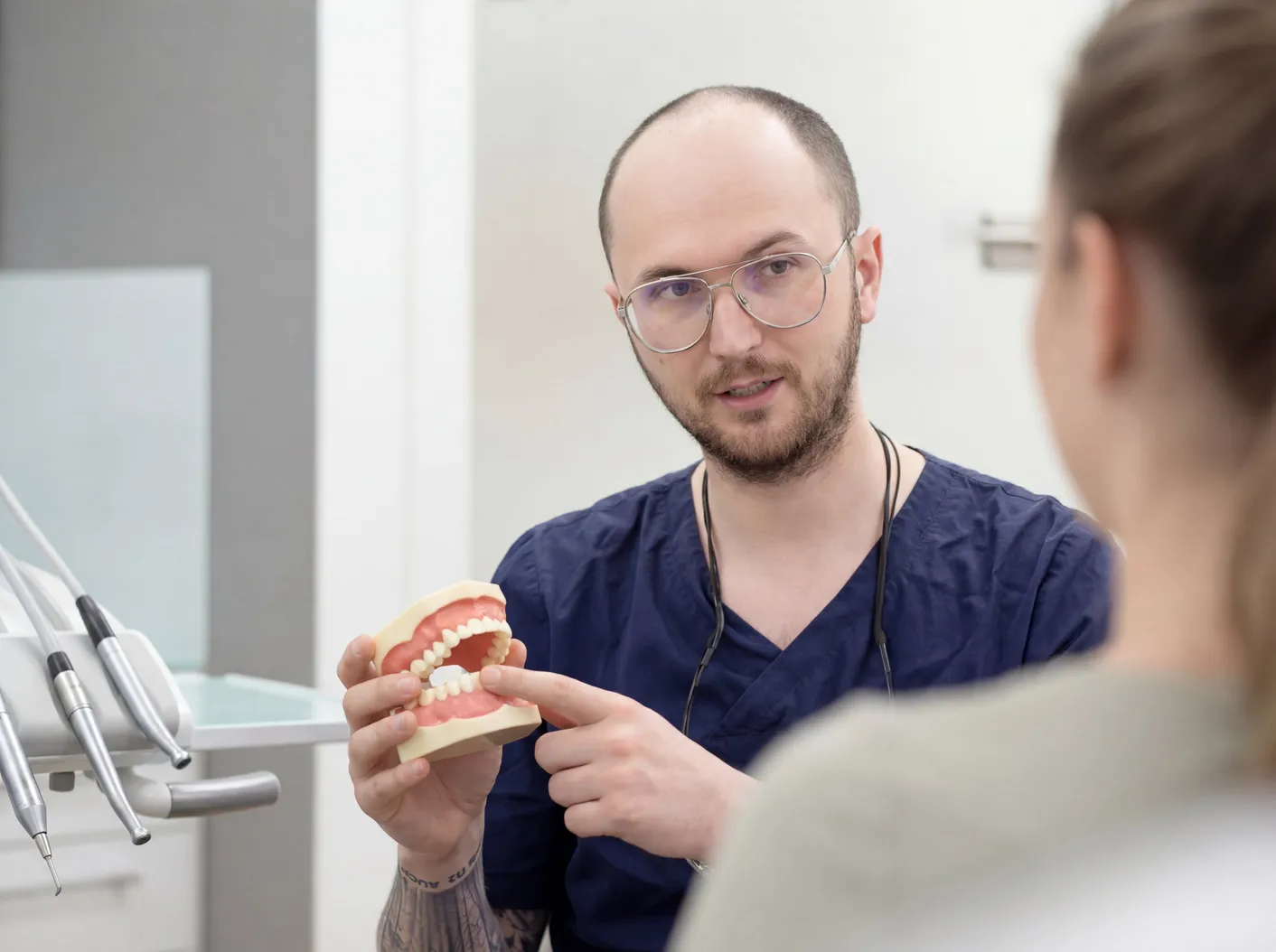
What does complete tooth replacement in the upper jaw mean?
Complete tooth replacement refers to replacing missing teeth in the upper jaw. The entire row of teeth is replaced. The aims are function, aesthetics and a secure bite.
In the past, the conventional full denture was usually the main option. Today, there are considerably more possibilities. Modern approaches combine implantology, digital planning and high-quality dental restorations.
Why new methods are beneficial
Many patients want greater stability in everyday life. They also want to speak and chew with greater confidence. A natural appearance is also important.
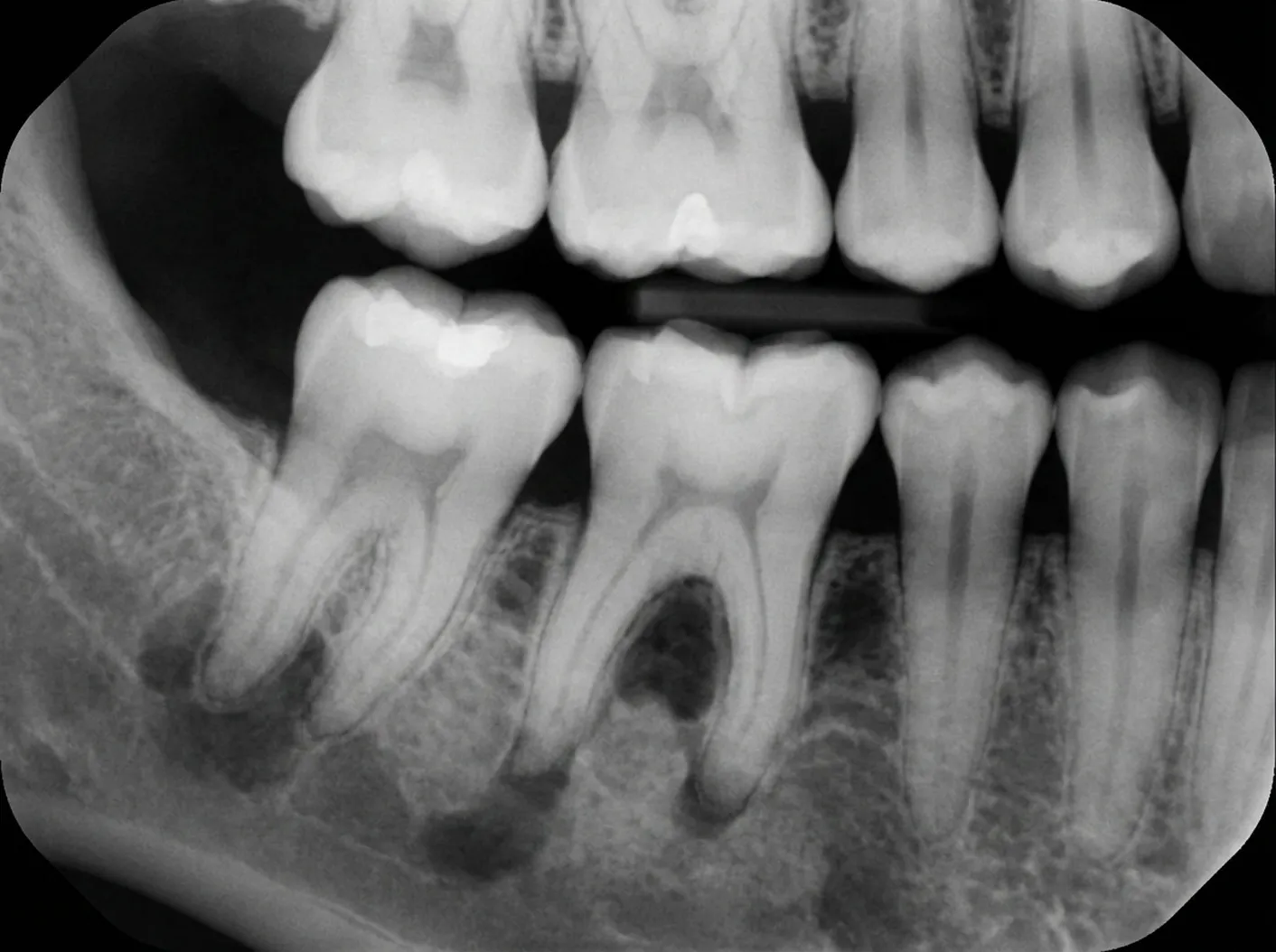
Stability is particularly crucial in the upper jaw. The bone structure can change after tooth loss. Every treatment therefore requires a thorough diagnosis.
New methods significantly improve planning. They often shorten the treatment process. Dentures can also be customised more precisely today.
What new methods are available?
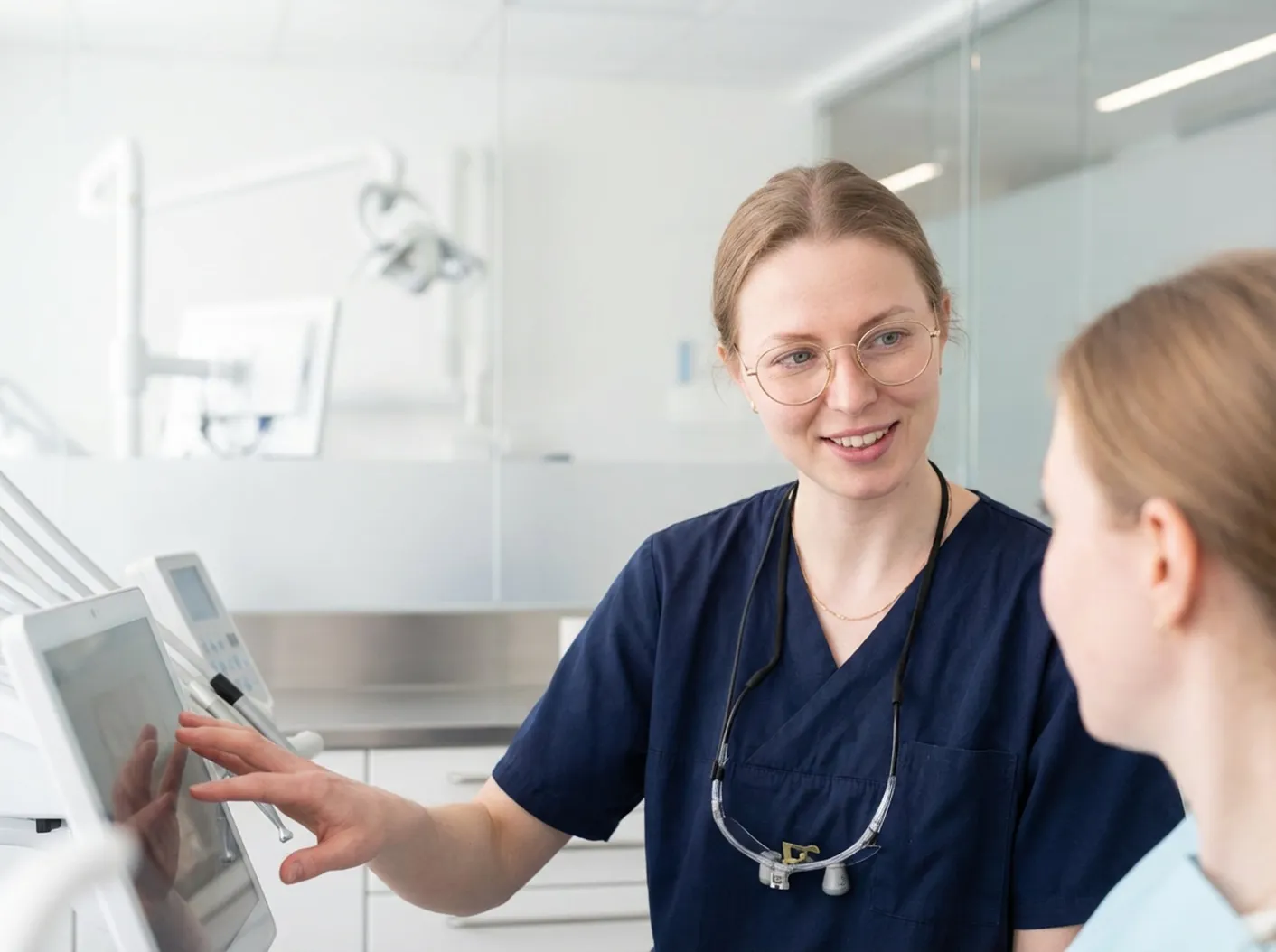
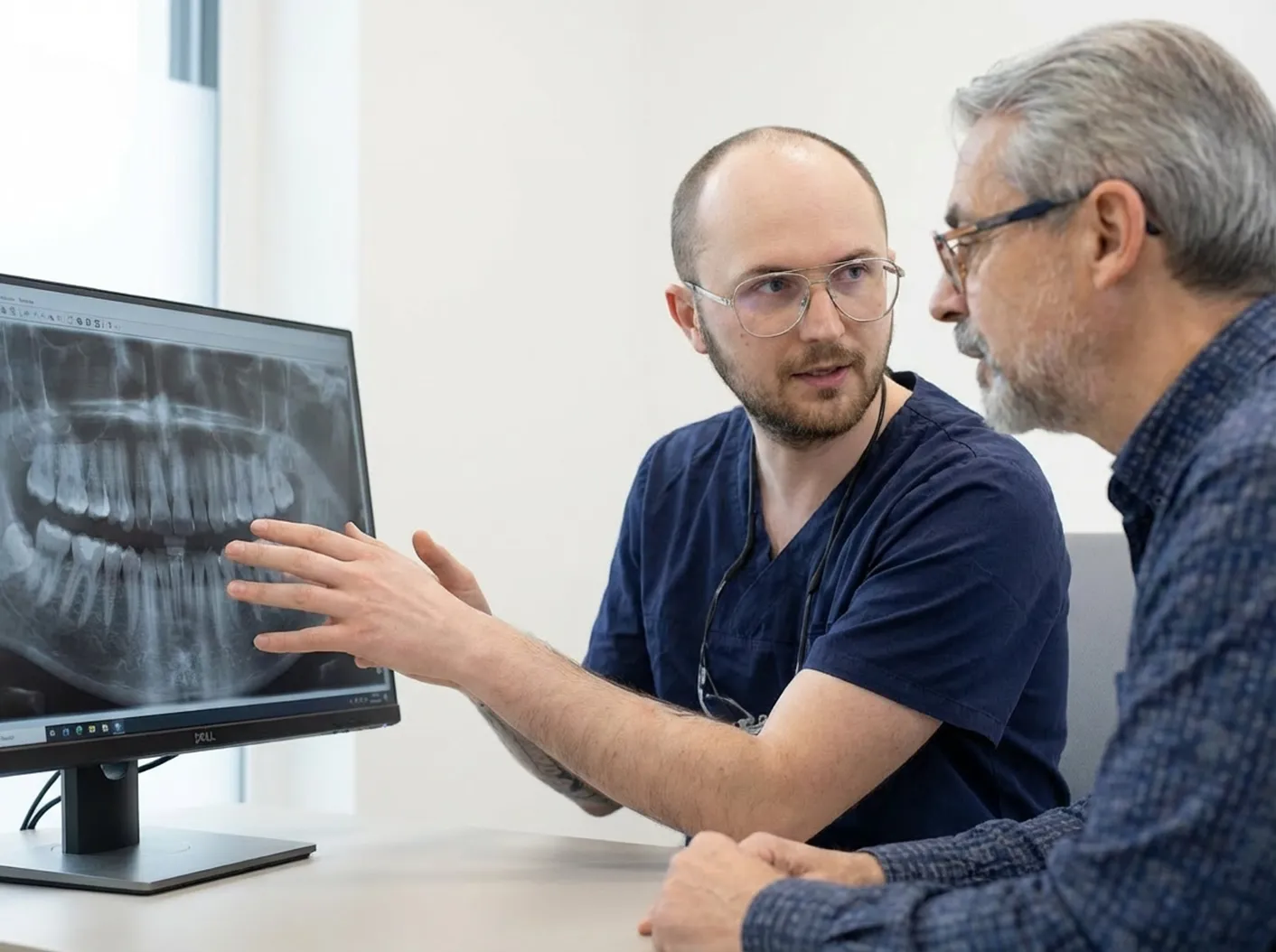
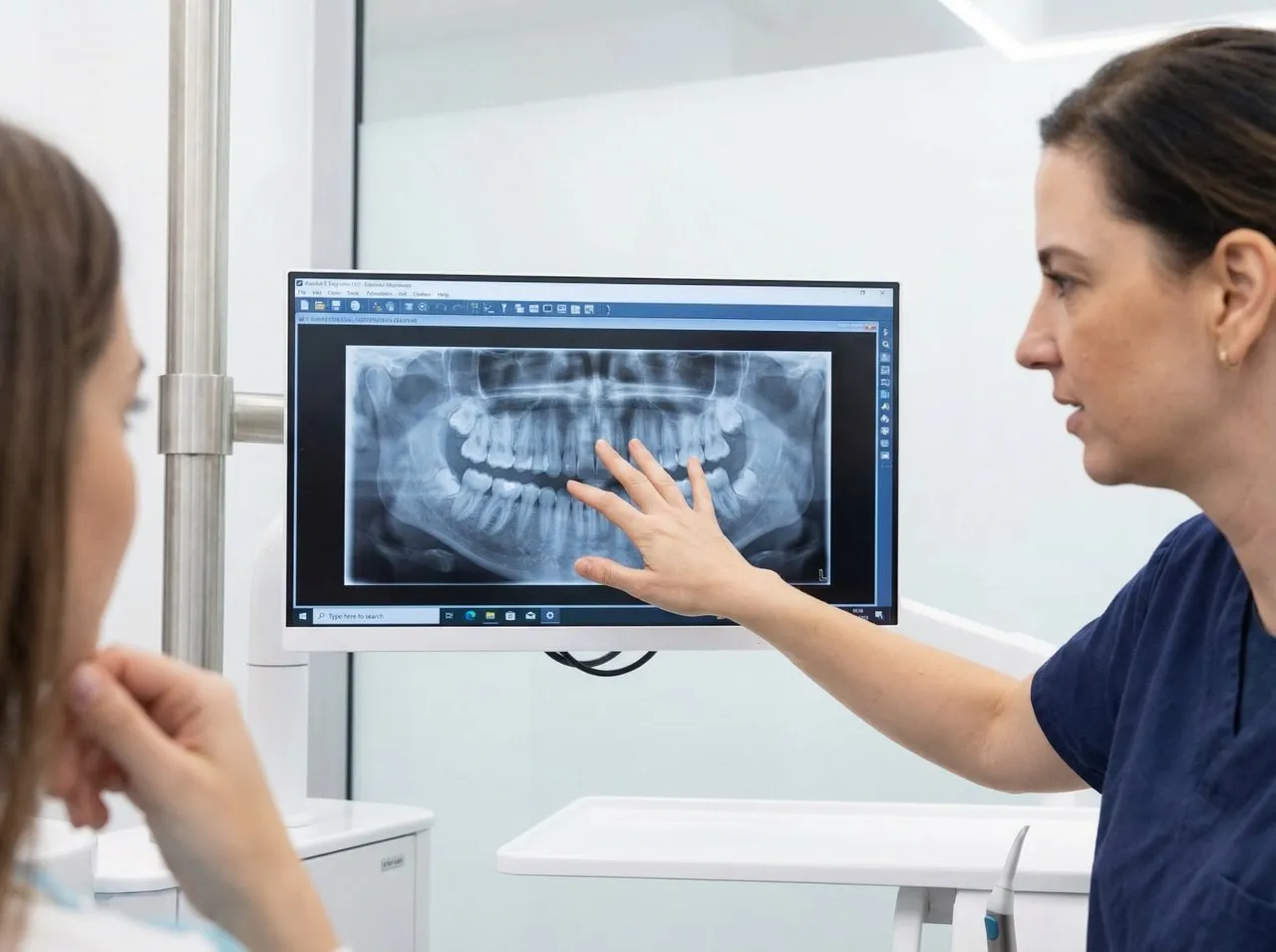
Digital 3D imaging is an important development. It shows the bone, nerves and maxillary sinus in detail, making treatment safer.
Digital scanning is another advance. It often replaces traditional impression materials, which many patients find more comfortable.
There are also newer implant options, including bridges supported by four or six implants. Solutions that leave the palate uncovered are also possible more often today.
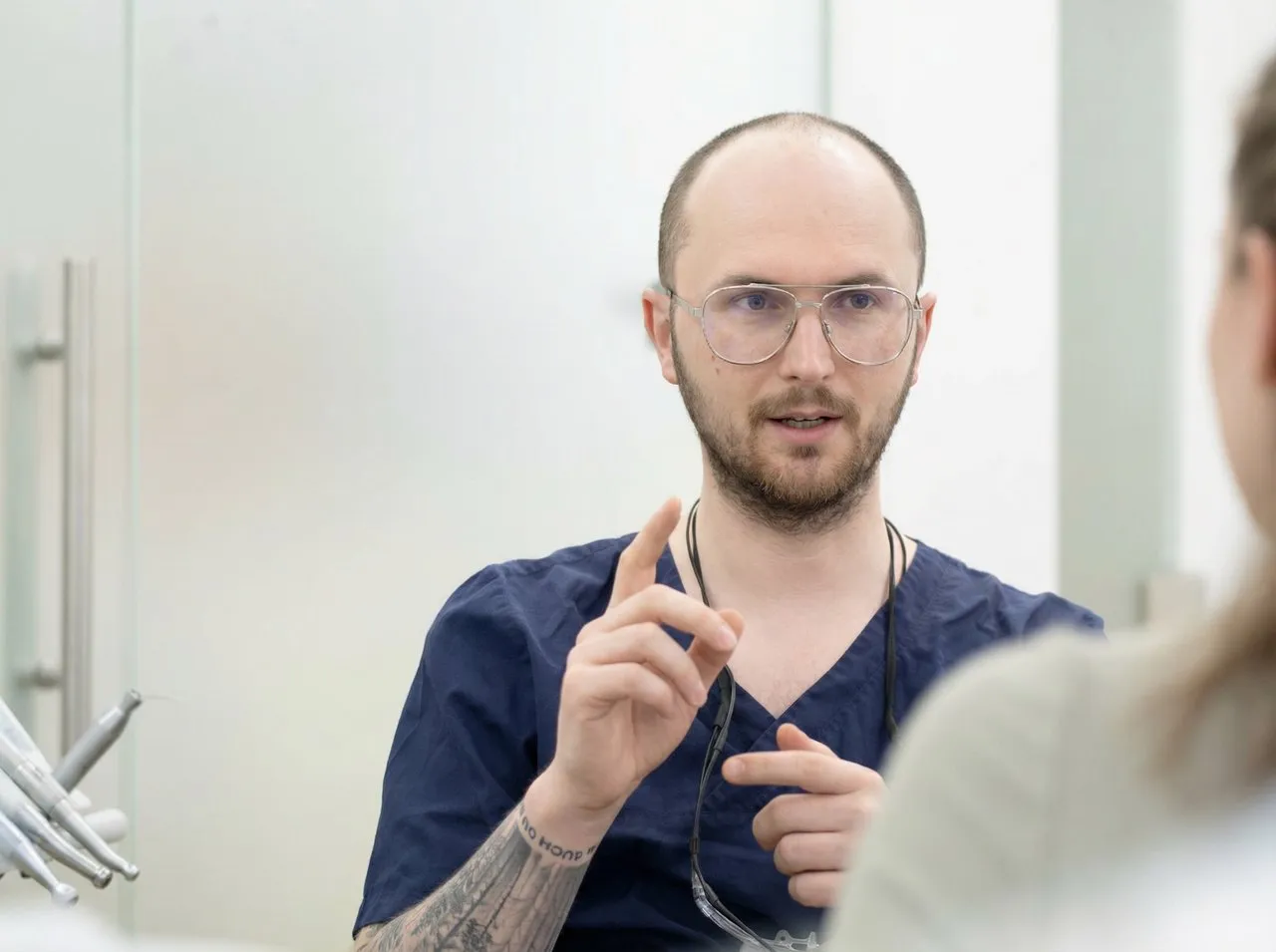
Fixed tooth replacement on implants
Fixed tooth replacement in the upper jaw looks very natural. It is supported by implants. This makes the restoration stable and gives a feeling close to that of natural teeth.
Four to six implants are often sufficient. A fixed bridge is attached to them. This approach is suitable for many patients with no teeth in the upper jaw.
The main advantage is stability. Many patients feel more confident with it. The palate often remains uncovered too.
Palate-free dentures as a modern alternative
Not everyone wants a fixed bridge straight away. An implant-supported denture is a good option for many patients. It is removable but considerably more stable.
Palate-free dentures are particularly popular. They do not cover the palate completely. This often improves taste, speech and wearing comfort.
This solution is particularly appealing for people with loose full dentures. It can make everyday life considerably easier. Chewing often feels more controlled too.

Immediate tooth replacement in the upper jaw
Another newer option is immediate restoration. Patients can often receive a temporary restoration on the same day. This is possible only after careful planning.
The implants must be stable and the clinical findings must be suitable. This option works only in some cases. The dentist makes the decision after examination and imaging.
Many patients find this approach appealing. They leave the practice with a restoration, which can make the transition much more comfortable.
Digital planning makes treatment more precise
Modern implantology is now highly data-driven. 3D scans help with precise positioning. This allows the procedure to be prepared more effectively.
Surgical drilling guides are often used. They guide the implant precisely to the planned position. This protects tissue and improves predictability.
The dental laboratory result also benefits. Shape, bite and aesthetics can be coordinated more effectively. This creates a harmonious overall result.
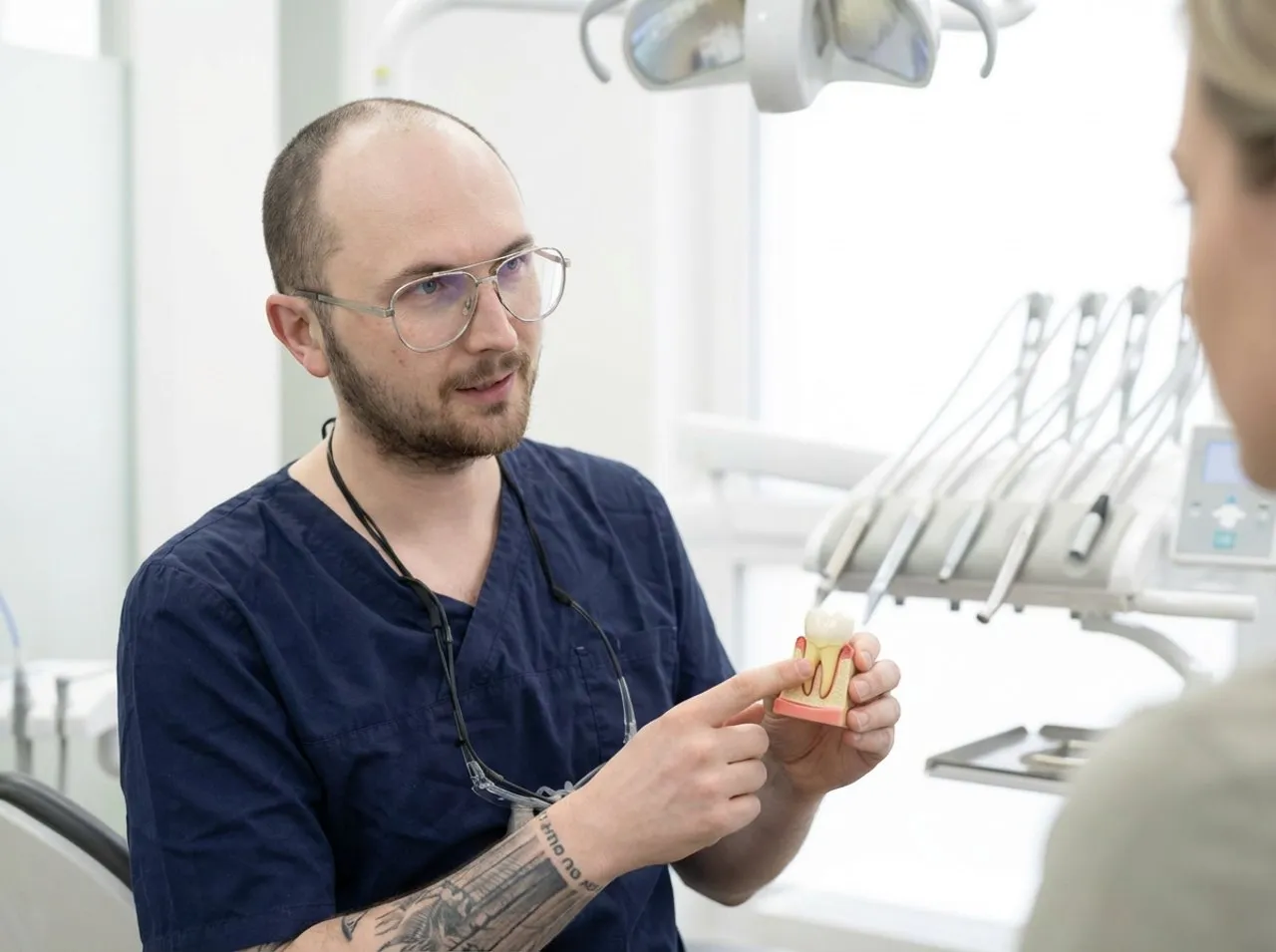
Which method is right for whom?
The best solution always depends on the individual case. Important factors include the available bone, pre-existing conditions and personal preferences. Hygiene and care also play a major role.
Patients who want maximum stability often choose a fixed bridge. Those looking for a solution that is easy to clean often benefit from a removable restoration. Both options can be high-quality and long-lasting.
Careful planning is needed when there is insufficient bone. Bone augmentation is sometimes advisable. In other cases, special implant concepts can help.
Advantages of modern methods
New methods primarily offer greater personalisation. Treatment is planned more precisely. Aesthetics and comfort have also improved.
Many patients want less coverage of the palate. Modern approaches often make this possible. Stability is also usually more reliable than with conventional dentures.
Better predictability is another advantage. Digital technology reduces uncertainties. This is an important benefit for many patients.
Conclusion on complete tooth replacement in the upper jaw
Complete tooth replacement in the upper jaw no longer has to be conventional. New methods offer fixed or implant-supported removable solutions. This can often improve function and comfort.
An individual examination will show which treatment is appropriate. At Wunschlachen, we plan every case precisely. This creates a dental restoration tailored to your upper jaw.