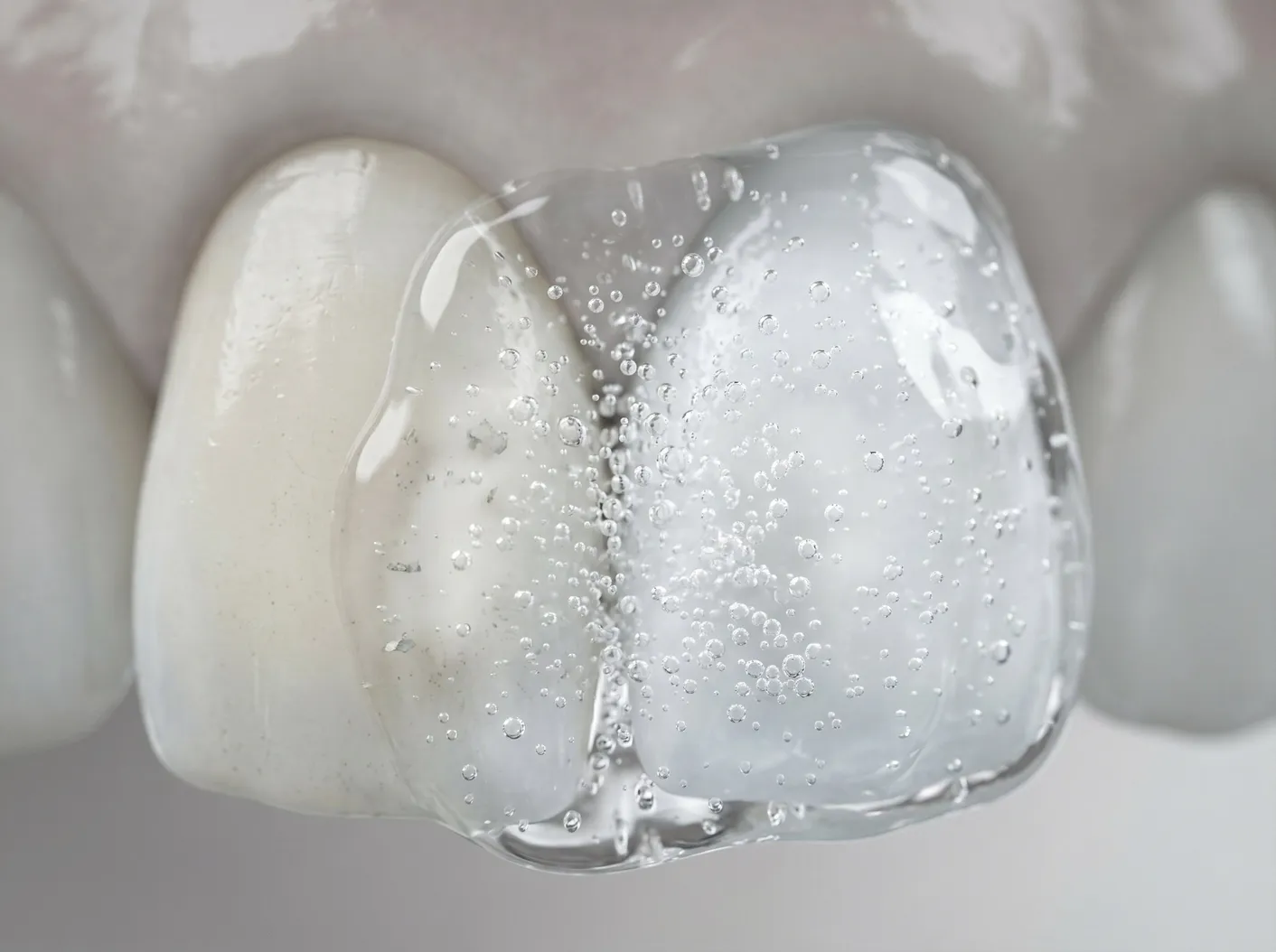
Dental disease and teeth whitening: what you need to know
Dental disease and teeth whitening are closely connected. Your oral health should be checked before any teeth whitening. Only healthy teeth and healthy gums provide a good foundation. Tooth decay, gum inflammation or exposed tooth roots can make treatment more difficult. At Wunschlachen, we examine your teeth carefully. This ensures a result that looks aesthetically pleasing and remains medically sound.
Über 350 Google-Bewertungen
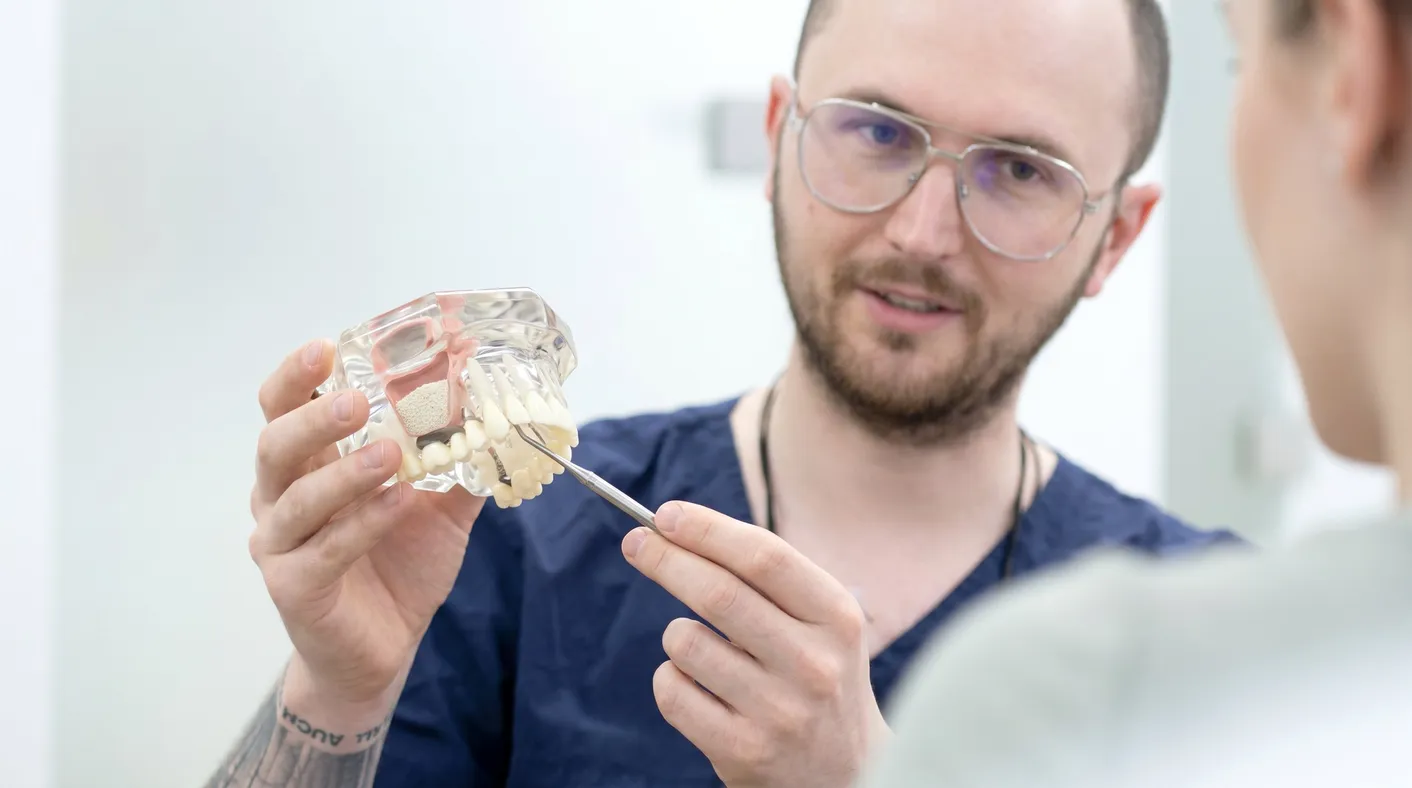
Why dental health is important before teeth whitening
Teeth whitening lightens natural tooth substance. However, it does not affect fillings, crowns or veneers. It should therefore be clear beforehand which teeth can be whitened. Any existing dental diseases must also be identified.
Inflammation, tooth decay or leaking fillings can increase the likelihood of discomfort. The whitening gel should not be allowed to come into uncontrolled contact with damaged areas. A dental examination significantly reduces this risk. It also provides greater certainty when planning the desired result.
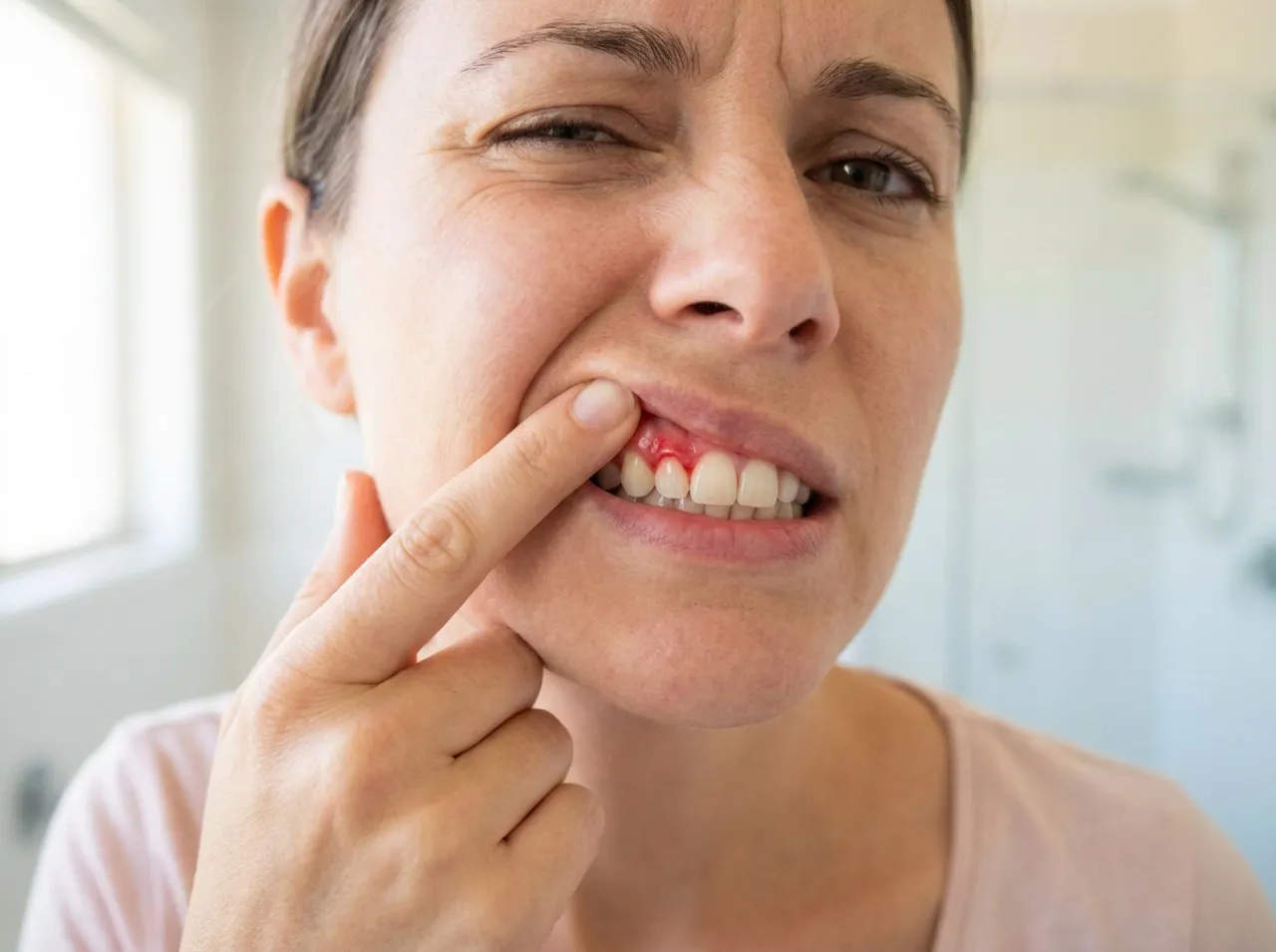
Which dental diseases are relevant before teeth whitening
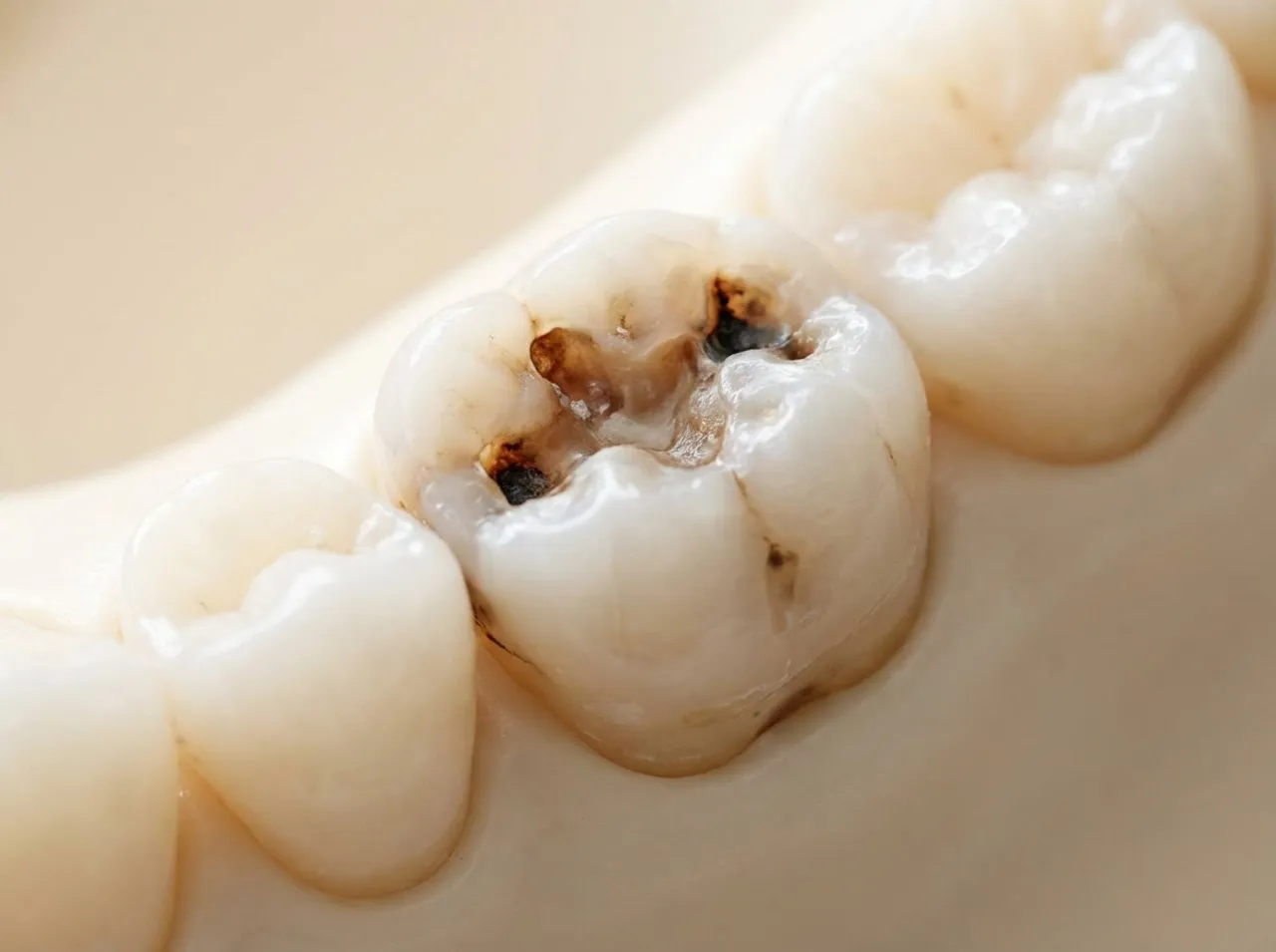
Tooth decay, gingivitis and periodontitis are particularly important. Tooth decay attacks the tooth substance and can reach deeper areas. Whitening should then only be carried out after treatment.
Gingivitis is inflammation of the gums. Typical signs are redness, bleeding or swelling. The gums should have settled down before teeth whitening.
Periodontitis affects the supporting structures of the teeth. It can cause gum recession and loose teeth. Exposed tooth roots are also more common in such cases. A thorough assessment is particularly important here.
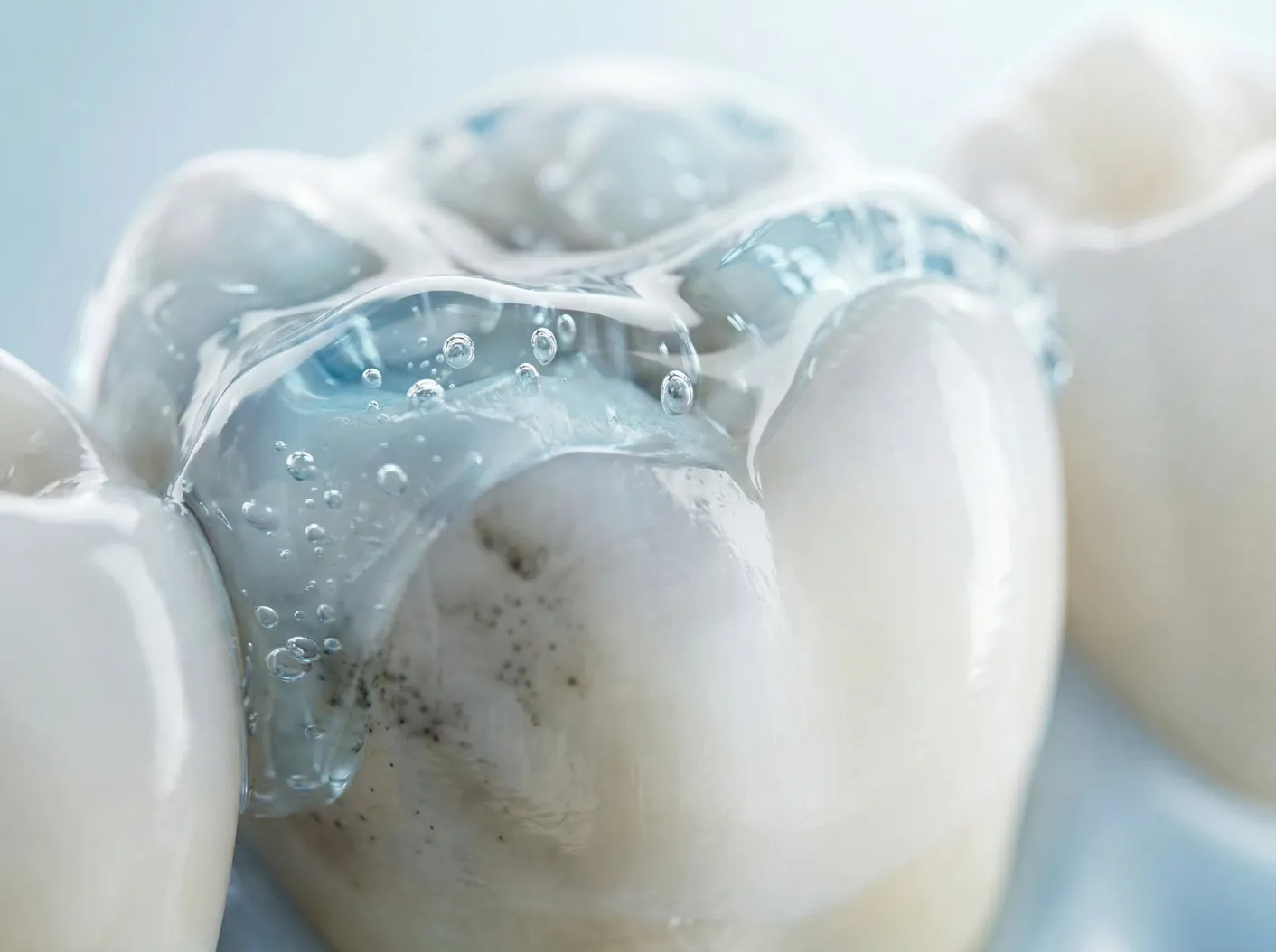
Teeth whitening for sensitive teeth
Many people want whiter teeth despite having sensitive tooth roots. This does not always rule out whitening. The examination findings are decisive. The dentist examines the tooth enamel, gums and existing dental restorations.
Sensitive teeth may react more strongly after teeth whitening. The method is therefore adapted individually. Preparatory measures may also be advisable. These include a professional dental clean and fluoride products that strengthen the teeth.
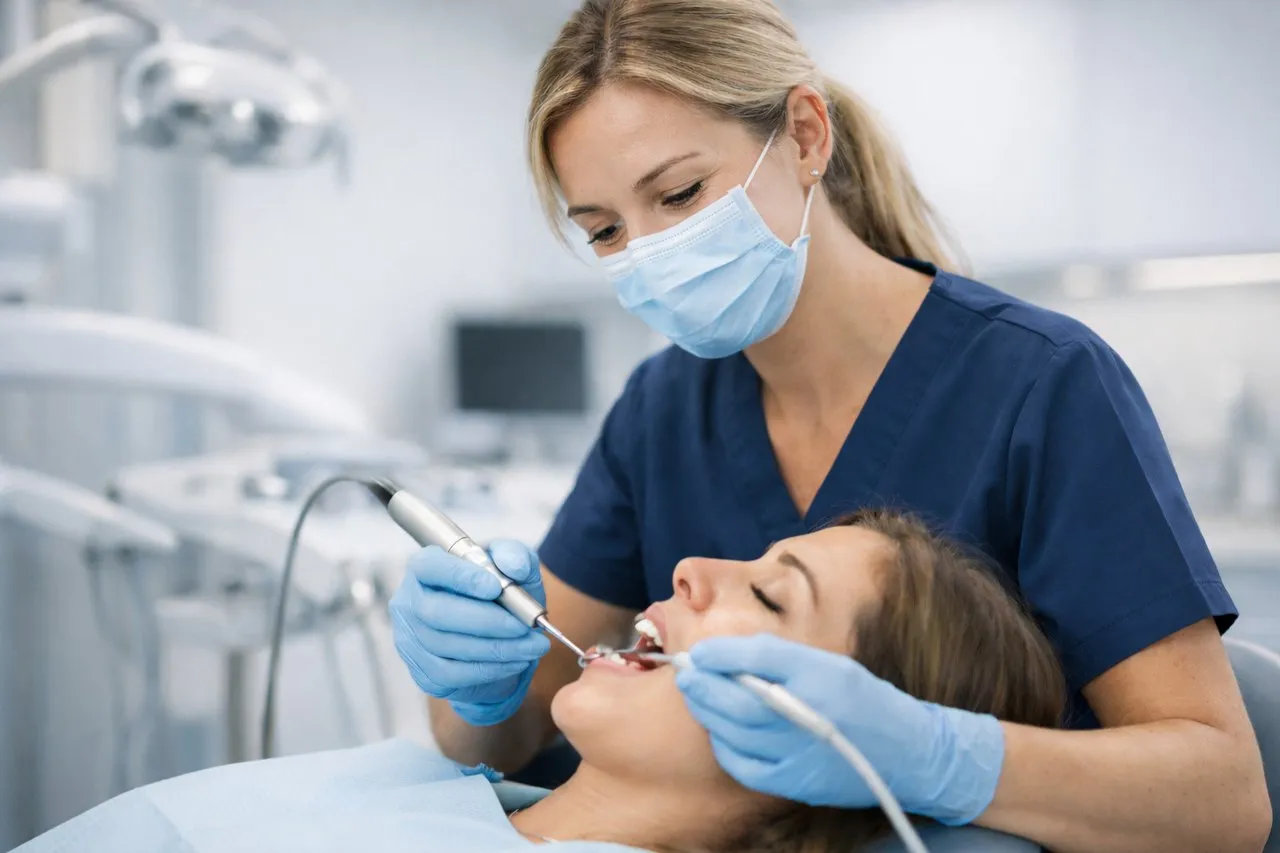
Tooth decay and teeth whitening: why treatment comes first
Tooth decay should be treated before teeth whitening. Damaged tooth substance may react more strongly to stimuli. Decayed areas can also make the result look uneven.
After tooth decay has been treated, the dentist assesses when teeth whitening is possible. New fillings should match the planned tooth colour. Sometimes it is better to whiten first and then adjust visible fillings.
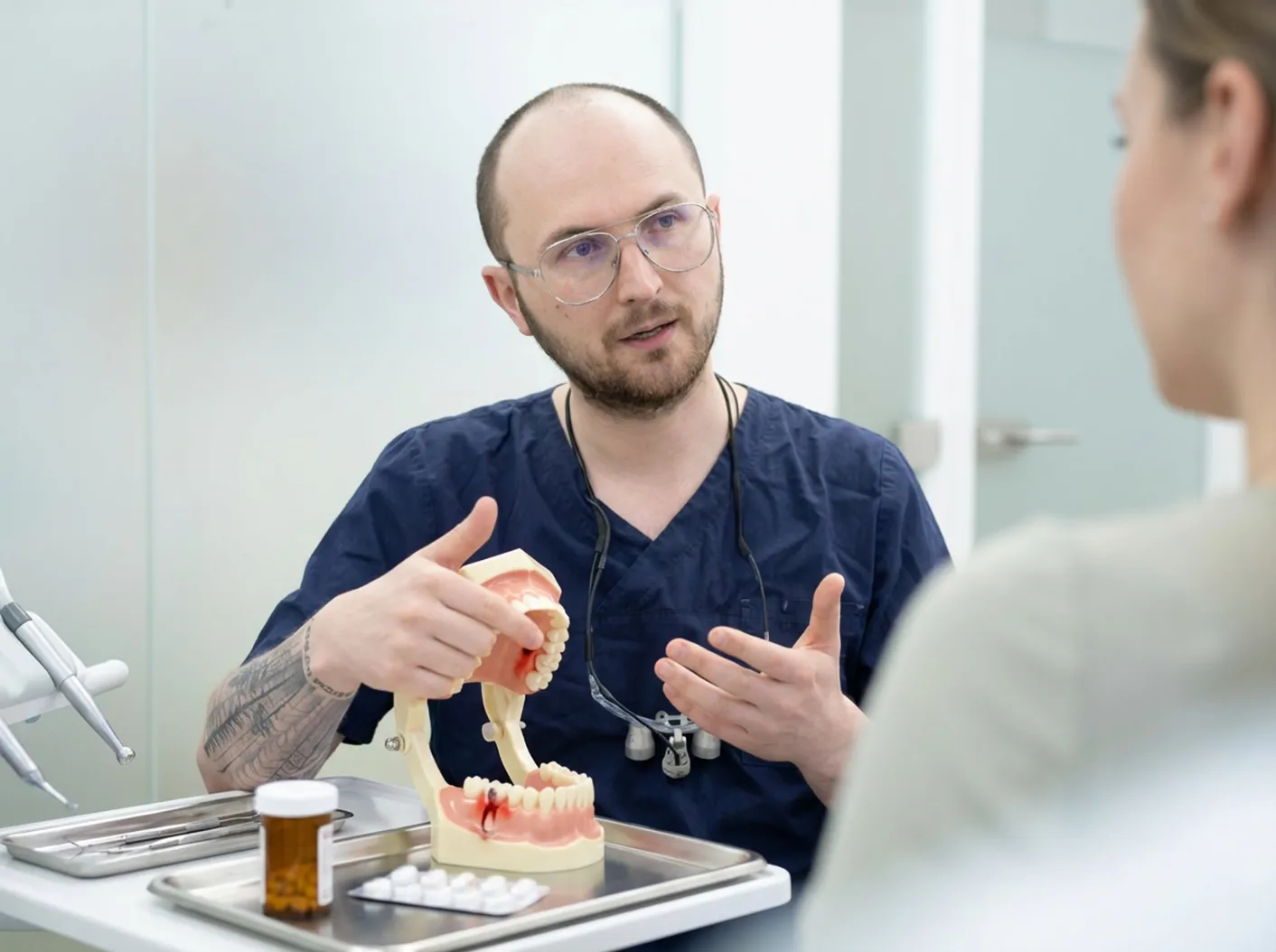
Gum inflammation and teeth whitening
Inflamed gums are not a good starting point. They may be more sensitive and bleed more easily. Gingivitis should therefore be treated first.
A thorough clean, better oral hygiene and check-up appointments usually help. Teeth whitening can then be reassessed. This avoids putting unnecessary strain on the gums.
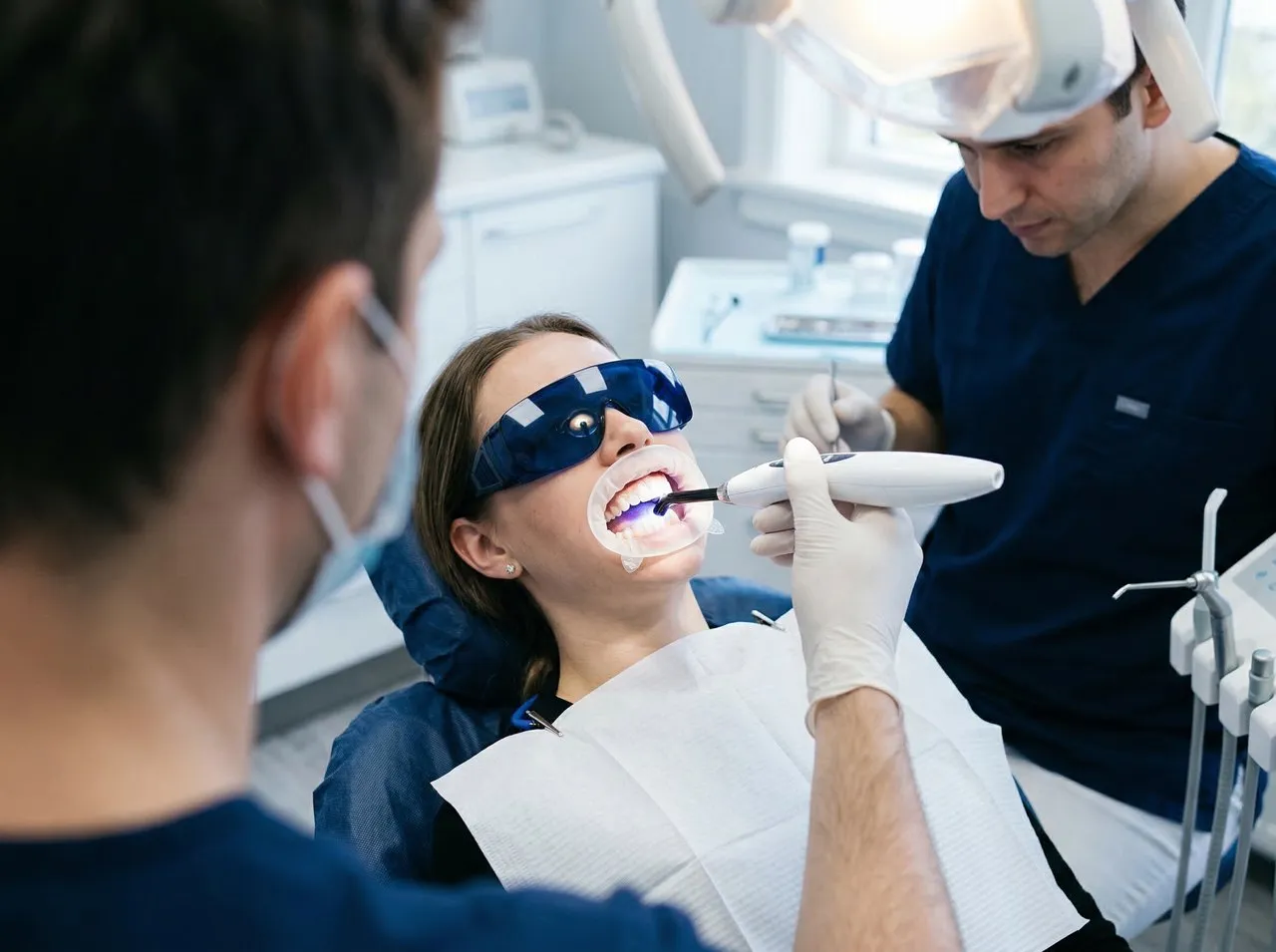
Periodontitis: teeth whitening only after stabilisation
Particular care is needed with periodontitis. The disease does not only affect the gums. The bone and supporting fibres can also be affected.
Periodontitis should have been treated and be stable before teeth whitening. Gum pockets, bleeding and signs of inflammation must be under control. Only then can whitening be planned responsibly.
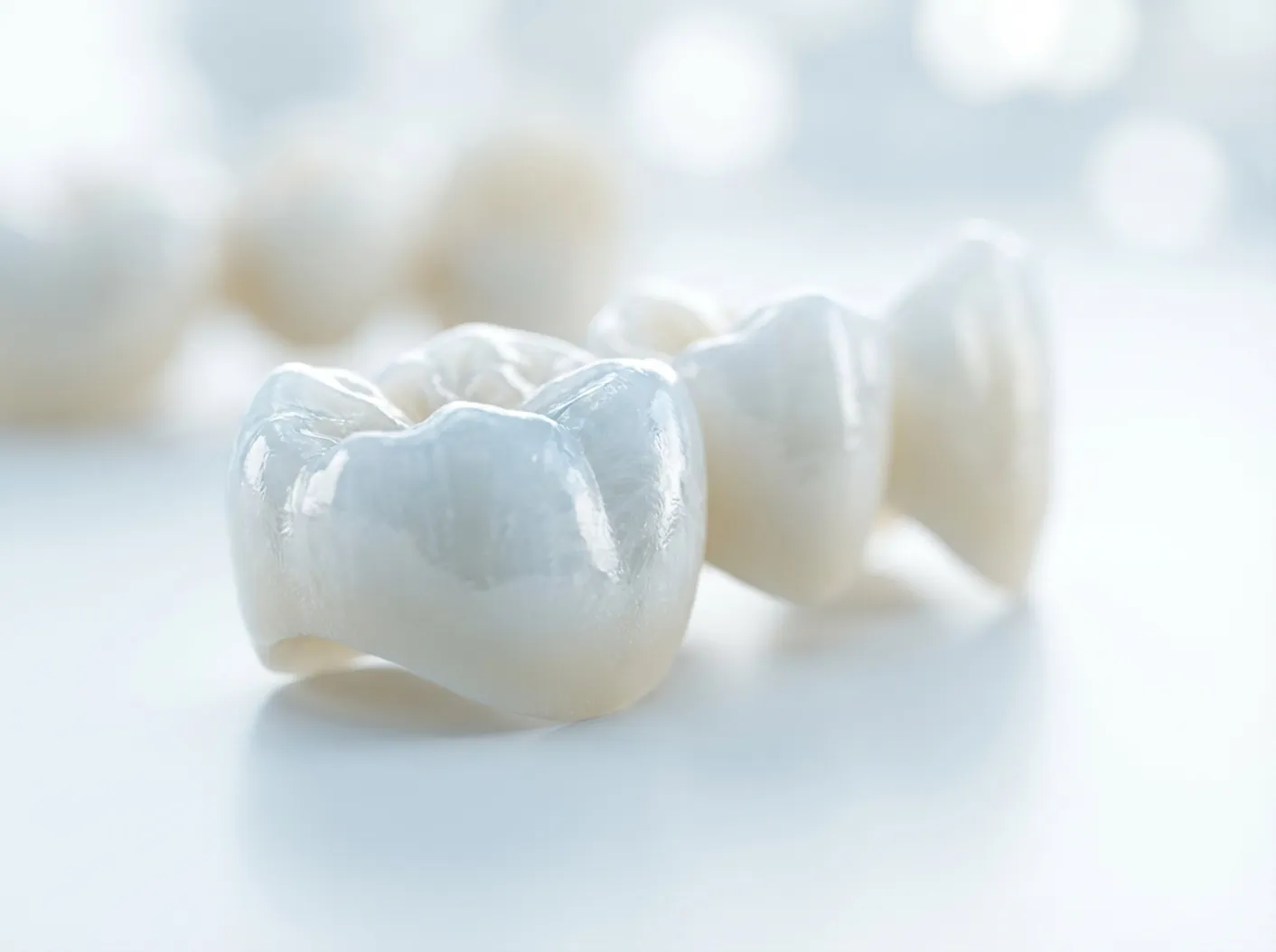
Teeth whitening with crowns, fillings and veneers
Crowns, fillings and veneers are not made lighter by teeth whitening. This is particularly important for the front teeth. Old fillings may look darker after whitening.
At Wunschlachen, we therefore discuss visible restorations with you beforehand. If necessary, they can be colour-matched later. This creates a harmonious overall appearance.

Professional teeth whitening instead of home remedies
Home remedies such as baking powder, lemon juice or activated charcoal are risky. They can damage tooth enamel. They can also irritate the gums. Professional teeth whitening is easier to control.
At the practice, the concentration, application time and protective measures are adjusted. This is particularly important with existing dental diseases. The initial tooth colour is also documented.

The procedure at Wunschlachen
First, we carry out a thorough examination. We check your teeth, gums and any existing dental restorations. We also discuss your wishes.
We then recommend the appropriate preparation. A professional dental clean is often advisable. Deposits and discolouration are removed. This allows the natural tooth colour to be assessed more accurately.
Only then does the actual teeth whitening take place. The gums are protected. The gel is applied precisely to the teeth. Treatment is carried out in a controlled, gradual manner.
When should teeth whitening be avoided?
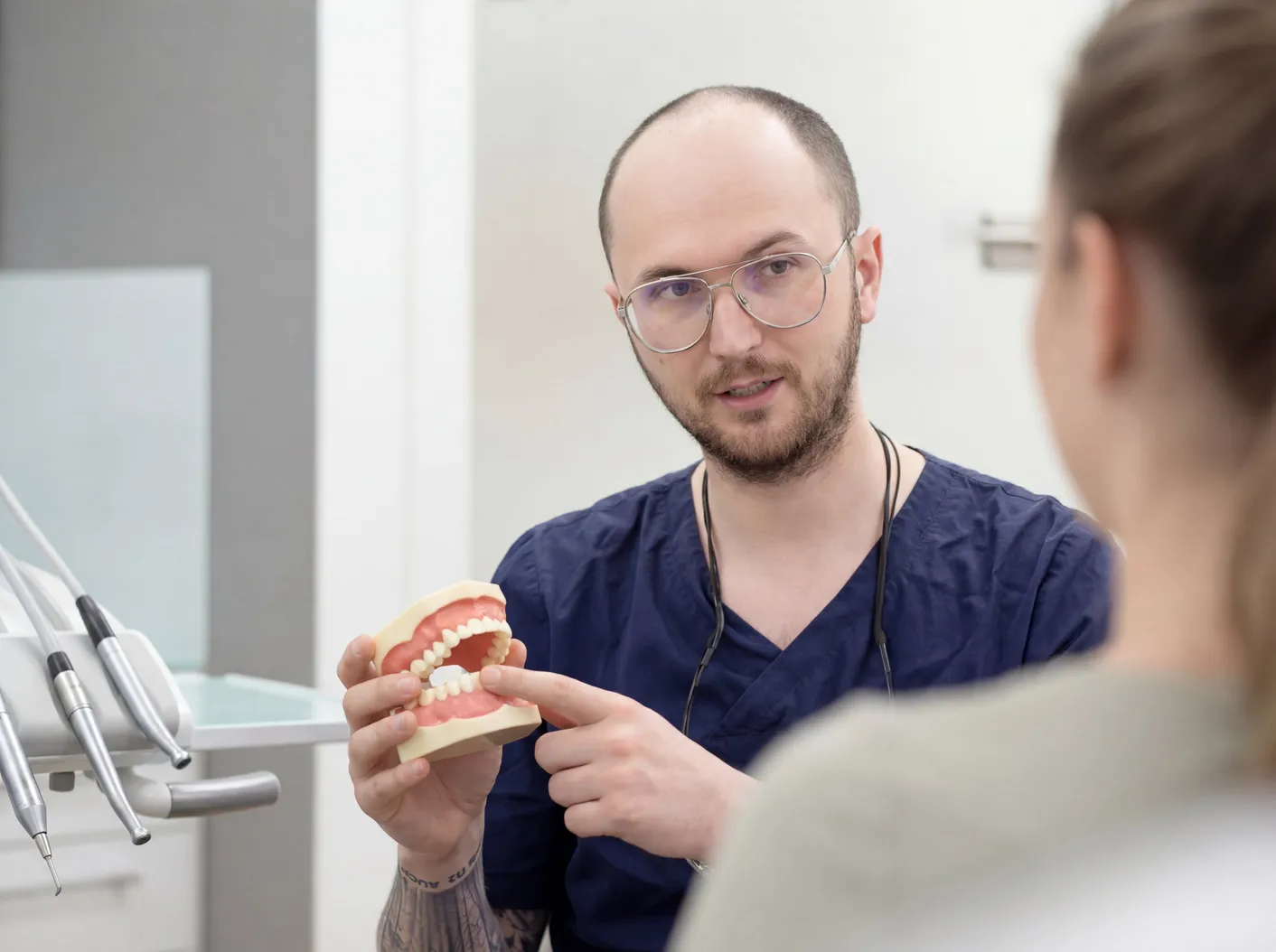
Sometimes teeth whitening is not immediately advisable. This applies to untreated tooth decay or active periodontitis. Severe gum inflammation is also a reason to postpone treatment.
Caution is advisable during pregnancy, while breastfeeding or at a very young age. Severe enamel defects also require careful assessment. The dentist decides based on the examination findings and consultation.
Aftercare following teeth whitening
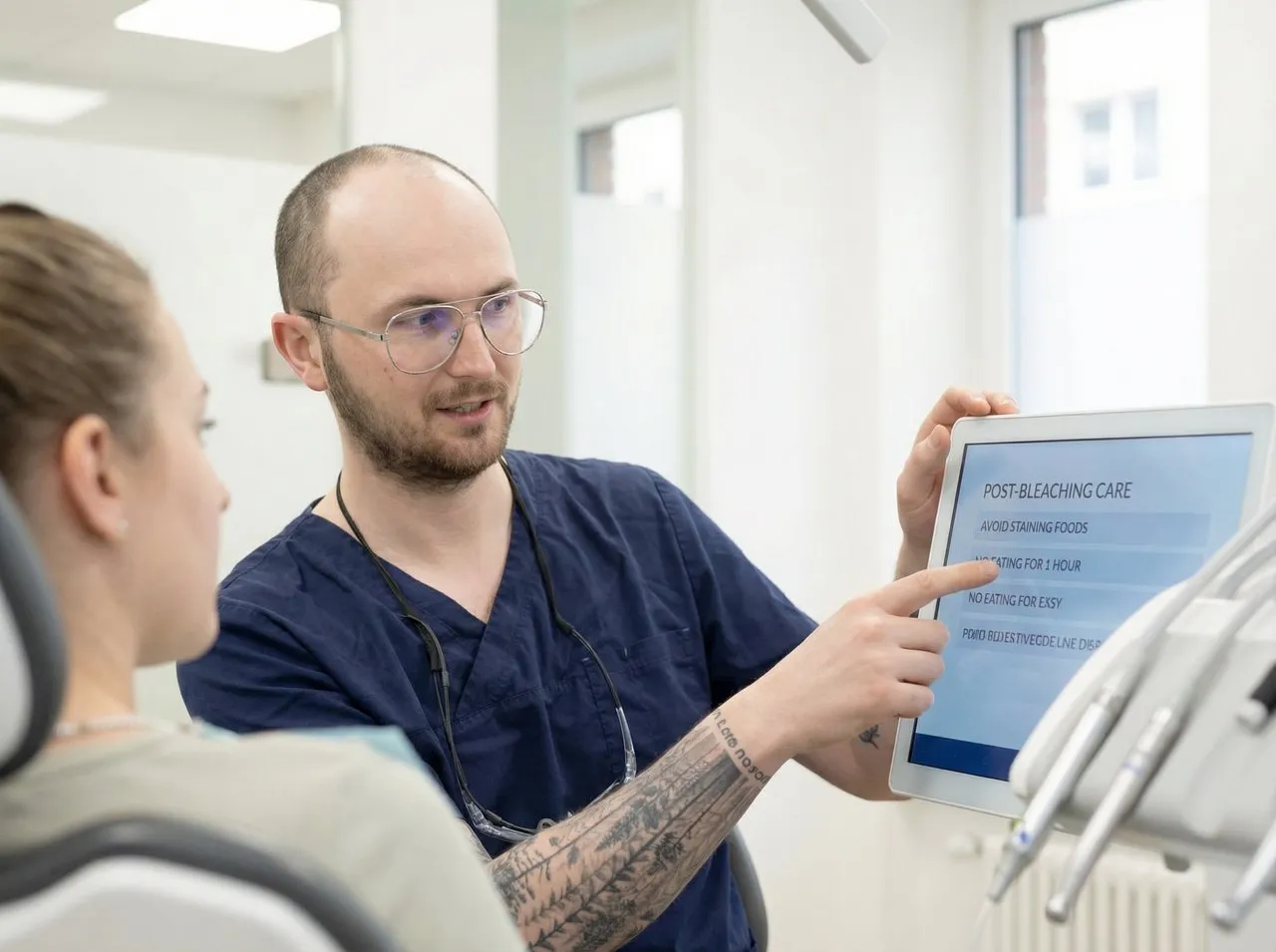
Teeth may temporarily feel more sensitive after whitening. Staining foods are best avoided during the first few days. These include coffee, red wine, curry and dark berries.
Good oral hygiene helps to maintain the result. Regular check-ups help to detect dental diseases early. This keeps your smile well cared for in the long term.
Conclusion: healthy first, then whiter
Dental disease and teeth whitening should never be considered separately. Teeth whitening works best on healthy teeth. This is why a dental examination always comes first.
At Wunschlachen, we combine aesthetics with careful diagnostics. This creates a teeth whitening result that suits your teeth. At the same time, your oral health remains our priority.