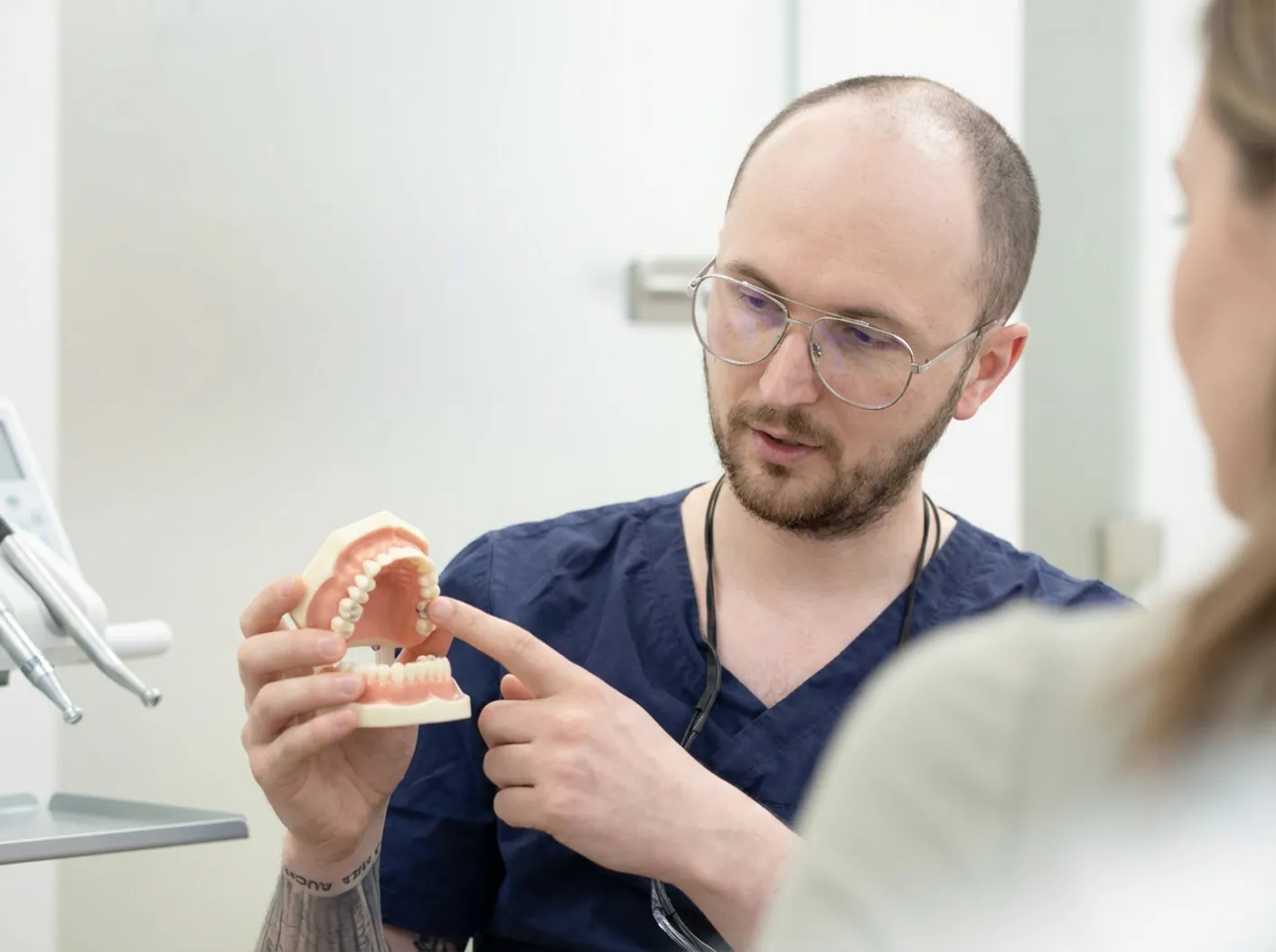
Dental implant loss - causes, warning signs and help
Dental implant loss means that a dental implant loses its firm hold. This can happen during healing or only after several years. Inflammation, excessive strain or a lack of oral hygiene often play an important role. Prompt assessment by a dentist is essential. This makes it possible to determine whether the implant can be saved or needs to be replaced.
Über 350 Google-Bewertungen
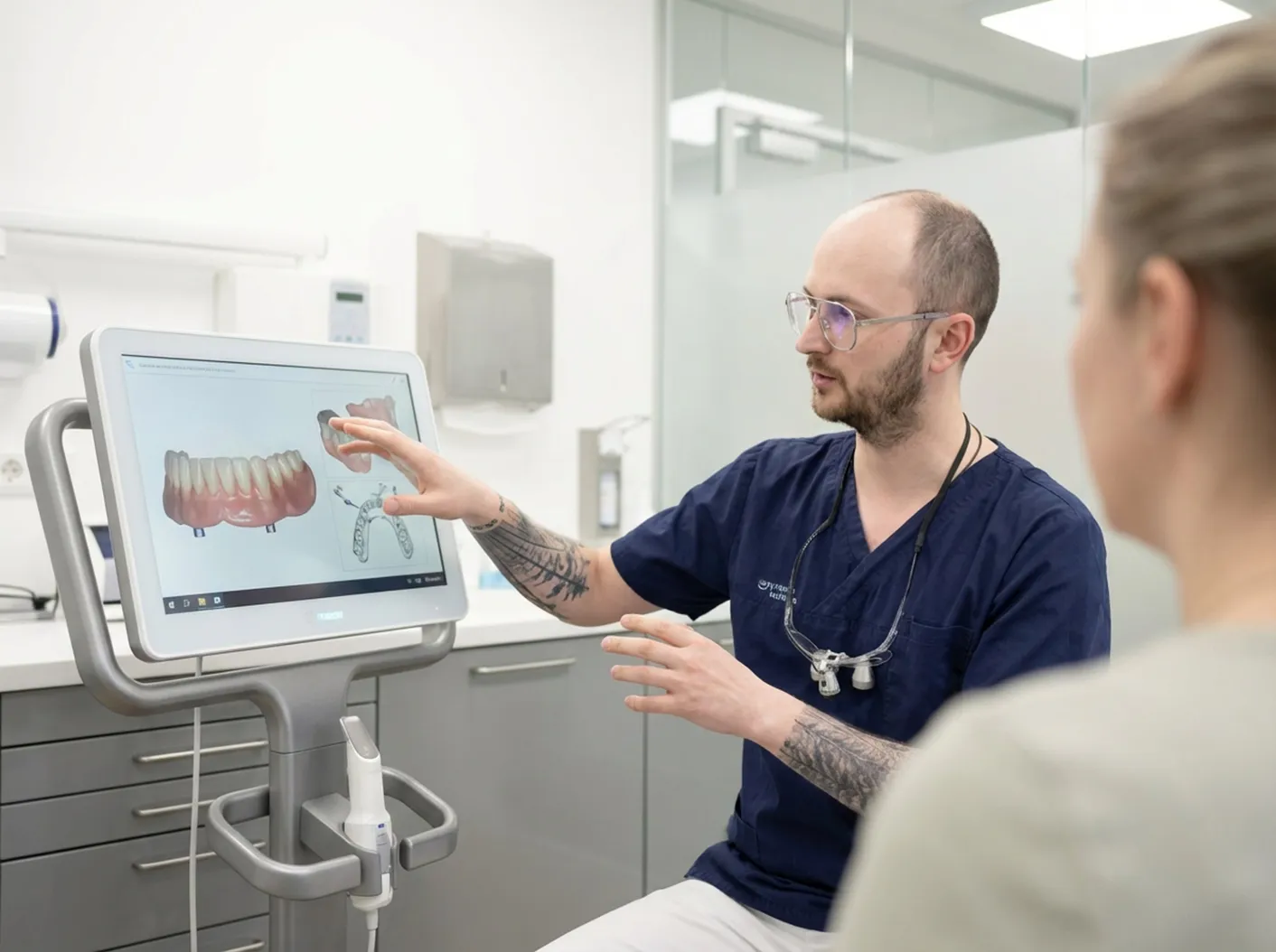
What does dental implant loss mean?
A dental implant should integrate with the jawbone like an artificial tooth root. The bone must bond firmly to the implant surface. This process is called osseointegration.
If this bond does not form, the implant may become loose. This is known as early implant loss. If the loss only occurs after several years, it is usually due to a later complication.
Not every unusual sensation immediately indicates a problem. Nevertheless, any loosening should be taken seriously. An implant must not move.

Early and late implant loss
Early implant loss usually occurs in the first few weeks or months, before the implant has fully integrated with the bone. Possible causes include infection, loading the implant too soon or poor bone quality.
Late implant loss occurs after the implant has healed. It is often caused by inflammation around the implant, known as peri-implantitis.
Excessive biting forces can also affect stability, especially in people who grind their teeth. A suitable night guard may help.
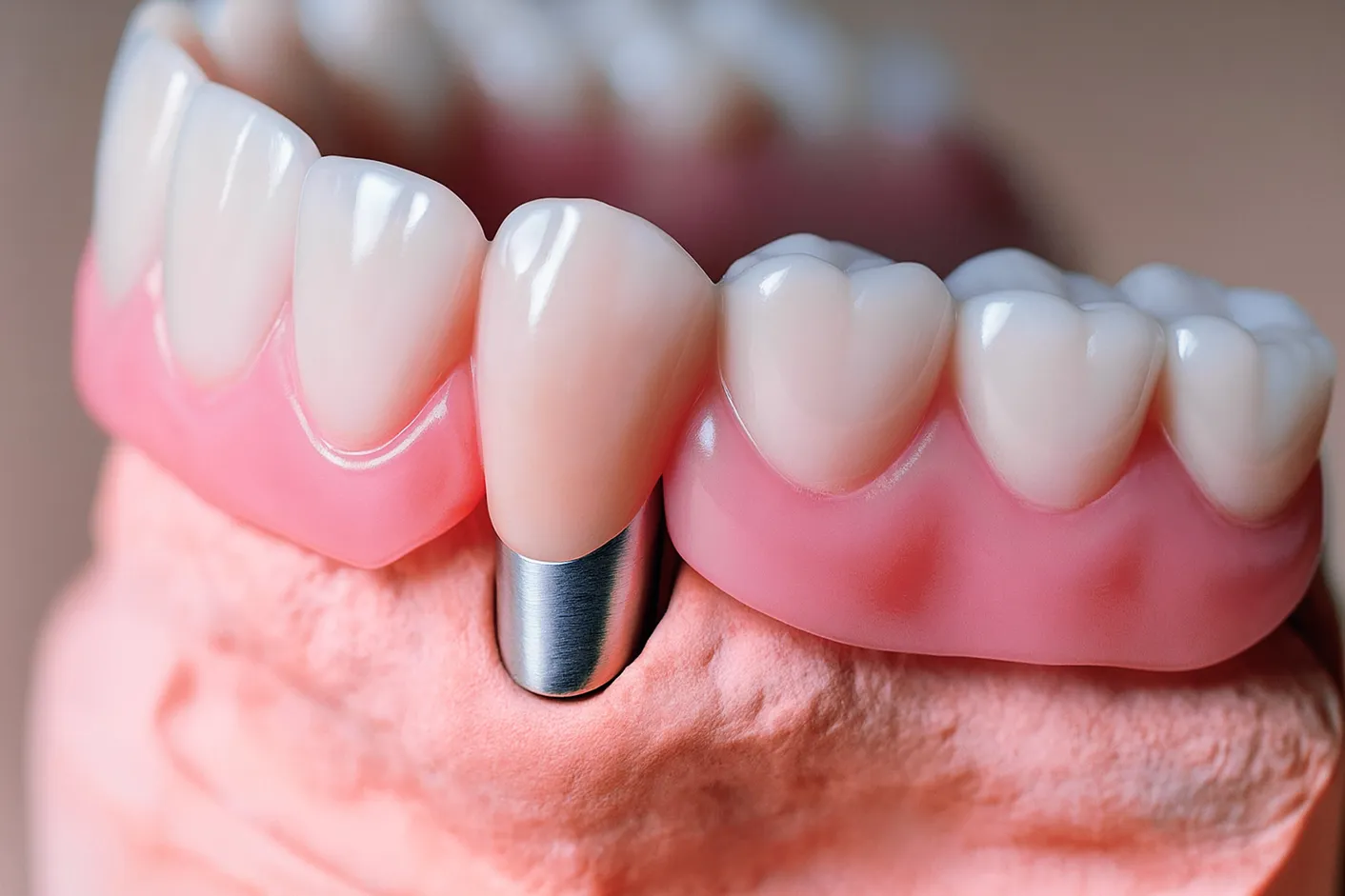
Causes of dental implant loss
The causes of dental implant loss vary greatly. Several factors often act together. A precise diagnosis is therefore particularly important.
A common cause is inflammation around the implant. Bacteria attack the surrounding tissue. If the inflammation is left untreated, bone may be lost.
Smoking also significantly increases the risk. Nicotine reduces blood circulation in the tissue. This can slow down healing.
Other causes include diabetes, certain medications or a weakened immune system. Poor oral care can also impair long-term success. Regular check-ups reduce this risk.

Symptoms: how can you recognise dental implant loss?
A loose implant is a clear warning sign. Bleeding gums, swelling or pus should also be taken seriously. Sometimes an unpleasant taste also develops.
Many patients first notice a feeling of pressure when chewing. Others notice a change when speaking or biting. Exposed implant threads may also be noticeable.
Symptoms are not always severe. Peri-implantitis in particular often causes few noticeable symptoms at first. This is why check-up appointments are so important.
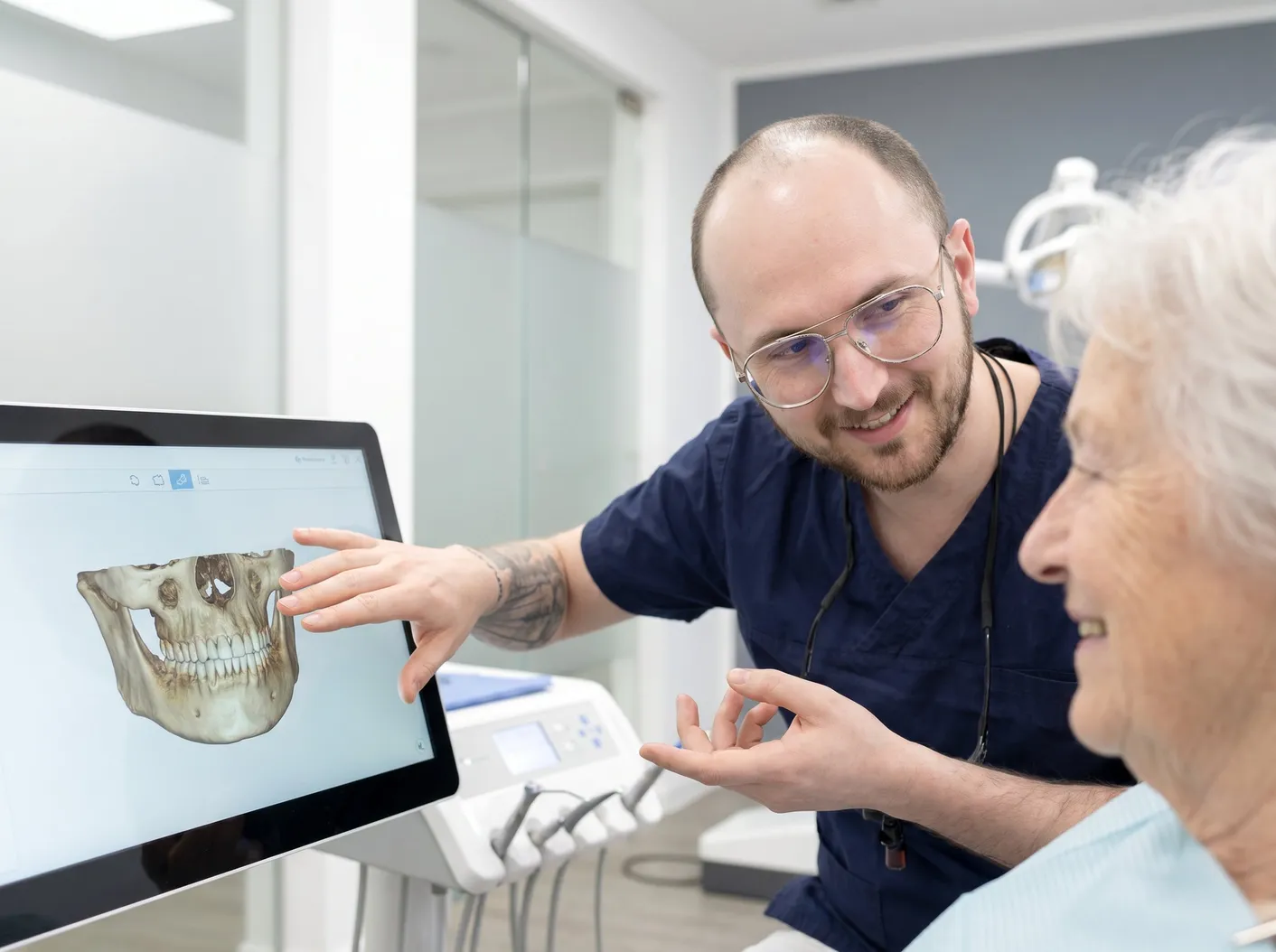
What should you do if a dental implant is loose?
If a dental implant feels loose, see a dentist promptly. Avoid wiggling it or trying to pull it out, as this can irritate the tissues further.
The dentist checks whether only the crown is loose. Sometimes the looseness affects only the abutment or screw connection, which is often easier to fix.
If the implant itself moves, it needs a thorough examination. X-rays or 3D imaging show the condition of the bone so the dentist can plan the appropriate treatment.
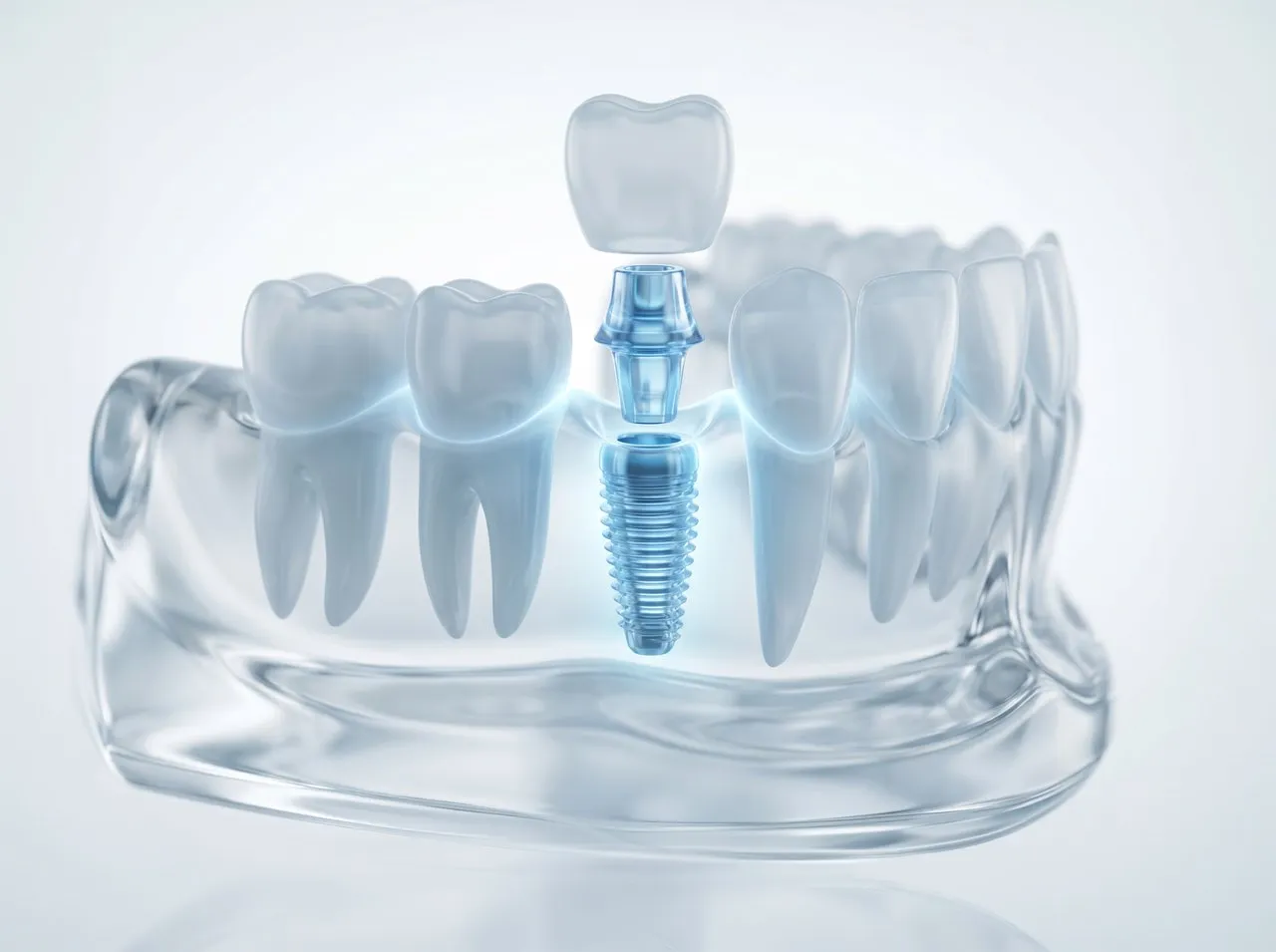
Can an implant be saved?
Whether an implant can be saved depends on the findings. For mild inflammation, cleaning may be sufficient. Antibacterial measures may also be necessary.
Treatment is more complex in cases of advanced peri-implantitis. Inflamed tissue must then be removed. Bone reconstruction may also be required.
If the bone loss is too extensive, removal may be necessary. The goal is always a safe and long-lasting solution. Wunschlachen assesses each situation individually.
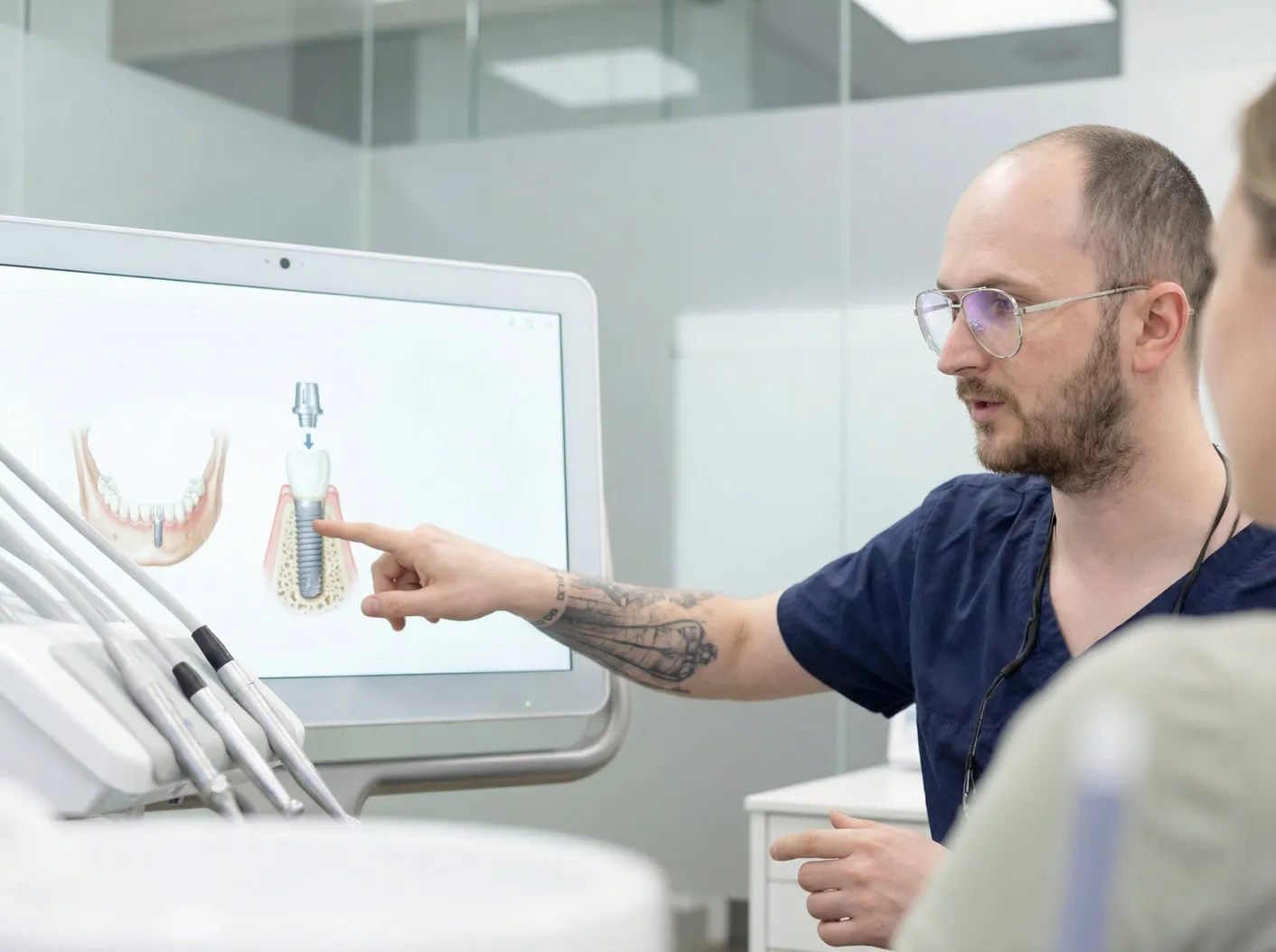
Lost a dental implant: is a new implant possible?
A new implant is often possible after dental implant loss. First, however, the tissue must heal. Inflammation must be fully controlled.
The amount of available bone is crucial. If there is insufficient jawbone, bone reconstruction may help. A new implant can then be planned.
A new implant is not always advisable immediately. Sometimes the jaw needs several months of rest. Careful planning significantly improves the prognosis.
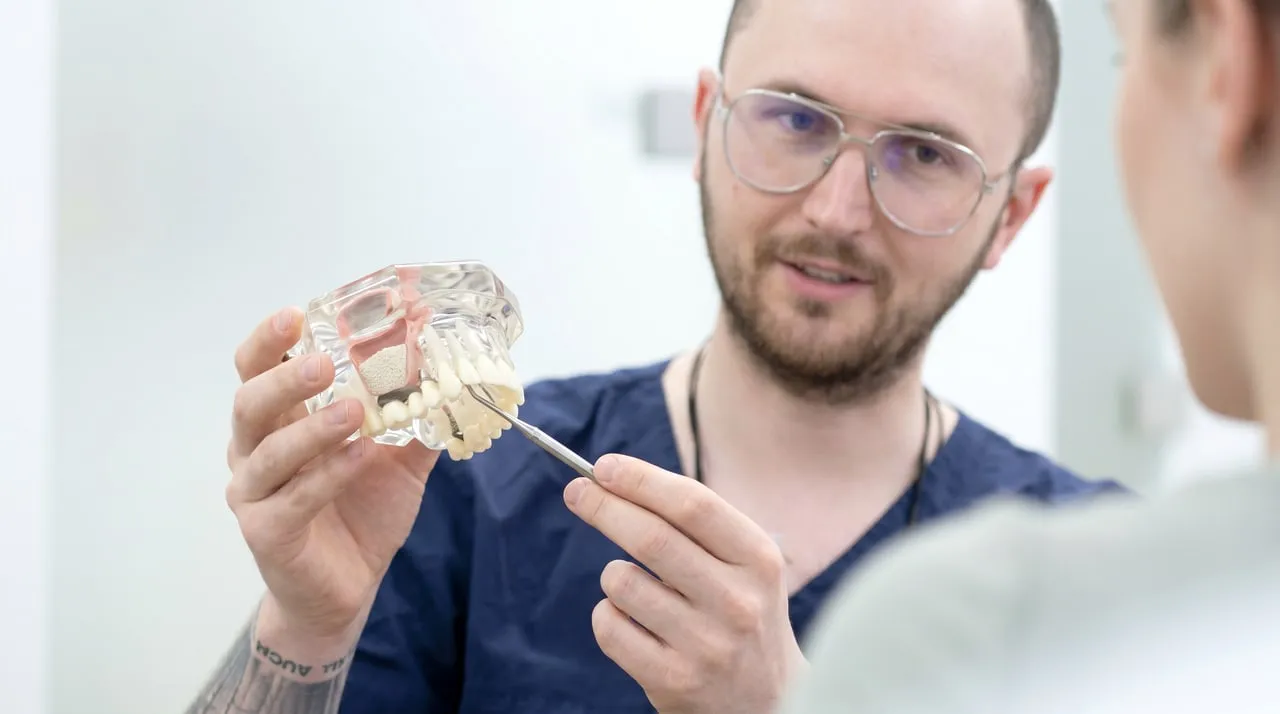
How can dental implant loss be prevented?
Good oral hygiene is essential. Implants need the same thorough care as natural teeth, especially around the gumline.
Professional implant cleaning complements your home care. It removes plaque that is difficult to reach yourself and can help detect early inflammation.
Avoiding smoking, keeping blood sugar stable and wearing a night guard can help. Discuss the risk factors that apply to you both before and after implant placement.
Why choose Wunschlachen for implant problems?
<p>At the Wunschlachen dental practice, implants are carefully checked. Modern diagnostic techniques help to identify problems at an early stage. Targeted treatment can then be provided.</p>
<p>Our aim is a stable, functional and aesthetically pleasing solution. We take the bone, gums and bite into account. Your medical history is also included in the planning.</p>
<p>If an implant is at risk, we discuss all the options. These include saving the implant, removing it or providing a replacement. You will receive a clear recommendation based on your findings.</p>