The right toothbrush: selection and use
The right toothbrush makes a noticeable difference to your daily oral care. It thoroughly cleans teeth, the gumline and hard-to-reach areas. Bristle firmness, brush head, brushing technique and regular replacement are key. At Wunschlachen, we are happy to advise you on the right toothbrush for your teeth.
Über 350 Google-Bewertungen
Why the right toothbrush is so important
A good toothbrush removes soft plaque from the surfaces of the teeth. This plaque can contribute to tooth decay, gum irritation and bad breath. Choosing the right toothbrush is therefore an important part of preventive care.
Many people focus only on brand or price. Size, shape and bristle structure are more important, however. The brush should suit your teeth and gums. Even the best toothbrush is no substitute for good technique.
Too much pressure can strain the gums and tooth enamel. Gentle movements are usually more effective than vigorous scrubbing.
Manual toothbrush or electric toothbrush?
A manual toothbrush can deliver excellent results. Careful brushing technique is particularly important for this. The brush head should be small enough to reach every area.
An electric toothbrush makes cleaning easier for many patients. Rotating or sonic models perform many movements automatically. This can improve everyday plaque removal.
Which option is more suitable depends on the user. People with limited mobility often benefit from electric models. Those who brush in a very controlled manner can also clean thoroughly with a manual brush.
The device itself is not the only important factor. The brush head, pressure control and brushing time also matter. At Wunschlachen, we are happy to show you how to use them correctly.

Which bristles are recommended?
Soft bristles are a good choice for most people. They clean thoroughly and are gentle on the gumline. Hard bristles can cause irritation if used incorrectly.
Very hard bristles are rarely advisable. They do not automatically remove plaque more effectively. Often, they simply put more pressure on the teeth and gums.
Look for rounded bristle ends. These glide more gently over the tooth surfaces. This is especially important for sensitive gums.
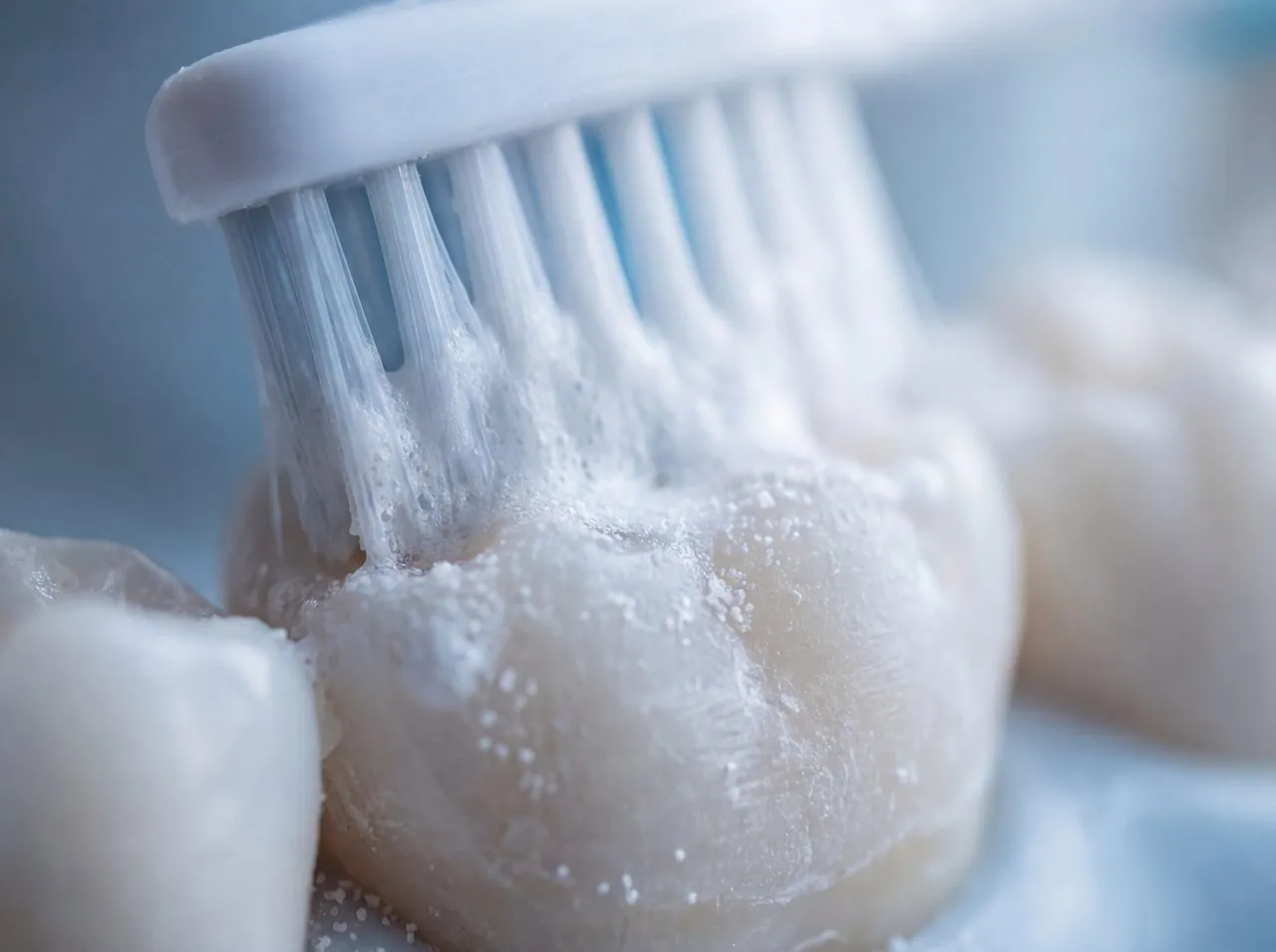
The right brush head
The brush head should not be too large. Small heads often reach the molars and inner surfaces more effectively. The areas behind the last teeth are also easier to clean.
A compact head also helps when jaw space is limited. It allows controlled movements without unnecessary pressure. This is also helpful with dentures, crowns or implants.
With electric toothbrushes, the brush head should be checked regularly. Splayed bristles clean less effectively. They can also put unnecessary strain on the gums.

How often should you replace your toothbrush?
You should replace your toothbrush approximately every three months. This also applies to electric toothbrush heads. Replacing it sooner may be advisable after an infection.
Frayed bristles are a clear warning sign. They clean less precisely. This also often indicates that you are using too much pressure when brushing.
Store the brush somewhere dry and uncovered. This allows it to dry thoroughly after brushing. Closed cases are better suited to short trips.
The right toothbrush for children
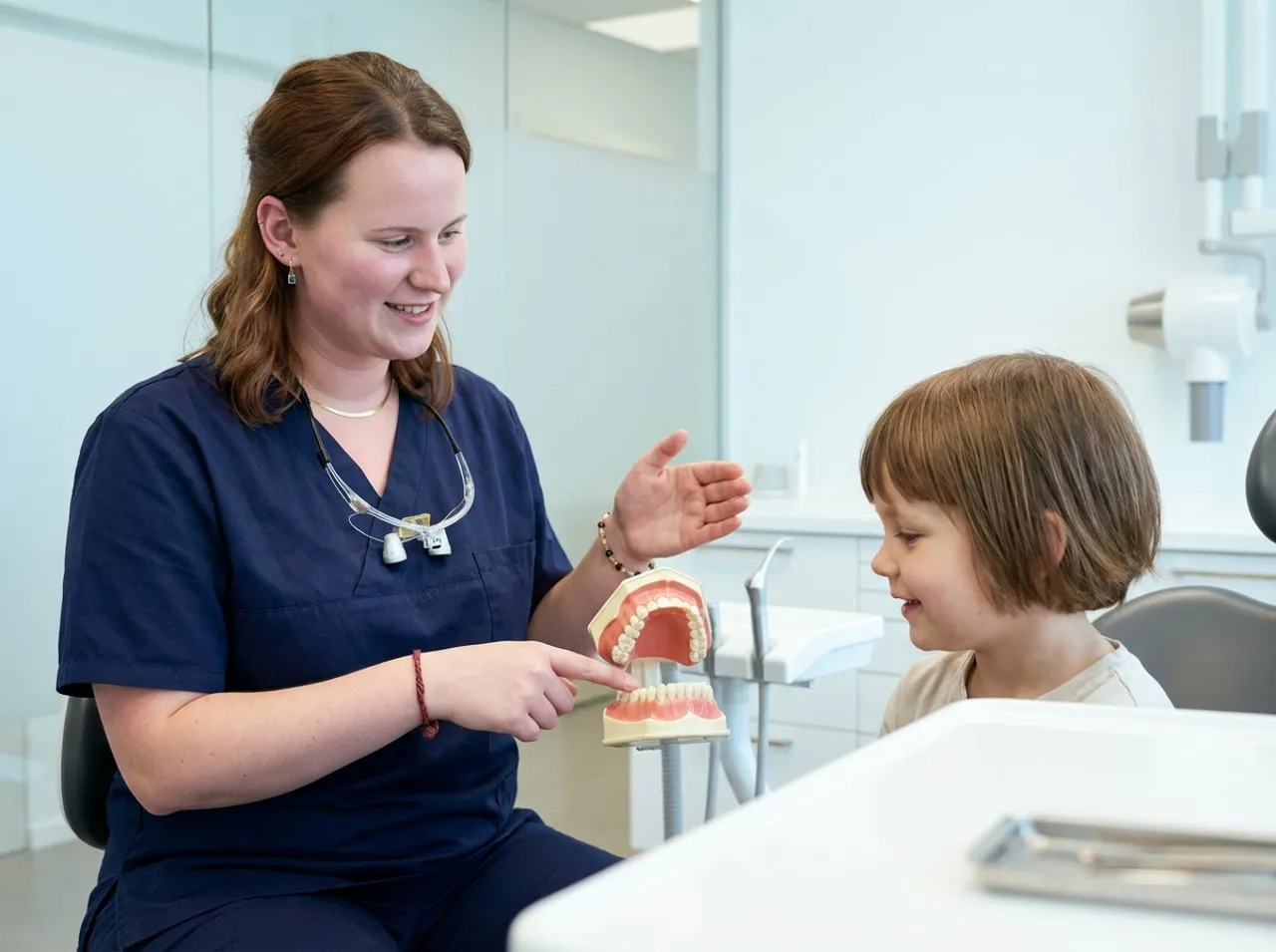
A children's toothbrush must be smaller and lighter. The handle should be comfortable to hold. Soft bristles protect young gums.
Children need age-appropriate brush heads. These reach small tooth surfaces more effectively. Parents should also check their children's brushing regularly.
An electric toothbrush can also be suitable for children. Age, motivation and safe use are the key factors. We are happy to advise families on making the right choice.
Toothbrushes for braces, implants and dentures
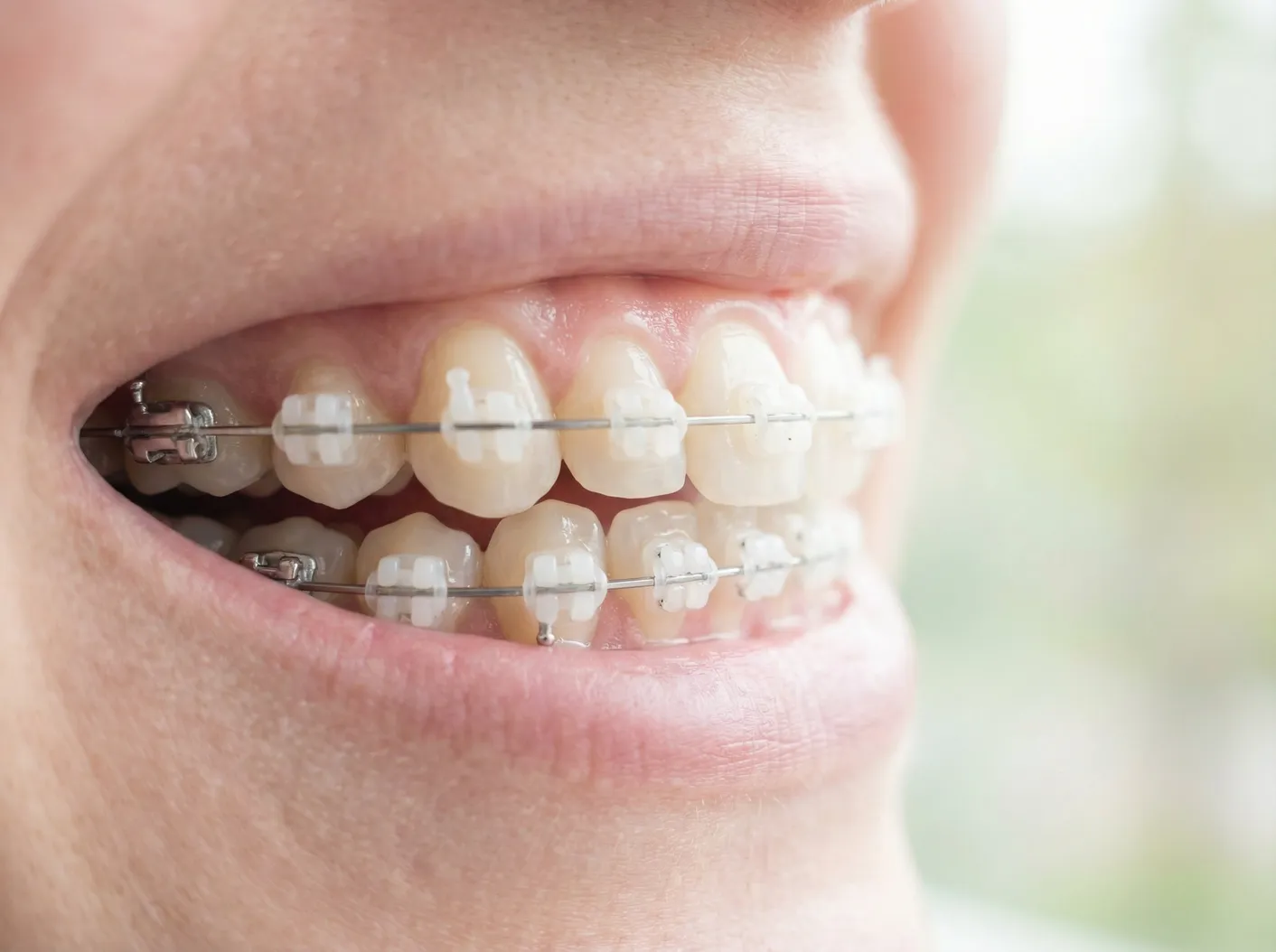
With fixed braces, an ordinary toothbrush is often not enough. Special orthodontic brushes can make cleaning easier. Interdental brushes are also usually very helpful.
Careful cleaning is also important with implants. Plaque at the gumline should be removed reliably. A soft toothbrush and suitable interdental cleaning support effective cleaning.
Crowns, bridges and veneers also require thorough care. The toothbrush should reach all edges and transitions effectively. Regular check-ups help identify problem areas early.
Do not forget the spaces between your teeth
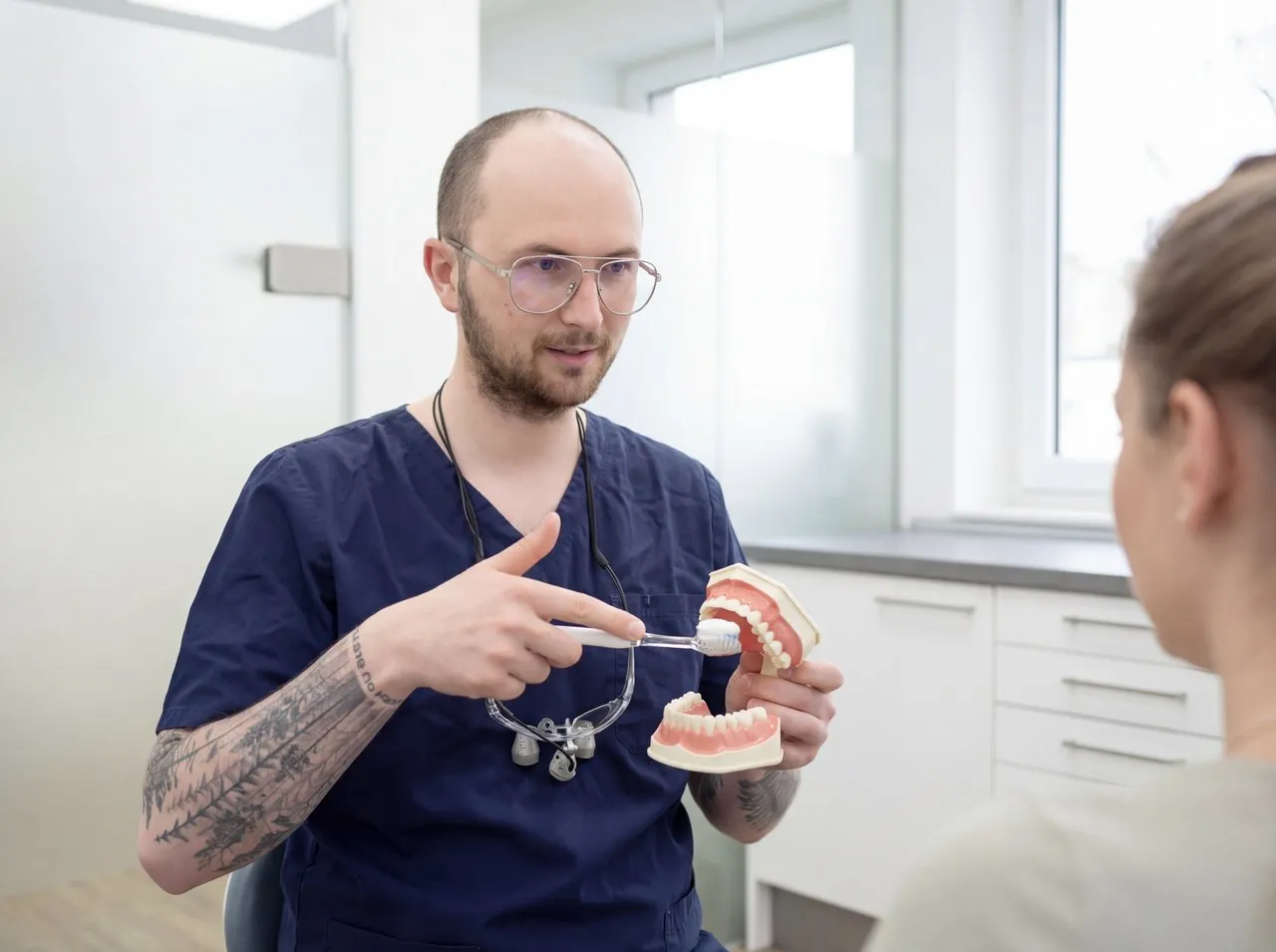
A toothbrush mainly cleans exposed tooth surfaces. It reaches the spaces between teeth only to a limited extent. Dental floss or interdental brushes are therefore an important addition.
Which aid is more suitable depends on the size of the gaps. Dental floss is often suitable for narrow spaces. Larger spaces can usually be cleaned with interdental brushes.
At our practice, we will show you the right size to use. This helps you avoid unnecessary pressure. At the same time, you will improve your daily oral hygiene.
Brushing technique: gentle, systematic and regular
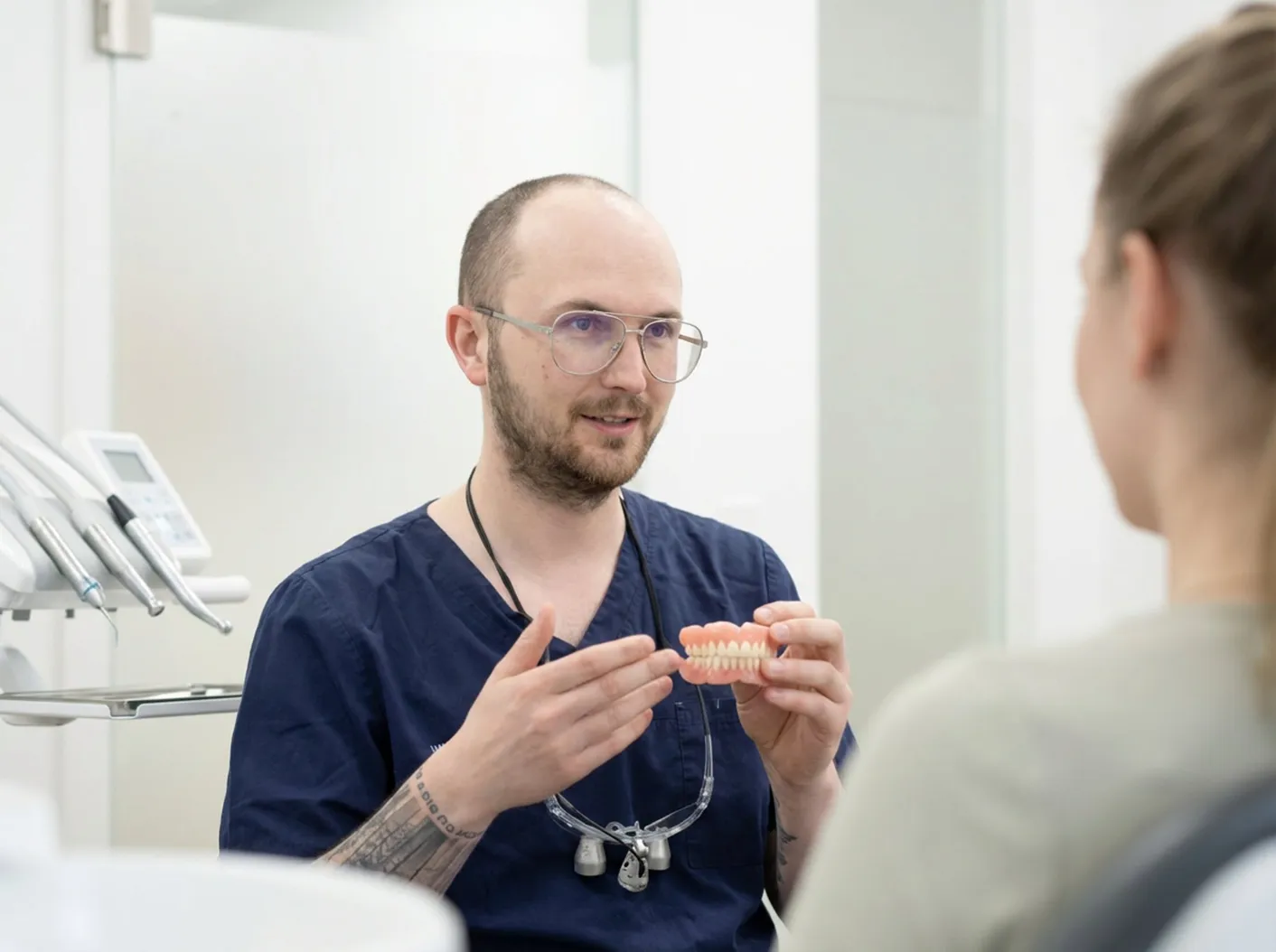
Brush your teeth at least twice a day. Allow approximately two minutes each time. Work systematically from one area to the next.
Hold the brush at a slight angle to the gumline. Make small movements without applying firm pressure. Clean the outer surfaces, inner surfaces and chewing surfaces evenly.
Many electric toothbrushes have a pressure sensor. This can indicate when too much pressure is being applied. This is particularly helpful for sensitive gums.

Advice at Wunschlachen
The right toothbrush varies from person to person. Tooth alignment, gums, dentures and habits all play a role. A personalised recommendation is therefore worthwhile.
At Wunschlachen, we examine your oral health carefully. We then explain which brushes and cleaning aids are suitable for you. This makes daily care simpler and more effective.
FAQ – Frequently asked questions about choosing the right toothbrush
Locations
Wunschlachen Reinickendorf030/ 495 20 10Wunschlachen Schöneberg030/ 854 44 83
Wunschlachen Paediatric Dentist Reinickendorf030/ 495 20 10Wunschlachen Paediatric Dentist Schöneberg030/ 854 44 83
Wunschlachen Friedrichstraße030/ 959 990 644Wunschlachen Charlottenburg030/ 233 290 390