Fixed dental prostheses without implants – costs explained
Fixed dental prostheses without implants can reliably close gaps left by missing teeth. Bridges, crowns or partial crowns are usually options. Costs depend on the clinical findings, materials, laboratory work and fixed subsidy. Wunschlachen explains.
Über 350 Google-Bewertungen
What are fixed dental prostheses without implants?
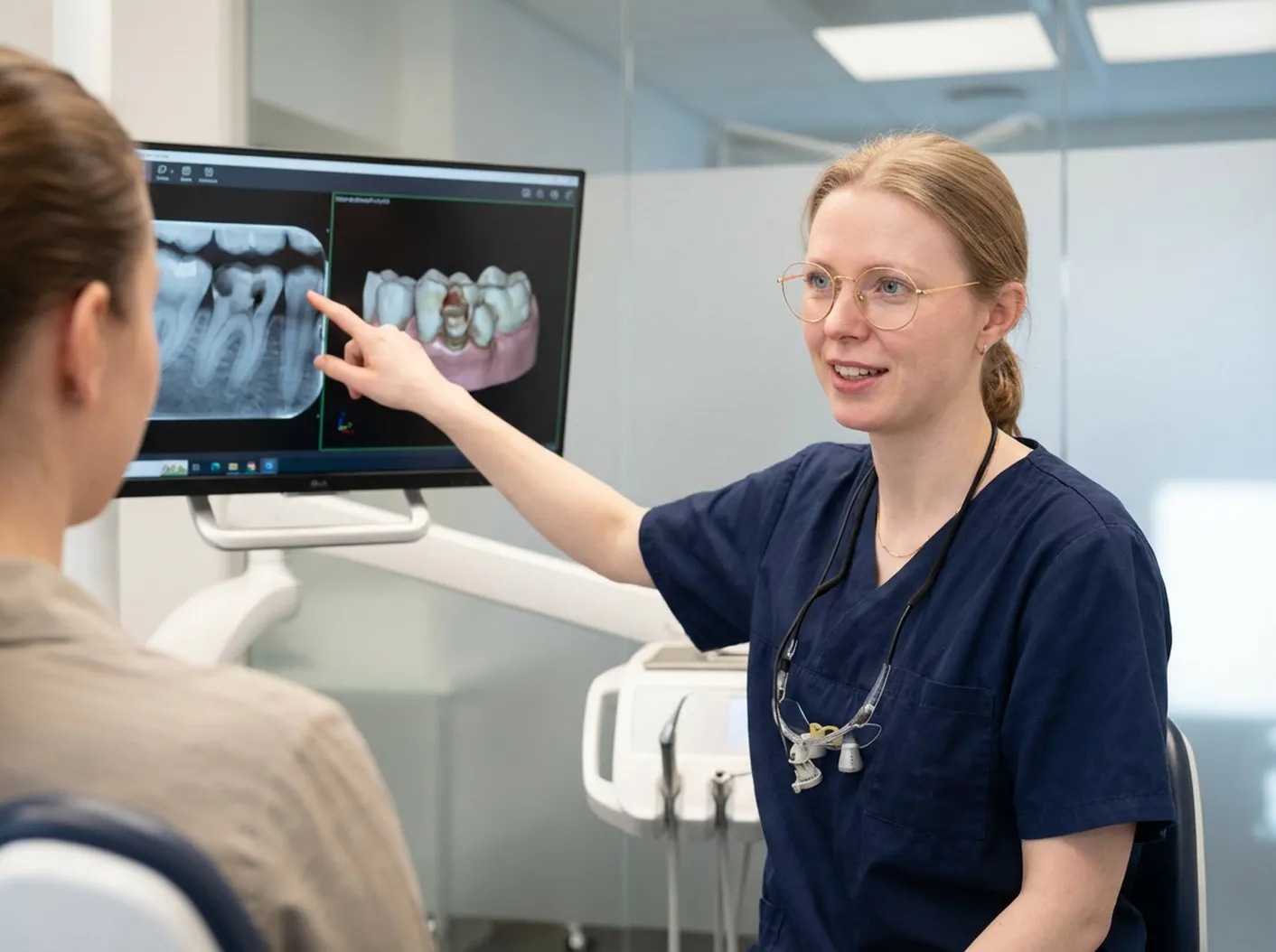
This type of restoration is fixed in the mouth. It is attached to natural teeth. It does not refer to removable dentures.
A bridge is often used to close a gap left by missing teeth. A crown protects severely damaged teeth. Partial crowns often preserve more healthy tooth structure.

Which options are available?
A traditional dental bridge is the most common option. The neighbouring teeth support the bridge, restoring a stable bite.
Several crowns can also form part of the treatment plan, especially if there is extensive damage. The choice depends on the remaining teeth.
An adhesive bridge may sometimes be suitable, often for smaller gaps at the front. Whether it is appropriate depends on the clinical findings.

What determines the cost?
The cost depends first on the clinical findings. Materials and dental technology also play a major role. Preliminary treatments and laboratory work are additional factors.
An all-ceramic bridge usually costs more than a metal one. Veneered options often fall somewhere in between. Visible areas often require higher aesthetic standards.
The length of the bridge also affects the price. More pontics generally mean more work. This also applies to complex bite conditions.

Which materials affect the price?
Metal is usually the cheaper option. Veneered ceramic combines function and appearance. All-ceramic often looks particularly natural.
Aesthetic expectations are often higher for visible areas. Many patients therefore choose tooth-coloured materials. This can increase the amount they pay themselves.
How much does a crown without an implant cost?
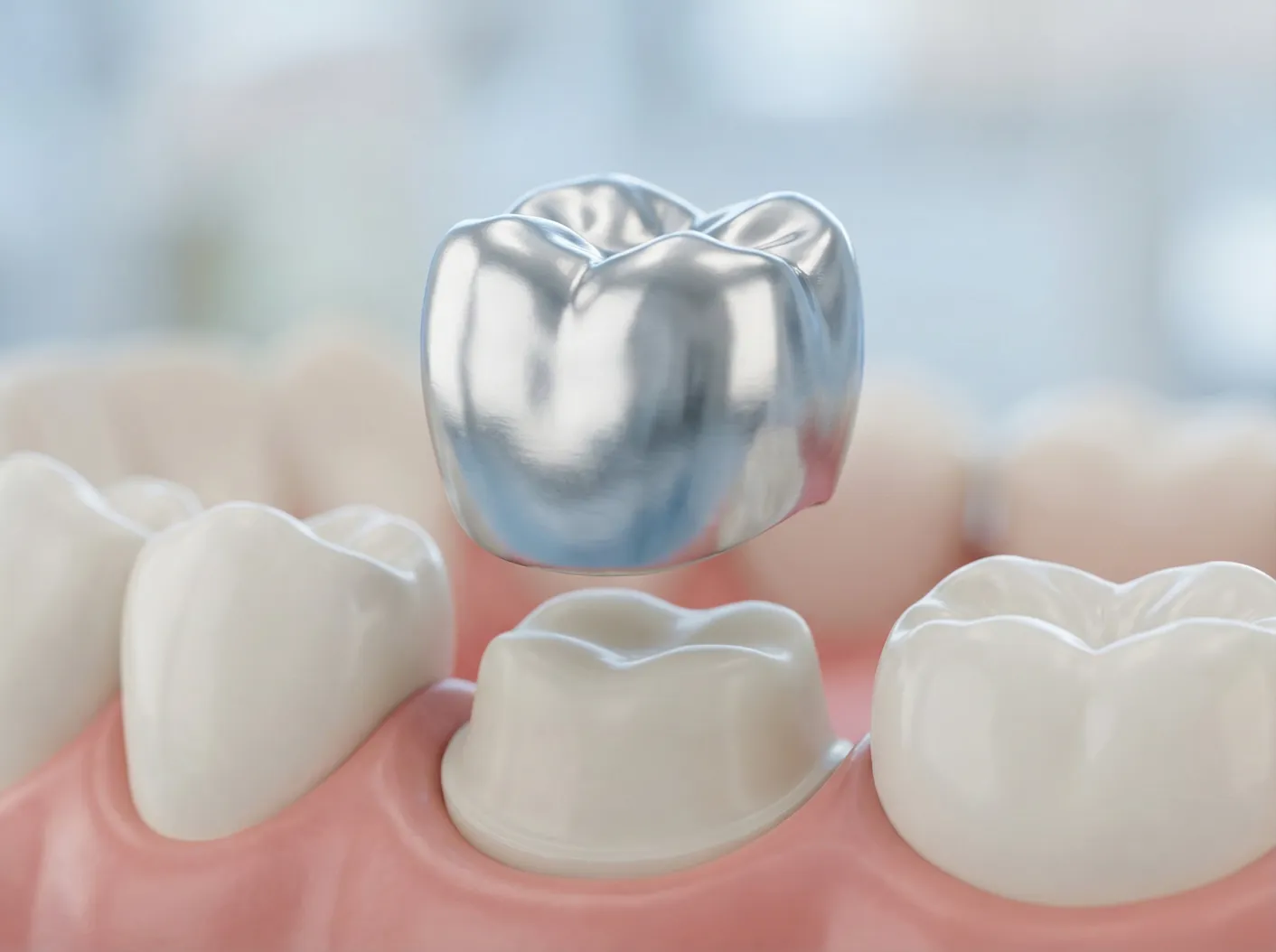
A single crown costs from 500 euros. Materials and complexity vary considerably. An exact price is provided after the examination. You will receive a detailed breakdown.
Metal crowns are often cheaper. All-ceramic usually looks more natural. Ceramic is often preferred for front teeth.
How much does a dental bridge without implants cost?
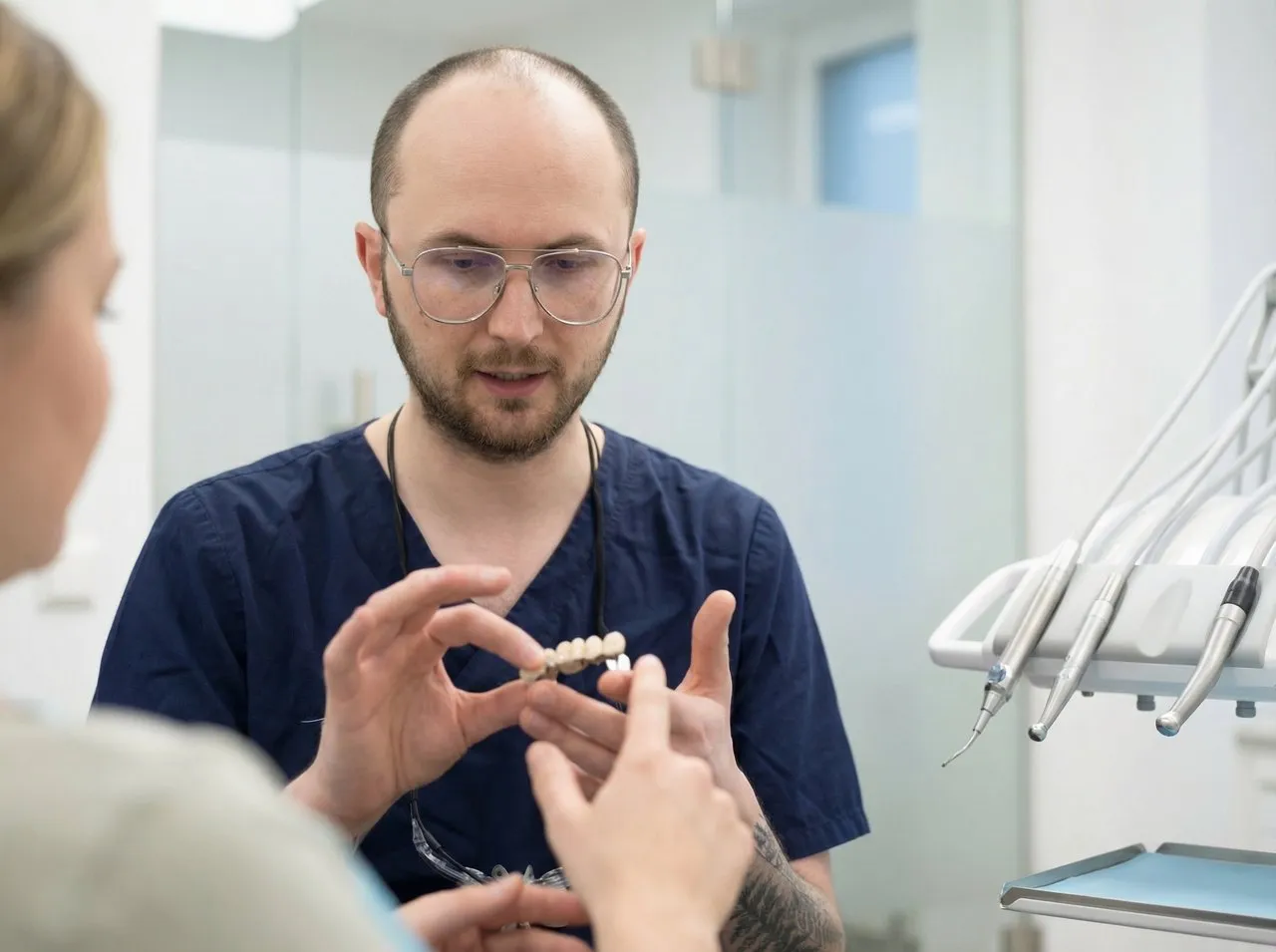
The price of a three-unit dental bridge starts at around 1,300 euros. The amount may increase with more complex ceramic work. Larger bridges often cost more.
These figures are only a guide. Reliable planning always requires an examination and clinical findings. Only then can a precise treatment plan be drawn up.

What does health insurance cover?
Statutory health insurance pays a fixed subsidy based on the clinical findings. This is based on the relevant standard care. Without a bonus booklet, the subsidy is usually 60 per cent.
With a bonus booklet, the subsidy often rises to 70 or 75 per cent. You pay the remaining amount yourself. Higher-quality materials usually increase this share further.
Private supplementary insurance may also be relevant. This depends heavily on your policy. It is worth examining this closely before treatment.

When is a bridge a suitable option?
A bridge is suitable when the neighbouring teeth are stable. It can close a gap quickly. No surgical procedure is required.
However, the abutment teeth usually have to be ground down. This is an important difference from an implant. Every treatment plan therefore requires careful consideration.
What are the advantages of fixed dental prostheses?
Many patients want a fixed restoration. It often feels secure when chewing. Patients also frequently adjust to it well.
Treatment is often shorter without implants. In addition, there is usually no implant healing period. This can simplify overall planning.

What disadvantages should patients be aware of?
The main disadvantage concerns healthy neighbouring teeth. They are often ground down for conventional bridges. This is not ideal in every case.
Durability also depends heavily on the abutment teeth. Inflammation or tooth decay can compromise the restoration. Regular check-ups are therefore important.

How long do fixed dental prostheses last?
Well-maintained crowns and bridges often last for many years. Oral hygiene and aftercare are crucial. The fit also plays a major role.
People who grind their teeth often need additional protection. A splint may then be advisable. This reduces the strain on the dental prosthesis.
Why is a treatment and cost plan important?
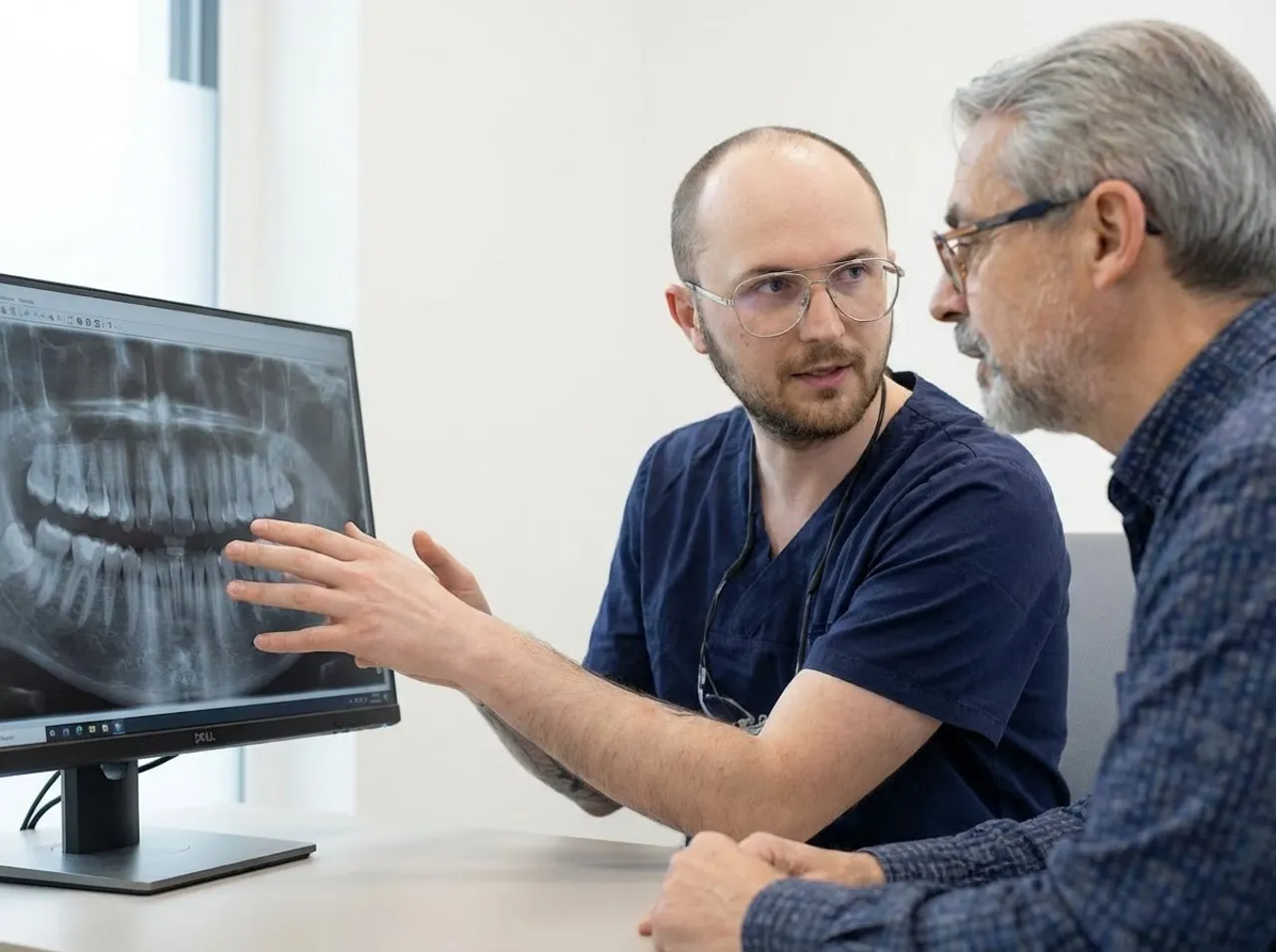
A treatment and cost plan provides transparency. It shows the treatment, subsidy and amount you pay yourself. This makes it easier to compare quotations.
This is particularly useful with high-quality ceramic. It also makes changes of material easier to understand. Patients can make better-informed decisions.
Conclusion
Fixed dental prostheses without implants are often a tried-and-tested solution. Bridges and crowns in particular are common options. Costs always vary from person to person.
The key factors are the clinical findings, materials and health insurance subsidy. Good planning helps prevent poor decisions. This results in a functional and aesthetically pleasing restoration.