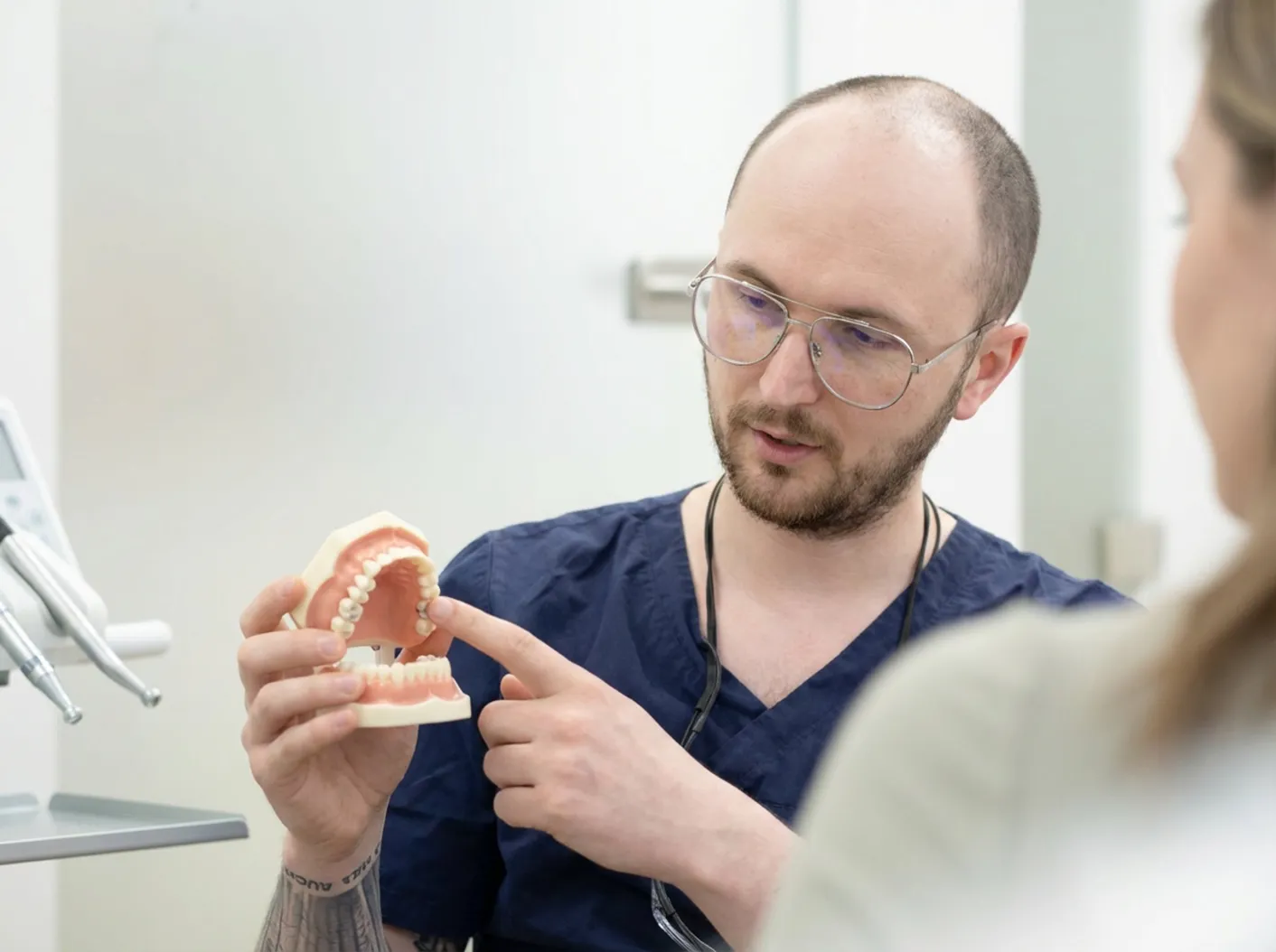
Fixed dental restorations: all the benefits at a glance
Fixed dental restorations replace damaged or missing teeth permanently and securely. They improve chewing function, support clear speech and look very natural. At Wunschlachen, we plan crowns, bridges and implant-supported restorations individually for your dental situation.
Über 350 Google-Bewertungen
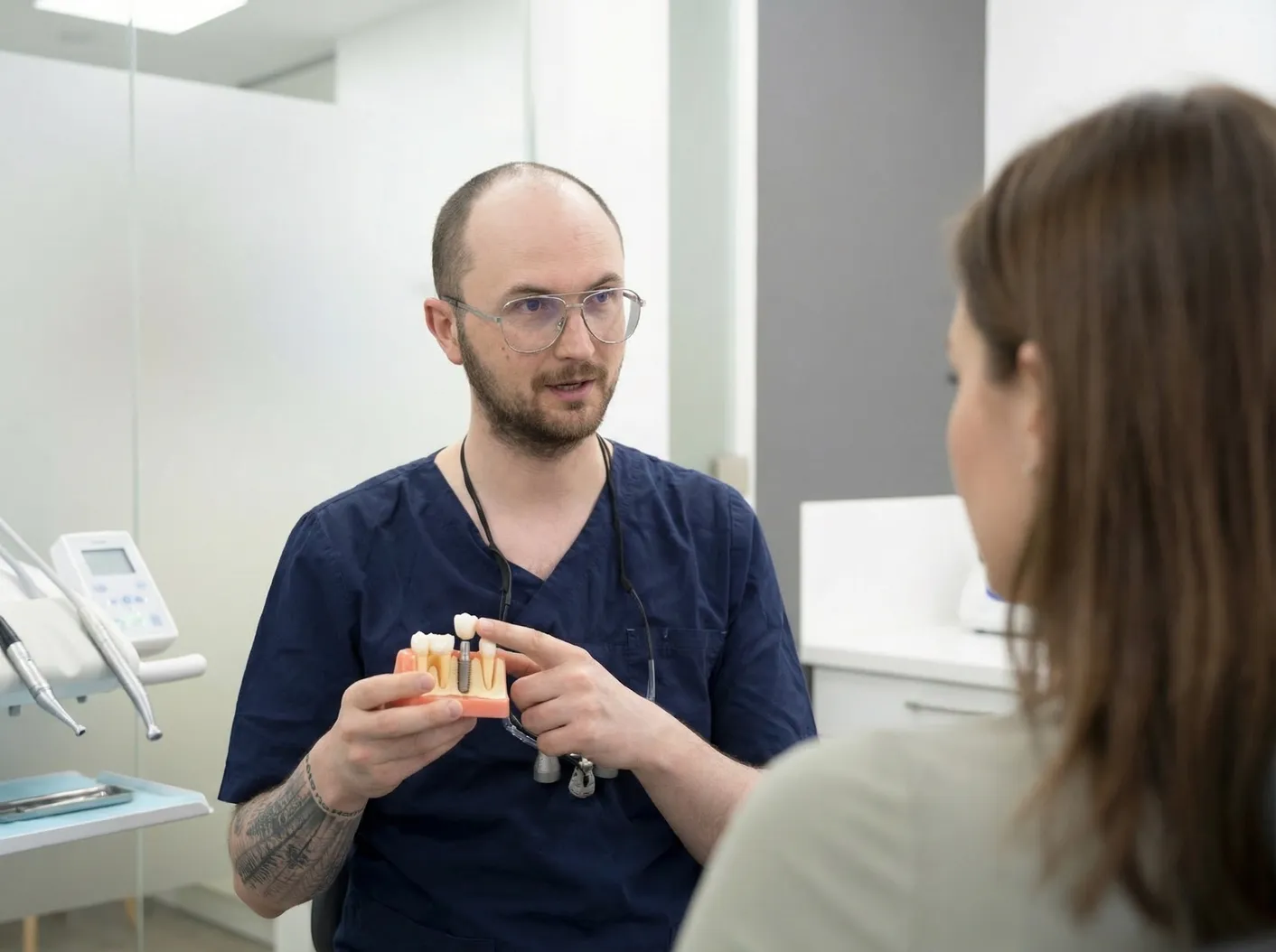
What are fixed dental restorations?
Fixed dental restorations are securely anchored in the mouth. They are not taken out every day. This makes many patients feel particularly confident.
These restorations include dental crowns, dental bridges and implant-supported restorations. Inlays, partial crowns and implant-supported bridges also fall into this category. The right solution depends on the clinical findings.
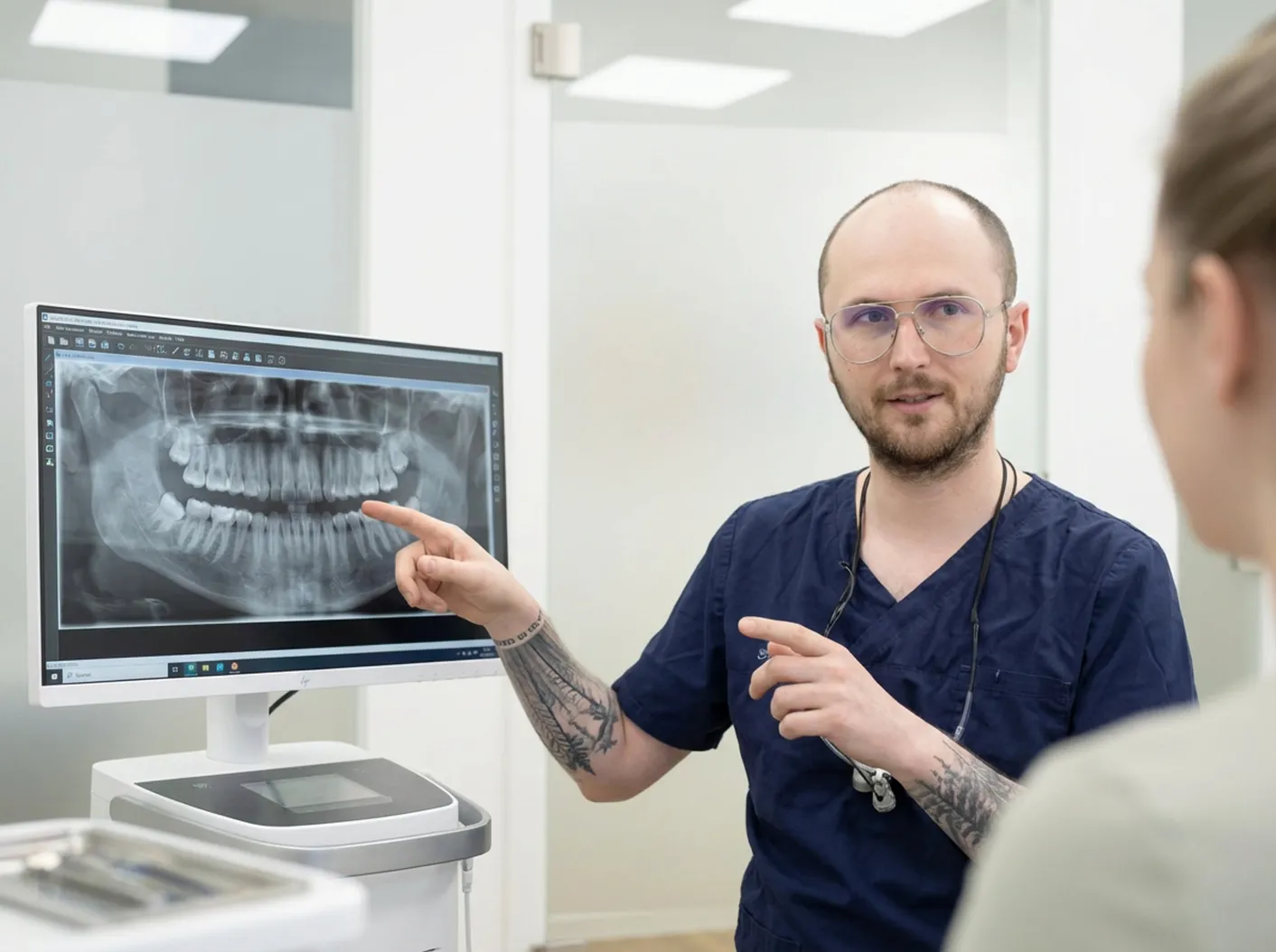
A thorough examination before treatment is essential. We examine the teeth, gums, jawbone and bite. This ensures that the restoration is both functional and aesthetically pleasing.
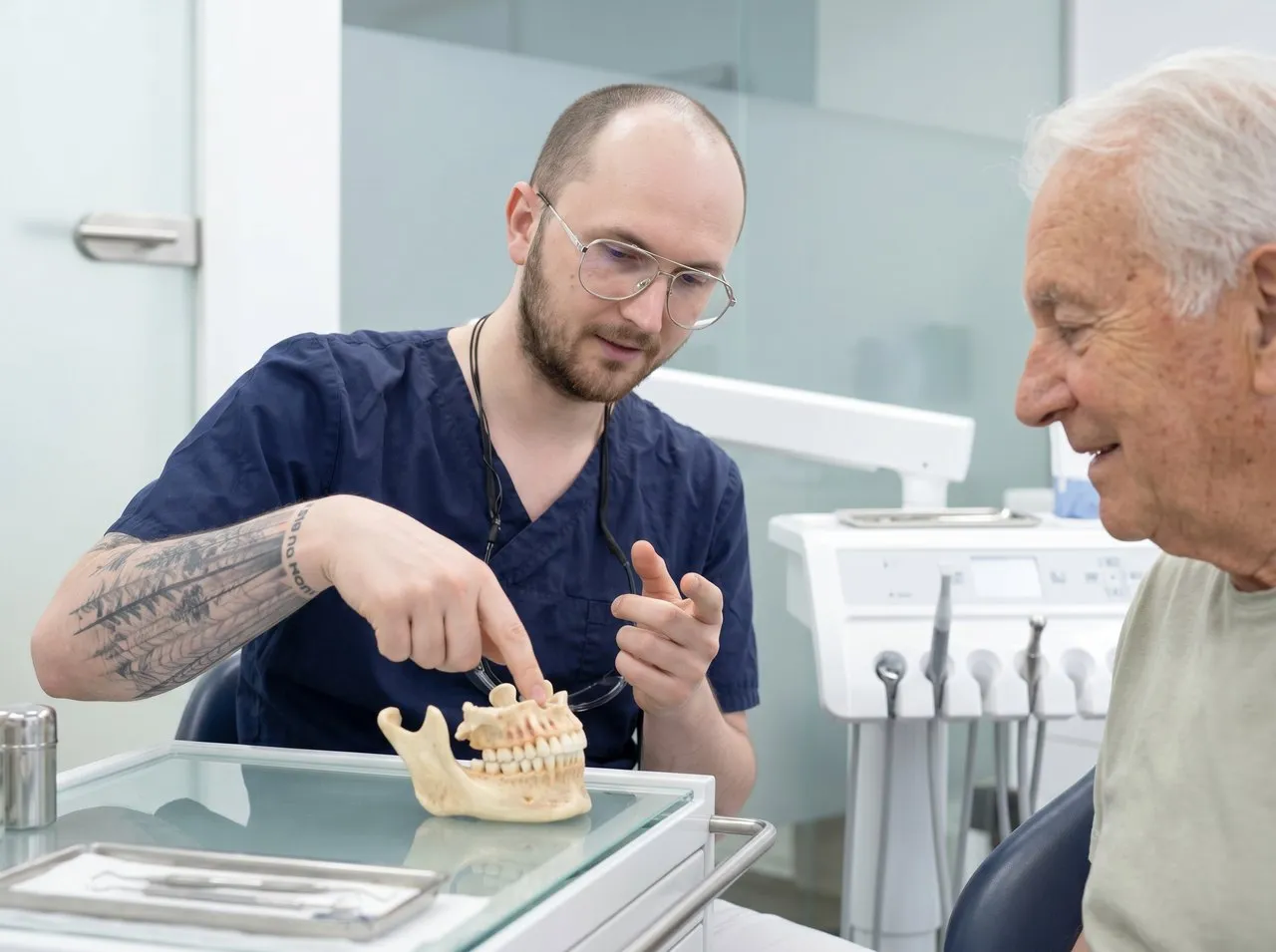
The main benefits of fixed dental restorations
One of the main benefits is stability. A fixed restoration stays in place when you talk, laugh and eat. Many patients feel more confident in everyday life.
Chewing can improve considerably. Fixed teeth distribute biting forces better than loose restorations, which often reduces strain on the remaining natural teeth.
Another benefit is a natural appearance. Modern ceramic can be closely matched to the colour, shape and way natural teeth reflect light.
A better quality of life thanks to a secure fit
Missing teeth can make eating very difficult. Hard or fibrous foods are then often avoided. A fixed restoration can widen your choice of foods again.
Dental restorations also play an important role in speech. Gaps can sometimes alter the formation of sounds. Stable dental restorations can improve pronunciation.
Many people feel self-conscious about visible gaps. Natural-looking replacements can boost self-confidence. This is particularly true for the front teeth.
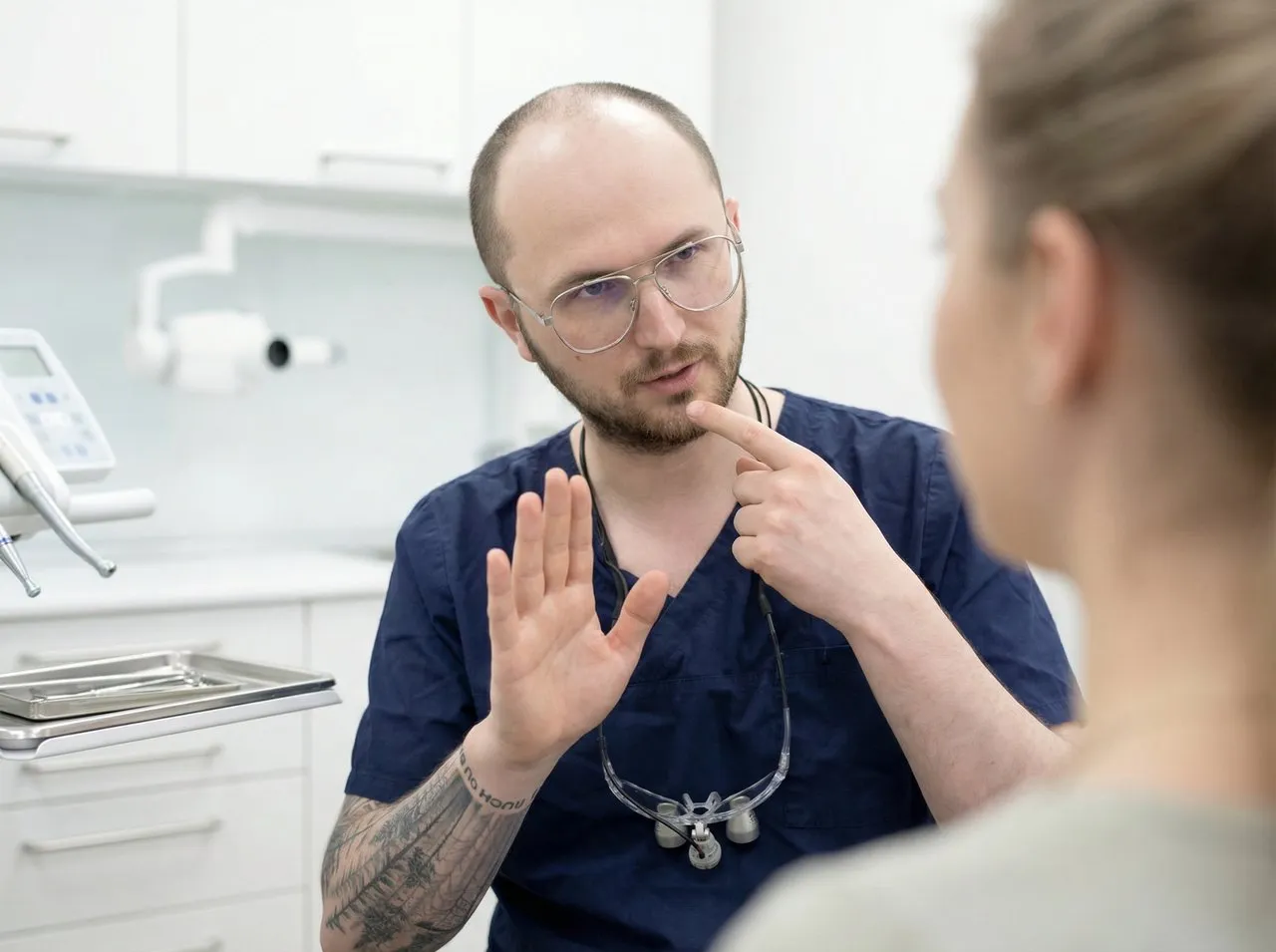
Protection for teeth, jaw and bite
Gaps between teeth rarely remain without consequences. Neighbouring teeth can tilt into the gap. Opposing teeth can move out of their sockets.
This changes the bite. The jaw joints and chewing muscles can be placed under greater strain. Fixed solutions help prevent this from happening.
Implants also have another important effect. They transmit chewing forces to the jawbone. This can help counteract bone loss in the treated area.
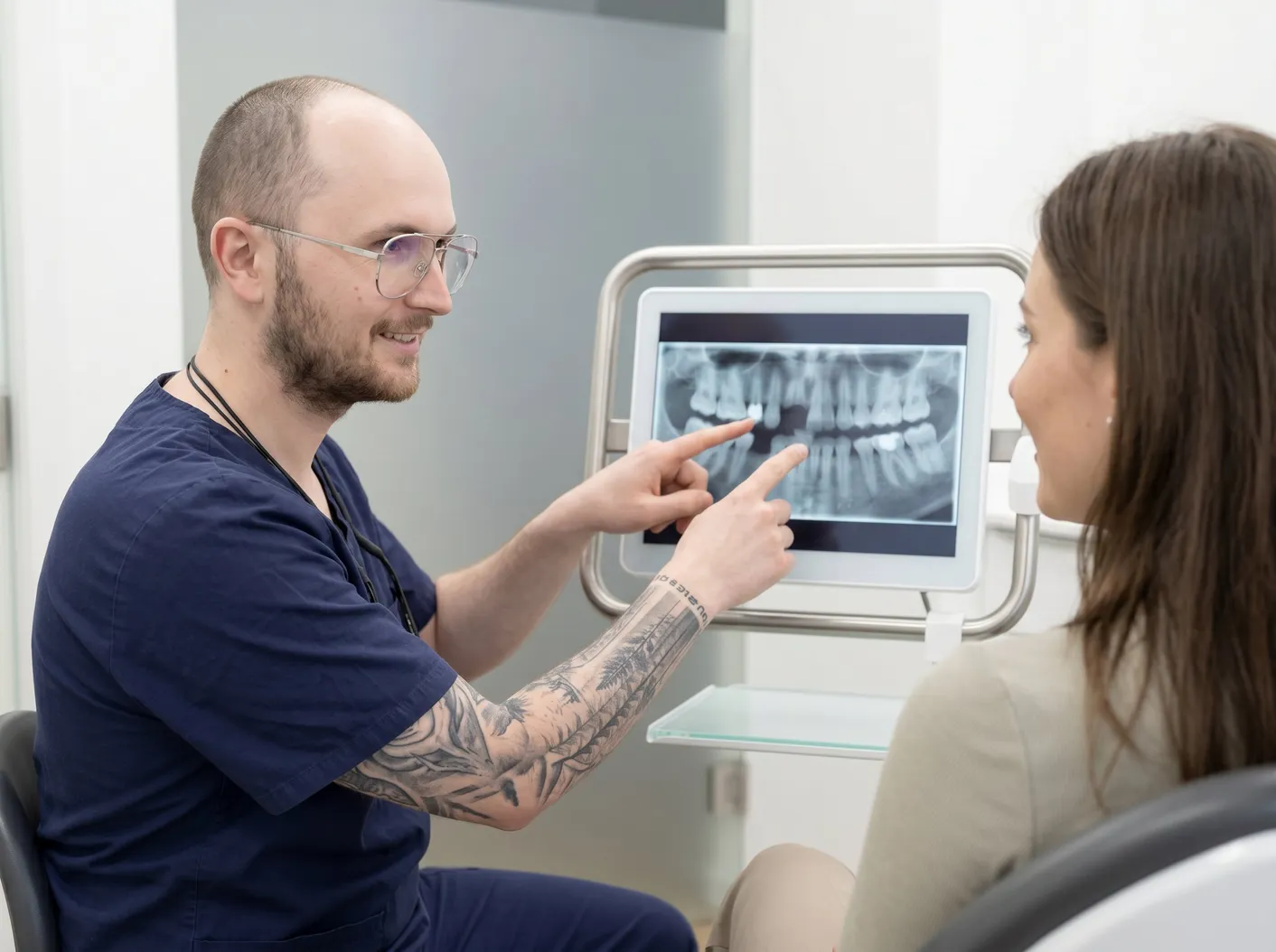
Crowns, bridges or implants?
A crown may be suitable for a severely damaged tooth. It covers the tooth like a protective cap, making it possible to retain as much of the existing tooth as possible.
A dental bridge replaces one or more missing teeth. It is supported by neighbouring teeth or implants. Bridges are well established and often straightforward to plan.
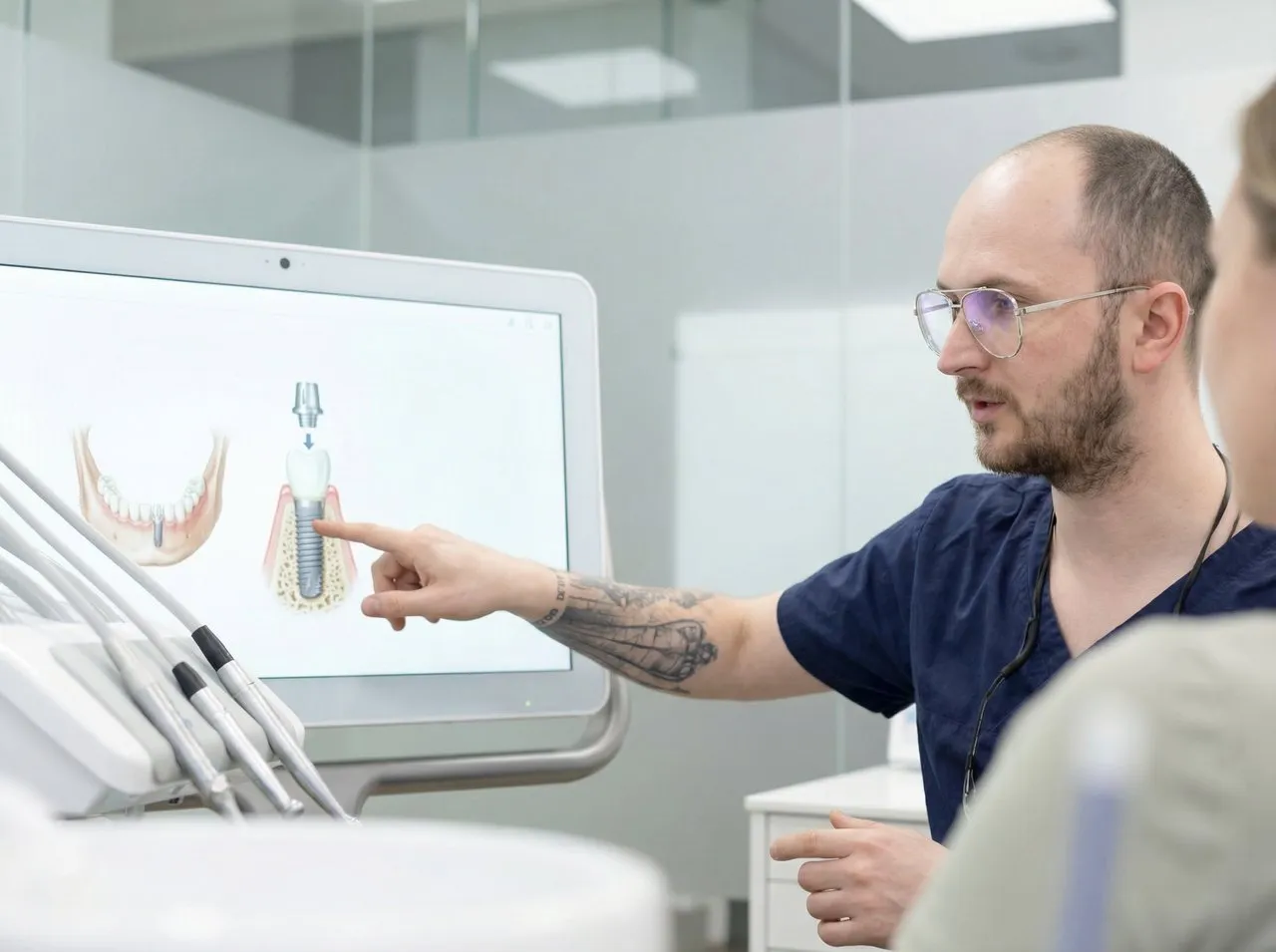
An implant-supported restoration replaces the root as well. An implant is anchored in the jaw so a crown or bridge can be attached later.
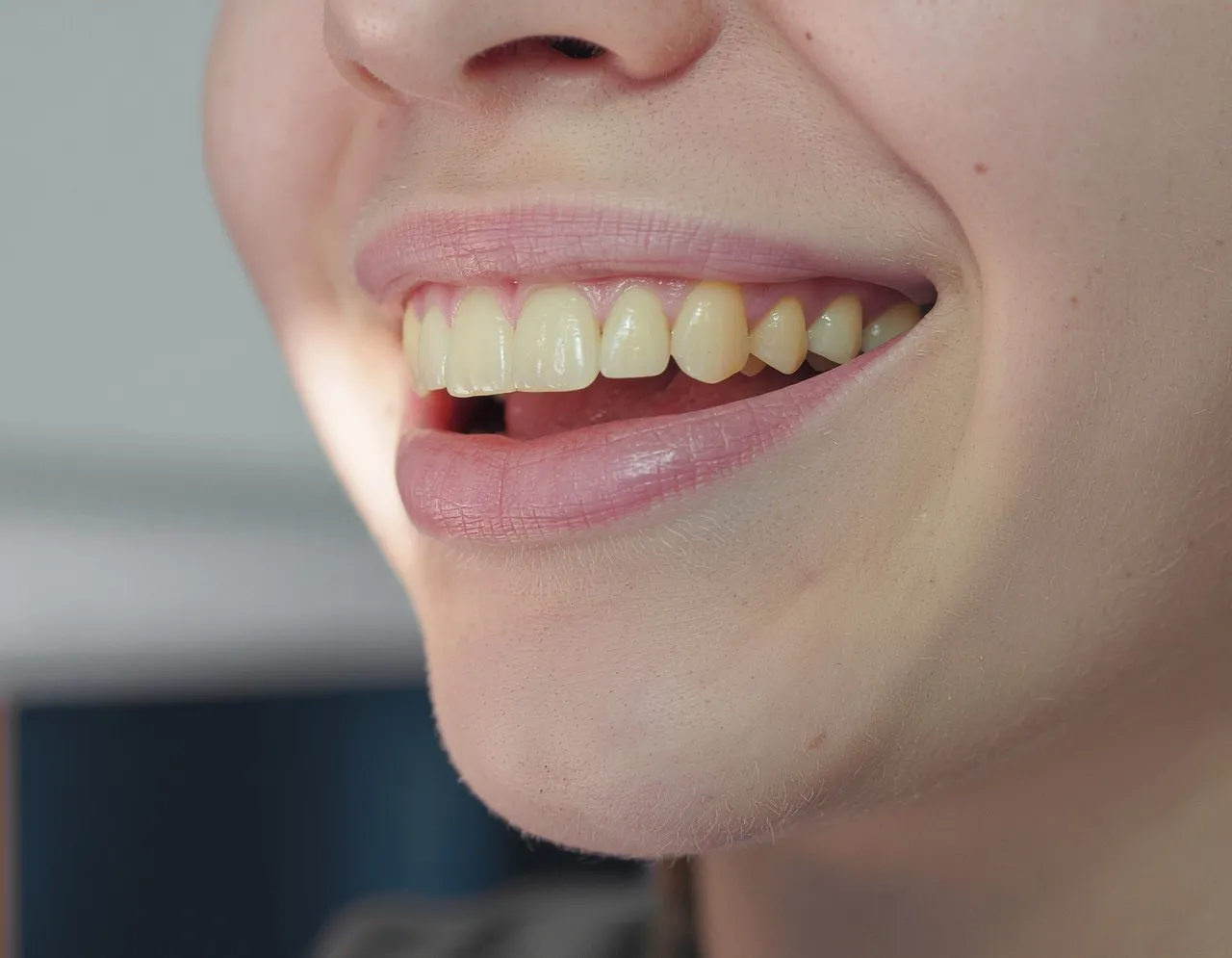
Aesthetics and a natural appearance
High-quality dental restorations should not look artificial. The shape and tooth colour are therefore matched precisely. The gum line and lip line are also taken into account.
All-ceramic restorations in particular offer highly aesthetic results. The material is translucent and tooth-like. It is therefore often suitable for visible areas.
In the back teeth, durability is particularly important. Modern materials combine stability with good aesthetics. This creates a harmonious overall appearance.
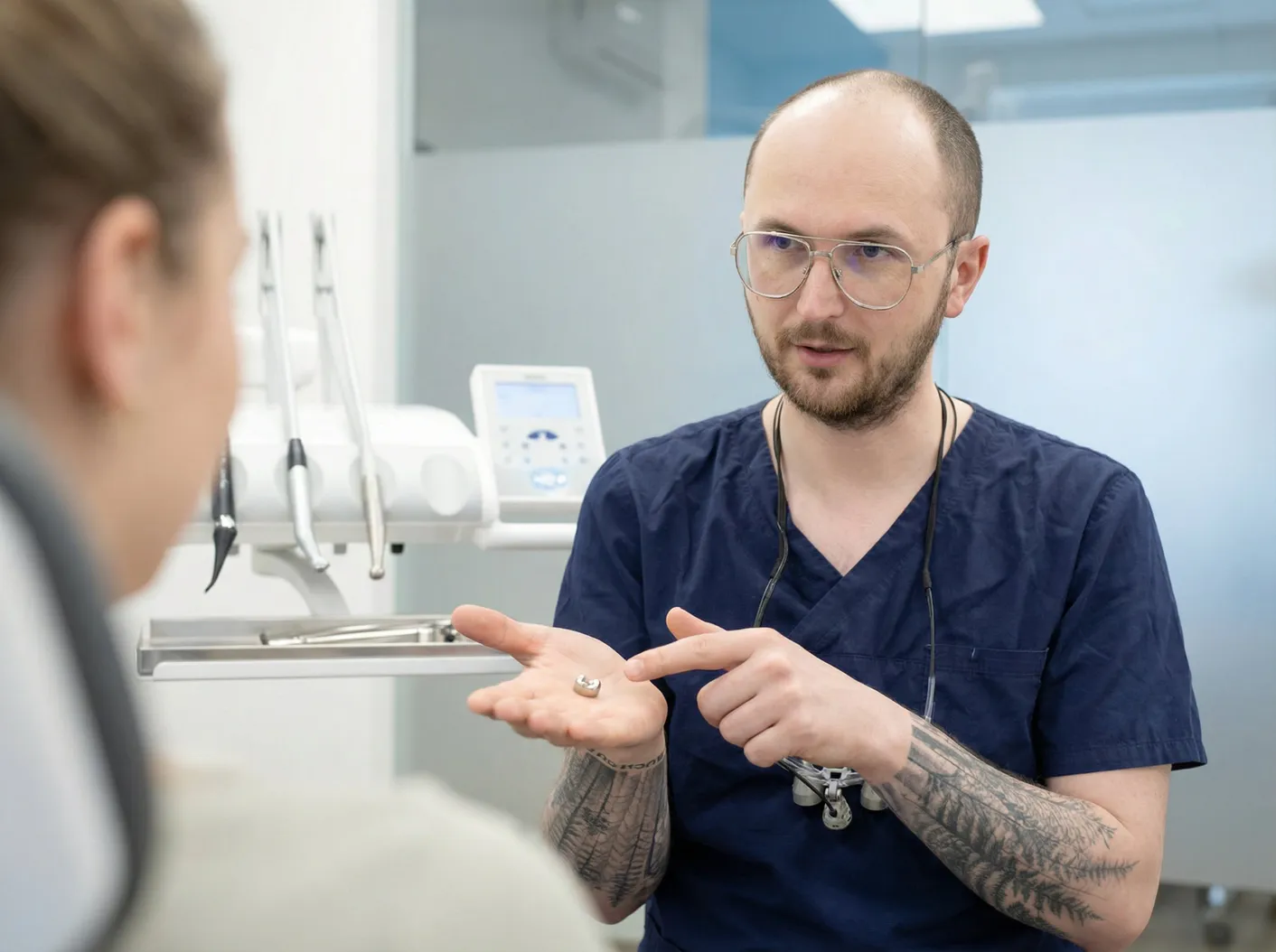
Long-lasting with good care
Fixed restorations can last many years. Materials, treatment planning, oral hygiene and check-ups all matter. Regular preventive care supports long-term results.
Clean carefully around crown margins and under bridges. Interdental brushes and floss can help. Our team can show you suitable cleaning techniques.
Grinding should be taken into account too. A night guard can help protect the restoration, especially if you put a lot of pressure on your teeth at night.
Who are fixed dental restorations suitable for?
Fixed restorations are suitable for many patients. They can be used for single damaged teeth and gaps left by missing teeth. Larger gaps can often also be restored securely.
A healthy mouth is required. Inflammation, tooth decay or gum problems must be treated beforehand. With implants, sufficient bone is also important.
At our practice, we carefully assess all the options. We then explain the advantages and disadvantages clearly. This enables you to make an informed decision.
Why Wunschlachen in Berlin?
<p>Wunschlachen combines modern dentistry with precise planning. We focus on function, aesthetics and long-term stability. Every restoration is tailored to your individual needs.</p>
<p>Digital diagnostics support precise analysis. High-quality materials ensure natural-looking results. We also work with experienced dental technology partners.</p>
<p>Our aim is to provide dental restorations that suit the individual. They should fit securely and look natural. At the same time, your dental health should be protected in the long term.</p>
Conclusion: Fixed dental restorations offer clear benefits
Fixed dental restorations offer stability, comfort and a natural appearance. They improve chewing function and can reliably close gaps left by missing teeth. At the same time, they protect the bite, neighbouring teeth and jaw structure.
The ideal solution depends on the clinical findings. Crowns, bridges and implants each have their own strengths. A personal consultation at Wunschlachen will give you clarity.