
Fluoride – protection for teeth and tooth enamel
Fluoride plays a central role in modern dentistry. This mineral strengthens tooth enamel and protects against tooth decay. When used correctly, fluoride is safe and well tolerated. At the Wunschlachen dental practice in Berlin, we use tried-and-tested fluoride treatment plans. This helps keep teeth...
Über 350 Google-Bewertungen

What exactly is fluoride?
Fluoride is a naturally occurring trace element. It is found in water, food and the human body. Dentistry uses fluoride because of its protective effect on the tooth surface. The active ingredient becomes incorporated into the tooth enamel. This makes the surface harder and more resistant to acids. This property is known as remineralisation of the tooth enamel.
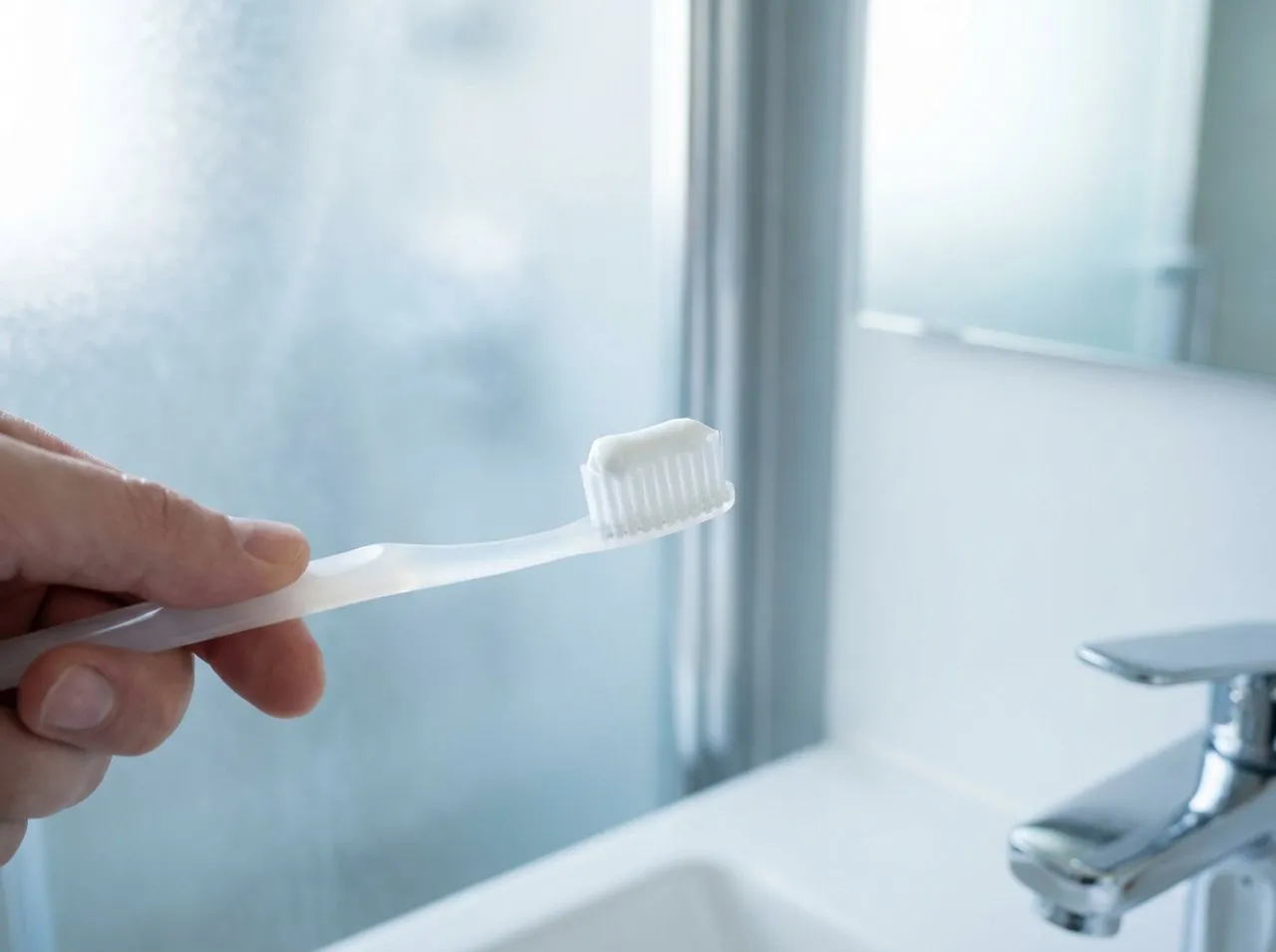
How fluoride protects your teeth
Acids form in the mouth every day. They attack tooth enamel and dissolve minerals from it. This process is called demineralisation. Fluoride slows this process down. At the same time, it supports the transport of minerals back into the tooth enamel. This creates a robust protective shield against tooth decay.
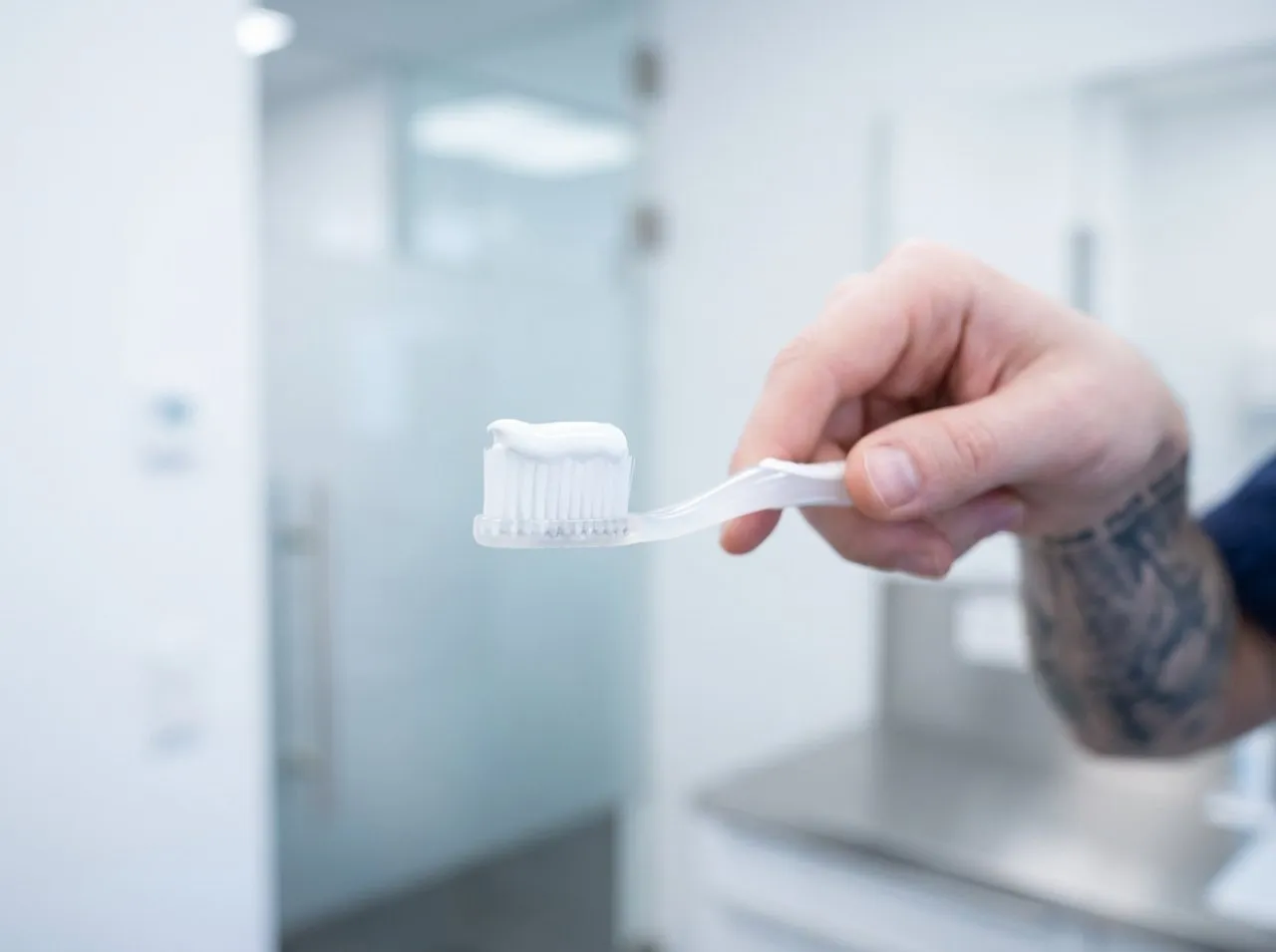
Fluoride in toothpaste and mouthwash
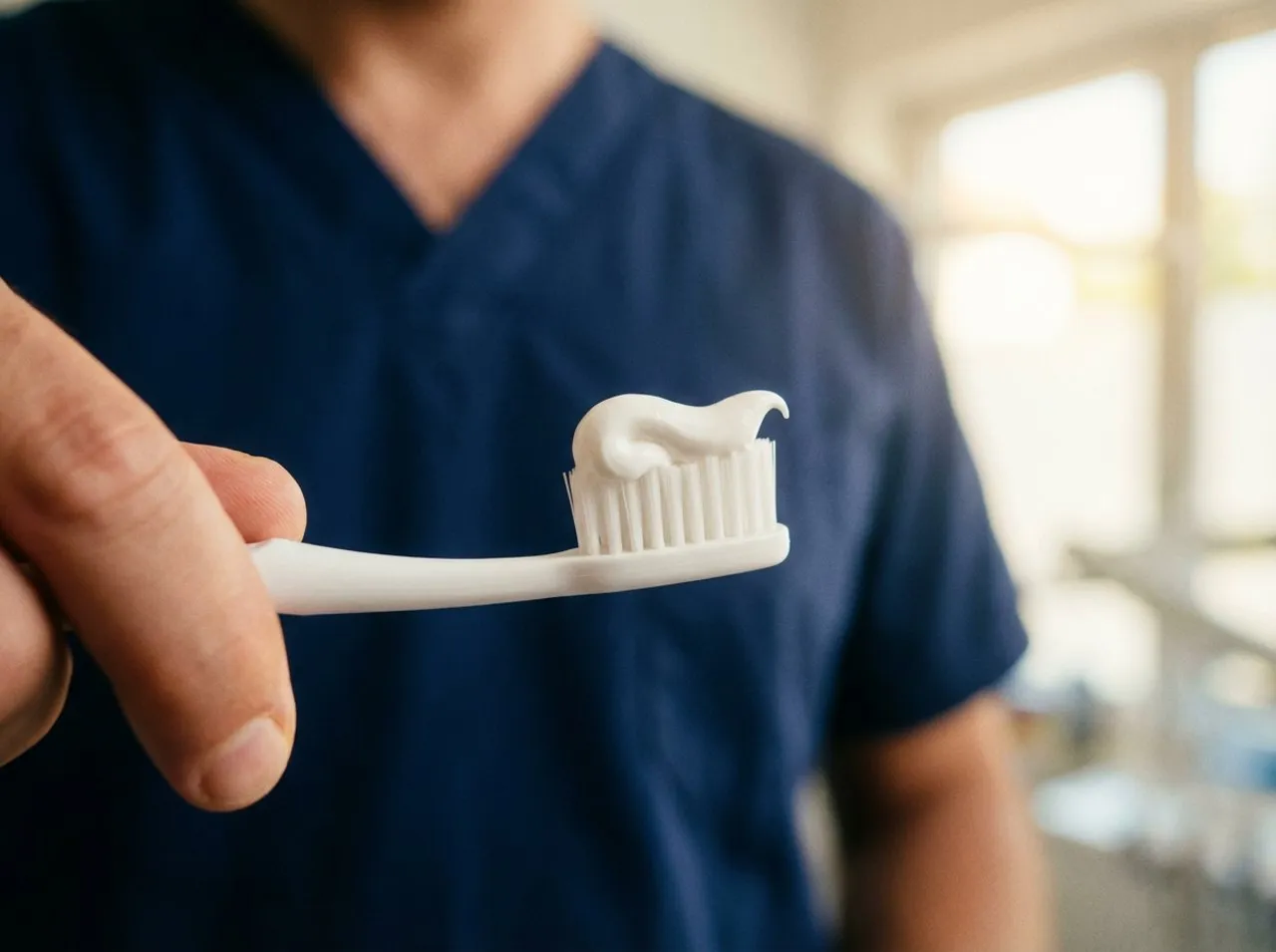
Toothpaste is the most important source of fluoride in everyday life. Using fluoride toothpaste twice a day is recommended. This ensures that the active ingredient regularly reaches the tooth surface. Products with a higher concentration are advisable for adults. Children need special children's toothpaste with an adjusted fluoride content. Your dentist will advise you which toothpaste suits your stage of life. Mouthwashes can supplement this effect. They are particularly suitable for people with fixed braces. Fluoride mouthwashes are also advisable for people with an increased risk of tooth decay.

Professional fluoride treatment at the dentist
Fluoride gels or varnishes can be applied at the practice. These preparations contain a higher concentration of the active ingredient than toothpaste. This provides intensive protection against tooth decay for several months. Fluoride varnish is painted onto the cleaned teeth in a thin layer. This takes only a few minutes and is painless. The treatment is suitable for children, adolescents and adults. Patients with many fillings or exposed tooth necks benefit in particular. A course of fluoride treatment may also be advisable for sensitive teeth. The dentist will draw up a personalised preventive care plan for this purpose.

Fluoride tablets and salt – when are they useful?
Fluoride tablets used to be commonly employed. Today, they are mainly used for toddlers who do not use fluoridated toothpaste. Taking them should always be agreed with a paediatrician or dentist. Iodised table salt with fluoride is used in many households. This can further increase daily intake. It is important to coordinate the different sources. This is the only way to avoid an excessive total amount. Your treatment team at Wunschlachen can help you assess this. It is best to bring all the products you use to your appointment.
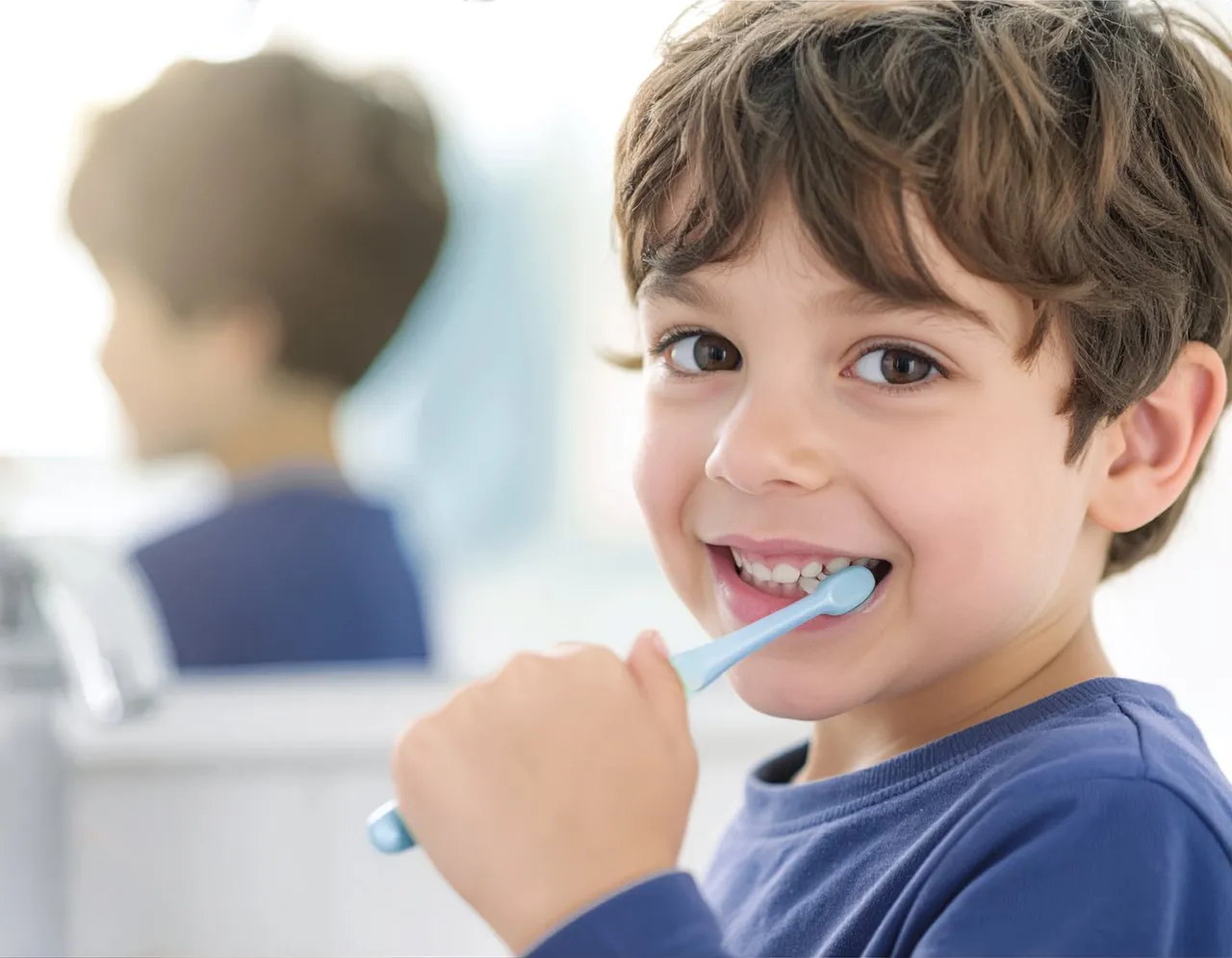
Fluoride for children
Effective protection is particularly important for milk teeth. Children's teeth have thinner tooth enamel than permanent teeth. They are more sensitive to acids and sugar. Fluoride toothpaste for children provides protection from the very first tooth. The amount should initially be the size of a grain of rice. Later, a pea-sized amount per brushing is sufficient. Child-friendly fluoride varnishes may also be useful. They significantly reduce tooth decay in the early years of life. This is a particularly important measure when sugar consumption is high.
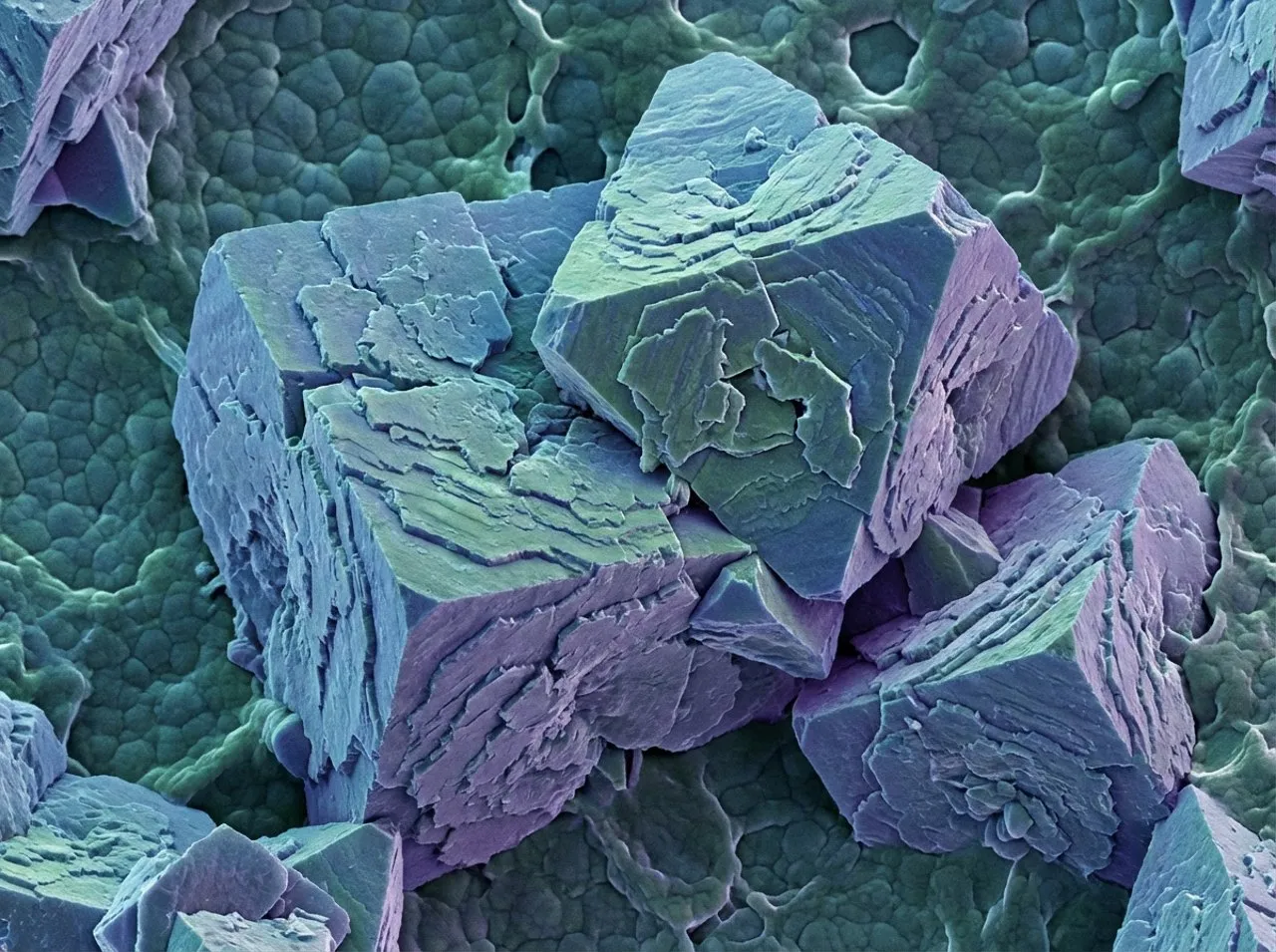
Are fluoride and fluorine the same thing?
Fluorine and fluoride are often confused. Fluorine is a toxic gas that does not occur freely in nature. Toothpaste, however, contains its salt, namely fluoride. In this form, fluoride is much less reactive. It has been used in dentistry for decades. Studies worldwide confirm its positive effect on the prevention of tooth decay.

Correct dosage and safety
As with every active ingredient, the right amount matters. The fluoride content of conventional toothpaste is strictly regulated. There is no health risk with normal use. It is important that children do not swallow large amounts of toothpaste. Brushing should therefore always be done together and supervised. Adults should only use fluoride-containing products in the recommended doses. Anyone already taking fluoride tablets or using fluoridated salt should inform their dentist. This allows total intake to be assessed. On request, we can draw up a personalised preventive care plan at the Wunschlachen practice.
Fluoride-free or fluoride-containing – which is better?
Fluoride-free toothpastes are repeatedly advertised. They usually rely on herbs or other minerals. However, the evidence for their prevention of tooth decay is often less strong. Fluoride-containing products have a significantly better evidence base. They are considered the gold standard for preventing holes in teeth. Fluoride toothpaste is therefore the first choice for most people. Anyone who is unsure should seek advice. In a personal consultation, we will discuss the risks, benefits and alternatives. Together, we will find the best solution for your oral health.

Fluoride treatment at Wunschlachen
At our dental practice in Berlin, we combine modern diagnostics with individual advice. We begin by assessing your personal risk of tooth decay. Based on this, we recommend a suitable fluoride treatment plan. This includes recommendations for toothpaste, mouthwash and professional applications. If necessary, we arrange regular fluoride treatment appointments at the practice. Our aim is always to keep your teeth healthy and stable for as long as possible.
FAQ – frequently asked questions about fluoride
Fluoride is a mineral that strengthens tooth enamel and prevents tooth decay. It is used in toothpaste, gels, varnishes and mouthwashes.
Fluoride is safe for children when correctly dosed. The right children's toothpaste and the right amount are important.
Usually twice a day. This keeps the protective film on the tooth surface stable.
This is advisable if you have an increased risk of tooth decay. The dentist will assess the situation and recommend varnishes or gels if necessary.
In most cases, topical application is the main focus. Tablets should only be taken on medical advice.
An overdose can cause white spots in the tooth enamel. This condition, known as fluorosis, can be avoided through correct dosage.
Fluorine is a reactive gas. Fluoride is its salt form and is used in dental care products.
They can support cleaning. However, the evidence for their protective effect against tooth decay is usually weaker.
We analyse your risk of tooth decay and your current dental care. We then recommend a tailored fluoride treatment plan.
This is very unlikely with normal dental care. It is important to discuss all sources of fluoride with your dentist.