
Gingivitis in people with diabetes: risks and treatment
Gingivitis in diabetes refers to inflammation of the gums in people with impaired glucose metabolism. Raised blood sugar levels can weaken the body's defences in the mouth.
As a result, the gums and periodontal tissues react more sensitively to bacterial plaque. When detected early, gingivitis can usually be treated effectively. Consistent oral hygiene, stable blood sugar levels and regular dental check-ups are essential.
Über 350 Google-Bewertungen

What does gingivitis in diabetes mean?
Gingivitis is superficial inflammation of the gums. Initially, it does not affect the jawbone. Typical causes include Plaque, Tartar and inadequate cleaning between the teeth.
People with diabetes have an increased risk of gum inflammation. This is particularly true when blood sugar levels remain elevated over a long period. The body is then often less able to control bacteria.
The inflammation often goes unnoticed at first. Many people affected notice only slight bleeding from the gums. This is precisely why early check-ups are so important.

How diabetes affects the gums
Diabetes affects many processes in the body, including circulation, immune defence and wound healing. These factors also play an important role in the mouth.
When blood sugar is poorly controlled, harmful bacteria can multiply more readily. At the same time, tissues can react more strongly to bacteria. The gums may swell, become red and bleed more easily.
Dry mouth is also more common in people with diabetes. Saliva protects the teeth and the lining of the mouth. With less of this protection, the risk of inflammation and tooth decay increases.

Symptoms of gum inflammation in diabetes
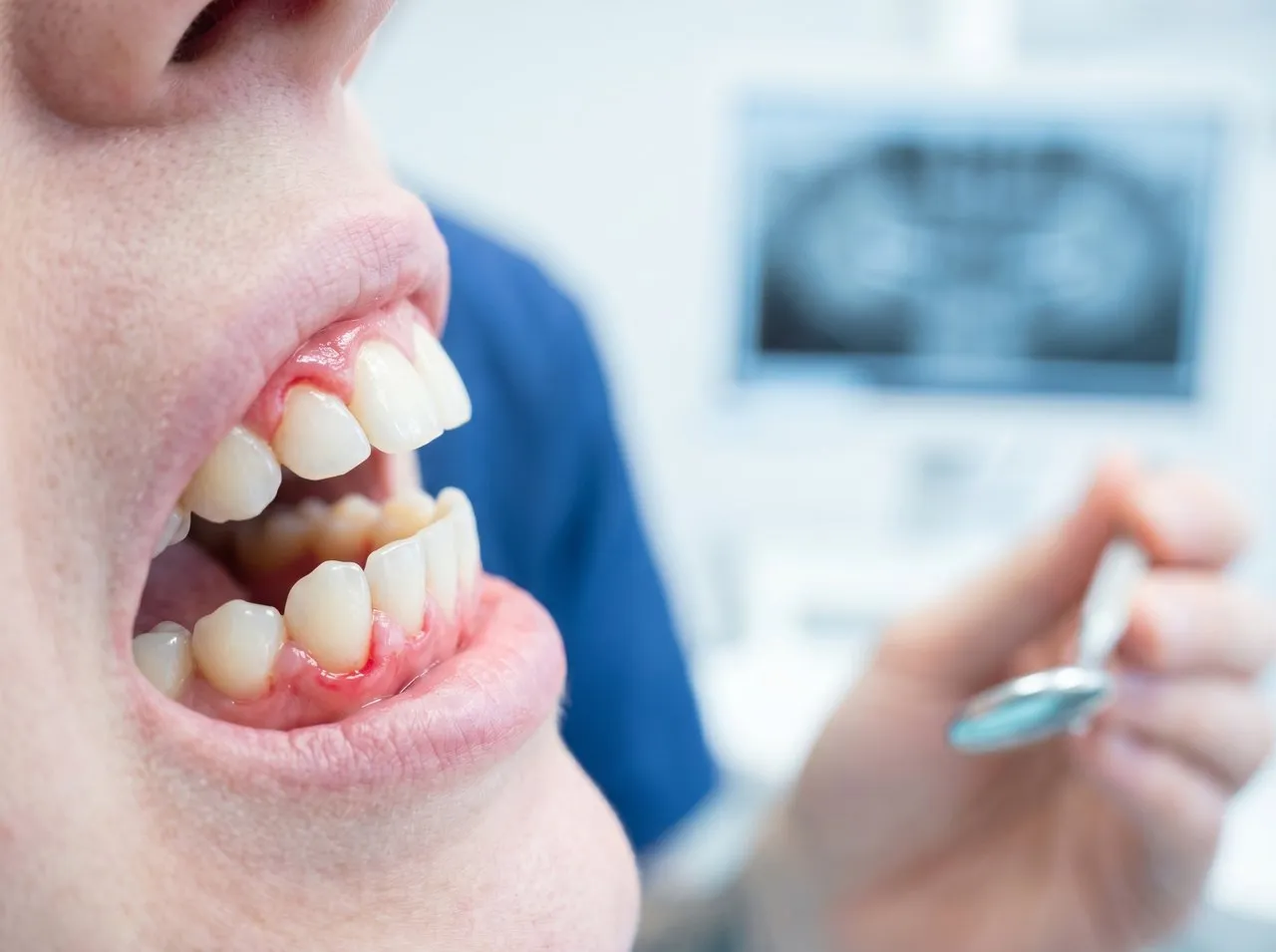
Gingivitis often causes reddened gums. Blood may appear when brushing your teeth or using dental floss. Swelling and tender areas are also possible.
Further signs include bad breath and an unpleasant taste. Some patients notice a feeling of pressure along the gumline. Symptoms may initially be mild despite visible inflammation.
These warning signs should be taken seriously in people with diabetes. Untreated gingivitis can develop into periodontitis. The periodontal tissues and jawbone are then also affected.

Gingivitis or periodontitis: the difference
Gingivitis primarily affects the gums. The supporting structures of the teeth have not yet been permanently damaged. With professional treatment and improved care, the tissue can recover.
Periodontitis extends much deeper. Gum pockets form, and the bone may recede. Teeth can become loose over time.
Distinguishing between the two is particularly important in diabetes. Inflammation can progress more quickly when the metabolism is unstable. An accurate diagnosis requires a dental examination.

Interaction between blood sugar and the gums
Diabetes and gum inflammation affect each other. High blood sugar levels promote bacterial inflammation in the mouth. At the same time, chronic inflammation can make blood sugar control more difficult.
This is due to inflammatory signalling molecules. They can adversely affect the action of insulin in the body. This makes it more difficult to achieve good control of blood sugar levels.
A healthy mouth therefore supports general diabetes treatment. Dentistry and diabetology should work closely together. Patients benefit from clear information from both specialities.
Treatment at Wunschlachen
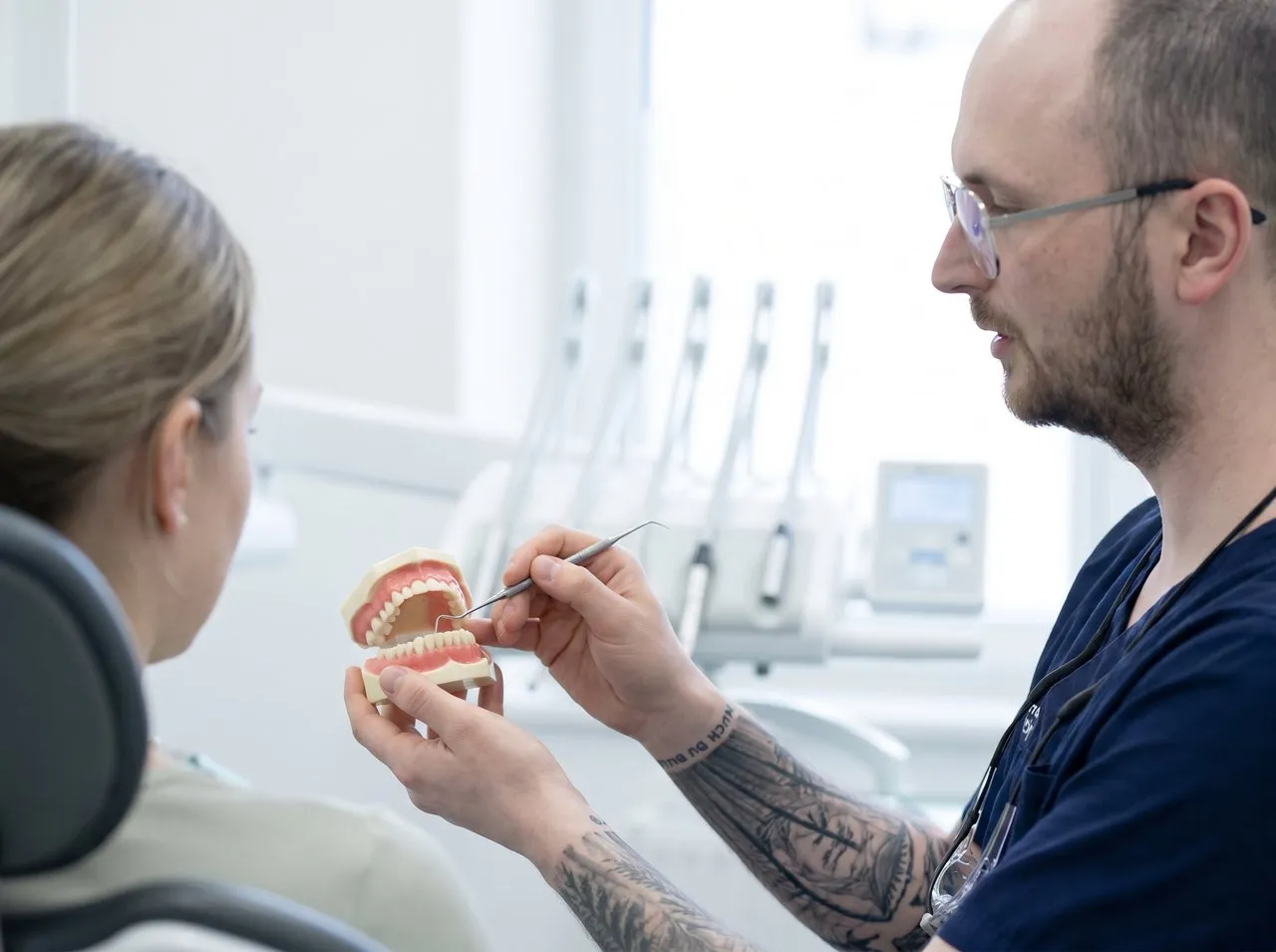
At Wunschlachen, we carefully examine the gums, the spaces between the teeth and any plaque. This also includes measuring any gum pockets. This allows us to reliably assess the stage of inflammation.
Treatment usually begins with professional cleaning. Soft and hard deposits are removed. Patients also receive specific advice on caring for their teeth at home.
Closer follow-up care may then be provided if required. Individual check-up intervals are particularly advisable for people with diabetes. These depend on the findings, blood sugar levels and general health.

Everyday oral hygiene
Good oral care starts with thorough brushing. Brushing twice a day provides a sensible basis for many patients. A soft toothbrush can be gentler on irritated tissue.
The spaces between the teeth deserve special attention. Interdental brushes or dental floss remove plaque that the toothbrush cannot reach. A dentist should determine the appropriate size.
The tongue and dentures also need to be cleaned regularly. Bacteria do not only accumulate on the teeth. An antibacterial mouthwash may also be useful.
Prevention: what patients should bear in mind
Stable blood sugar levels are an important protective factor. They support the mouth's defences and healing. Patients should therefore keep a good record of their levels.
Smoking significantly increases the risk of gum problems. It impairs blood circulation and can mask warning signs. Stopping smoking improves the conditions for healthy tissue.
Tell your dentist about your diabetes, medication and current readings. Any changes to your treatment are also relevant. This allows your dental care to be planned more effectively.

When should you see a dentist?
An appointment is advisable if your gums bleed regularly. Swelling, bad breath or loose teeth should also be investigated. If you have diabetes, it is better to get checked sooner rather than later.
Do not wait until you develop severe symptoms. Inflammation in the mouth can go unnoticed for a long time. Early treatment protects the teeth, gums and supporting structures.
At Wunschlachen, you will receive a personal assessment. We explain the findings clearly and plan the next steps. Our aim is stable oral health in everyday life.