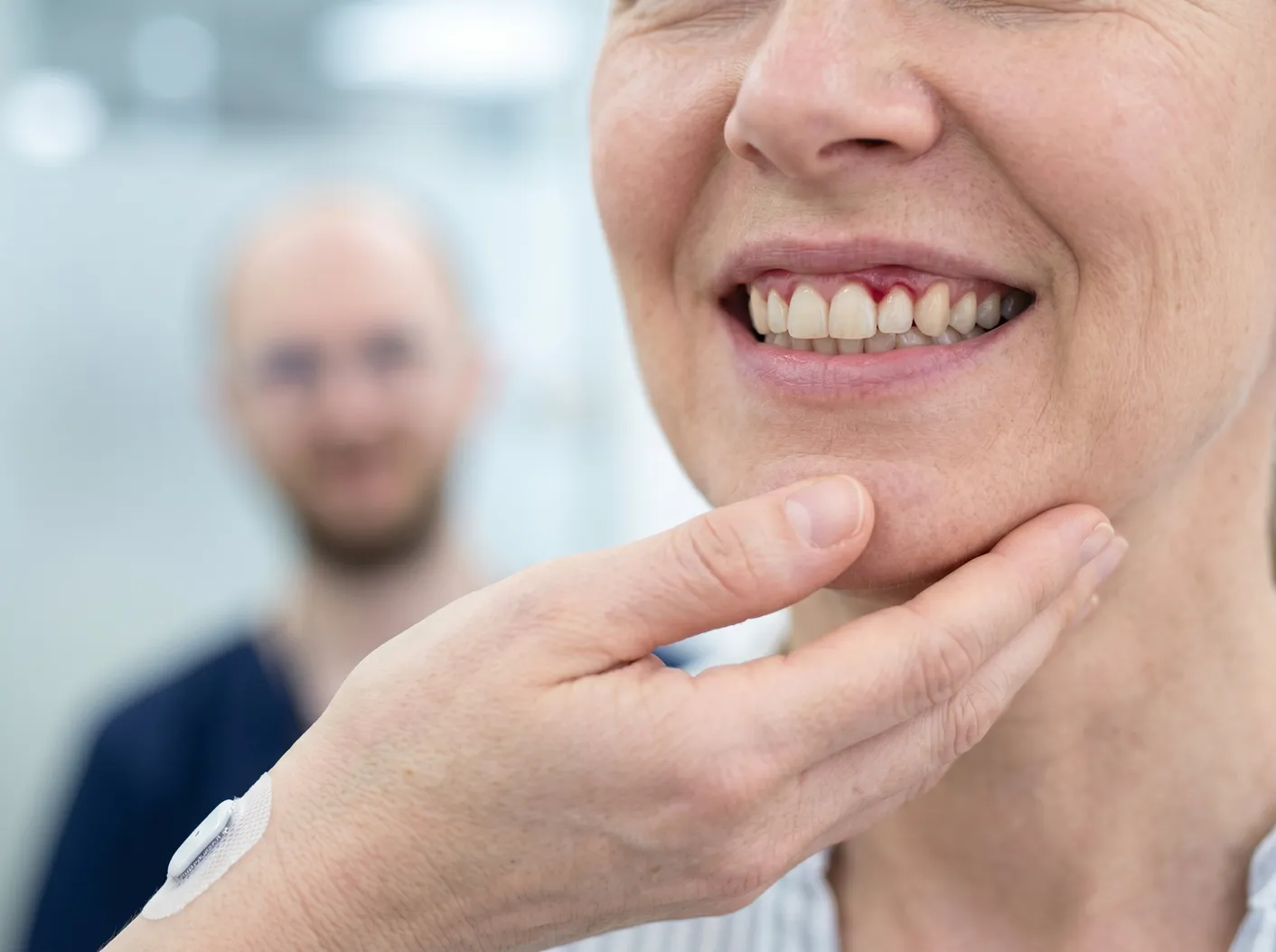
Gum recession around one tooth
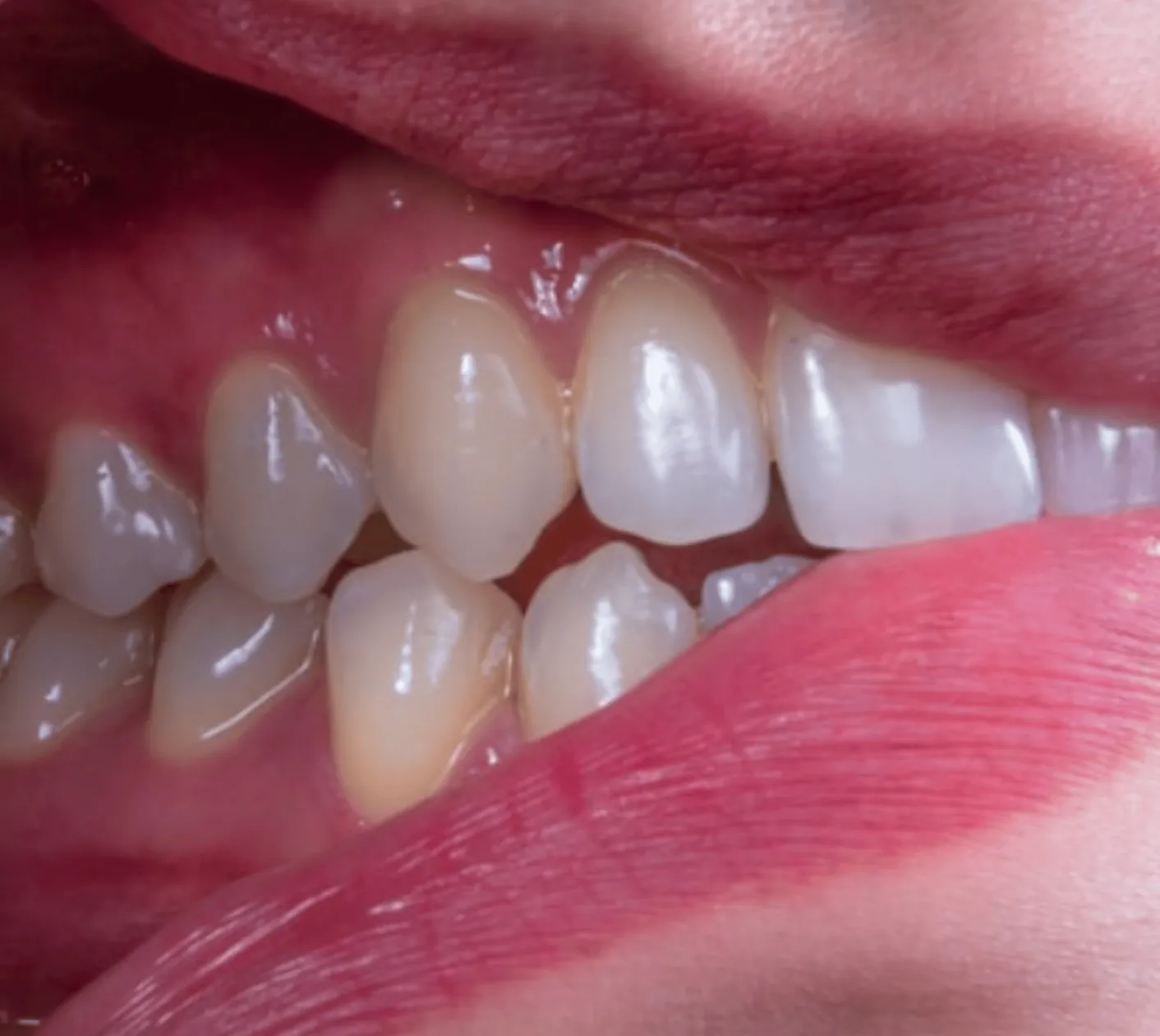
The gum recedes around just one tooth, exposing the neck of the tooth. Local irritation, an unfavourable tooth position or inflammation are often responsible. An early examination protects the root surface, appearance and long-term retention of the tooth.
Über 350 Google-Bewertungen
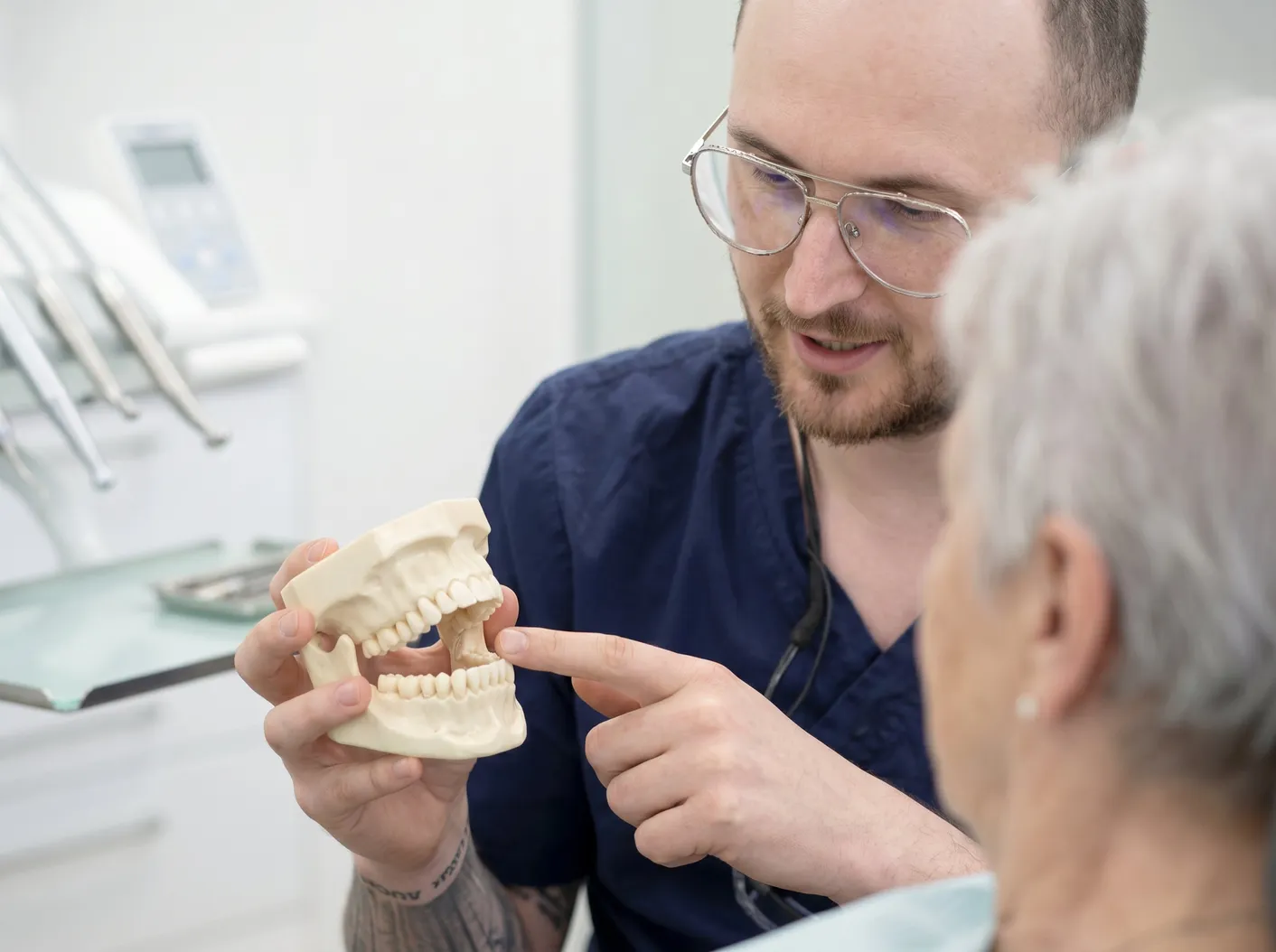
What does gum recession around one tooth mean?
The medical term for gum recession is gingival recession. The gum margin shifts towards the root of the tooth. This makes the affected tooth look longer than its neighbouring teeth.
Part of the root surface is often exposed. This surface has no protective enamel. It is therefore often more sensitive to cold, heat or touch.
A single area of recession does not automatically mean periodontitis. Nevertheless, the cause should be investigated by a dentist. Only a thorough examination will reveal the actual cause.
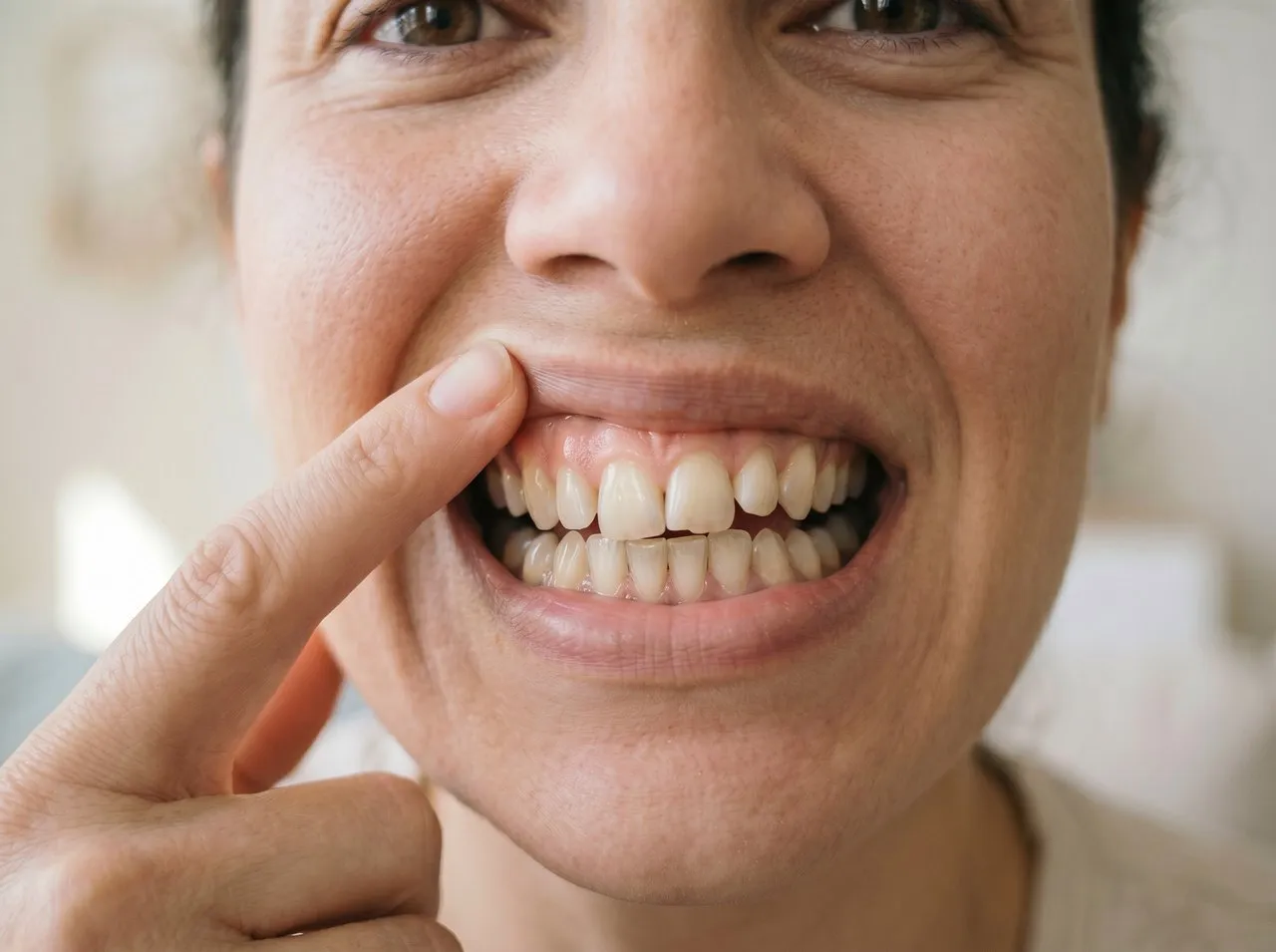
Why does the gum recede around just one tooth?
Localised recession often points to local factors. Several factors may act at the same time. A visual inspection alone is therefore usually not enough.
Brushing too hard can repeatedly irritate the tissue. Excessive pressure and scrubbing movements are particularly harmful. Hard bristles can also place additional strain on sensitive areas.
Some teeth sit outside the natural dental arch. The bone covering them may be particularly thin there. The gum is then more susceptible to mechanical irritation. A tight lip frenulum can also exert pulling forces.
This pulling places strain on the gum margin with every lip movement. It often affects individual front teeth. Dental plaque and tartar promote localised inflammation. The gum may bleed, become red or swell. Untreated inflammation can permanently damage the supporting structures of the teeth.
Other causes include injuries, piercings or poorly fitting restorations. Previous orthodontic tooth movements can also play a role. The individual circumstances always remain decisive.
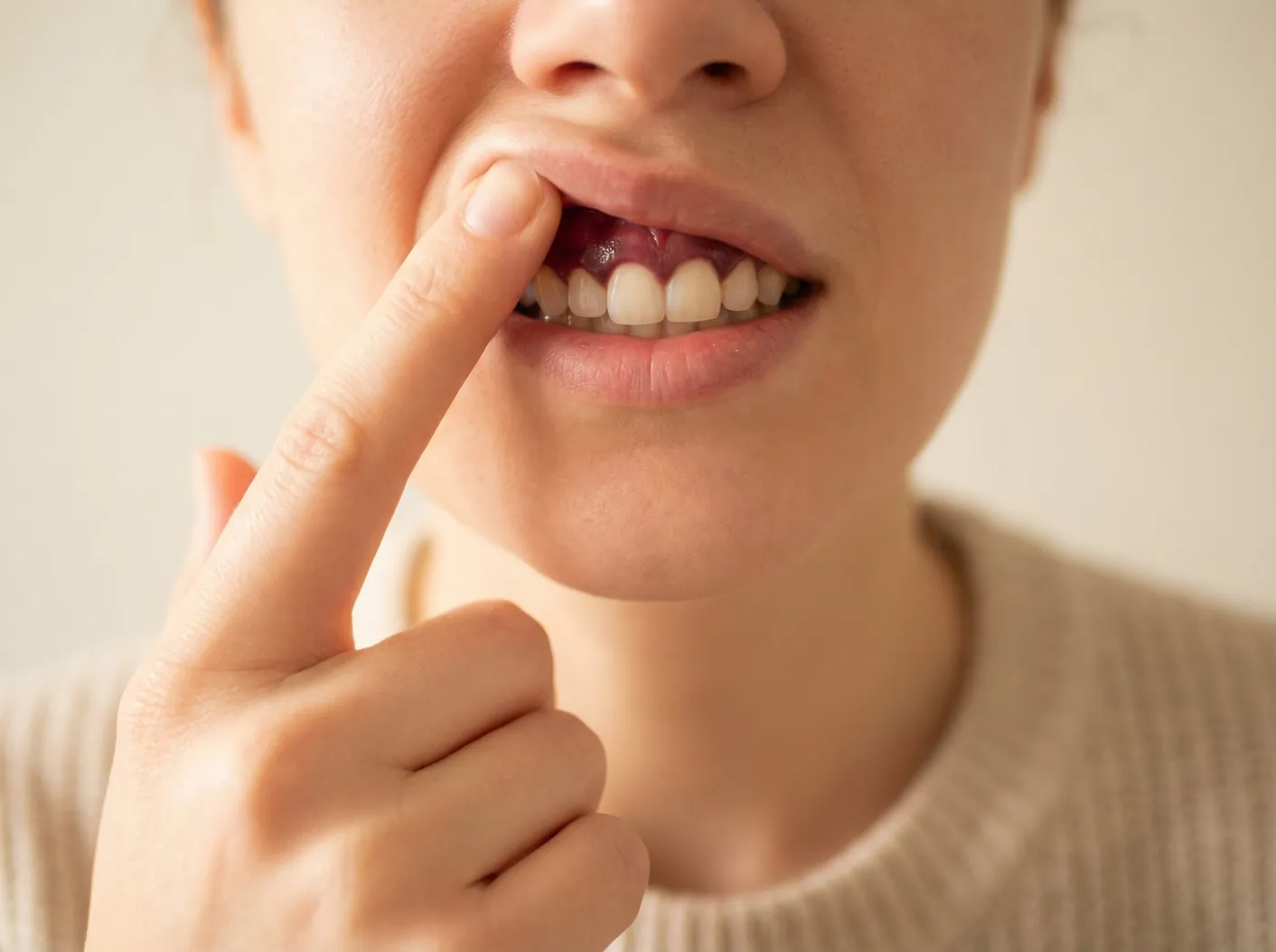
Typical symptoms of a single area of gum recession
One tooth appears longer or asymmetrical. Sometimes a yellowish root surface becomes visible. The transition between the crown and root then looks pronounced.
An exposed neck of the tooth can be sensitive. Symptoms occur particularly with cold drinks or acidic foods. Brushing can also be uncomfortable.
Additional warning signs include bleeding, swelling or bad breath. Loose teeth also require a prompt check. These signs can indicate inflammation.
The exposed root is more susceptible to abrasion and tooth decay. Its surface is softer than enamel. It therefore deserves particular protection.
Not every change progresses quickly. Photographs and measurements reliably document its progression. This makes it possible to distinguish actual tissue loss from visual differences.
How does the dentist determine the cause?
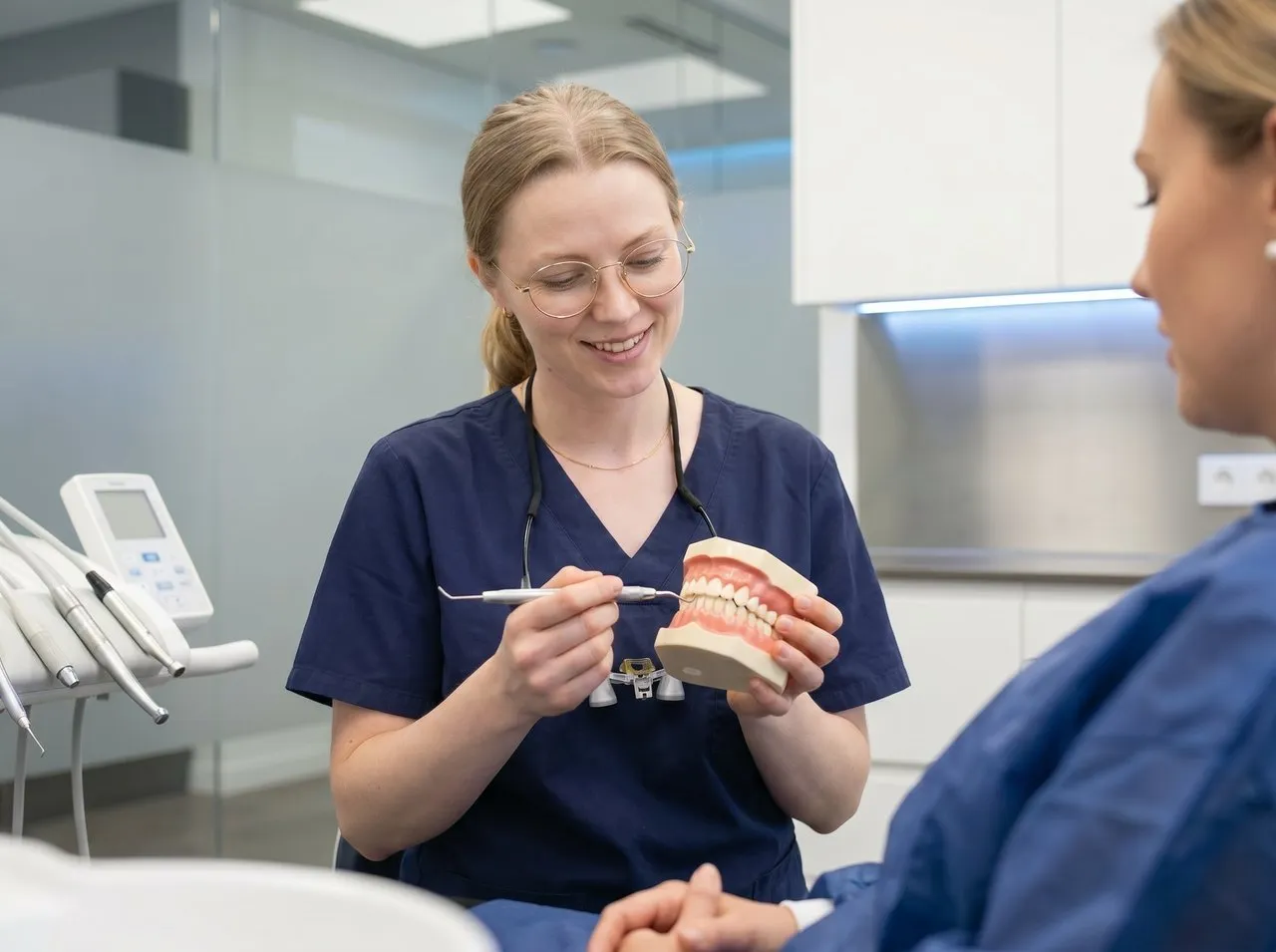
First, the gum margin is measured precisely. The dentist also checks for existing gum pockets. Bleeding provides important indications of inflammatory processes.
Tooth position, brushing technique and tissue thickness are also assessed. The bite and possible excessive loading are included in the examination too. If necessary, X-rays help with assessing the bone.
At the Wunschlachen practice, we examine all the supporting structures of the teeth. This allows us to distinguish mechanical irritation from periodontitis. We then draw up a suitable treatment plan.
Treatment for receding gums
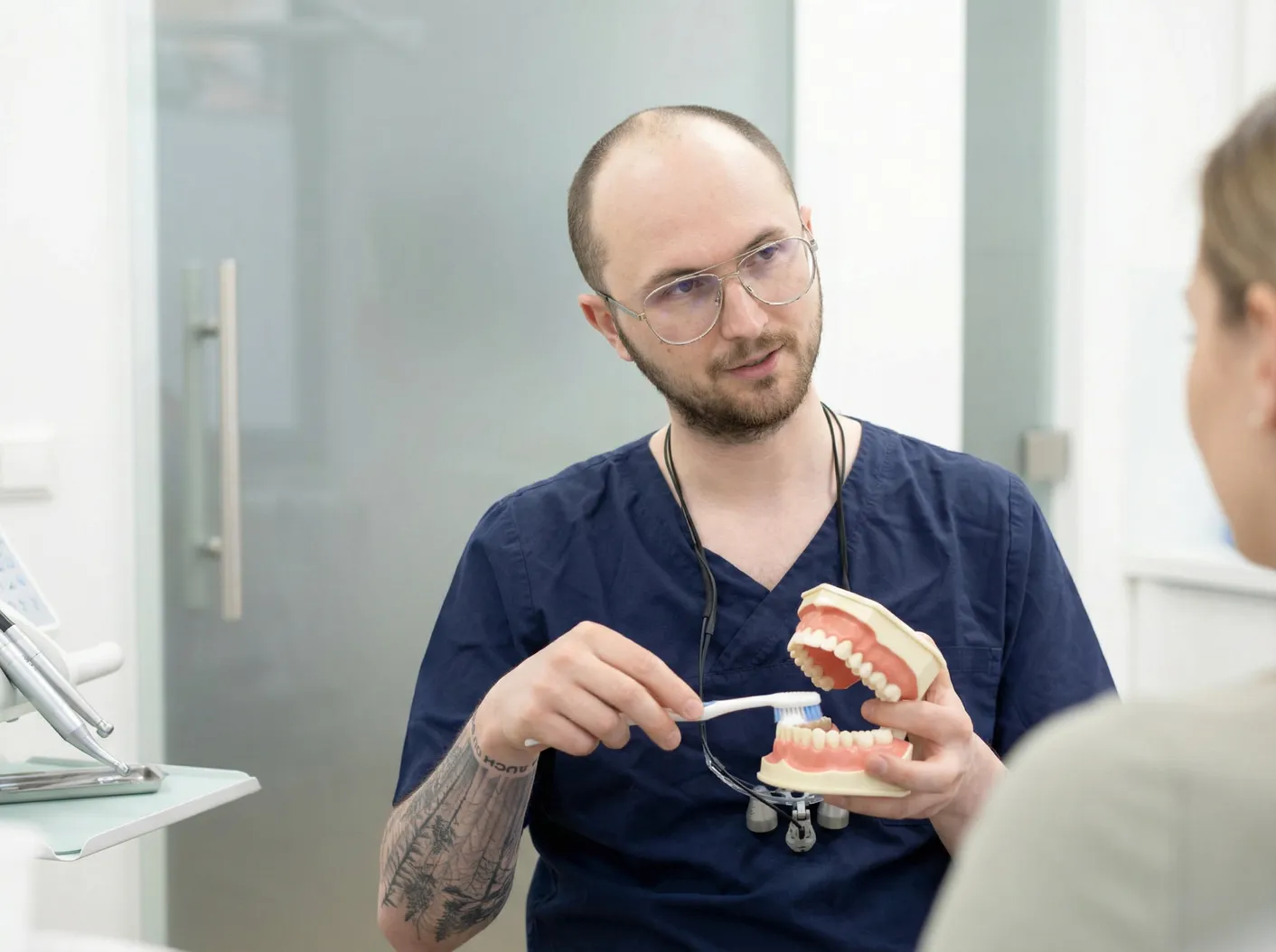
Treatment always depends on the cause. First, harmful irritation must be reduced. Adapted oral care forms the basis for this. A soft toothbrush can protect the tissue. Gentle pressure and controlled movements are important. Electric toothbrushes with pressure control can help with this.
Professional cleaning is carried out if plaque is present. Inflamed areas require targeted periodontal treatment. Regular check-ups maintain the result achieved.
Sensitive root surfaces can often be sealed. Special fluoride varnishes can reduce sensitivity. They also help protect against root decay.
If a filling is irritating the gum margin, it is corrected. A lip frenulum that is placing strain on the gum can also be treated. Orthodontic measures are sometimes advisable if a tooth is in an unfavourable position.

When is a gum graft advisable?
Advanced recession can be covered surgically. The patient's own connective tissue is usually used. Alternatively, selected replacement materials may be considered.
A gum graft thickens the tissue and protects the root. It can also create a more harmonious appearance. However, complete coverage is not always achievable.
The chances of success depend on several factors. Bone height, tooth position and oral hygiene are important. Smoking can impair healing and long-term stability.
Does receded gum grow back?
Lost gum does not normally grow back completely on its own. Early measures can prevent further progression. Small defects therefore often remain stable in the long term.
Home remedies are no substitute for a professional diagnosis. Aggressive toothpastes or vigorous scrubbing can make the situation worse. Individual advice is therefore particularly important.
When should I book an appointment?
An examination is always advisable if there is a visible change. This applies particularly if sensitivity or bleeding increases. Rapid changes should also be investigated promptly.
Until the appointment, those affected should continue brushing gently. Omitting cleaning encourages plaque and inflammation. Acidic foods should not be eaten immediately before brushing.
Wunschlachen in Berlin investigates the cause, extent and need for treatment. Together, we choose a tissue-friendly solution that is suitable in the long term. This provides the affected tooth with the best possible protection.