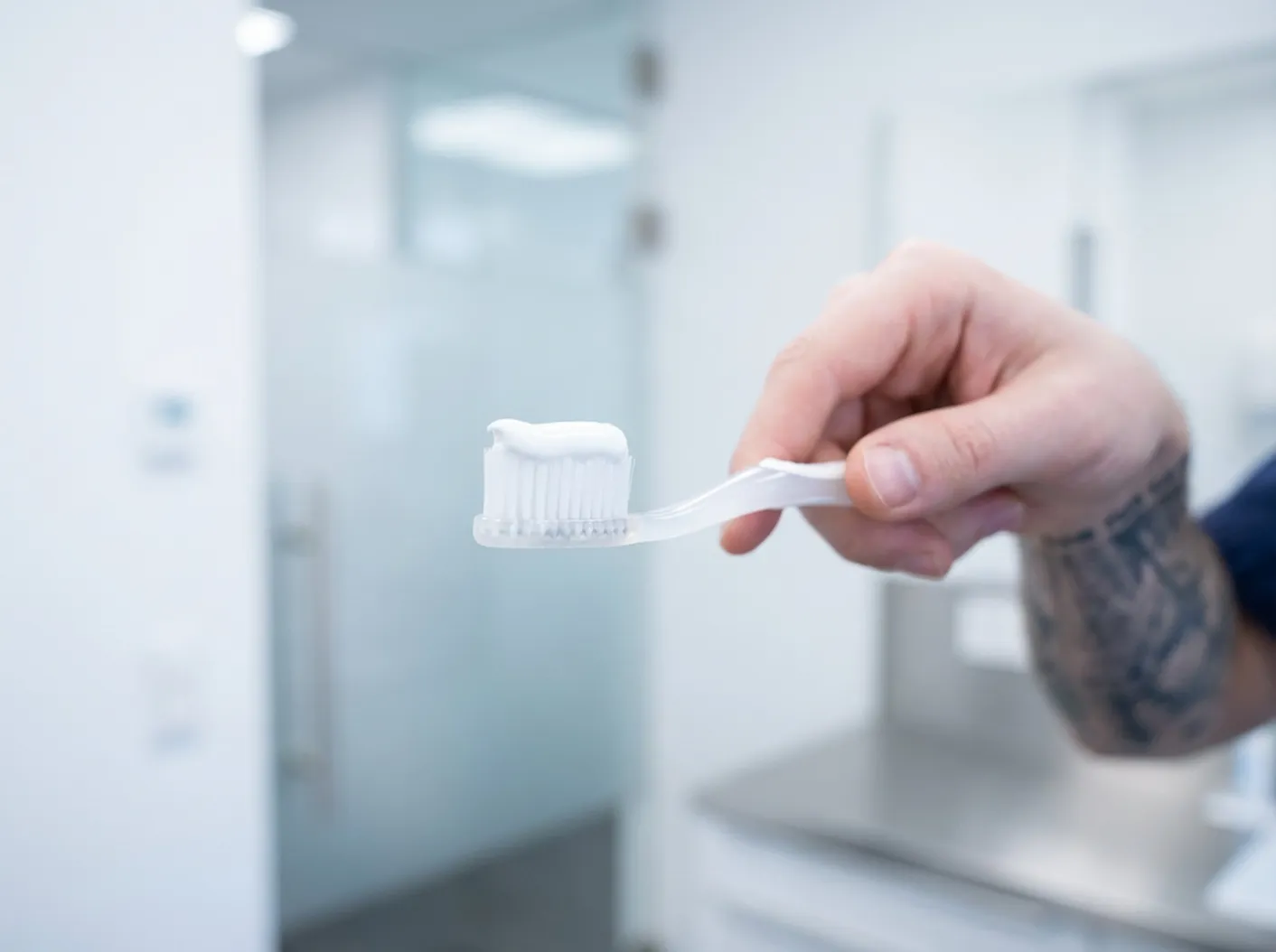
Cleaning between your teeth properly – a simple guide
Clean interdental spaces protect your teeth and gums from bacterial plaque. Suitable cleaning aids include interdental brushes, dental floss and special tools. The right sizes, a gentle technique and daily use are what matter most.
Über 350 Google-Bewertungen
Why cleaning between your teeth is important
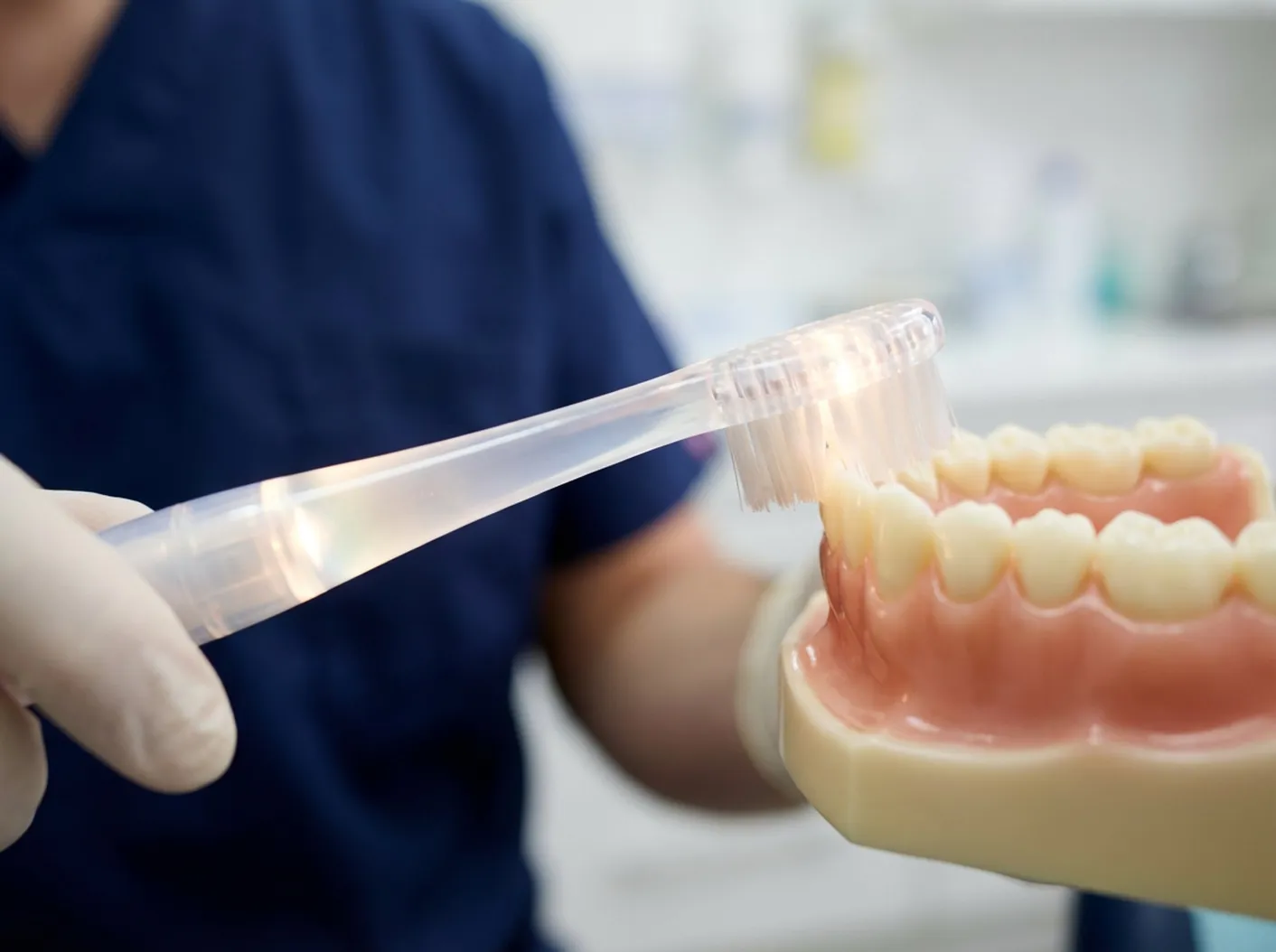
A normal toothbrush cannot adequately reach many of the side surfaces of your teeth. Plaque, food debris and odour-causing bacteria accumulate there. Without cleaning, tooth decay, gum inflammation and bad breath can develop.
The area directly beneath the contact point between two teeth is particularly vulnerable. Plaque often remains unnoticed here for a long time. Regular interdental care therefore complements thorough tooth brushing.
How often should you clean between your teeth?
Clean between your teeth once a day. A set time makes it easier to maintain the habit in the long term. Many people choose the evening.
Cleaning before brushing your teeth is particularly practical. Loosened plaque is then rinsed or brushed away. Fluoride toothpaste can subsequently reach the cleaned areas more effectively.
Clean all the spaces systematically from one side to the other. This means you are less likely to miss any areas. Switch between a brush and dental floss.
How to use interdental brushes correctly
Interdental brushes are suitable for many open or medium-sized spaces. They consist of fine bristles around a thin wire. Different sizes allow them to be tailored to your individual needs.
Insert the brush straight and carefully into the space. Slight resistance is desirable, but significant pressure is not. Move the brush in once and then out again.
The brush should fill the space without injuring the gums. Several sizes are often needed in one mouth. A dental hygienist can determine the appropriate diameters.
Rinse the brush thoroughly after each use. Replace it if the bristles become bent or the wire is damaged. A worn brush cleans considerably less effectively.
How to use dental floss correctly
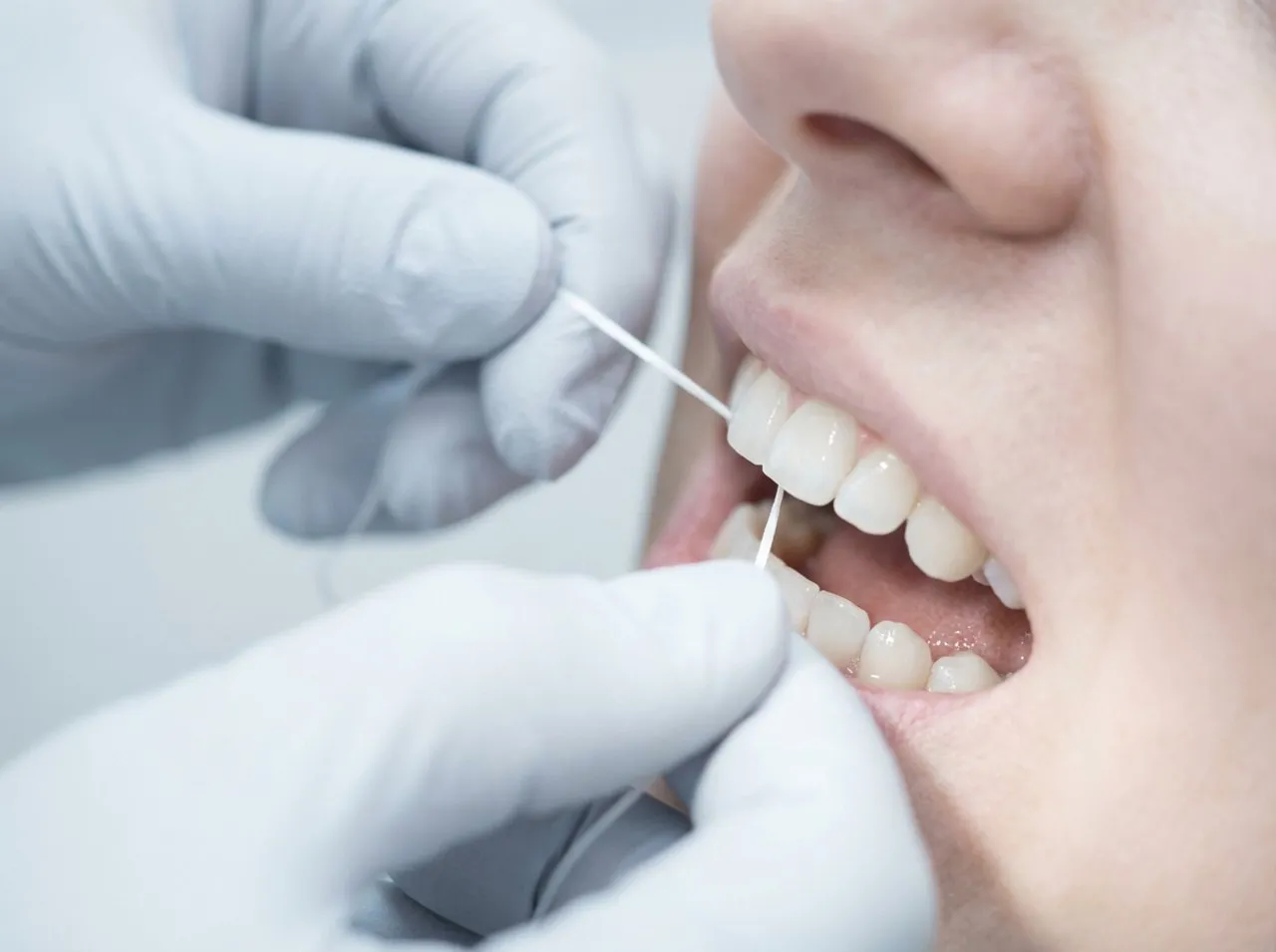
Dental floss is particularly suitable for very tight interdental spaces. Cut off approximately forty centimetres of floss. Loosely wrap the ends around both middle fingers.
Guide the floss through the contact point using small movements. Never let it snap forcefully onto the gum. Then wrap it around one side of a tooth in a C shape.
Move the floss gently along the tooth surface. Then clean the opposite side in the same way. Use a clean section of floss for each space.
Waxed dental floss slides more easily through tight contacts. Unwaxed varieties often provide more feedback during cleaning. Floss holders can help if you have limited dexterity.
Which cleaning aids are suitable for dental prostheses and braces?
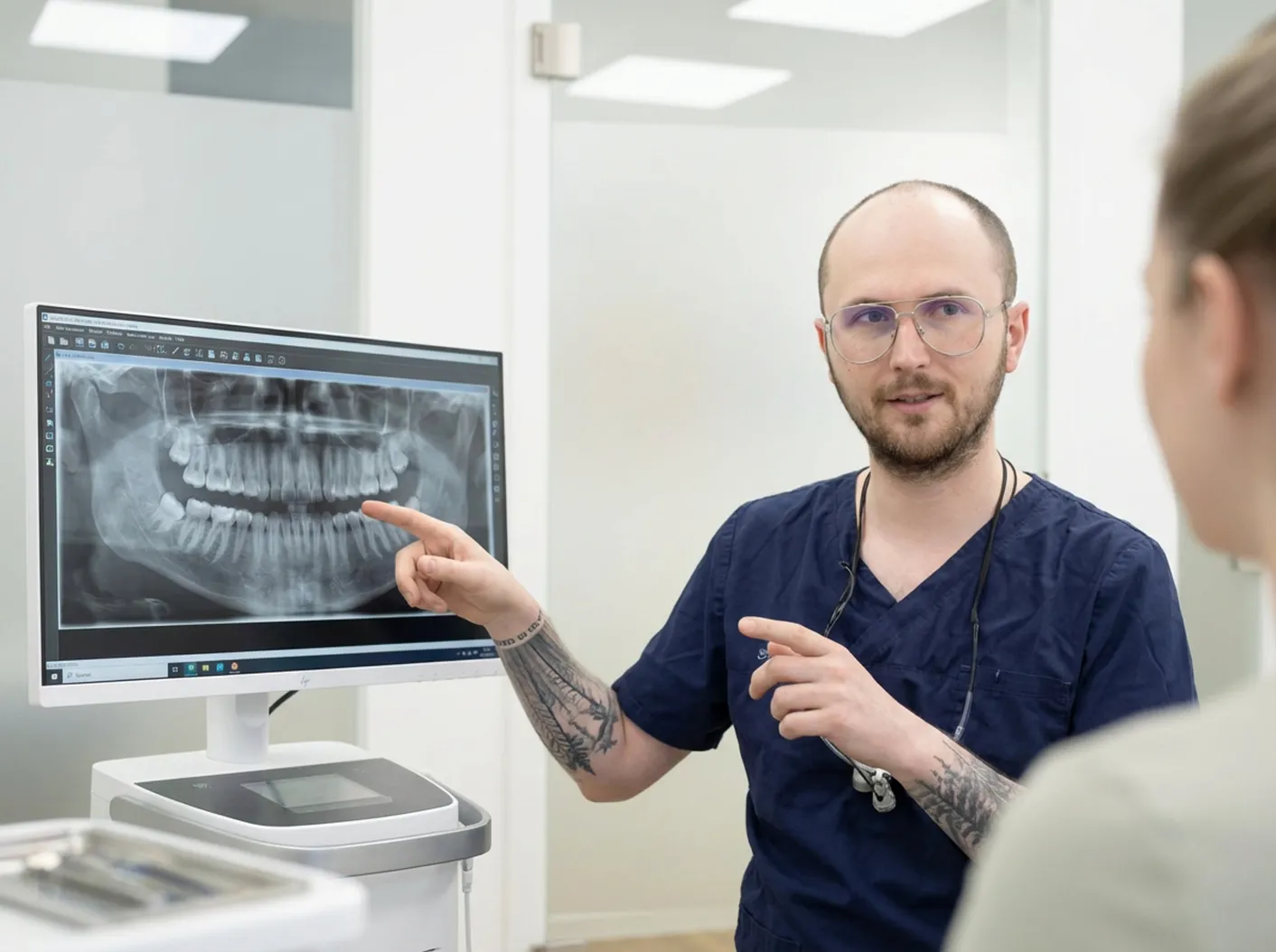
Patients usually need special, reinforced dental floss beneath bridges. A stiffened end makes it easier to thread beneath the bridge pontic. The fluffy section removes plaque from hard-to-reach surfaces.
Particularly careful implant care is important if you have implants. Suitable interdental brushes often have a plastic-coated wire. The choice should always suit the restoration and the shape of the tissue.
Fixed braces make daily oral hygiene considerably more difficult. Small interdental brushes clean areas beneath archwires and next to brackets. Special floss threaders also help with the use of dental floss.
Water flossers and mouthwash as a supplement
A water flosser can remove loose food debris from hard-to-reach areas. However, it does not automatically replace mechanical plaque removal. Brushes or dental floss therefore usually remain necessary.
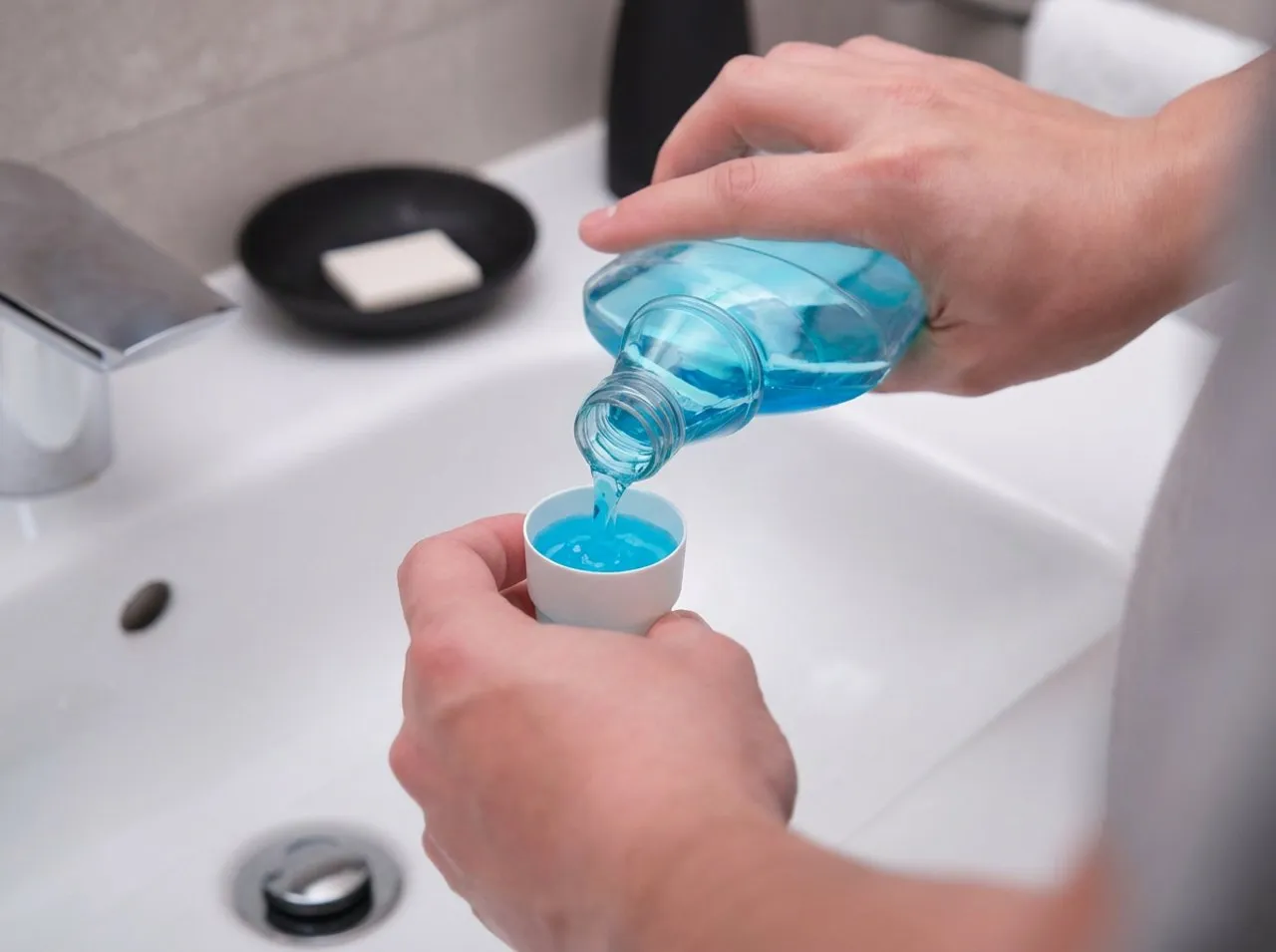
Mouthwashes can be a useful addition to oral care. However, they do not completely remove attached biofilm. Medicated mouthwashes should only be used following professional advice.
Common mistakes when cleaning between your teeth
Brushes that are too large can irritate the gums. Models that are too small do not make sufficient contact with important tooth surfaces. The right size is therefore crucial.
Hurried movements also increase the risk of injury. Work slowly, in a controlled manner and without significant pressure. Pain during use should be assessed by a dentist.
Another mistake is irregular use. One-off cleaning removes plaque but does not prevent it from quickly forming again. Only a daily routine improves oral hygiene in the long term.

What does bleeding during cleaning mean?
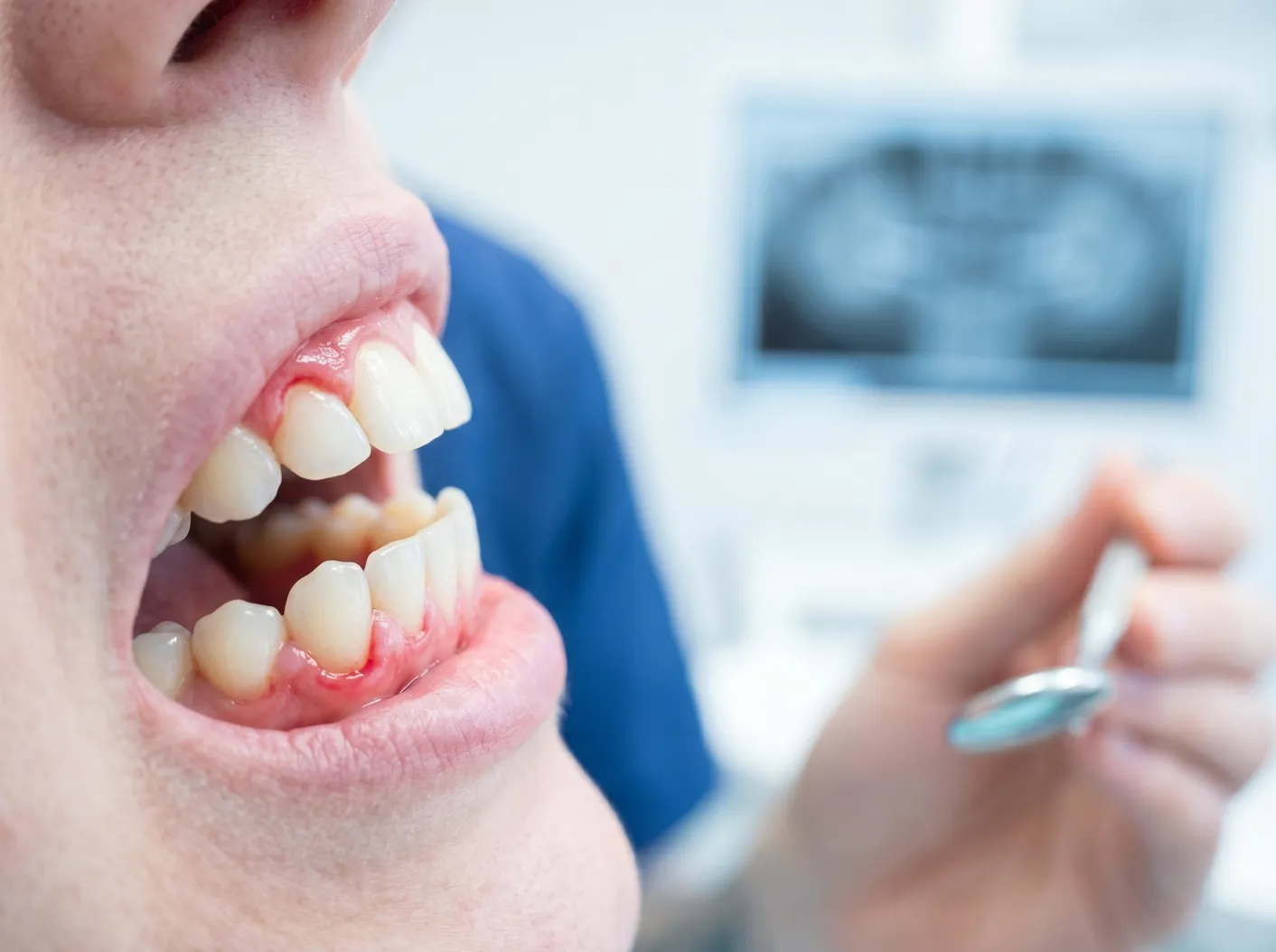
Inflamed gums may bleed slightly during cleaning at first. This is often a sign of existing bacterial plaque. Continue cleaning gently and consistently for the time being.
Heavier or persistent bleeding gums require a dental examination. Gingivitis, periodontitis or an unsuitable technique may be the cause. Incorrect brush sizes can also put strain on the tissue.
When is professional support useful?
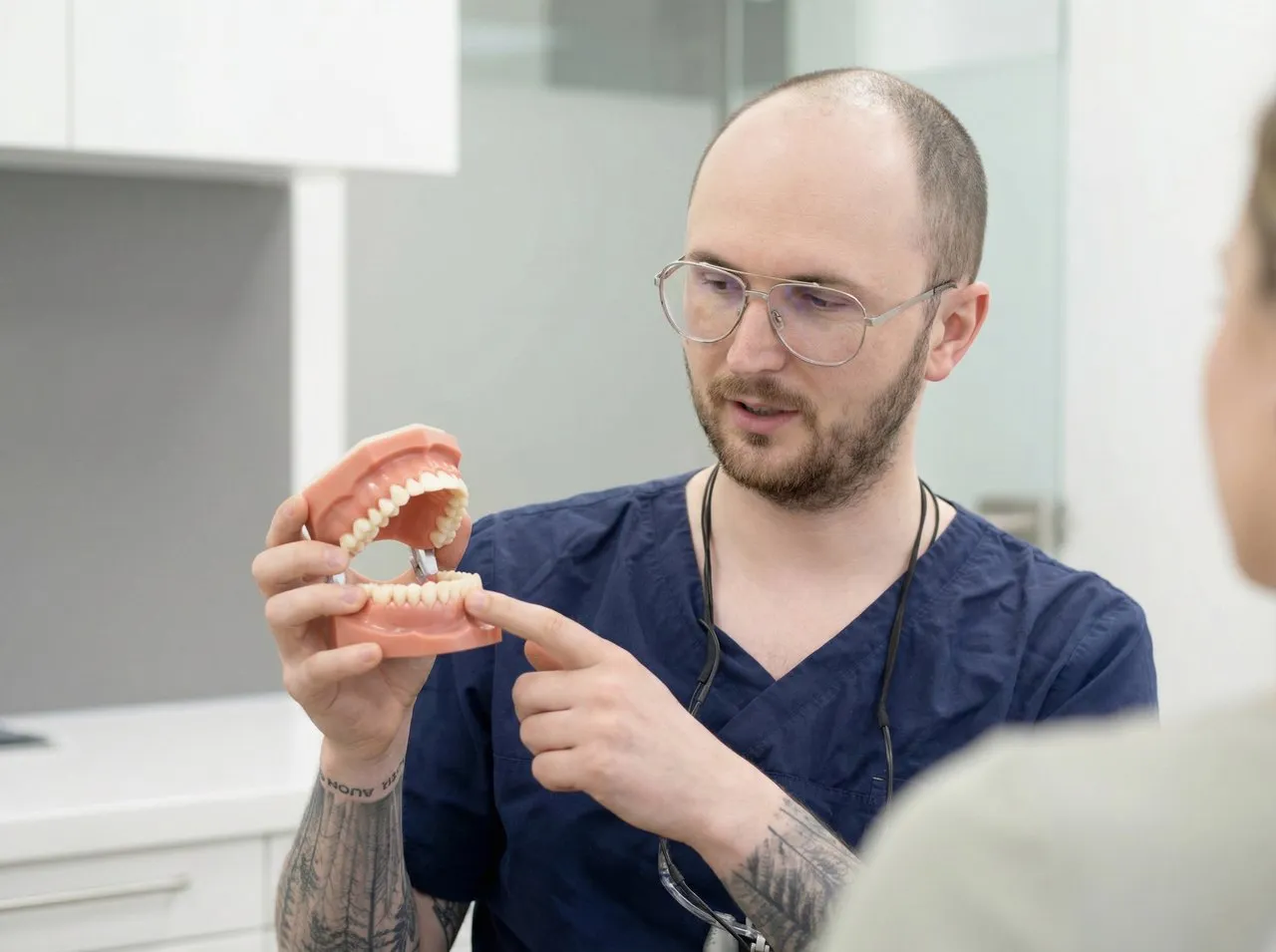
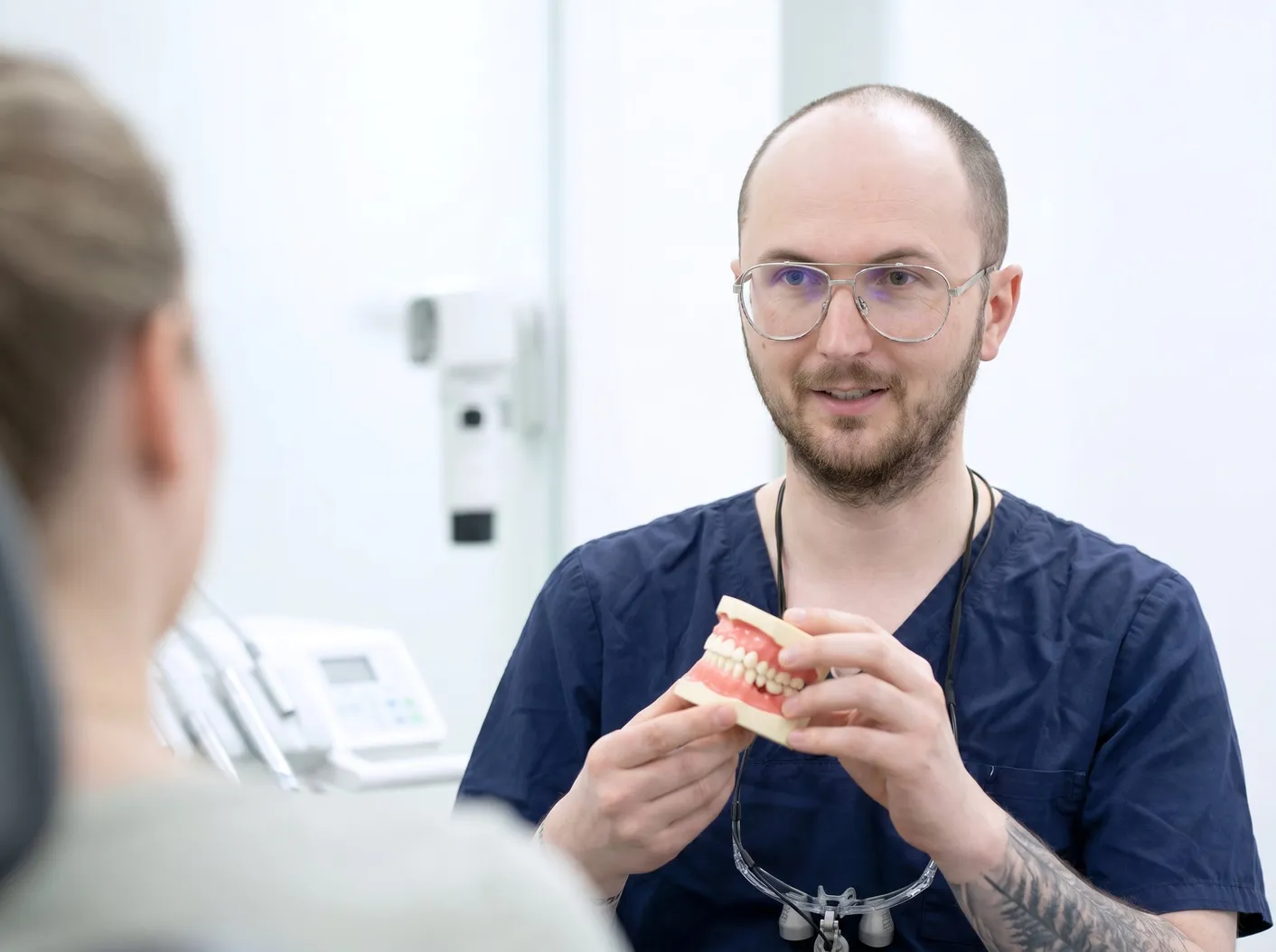
Ask your dental practice to show you the correct technique in person. Individual instruction prevents mistakes and improves cleaning results. Suitable cleaning aids are selected for each area.
Check-ups often detect tooth decay between the teeth earlier. They also reveal inflammation and problematic gum pockets. A professional dental clean can also remove stubborn plaque.
At Wunschlachen in Berlin, you will receive personal instruction. Together, we will select suitable cleaning aids for your dental situation.

Cleaning between your teeth when you have sensitive gums
Sensitive gums require particularly gentle movements. Use suitable soft brushes and avoid force. Daily use can soothe irritated tissue in the long term.
Receding gums often make the interdental spaces larger. Larger interdental brushes may then be useful. The sizes should be checked and adjusted regularly.

Conclusion: a daily routine protects your oral health
Daily interdental cleaning complements any good dental care routine. Interdental brushes are often suitable, while dental floss works well for tight contacts. Professional instruction provides confidence and better results.