Implantology in Berlin: consultation, planning and placement
Implant dentistry in Berlin offers ways to replace missing teeth. We explain the procedure, benefits, requirements and what affects the cost, as well as when implants can help and what to consider.
Über 350 Google-Bewertungen
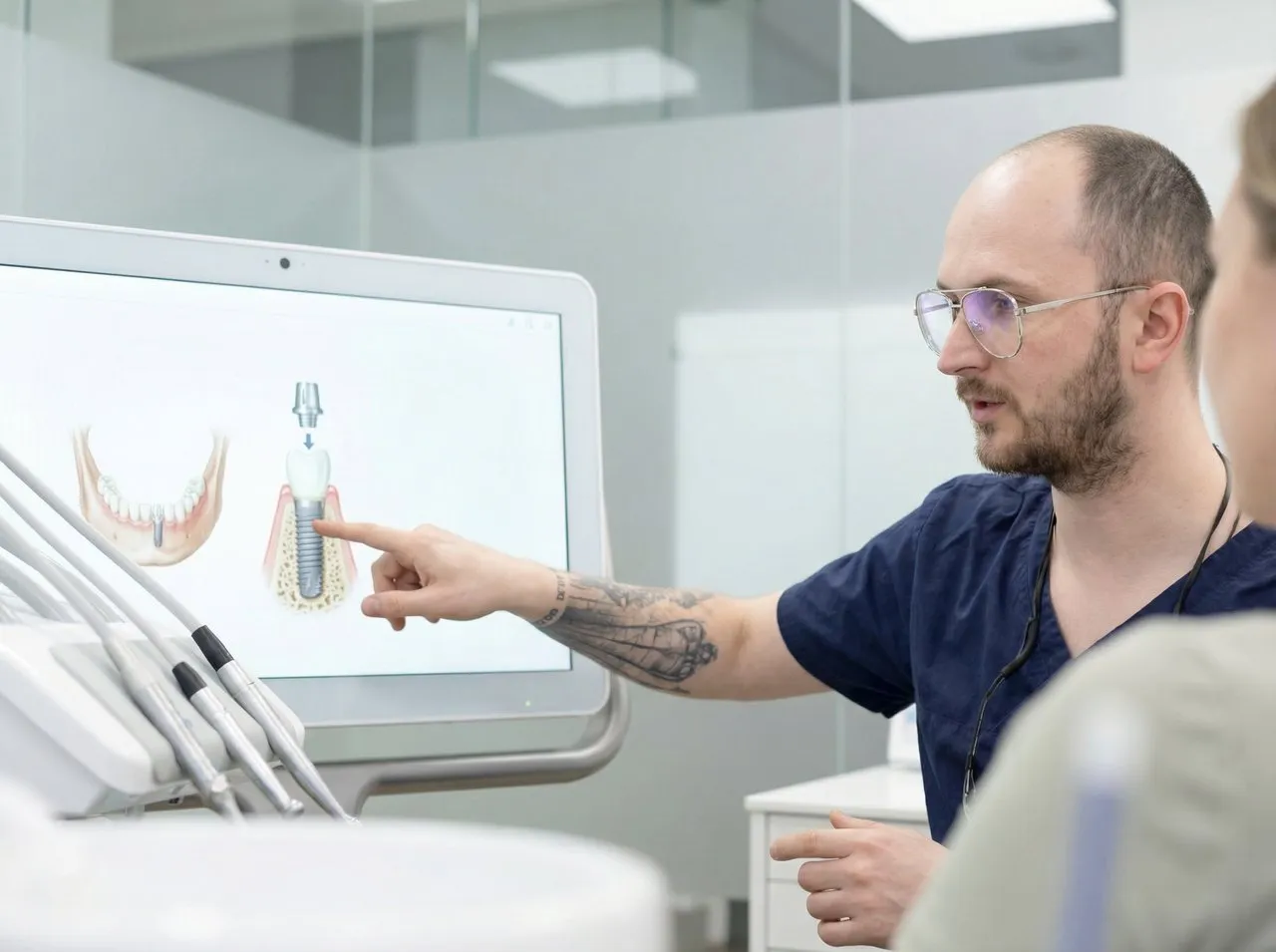
What does implantology in Berlin involve?
Implant dentistry is the area of dentistry concerned with replacing missing teeth using artificial tooth roots placed in the jaw.
Many patients in Berlin want a long-lasting solution. Dental implants are a well-established option that provides function, stability and a natural appearance.
Treatment starts with a careful assessment. Planning helps the dental team prepare for your specific restoration.

When are dental implants advisable?
An implant may be appropriate when one or more teeth are missing. It can also be an option for a jaw with no teeth. The treatment depends on your examination.
Missing teeth can put extra pressure on their neighbours, and the jawbone can shrink. This can make later treatment more complicated.
Implants can replace individual missing teeth or support bridges and dentures. They can help you chew more reliably.

Benefits of modern implantology
Many patients want a fixed restoration. Implants provide stable support and can look natural.
Unlike with conventional bridges, neighbouring teeth can often stay untouched. This preserves healthy tooth structure.
An implant can also transfer forces to the jawbone. This can help maintain the bone over time.
Implant crowns can be individually shaped and colour-matched to blend with your teeth.

Implantology in Berlin: how treatment works
Treatment starts with a detailed consultation. We discuss what you want, the clinical findings and your medical history, then begin planning.
Digital X-rays or 3D imaging help determine the precise position of the implant and support safe treatment planning.
The implant is then placed, usually under local anaesthesia. Sedation may also be appropriate in some cases.
During the healing phase the implant integrates with the bone. The visible restoration is attached after this stage.
The time involved depends on your case. Some treatments take a few weeks, while others take considerably longer.

What implant solutions are available?
Different gaps need different implant solutions. The choice depends on your starting point and what the restoration needs to do.
An individual implant can replace a single missing tooth. Several implants can support larger restorations, including implant-supported bridges.
If all teeth in one jaw are missing, several implants can anchor a denture and make it more stable during everyday use.
Planning takes into account the amount of bone, the condition of your teeth and your preferences. An individual consultation is important.
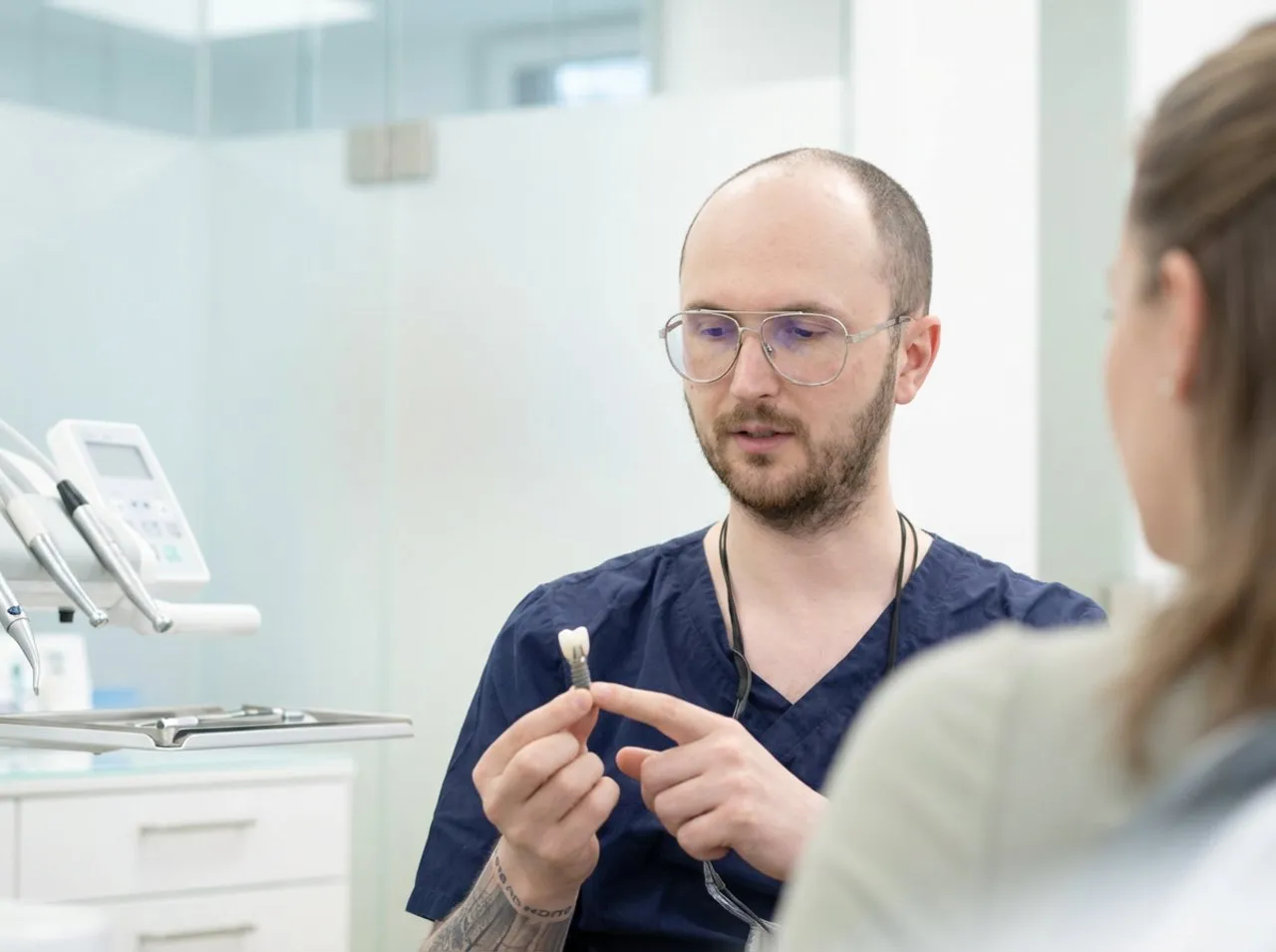
Requirements for dental implants
Implant placement requires enough jawbone and healthy gums. Inflammation or infection should be treated beforehand.
Good oral hygiene supports healing and long-term results. Regular check-ups are still important after treatment.
Smoking and some medical conditions can affect healing. A careful review of your medical history is therefore important.
If there is too little bone, bone grafting is often possible, including in more difficult cases. Your examination will show if this is needed.
Implantology in Berlin and possible cost factors
Many patients ask what implants cost. It is difficult to quote a standard price because the work depends on what the dentist finds.
The number of implants, materials, restoration and diagnostic tests all affect the cost. Other procedures can also change the total.
Examples include bone grafts or complex temporary restorations. Laboratory work is also included in the estimate. A written treatment and cost plan can help.
Many patients in Berlin value quality and clear information. Explaining each step helps you understand what is involved early on.
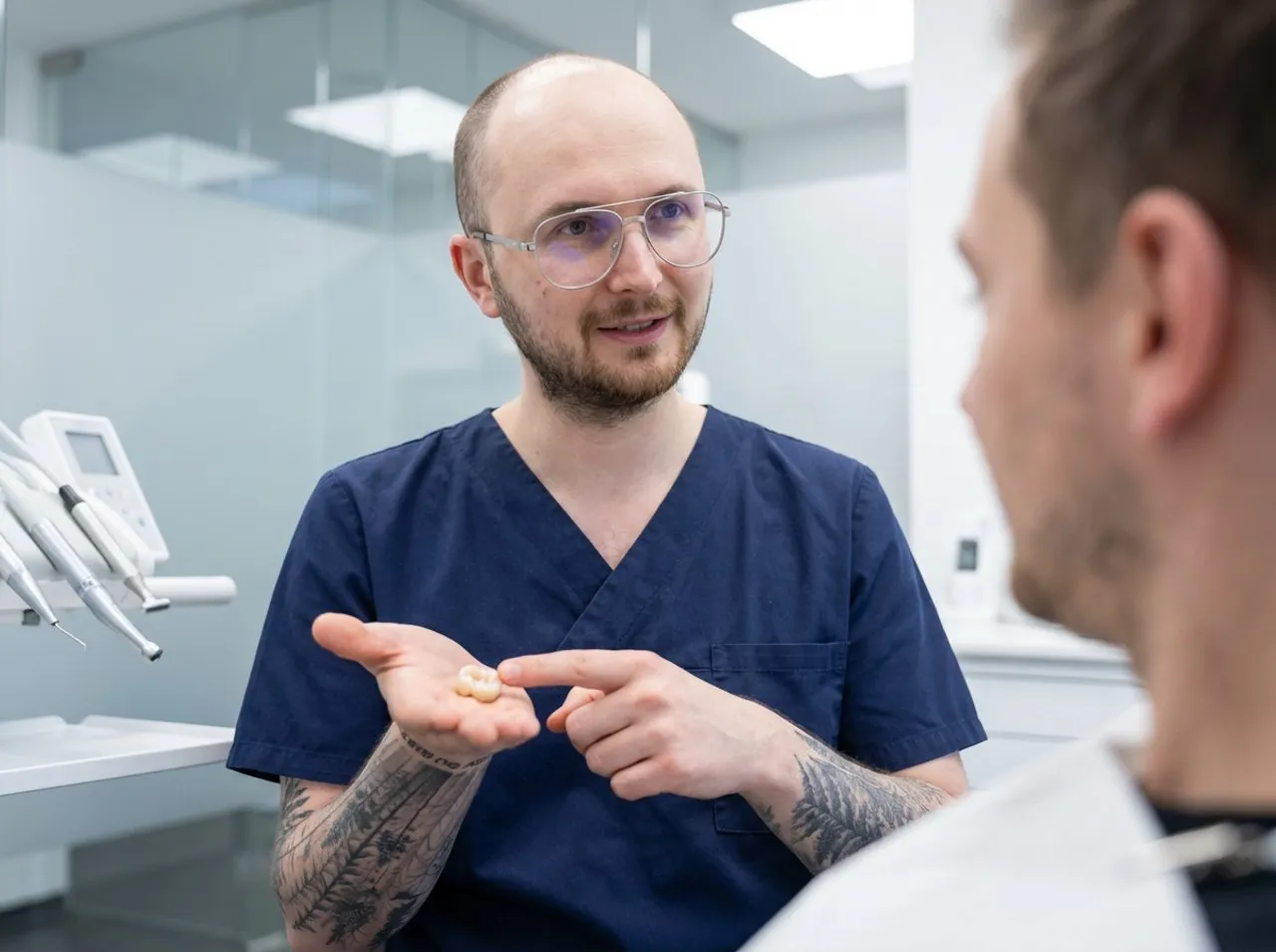
Why a specialised practice is important
Implant dentistry requires experience and precise planning. Both affect the outcome, so your choice of practice matters.
Clinicians with experience in implant dentistry use modern diagnostics to plan implant positions precisely and create a stable base for the restoration.
Aftercare matters too. Regular check-ups help detect changes early and support the restoration over time.
Berlin patients can choose from many nearby practices. An individual consultation with a qualified clinician can help you make an informed decision.