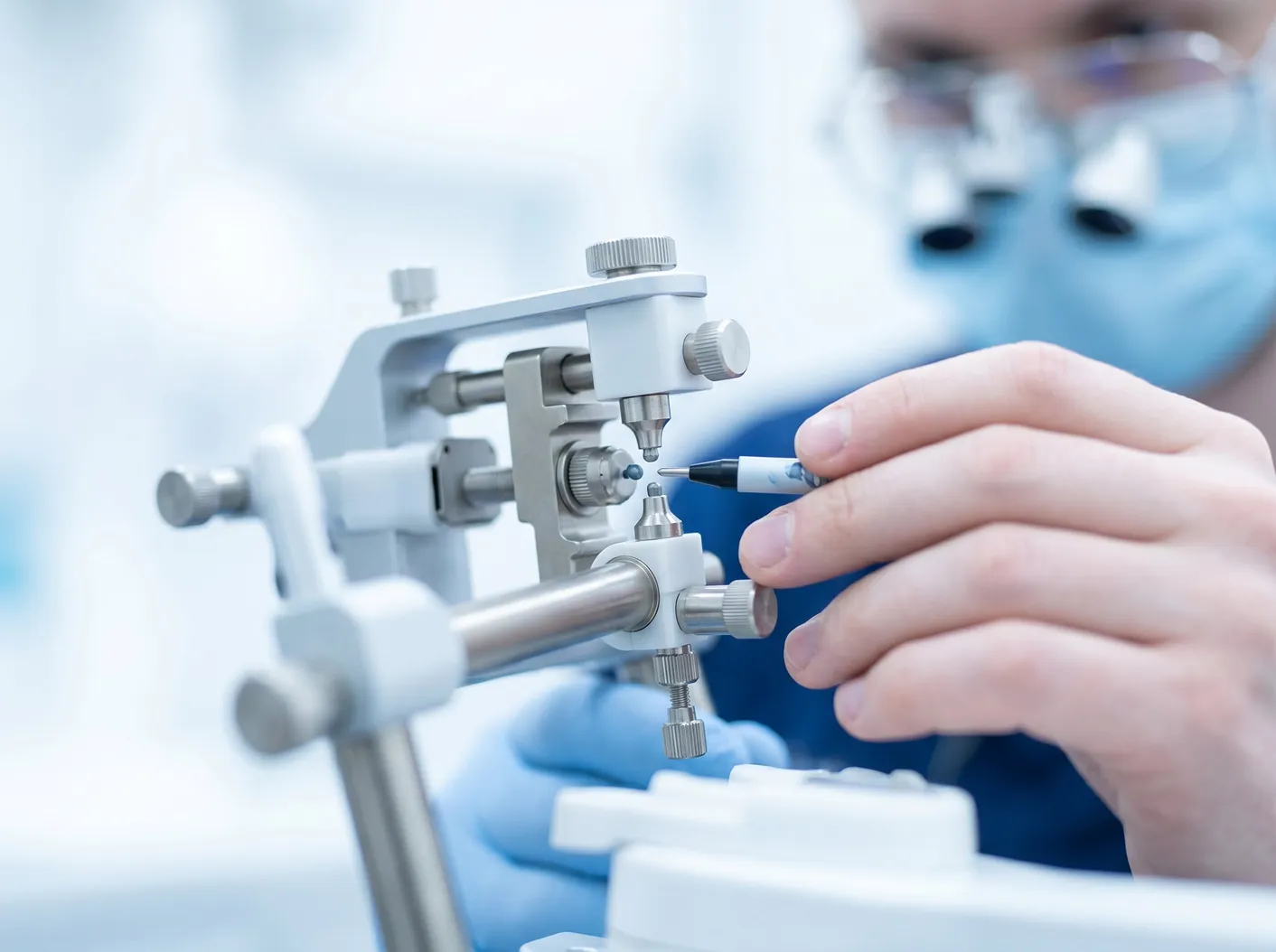
Jaw joint measurement with Zebris – the method simply explained
A jaw joint measurement with Zebris digitally and precisely examines the movements of the lower jaw. It helps to better identify temporomandibular joint disorders, an unfavourable bite position and muscular overloading. The results support targeted CMDdiagnostics, the planning of dental restorations and the production of custom bite splints.
Über 350 Google-Bewertungen
What is jaw joint measurement?
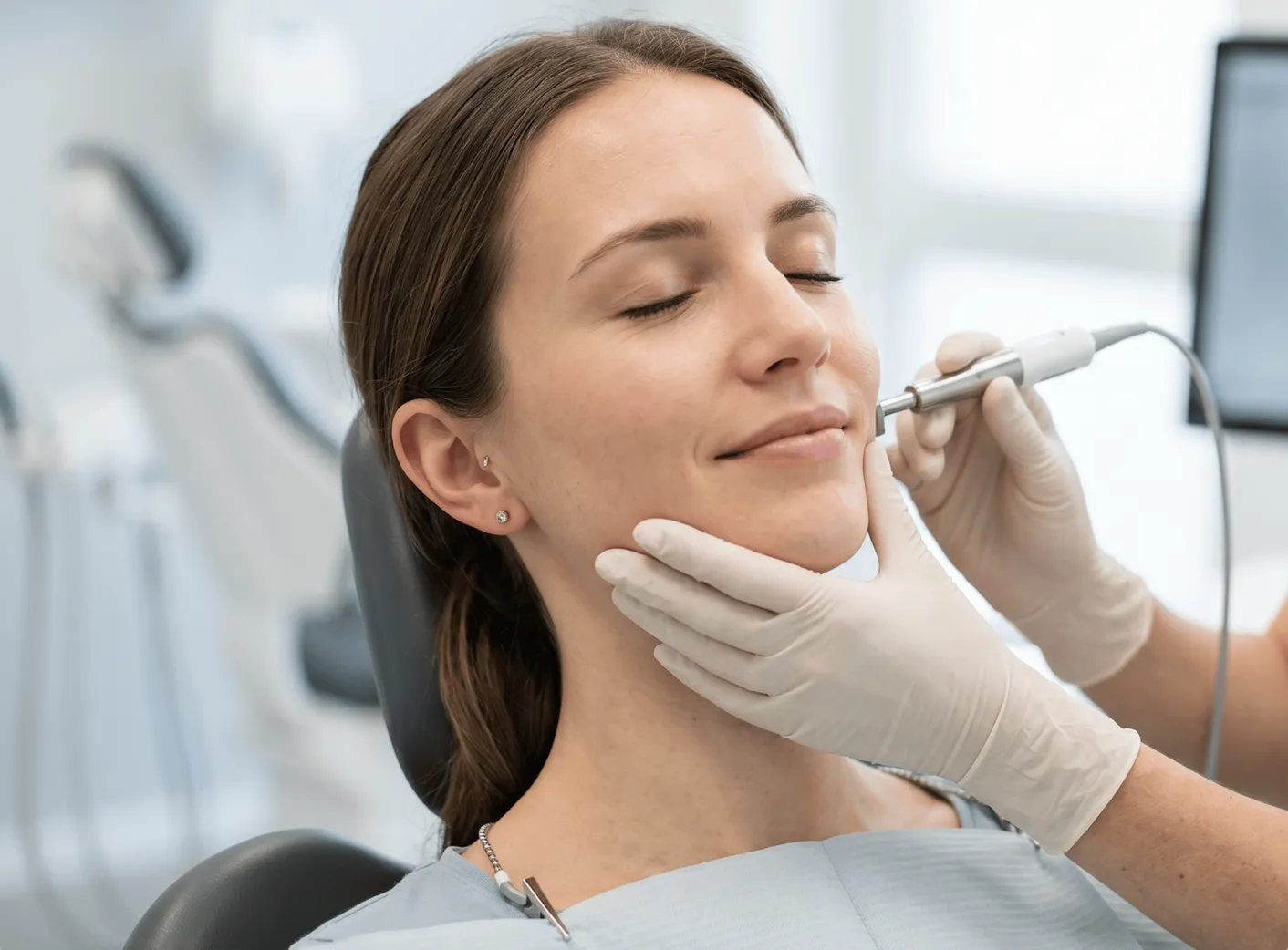
Jaw joint measurement is a modern form of functional analysis. It assesses how the upper jaw, lower jaw, teeth, muscles and joints work together. Even small deviations can affect the entire masticatory system.
The Zebris system measures these movements with computer assistance. Sensors record how the lower jaw moves when opening, closing and chewing. This produces an accurate digital movement profile.
Many patients come to us because of clicking, grinding or a feeling of pressure in the jaw. Headaches, neck tension or ear noises can also be linked to the masticatory system. Precise measurement can make such connections visible.
Why is Zebris important in dentistry?
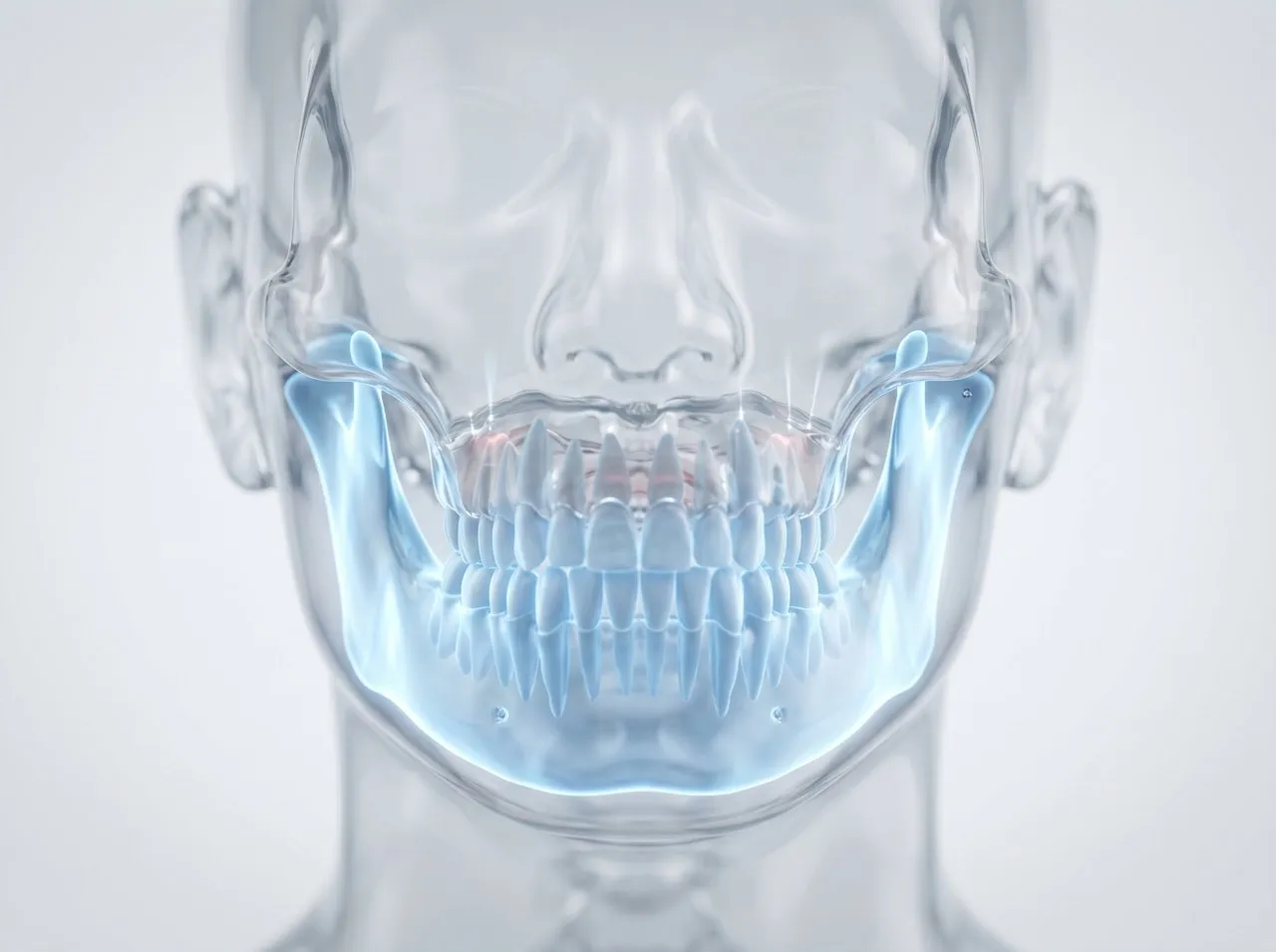
Zebris makes it possible to assess the jaw joints digitally without uncomfortable examination steps. The system uses ultrasound or sensor signals to record jaw movements with high precision. This gives the dental team objective measurements in place of estimates.
These data are important when craniomandibular dysfunction is suspected. The abbreviation CMD refers to problems in how the teeth, muscles and jaw joints work together. These problems can significantly affect everyday life.
The assessment is also useful before fitting new dental restorations. Crowns, bridges and implants need to fit your natural bite. Otherwise, your teeth may meet unevenly and put extra strain on the structures involved in chewing.
When is jaw joint measurement advisable?
Jaw joint measurement can help with many complaints. These include jaw clicking, restricted mouth opening and one-sided strain when chewing. Frequent tension in the face can also be an indication.
Some patients notice severe tension in their jaw in the morning. Others clench or grind their teeth at night. This can place strain on the hard tooth tissue, muscles and joints.
Measurement is also advisable when dental restorations are planned. It helps ensure that the new restorations are functionally suitable. This applies particularly to extensive reconstructions.
How does the digital functional analysis work?
First, there is a personal consultation. The dentist asks about symptoms, habits and previous treatments. The teeth, bite and jaw mobility are then examined.
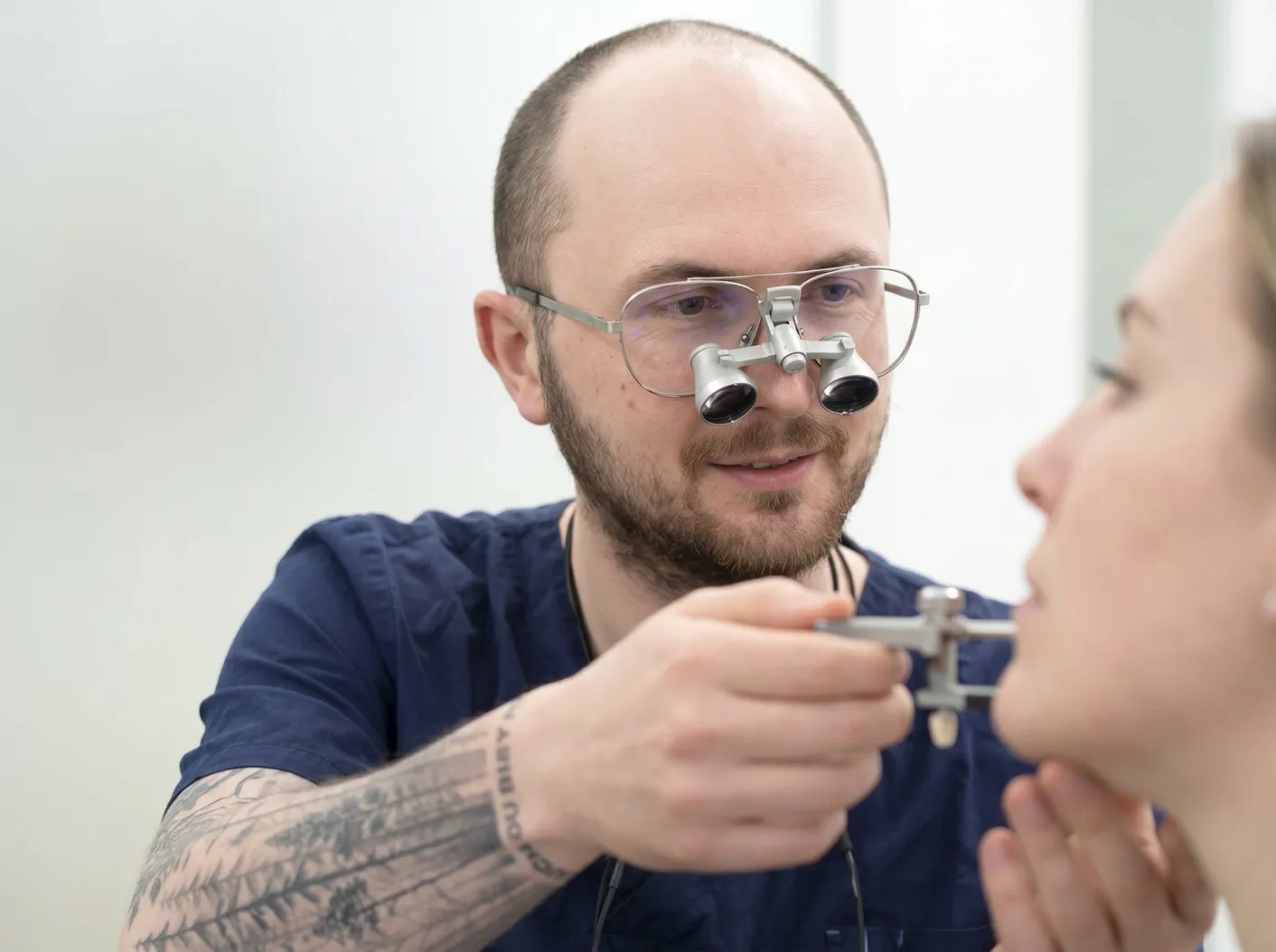
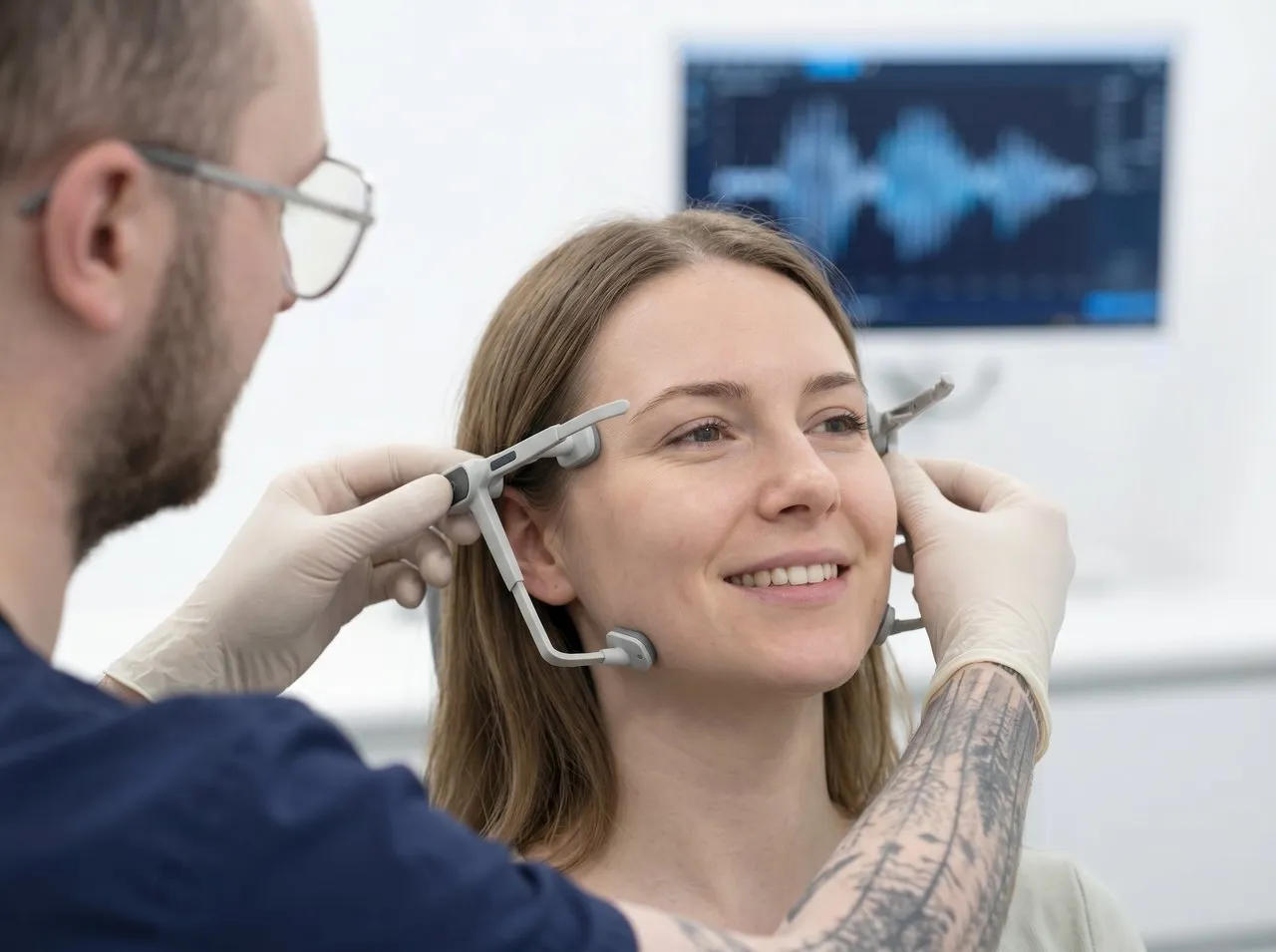
For the Zebris measurement, a lightweight measuring frame is positioned on the head. A small sensor on the lower jaw registers the movements. The examination usually takes just a few minutes.
During the measurement, you open and close your mouth. Chewing and protrusive movements can also be assessed. The software uses these to calculate precise movement paths.
The results are then analysed. The dentist can see whether the joints are working evenly. Deviations in the bite position also become visible.
Which values does Zebris record?
The system measures various movement parameters of the lower jaw. These include opening, lateral and protrusive movements. The joint path can also be displayed digitally.
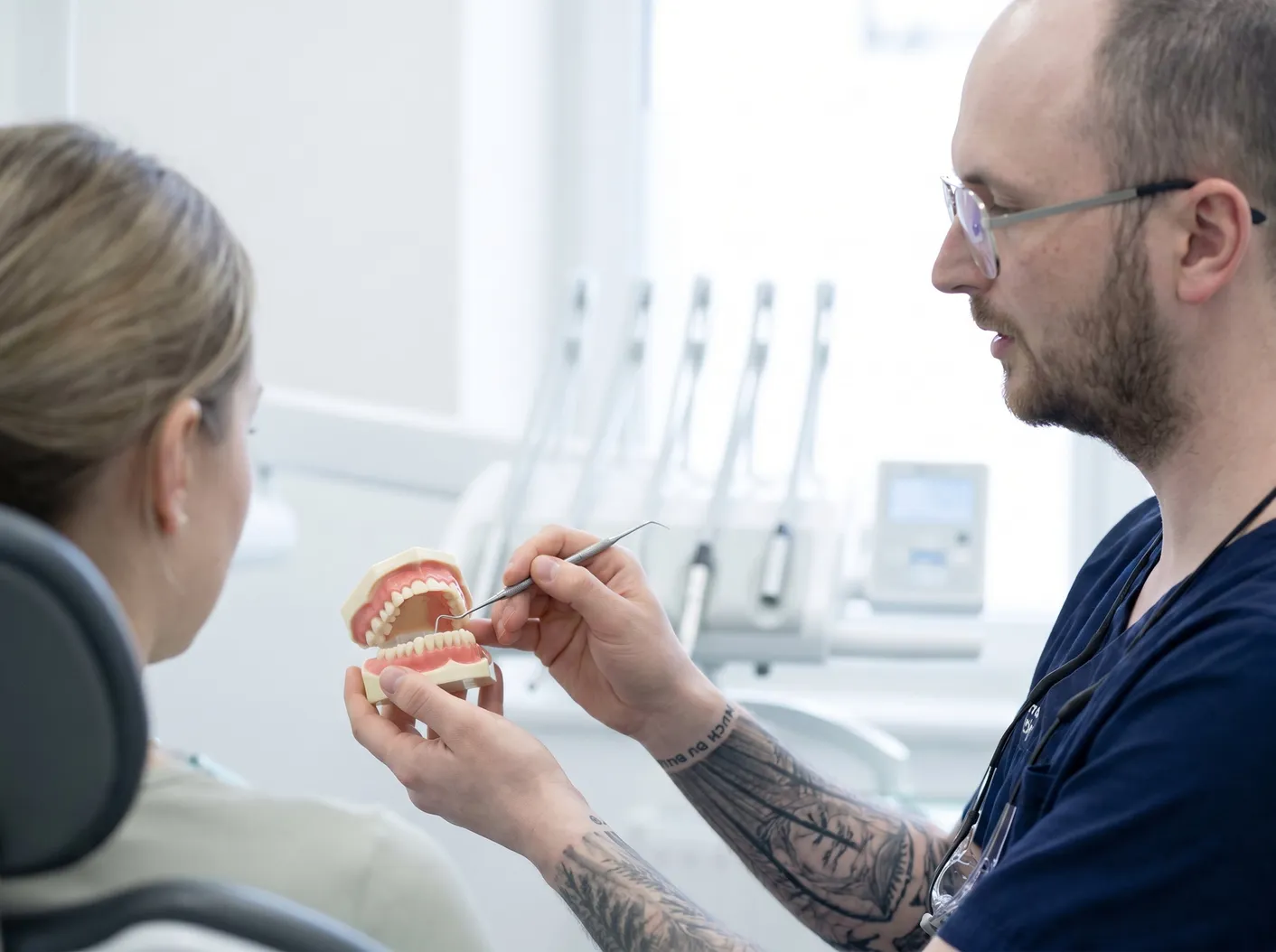
The position of the lower jaw in relation to the upper jaw is also important. This relationship influences how the teeth meet. An unfavourable position can permanently irritate the muscles and joints.
The measurement data can be passed to a dental laboratory. There, they help with the production of splints or dental restorations. This allows your treatment to be better tailored to your jaw function.
Advantages of jaw joint measurement with Zebris
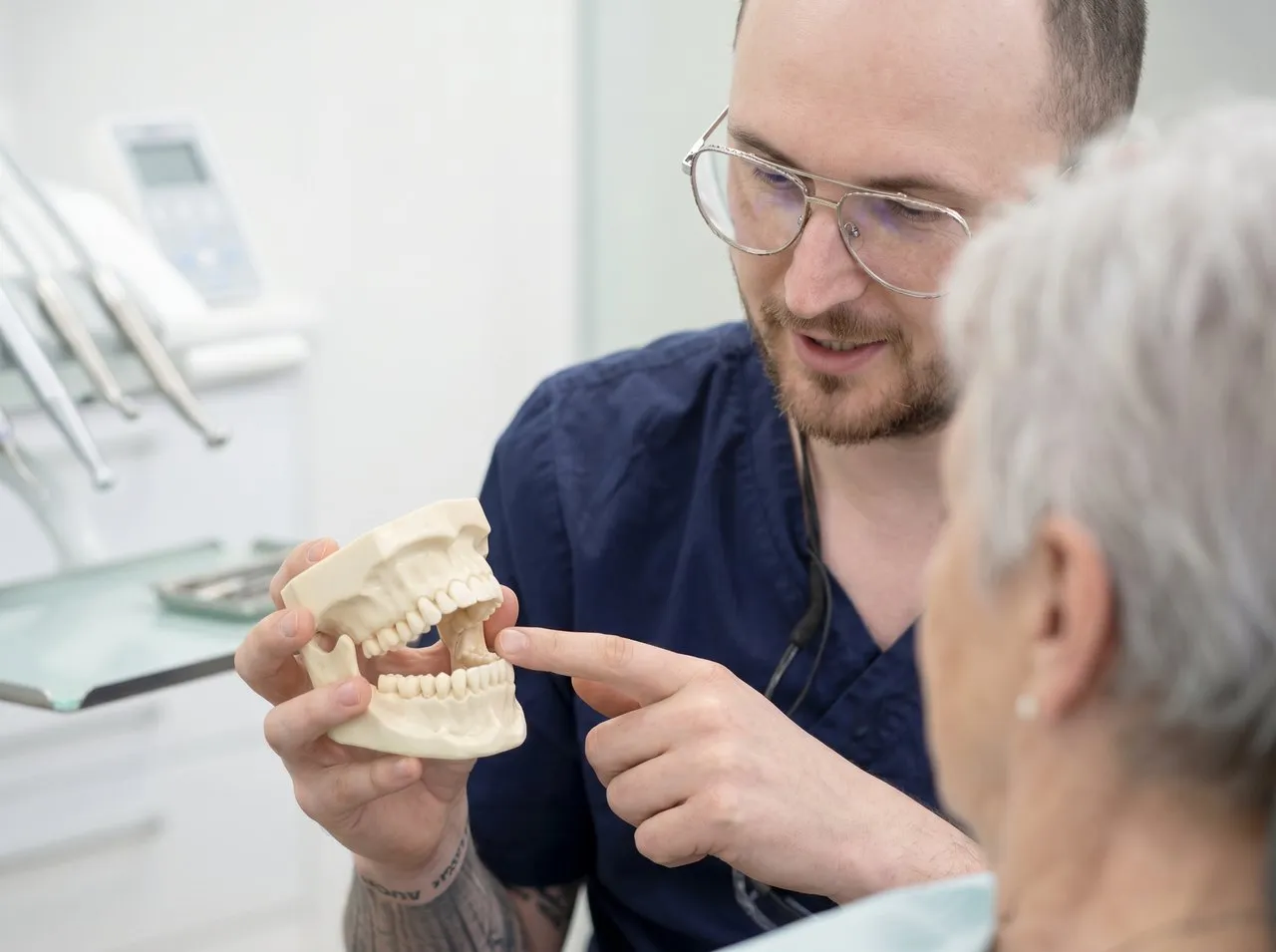
Digital measurement provides precise and reproducible results. This makes planning safer and easier to understand. Patients receive a clear explanation of their jaw function.
Another advantage is personalised treatment planning. Bite splints can be fitted more precisely. Dental restorations can also be prepared more effectively from a functional perspective.
The examination is non-invasive. No surgical steps are necessary. It is therefore also suitable for sensitive patients.

Importance for CMD and teeth grinding
CMD often has several causes, including stress, uneven tooth contacts, muscle tension and changes in the bite. Zebris helps identify patterns in how the jaw works.
A detailed assessment is especially helpful for people who grind their teeth. It shows how the lower jaw moves and can help the dentist plan splint treatment for the individual patient.
A bite splint is designed to ease the strain on the teeth and jaw structures. It is adjusted to suit the movements recorded during the assessment. Regular check-ups help ensure the splint works well in daily use.
Jaw joint measurement at Wunschlachen
At the Wunschlachen dental practice, jaw joint measurement is used in a targeted way. It supports diagnostics, treatment planning and high-quality care. It provides greater clarity, particularly in complex cases.
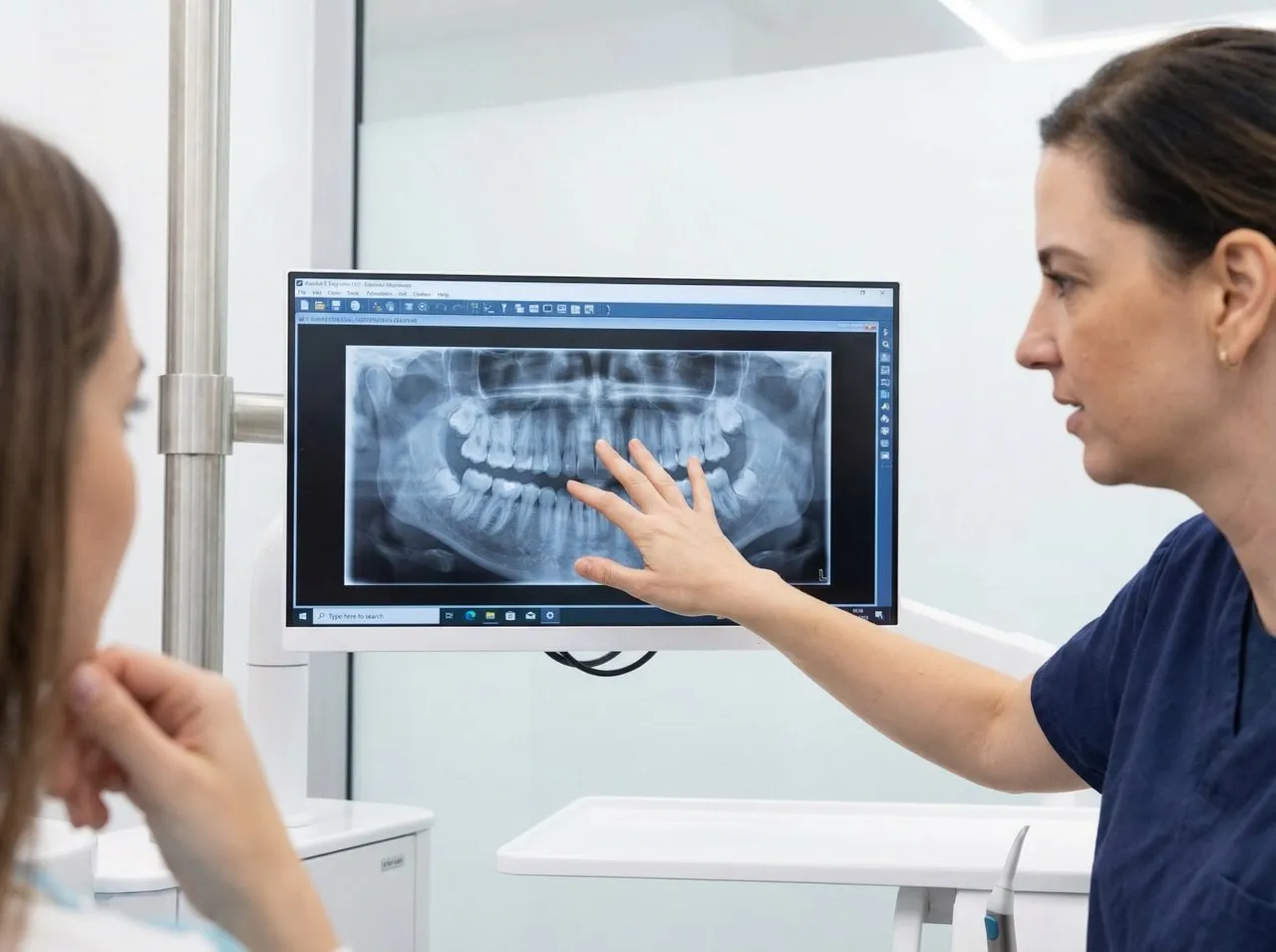
After the measurement, we discuss the results with you in clear terms. We then decide which treatment is advisable. This may be a splint, dental restorations or further functional diagnostics.
Our aim is harmonious function throughout the masticatory system. We pay attention to the teeth, joints and muscles. This results in treatment that suits your everyday life.