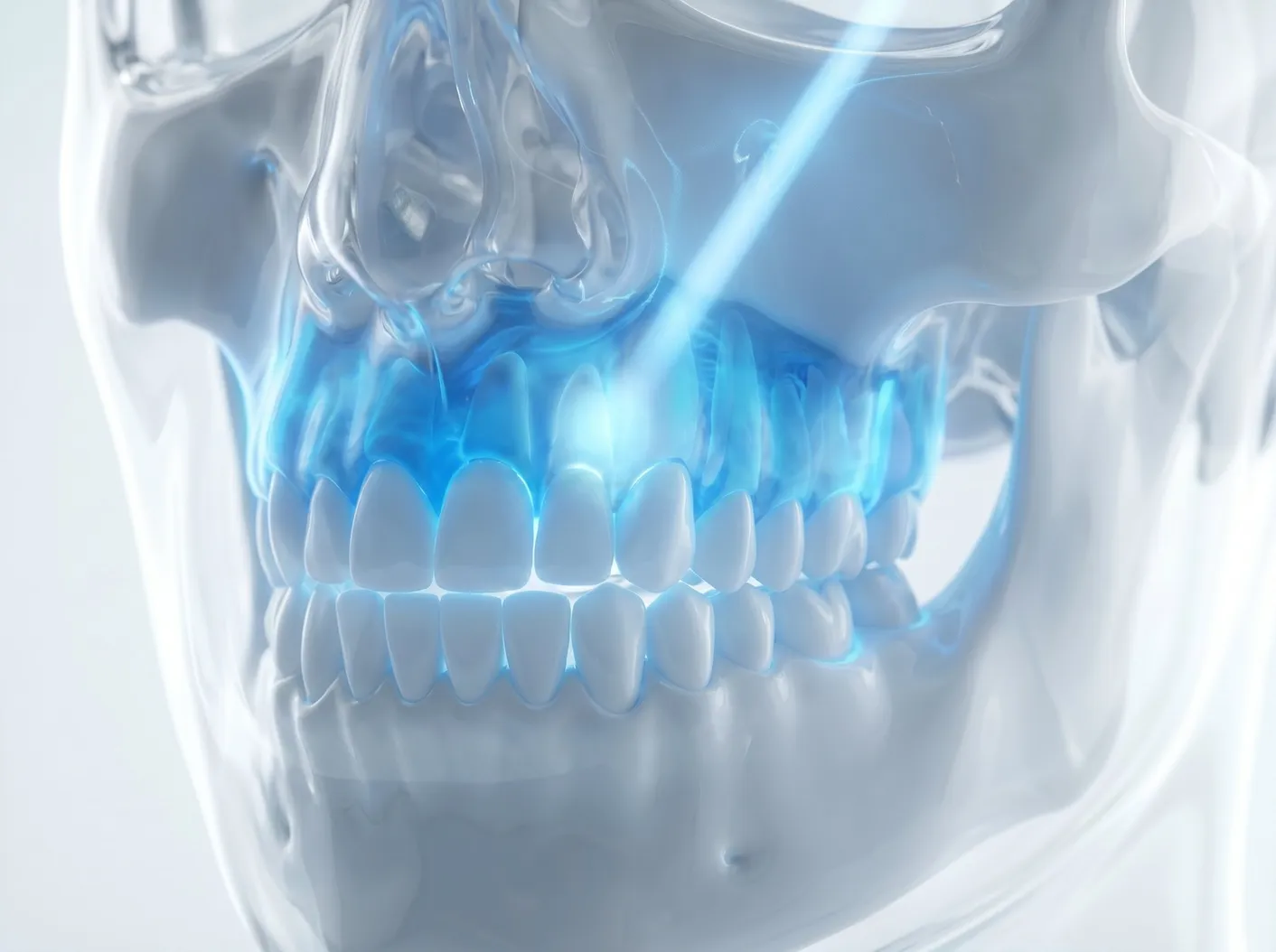
Laser treatment for anxious patients – everything at a glance
Laser treatment at the dentist can make dental care more accessible for anxious patients. The laser works very precisely and is often particularly gentle on tissue. This can make many procedures calmer, more controlled and more comfortable. Particularly for sensitive gums, periodontitis or minor surgical procedures, laser technology offers clear advantages. However, a personal consultation with the dentist remains essential.
Über 350 Google-Bewertungen
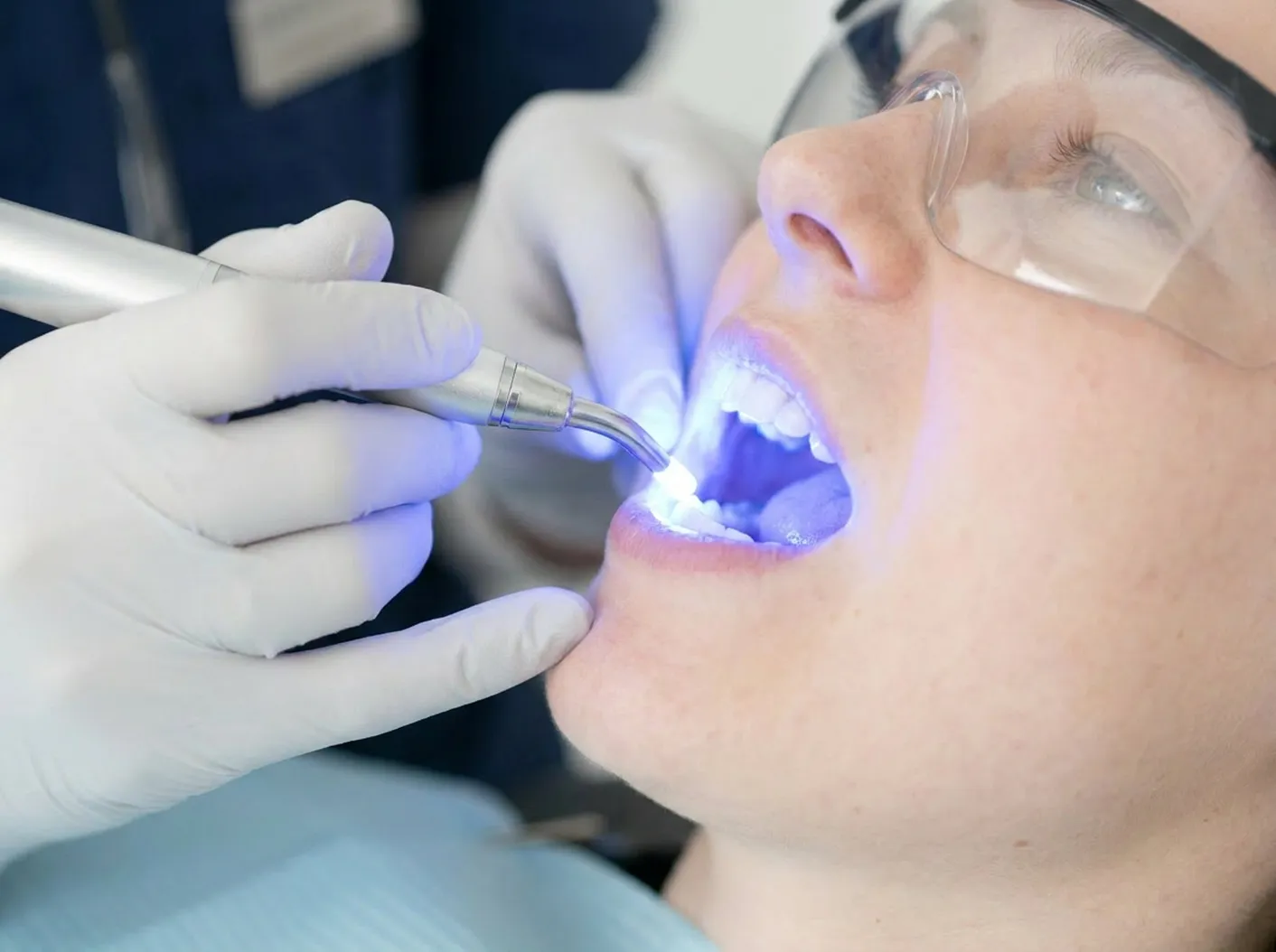
What does laser treatment at the dentist involve?
During laser treatment, a focused beam of light is directed at tissue or tooth surfaces. This allows the dentist to work very precisely. Depending on the application, tissue is removed, disinfected or prepared.
Various laser systems are used in modern dentistry. They differ in wavelength and effect. The clinical findings therefore always determine the appropriate method.
This technology can be particularly beneficial for anxious patients. Many people associate visiting the dentist with a loss of control, noises or previous experiences. Calm laser therapy can reduce this strain.
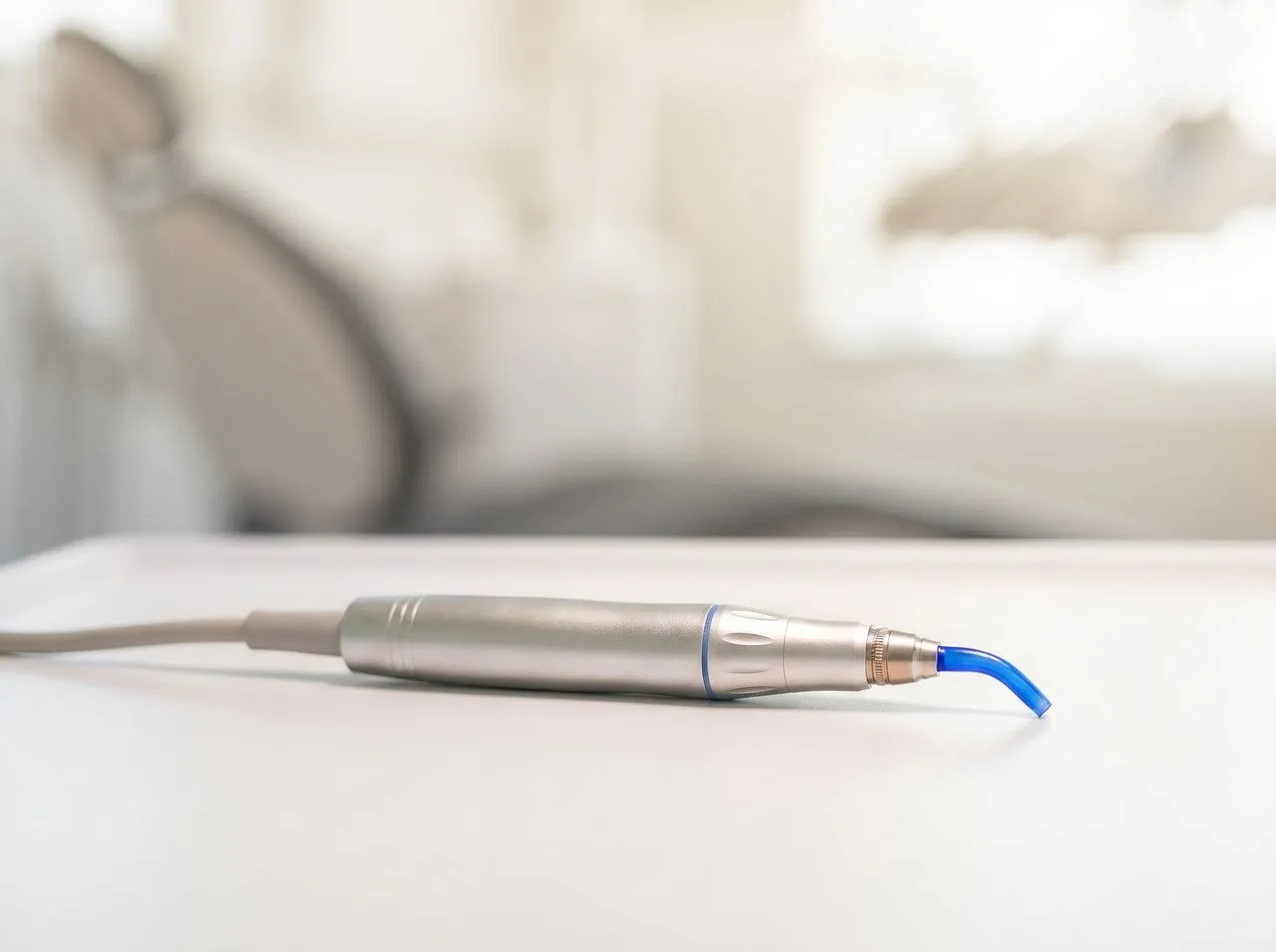
Why is laser treatment suitable for anxious patients?
Anxious patients are often sensitive to conventional instruments. The sound of drills, vibrations or lengthy treatments in particular can increase inner tension. Dental lasers, by contrast, often work more quietly and with less contact.
Many patients therefore find the procedure calmer. Their sense of control can also improve. The dentist explains every step and works very precisely.
Another advantage is the high level of precision. Healthy tissue can often be better protected. This supports a comfortable treatment experience and good healing.
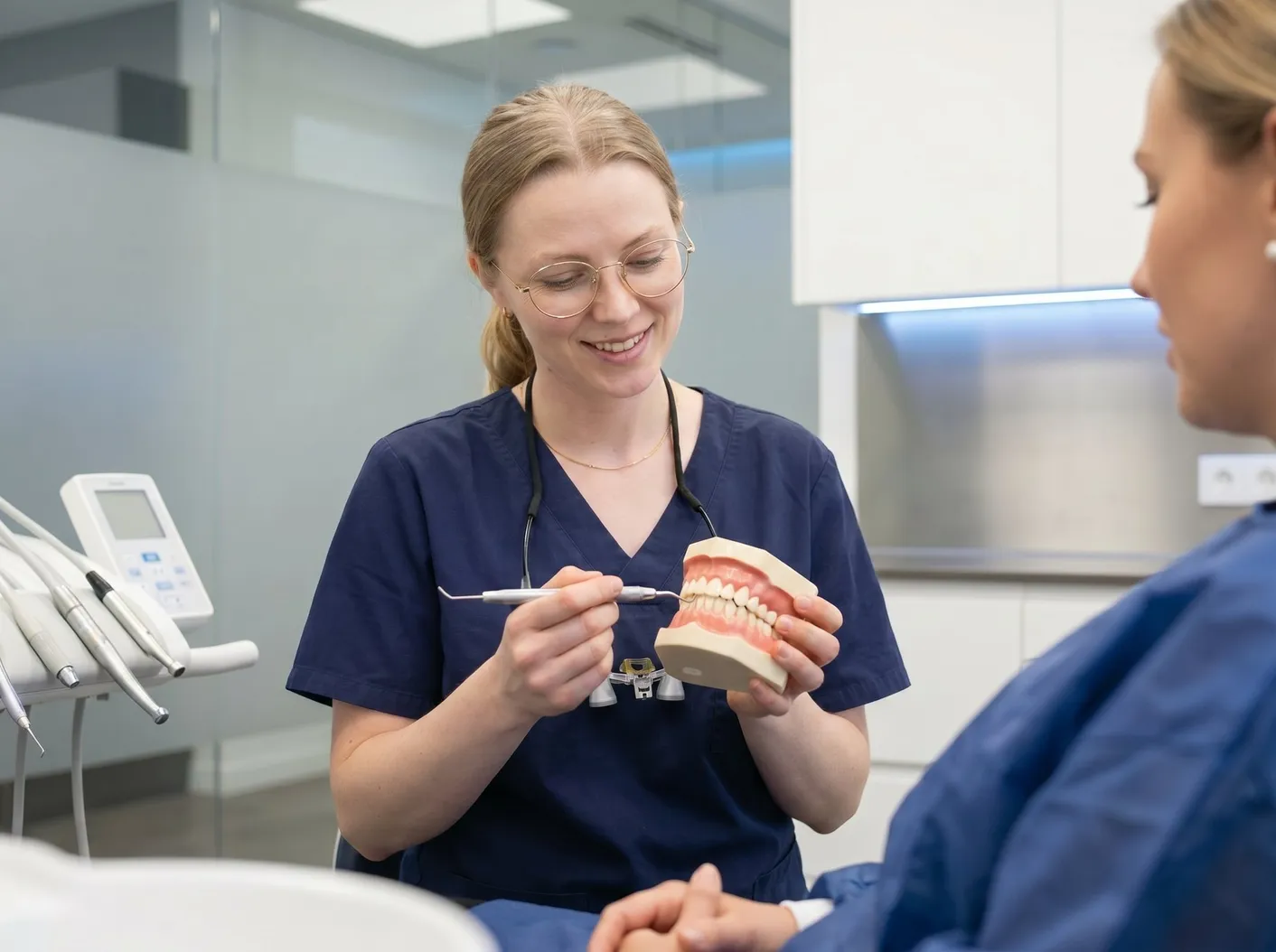
Areas of application for laser treatment
Laser treatment has a wide range of applications. It is frequently used for gum problems and inflammation. The laser can reduce bacteria and treat tissue in a targeted manner.
The laser can also be used as a supportive treatment for periodontitis. It complements the professional cleaning of periodontal pockets. The aim is to achieve better control of the bacterial load.
Other applications include minor surgical procedures, root canal treatments and the treatment of sensitive tooth necks. Laser technology can also have a supportive effect on cold sores and mouth ulcers. Its precise suitability depends on the individual clinical findings.
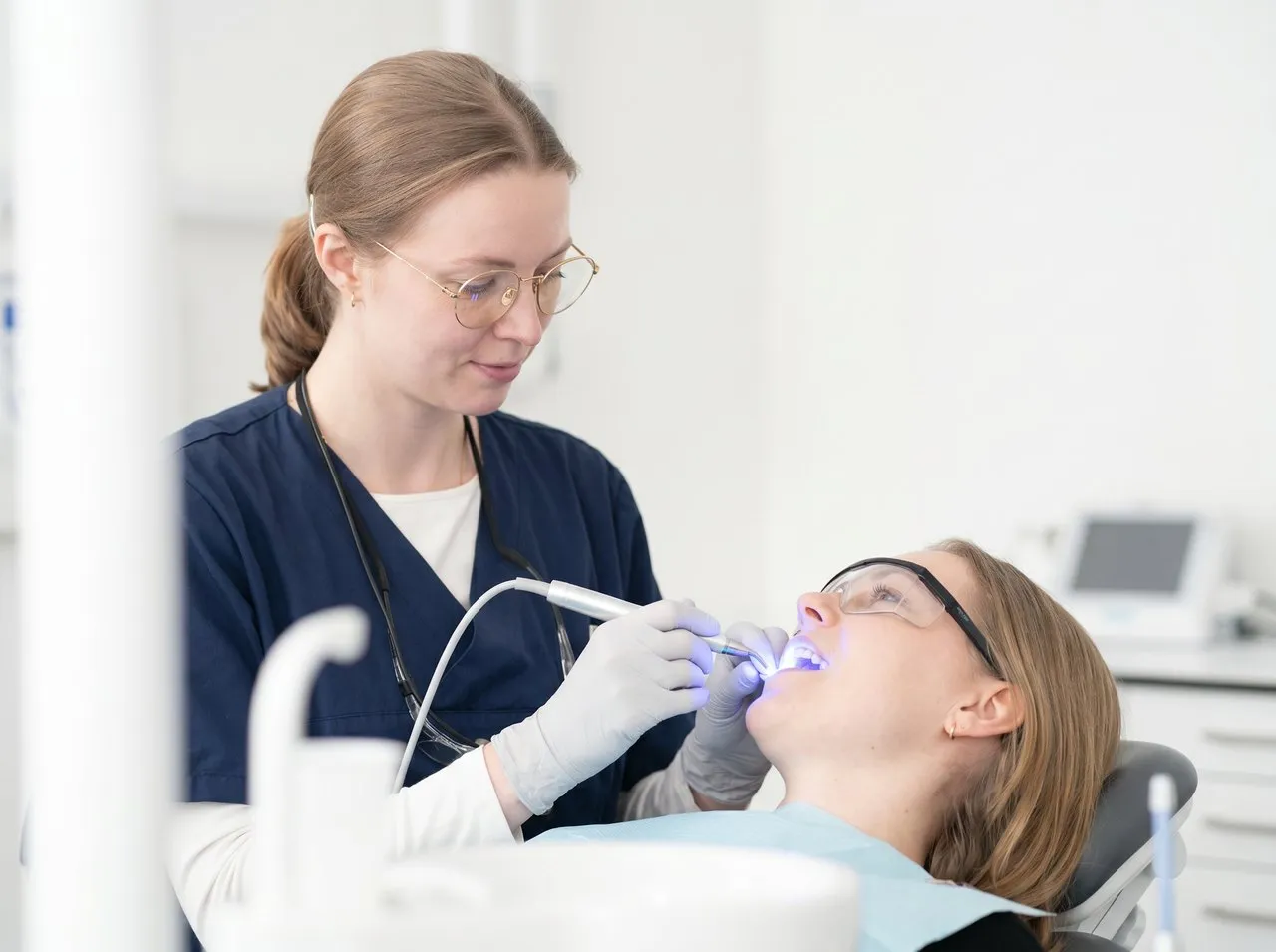
Laser treatment for dental anxiety: the procedure
Every treatment begins with a detailed consultation. Patients describe their fears, experiences and wishes. This information helps with planning.
The dentist then explains the procedure in simple steps. Breaks are often agreed. A hand signal can also provide reassurance.
During treatment, the laser works with pinpoint precision. Depending on the procedure, local anaesthesia may be advisable. This is discussed together beforehand.
After treatment, patients receive clear aftercare instructions. These cover oral hygiene, taking care of the treated area and follow-up appointments. This allows the healing process to be monitored effectively.
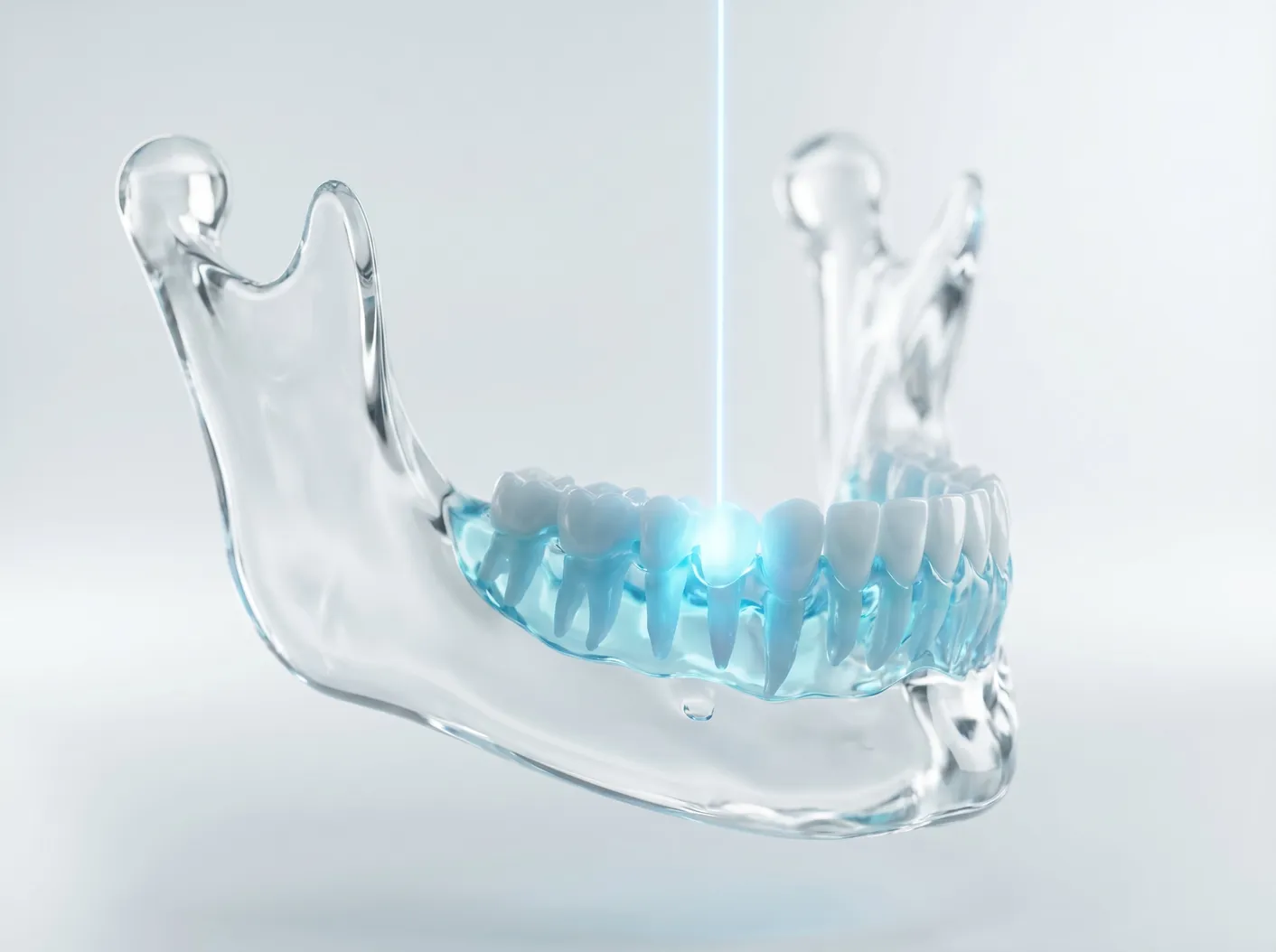
Advantages of laser dentistry
Laser dentistry offers several advantages for sensitive patients. The procedure can often be carried out very precisely. This places less strain on the surrounding tissue.
The laser can also reduce bleeding. The treatment area often remains easier to see and control during the procedure. This can make treatment easier for both patient and dentist.
Its germ-reducing effect is another important advantage. This can be particularly helpful in inflammatory processes. Nevertheless, the laser is no substitute for a careful diagnosis.
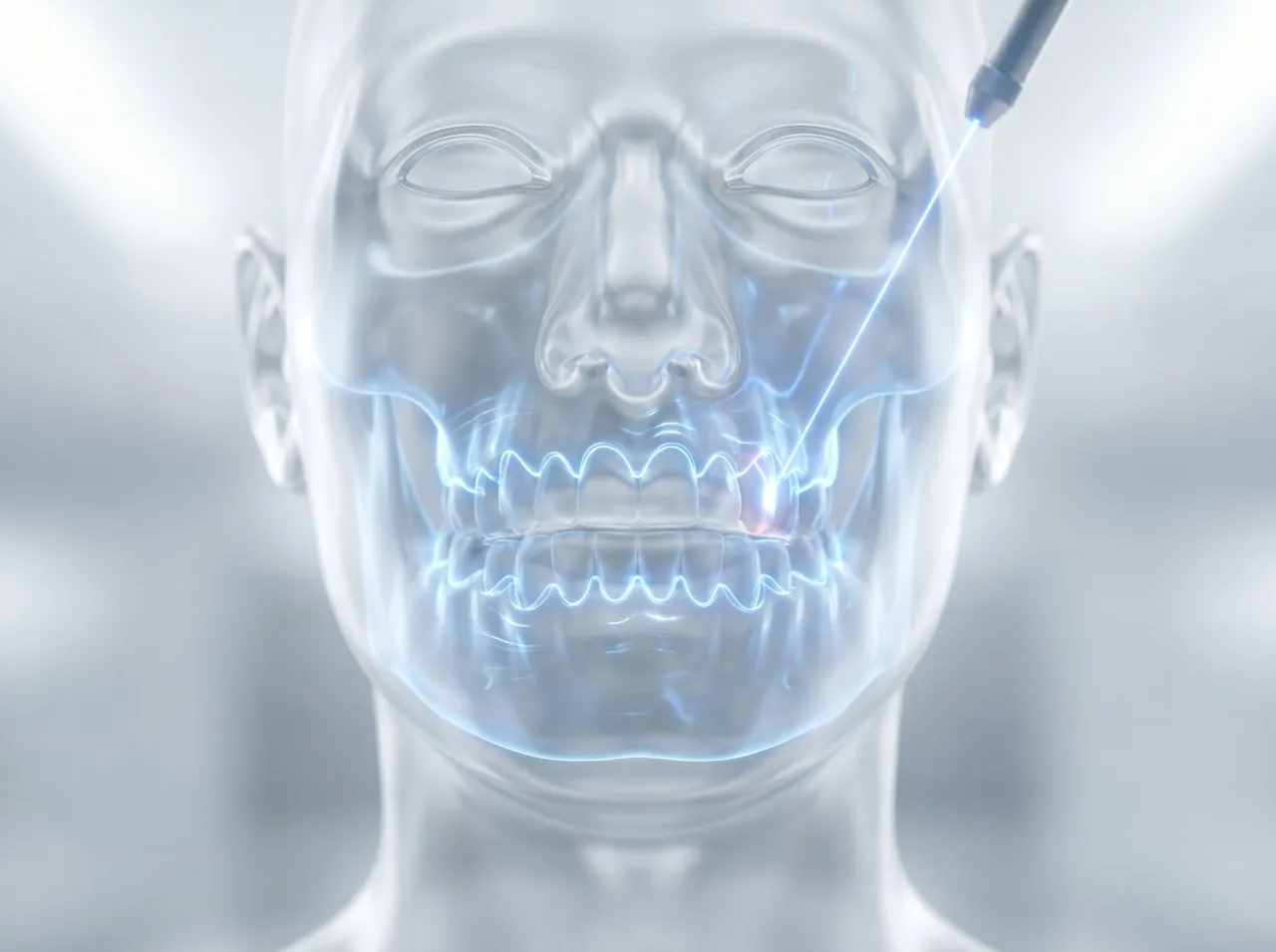
Is laser treatment always possible?
Not every treatment can be carried out with a laser. Large defects, deep decay or complex surgery may require other methods. A laser is a modern tool with a range of uses.
It is also important to have realistic expectations. Laser treatment can make many procedures more comfortable. Careful planning is still necessary.
At Wunschlachen, we start by examining the area. We then decide whether a laser is appropriate and draw up a clear treatment plan.
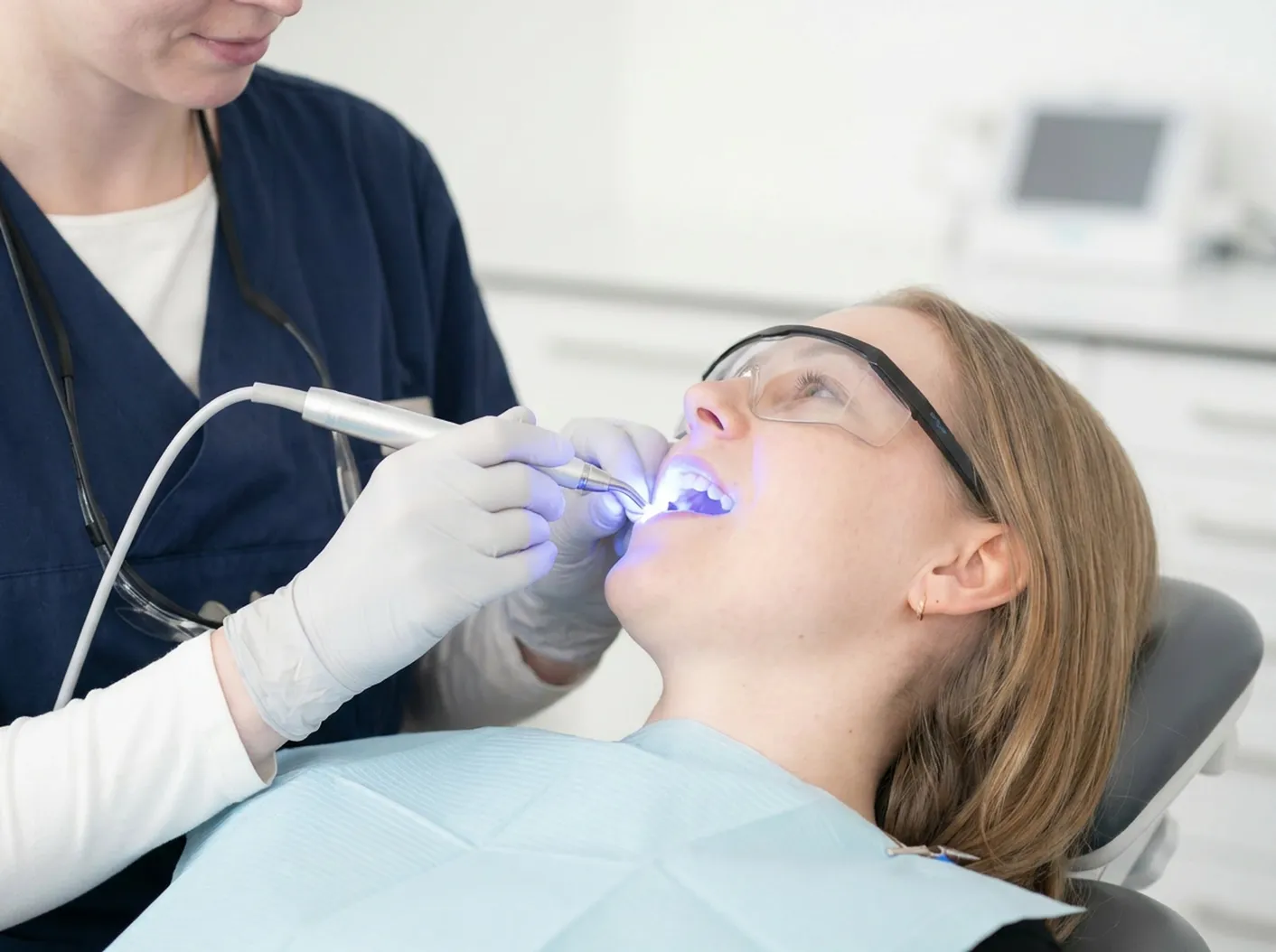
Laser treatment and sedation
Some anxious patients need additional calming support. In certain cases, sedation may be advisable. This applies particularly to longer or more complex treatments.
The laser can be combined with other methods. These include consultations, breaks, anaesthesia or medication to help you relax. The dentist decides which solution is suitable after taking a thorough medical history.
Honest communication is important. Tell us which situations you find particularly stressful. This allows the team to take your needs into account in a targeted way.

Aftercare following laser treatment
Good oral care is important after laser treatment. It supports healing and protects the treated tissue. The dentist explains which care is appropriate.
Depending on the procedure, certain foods may be unsuitable for a short time. Smoking can also interfere with healing. The practice's instructions should therefore be followed carefully.
Follow-up appointments help monitor progress. This allows minor abnormalities to be detected early. This gives anxious patients additional reassurance in particular.
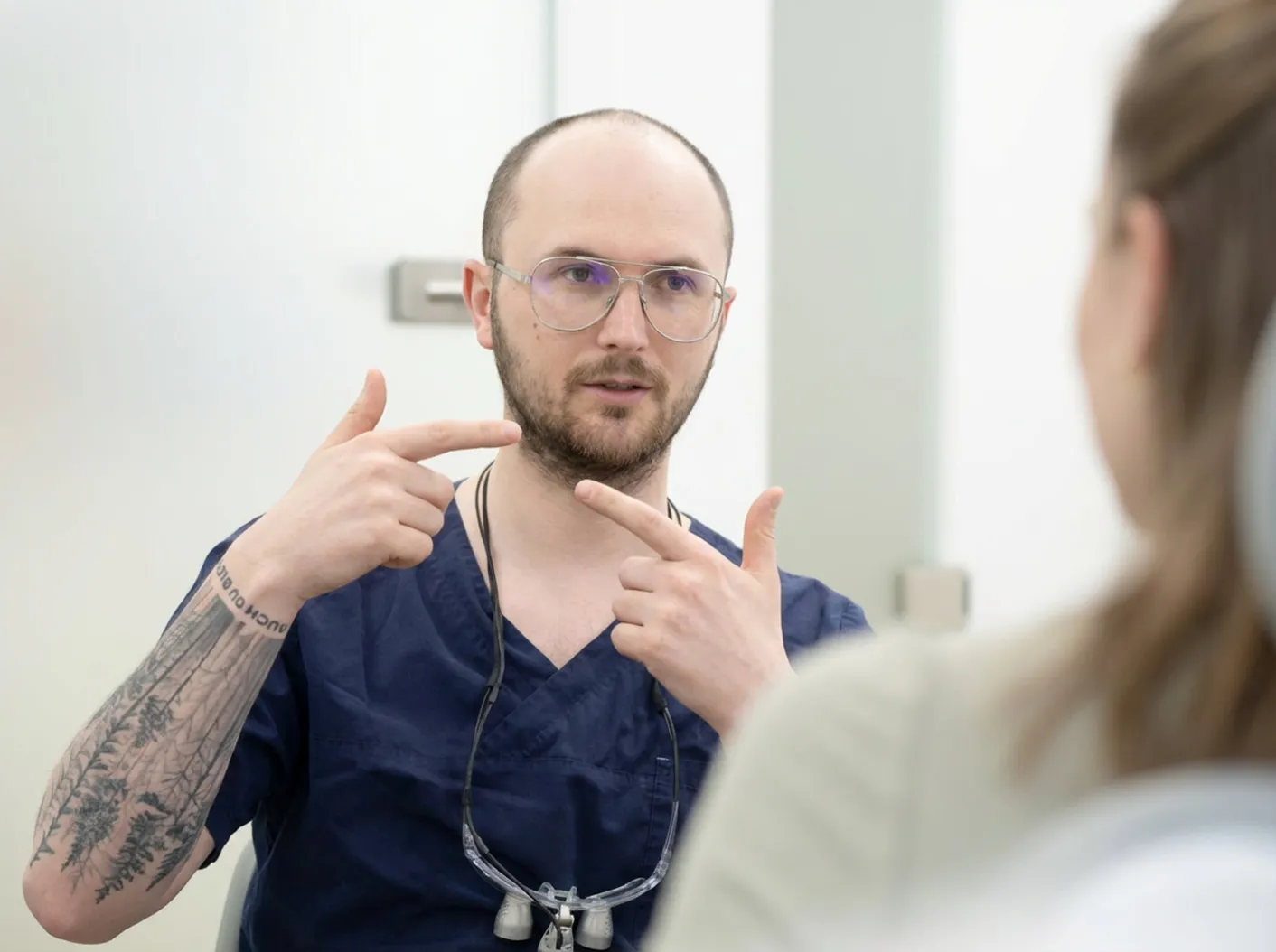
Wunschlachen: compassionate treatment using modern technology
At Wunschlachen, anxious patients are at the heart of what we do. We take concerns seriously and explain every step clearly. Modern laser technology can be a valuable part of this approach.
Our aim is to provide calm and predictable treatment. You should know what is happening and why. This builds trust and reduces uncertainty.
Whether you need treatment for periodontitis, gum problems or a minor procedure, we assess your situation individually. You then receive a clear recommendation. This creates an approach that is both medically sound and comfortable for you.