Lower jaw implants – the risks of the procedure explained
Implants in the lower jaw are a tried-and-tested solution for tooth loss. Nevertheless, patients should be aware of the typical risks. The course of the nerve, bone availability, healing and reliable aftercare are crucial.
Über 350 Google-Bewertungen
Why implants in the lower jaw require careful planning
The lower jaw often has good bone density. At the same time, an important nerve canal runs very close to the implant area. Precise diagnostics before the procedure are therefore particularly important.
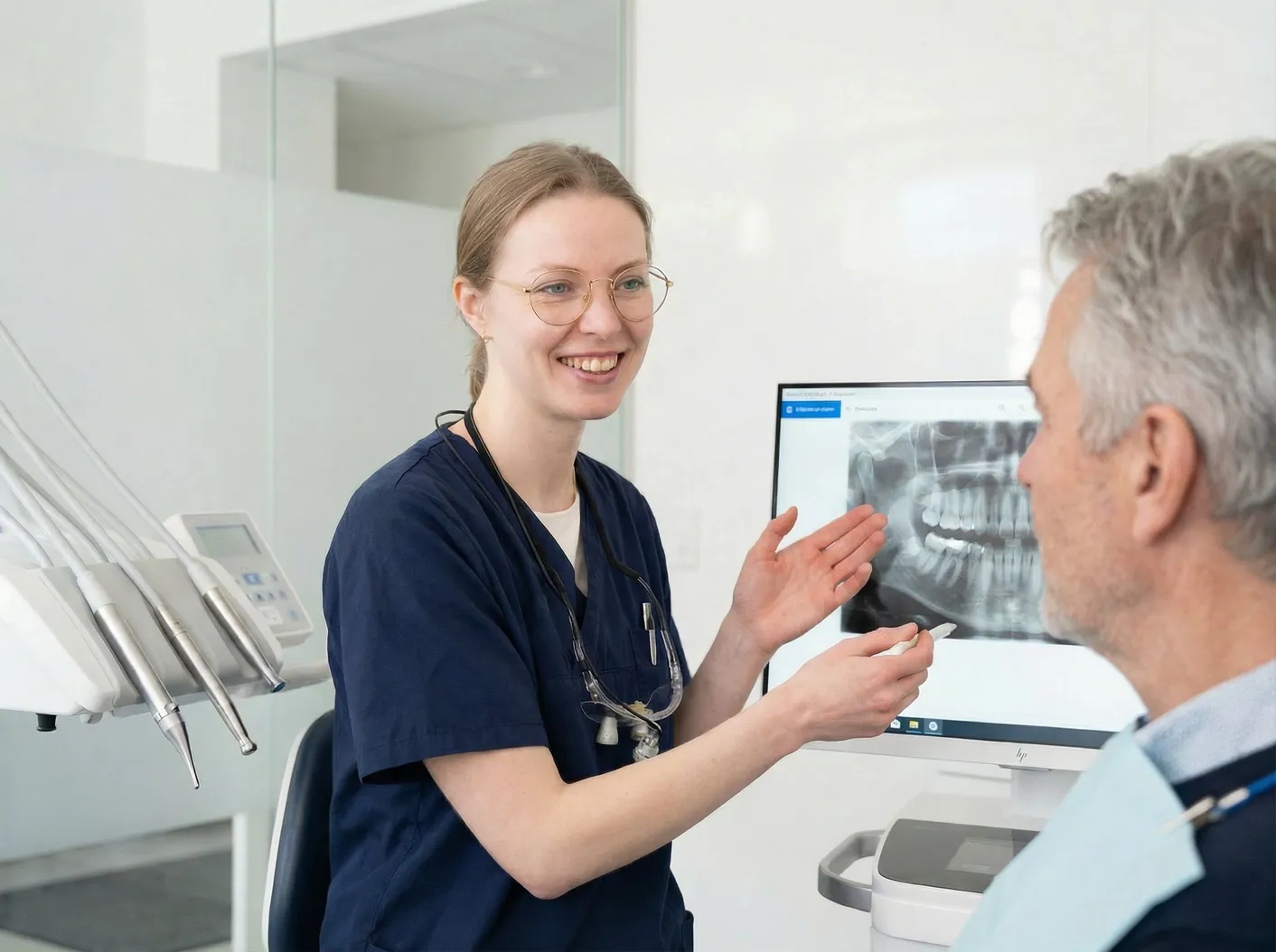
Before treatment, an examination, X-rays and often a three-dimensional scan are carried out. This planning shows the bone height, bone width and position of sensitive structures. This allows the implant position to be determined much more precisely.

What risks exist immediately after the procedure
Mild swelling, bruising and post-operative bleeding are possible after the procedure. A feeling of pressure or discomfort when chewing may also occur. Such reactions are often part of the early healing phase.
The mucous membrane usually heals faster than the bone. Integration into the bone, on the other hand, takes considerably longer. The implant should not be subjected to unnecessary strain during this phase. Keeping the mouth free from inflammation is particularly important.
Nerve injury in the lower jaw as a key risk
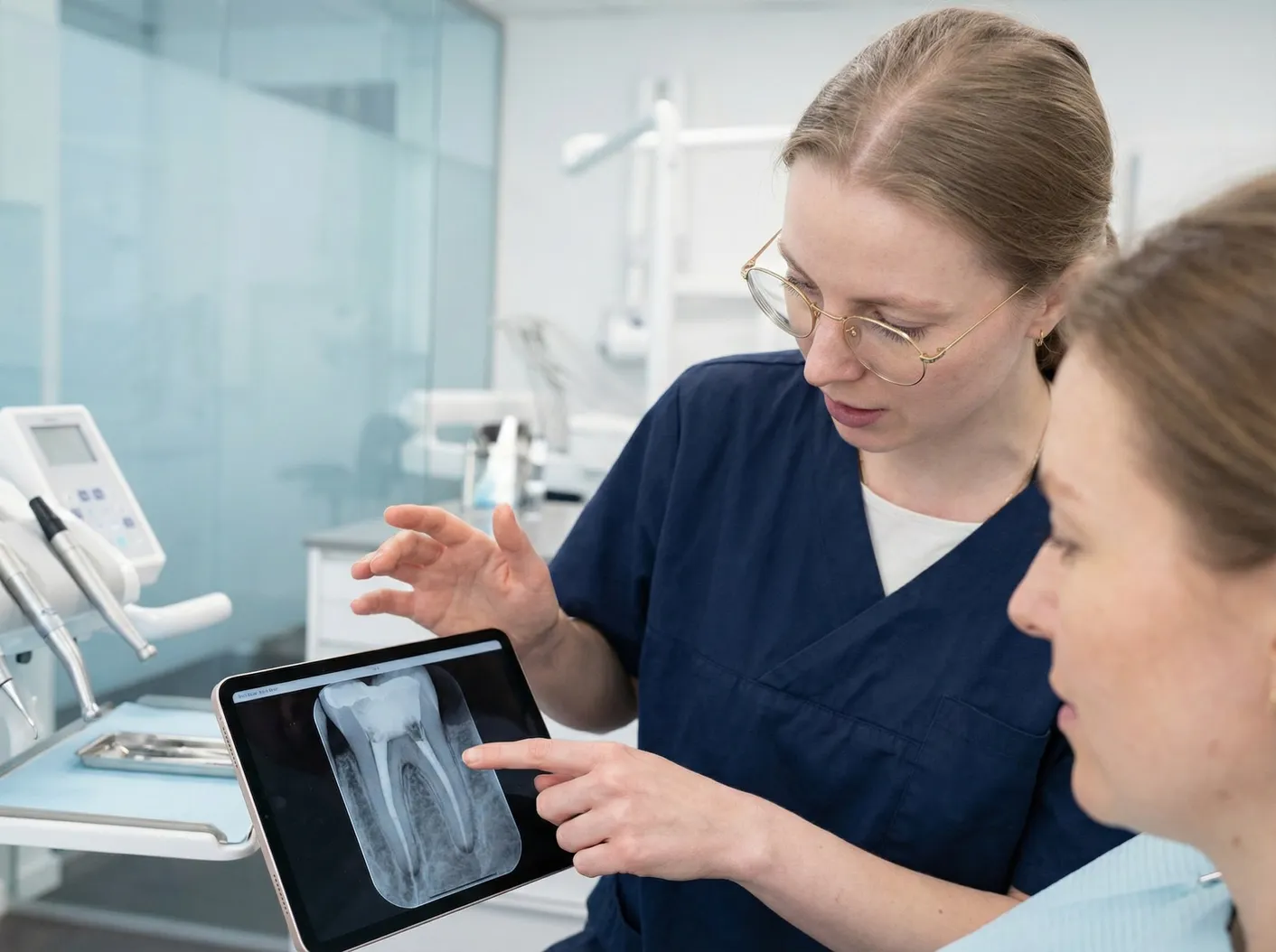
The most important specific risk in the lower jaw concerns the inferior alveolar nerve. It provides sensory supply to the lower lip, chin and parts of the lower teeth. If an implant is positioned too close to the nerve, abnormal sensations may occur.
Typical signs are tingling, numbness or altered sensation. Some patients also report burning or electric shock-like sensations. Such symptoms may be temporary, but require immediate investigation.
The earlier nerve irritation is detected, the better the prognosis. Persistent numbness should therefore never be dismissed as trivial. Experience is particularly important in the molar region of the lower jaw.
Integration and implant loss in the lower jaw
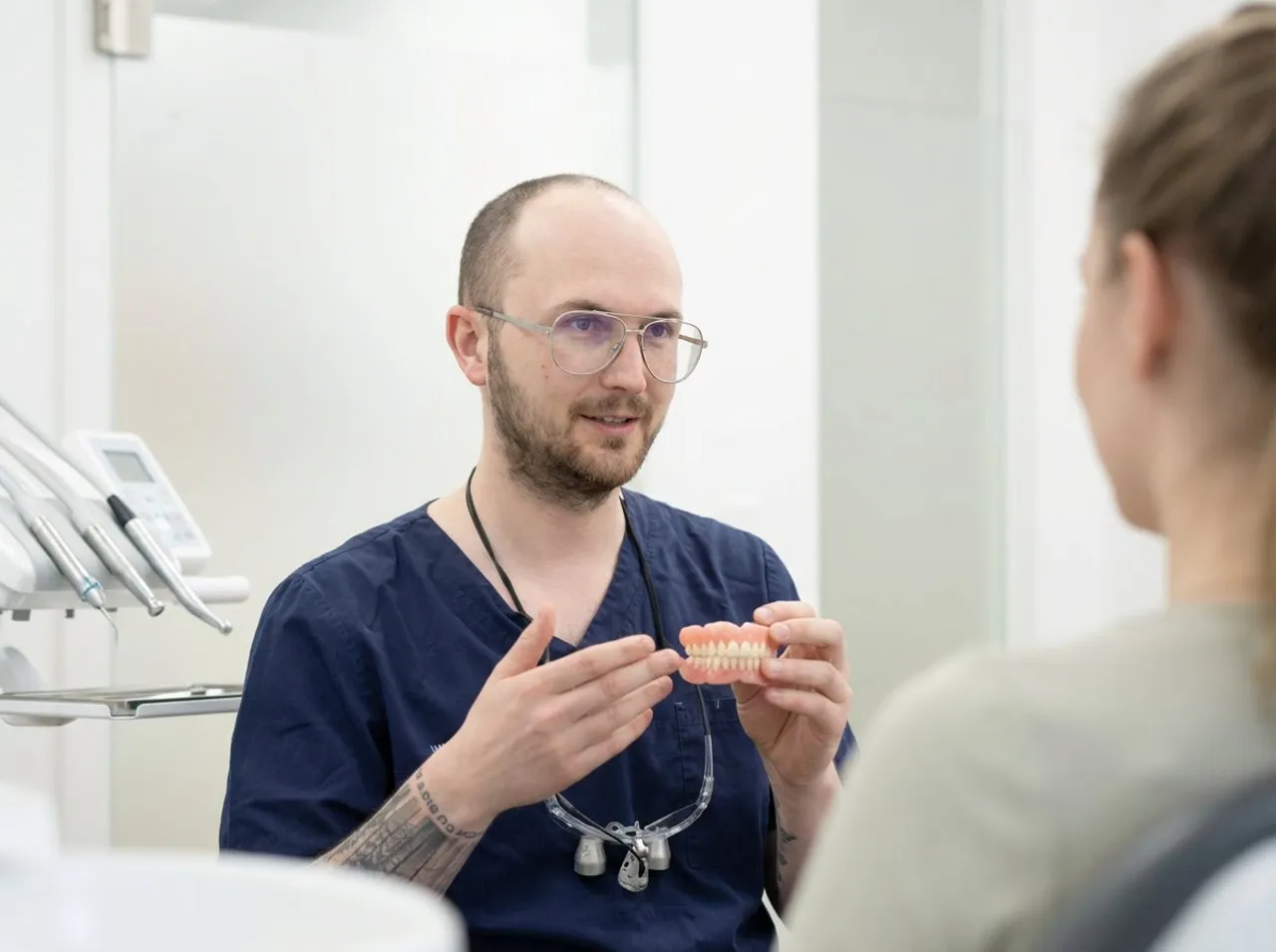
An implant must fuse firmly with the bone. If this osseointegration is unsuccessful, the implant remains loose or causes discomfort. This can result in implant loss.
Possible causes include infection, overloading or impaired wound healing. Insufficient bone availability can also affect stability. If necessary, the bone must be augmented beforehand.
Not every lost implant means the end of treatment. After healing, a new treatment plan is often possible. However, this requires a careful analysis of the causes.
Late risks: inflammation and bone loss
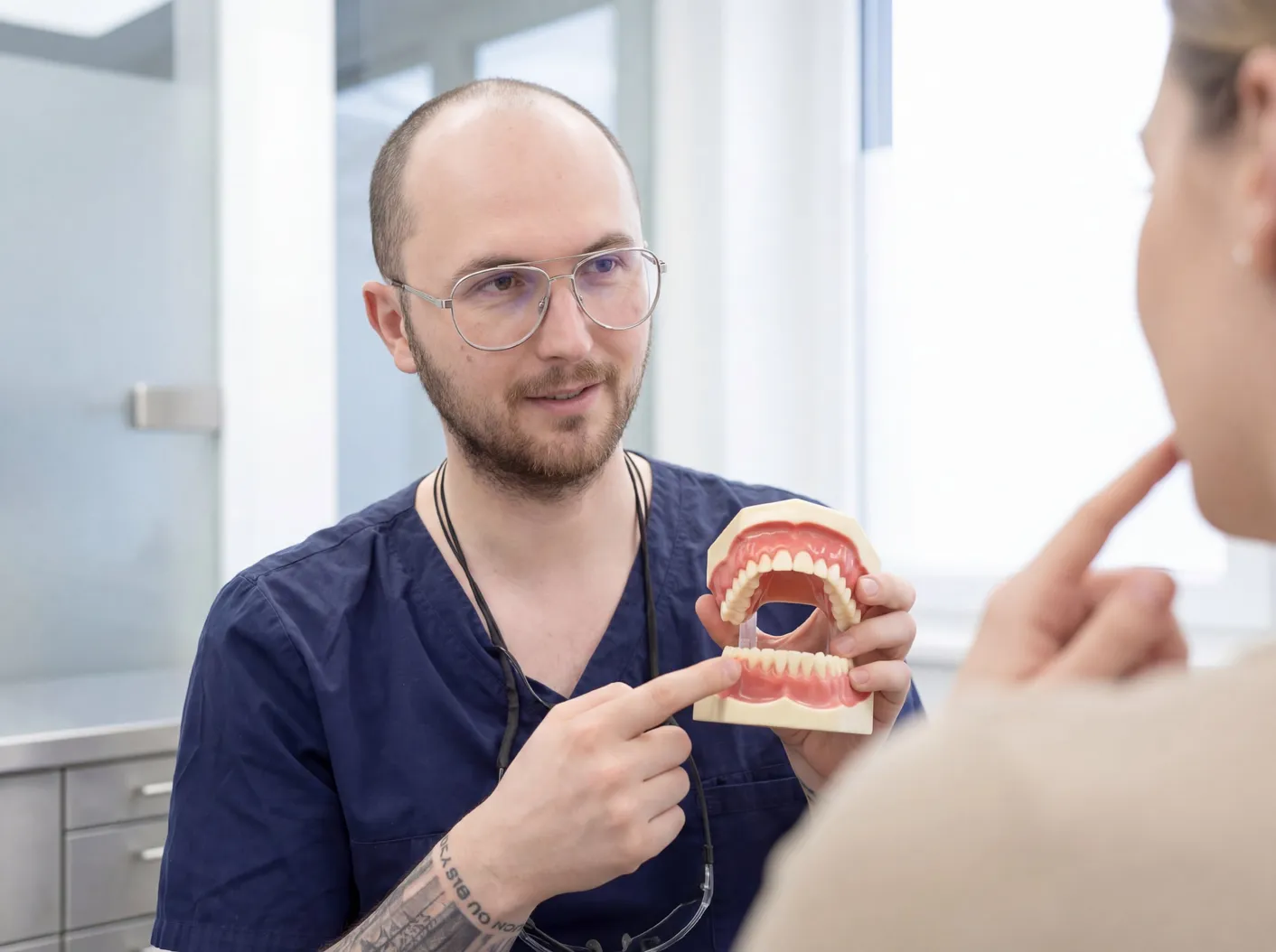
Check-ups remain important after the implant has healed. Inflammation around an implant can affect the soft tissue first, as peri-implant mucositis, and may progress to affect the supporting bone, as peri-implantitis.
Warning signs include bleeding when cleaning, swelling, bad breath or tenderness. Untreated inflammation can lead to gradual bone loss and, in advanced cases, implant loss.
Poor oral hygiene increases the risk. People with a history of periodontitis also need closer follow-up. This applies to the lower jaw and to other areas of the jaw.
Assessing bone availability and loading correctly
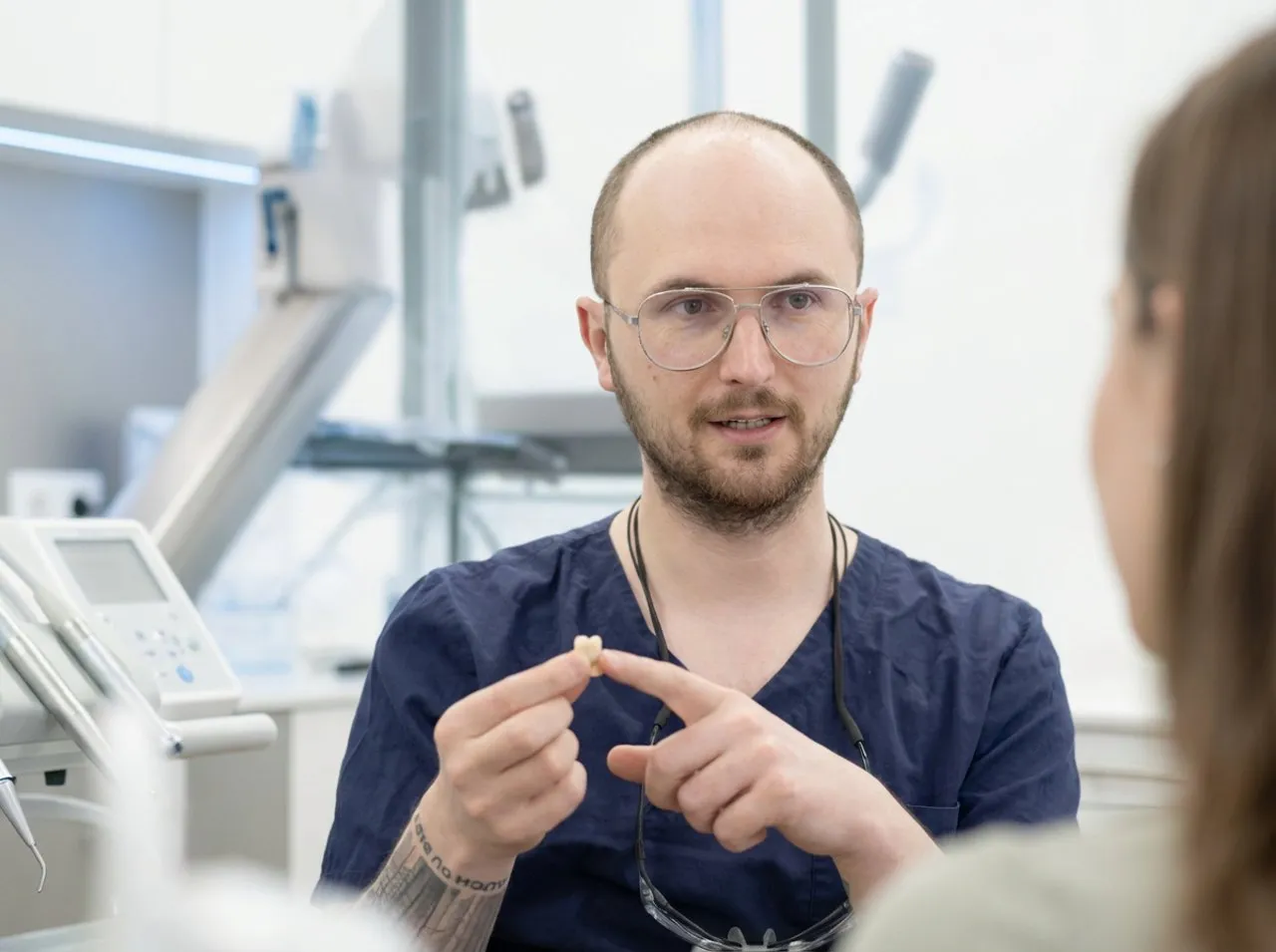
The bone in the lower jaw is often denser than in the upper jaw. This frequently improves the primary stability of the implant. Nevertheless, density is no substitute for careful planning.
If there is insufficient bone height or width, the risk of complications increases. Bone augmentation or a different implant concept may then be advisable. Subsequent loading must also suit the situation.
Excessive chewing forces are also detrimental. This particularly affects patients with bruxism or severe clenching. Splints and adapted prosthetic restorations can help here.

Which factors increase the risk
Smoking adversely affects healing. It reduces the oxygen supply to the tissue and can encourage complications. Stopping smoking before and after implantation is therefore advisable.
Diabetes, teeth grinding and previous periodontitis also require particular attention. These factors can affect healing, loading and long-term stability. A full medical history should therefore always be taken.
Anyone taking medication or with pre-existing conditions should mention this openly. This is particularly important before surgical procedures. Honest preparation significantly improves safety.

How Wunschlachen reduces risks in the lower jaw
At Wunschlachen, every implant plan begins with a detailed analysis. We assess bone availability, bite alignment and the course of the mandibular nerve. Only then is the appropriate treatment concept determined.
Modern imaging, gentle surgical techniques and clear aftercare reduce avoidable risks. Individually tailored hygiene concepts and fixed check-up appointments are equally important. This allows early abnormalities to be detected more quickly.
Patients also benefit from clear, understandable information. After all, good decisions are based on transparency. This provides reassurance before, during and after treatment.

Conclusion
Lower-jaw implants can provide good stability and function. The procedure carries risks, including nerve irritation, problems with healing and inflammation that develops later.
Careful planning can reduce many of these risks. Clinical experience, thorough assessment and regular aftercare help a lower-jaw implant function well over time.