
Milk teeth: development, care and dental visits
Milk teeth support children through important years of their development. They help with chewing and speech, and with healthy jaw development. Good care protects the milk teeth and creates favourable conditions for permanent teeth.
Über 350 Google-Bewertungen
Why milk teeth are so important
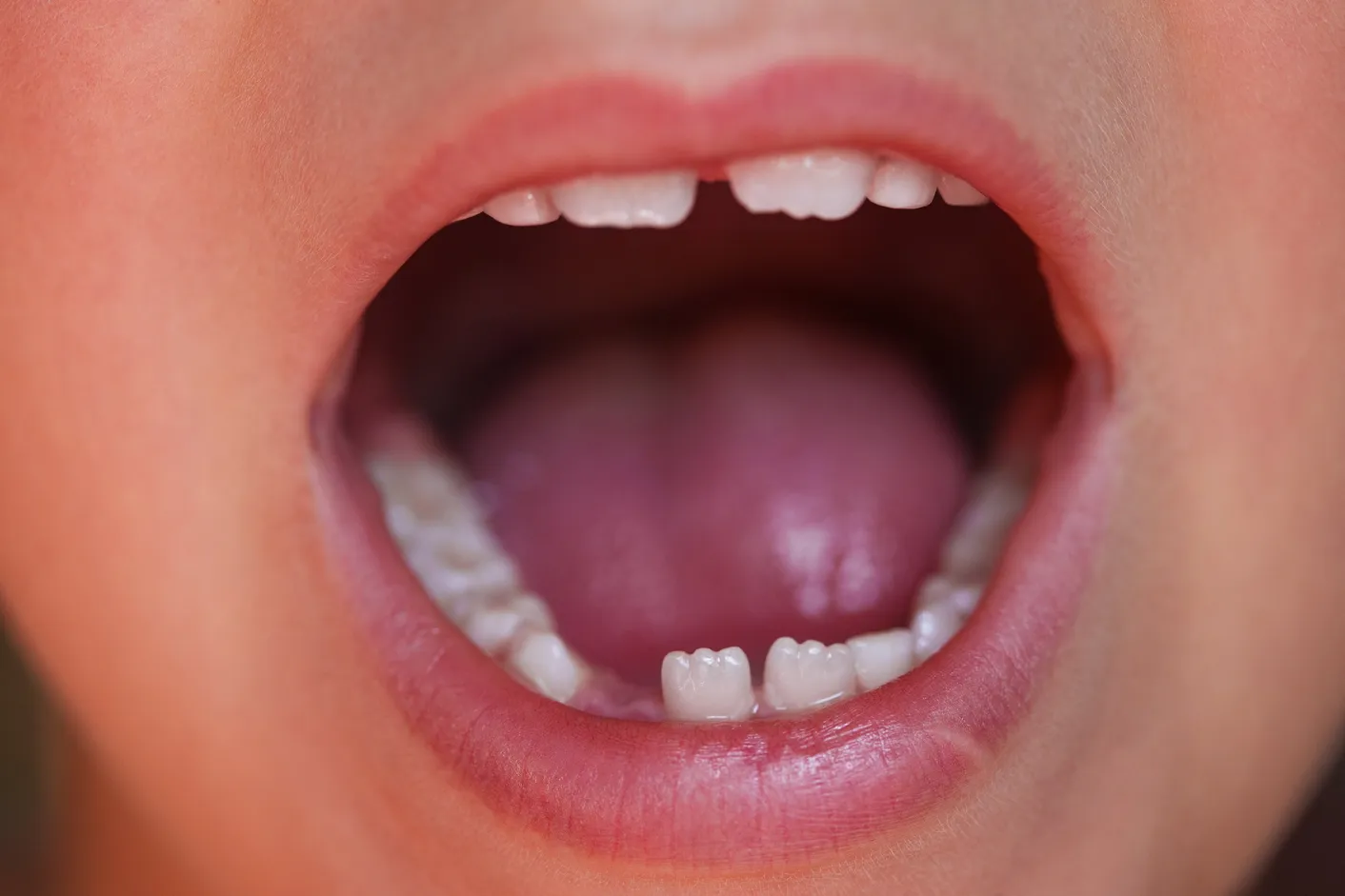
The milk dentition consists of 20 teeth in total. Ten are in the upper jaw and ten in the lower jaw. Every single tooth performs important functions in a child's mouth.
Milk teeth break down food and support clear speech. They also hold space for the permanent teeth that follow them. Losing a tooth early can cause neighbouring teeth to shift.
This can later lead to a lack of space in the permanent dentition. Healthy children's teeth also help them eat comfortably. They therefore support well-being and age-appropriate development.
When do the first milk teeth appear?
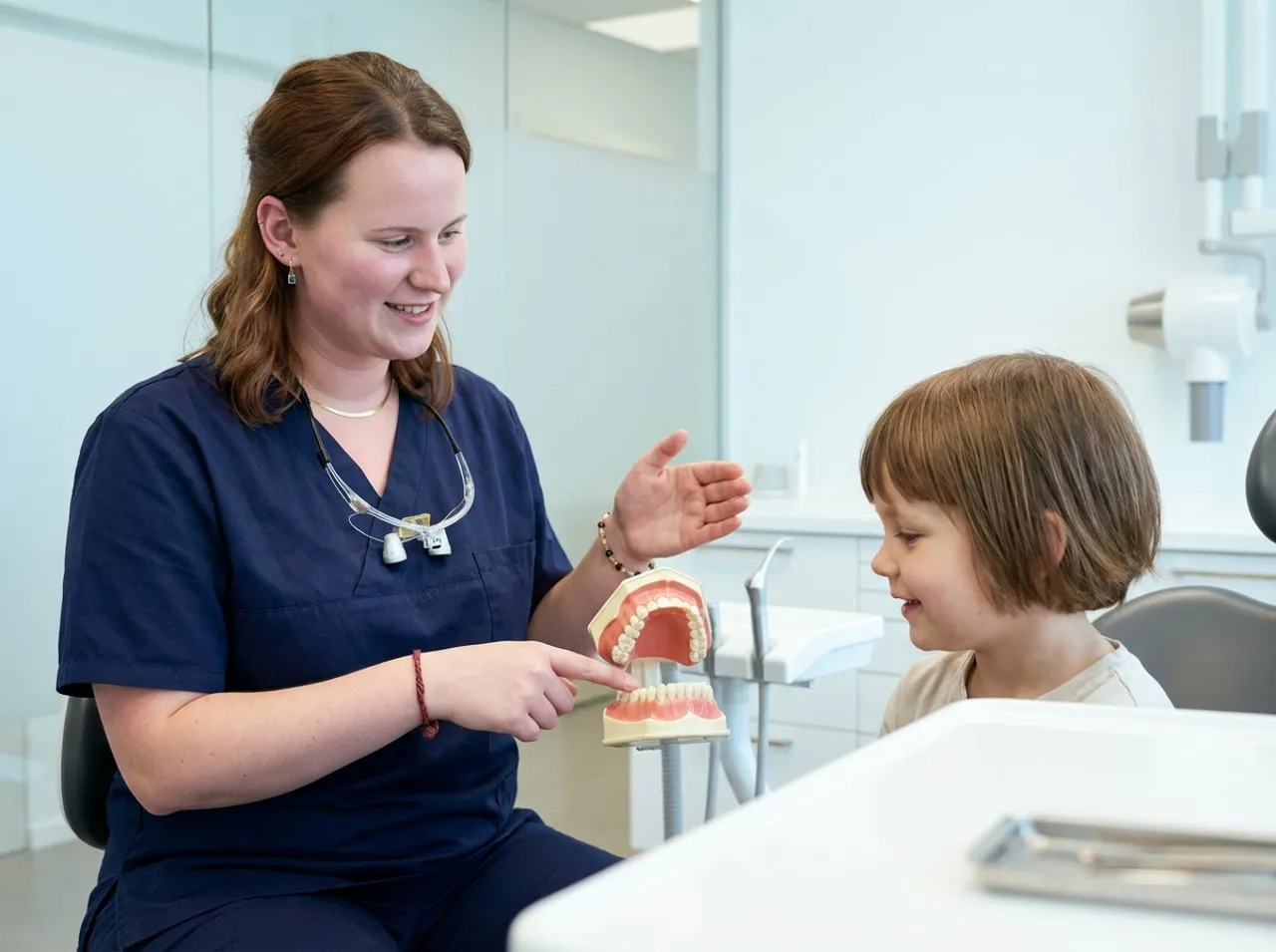
The first teeth usually appear between six and eight months of age. The lower central incisors often erupt first. However, the exact timing varies from child to child.
Further incisors, molars and canines then follow. The milk dentition is usually complete at around two and a half years. Small deviations from the usual sequence are often nothing to worry about.
Teething can cause irritated gums and increased saliva. Some children sleep more restlessly or chew on objects more often. Severe symptoms or a fever should be assessed by a doctor.
Brushing milk teeth properly
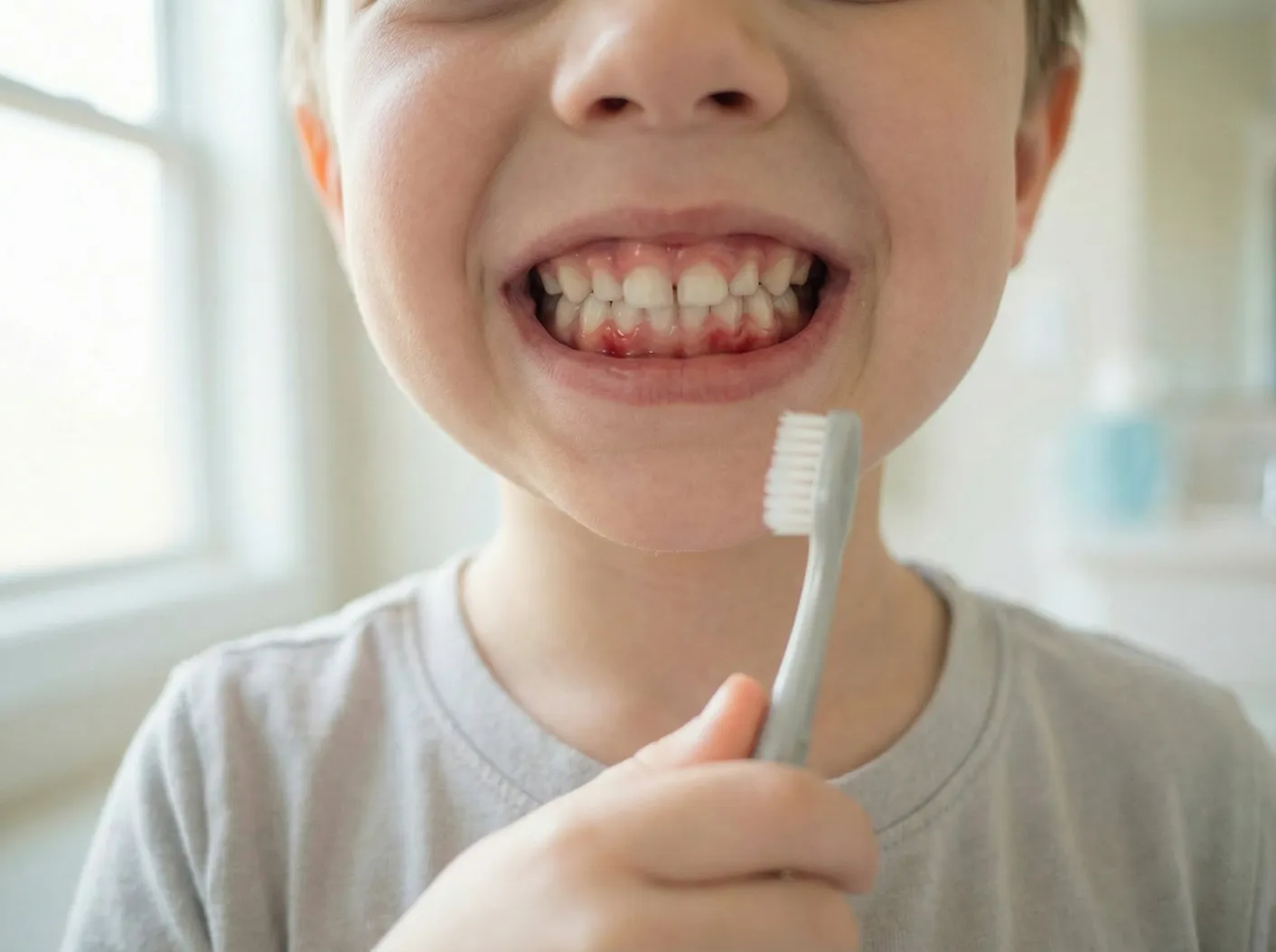
Start caring for your child's teeth as soon as the first one appears. Parents should brush them carefully morning and evening. A soft children's toothbrush suits the small tooth surfaces.
Until their second birthday, a rice grain-sized amount of children's toothpaste is enough. A toothpaste containing 1,000 ppm fluoride is recommended. From age two, a pea-sized amount is usually used.
Children can try brushing for themselves from an early age. Parents should go over their teeth thoroughly for them until they are of primary school age. Pay particular attention to the chewing surfaces and the spaces between teeth.
Following the same order makes the daily routine easier. The KAI method covers the chewing surfaces, the outer surfaces and the inner surfaces. Praise and playful routines can help children stay motivated.
Preventing tooth decay in milk teeth
The enamel on baby teeth is thinner than on permanent teeth, so decay can spread faster. Early changes often go unnoticed for some time.
Frequent sugary snacks expose teeth to more harmful acid attacks. Sweet drinks from bottles also put teeth at risk. Water and unsweetened tea are better choices for quenching thirst.
The total amount of sugar is only part of the picture. Frequent small amounts can also increase the risk of decay. Breaks between meals give saliva time to help remineralise the teeth naturally.
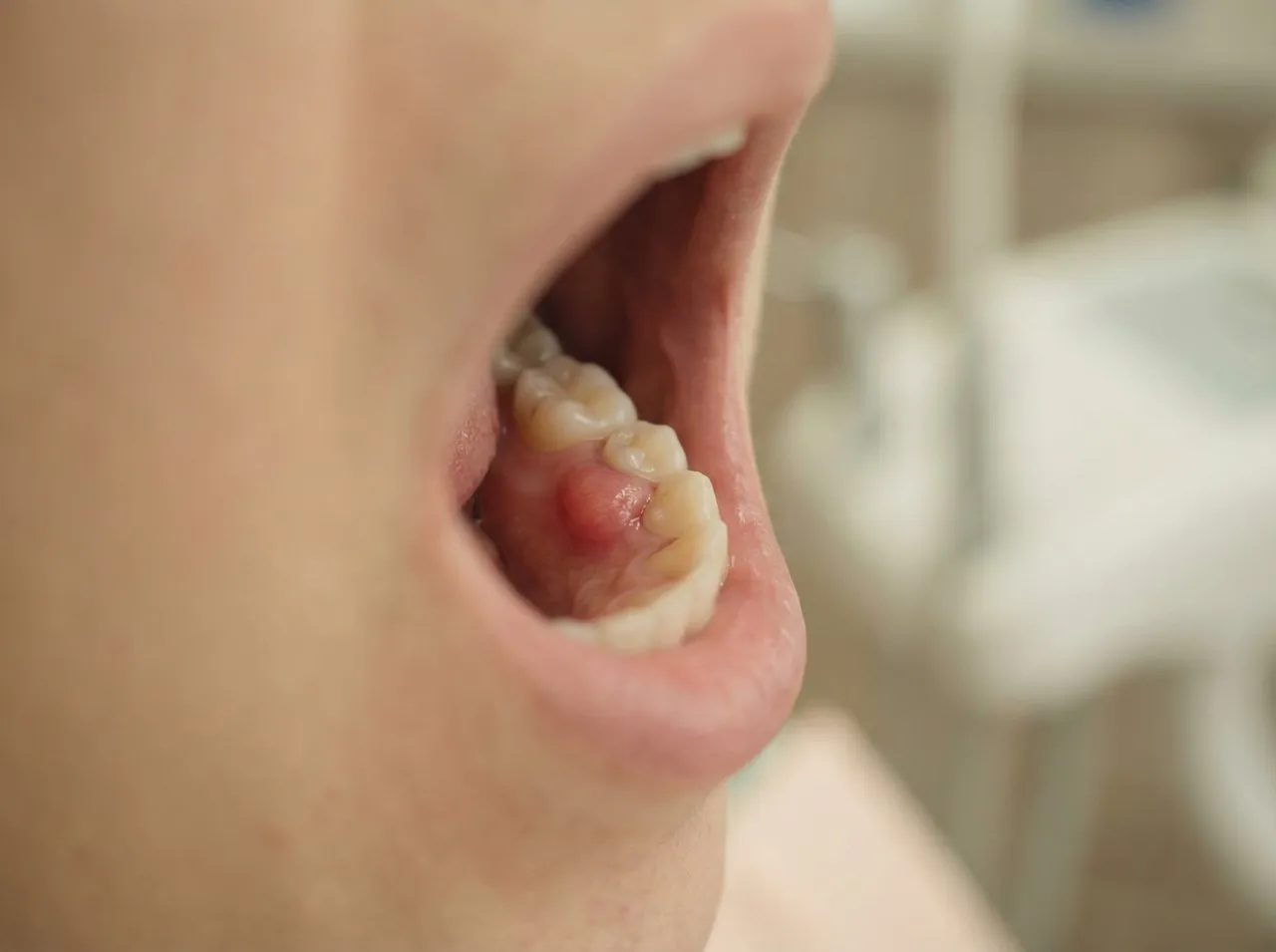
White, chalky patches can be an early sign of decay. Dark areas or visible damage can develop later. A dentist should check these changes promptly.

Why milk teeth with tooth decay need treatment
Tooth decay in the milk dentition should not simply be left untreated. Affected teeth can become sensitive or develop inflammation. Chewing function can also be significantly impaired.
Inflammation can affect the surrounding tissue. It can also impair the development of permanent teeth. Early treatment preserves as much healthy tooth tissue as possible.
Different treatments may be appropriate depending on the findings. Options include fluoride applications, fillings or child-friendly crowns. Severely damaged milk teeth sometimes require further measures.
The first dental visit
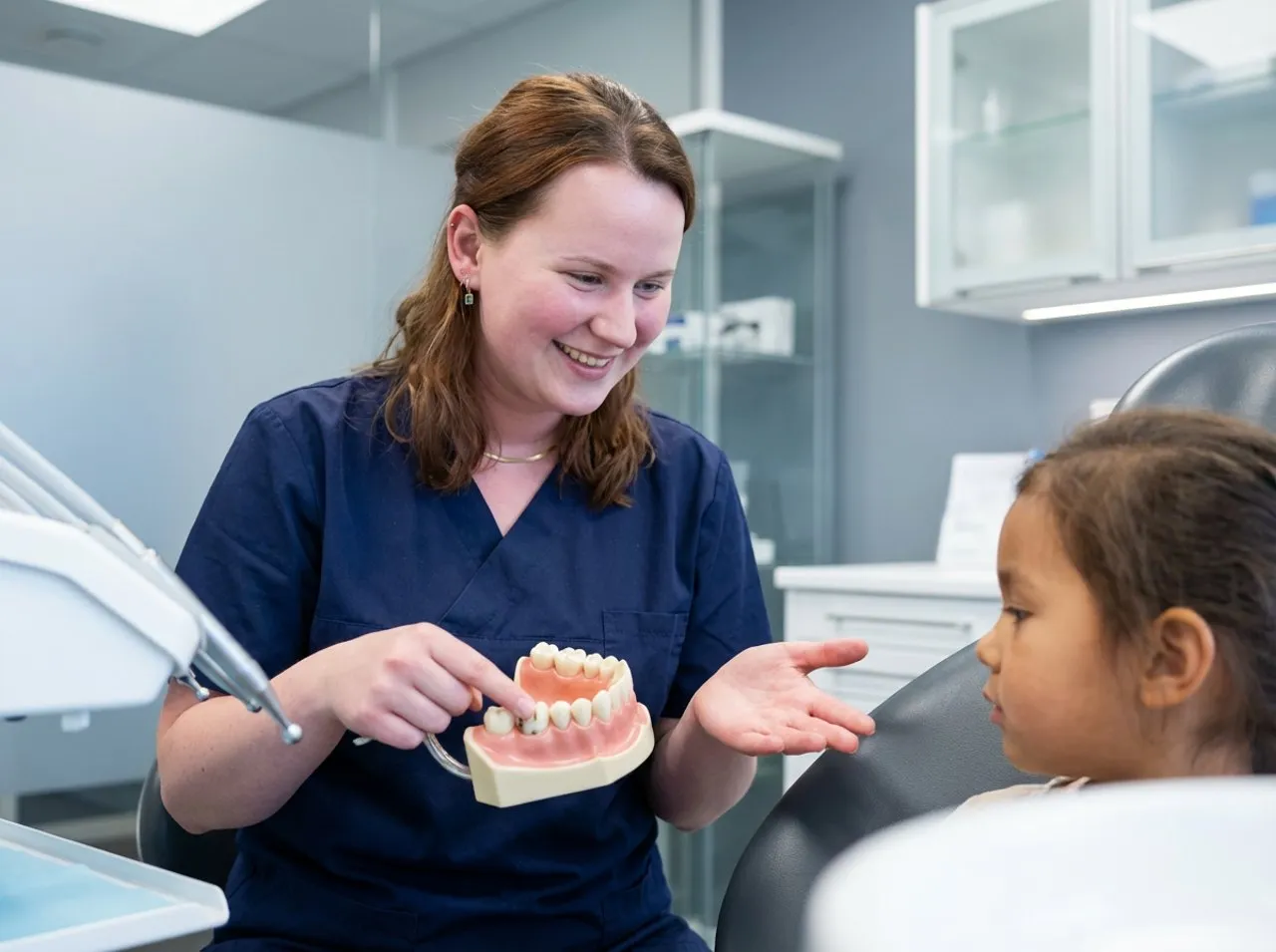
The first appointment is advisable once the first milk tooth appears. This allows the child to become familiar with the practice early on. At the same time, parents receive individual guidance on care and diet.
Regular dental check-ups help monitor tooth development. The teeth, gums and jaws are examined. Sucking habits and fluoride use can also be discussed.
An early visit often prevents distressing emergency appointments. Children initially experience the surroundings without any acute discomfort. This helps build trust and positive habits.
At Wunschlachen in Berlin, we take our time with young patients. We explain every step clearly and in an age-appropriate way. Parents are closely involved in their child's care.

Dummies, thumbs and tooth alignment
Sucking helps soothe many babies and toddlers. Prolonged, vigorous sucking can affect the position of the teeth and the development of the jaws. This applies to dummies and thumb-sucking alike.
As children get older, the habit should be reduced gradually. Giving it up early may help the teeth develop naturally. Pressure or shaming rarely helps.
An open bite may be linked to prolonged thumb-sucking. If the teeth remain out of alignment, arrange a dental check-up. An orthodontic assessment can follow if needed.
Calm routines make it easier for many children to give up the habit. Parents can begin by limiting the dummy to certain situations. The dental team can suggest approaches that fit family life.

Dental injuries to milk teeth
Falls in young children often affect the front milk teeth. A tooth can become loose, be displaced or break. Even minor injuries should be checked by a dentist.
Parents should not try to put a knocked-out milk tooth back in themselves. This could injure the developing permanent tooth. Further treatment depends on the findings and the child's age.
For bleeding, gentle pressure with a clean compress can help. External cooling can limit swelling. The dental practice should then be contacted promptly.

Tooth transition and loose milk teeth
The tooth transition usually begins around the age of six. The roots of the milk teeth gradually dissolve. This makes the teeth loose, and they eventually fall out.
Loose teeth can usually be allowed to fall out on their own. Pulling hard is generally not necessary. If symptoms persist, the dentist should examine the tooth.
Sometimes a permanent tooth appears behind the milk tooth. This so-called double row is not uncommon in children. A check-up will show whether further action is needed.
Healthy milk teeth at Wunschlachen
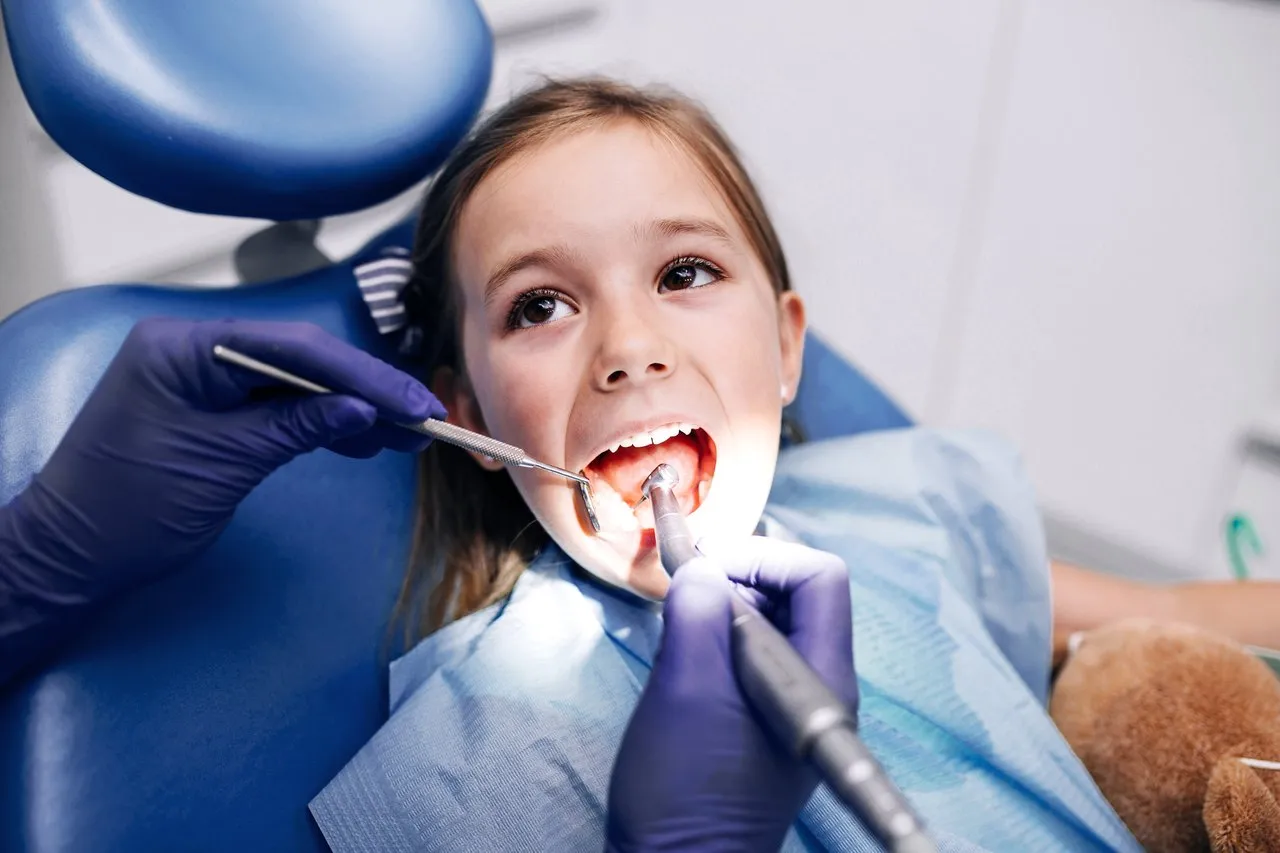
Healthy milk teeth need care, a suitable diet and regular check-ups. Routines learnt early often last into adulthood. Parents provide the most important foundation for this every day.
Wunschlachen supports families from the first tooth through to the tooth transition. Our team provides clear, individual and child-friendly advice. Book an appointment for your child's next preventive check-up.