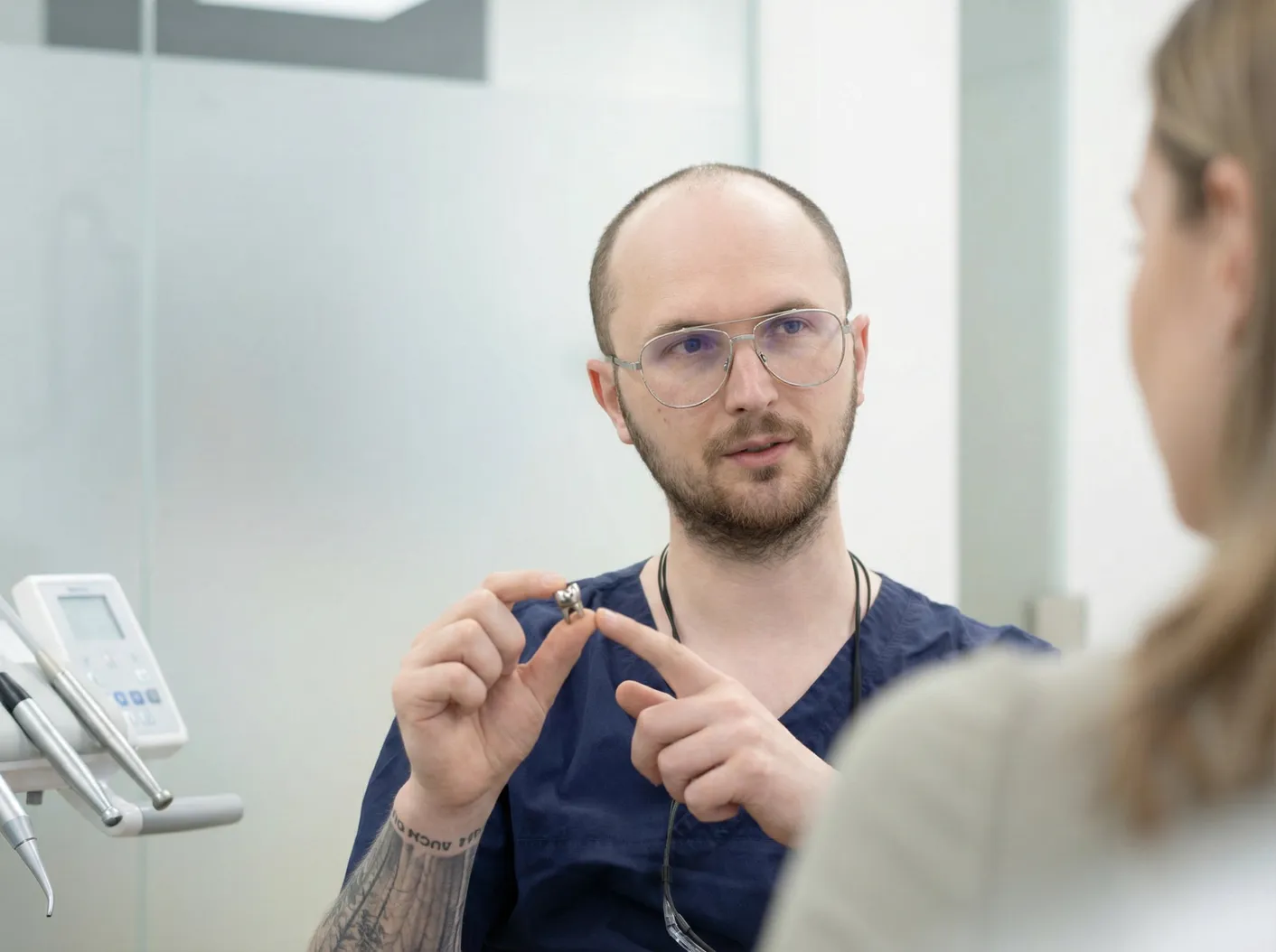
New crown feels strange: What should I do?
A new crown may initially feel unfamiliar, higher or wider. It often takes a few days for your mouth to adjust. If the discomfort persists, the crown should be checked by a dentist.
Über 350 Google-Bewertungen
Why does a new dental crown feel strange?
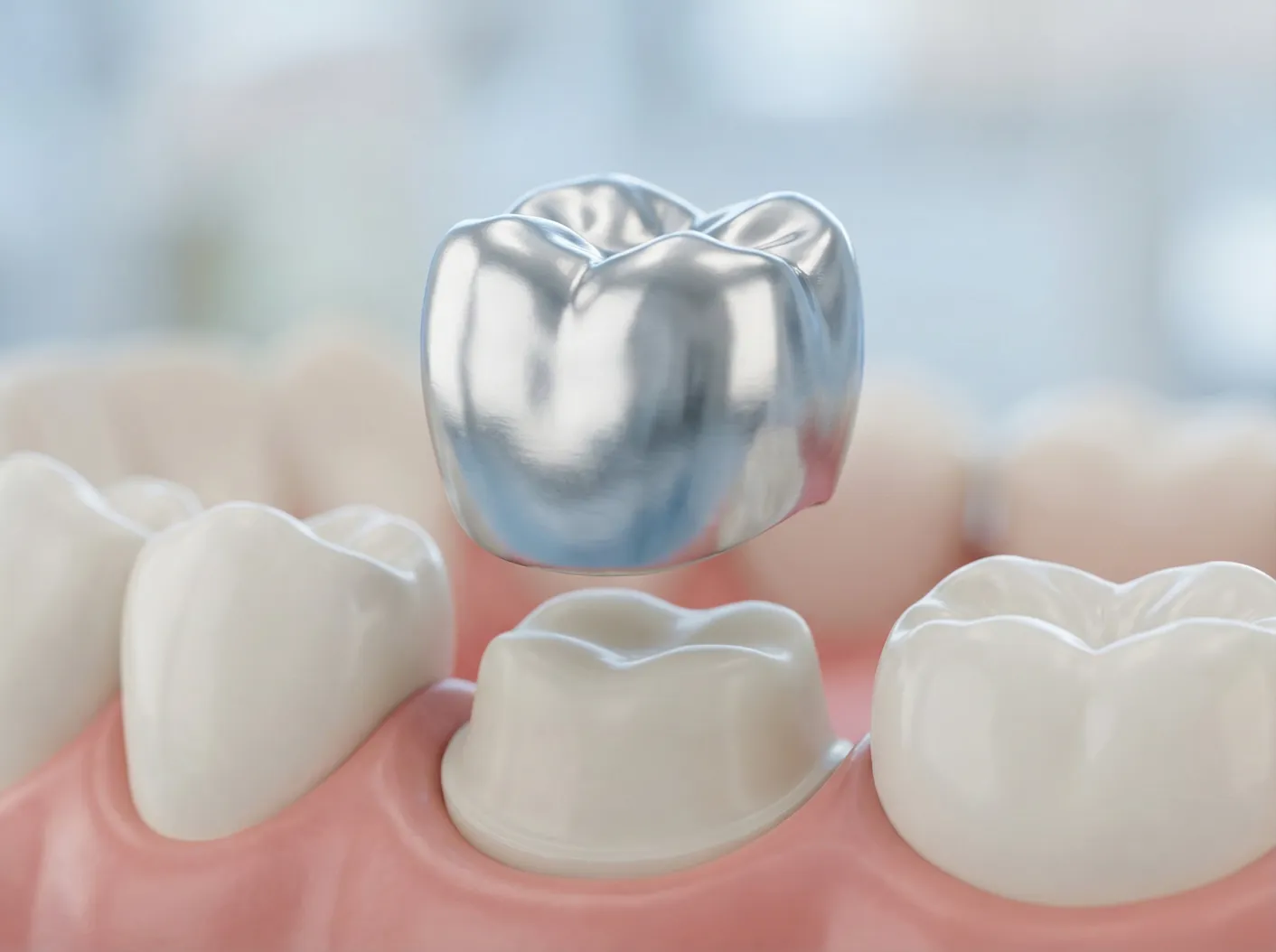
A crown replaces missing tooth structure and therefore changes the surface you are used to. Your tongue, cheeks and chewing muscles detect even the smallest differences. This means that even a well-fitting crown may initially feel noticeable.
Its shape also affects the new sensation in your mouth. A crown may seem smoother, more angular or fuller. Your tongue in particular often explores the new dental restoration unconsciously.
The gums may also be slightly irritated after treatment. Temporary sensitivity to cold is also possible. However, these reactions should gradually settle down.
How long does it take to get used to a crown?
Many patients get used to a new crown within a few days. The exact time depends on the tooth treated. The material, shape of the crown and how it feels to you also matter.
On front teeth, changes in shape or surface are particularly noticeable. With back teeth, you are more likely to notice where the crown meets the opposing tooth when chewing. An even bite should still feel natural.
Watching and waiting is only suitable for mild changes. Marked pressure or worsening symptoms should be checked promptly. Do not wait weeks in the hope that they will improve on their own.
New crown feels too high
A crown that is too high touches the opposing tooth before the other teeth. This creates a troublesome premature contact when biting down. The entire bite often suddenly feels misaligned.
Typical signs include pressure when chewing or biting down on one side. Some patients automatically avoid the affected side. This can place additional strain on the chewing muscles and jaw joints.
A small correction can usually even out the contact precisely. To do this, the dentist checks the bite with thin marking foil. Only the troublesome area is then carefully adjusted.
Never grind down a crown yourself. This can damage its surface, shape and stability. A professional check-up protects both the crown and the opposing tooth.
Differences between a temporary and a permanent crown
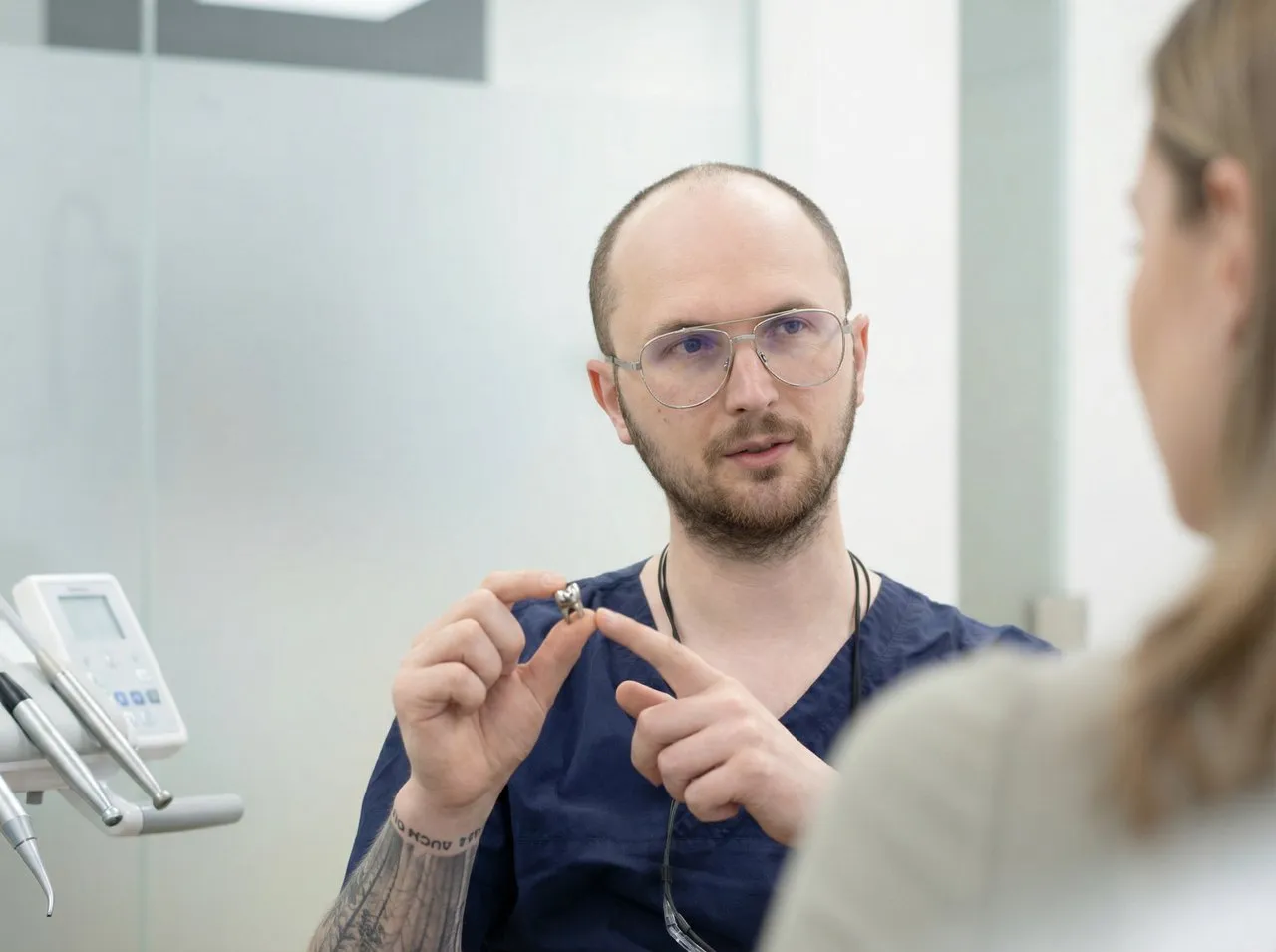
A temporary crown may feel different from the permanent crown. It protects the tooth while the crown is being made in the laboratory. Its surface and contact points are often less finely finished. Nevertheless, it must not significantly interfere with your bite.
The permanent restoration is fitted to the dental arch and opposing teeth. After fitting it, the dentist checks all contact surfaces.
Digital procedures are no substitute for feedback from the patient. Therefore, describe exactly which movement triggers the discomfort.
If the strange sensation only occurs when chewing sideways, a contact may be involved. If there is persistent pressure, the shape and margin are examined more closely.
Crown feels too wide or too thick
A new crown sometimes feels too wide at the sides. Food can collect where it meets the neighbouring teeth and floss may be difficult to pass through.
Very tight contacts can irritate the gums. Contacts that are too loose can trap food. Both can be checked at the dental practice.
A crown can also feel bulky on the cheek or tongue side. Small differences in shape can feel pronounced at first. If the sensation stays the same, arrange a follow-up check.
Sensitive tooth after fitting
The tooth may be temporarily sensitive after the crown is fitted. Cold, pressure or sweet foods may briefly cause discomfort. This is particularly true if the tooth nerve is still vital.
The sensitivity should decrease over time. More severe, persistent or night-time discomfort, on the other hand, needs to be investigated. Possible causes include an incorrect contact or irritation of the tooth nerve.
The crown margin and surrounding gums are also examined. The dentist checks the fit, seal and whether the area can be cleaned properly. Further diagnostic steps may follow if necessary.

When should the new crown be checked?
A check-up is advisable if your bite seems significantly altered. The same applies to pain while chewing. A loose crown also requires a prompt examination.
Other warning signs include swelling, throbbing discomfort or persistent sensitivity to cold. An unpleasant taste can also indicate a problem. Such symptoms should not simply be observed.
Sharp edges can irritate the tongue or cheek. They can often be smoothed and polished quickly. The crown should then fit comfortably back into the dental arch.
What happens at the follow-up appointment?
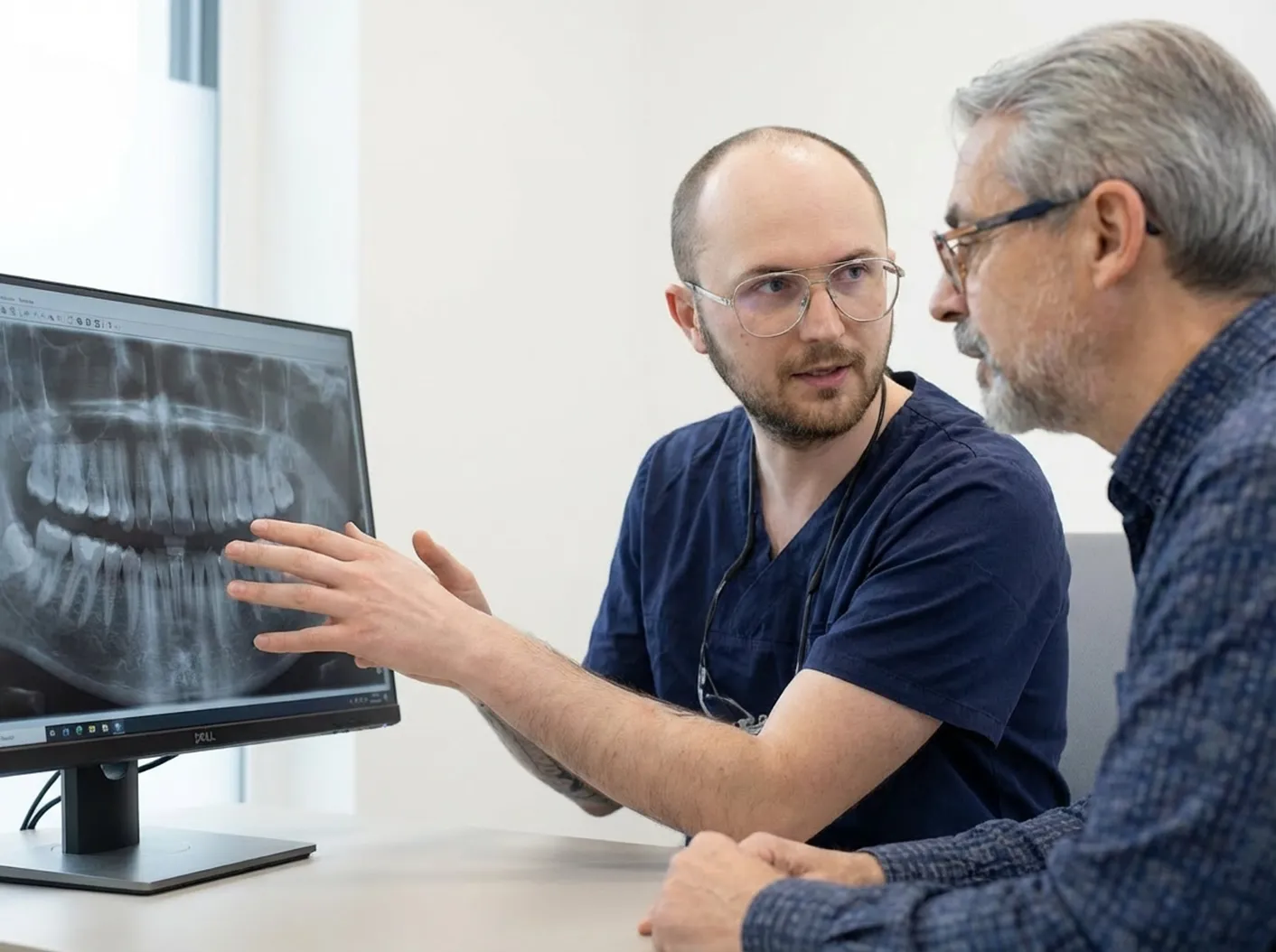
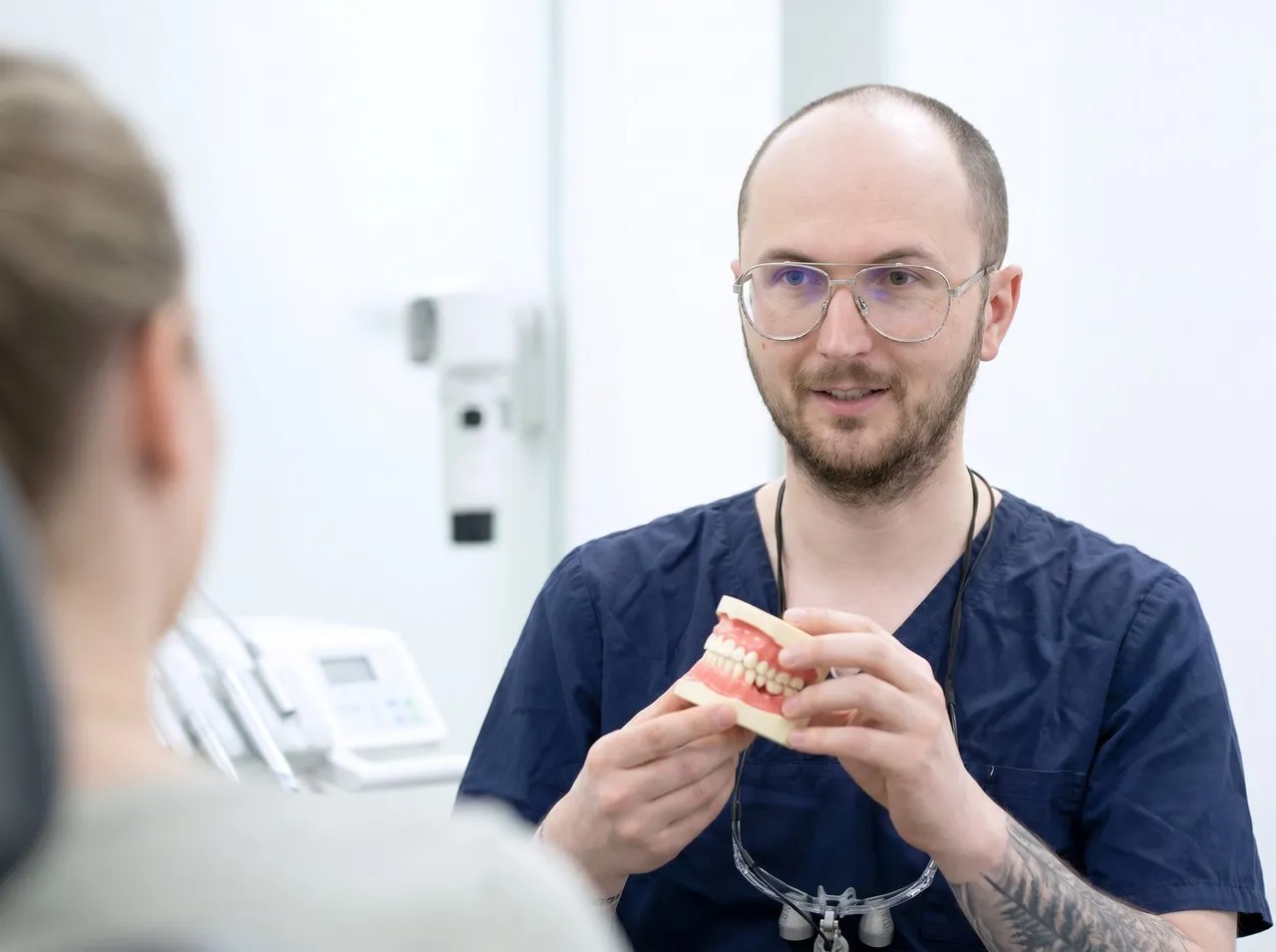
First, describe exactly when the strange sensation occurs. The treatment team then checks the crown, neighbouring teeth and gums. The contacts during chewing are also checked. Marking foils reveal areas of stress on the chewing surface.
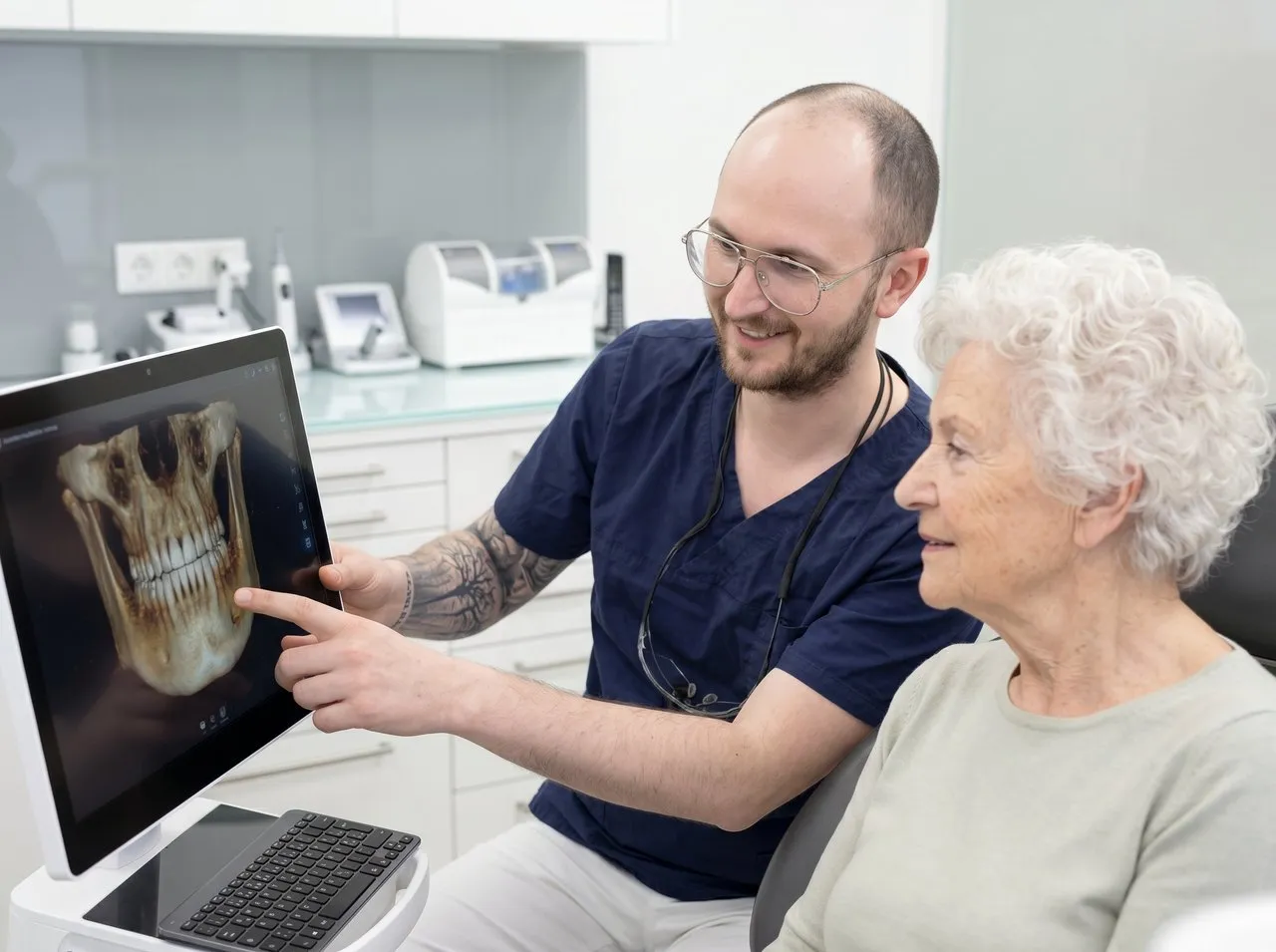
Dental floss helps to assess the side contact points. An X-ray may be useful if the cause of the discomfort is unclear. Not every new crown needs to be altered. Sometimes the fit is correct and the sensation returns to normal. However, the examination provides reassurance and prevents lasting excessive strain.
Caring for a new crown properly
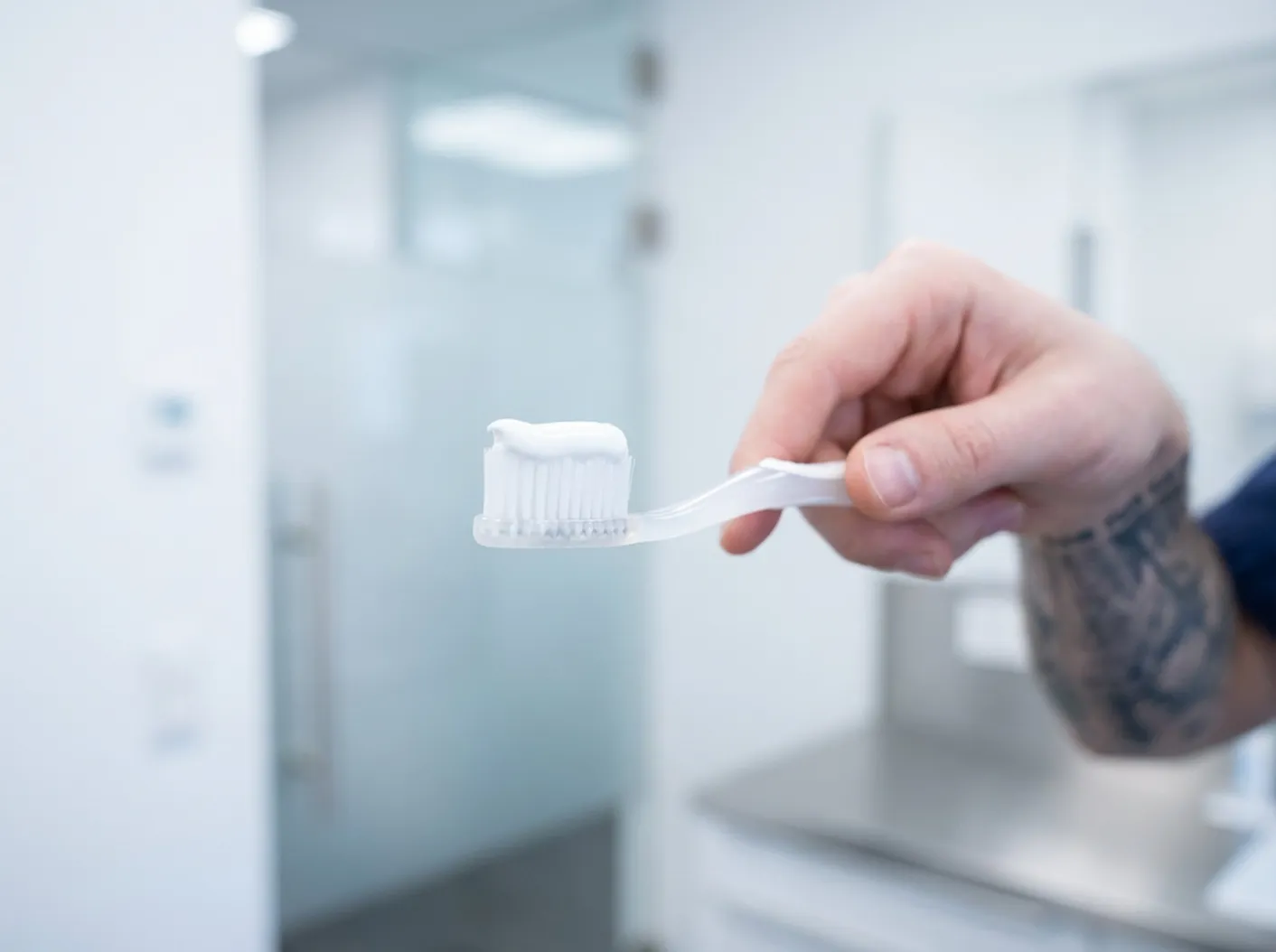
A crown needs the same careful care as natural teeth. Brush twice a day with fluoride toothpaste. Also clean the areas between your teeth.
Dental floss or interdental brushes are particularly important for protecting the crown margin. Bacterial plaque and food debris can collect there. We are happy to discuss a suitable cleaning technique with you in person.
Avoid putting very heavy pressure on the new restoration at first. Pay attention to your bite, gums and sensitivity to temperature. Any noticeable changes should be raised early.
Check-up at Wunschlachen in Berlin
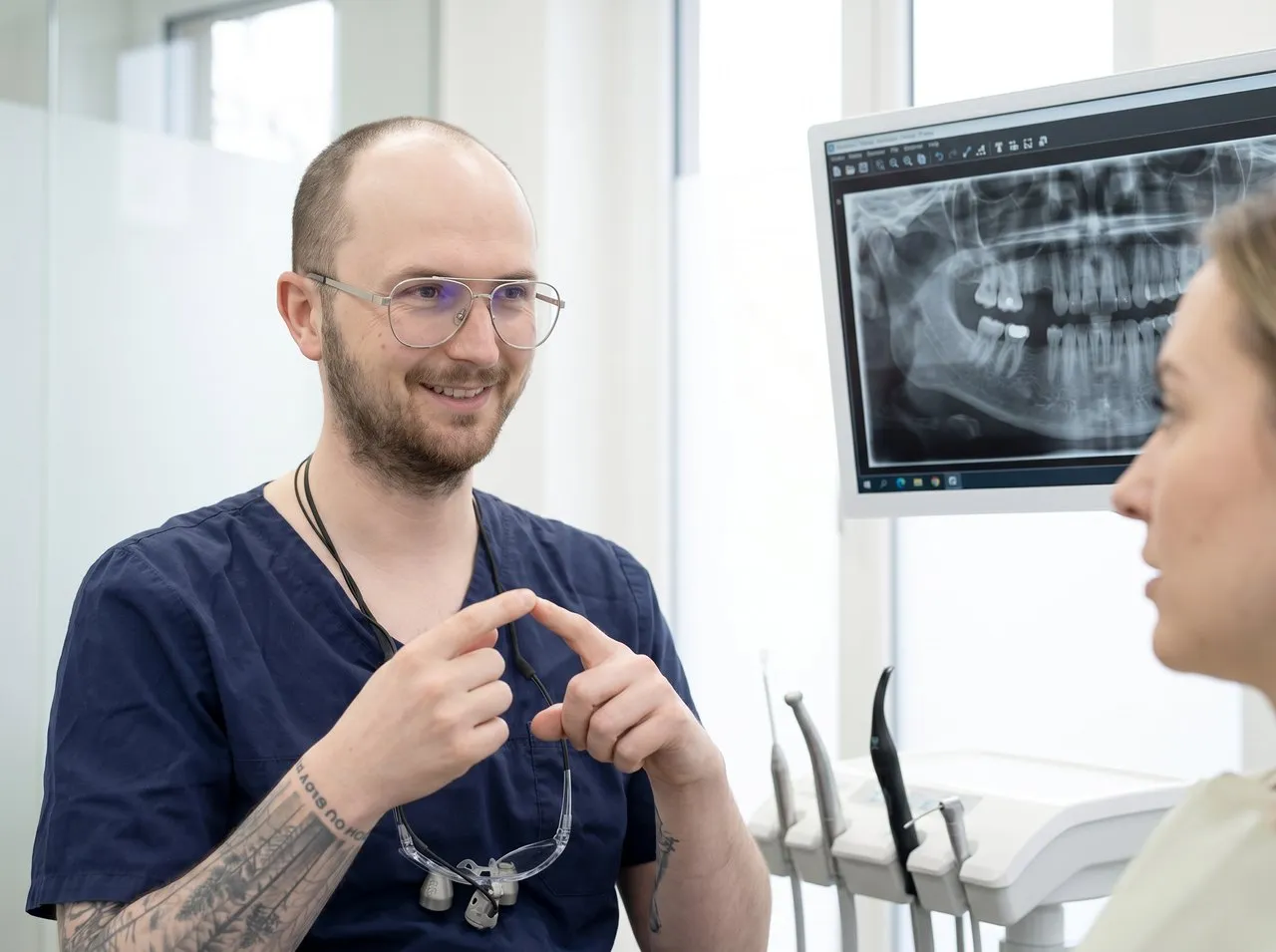
If your new crown feels strange, we will carefully investigate the cause. We will examine your bite, the fit and the surrounding tissue. Small problem areas can often be corrected immediately.
An early check-up prevents unnecessary strain on the teeth and jaw. Book an appointment at Wunschlachen in Berlin. Together, we will ensure a natural and stable feeling in your mouth.