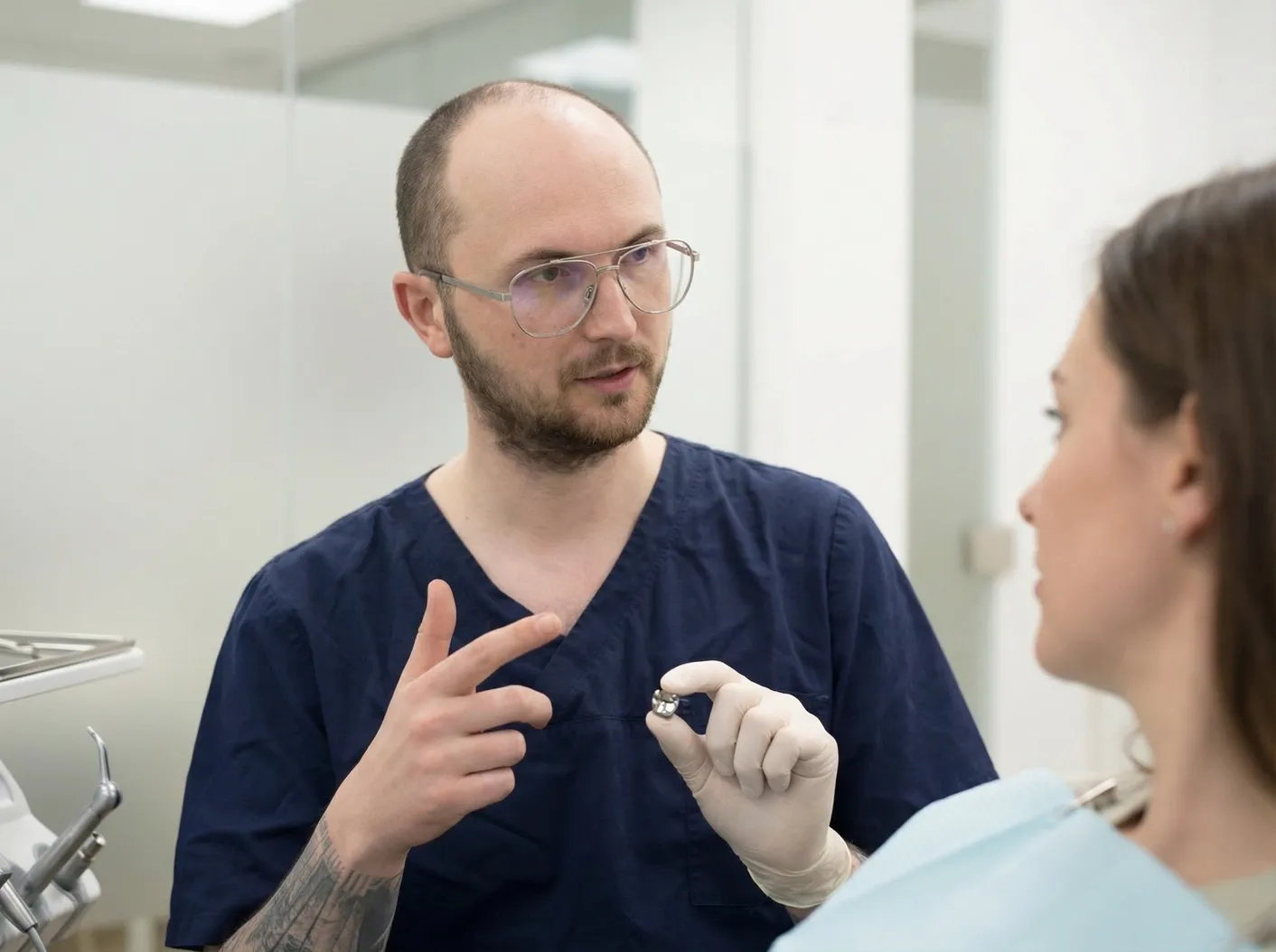
Partial denture in the lower jaw: types, retention and care
A partial denture in the lower jaw replaces several missing teeth. It improves chewing function, speech and the stability of your bite. Which type is suitable depends on your remaining teeth, bone and individual requirements.
Über 350 Google-Bewertungen

What is a partial denture in the lower jaw?
A partial denture for the lower jaw is a removable dental prosthesis. It closes larger gaps left by missing teeth in the lower jaw. Your own teeth are preserved wherever possible.
It is supported by the remaining teeth and mucosa. This allows the denture to stabilise the bite. Chewing forces are also distributed more favourably again.
Many patients refer to it as a lower jaw denture. In professional terms, partial denture is more precise. It replaces only some missing teeth, not all of them.
When is a partial denture a good option?
This treatment is a good option when several teeth are missing. At the same time, there must still be remaining teeth capable of providing support. These often serve as retaining elements.
Typical reasons include tooth loss caused by tooth decay, gum disease or accidents. Older bridges do not always last indefinitely either. A partial denture can then be a good solution.
Planning is particularly important in the lower jaw. The support surface there is smaller than in the upper jaw. Retention therefore needs to be planned carefully.
Which types are available?
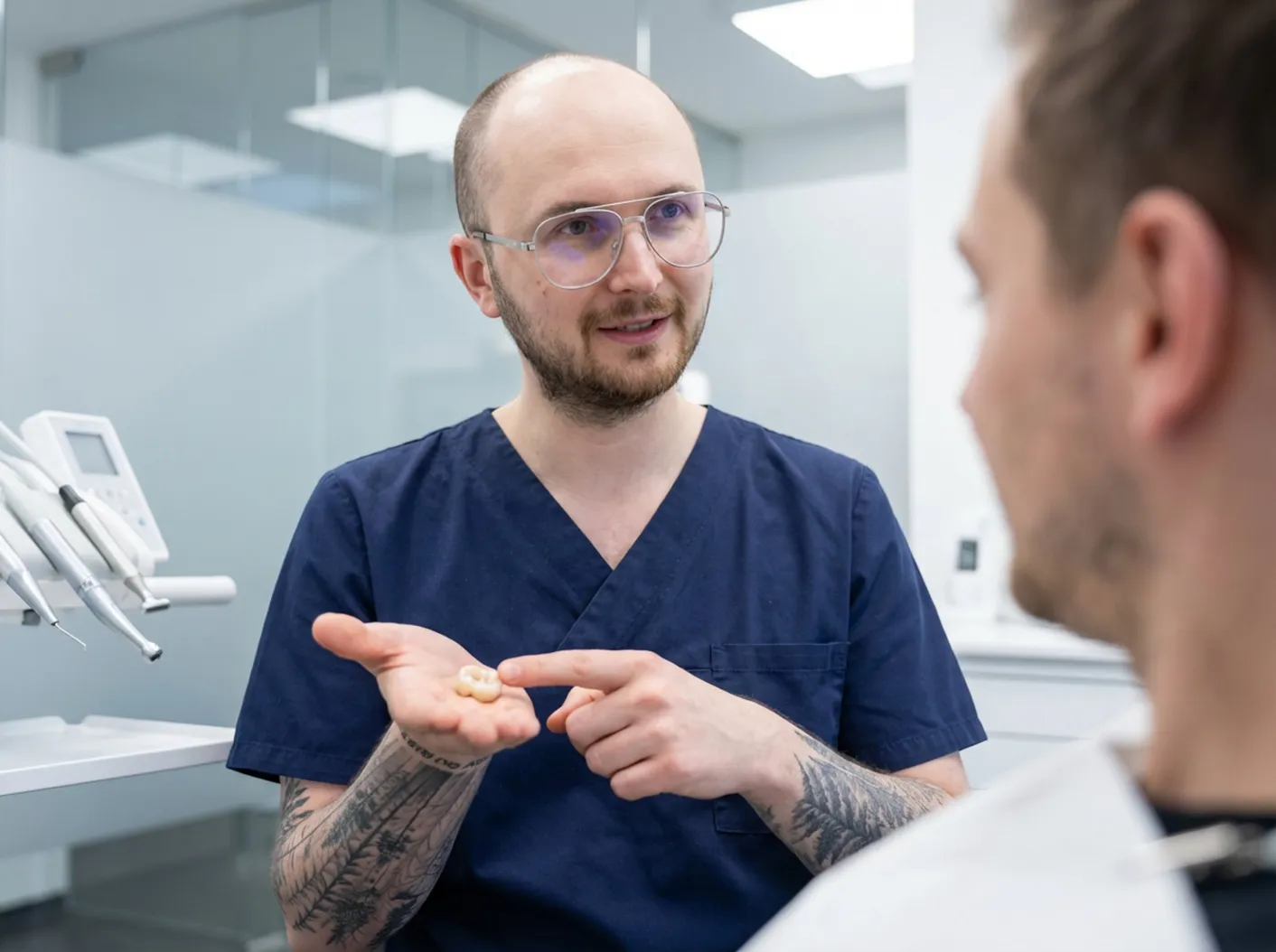
A cast metal partial denture is often used. It has a stable metal framework. Clasps on the remaining teeth provide retention.
A clasp-retained denture is functional and often economical. It is suitable if there are sufficiently stable abutment teeth. However, visible clasps are not always desirable.
A telescopic denture is another option for the lower jaw. Selected teeth are fitted with double crowns. This usually gives the denture a more precise and stable fit.
Combined support solutions are also possible. Your own teeth and sometimes implants support the dental prosthesis. This can improve comfort and denture retention.
Which factors affect retention?
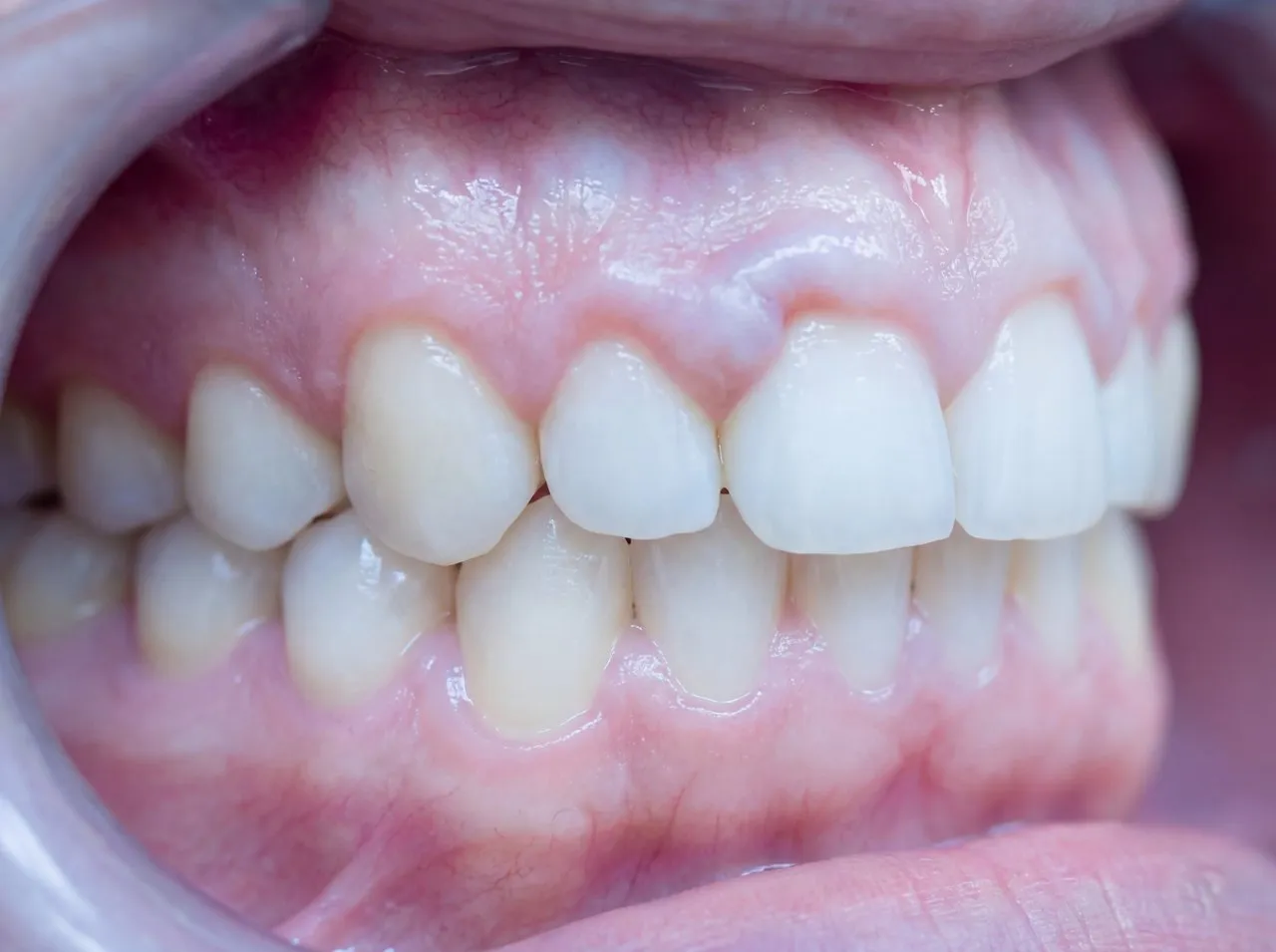
The retention of a partial denture depends on several factors. The key factors are the remaining teeth, the shape of the jaw and the mucosa. The position of the gaps also plays a role.
In the lower jaw, the tongue moves the dental prosthesis more. The support surface is also smaller. An upper jaw denture therefore often feels more stable.
A well-planned bite significantly improves the fit. Precise impressions and high-quality dental laboratory work are equally important. Only then will the retaining elements engage reliably.

Advantages of a partial denture in the lower jaw
One important advantage is preserving existing teeth. Not every gap needs an immediate bridge. Extensive surgery is not always necessary either.
A partial denture can easily be extended. If further teeth are lost later, the denture can often be adapted. This is a major advantage in everyday dental practice.
Many patients appreciate how easy it is to clean. The denture is cleaned outside the mouth. This makes deposits easy to reach.
Chewing function can also improve significantly. Food is broken down more evenly again. This reduces the strain on individual remaining teeth.

Possible limitations and typical problems
The lower jaw places particular demands on dental prostheses. The tongue, muscles and small support surface affect the fit. Getting used to the denture therefore sometimes requires a little patience.
Pressure points may develop initially. Slight changes in speech are also possible. These issues can usually be adjusted effectively.
Some patients would like a more secure fit. The denture plan should then be expanded. In certain cases, telescopic crowns or implants may be advisable.
Realistic advice is important. A removable solution feels different from fixed teeth. Nevertheless, a good fit can make everyday life feel secure.

How treatment works
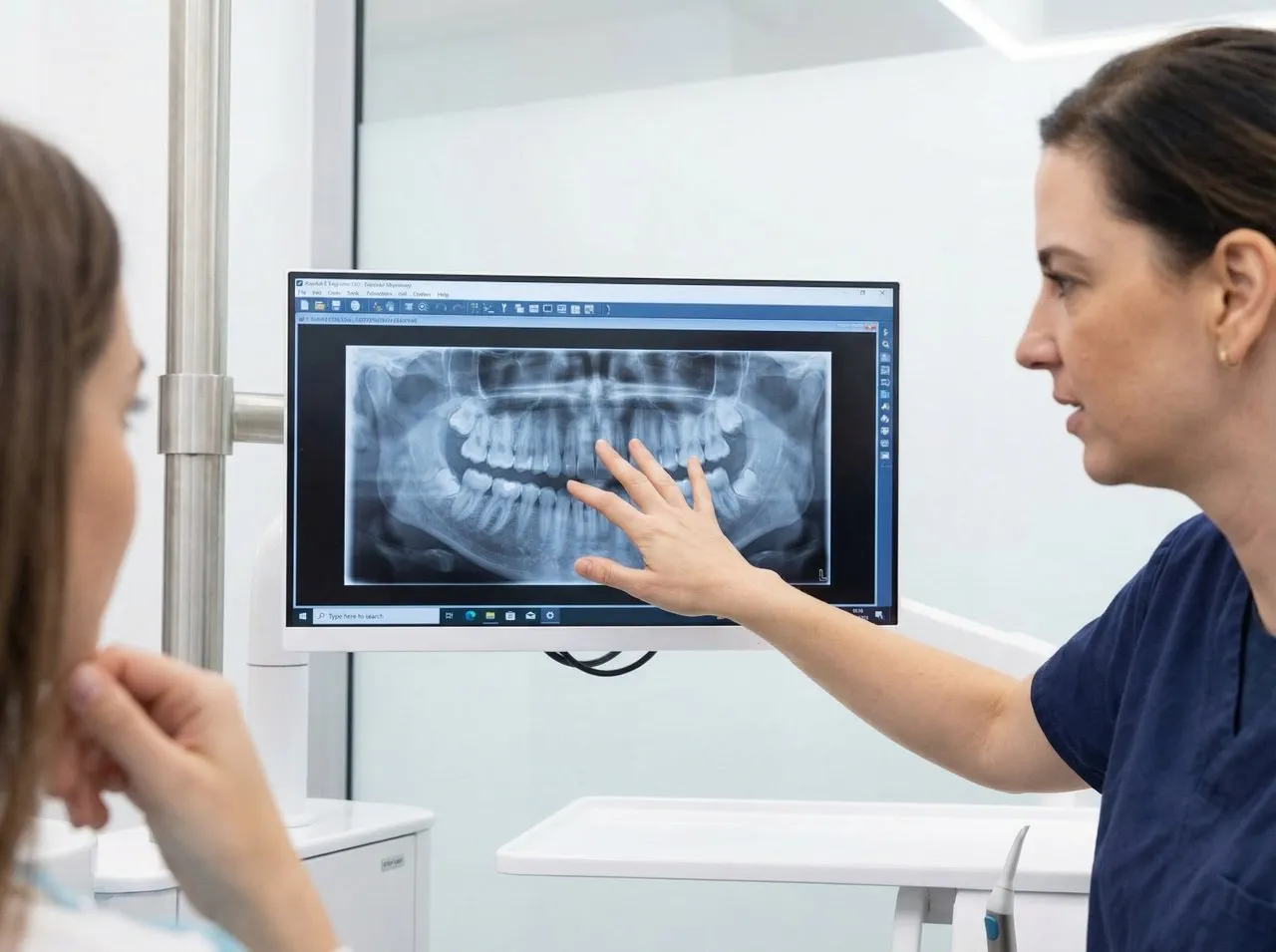
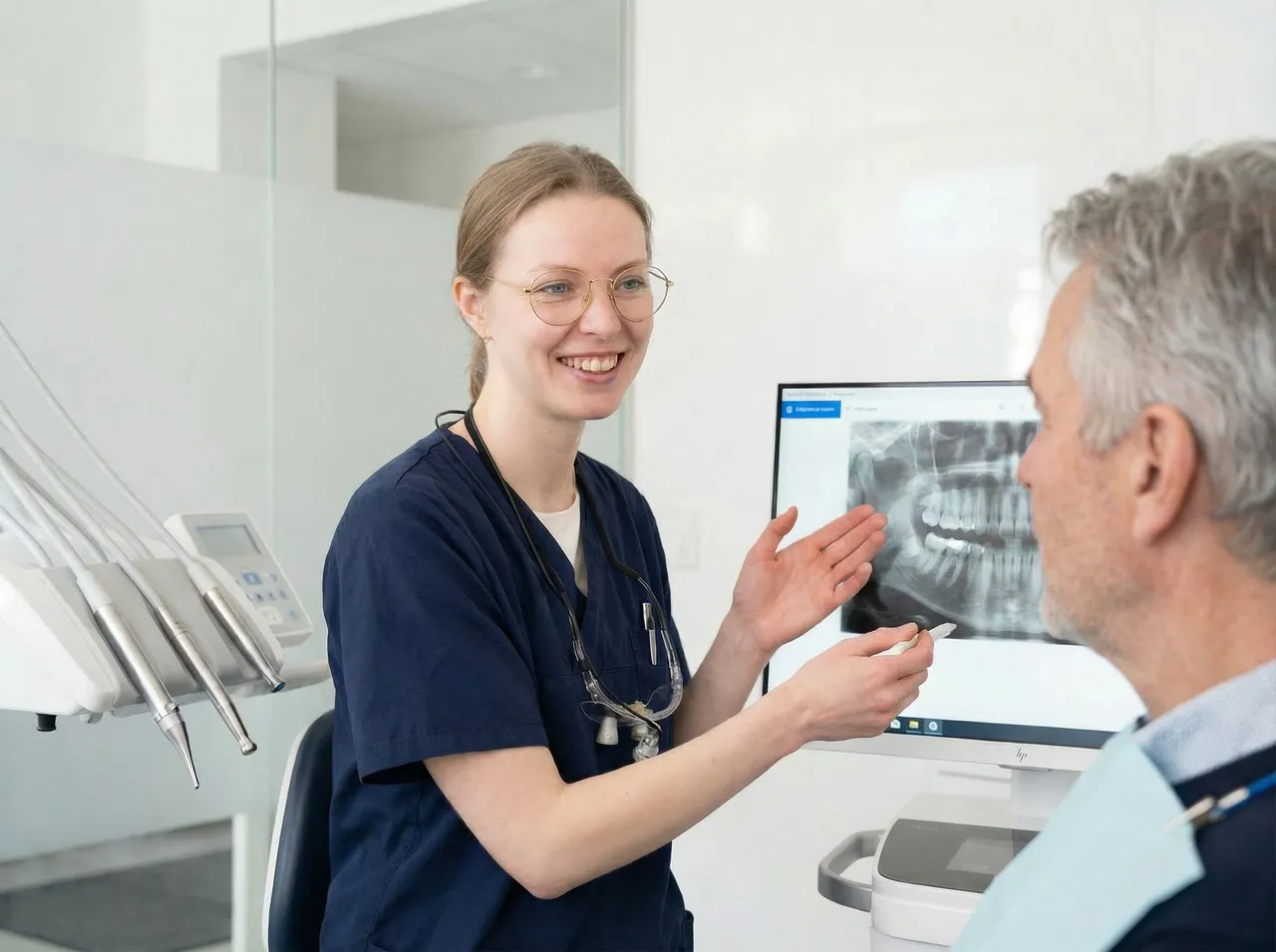
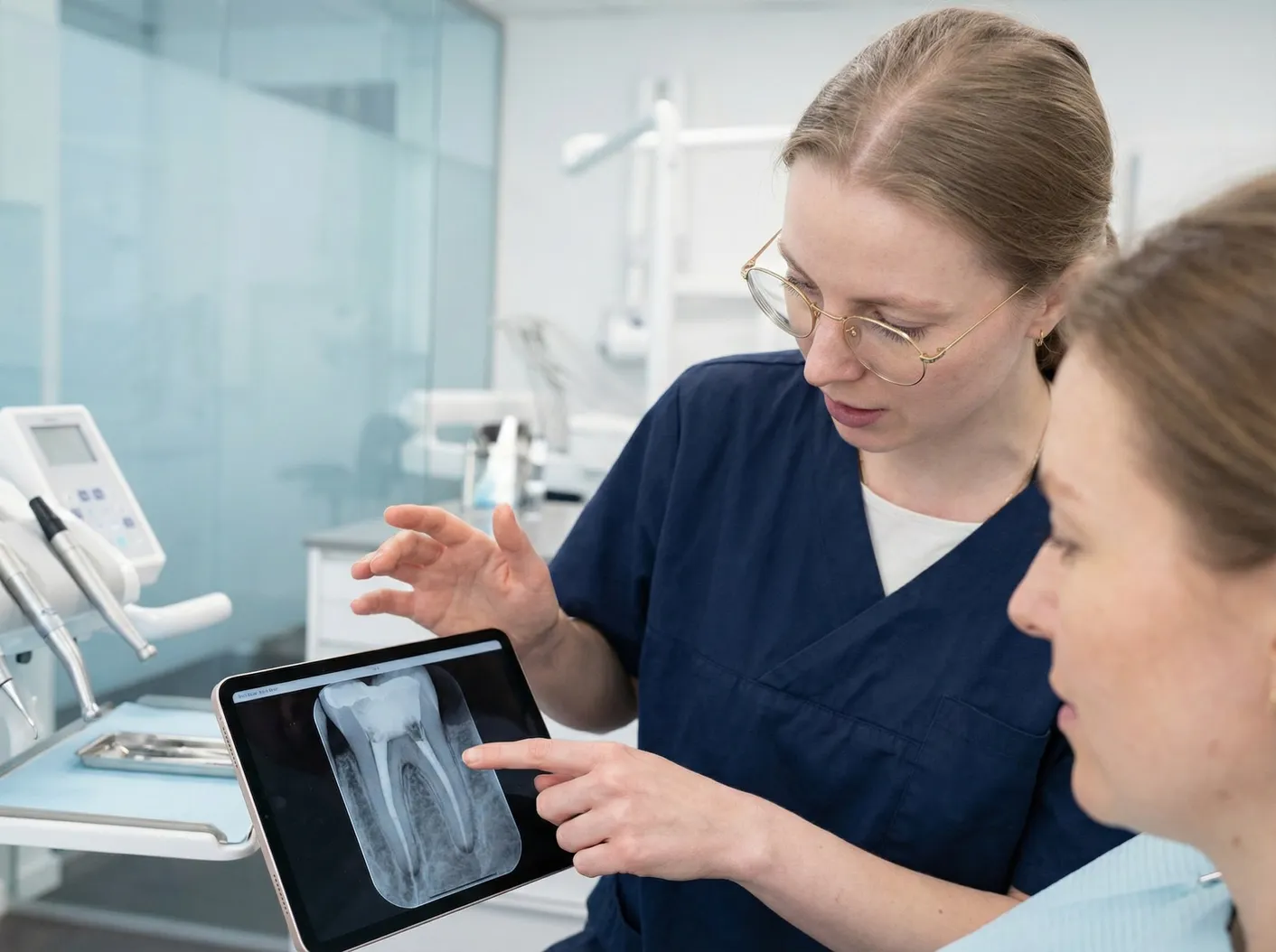
Treatment begins with a thorough examination. The teeth, gums and bite are analysed. X-rays often supplement the planning.
Next, an impression is taken or a digital scan is made. The dental laboratory uses this to create the appropriate lower jaw denture. The shape, colour and bite position are coordinated.
At the try-in, the dentist checks the fit. Minor corrections are normal. Only then is the partial denture permanently fitted.
Check-up appointments follow after the denture has been fitted. These are particularly important in the lower jaw. This allows pressure points and uneven loading to be identified early.
Getting used to and caring for your denture every day
Soft food helps during the first few days. You should chew on both sides. This keeps the denture more stable in your mouth. Clean it thoroughly every day. The denture, remaining teeth and gums must all be cared for. This is the only way to maintain long-term oral health.
A denture brush and mild cleaning products are suitable for cleaning. Ordinary toothpaste can roughen surfaces. This encourages new deposits to form.
The remaining teeth also need special attention. They often bear some of the load. Check-ups and professional care are therefore important.
Conclusion: a well-planned partial denture for the lower jaw
A partial denture in the lower jaw is a tried-and-tested treatment. It replaces several missing teeth and preserves existing structures. Good planning determines retention, comfort and function.
The right solution always depends on the individual. Remaining teeth, bite position and aesthetic preferences all play a part. A personal consultation provides clarity.