
Preserving teeth with root canal treatment - treatment simply explained
Root canal treatment can often save a severely damaged tooth. It is an option when the inside of the tooth is inflamed or has died. The aim is a stable tooth that can withstand normal use, without premature extraction.
Über 350 Google-Bewertungen
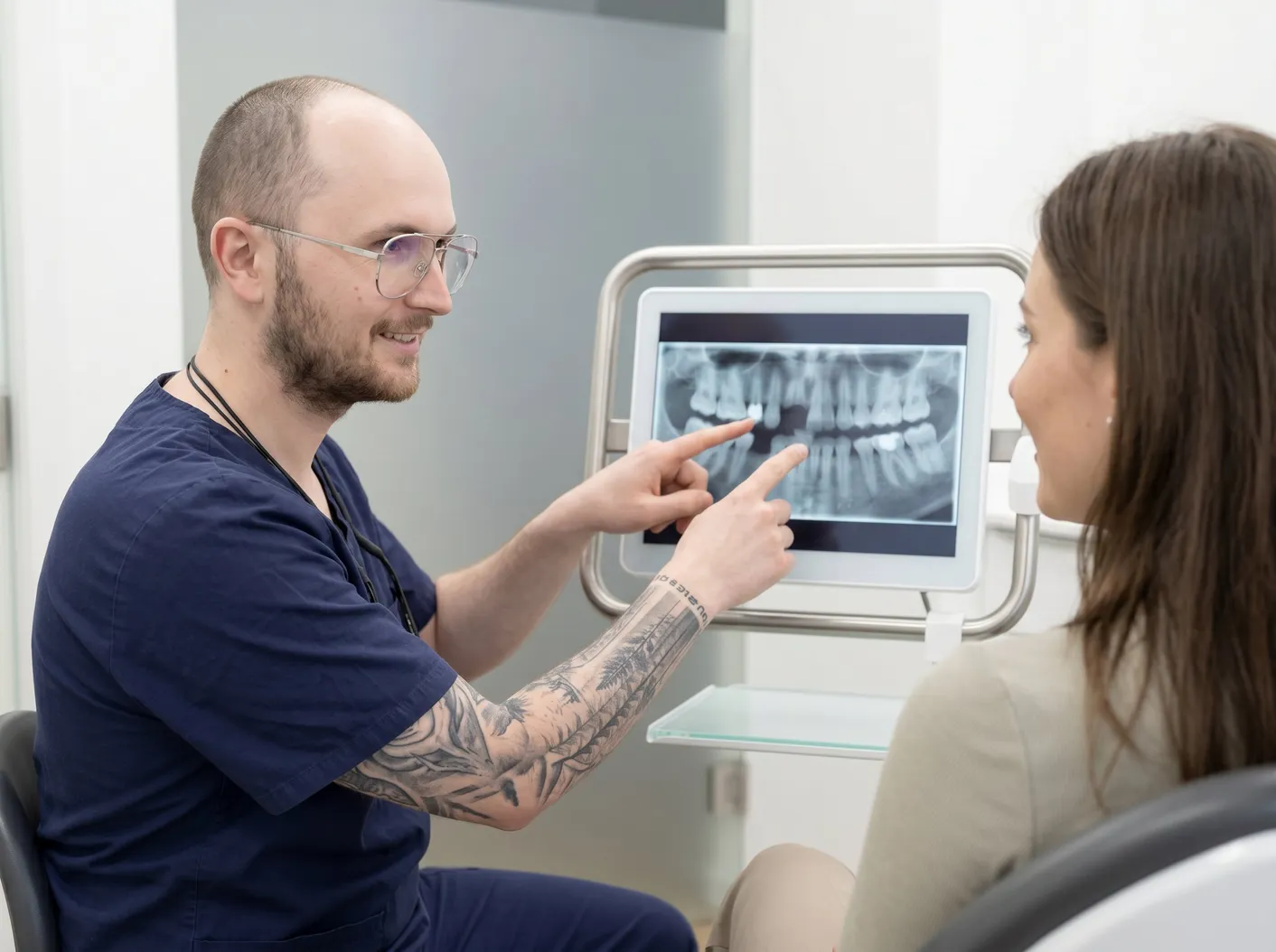
Why preserving teeth is so important
Every natural tooth performs an important function in the dentition. It supports chewing, speech and a stable bite. Losing a tooth can have consequences.
Neighbouring teeth can tilt into the gap. The opposing tooth can over-erupt. The jawbone also receives less functional stimulation.
Preserving teeth is therefore a central aim of modern dentistry. Root canal treatment helps preserve the natural tooth structure. This allows your own tooth to remain usable for as long as possible.
When is root canal treatment advisable?
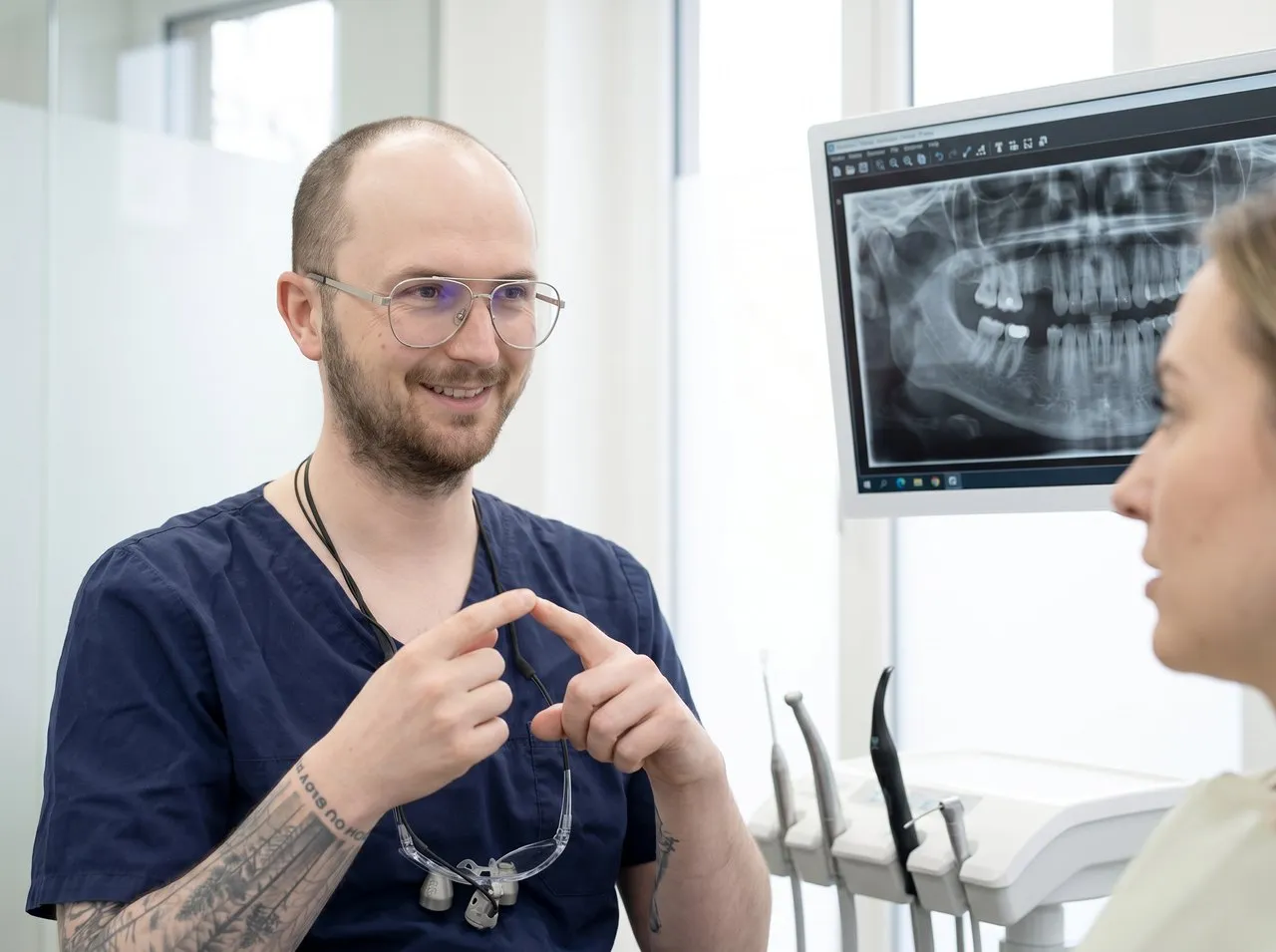
A root canal treatment is needed when bacteria reach the dental pulp. The dental pulp lies inside the tooth. It contains nerves, blood vessels and delicate connective tissue.
Common causes include deep tooth decay, leaking fillings or dental trauma. Cracks in the tooth can also provide germs with a route in. This then causes inflammation in the root canal system.
Typical signs include severe sensitivity, a feeling of pressure or throbbing pain. Sometimes the colour of the tooth also changes. In some cases, the process goes unnoticed for a long time.
If the inflammation is left untreated, it can reach the tip of the root. The surrounding jawbone can then become inflamed. A timely diagnosis significantly improves the chances of saving the tooth.

What happens during root canal treatment?
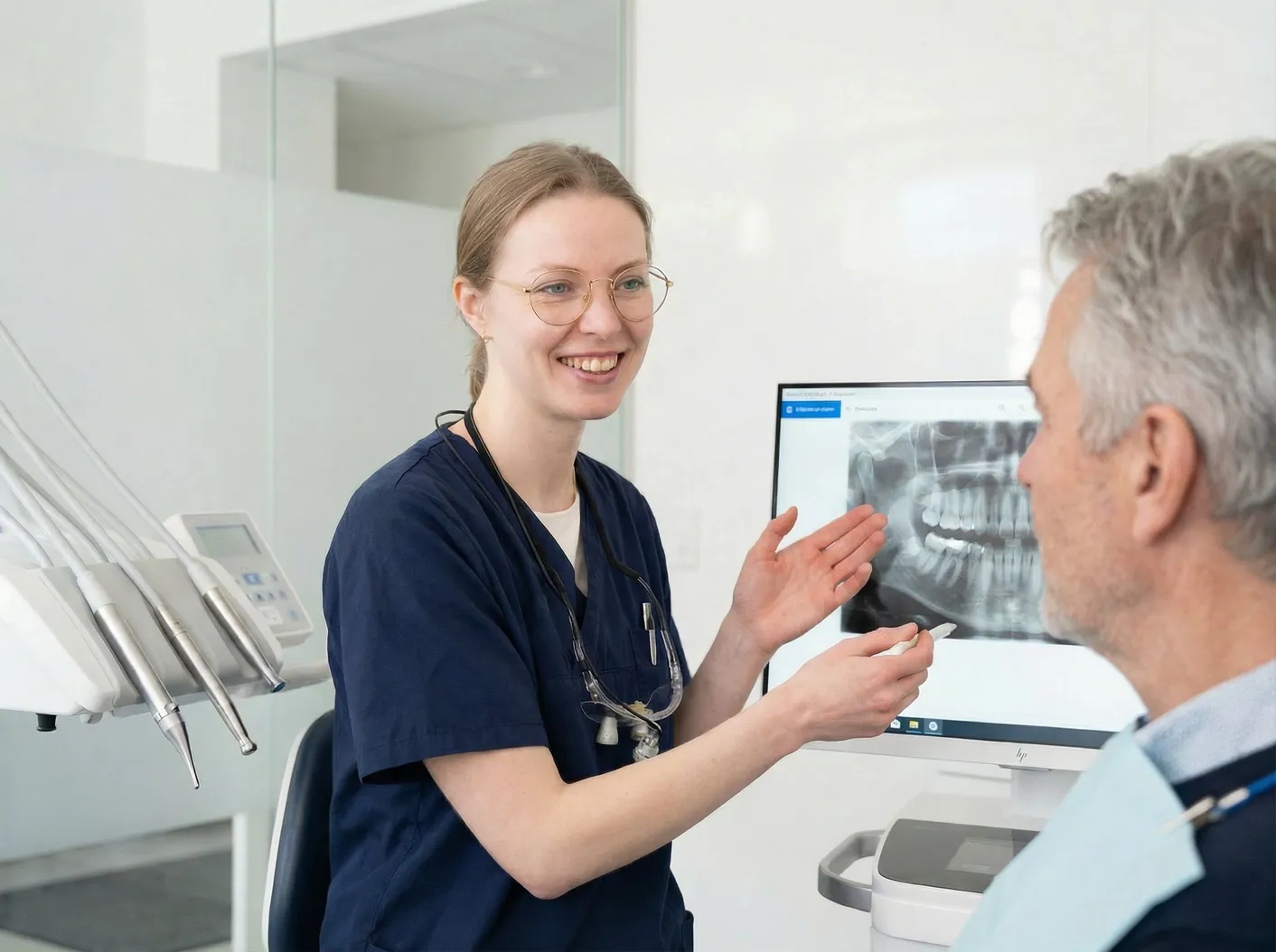
First, the dentist thoroughly examines the affected tooth. X-rays reveal the roots, canals and possible areas of inflammation. The tooth is then numbed with a local anaesthetic and isolated.
The dentist then opens the crown of the tooth carefully. Inflamed or dead tissue is removed from the canals. The root canals are then cleaned, shaped and disinfected.
Modern instruments work with great precision. Electronic length measurement can determine the exact canal length. This allows the root canal system to be prepared in a controlled manner.
After cleaning, the canals are tightly sealed. A special filling material is usually used for this. The tooth then receives a stable core filling or crown.

Modern endodontics for better prognoses
Endodontics has developed considerably in recent years. Magnifying loupes, microscopes and flexible files improve accuracy. Irrigation solutions also help reduce germs in the canal.
A tight seal is particularly important. It prevents bacteria from entering again. A high-quality restoration also protects the tooth against fractures.
A crown is often advisable for severely damaged teeth. It stabilises the remaining tooth structure. This allows the tooth to withstand chewing reliably again.
Root canal treatment or tooth extraction?
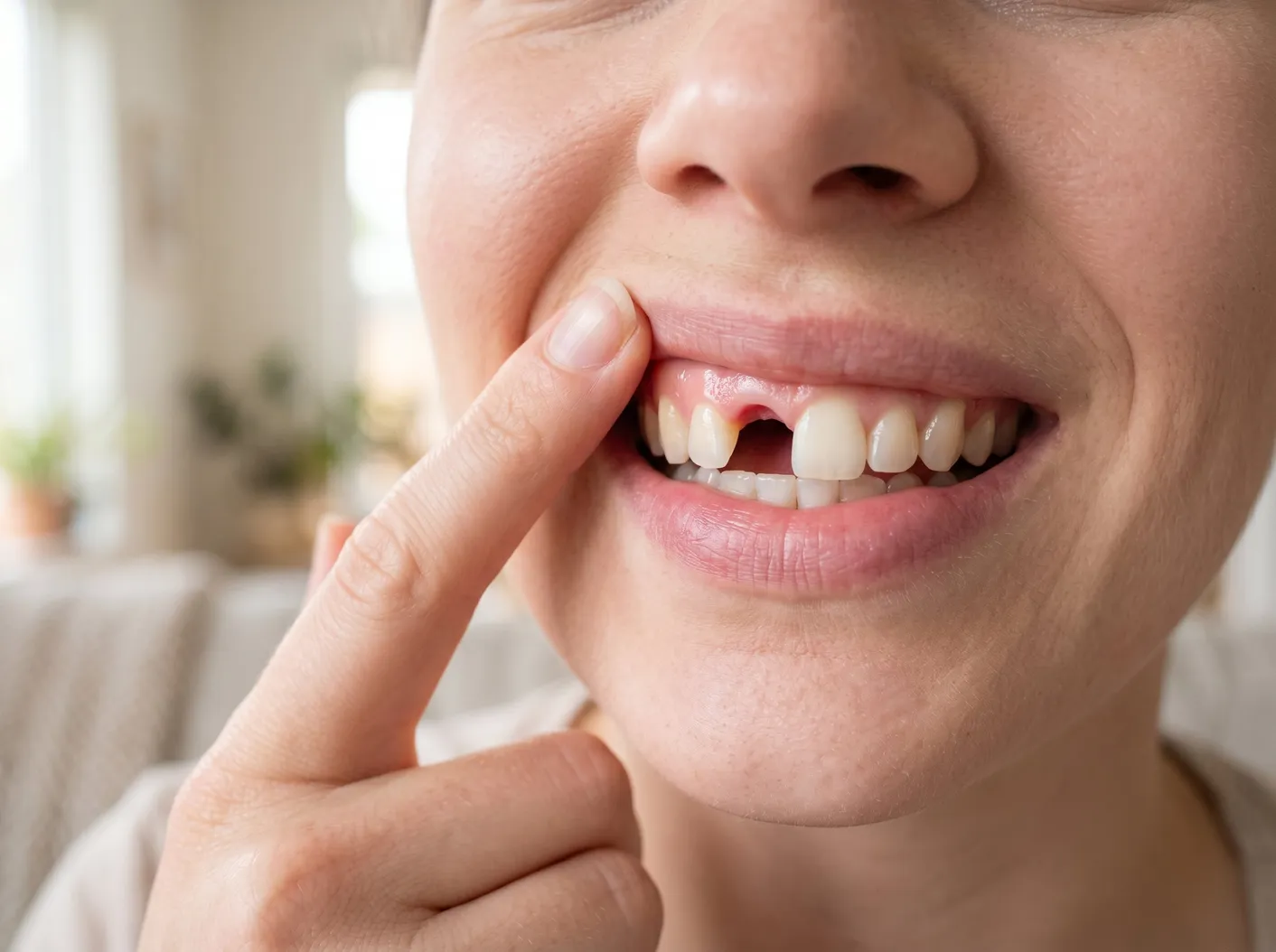
Many patients wonder whether extraction would be simpler. However, your own tooth is biologically valuable. No replacement tooth fully replicates all the properties of natural tooth structure.
An implant or bridge can work very well. Even so, the planning, effort and procedure involved are usually more extensive. It is therefore worth considering tooth-preserving treatment.
Whether the tooth can be saved depends on the findings. The key factors are the tooth structure, root shape and extent of inflammation. Oral hygiene also influences the long-term prognosis.
If the tooth can be restored with a stable structure, preserving it is often advisable. Extraction may be necessary for deep fractures. The decision is made after a thorough dental examination.
What happens after treatment?
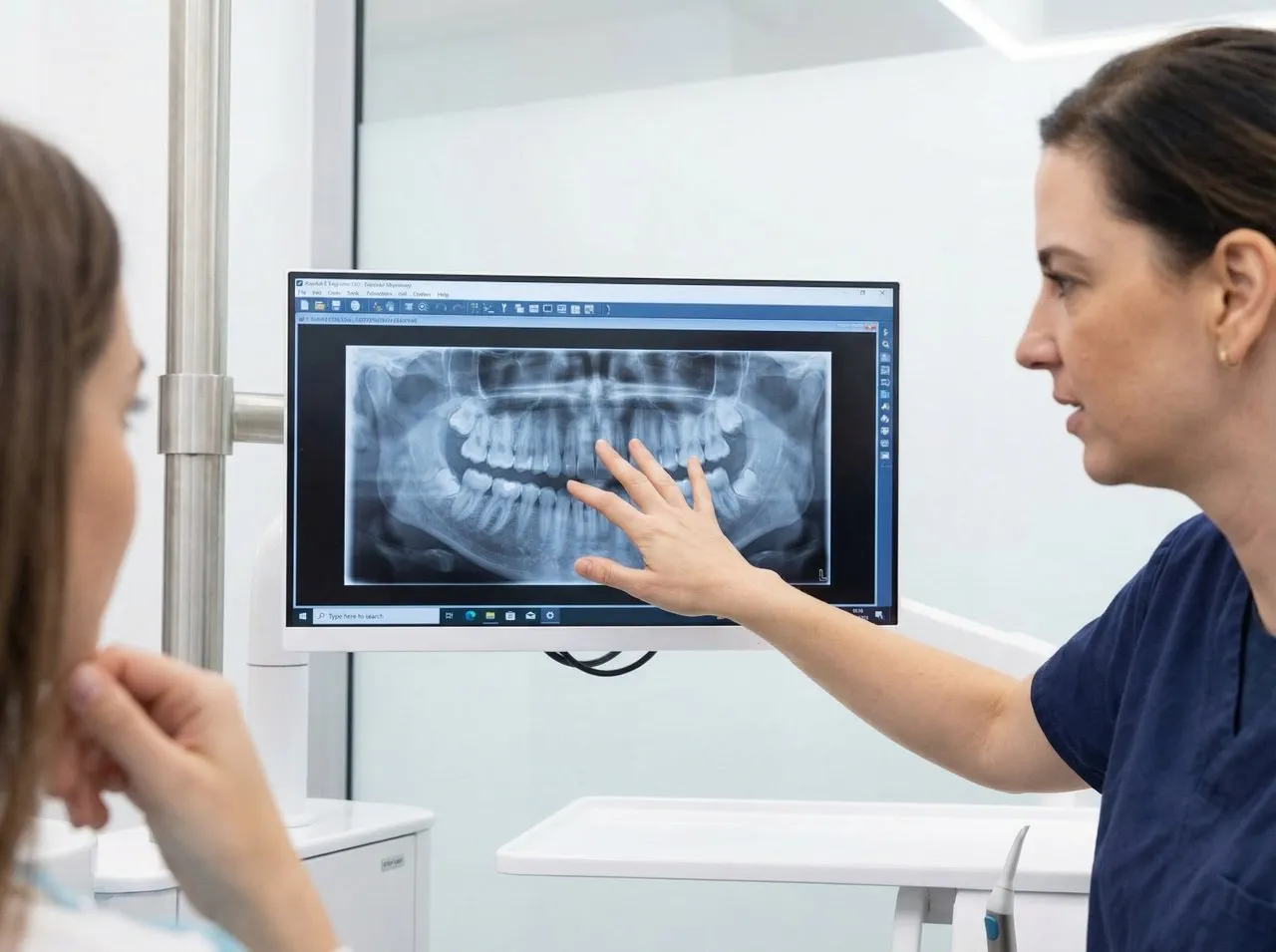
After root canal treatment, the tooth may temporarily be sensitive. The surrounding tissue needs time to settle. Symptoms usually subside after a few days.
Follow-up and a permanent seal are important. A temporary seal is not sufficient in the long term. Without a stable restoration, the tooth can be put under strain again.
Regular follow-up appointments show whether the inflammation is subsiding. X-rays can document healing at the root tip. This allows progress to be monitored effectively.
Benefits of root canal treatment at Wunschlachen
At Wunschlachen, our focus is on preserving teeth for the long term. We assess every tooth carefully and individually. In doing so, we consider function, aesthetics and overall health.
Our practice uses modern diagnostics and precise treatment steps. This allows the inside of the tooth to be cleaned in a targeted way. Complex root anatomies can also be assessed more effectively.
Patients receive clear advice before every step. We explain the findings, procedure and possible alternatives. This enables you to make a confident decision.

How can root inflammation be prevented?
Good oral hygiene reduces the risk of deep tooth decay. Brush thoroughly twice a day. The spaces between your teeth should also be cleaned regularly.
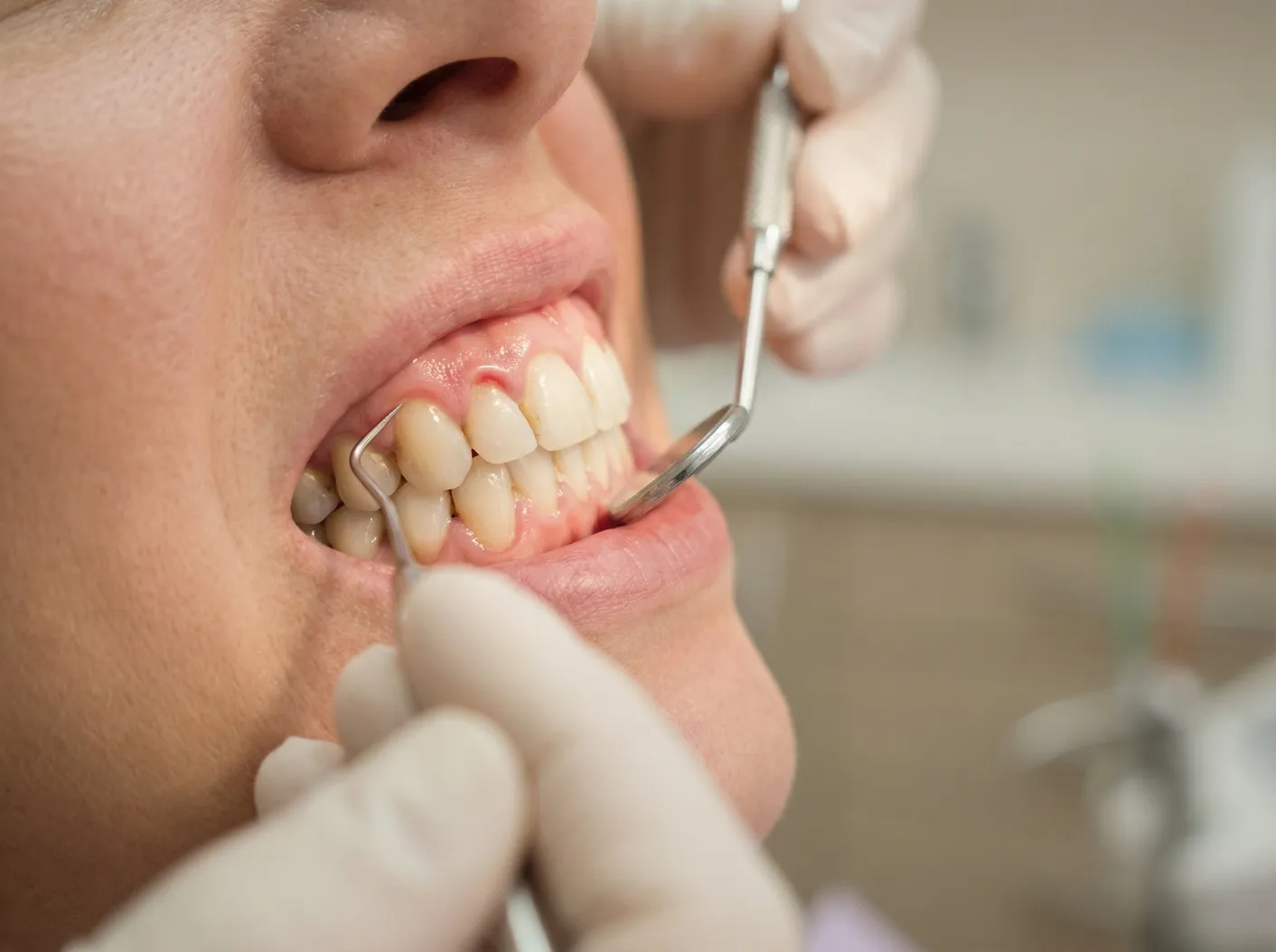
Check-up appointments are also crucial. Small defects can be detected early. This can often prevent inflammation of the dental pulp.
Anyone who already has a large filling should remain vigilant. Discomfort when pressure is applied, discolouration or persistent sensitivity are warning signs. A dental assessment then provides clarity.
Conclusion: Preserve your natural teeth for as long as possible
Preserving teeth through root canal treatment is an important part of modern dentistry. The treatment removes inflamed tissue and preserves the outer tooth structure. The tooth can then often continue to function.
An accurate diagnosis and careful preparation are crucial. A tight seal also plays a major role. At Wunschlachen, we provide personal advice on the appropriate approach.