
Cost of removable dentures
Removable dentures are often cheaper than fixed solutions. The costs depend on the clinical findings, the type of denture and the laboratory work. The fixed subsidy, bonus booklet and personal contribution are also key factors.
Über 350 Google-Bewertungen
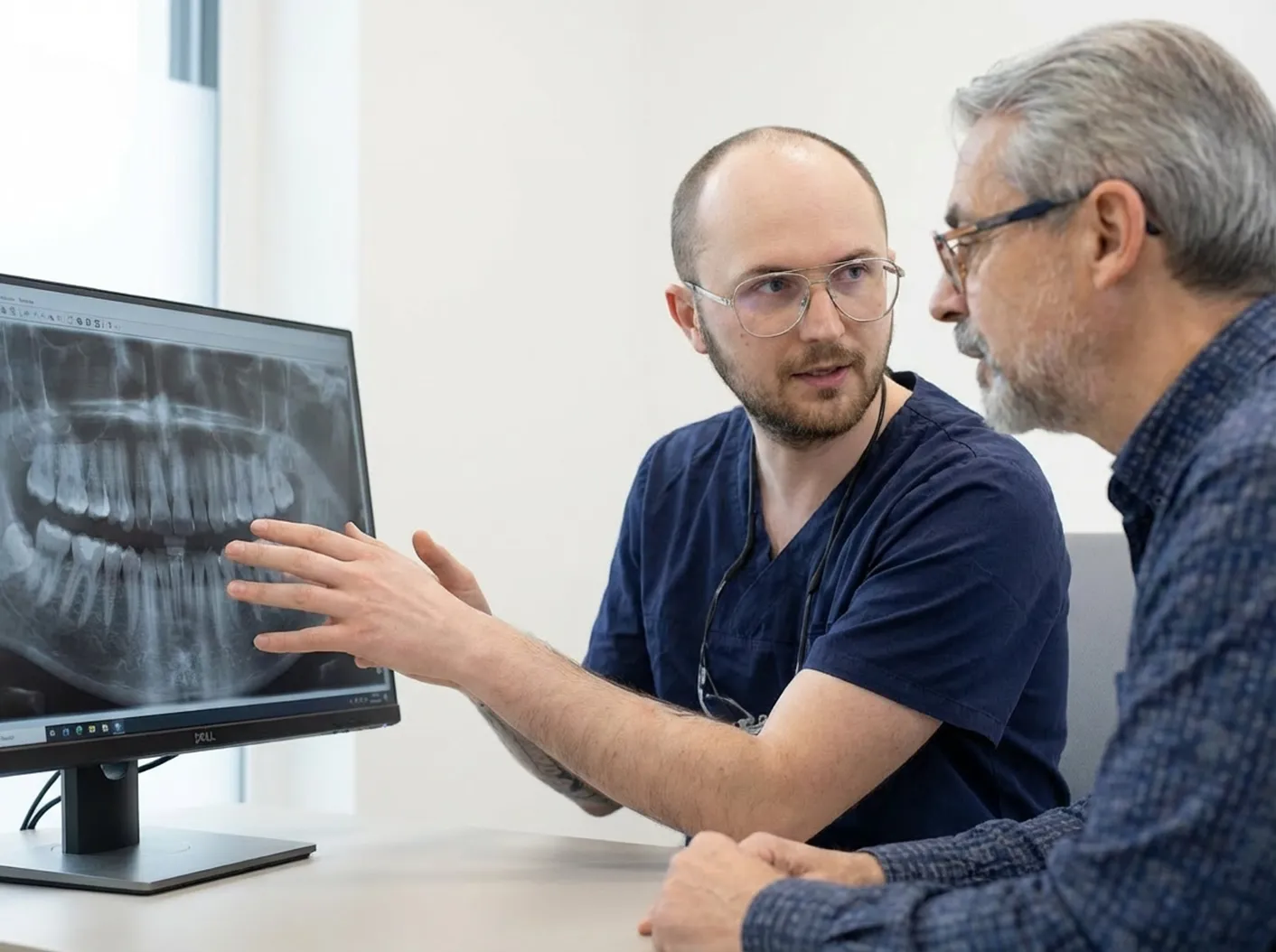
How much do removable dentures cost?
Simple partial or full dentures usually cost in the low to mid four figures. Basic care starts at 900 euros.
More complex solutions can be considerably more expensive. This price range does not apply to every treatment. Even small additional services can change the bill. These include better retention elements, metal bases or additional crowns.
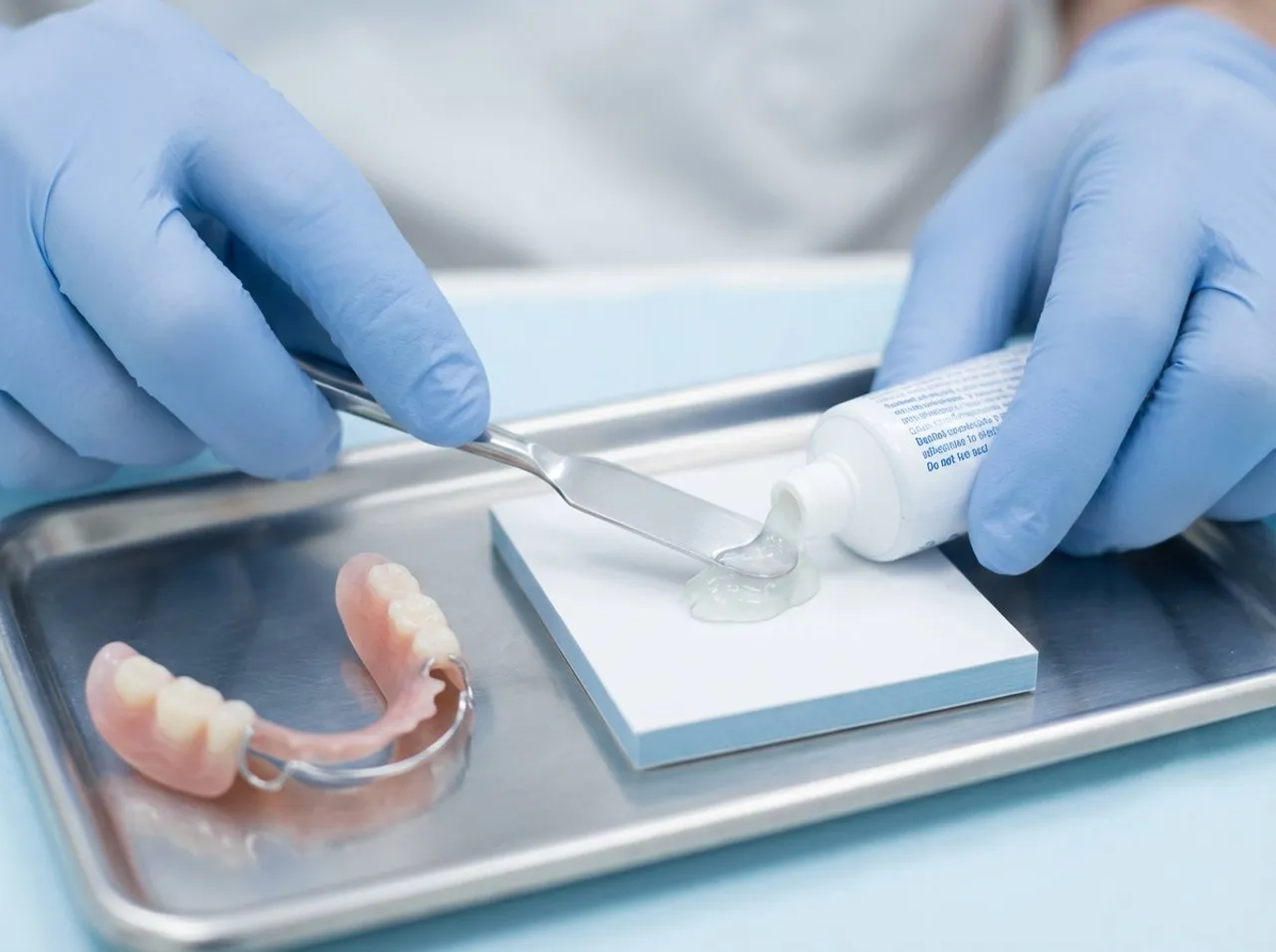
What types are available?
A cast-metal framework denture is the traditional partial denture. Clasps attach it to the remaining teeth. This often makes it the most economical option.
A complete denture is an option when there are no teeth left in one jaw. It is often part of the German statutory standard of care, for both the upper and lower jaws. A telescopic denture is more complex. It often requires crowned supporting teeth and additional laboratory work. This increases comfort, stability and cost.
Other designs are available, including attachment-retained dentures and combined restorations. These are usually chosen when stability and appearance are higher priorities.
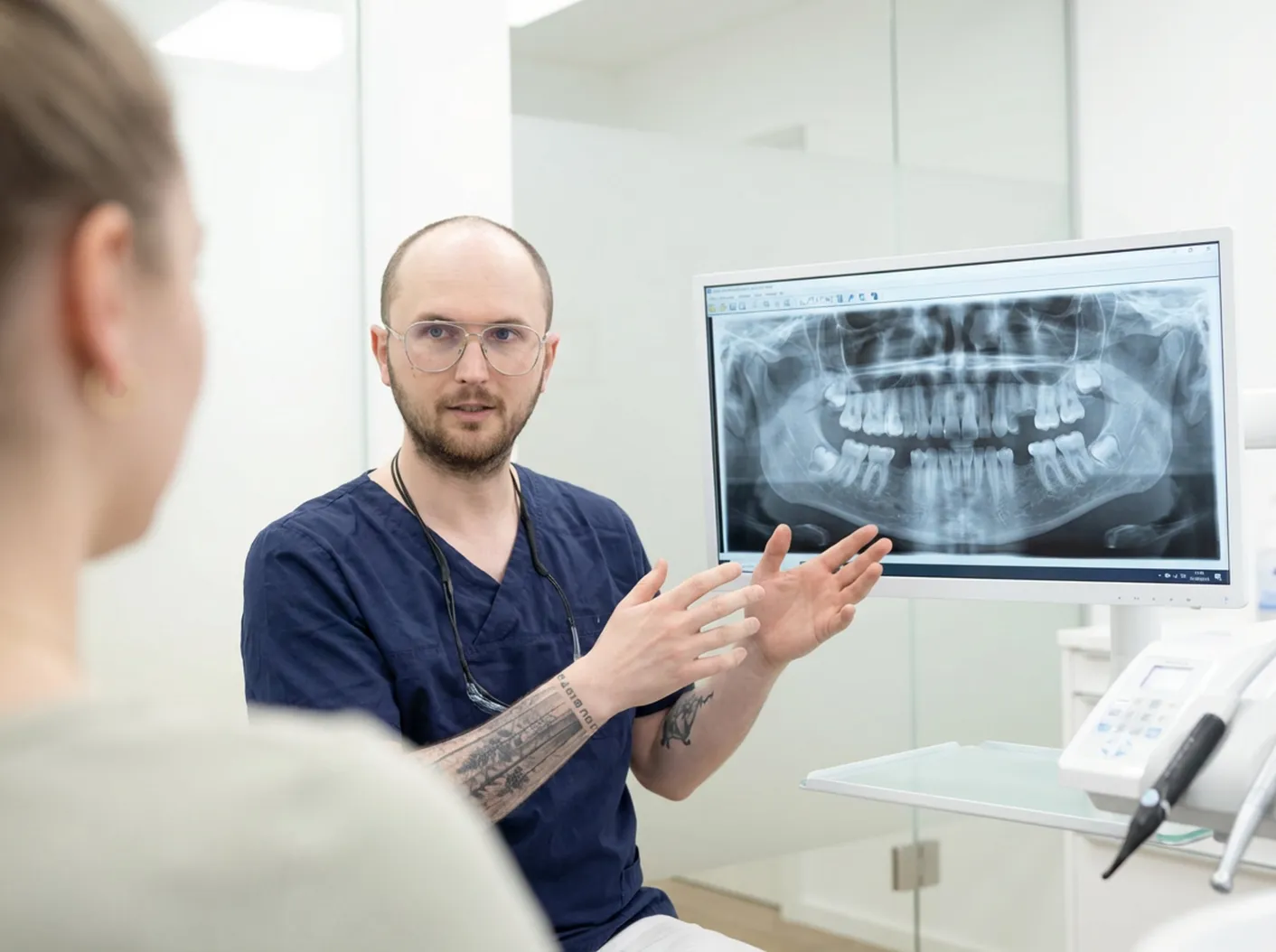
What affects the cost?
The number and position of the missing teeth are important. The condition of the remaining teeth also plays a major role. If abutment teeth need to be prepared or crowned, the price increases.
The materials and laboratory work also affect the total amount. A metal base may be useful, but often increases the cost. The same applies to telescopic crowns or concealed connecting elements.
There are also possible follow-up costs. These include relining, additions or repairs. This should be taken into account, particularly for dentures that have been worn for some time.
Laboratory work is often a major cost factor. The more precise the work, the better the denture will fit later. This affects not only the price but also everyday life.
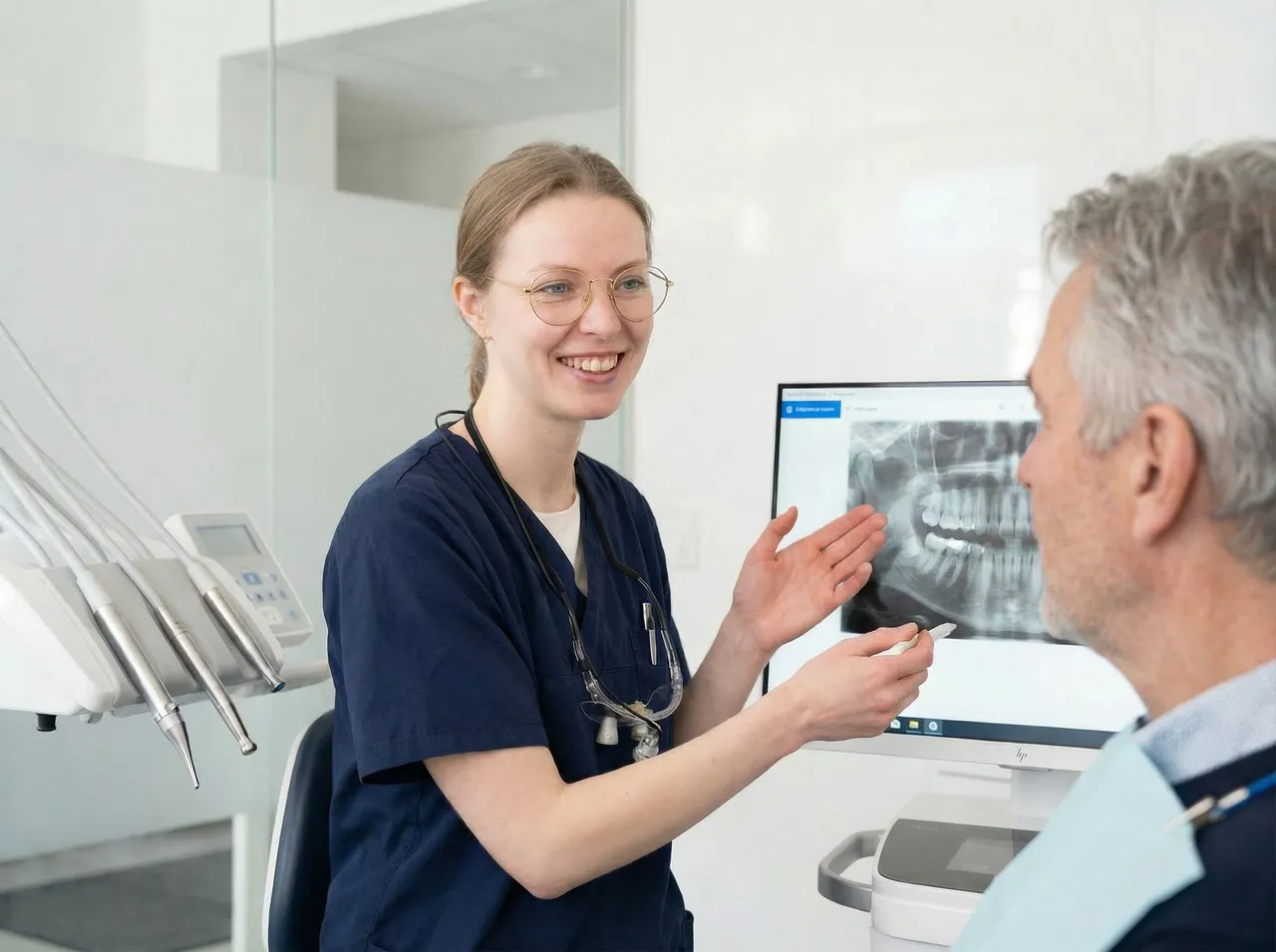
Which cost examples are realistic?
A simple cast-metal framework denture is often the less expensive option. It is particularly suitable when several back teeth are missing, although the clasps may be visible.
A complete denture can remain economical if it meets the German statutory standard of care. It is often the standard option when no teeth remain in a jaw. It still needs to fit well and be looked after in daily use.
A telescopic denture usually costs considerably more. It often provides greater stability and can feel more secure. It is a more common option when only a few teeth remain.
What does health insurance cover?
Statutory health insurance does not pay a fixed percentage of your bill. It pays a fixed, diagnosis-related subsidy towards standard care. This generally covers 60 per cent of the average costs.
With a fully maintained bonus booklet, the subsidy increases. After five years, it is usually 70 per cent. After ten years, it is usually 75 per cent.
In cases of hardship, standard care may be covered in full. Those who choose higher-quality treatment pay the additional costs themselves. This often applies to a telescopic denture.
A treatment and cost plan is required before treatment begins. The subsidy is only confirmed after the health insurance fund has reviewed it. This gives patients a reliable basis.

Why does the personal contribution vary so much?
The personal contribution depends not only on the denture. It also depends on the abutment teeth, crowns, laboratory work and materials. This is why two similar cases can differ considerably.
With simple standard care, a mid-three-figure amount often remains. With a telescopic denture, the personal contribution is usually considerably higher. Precise planning is therefore important.
Many patients look first at the total price. However, the amount after the health insurance contribution is more important. This is exactly the figure that determines the actual financial burden.
When are removable dentures a good option?
Removable dentures can be helpful when several teeth are missing. They help with chewing and speaking and support the shape of the face. They can also be used to restore larger gaps.
A partial denture is suitable when several teeth remain. A complete denture is an option when no teeth remain in a jaw. The right choice always depends on the findings. The most expensive option is not always the best one.
Some patients prioritise reliable function. Others place more value on a secure fit or less visible transitions.
What should patients consider beforehand?
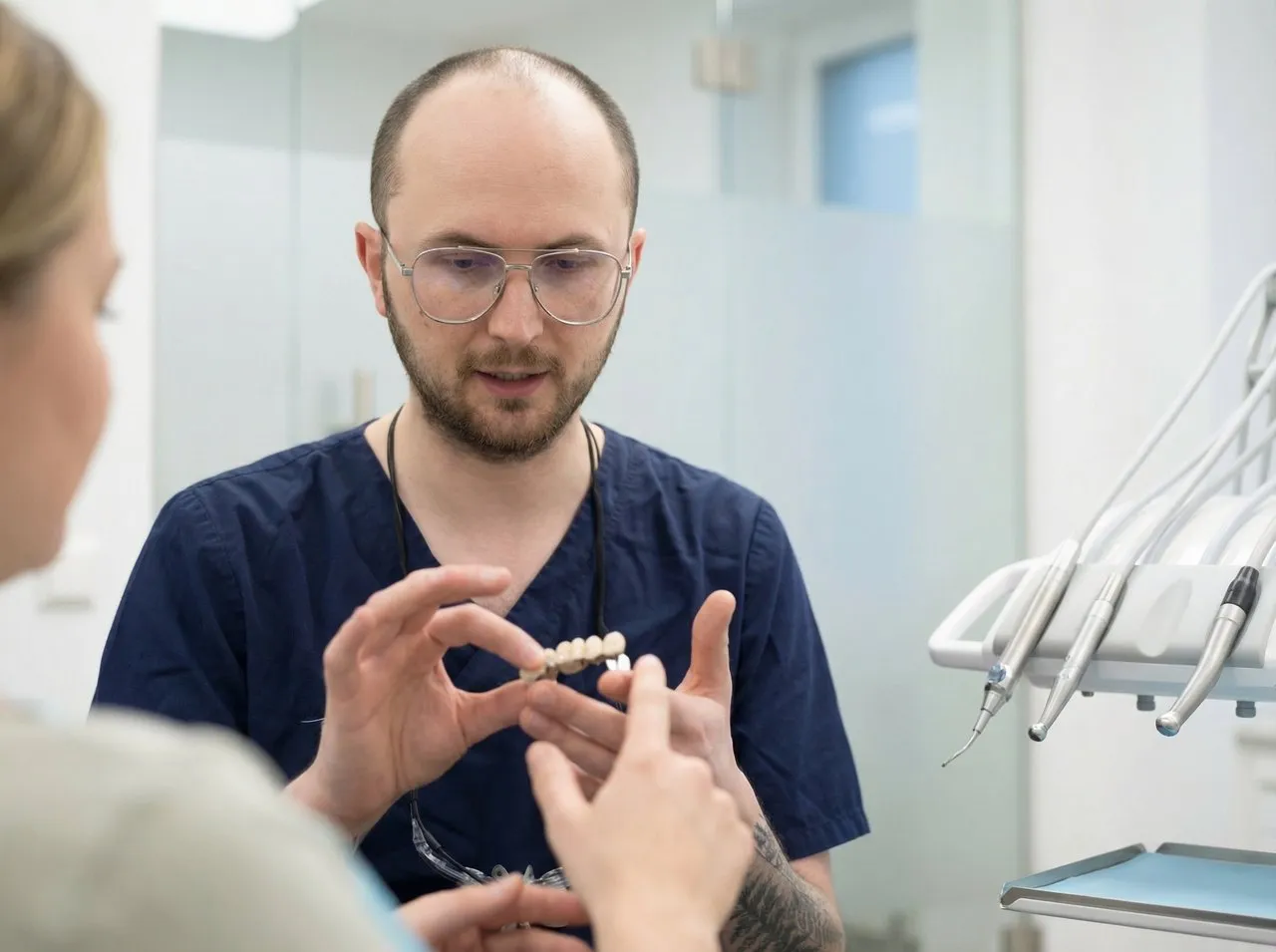
Fit, stability and cleaning are important. The visible components should also be discussed. This makes it easier to balance function and aesthetics.
The treatment and cost plan is equally important. Only then can patients clearly see the health insurance contribution and their personal contribution. This also makes it easier to compare two treatments.
It is also sensible to ask about later adjustments. Dentures change in everyday life due to jaw remodelling and use. Good planning therefore looks ahead.
At Wunschlachen, we carefully assess your clinical findings, chewing function and wearing comfort. We then discuss the suitable treatment at leisure. This gives you a clear overview of the costs.

Conclusion
Removable dentures can be a reliable and economical solution. The costs range from simple standard care to complex telescopic dentures. The key factors are the clinical findings, insurance status and treatment goal.
Anyone wanting to assess costs properly should never look only at the final price. Stability, care, adaptability and the personal contribution are just as important. Good advice provides real clarity here.