Risks of Teeth Whitening - What You Should Know
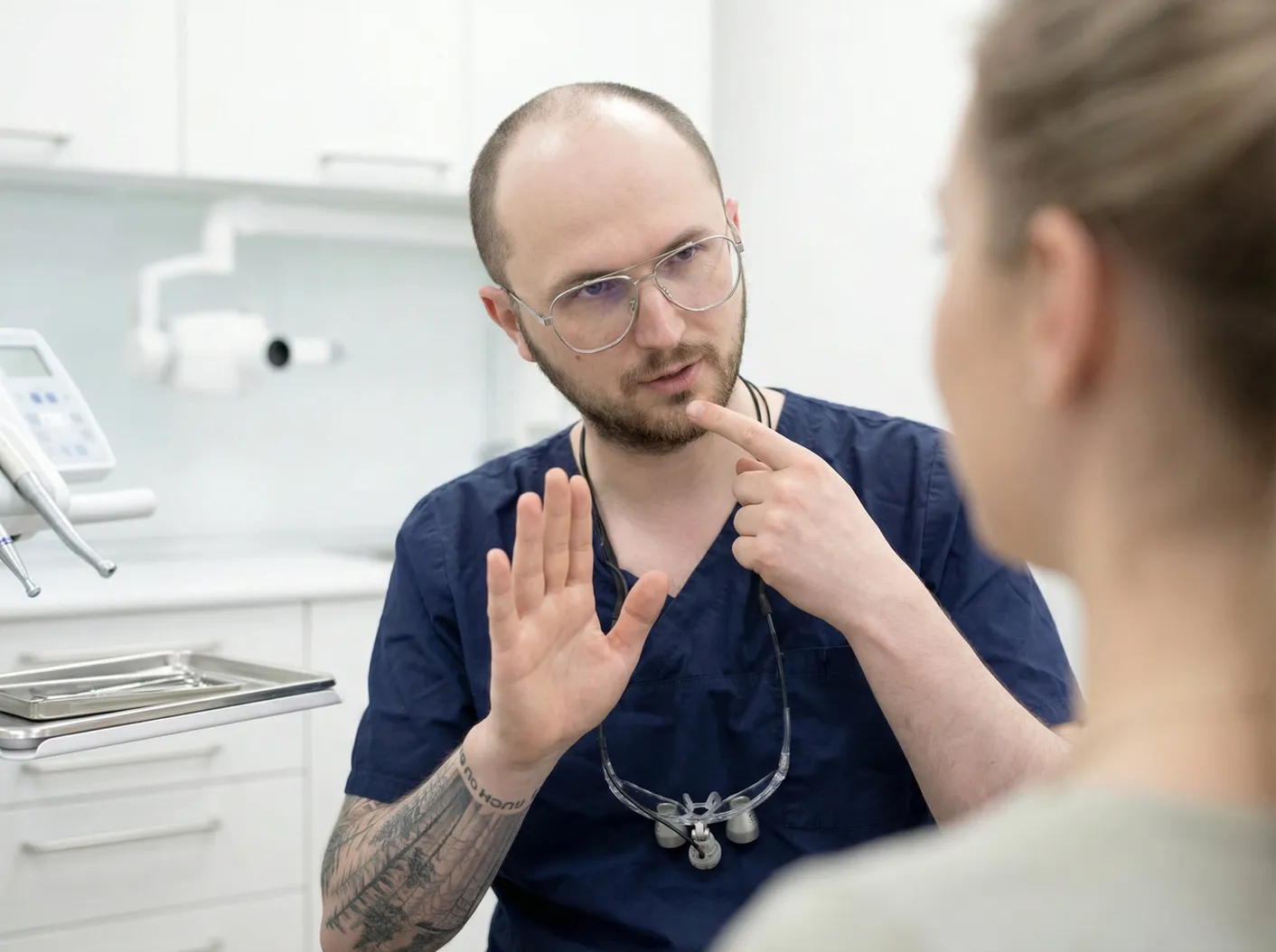
Teeth whitening can visibly lighten teeth and make your smile look fresher. However, the treatment is not equally suitable for everyone. Possible risks include sensitive teeth, irritated gums and uneven results. A thorough examination and appropriate dosage are crucial. At Wunschlachen, we assess beforehand whether teeth whitening is advisable.
Über 350 Google-Bewertungen
Why teeth whitening is not always risk-free
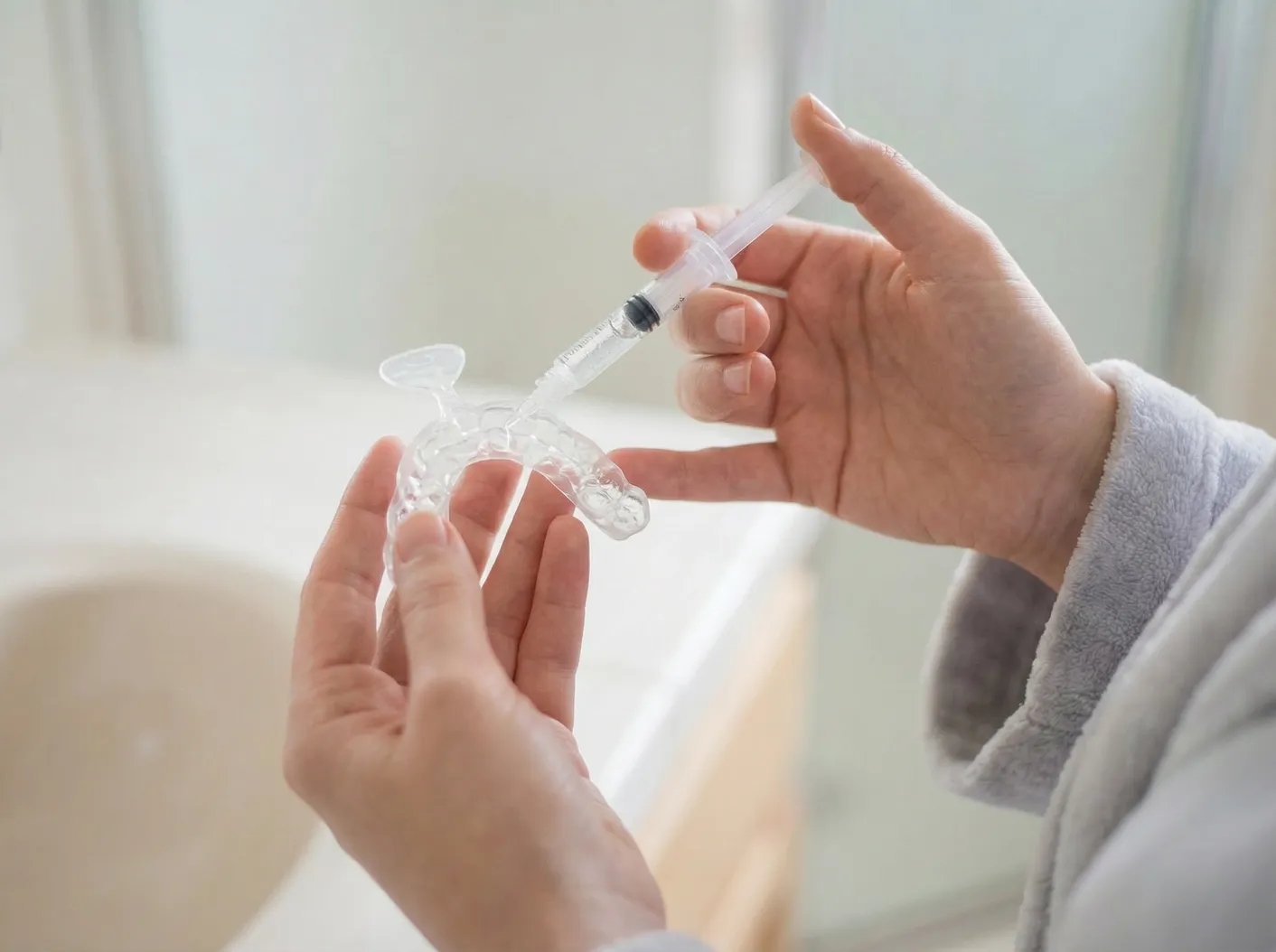
During teeth whitening, bleaching agents act on pigments in the tooth. Hydrogen peroxide or carbamide peroxide are usually used. These substances can lighten discolouration, but they can also irritate sensitive tissue.
The risk increases if products are used incorrectly. Excessively long application times can also contribute to discomfort. Teeth whitening should therefore be professionally supervised.
Not every result can be predicted exactly. Tooth colour, tooth enamel and previous treatments affect the outcome. Fillings, crowns and veneers also do not whiten along with natural teeth.
Sensitive teeth after whitening
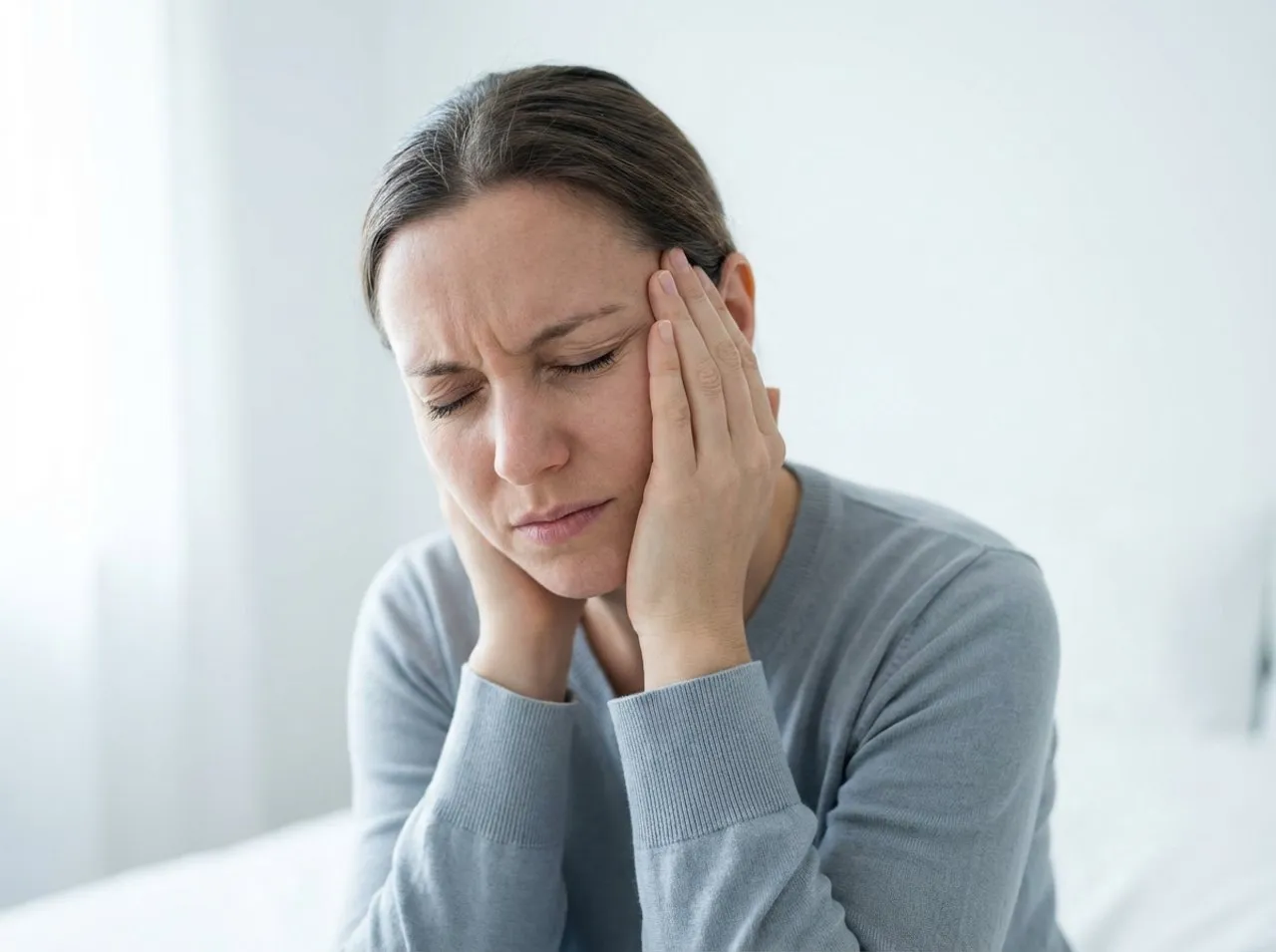
Increased tooth sensitivity is a common reaction. People often notice it with cold, heat or sweet foods. It usually occurs during or shortly after treatment.
This happens because tiny channels in the tooth become temporarily irritated. These channels transmit sensations to the tooth nerve. In healthy teeth, the sensitivity usually settles after a while.
The risk may be greater if the necks of the teeth are exposed. Very thin enamel can also be more sensitive. This is why the dentist examines the teeth carefully before whitening.
Irritation of the gums and oral mucosa
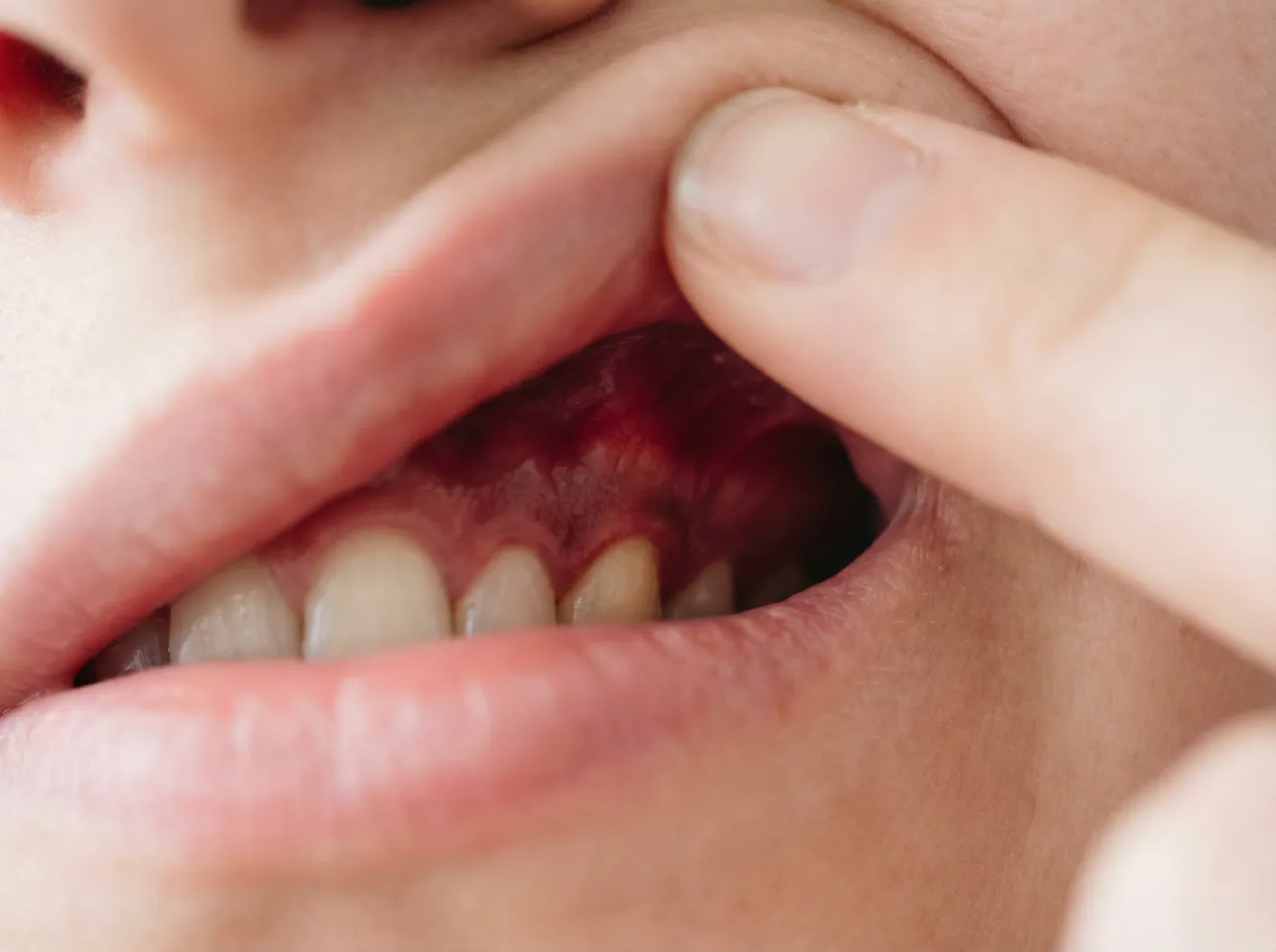
Teeth whitening gel should avoid contact with the gums as far as possible. If contact does occur, the tissue may become irritated. Typical signs include redness, burning or light-coloured patches on the gums.
These reactions are caused by contact with the bleaching agent. Well-fitting trays and protective materials reduce this risk. Professional application is therefore particularly important.
Over-the-counter products often have an imprecise fit. Gel can leak out more easily and touch the gums. This increases the risk of unpleasant side effects.
Risk of uneven results
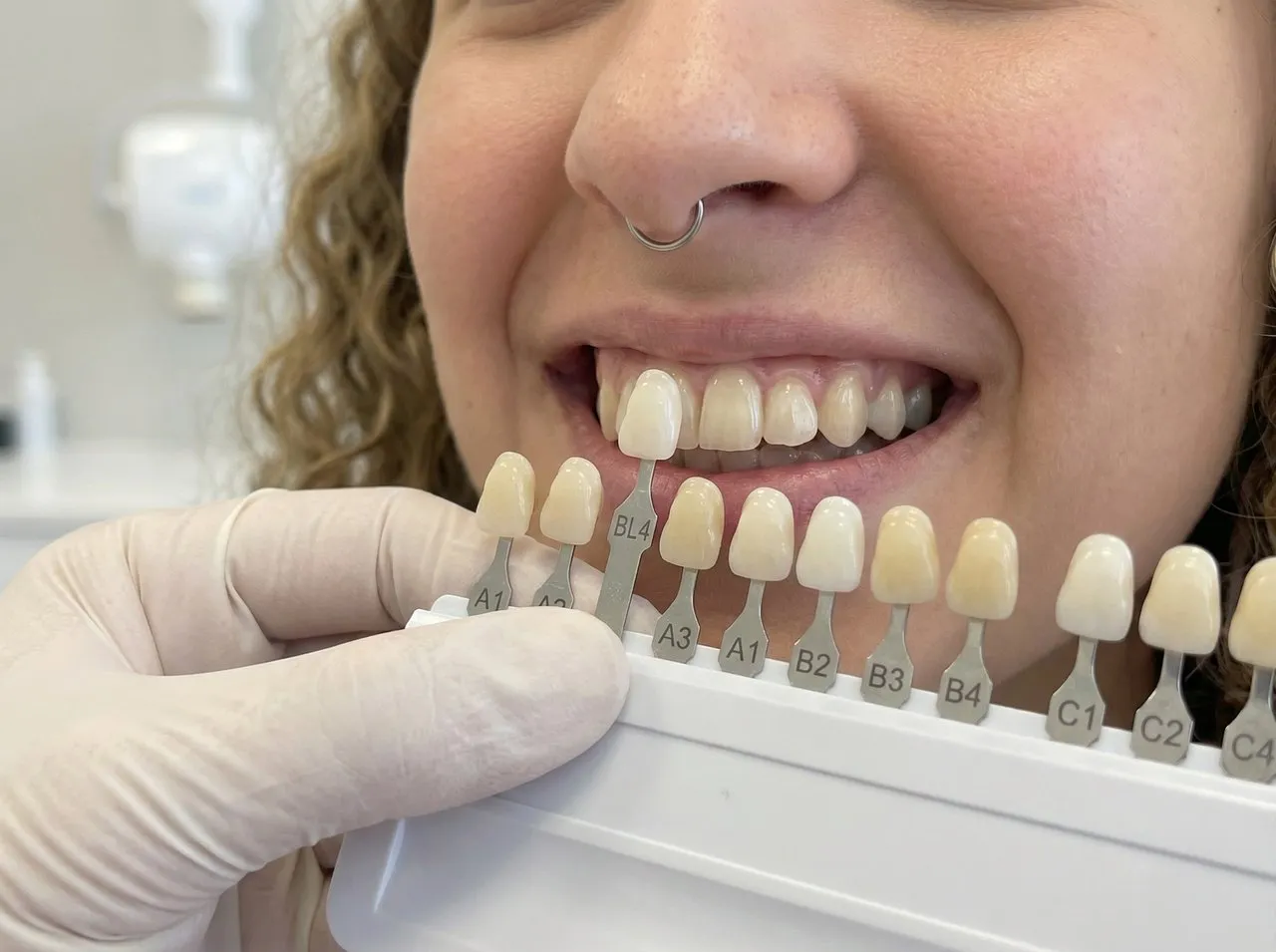
Teeth whitening only affects natural tooth substance. Ceramic crowns, composite fillings and veneers retain their colour. This can result in visible colour differences.
This is particularly noticeable in the front teeth. Existing restorations should therefore be checked beforehand. Fillings sometimes need to be adjusted after teeth whitening.
Internal discolouration also responds differently to teeth whitening. Discolouration caused by medication or old root fillings is more challenging. Another method may be more suitable in such cases.
When teeth whitening is not recommended
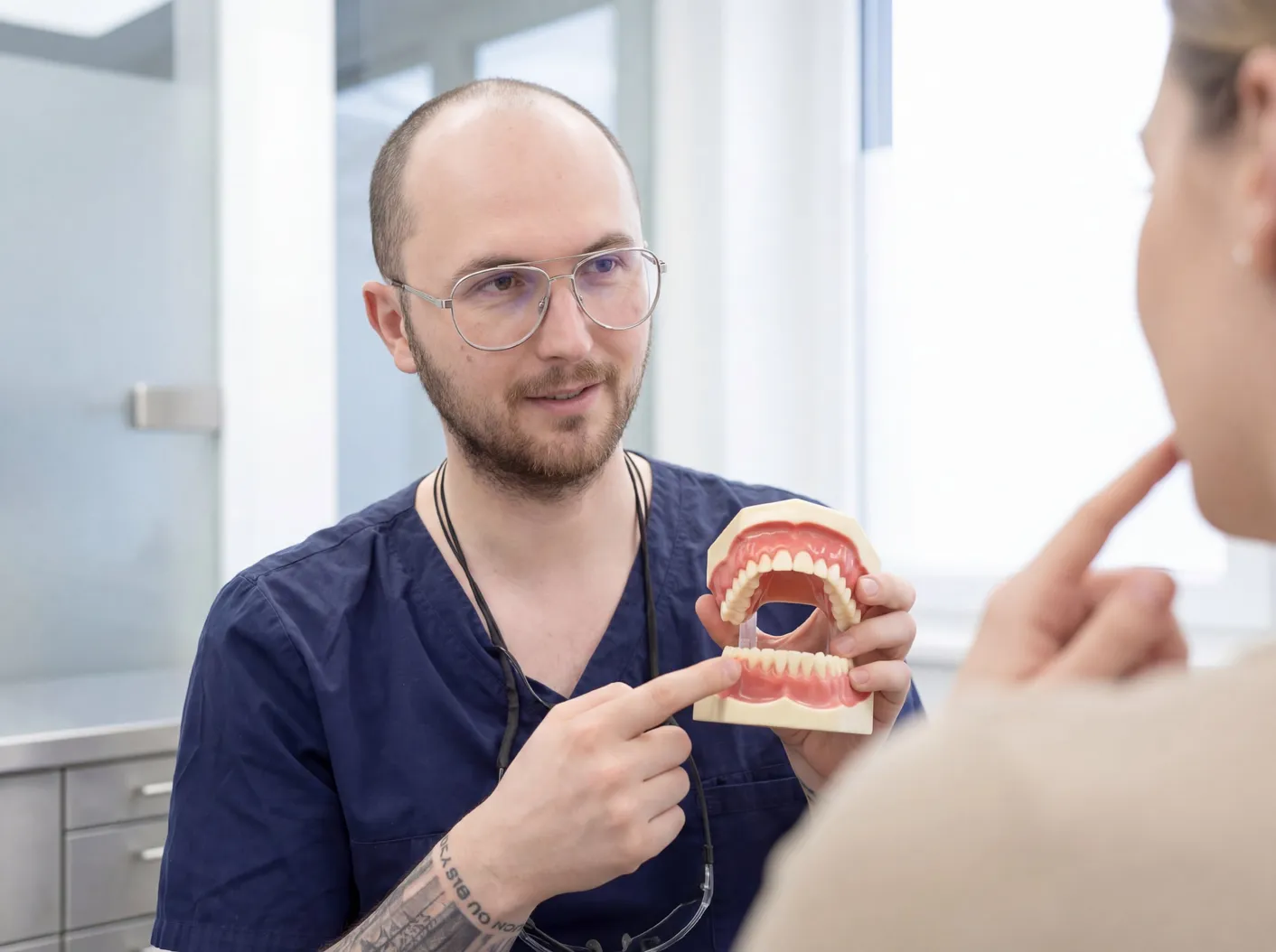
Teeth should not be whitened if there is untreated decay. Inflamed gums also need to be treated first. Otherwise, irritation and discomfort can be worse.
Allow enough time to heal after major dental treatment. The same applies if the necks of the teeth are sensitive or the enamel has significant defects. The right approach depends on your examination.
Cosmetic whitening is generally not intended for minors. Caution is also often advised during pregnancy and breastfeeding. In these cases, always seek advice from a dentist.
Risks of home remedies and online products
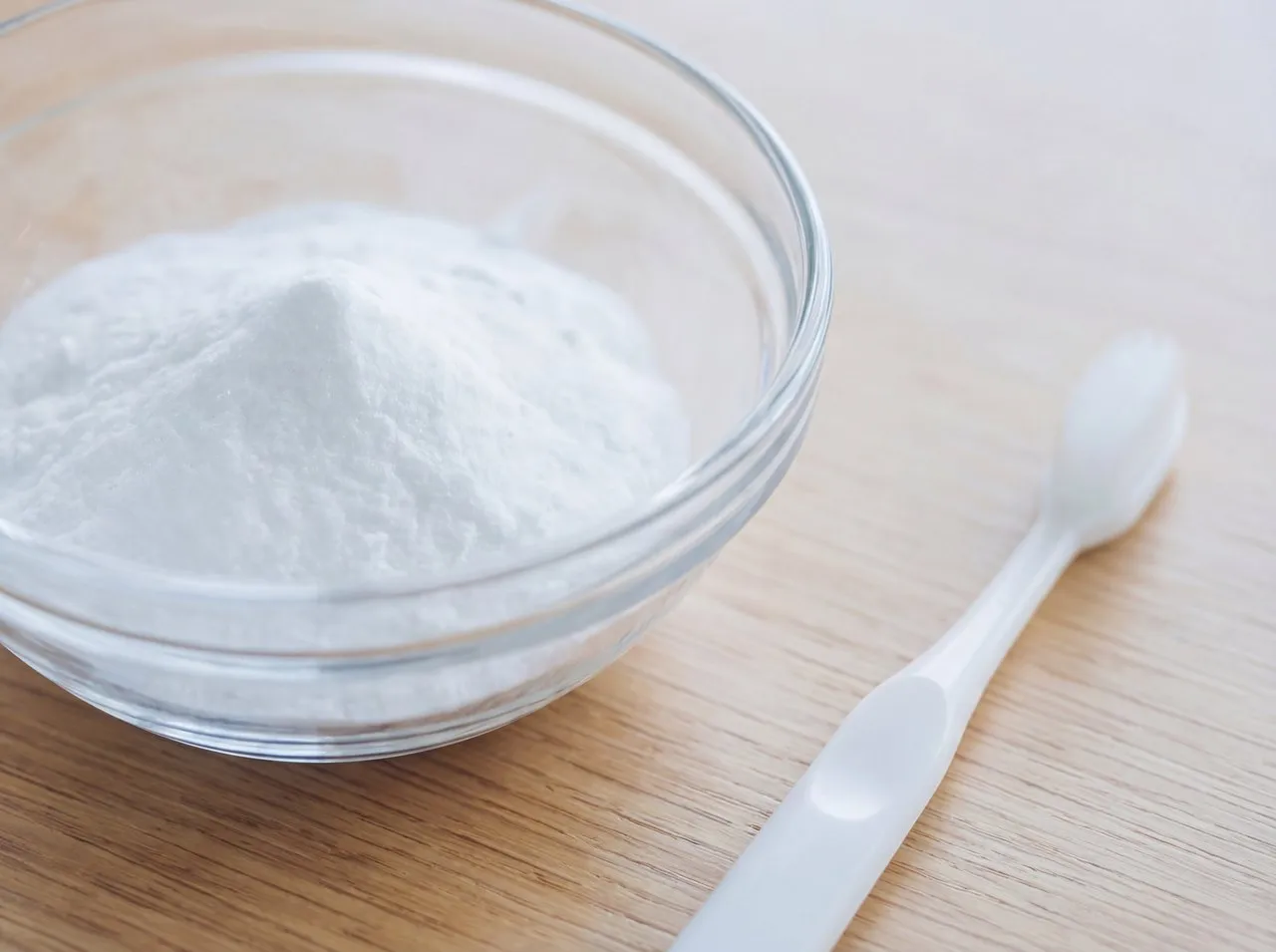
Many home remedies seem harmless but can be problematic. Lemon juice, bicarbonate of soda and activated charcoal attack the tooth surface. This can damage tooth enamel over time.
Strong products from the internet are also a cause for concern. The concentration and ingredients are not always clear. Products used incorrectly can damage the gums and teeth.
Whitening toothpastes usually only remove surface deposits. If they are too abrasive, they can roughen surfaces. This can even encourage new discolouration.
How Wunschlachen reduces the risks of teeth whitening
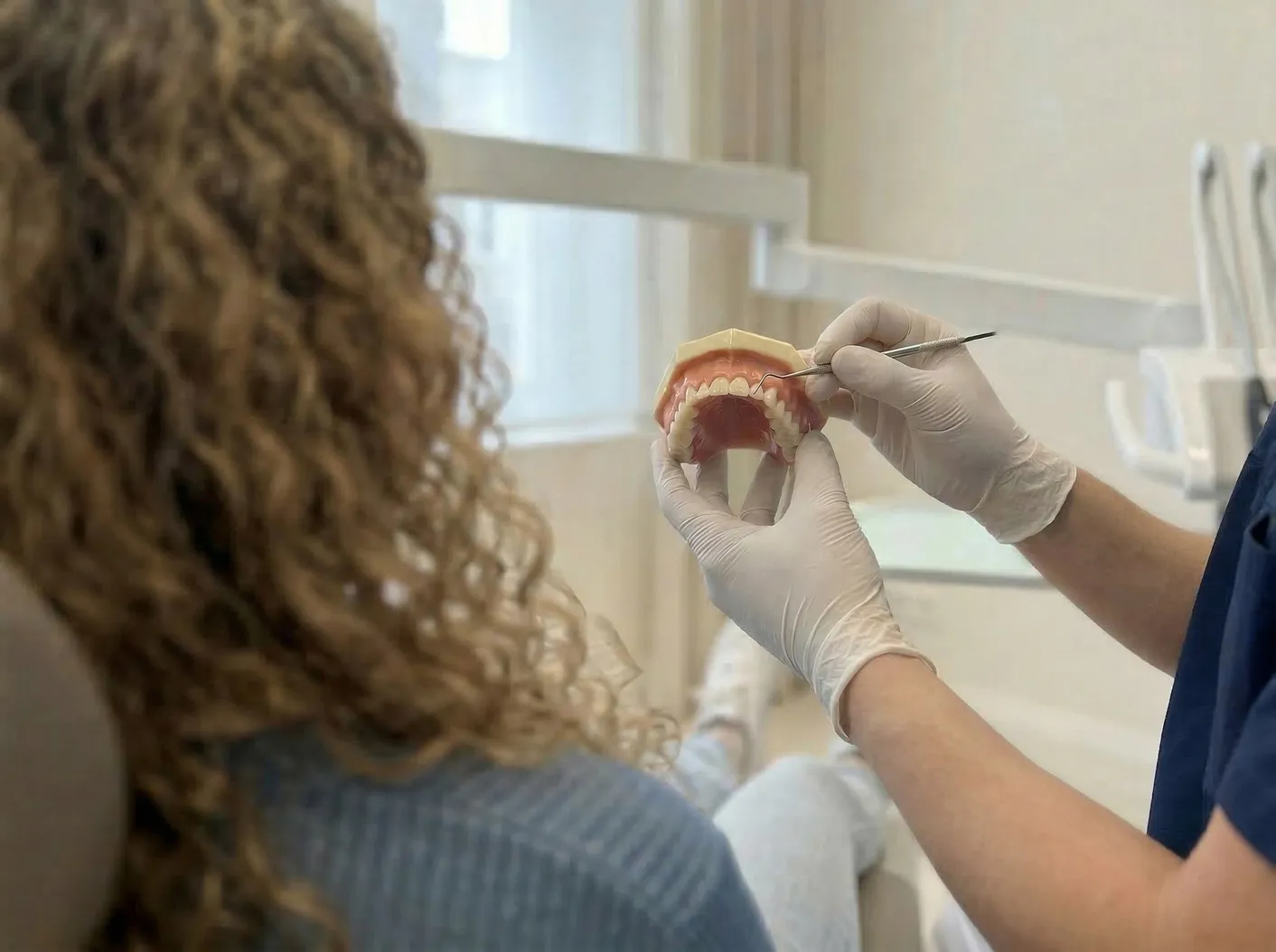
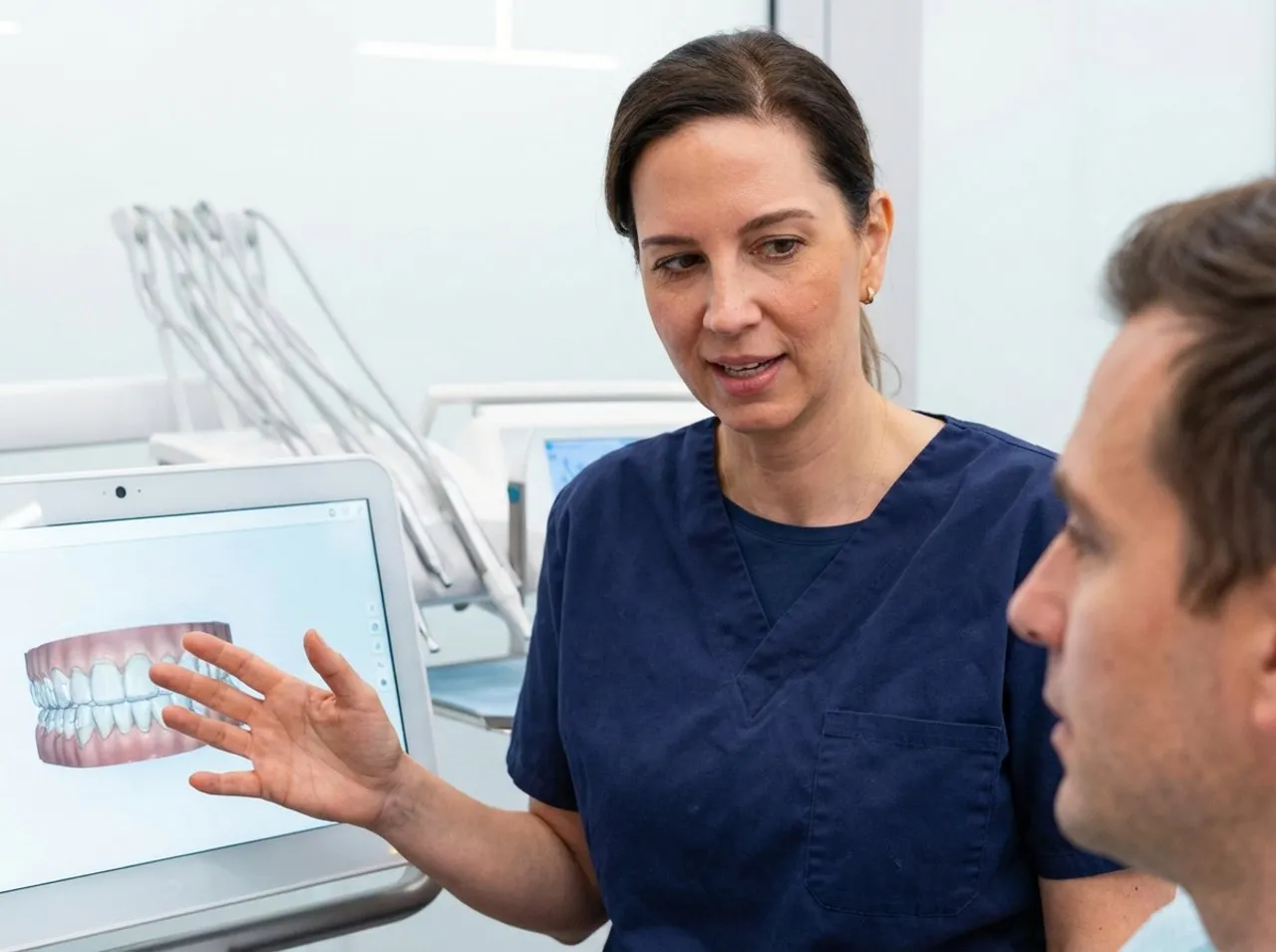
A thorough examination is carried out before every whitening treatment. We check for tooth decay and examine the gums, tooth necks and existing restorations. Only then do we recommend a suitable method.
A professional dental cleaning may be useful beforehand. It removes deposits and reveals the true starting colour. This allows the teeth whitening to be planned more effectively.
During treatment, we pay attention to protection and dosage. Trays are made to fit and instructions for use are clearly explained. This keeps the risk of side effects as low as possible.
What you should bear in mind
Follow the recommended application exactly. More gel or longer application times do not reliably improve the result. They do, however, increase the risk of irritation.
After teeth whitening, teeth are temporarily more absorbent. Foods that stain heavily should be reduced for a short time. These include coffee, tea, red wine and heavily spiced foods.
Smoking can also affect the result more quickly. Good oral hygiene supports stable results. Regular check-ups help to identify risks early.

Conclusion: planning teeth whitening safely
The risks of teeth whitening can usually be well controlled. However, a careful dental assessment is essential. Tooth sensitivity and gum irritation in particular should be taken seriously.
At Wunschlachen, you will receive individual advice. We explain the benefits, limitations and alternatives clearly. This enables you to make an informed decision about your smile.