Root canal treatment for inflammation – recognise the signs early
Root canal treatment can often preserve a natural tooth when inflammation is present. It becomes necessary when bacteria have reached the inside of the tooth. There, they inflame the dental nerve or cause the tissue to die.
The aim is to remove infected tissue. The root canals are then cleaned and sealed tightly. At Wunschlachen, we carefully assess whether root canal treatment is appropriate.
Über 350 Google-Bewertungen
When is root canal treatment needed for inflammation?
Inflammation inside a tooth usually does not develop suddenly. It often develops over a longer period. The trigger is often deep tooth decay, a leaking filling or dental trauma.
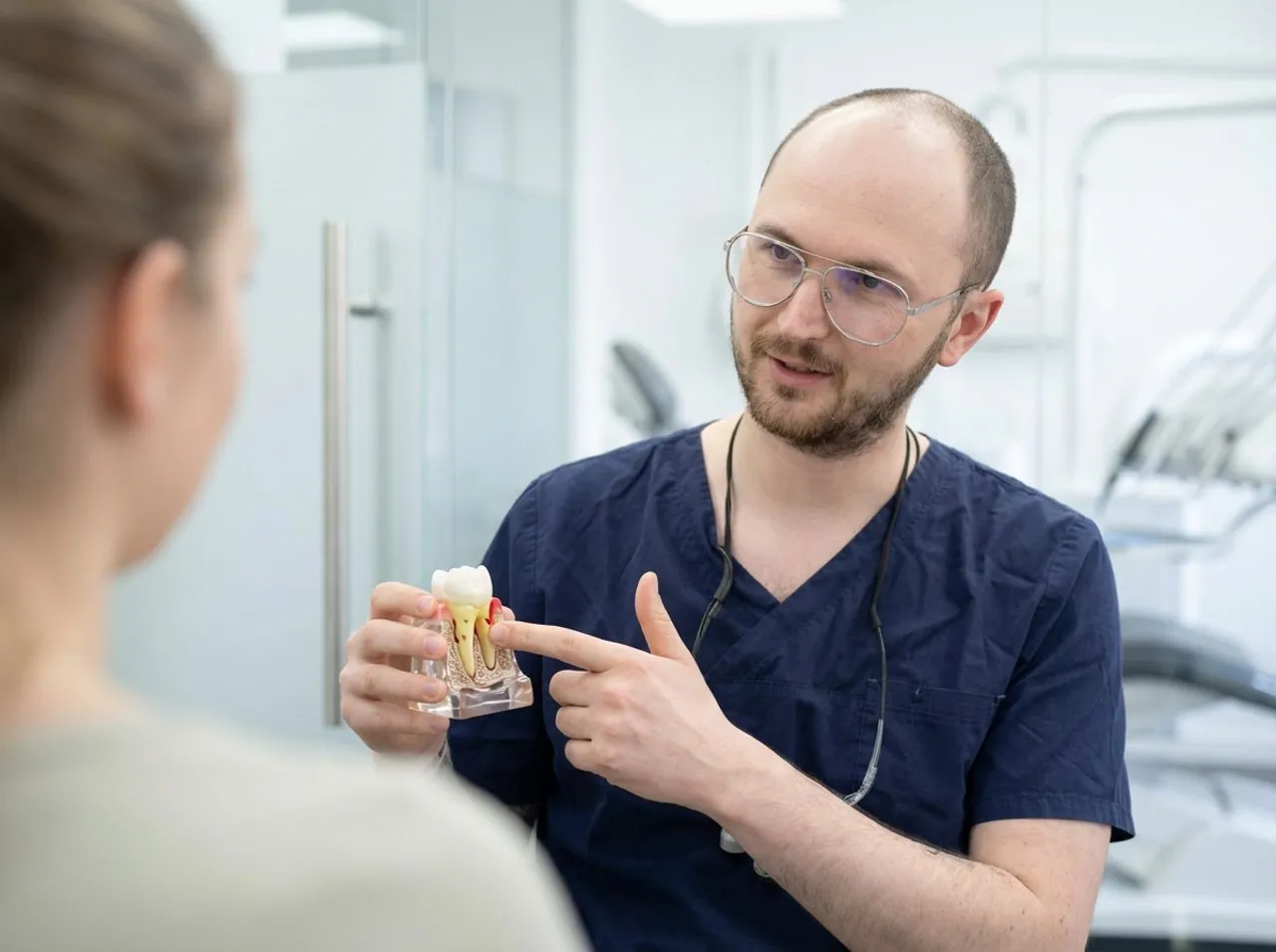
The pulp is located inside the tooth. It contains nerves, blood vessels and delicate connective tissue. If bacteria reach it, the tissue can become inflamed.
If left untreated, the inflammation can spread. It can then reach the root tip and jawbone. Root canal treatment aims to stop this spread.
Typical signs of a tooth root infection
A tooth root infection can cause various symptoms. People often experience sensitivity to heat, cold or pressure. A throbbing sensation is also possible.
Further warning signs are tenderness when tapped and discomfort when chewing. Sometimes the affected tooth feels higher than usual. Swelling of the gums can also occur.
Inflammation does not always cause clear symptoms straight away. A tooth may already have died without causing severe discomfort. This is why regular dental check-ups are particularly important.
Causes: How does a tooth root become inflamed?
The most common cause is deep tooth decay. It first destroys the enamel and later the dentine.
Bacteria can then penetrate as far as the dental nerve. Old crowns or fillings can also develop leaks. Germs collect in small gaps around the edges.
These can slowly infect the inside of the tooth. An accident can also cause a tooth root infection. This can result in fine cracks or impaired blood supply.
The dental nerve can then become inflamed or die.
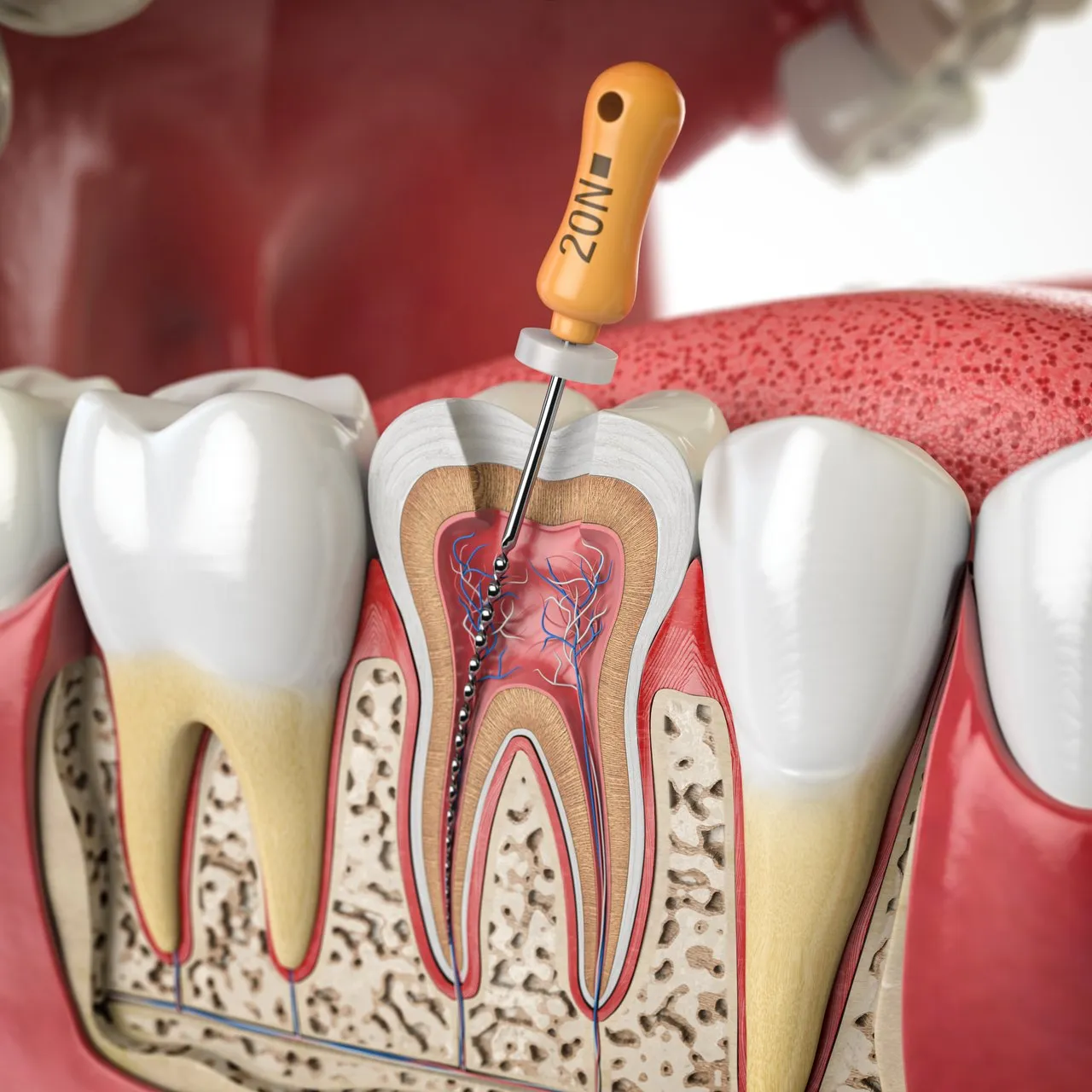
How root canal treatment is carried out
Before treatment, the tooth is examined carefully. This includes a visual inspection, a sensitivity test and usually an X-ray. This allows the dentist to identify the length of the root and possible sites of inflammation.
The area is then numbed with a local anaesthetic. The dentist then opens the tooth very precisely. Inflamed or dead tissue is removed from the root canals.
The fine canals are prepared mechanically or manually. They are cleaned, widened and rinsed several times. The aim is to reduce the bacteria as thoroughly as possible.
The canals are then filled with a suitable material. Gutta-percha is usually used. The tooth is then sealed with a filling or fitted with a crown at a later stage.
How long does root canal treatment take?
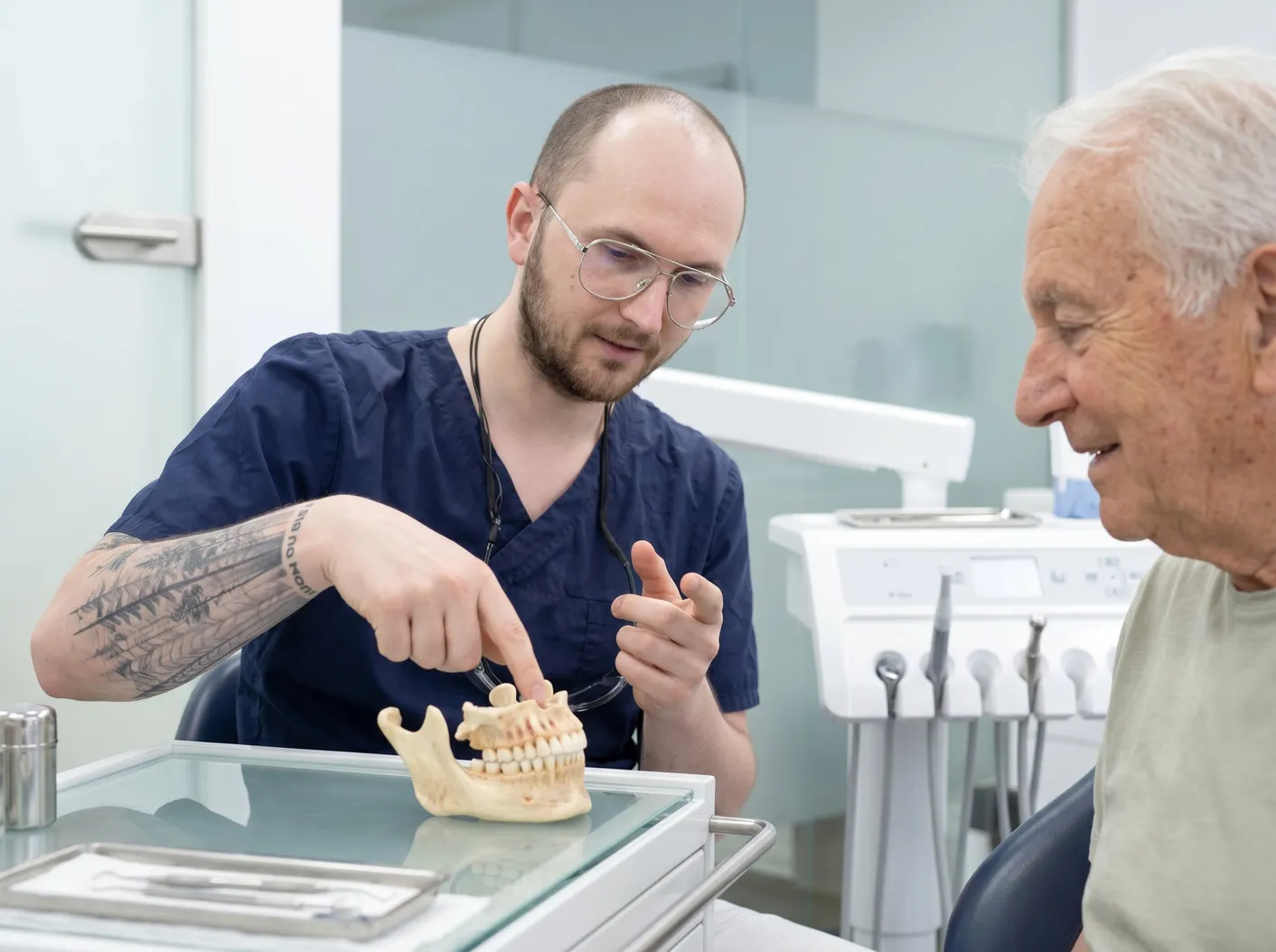
The duration depends on the tooth and the inflammation. Front teeth usually have fewer canals than back teeth. Molars often have several branched root canals.
Some treatments can be completed in one session. Several appointments are advisable if the inflammation is severe. A medication is then first placed inside the canal.
The tooth should be protected between appointments. Very hard foods are best avoided. Good oral hygiene supports healing.
When is an antibiotic not enough?
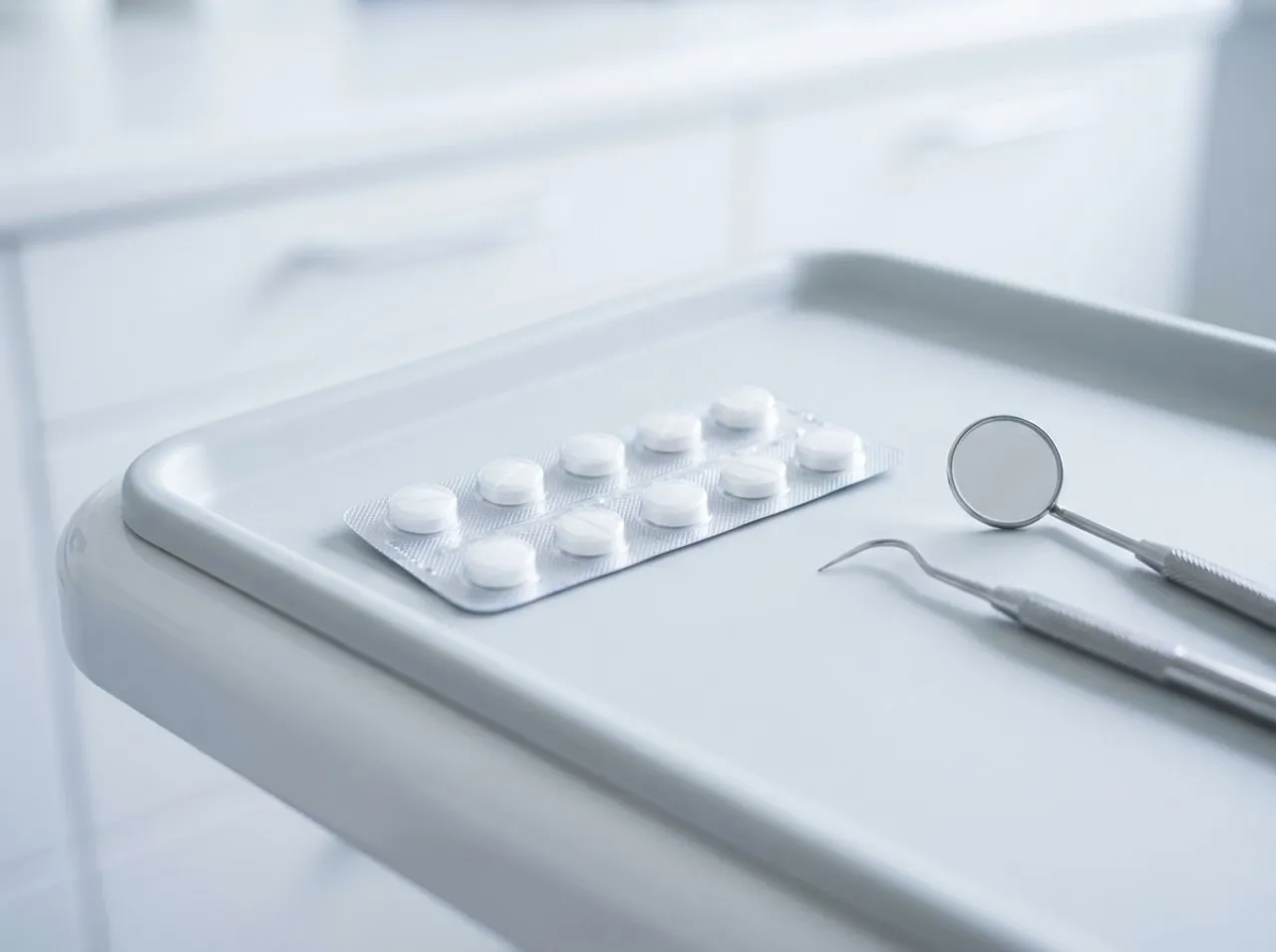
Many patients ask about antibiotics for a tooth root infection. In certain cases, an antibiotic can help as an additional treatment. However, it does not eliminate the cause within the root canal.
As long as infected tissue remains in the tooth, symptoms can return. Mechanical cleaning is therefore crucial. The site of infection must be treated directly.
Antibiotics may be necessary if there is swelling, fever or spreading infection. The dentist makes this decision after an examination. Taking them on your own initiative is not advisable.
Modern endodontics at Wunschlachen
At Wunschlachen, preserving teeth is our priority. We assess whether the affected tooth is stable enough. We then plan the appropriate endodontic treatment.
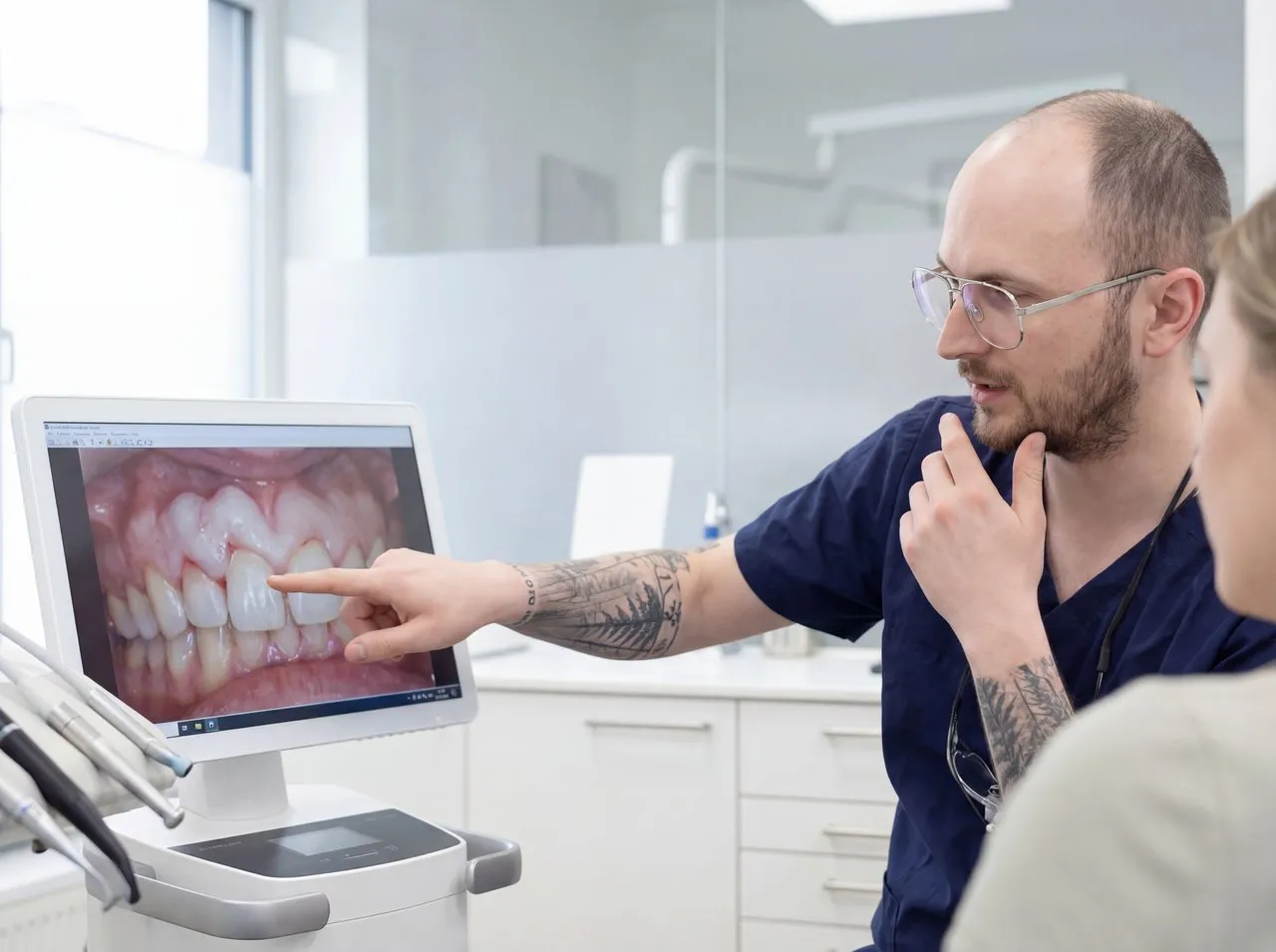
Modern instruments enable precise preparation. Digital X-ray technology helps with assessing the root canals. This allows treatment to be planned more accurately.
Subsequent restoration is also important. A tooth that has undergone root canal treatment can become more brittle. A crown can stabilise it if a substantial amount of tooth structure has been lost.
When is further treatment necessary?
Sometimes inflammation does not heal completely despite root canal treatment. This may be due to very fine lateral canals. Old root fillings can also develop leaks.
Retreatment may then be advisable. The old filling is removed. The canals are then cleaned and sealed again.
In some cases, an apicoectomy may be an option. This involves surgically removing the inflamed root tip. Here too, the aim is to preserve the tooth.

Conclusion: Treat an inflamed tooth promptly
Root canal treatment is an important way of preserving a tooth when inflammation is present. It removes infected tissue and seals the root canals. This allows the tooth to remain in place.
Early diagnosis is important. The earlier treatment begins, the more effectively the tissue can be relieved. This reduces the risk of further dental procedures.
The earlier treatment starts, the better the conditions for recovery. If you have symptoms or abnormal X-ray findings, we can advise you in person at Wunschlachen.