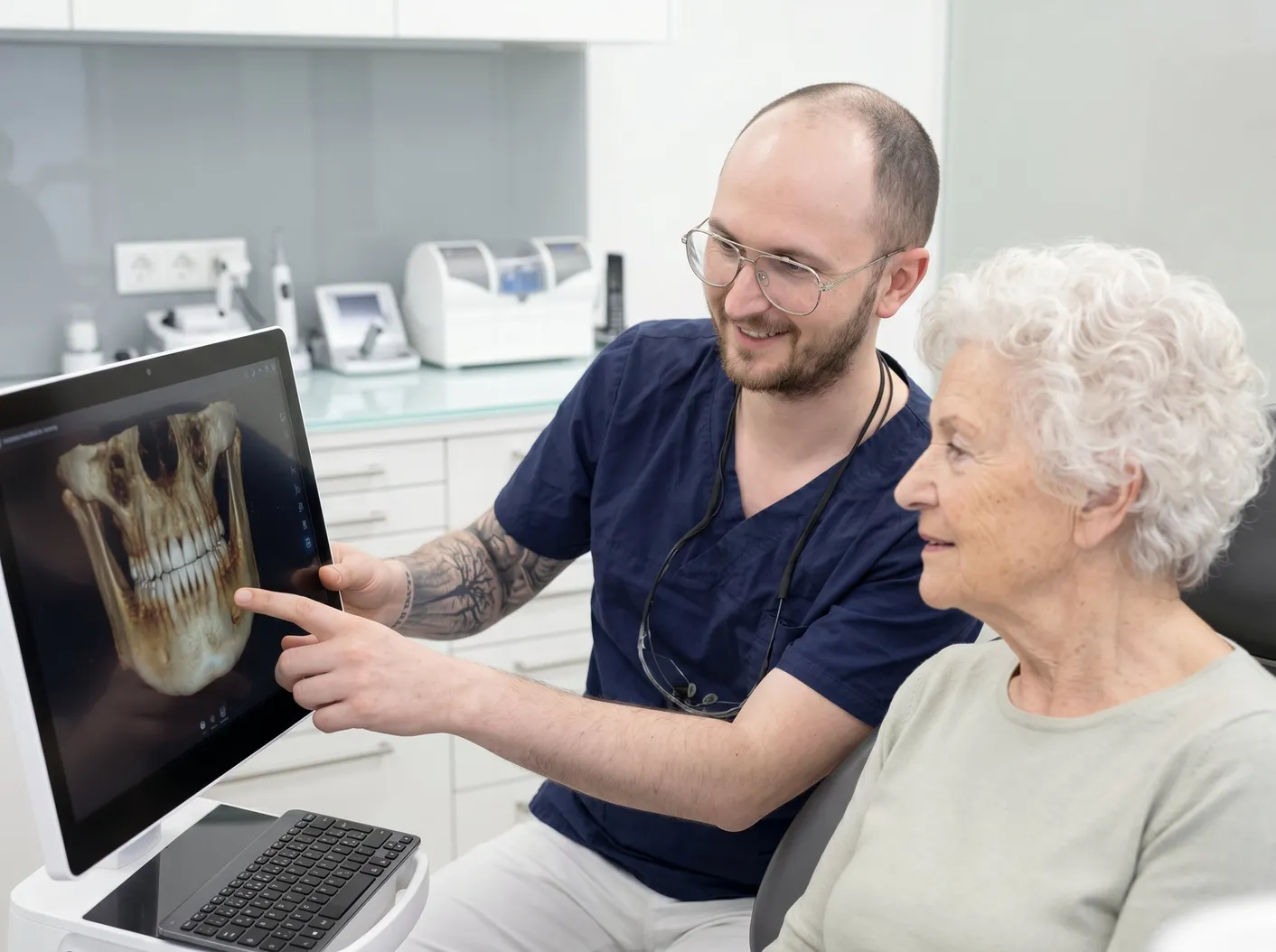
Rough tooth surfaces: causes and treatment
Rough tooth surfaces often feel dull, uneven or coated. Common causes include dental plaque, tartar, acids or minor changes to the enamel. A thorough examination will show whether professional cleaning is sufficient. Sometimes, however, the tooth requires targeted dental treatment.
Über 350 Google-Bewertungen
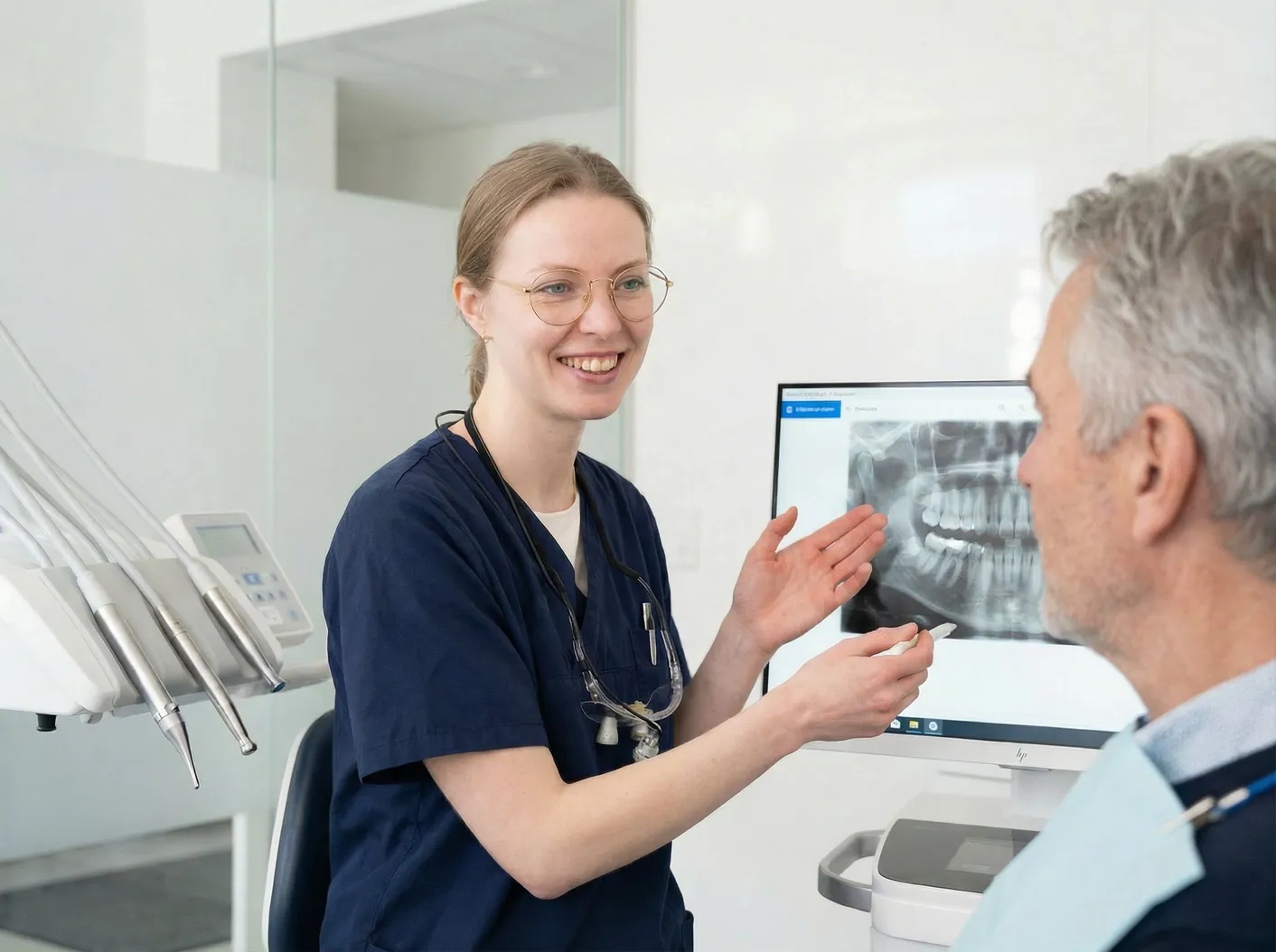
Why does the tooth surface feel rough?
A smooth tooth surface results from healthy tooth enamel and good oral hygiene. If this surface changes, the tongue often catches on it. Many patients describe this as a rough, sandy or furry sensation.
This sensation occurs particularly often after eating or in the morning. Food debris, bacteria and minerals then accumulate on the teeth. This can form a firm deposit that is no longer easy to remove.
Rough teeth are therefore not just a cosmetic issue. They can indicate deposits or early tooth damage. An early examination protects long-term dental health.
The more uneven the surface, the more easily new deposits adhere to it. This can reinforce the cycle. Regular preventive dental care interrupts this process at an early stage.
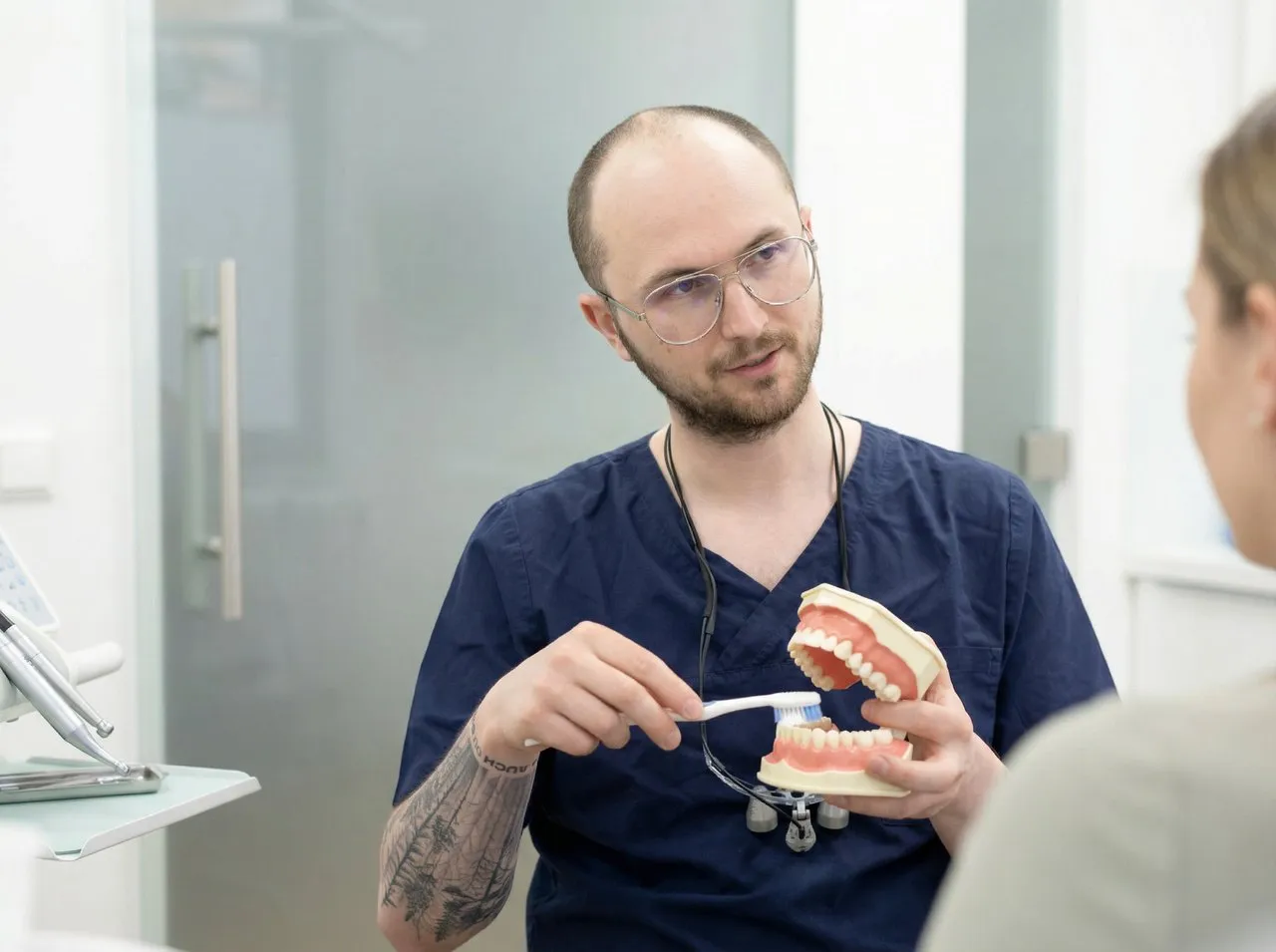
Common causes of rough tooth surfaces
The most common cause is plaque. This soft layer of bacteria forms on the teeth every day. If it is not removed thoroughly, it hardens into tartar.
Tartar often feels noticeably rough and tends to build up along the gum line or between the teeth. It can contribute to gum irritation and bad breath.
Acidic foods and drinks, such as soft drinks, fruit juice, citrus fruit and foods containing vinegar, can also affect tooth structure. Acid can dissolve some of the enamel at the surface.
Teeth can feel less smooth after eating or drinking acidic products. Brushing hard straight afterwards can place extra strain on the surface. It is better to rinse with water first.
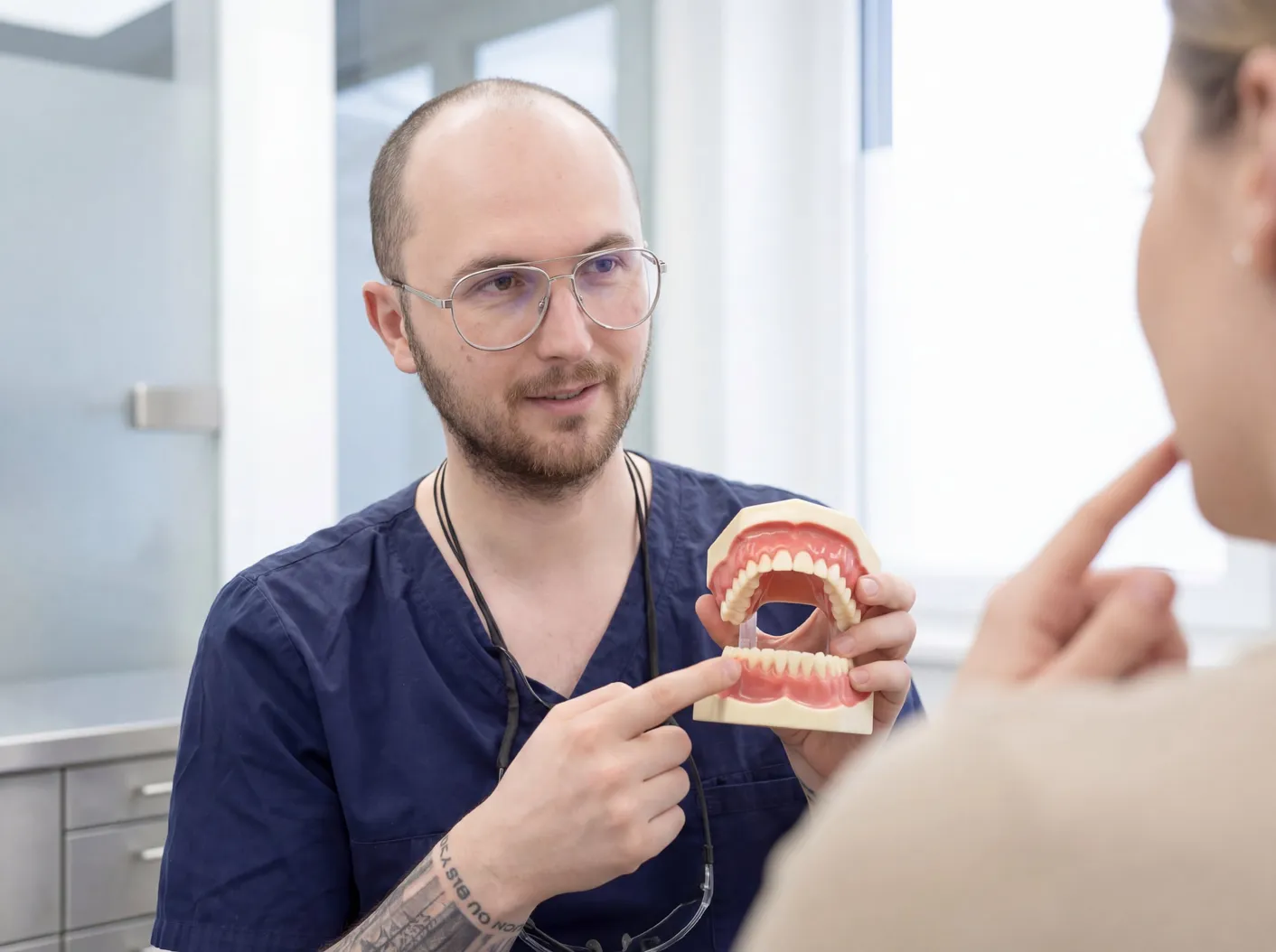
Rough patches on teeth caused by changes to the enamel
Tooth enamel is the outer protective layer of the tooth. It is very hard, but not infinitely resistant. Acids, grinding or incorrect brushing can alter it.
When enamel is worn away, small irregularities develop. These can often be felt easily with the tongue. Discolouration also takes hold more easily in these areas.
Rough areas sometimes develop after small chips. The edges of old fillings can also feel uneven. A dentist should examine such areas carefully.
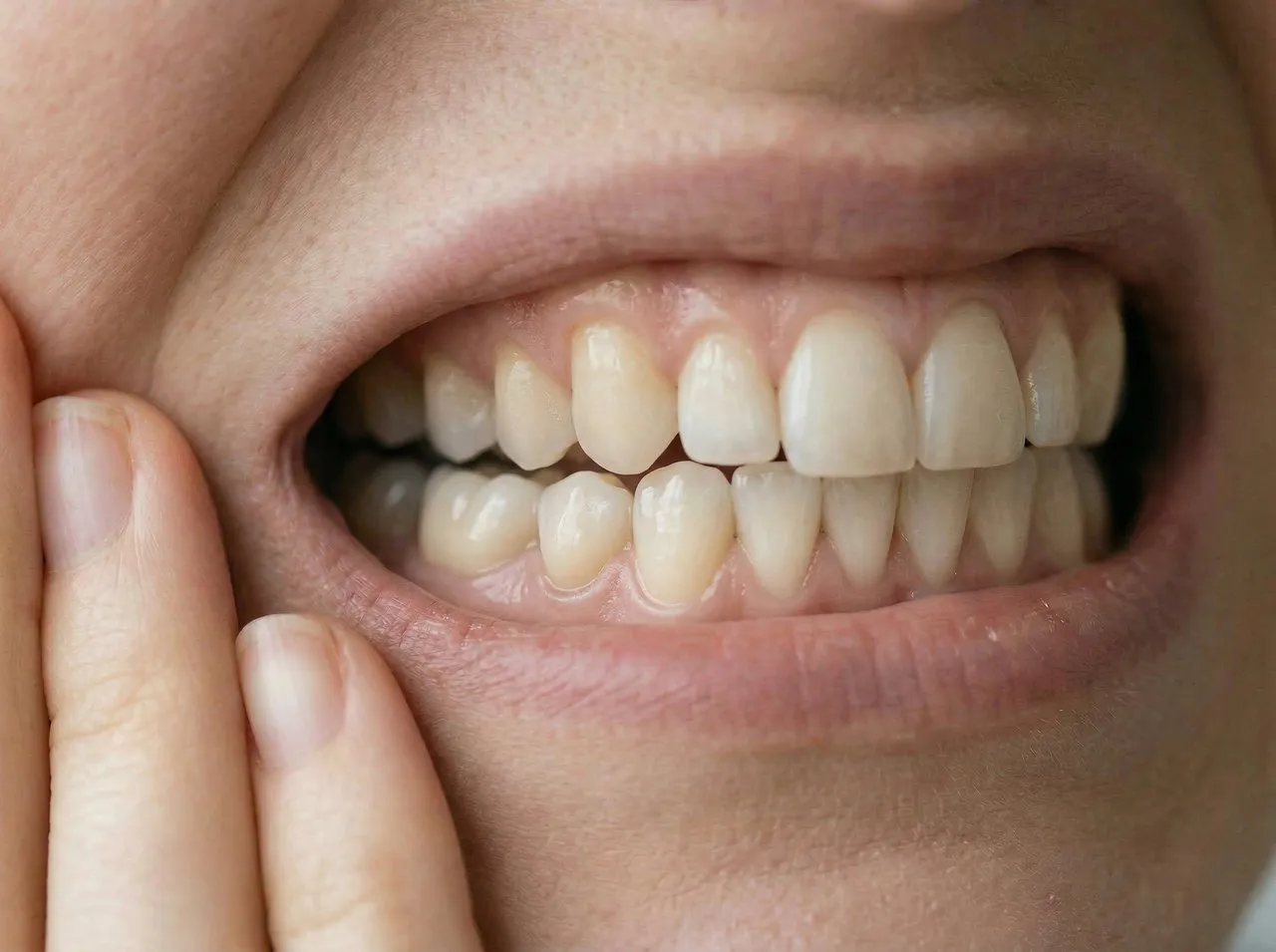
Rough tooth surfaces after dental cleaning or teeth whitening
Teeth usually feel smooth after a professional clean. For a short time, the surface may feel unfamiliar, often because existing deposits have been removed.
Teeth can also feel rough after whitening. The enamel may be temporarily more sensitive. Fluoride can support remineralisation at the surface.
Individual advice matters because roughness can have different causes. At Wunschlachen, we examine your tooth structure carefully.

When should rough teeth be examined?
An examination is advisable if rough patches persist. Discolouration, bleeding gums or an unpleasant taste are also warning signs. Deposits or inflammation may then be involved.
An examination is particularly important for sensitive teeth. Exposed tooth necks can also feel rough. They often react more strongly to cold, heat or sweet foods.
Uneven areas should also be checked after new fillings. A slight overhang can irritate the tongue. Bacteria can also accumulate there more easily.
Treating rough tooth surfaces at the dentist
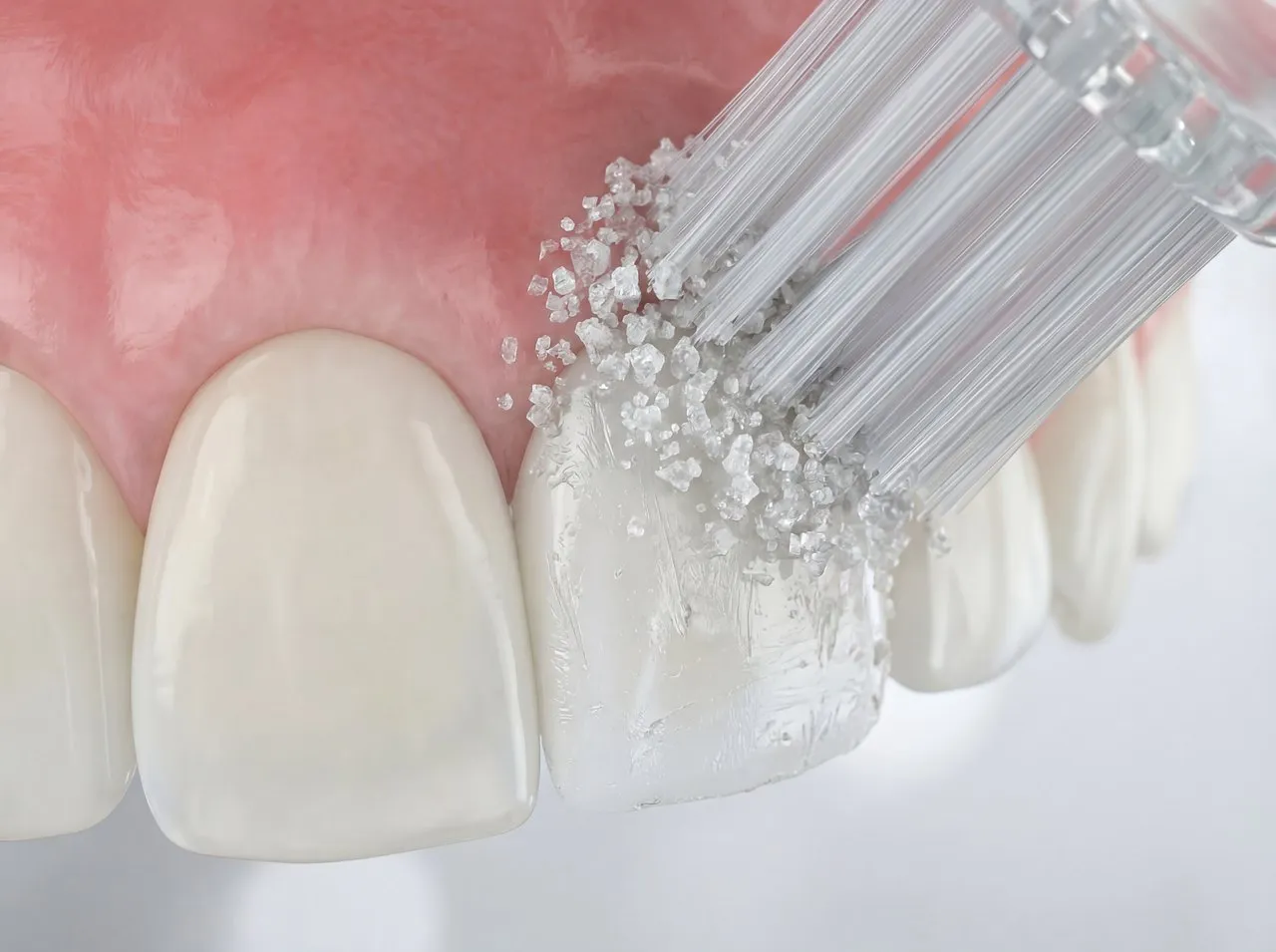
Treatment depends on the cause. Professional dental cleaning usually helps with deposits. Plaque, tartar and discolouration are thoroughly removed.
The teeth are then polished. A smooth surface makes it harder for new deposits to form. Fluoride can also strengthen the tooth enamel.
The surface of defective fillings is adjusted. Small edges can be smoothed or restored. Tooth decay requires targeted treatment.
If acid damage is present, protecting the tooth is the main focus. The dentist may recommend fluoride gels or protective varnishes. Diet and brushing technique are also discussed.
What you can do at home
Careful dental hygiene helps prevent rough tooth surfaces. Brush twice a day with fluoride toothpaste. Also use dental floss or interdental brushes.
Use gentle pressure when brushing. Brushes that are too hard can damage the gums and enamel. An electric toothbrush can make cleaning easier.
Rinsing with water is advisable after acidic foods. Wait approximately thirty minutes before brushing. This allows the tooth enamel to stabilise more effectively.

Regular preventive dental care at Wunschlachen
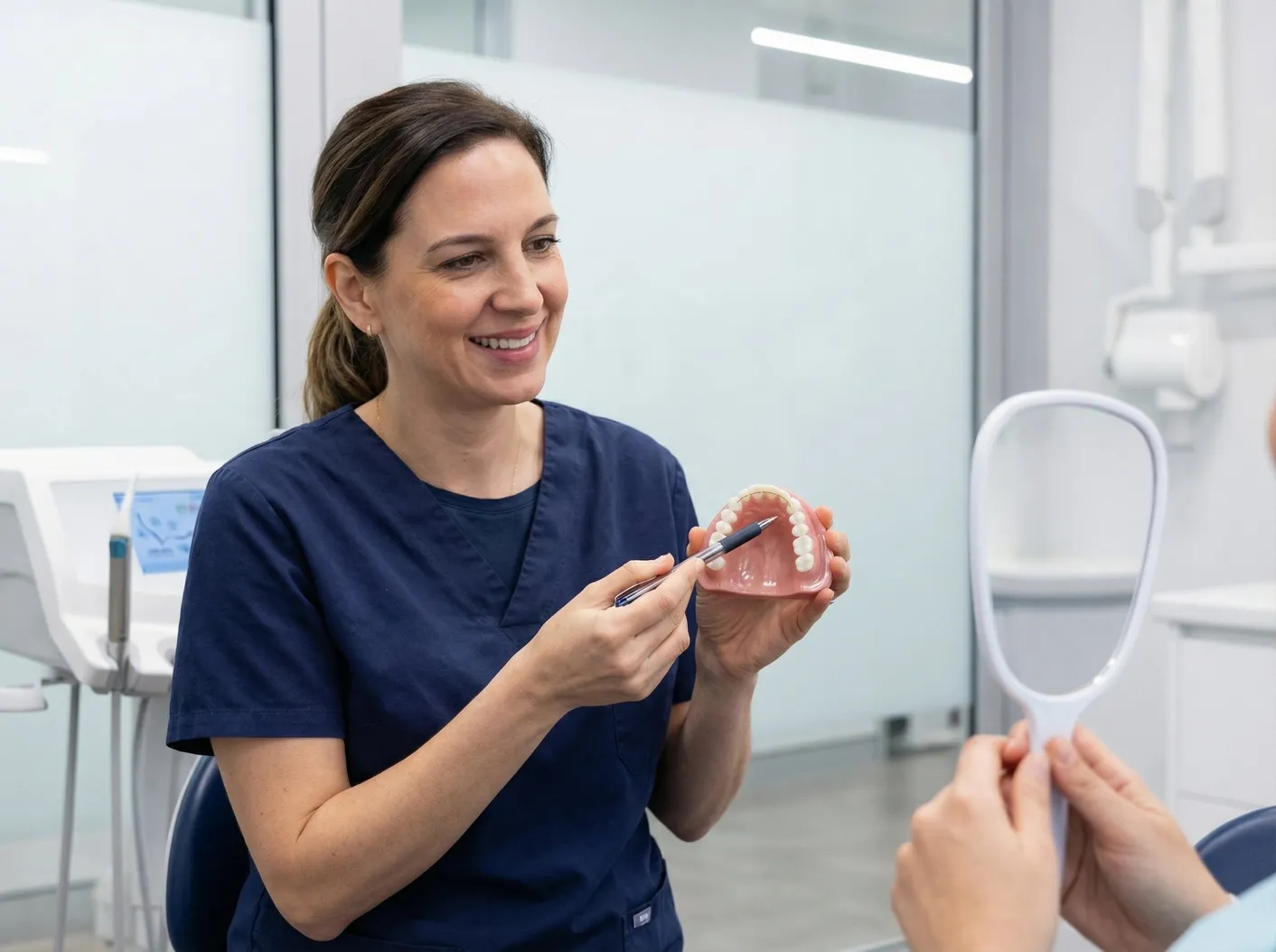
Regular check-ups help to detect rough patches early. At Wunschlachen, we look beyond individual teeth. We also examine the gums, bite and oral hygiene.
Professional dental cleaning can smooth the surface considerably. At the same time, it reduces bacteria and stubborn deposits. This supports long-term oral health.
Our advice is personalised and easy to understand. You will learn what is causing the problem in your case. We then plan the appropriate treatment.