
Screwless dental implants – costs explained simply
Screwless dental implants offer a modern, aesthetically pleasing treatment with a clear cost structure. The key factors are the clinical findings, materials, dental restoration and planning involved. Understanding the price factors will help you better assess your treatment at Wunschlachen.
Über 350 Google-Bewertungen

What are screwless dental implants?
Screwless dental implants are implant-supported solutions without a visible screw channel. This often gives the dental restoration a more harmonious appearance. This is particularly relevant in the front teeth.
The focus is on aesthetics, function and a precise fit. Each treatment is planned individually. Flat-rate prices are therefore rarely credible.
Depending on the clinical findings, a single crown, bridge or denture may be suitable. The connection between the implant and the dental restoration is also important. It affects stability and costs.
What costs are involved with screwless dental implants?
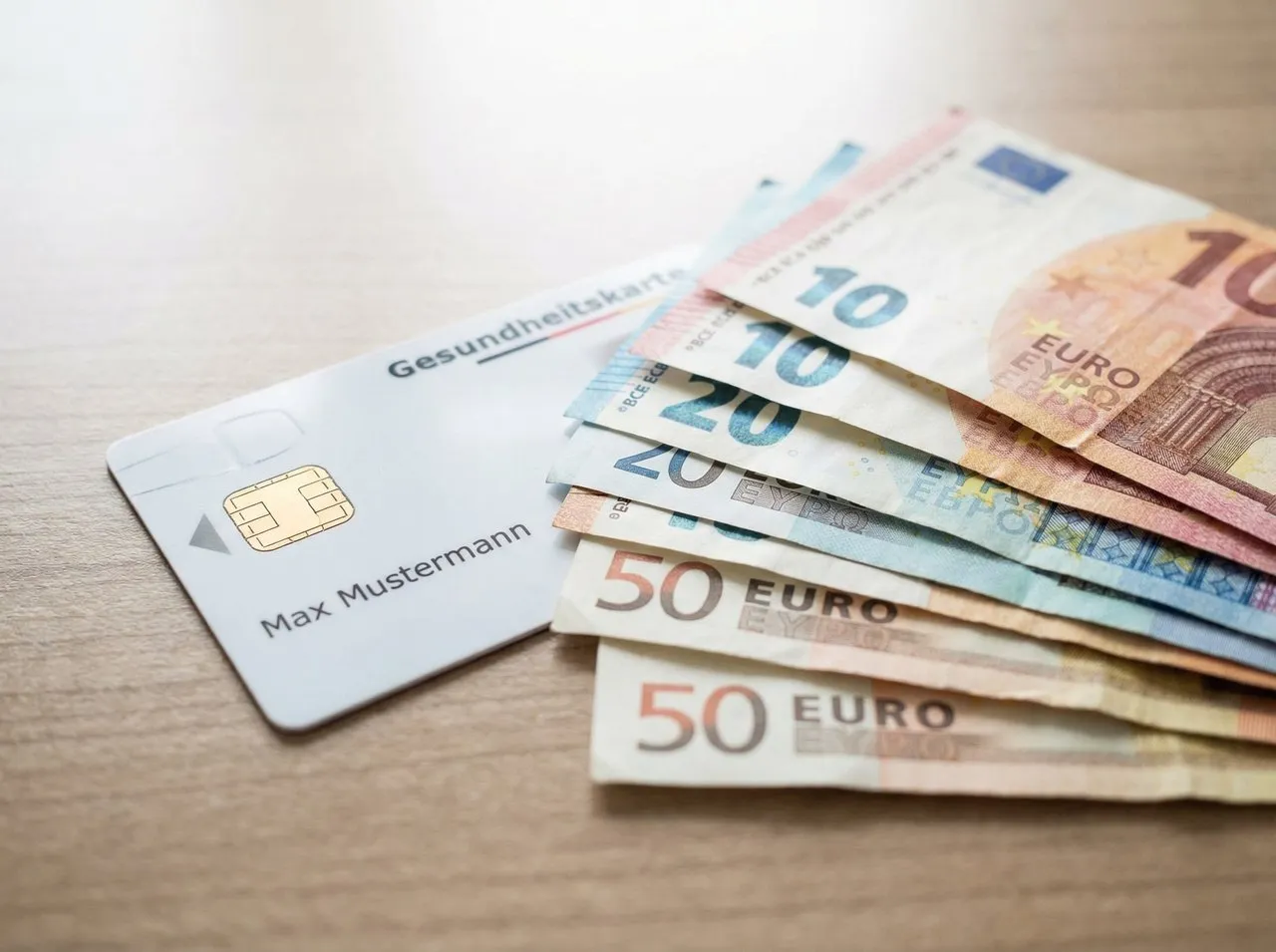
Costs depend on the extent of the restoration. A single implant involves less work than a restoration with several units. Dental laboratory work and diagnostic tests also matter.
As a guide, a single screwless dental implant with a crown often costs between €2,000 and €4,500. The total rises if you need multiple implants, and complex cases can cost more.
A bridge usually costs more than a single crown. This is because it requires more material and more complex dental laboratory work.
If all teeth in a jaw are missing, the price depends heavily on the treatment plan. The number and position of implants matter, as does the choice of prosthesis.

Which factors influence the costs?
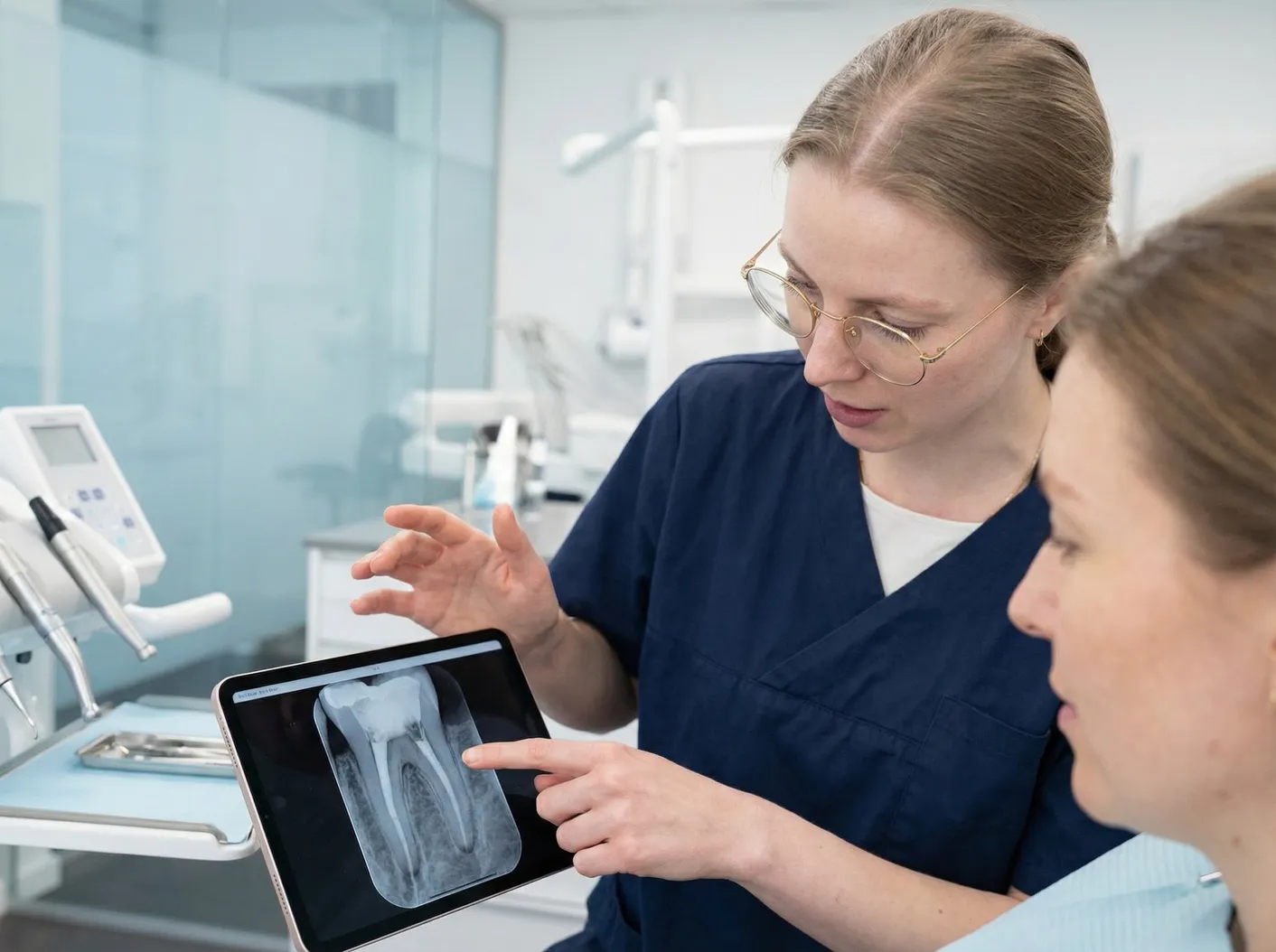
The first cost factor is diagnostics. X-rays and often a CBCT scan provide a reliable basis for planning. These steps are medically important and affect the costs.
The second factor is the implant material. Titanium has been established for many years. In some cases, ceramic components may be suitable.
The third factor concerns the dental restoration. A high-quality crown requires precise laboratory work. This applies even more to bridges and implant-supported dentures.
The soft tissue also influences planning. Achieving a highly aesthetic contour often requires more preparation. This can increase the total price.
Pre-treatments incur additional costs. These include extractions, temporary restorations or periodontal treatment. Implant placement should not take place without stable initial conditions.
Why does aesthetics often affect the costs?
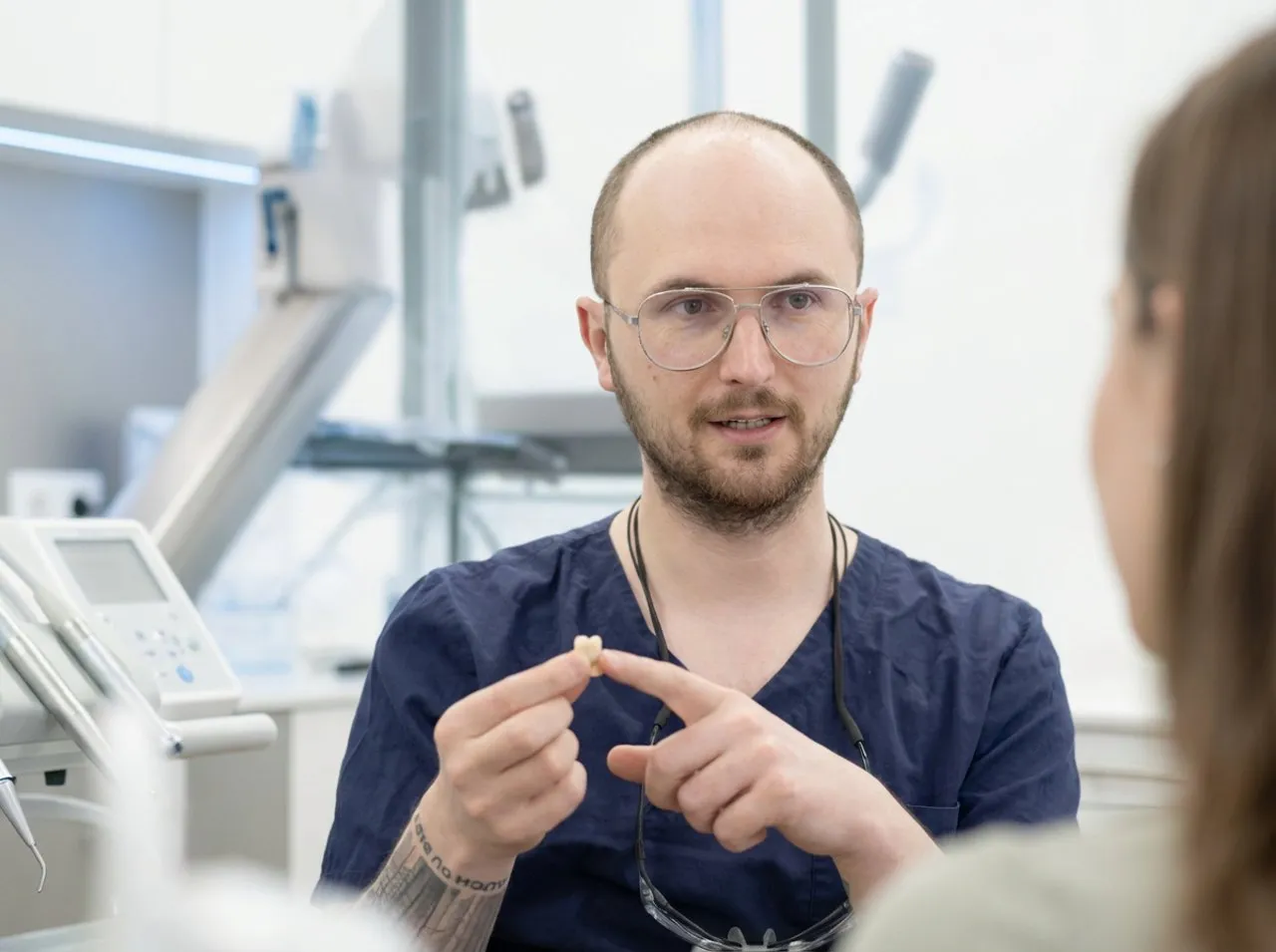
Screwless dental implants are often chosen for their appearance. There are no visible screw channels. This can make the restoration look more natural.
A high degree of precision is required, particularly in visible areas. The shape, colour and emergence profile must be right. These requirements increase the laboratory work involved.
The bite is also checked precisely. Even small discrepancies can cause problems. Considerable time is therefore spent on planning and fine adjustments.
What does health insurance cover?
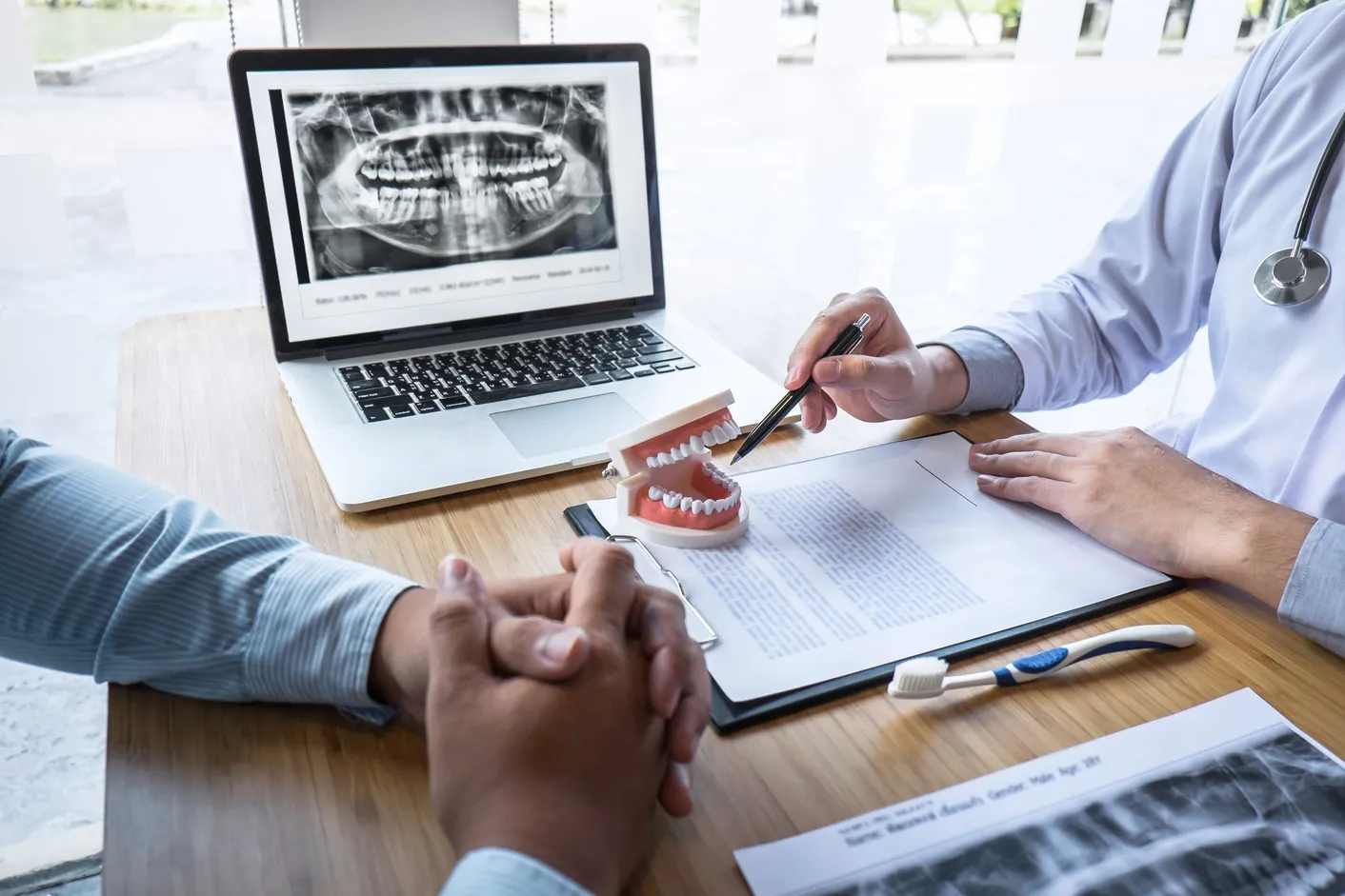
Statutory health insurance usually does not cover implant costs in full. In many cases, it only pays the fixed subsidy. This is based on standard care.
The out-of-pocket contribution therefore often remains significant. Its amount depends on the clinical findings and the chosen treatment. A bonus booklet can increase the subsidy.
Private or supplementary insurance policies often reimburse a larger proportion. However, this depends on the policy. Reimbursement should be checked before treatment begins.
How does cost planning work at Wunschlachen?
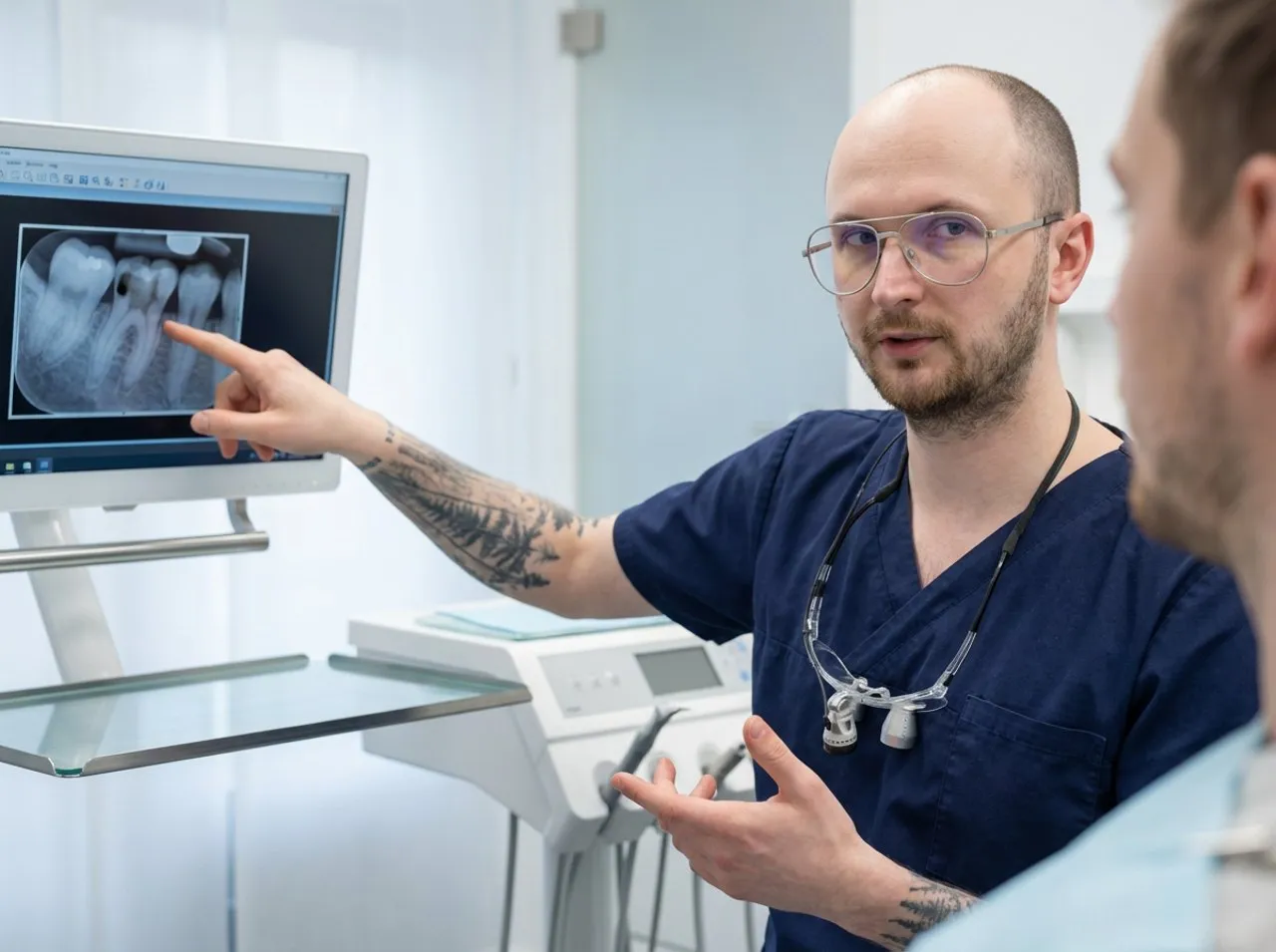
The process begins with a clinical examination. This is followed by imaging and an assessment of the findings. Only then can costs be calculated reliably.
We then prepare a treatment and cost plan. Diagnostics, implant placement and the dental restoration are listed separately. This keeps the price structure transparent.
During the consultation, we explain the differences between the treatment options. We discuss durability, aesthetics and the work involved. This makes it easier to make an informed decision.

Who are screwless dental implants suitable for?
Screwless dental implants can be suitable for many restorations where appearance matters. They are often requested for single missing teeth. Smaller bridges are also possible.
Thorough assessment is essential. There must be suitable bone, bite and oral hygiene. Any inflammation should be treated first.
This approach is suitable only in some cases. Another implant option may be more appropriate. That is why individual planning is important.
Is the investment worthwhile?
An implant does more than replace a missing tooth. It also stabilises function and chewing ability. It also supports a natural appearance.
A high-quality restoration can last for many years. This requires good care and regular check-ups. In the long term, this can reduce follow-up costs.
Looking only at the initial price often gives too narrow a view of the treatment. Overall benefit and durability are more important. Reliability in everyday life also matters.
Conclusion
Screwless dental implants combine aesthetics and function to a high standard. The costs depend on diagnostics, materials, the dental restoration and the clinical findings. Personal planning provides genuine transparency.
At Wunschlachen, you will receive a clear treatment and cost plan. This makes it easier to understand your out-of-pocket contribution and subsidies. It provides certainty before treatment.