Have a tooth checked after a fall
A fall can injure teeth, gums, roots and jaw without this being immediately obvious. An affected tooth should therefore be examined by a dentist promptly. Early checks help identify possible consequences in good time.
Über 350 Google-Bewertungen
Why having a tooth checked after a fall is important
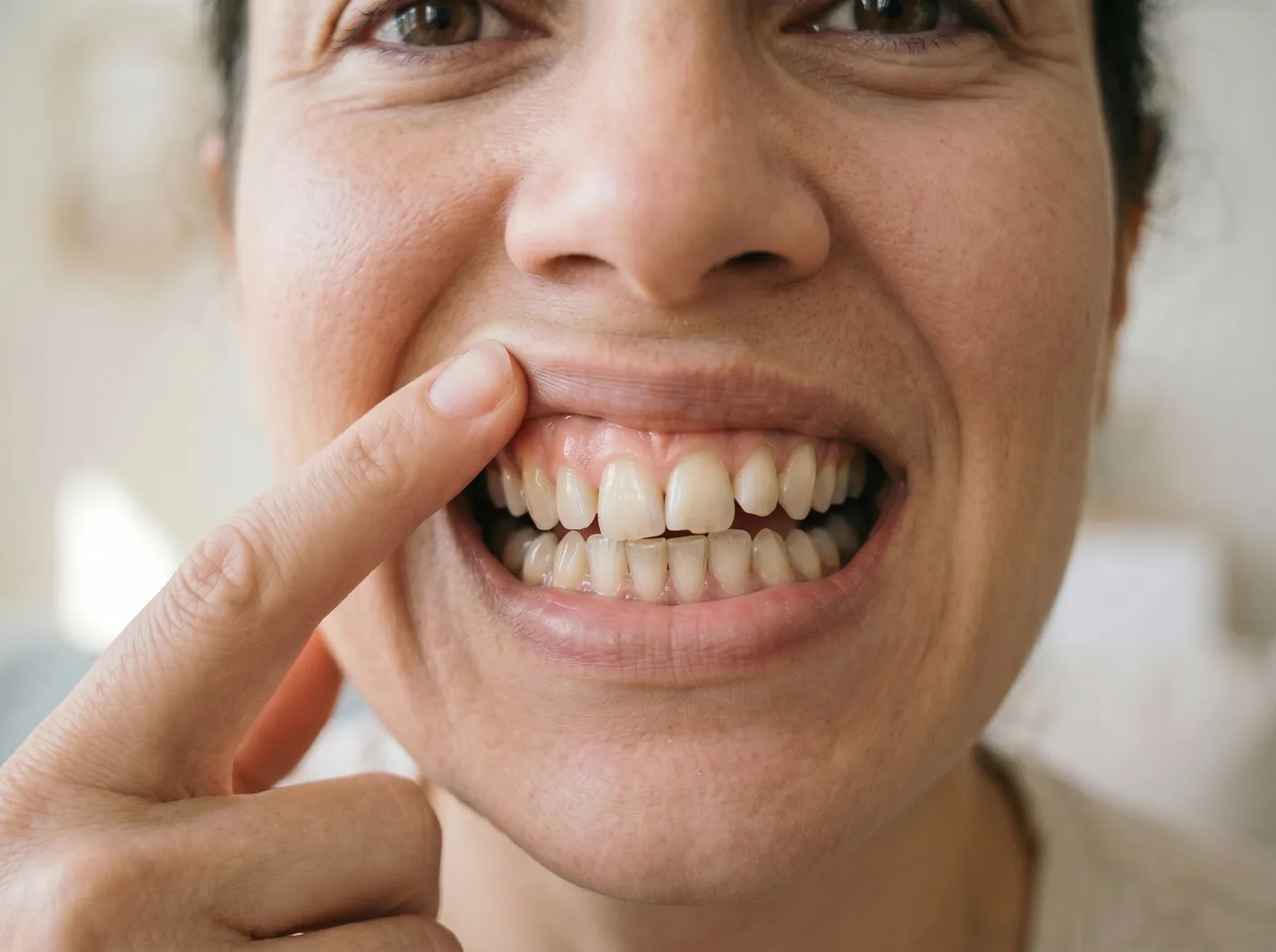
After an accident, a tooth may sometimes appear completely intact on the outside. Nevertheless, fine cracks, root injuries or damage to the tooth's supporting structures may be present. The impact can also affect the dental nerve.
Symptoms sometimes develop only after hours, days or weeks. A lack of discomfort is therefore no substitute for a professional examination. Front teeth are particularly often affected in falls.
An early diagnosis provides clarity about the type and extent of the injury. At the same time, any necessary measures can begin without unnecessary delay. This supports long-term tooth preservation.
What dental injuries are possible after a fall
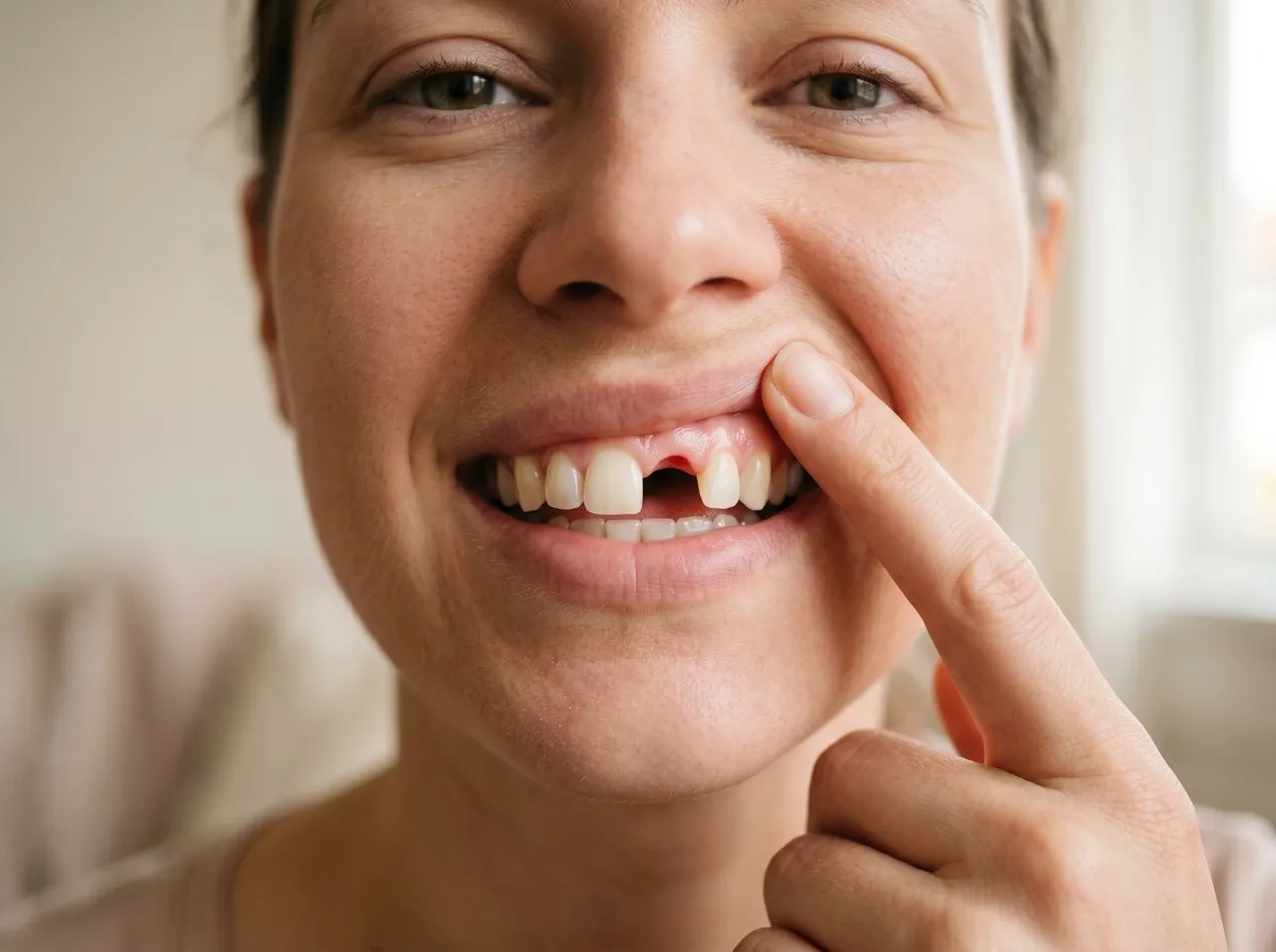
The impact can loosen or displace a tooth. Parts of the tooth crown can also break off. Some damage extends to the tooth root or surrounding bone.
With a dental concussion, the tooth usually remains in position. Nevertheless, it is often sensitive to touch or pressure. An altered bite sensation may also occur.
Luxation refers to the displacement of a tooth within its socket. The tooth may appear elongated, shortened or shifted to one side. Such changes require prompt assessment by a dentist.
In an avulsion, a tooth is completely dislodged from its socket. A knocked-out permanent tooth is an urgent dental emergency. Different rules and treatment goals apply to baby teeth.

Typical warning signs after a dental accident
After the fall, look out for visible and tangible changes. These include loose teeth, broken edges, bleeding or a change in tooth position. Swelling and sensitivity to pressure should also be checked.
Other signs include discolouration or increasing reactions to cold and heat. A tooth may also suddenly feel higher when biting. Sometimes the gum around the tooth appears red.
Numbness, heavy bleeding or obvious jaw misalignment require immediate assessment. The same applies to restricted mouth opening. Accompanying head injuries may also require medical help.
What happens during the dental examination
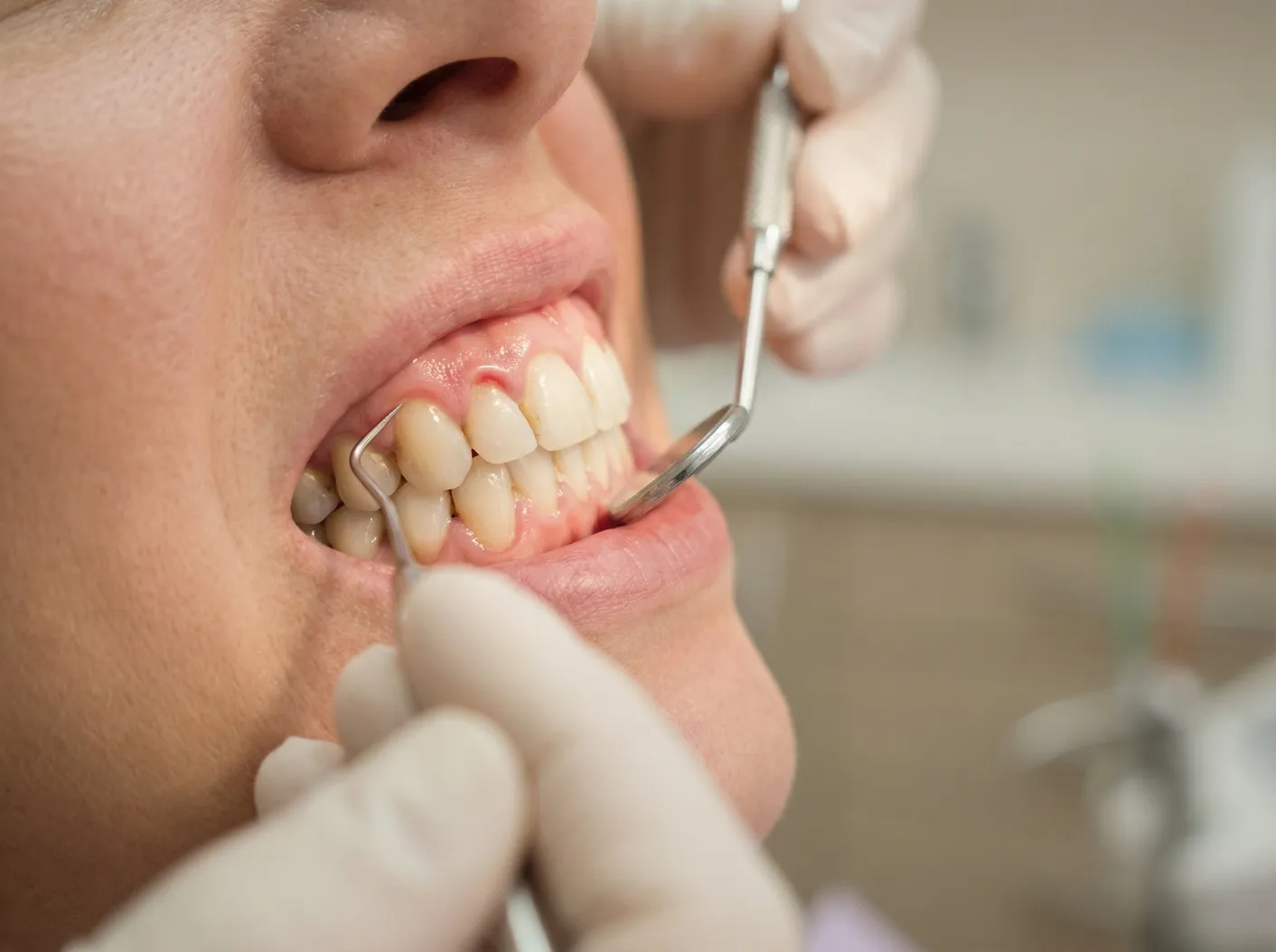
First, the dentist asks when and how the accident happened. Previous dental injuries and current symptoms are also important. The teeth, gums, lips and jaw are then carefully examined.
The mobility and position of the affected teeth are checked. The dentist also tests the response to gentle pressure. A bite comparison reveals possible changes in tooth contact.
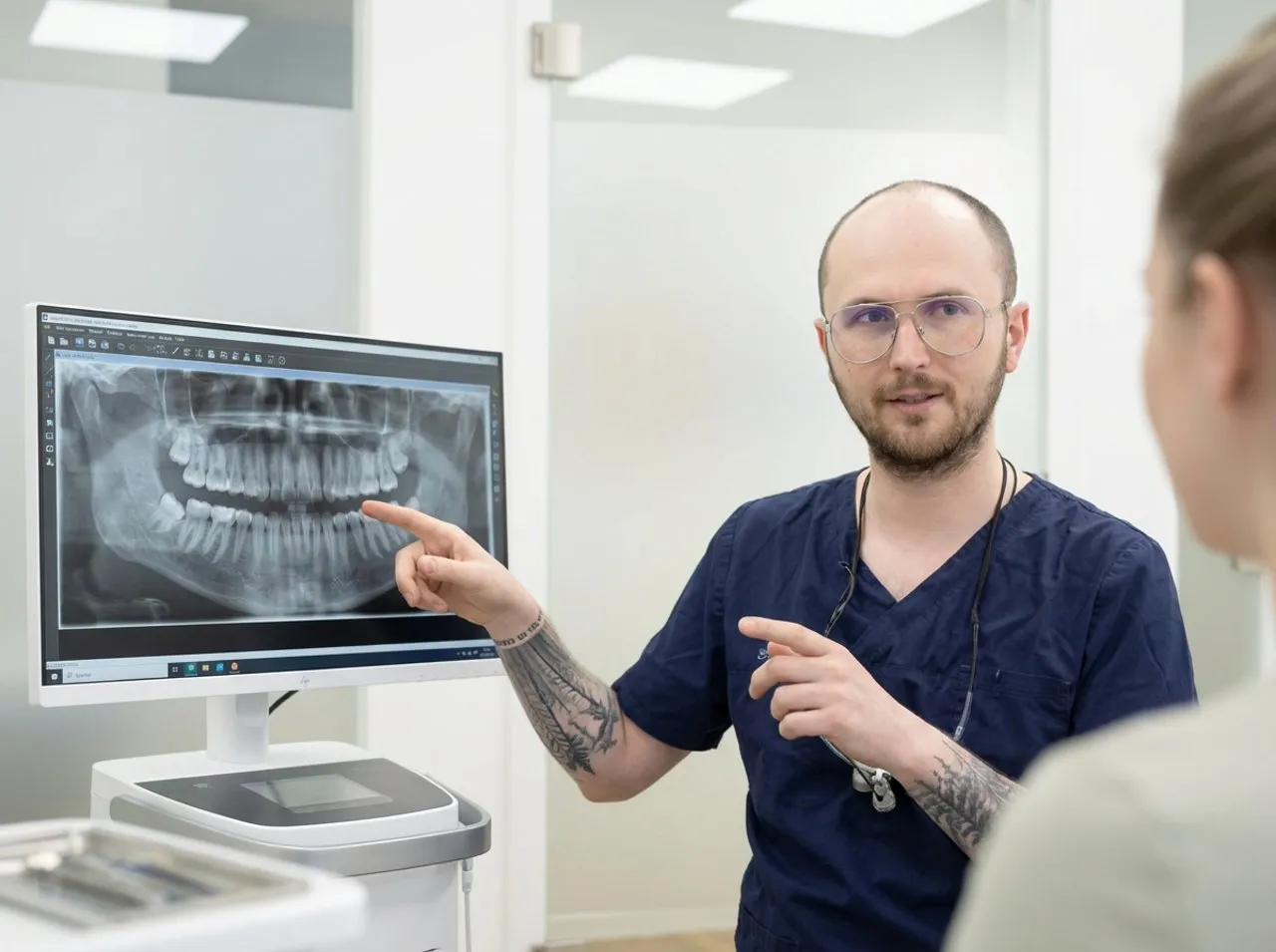
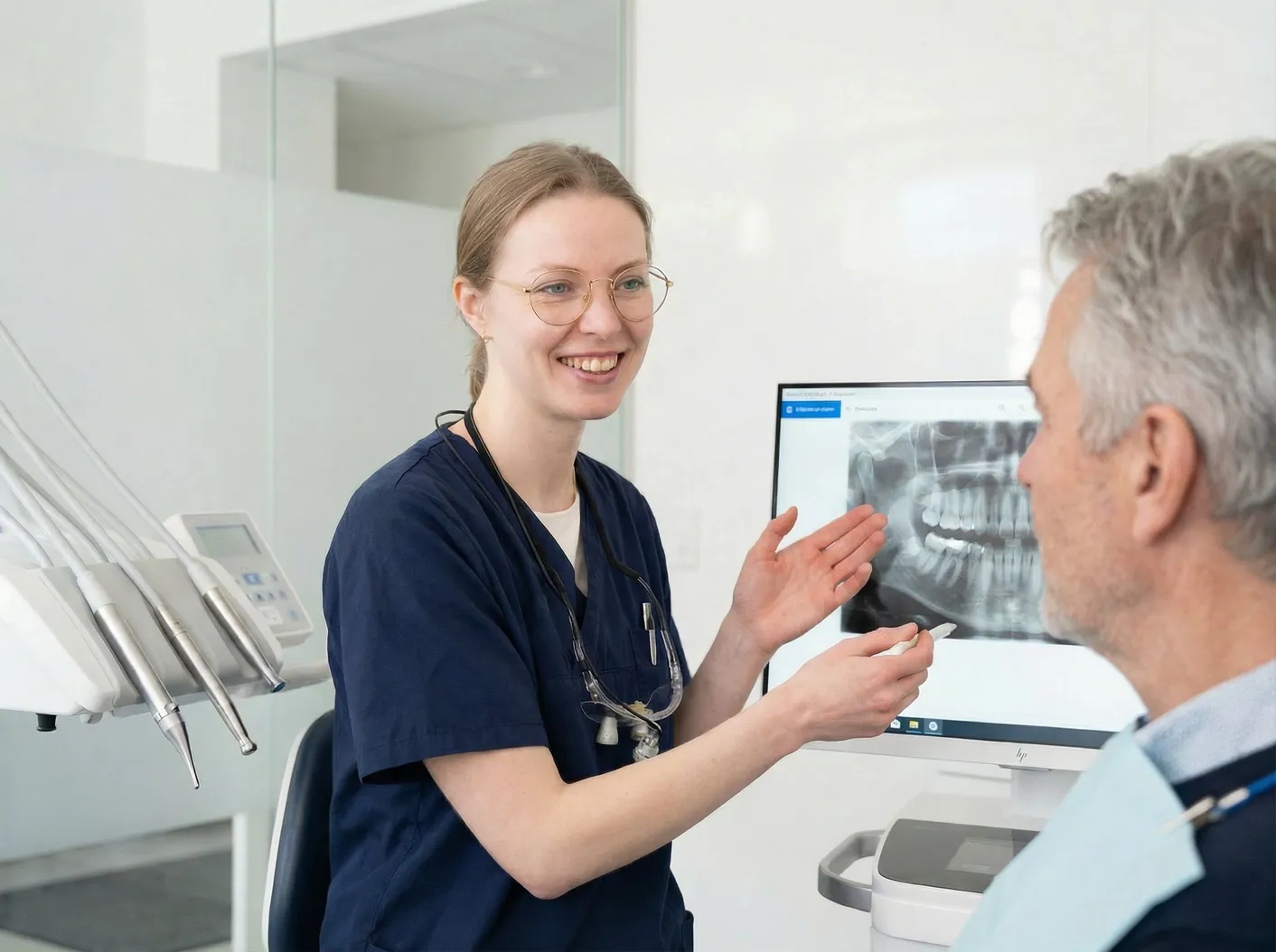
X-rays can reveal damage to roots and bone. Different exposure angles may be useful depending on the findings. Further imaging procedures may be required for complex injuries.
Sensitivity tests may also form part of the diagnosis. Immediately after the accident, however, results are sometimes not yet conclusive. Later repeat tests are therefore often useful.
What treatment may be needed after the fall
Treatment depends on the type of injury, tooth position and root development. Small enamel chips can often be smoothed or repaired with composite. Larger defects require individually planned reconstruction.
Loose or displaced teeth can be carefully repositioned. A flexible splint may then stabilise the affected area. Its duration depends on the specific findings.
If the dental nerve is damaged, a root canal treatment may be needed later. This decision is based on several check-ups and examination results. Not every initial reaction means permanent nerve damage.
In children, age and root development influence treatment planning. Young permanent teeth often have not yet fully developed roots. Preserving them therefore requires particularly careful monitoring.
First aid for a knocked-out tooth
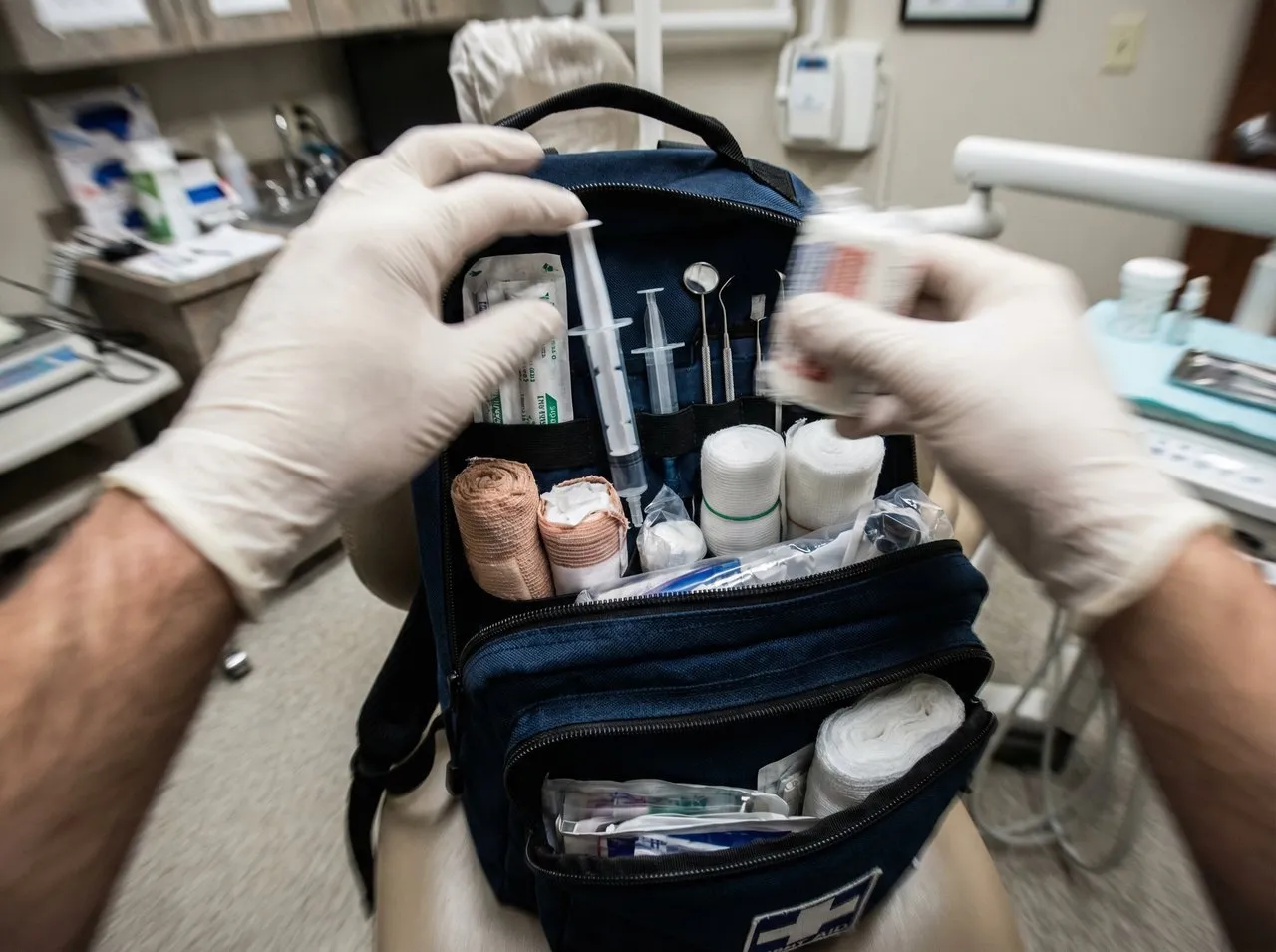
Only hold a knocked-out permanent tooth by the crown. Avoid touching the root. Never remove attached dirt by rubbing vigorously.
A permanent tooth can be carefully placed back into its socket. This should only be done if the tooth can be identified with certainty and the person affected is cooperative. Alternatively, the tooth should be kept moist as quickly as possible.
A tooth rescue box or, failing that, cold milk is suitable. Immediate dental care is then required. A knocked-out baby tooth must not be put back in. This could injure the permanent tooth underneath. Nevertheless, the child should be examined by a dentist promptly.

What to do until your appointment
Put as little strain as possible on the affected tooth. Choose soft foods and chew on the opposite side. Avoid hard or sticky foods for the time being.
Cool swollen areas from the outside, taking short breaks. Never place cooling material directly on the skin. For bleeding, gentle pressure with a clean compress can help.
Tooth fragments should be kept moist and brought with you. Matching fragments can often be reattached. Inform the practice about the accident by telephone in advance.
Why follow-up checks remain crucial
The full extent of dental trauma may only become assessable later. Changes to the dental nerve or root sometimes develop after a delay. Attending arranged check-up appointments is therefore particularly important.
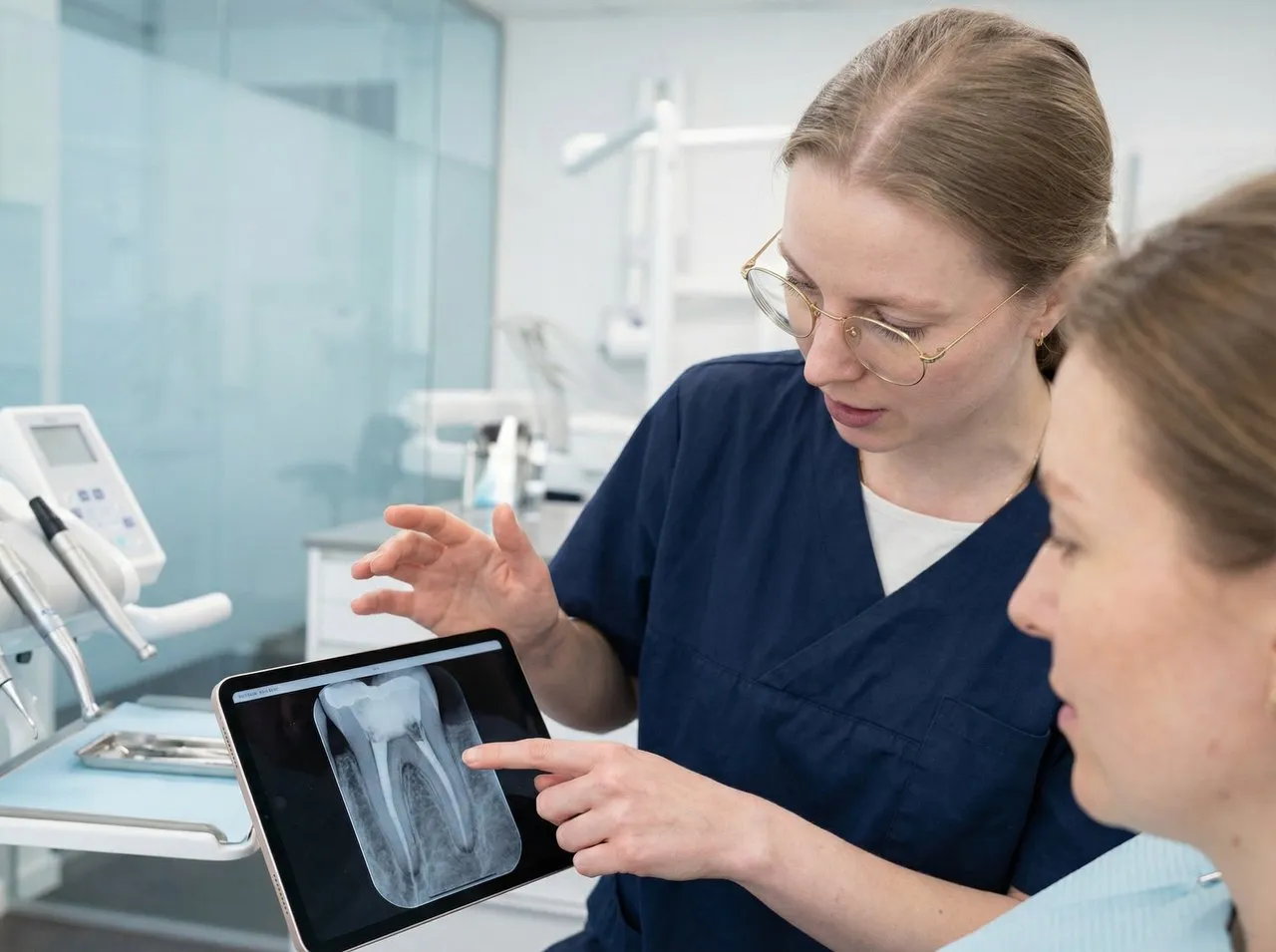
At follow-up checks, colour, mobility and sensitivity are tested again. Additional X-rays can document healing or changes. The intervals depend on the original injury.
Report any new symptoms between appointments immediately. These include swelling, fistulas, discolouration or increasing looseness. An early response can limit the extent of further treatment. Oral hygiene should be continued gently.
Have your tooth checked at Wunschlachen after a fall
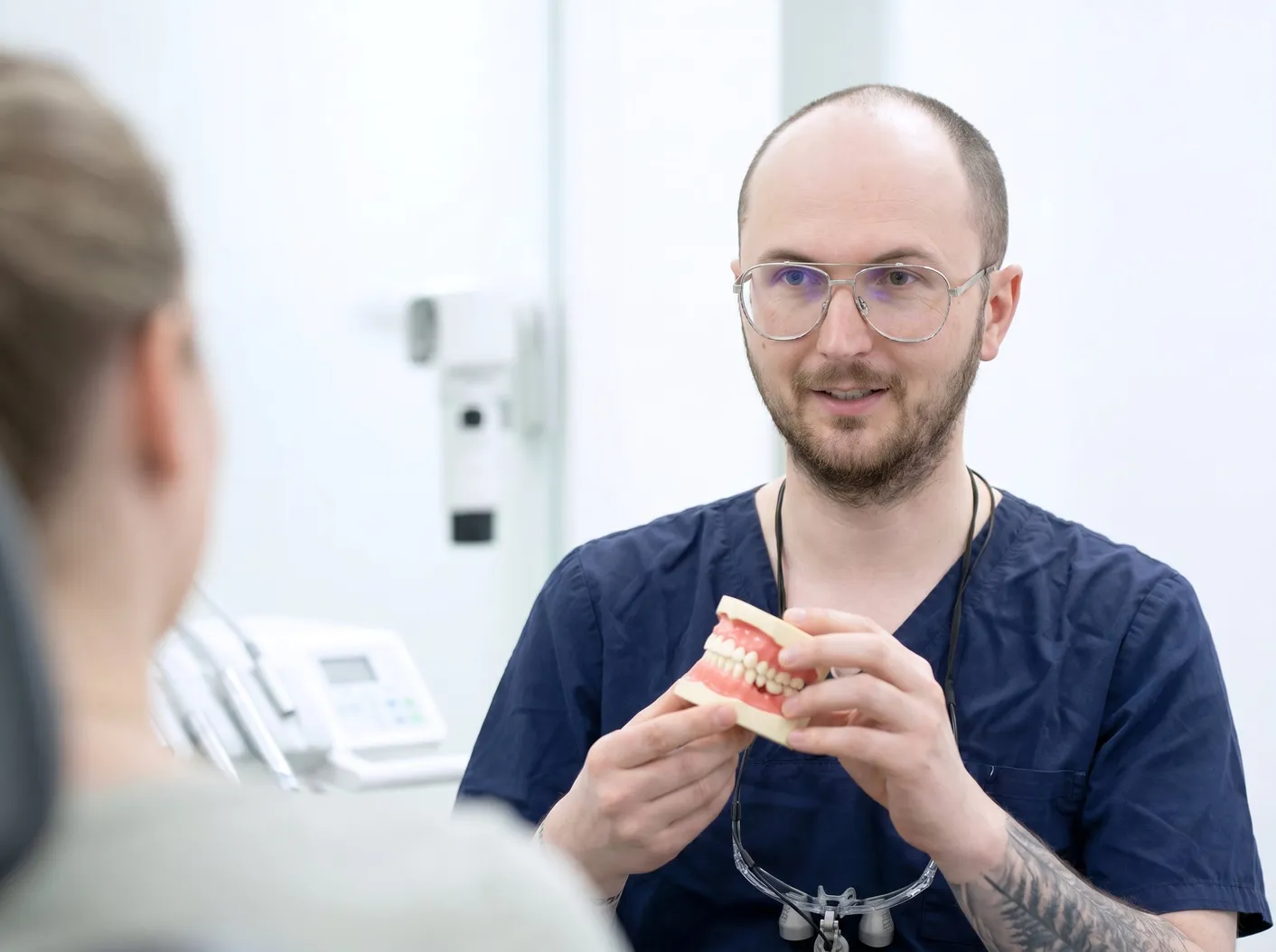
At Wunschlachen, we examine dental injuries systematically and individually. Modern diagnostics support an accurate assessment of the affected structures. We then explain all suitable treatment steps clearly.
Bring any tooth fragments or the knocked-out tooth with you. Also tell us when the accident happened and about any accompanying symptoms. This allows the practice team to prepare specifically for your care.