Tooth infection: symptoms, causes and treatment
A tooth infection usually develops due to bacteria in the tooth or surrounding tissue. Typical signs include toothache, sensitivity to pressure, swelling or an unpleasant taste. Early dental treatment protects teeth, the jaw and general health.
Über 350 Google-Bewertungen
What is a tooth infection?
A tooth infection often affects the dental pulp, the tooth root or the tooth's supporting tissues. Bacteria enter deeper layers of tissue through damaged areas, where they trigger a defensive response from the body.
Not every inflammation immediately develops into a dental abscess. Without treatment, however, pus can accumulate in the tissue. The increasing pressure often causes significant discomfort.
An infection can be acute or chronic. Acute infections often develop quickly and cause more severe symptoms. Chronic processes sometimes remain unnoticed for a long time.
Common causes of an inflamed tooth
Tooth decay is a particularly common cause. It initially destroys the tooth enamel and later reaches the dental pulp, where bacteria can trigger inflammation of the root.
Cracks, accidents and leaking fillings can also allow germs to enter. The same applies to damaged crowns and exposed areas of the root. In rare cases, previous root canal treatments may require further treatment.
Deep gum pockets also provide favourable conditions for bacteria. This can lead to an abscess in the tooth's supporting tissues. Inflammation around implants also requires a targeted examination.
Tooth infection symptoms: recognising warning signs
Symptoms vary according to the cause and spread of the infection. It often begins with sensitivity when chewing. Persistent or throbbing toothache may develop later.
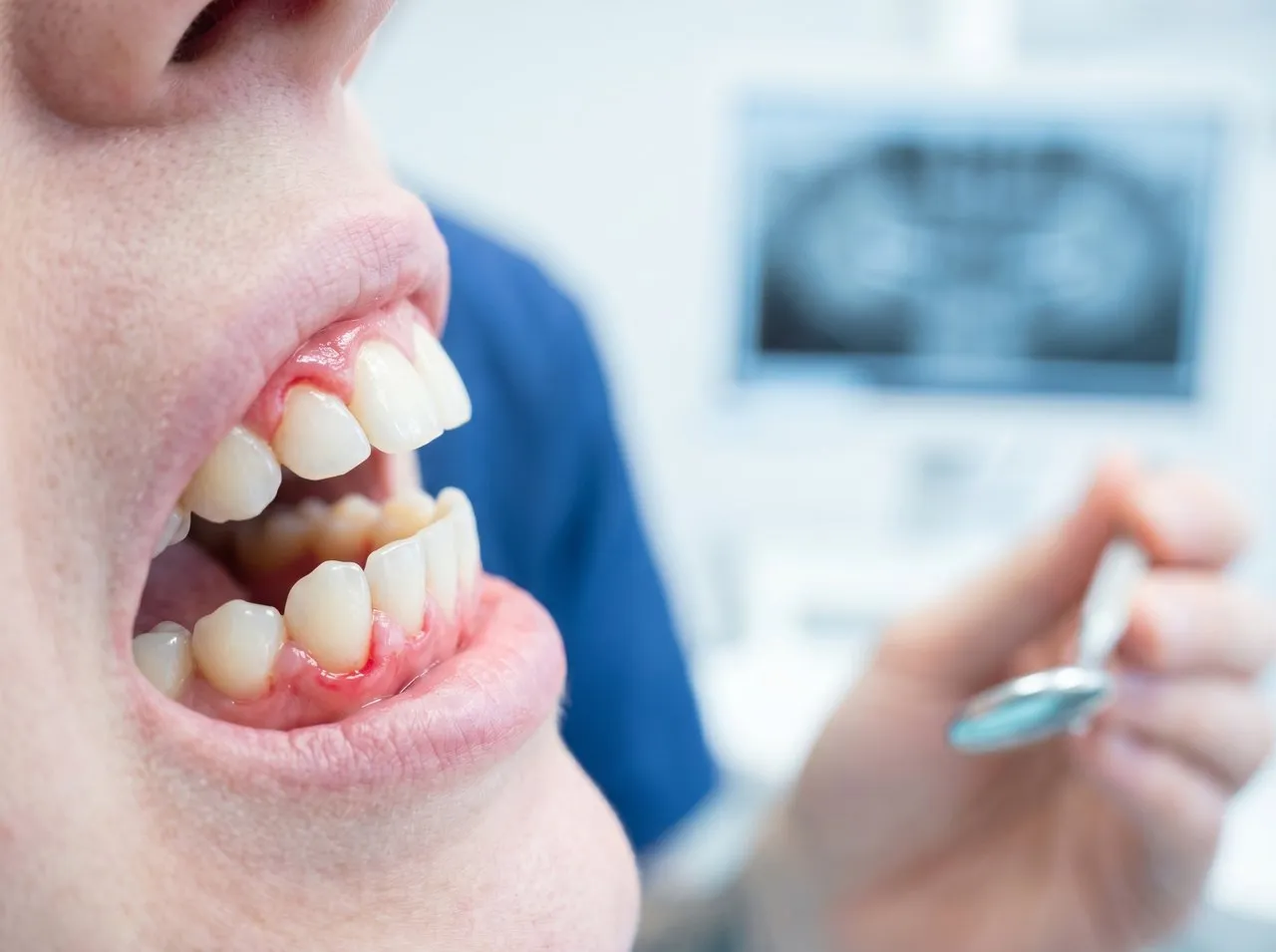
Other possible signs include red or swollen gums. Some people notice pus, bad breath or an unpleasant taste. The tooth may feel raised when biting down.
Visible swelling of the cheek or jaw indicates that the infection is spreading. Fever, exhaustion or swollen lymph nodes may also occur. Chronic infections, on the other hand, sometimes cause only mild symptoms.
Symptoms may temporarily subside even though the cause persists. A dead tooth nerve may be less sensitive. Nevertheless, inflammation at the root tip can still persist.

When does a tooth infection become dangerous?
Untreated infections can spread to surrounding tissues. Rapidly increasing swelling of the face or neck is particularly serious. Restricted mouth opening also requires prompt assessment.
Difficulty swallowing, breathing problems or swelling under the tongue are warning signs. Those affected then require immediate medical help. The emergency services must be called if breathing is difficult.
Spread towards the eye also requires immediate treatment. The same applies to a high fever and a strong feeling of illness. People with a weakened immune system should make contact at the first signs.

How does the dentist make a diagnosis?
The examination begins with questions about symptoms and previous illnesses. The teeth, gums and mucous membranes are then carefully checked. Pressure, percussion and cold tests provide important information.
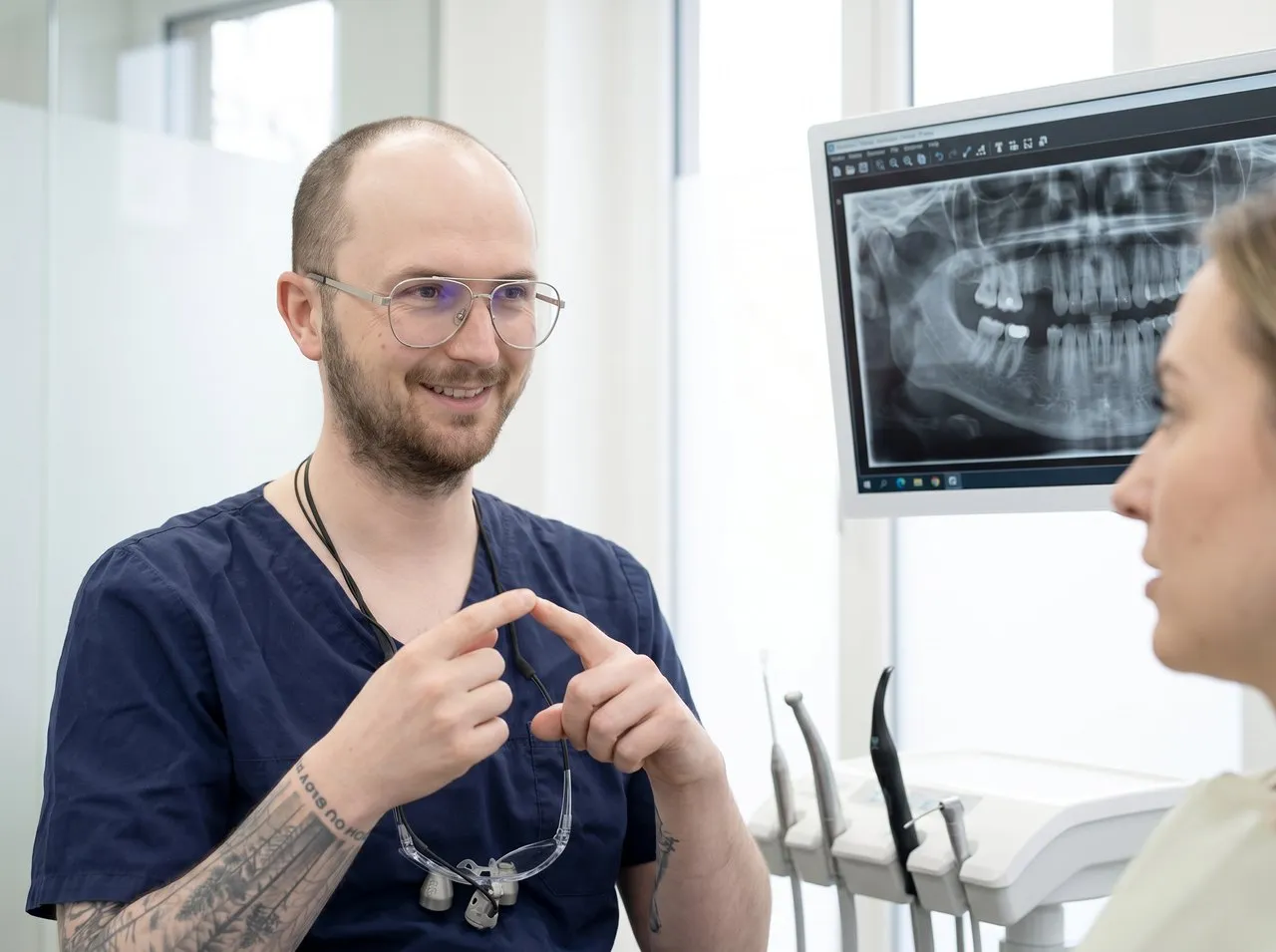
Gum pockets and possible fistula tracts are also examined. X-rays can reveal changes to the roots or bone. Further imaging is only required for specific diagnostic questions.
The findings show which tissue is affected. The appropriate treatment for the tooth infection can then be planned. The aim is to eliminate the cause and preserve healthy structures.
Tooth infection treatment: what options are available?
Treatment depends on the extent of the infection and the condition of the tooth. With early tooth decay, the dentist removes the damaged tissue. The defect is then sealed with a suitable restoration.
If the infection reaches the inside of the tooth, a root canal treatment may be necessary. The infected areas are cleaned, disinfected and sealed tightly.
The tooth then often requires a stable restoration. A dental abscess may need to be opened and drained to allow accumulated pus to escape. Treatment of the underlying cause is still necessary.
If a tooth cannot be saved, it may need to be removed. This decision is made after a thorough diagnosis. Options for replacing the missing tooth are discussed individually at a later stage.

Antibiotics for a tooth infection
Antibiotics are not automatically required for a tooth infection. They replace neither the cleaning nor the drainage of the source of inflammation. Consistent local treatment is often sufficient.
Antibiotics may be useful if there is a fever or the infection continues to spread. Certain pre-existing conditions also influence the decision. The treating doctor determines the choice of antibiotic and duration of use.
Patients should take prescribed medication exactly as instructed. Stopping it independently can jeopardise the success of treatment. Any intolerances must be reported to the practice immediately.

What can those affected do until their appointment?
A tooth infection requires prompt dental treatment. Careful external cooling may help until the appointment. Very hot food and strenuous activity should be avoided. Oral care should be continued gently.
Painkillers should only be taken in accordance with the patient information leaflet. Prior medical advice is important for people with pre-existing conditions. Areas of pus must never be opened or squeezed. Aggressive home remedies can also further irritate the mucous membranes. Home remedies do not eliminate the bacterial cause.

Preventing tooth infections effectively
Thorough oral hygiene reduces the risk of tooth decay and gum inflammation. Fluoride toothpaste strengthens tooth enamel in everyday life. Interdental spaces require suitable brushes or dental floss.
Regular check-ups often detect damage before noticeable symptoms develop. Defective fillings or crowns should be examined early. Implants also require consistent care and follow-up.
At Wunschlachen in Berlin, we examine acute symptoms systematically. We explain findings clearly and discuss suitable treatment steps. If you suspect an infection, book an appointment promptly.