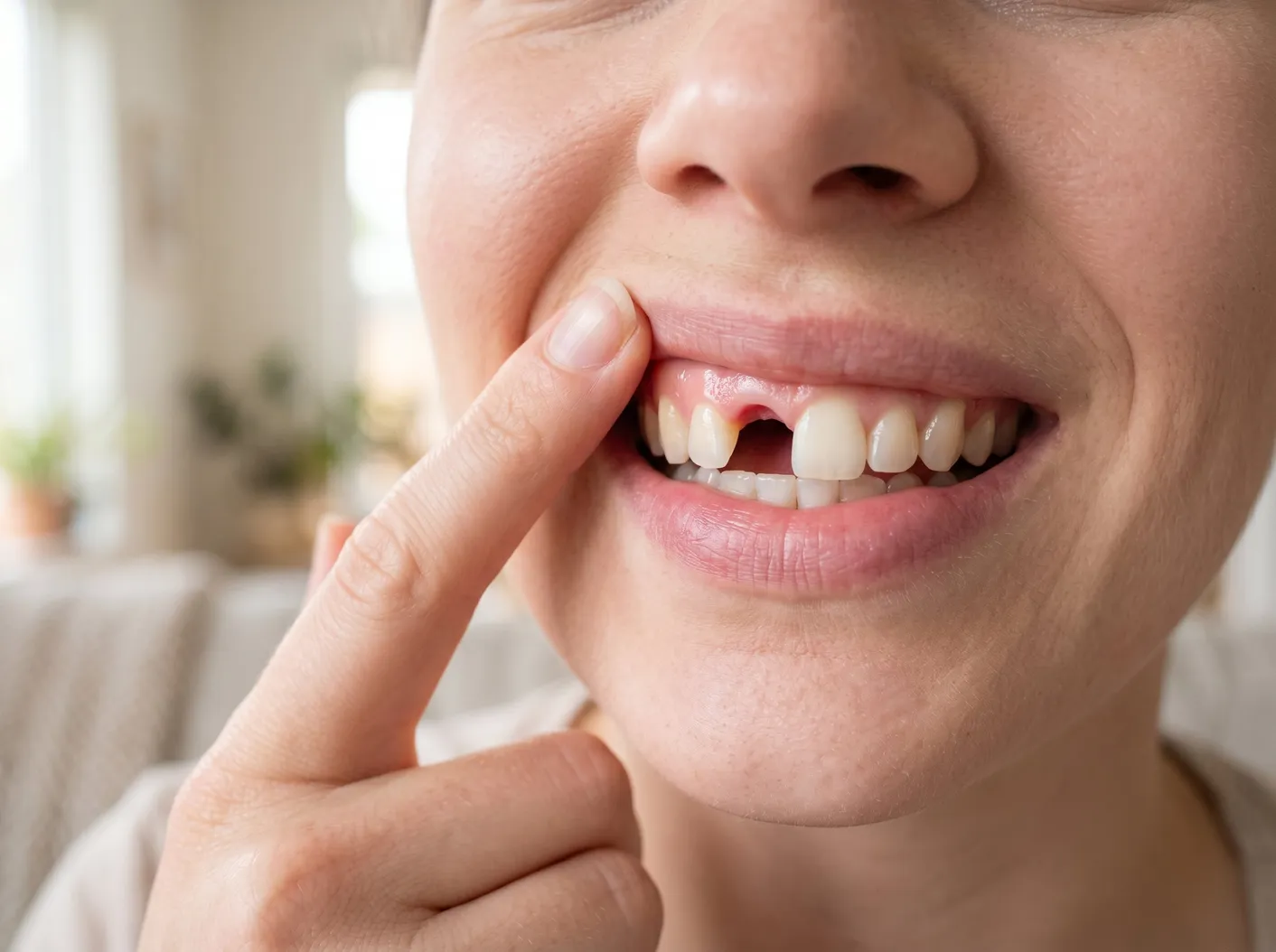
Tooth loss: causes, consequences and treatment
Tooth loss is a serious sign of a problem with your oral health. When teeth fall out, inflammation, accidents or advanced dental disease are often the cause. An early dental assessment helps to limit subsequent damage and plan suitable solutions.
Über 350 Google-Bewertungen
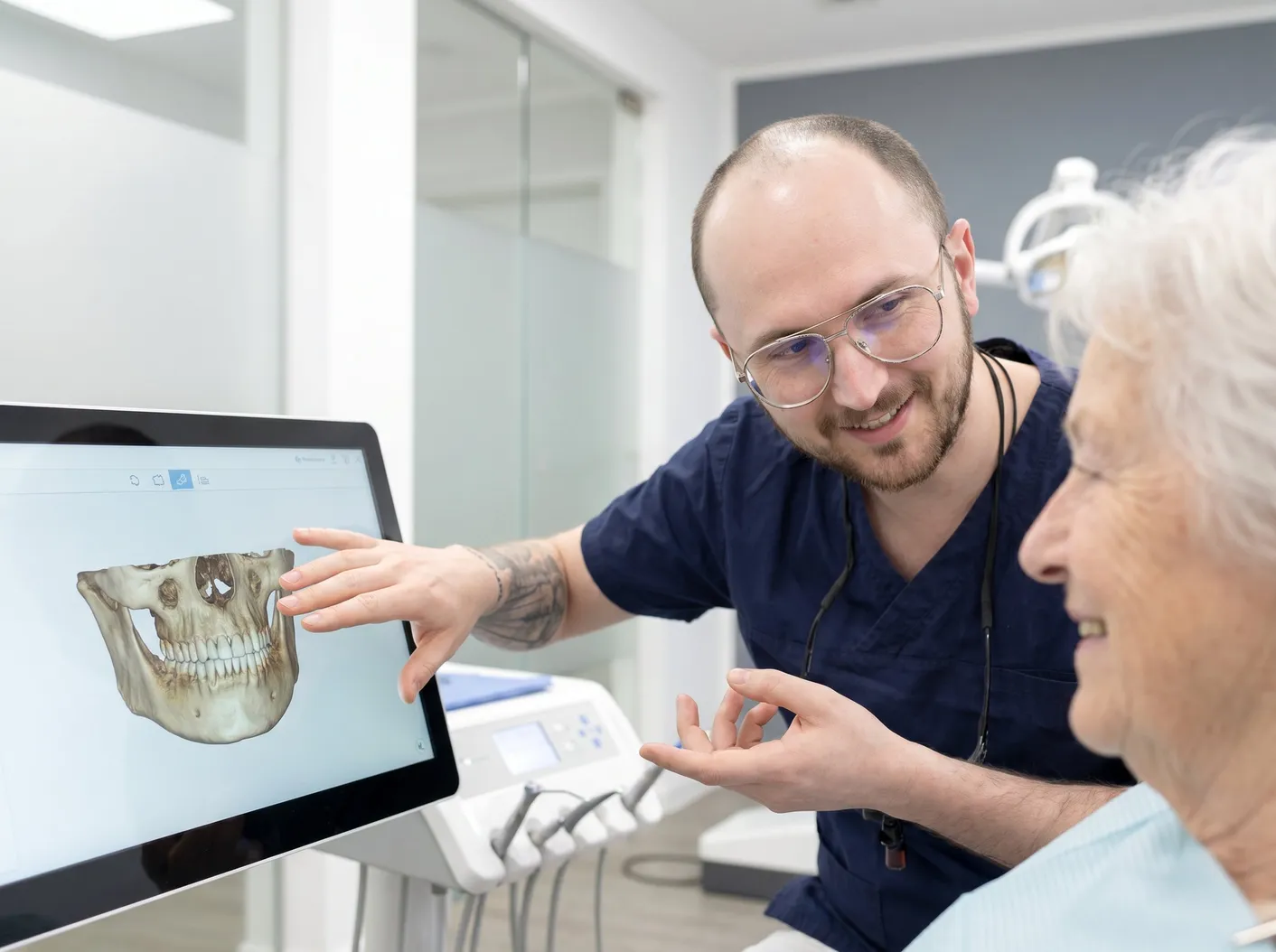
What does tooth loss mean?
Tooth loss means that a tooth has been lost completely. Sometimes this happens suddenly as a result of an accident. Often, however, tooth loss develops slowly over months or years.
Many people first notice loose teeth or bleeding gums. Bad breath, a feeling of pressure or visibly receding gums can also be signs. These signs should be taken seriously.
A tooth rarely falls out for no reason. The supporting tissues of the tooth are usually already weakened. These include the gums, fibres, root cementum and jawbone.
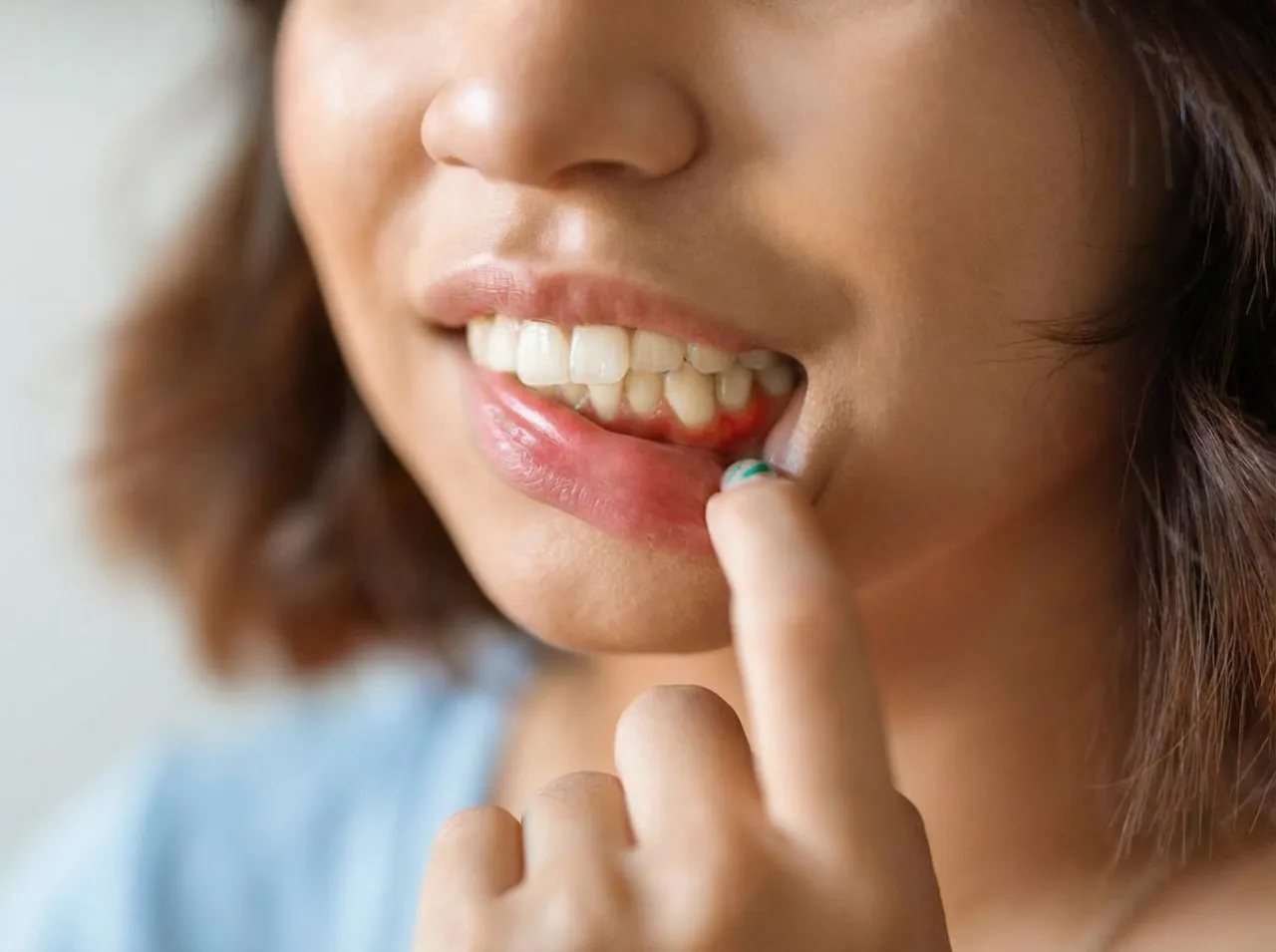
Common causes of tooth loss
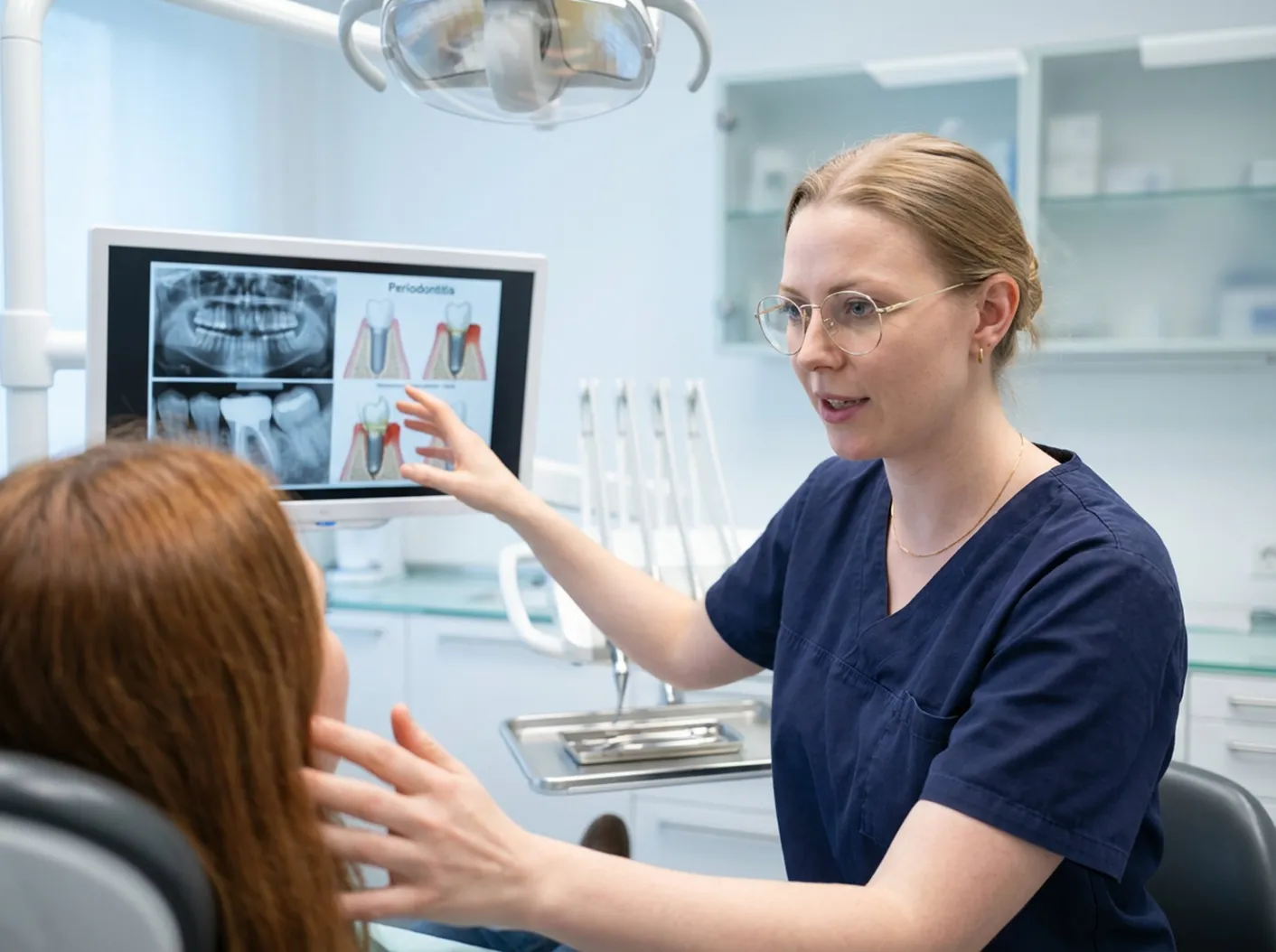
A common cause is periodontitis. This is when bacterial plaque causes inflammation of the supporting tissues of the tooth. Without treatment, the tooth gradually loses its firm support.
Tooth decay can also lead to tooth loss. If a tooth is severely damaged, it may no longer be possible to preserve it. Removal may then be necessary.
Accidents are another cause. A fall, sports injury or blow can loosen teeth. Front teeth are particularly at risk.
Other risk factors include smoking, diabetes and severe strain caused by teeth grinding. Poor oral hygiene also increases the risk. Regular check-ups help to identify problems early.
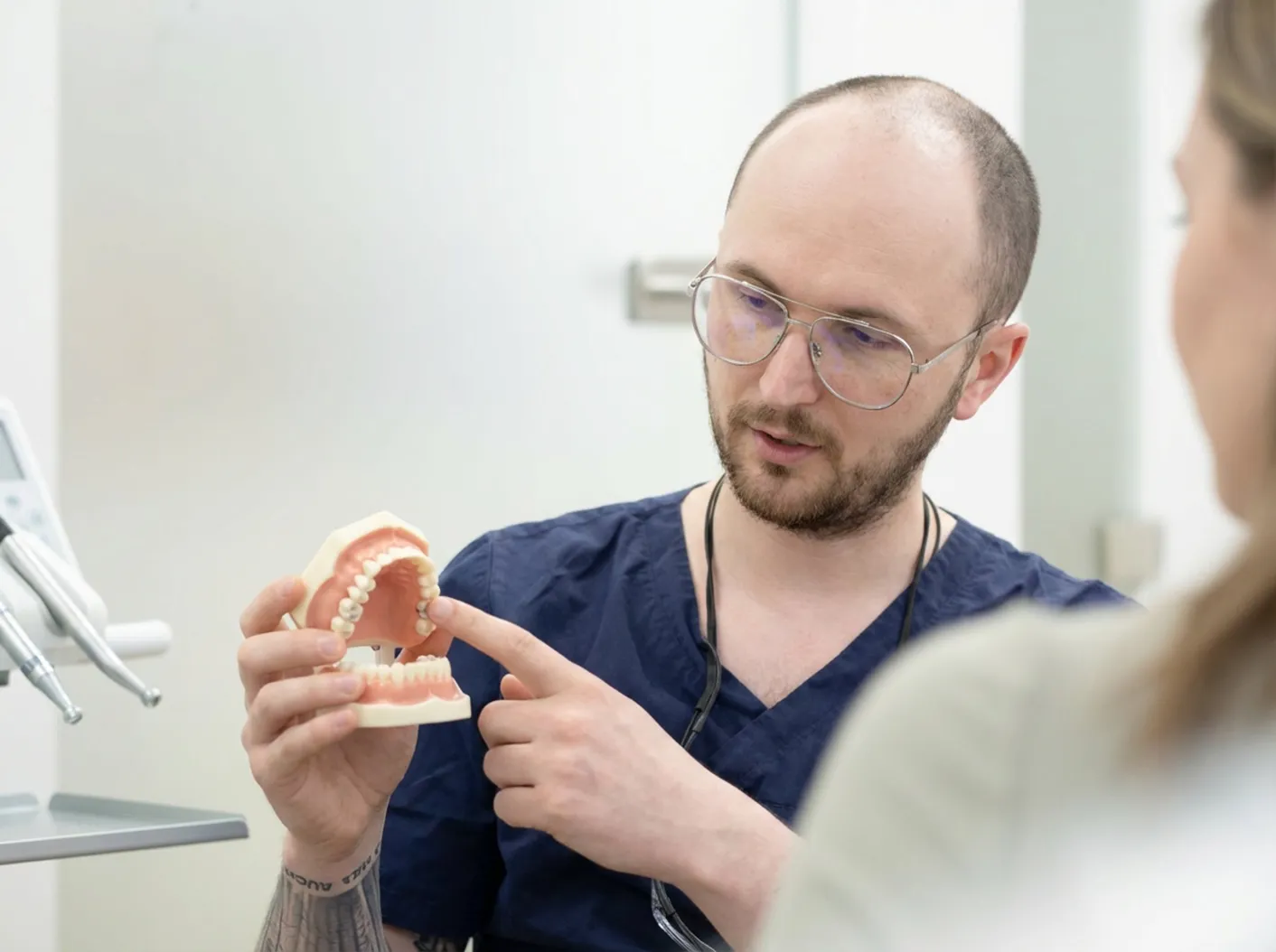
Tooth loss in adults and children
In adults, tooth loss is usually caused by diseases of the supporting tissues of the teeth. Old fillings, deep defects or excessive strain can also play a role.
An accurate diagnosis is therefore important. In children, the natural replacement of baby teeth is normal.
Nevertheless, accidents or very early loss of baby teeth should be checked. This can prevent spacing problems and later misalignment.
Why prompt help is important
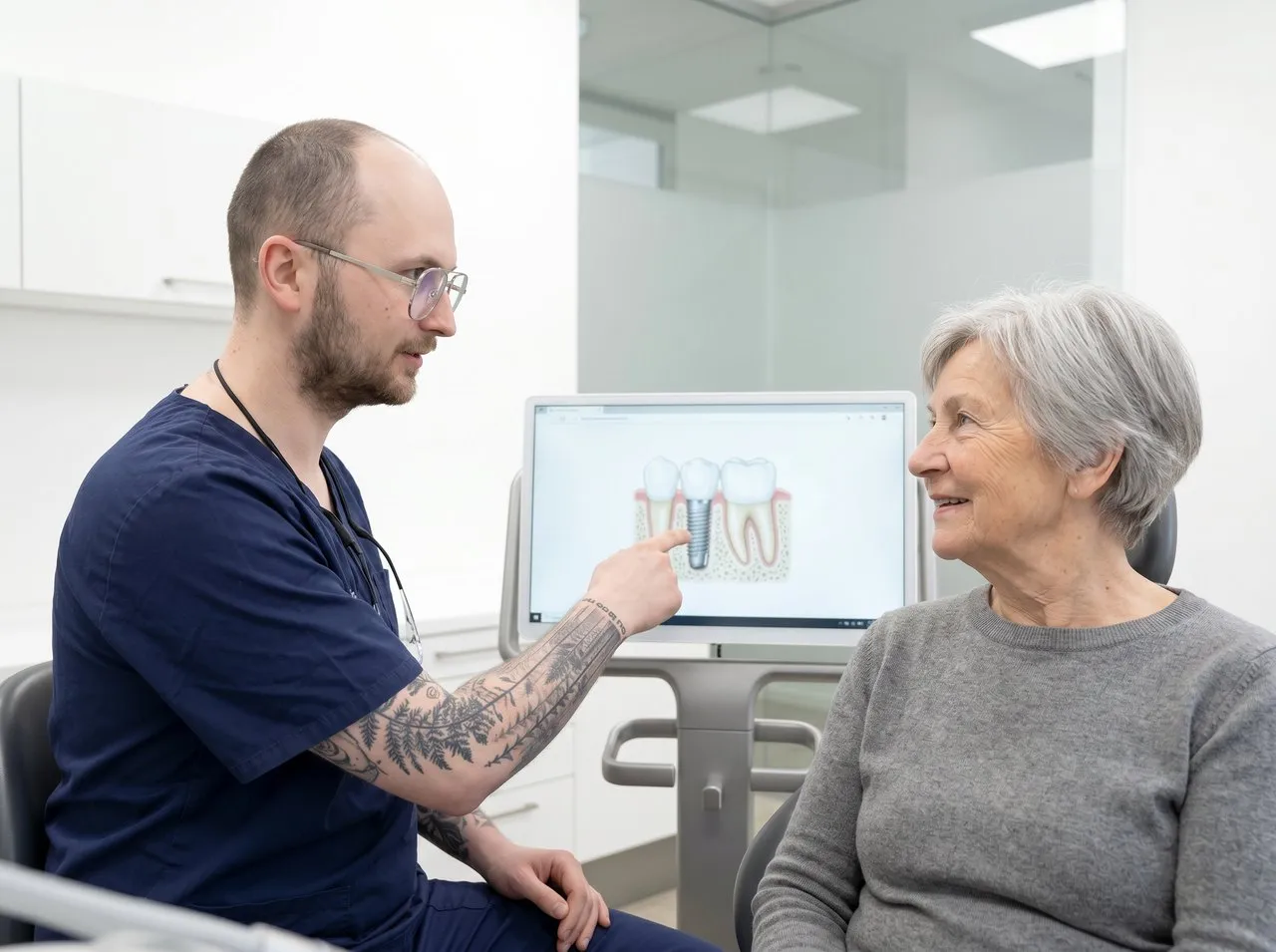
If you have loose teeth, you should visit a dental practice promptly. The sooner the cause is clear, the better it can be treated. Sometimes a tooth at risk can still be stabilised.
Where tooth loss is caused by inflammation, treating the infection is the priority. This includes professional cleaning, periodontal treatment and close follow-up care. The aim is to relieve the strain on the supporting tissues of the teeth.
Acting quickly is also important after an accident. A knocked-out tooth can be reinserted under certain conditions. It should be kept moist and shown to a dentist immediately.
Consequences of untreated tooth loss
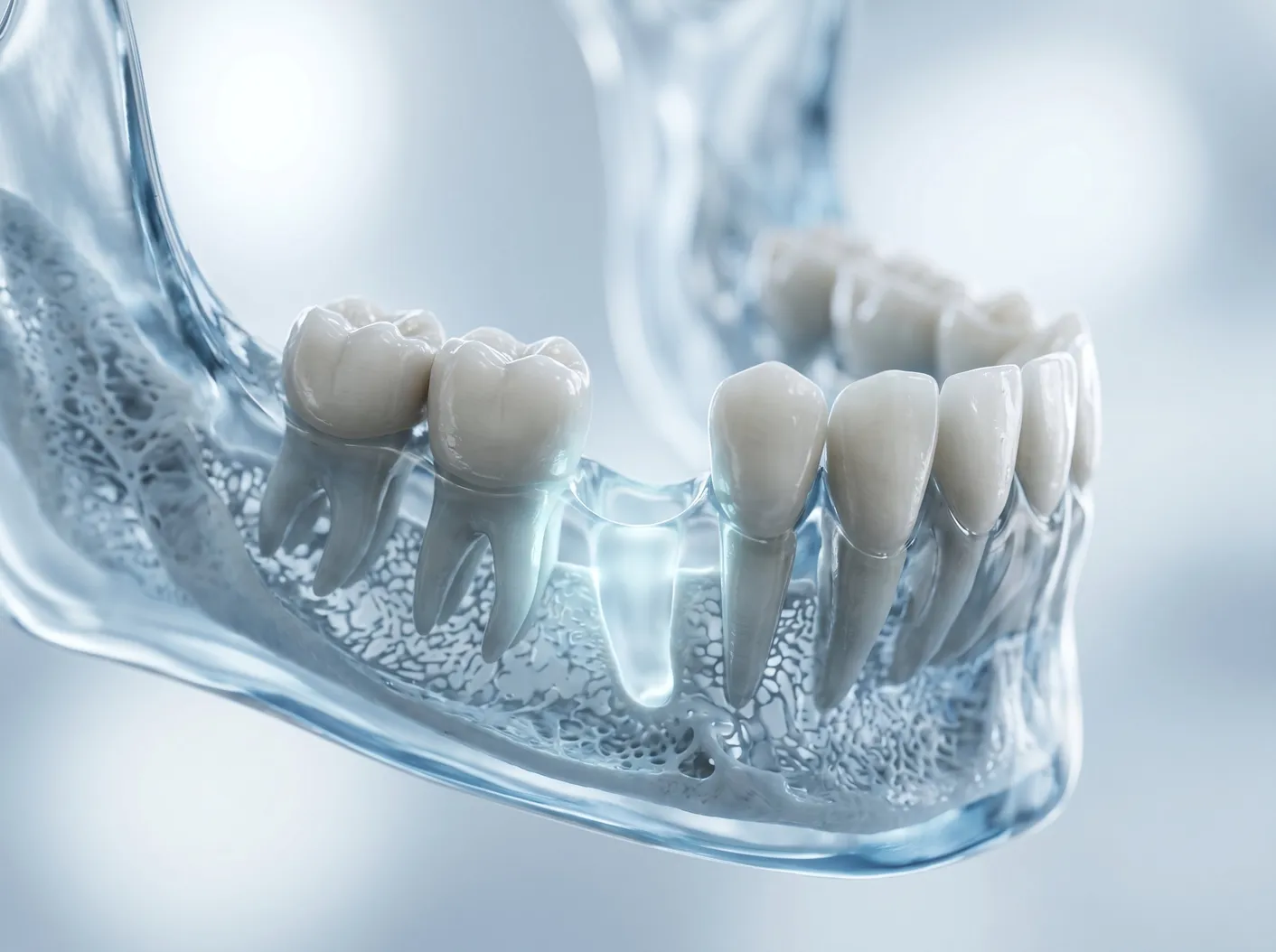
Missing teeth are not just a cosmetic issue. Every gap between teeth changes the forces within the dentition. Neighbouring teeth can tilt or drift into the gap.
The opposing tooth can also over-erupt if it no longer has anything to bite against. This can change your bite. Chewing, speaking and smiling are often affected.
The jawbone also responds to tooth loss. Without the stimulation of chewing, bone can gradually be lost. This can sometimes make it more difficult to fit replacement teeth later on.
Treatment options for tooth loss
The appropriate treatment depends on the cause and the findings. First, the dentist checks whether other teeth are at risk. An individual treatment plan is then drawn up.
With periodontitis, bacterial plaque is removed thoroughly. Inflamed gum pockets must be monitored. Ongoing follow-up care is particularly important.
If a tooth has already been lost, the gap is assessed. The key factors are the available bone, the neighbouring teeth and your aesthetic preferences. Your general health also plays a role.

Tooth replacement after tooth loss
There are various solutions for missing teeth. Dental implants replace the tooth root and later support a crown. They can look very natural and sit firmly in the jaw.
A bridge can be a good option if the neighbouring teeth are stable. It closes the gap using the adjacent abutment teeth. However, healthy tooth tissue must also be taken into account.
Dentures are an option when several teeth are missing. They can be removable or implant-supported. A personal examination will show which solution is suitable.
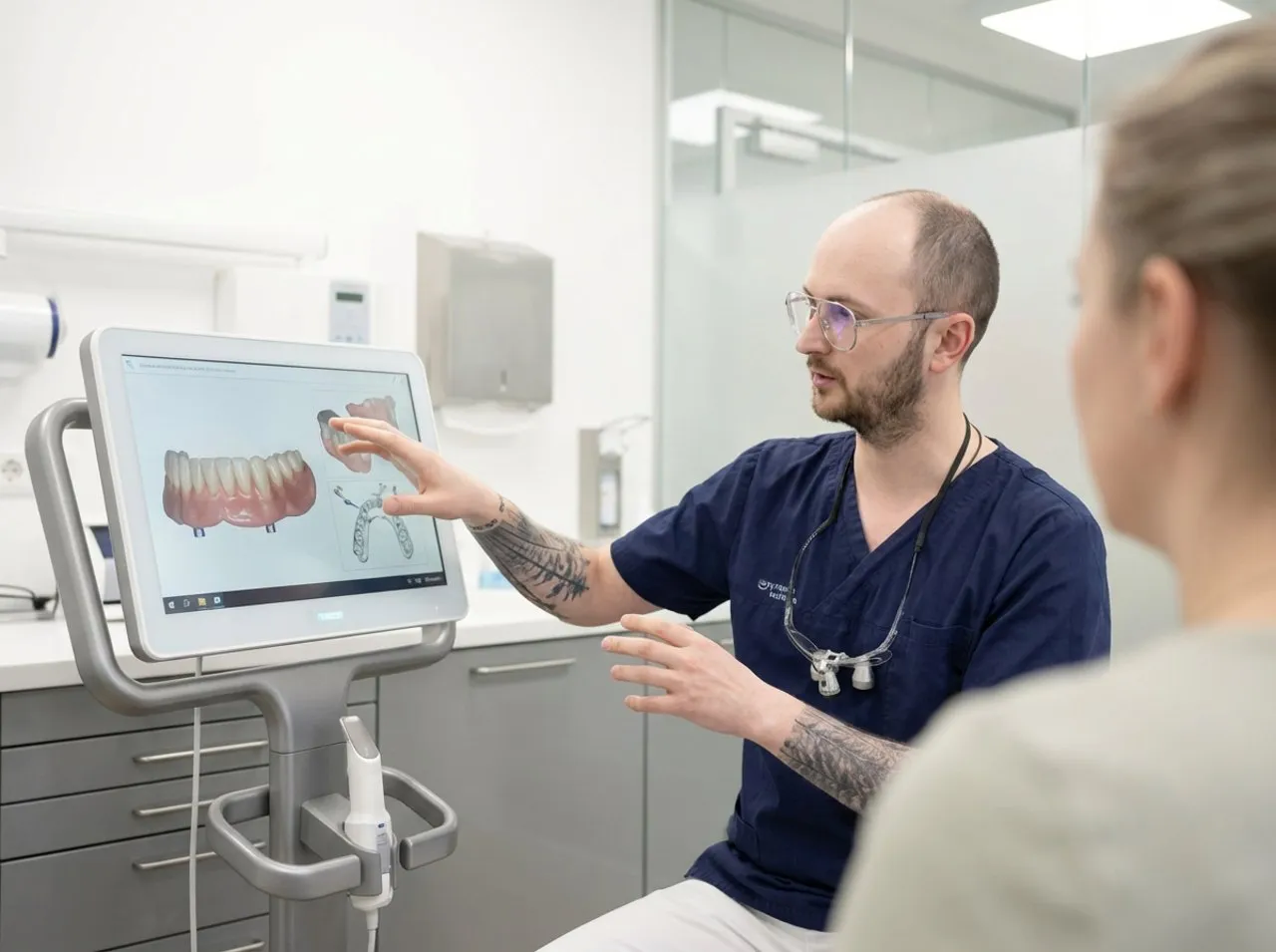
At Wunschlachen, the findings are analysed carefully. Digital planning helps to consider function and aesthetics together. This creates a restoration that fits into your everyday life.
Preventing tooth loss
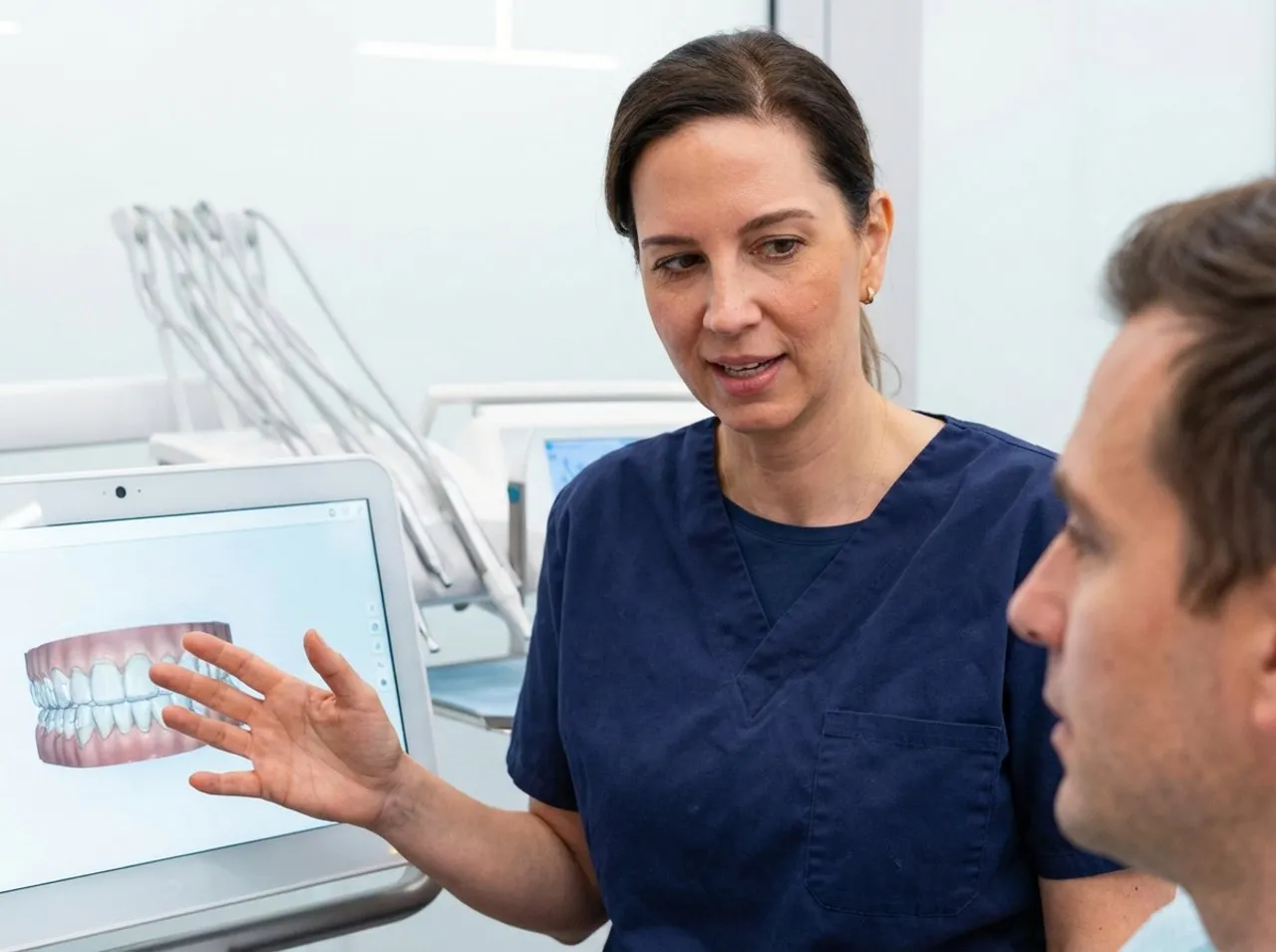
Good prevention is the best treatment. Thorough brushing, dental floss and interdental brushes protect against plaque. Your tongue should also be cleaned regularly.
Professional dental cleaning reduces the bacterial load in the mouth. Check-ups reveal early on whether the gums or bone are reacting. Patients with periodontitis benefit in particular from regular follow-up intervals.
Smoking should be avoided wherever possible. It impairs blood circulation in the gums. It can also adversely affect healing after treatment.
Conclusion: take tooth loss seriously
Tooth loss is usually the result of longer-term processes. Early diagnosis is therefore particularly worthwhile. It protects against further gaps and more complex treatments.
Anyone who notices loose teeth, bleeding gums or a gap between their teeth should take action. Modern dentistry offers many options for stabilisation and restoration. At Wunschlachen, you will receive individual advice.