Treating white spots on teeth
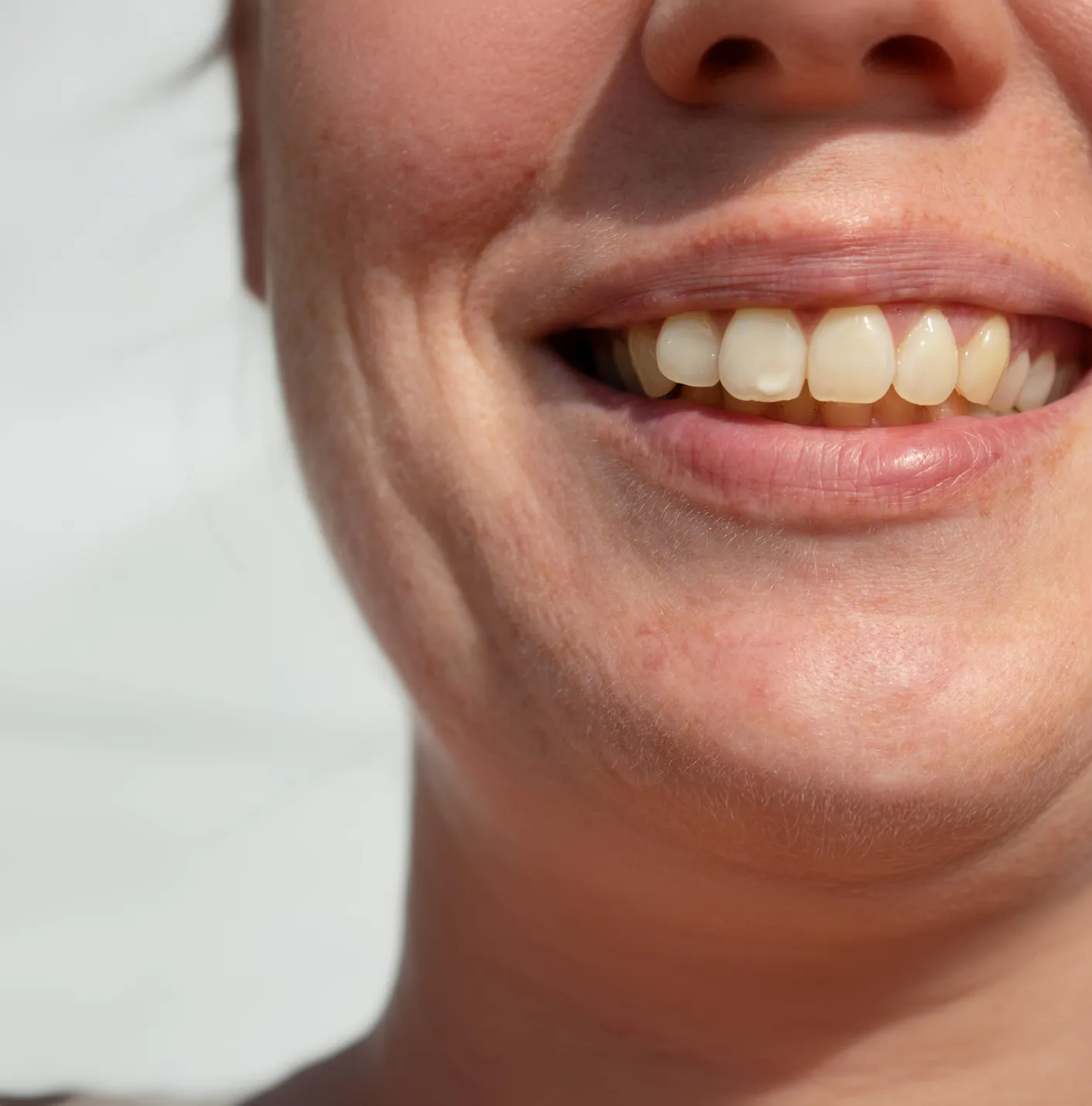
White spots on teeth are light patches in the tooth enamel. They often develop as a result of demineralisation, fluorosis or after wearing braces.
In many cases, white spots can now be improved while preserving tooth substance, for example with remineralisation, the Icon method or aesthetic composite solutions.
Über 350 Google-Bewertungen
What are white spots on teeth?
White spots are whitish changes on the tooth surface. They often look chalky or dull, or have irregular edges. They are particularly noticeable when you smile, especially on the front teeth.
The spots are caused by altered light refraction in the tooth enamel. The enamel contains fewer minerals in these areas. As a result, the surface appears lighter than the surrounding area.
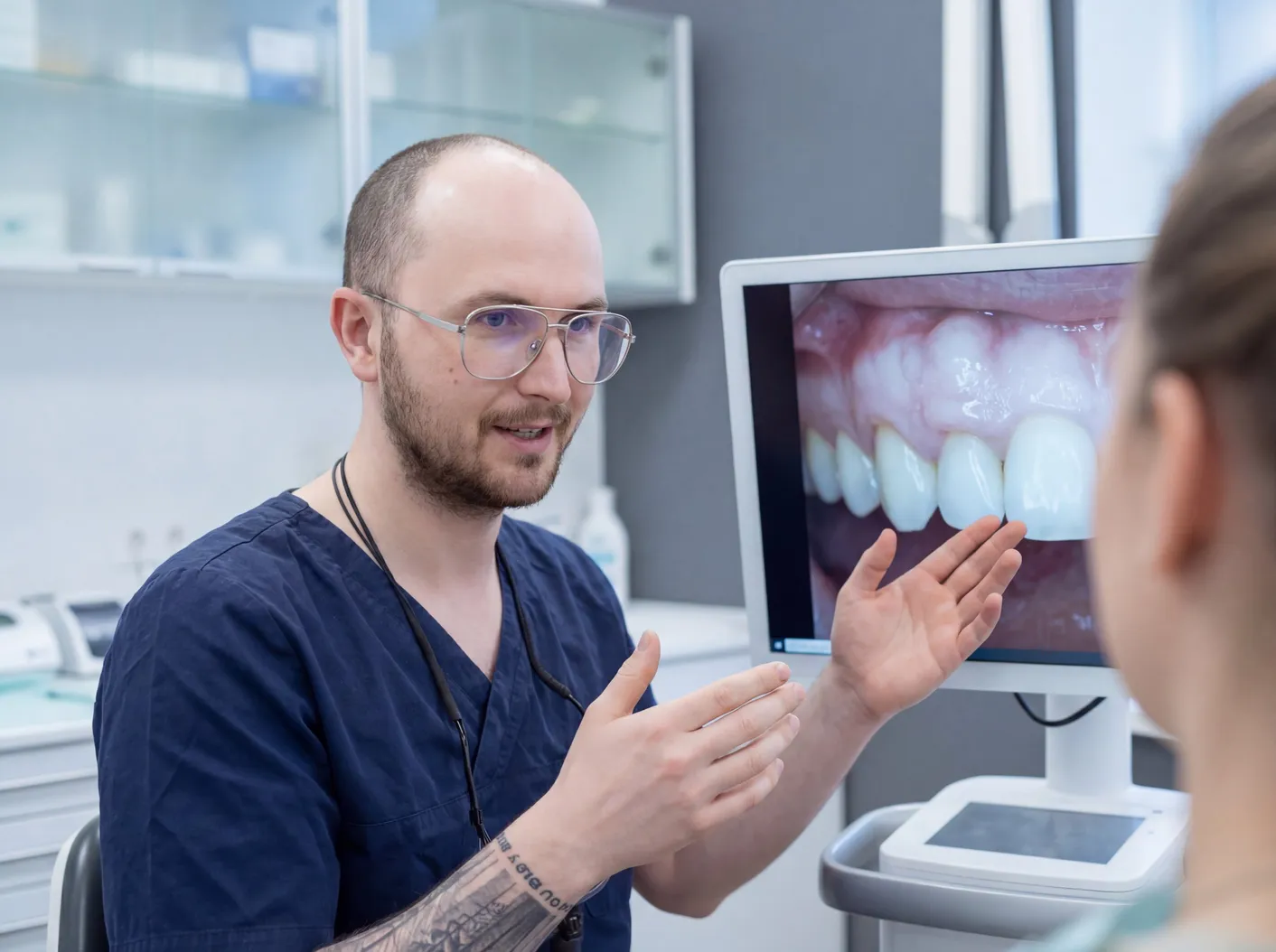
Many people find white spots aesthetically bothersome. Nevertheless, a dental examination should check whether active tooth decay is present. This is the only way to plan the appropriate treatment safely.
The cause also has a major influence on the result. Spots caused by demineralisation respond differently from fluorosis. It is therefore worth carrying out a thorough assessment before making any decision.
Common causes of white spots
A common cause is demineralisation. This occurs when acids in dental plaque cause the tooth enamel to lose minerals. This often happens when cleaning around brackets is inadequate.
White spots can also become visible after orthodontic treatment. Areas next to former bonding sites are particularly affected. Plaque and acids can accumulate more easily there.
Fluorosis can also cause white spots. It develops during tooth development as a result of too much fluoride. The spots are usually distributed more evenly.
Molar incisor hypomineralisation can also be the cause. In this condition, the enamel of individual teeth is less resilient. The spots often appear yellowish-white or brownish.

Are white spots dangerous?
Not every light spot is immediately a problem. Some changes remain stable for years. Others indicate early tooth decay activity in the enamel.
A dental diagnosis is crucial. The practice examines the surface, depth and activity of the area. Oral hygiene is also assessed closely.
Rough, dull surfaces are more likely to indicate active demineralisation. Smooth, hard spots are often more stable. Nevertheless, the cause should always be investigated.
White spots after braces
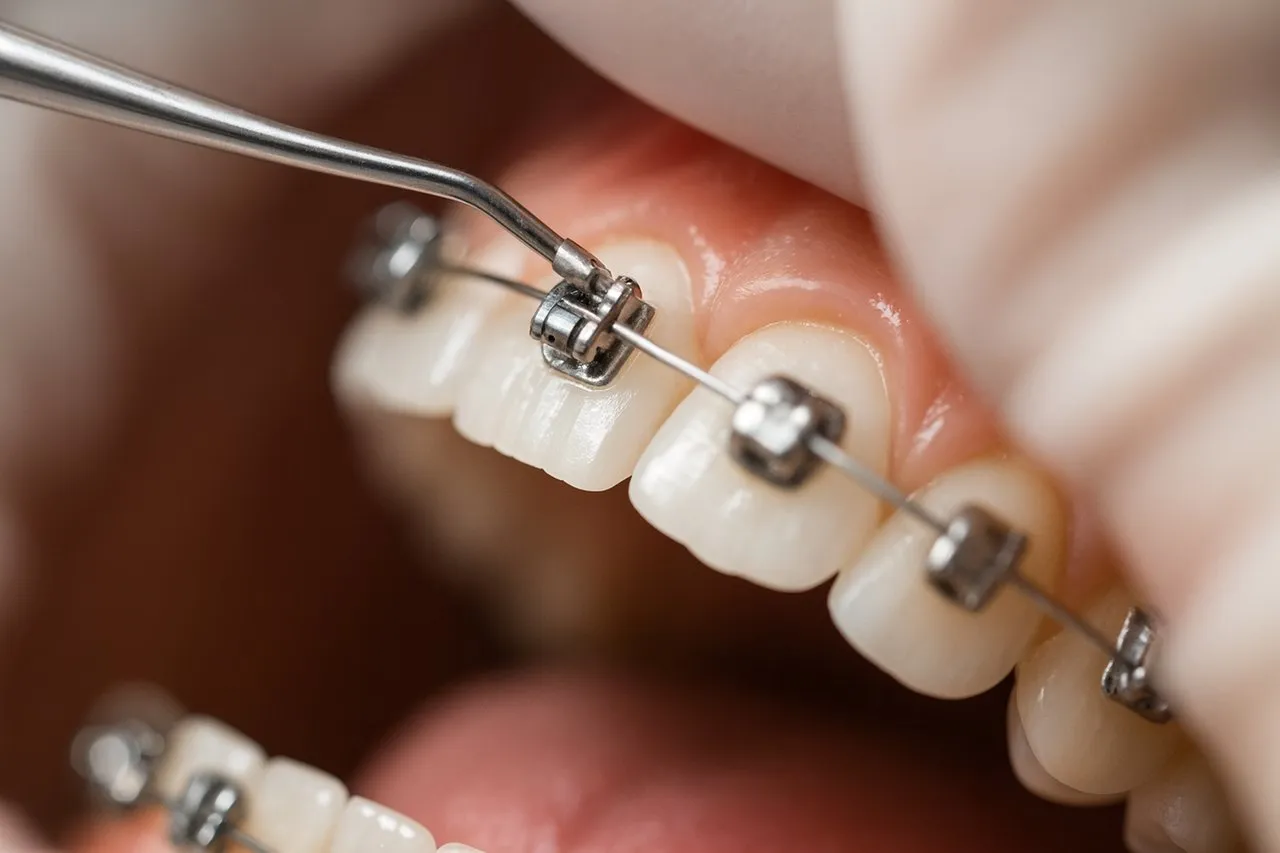
White spots after braces are not uncommon. During treatment, brackets make daily cleaning more difficult. Plaque can then adhere more easily around the edges.
The spots become visible once the brackets are removed. They are often found on the front teeth. This can significantly affect your smile.
An early examination helps prevent further damage. At Wunschlachen, we carefully assess the affected teeth. We then recommend a suitable aesthetic solution.
Which treatment helps with white spots?
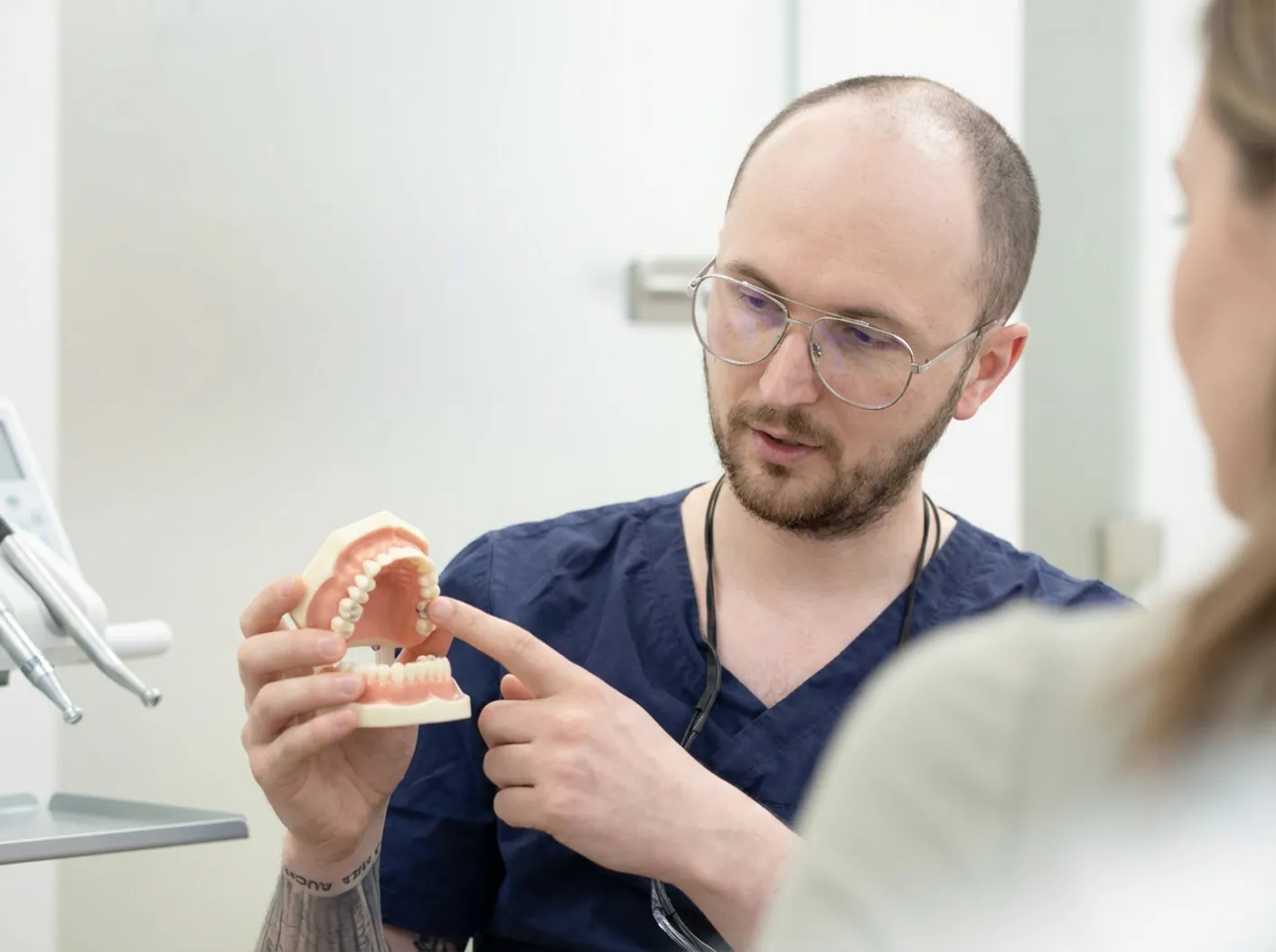
The right treatment for white spots depends on the cause. The depth, colour and location of the spots are also important. Every treatment therefore begins with a thorough examination.
Remineralisation can help with very early demineralisation. Fluoride, special gels and good oral hygiene strengthen the tooth enamel. This method is particularly effective for active early-stage changes.
The Icon method is an option for visible spots on the front teeth. A special resin is used to infiltrate the porous enamel. This alters the light refraction, which can make the spots less noticeable.
Composite fillings may also be suitable in some cases. The surface is prepared minimally and built up with tooth-coloured material. This solution is useful when tooth substance is missing.
Other options may be considered for more severely discoloured or deeper defects. These include microabrasion, whitening treatments or veneers. The choice always depends on the clinical findings and your wishes.
It is important to have a realistic goal. Not every spot will disappear completely. However, its visibility can often be significantly reduced.

The Icon method for white spots
The Icon method is a modern form of caries infiltration. It is particularly suitable for superficial white spots. It can often be used without conventional drilling.
First, the tooth surface is cleaned and prepared. A low-viscosity resin then penetrates the porous enamel structure. Finally, the material is hardened with light.
The aim is to create a more visually even tooth colour. At the same time, the affected enamel structure is stabilised. The natural tooth is largely preserved.
What can you do yourself?
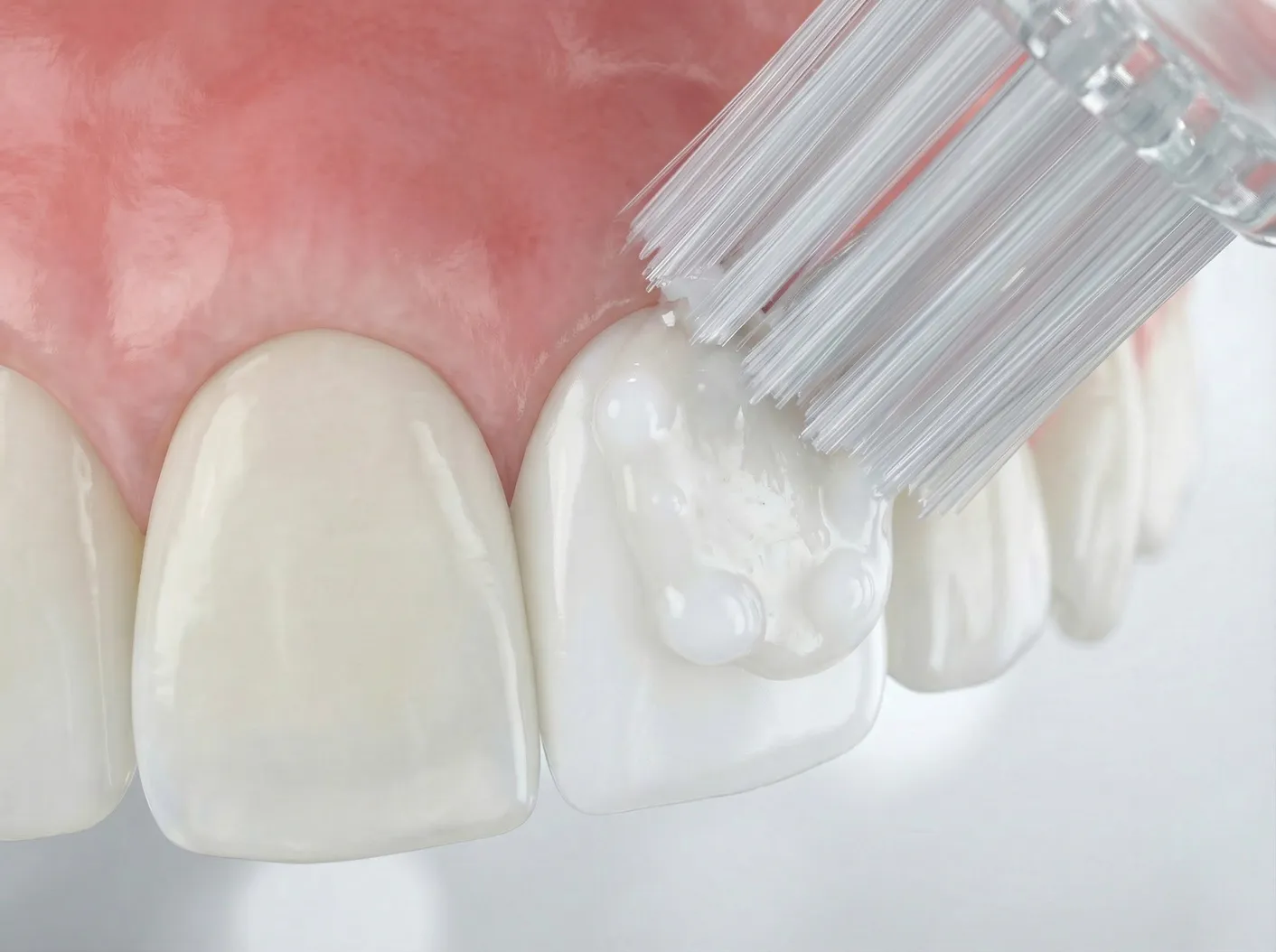
Good oral hygiene is the most important foundation. Brush your teeth thoroughly and regularly. Dental floss or interdental brushes are a useful addition to your routine.
Fluoride toothpaste supports remineralisation. Acidic drinks should only be consumed in moderation. After acidic foods, rinsing with water is helpful initially.
Please do not treat white spots yourself with aggressive substances. Home remedies can further irritate the tooth enamel. A professional assessment is much safer.

Have white spots treated at Wunschlachen
At Wunschlachen dental practice, we take a holistic approach to white spots. We assess the cause, severity and your aesthetic wishes. We then draw up a personalised treatment plan.
Our aim is a natural-looking result. The treatment should suit your tooth colour and facial aesthetics. At the same time, we focus on preserving your teeth in the long term.
Many white spots can now be significantly improved. An early diagnosis is important. This allows us to combine suitable measures in a targeted way.