Bone grafting in the upper jaw: costs at a glance
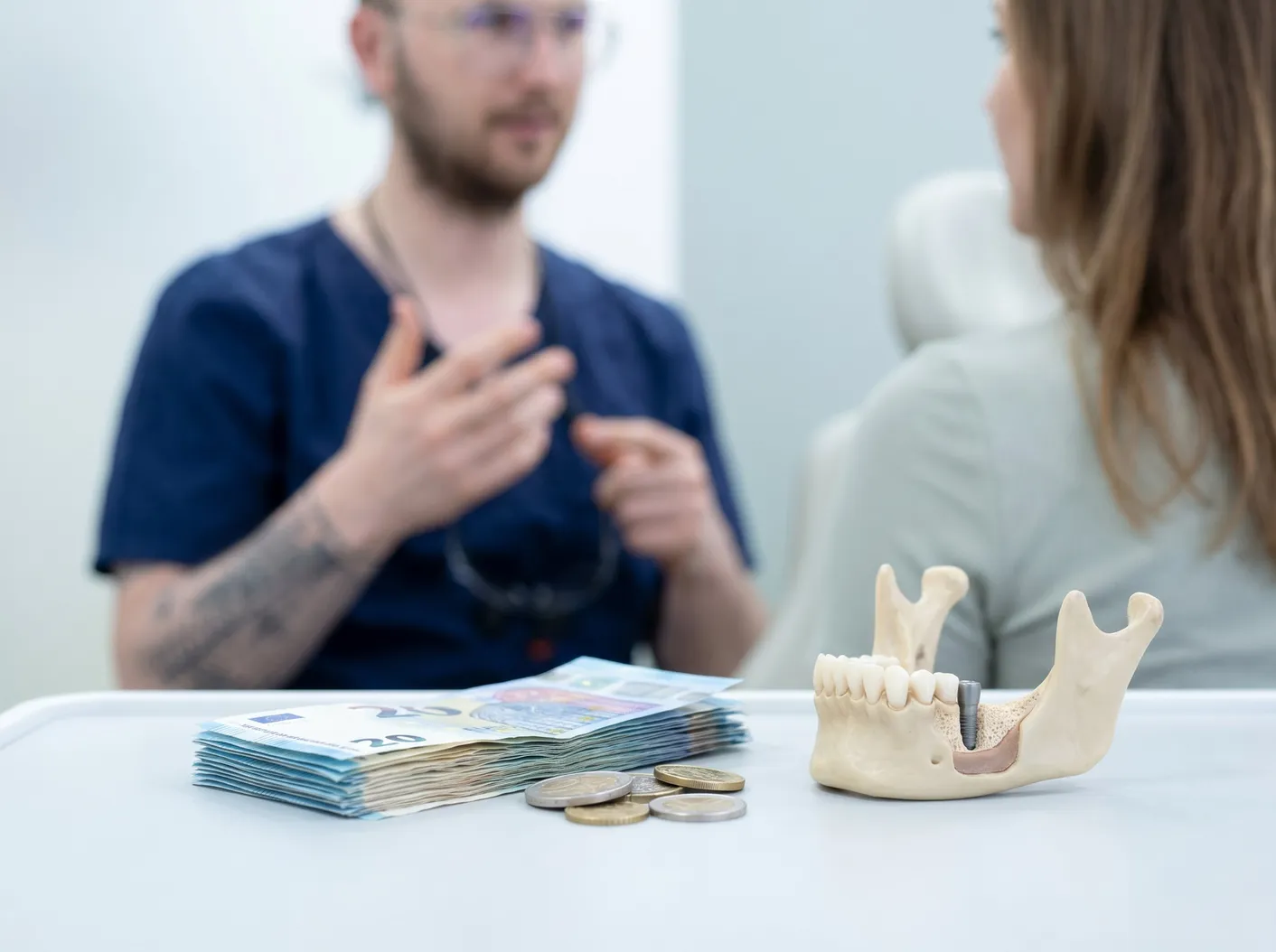
Bone grafting in the upper jaw is often needed before implants . There is often insufficient bone height after tooth loss. The costs depend heavily on the method, material and clinical findings. Minor procedures are less expensive. Major augmentations cost considerably more. Statutory health insurance funds usually only pay subsidies towards the dental prosthesis, not for the implant itself.
Über 350 Google-Bewertungen
Why bone grafting in the upper jaw may be necessary
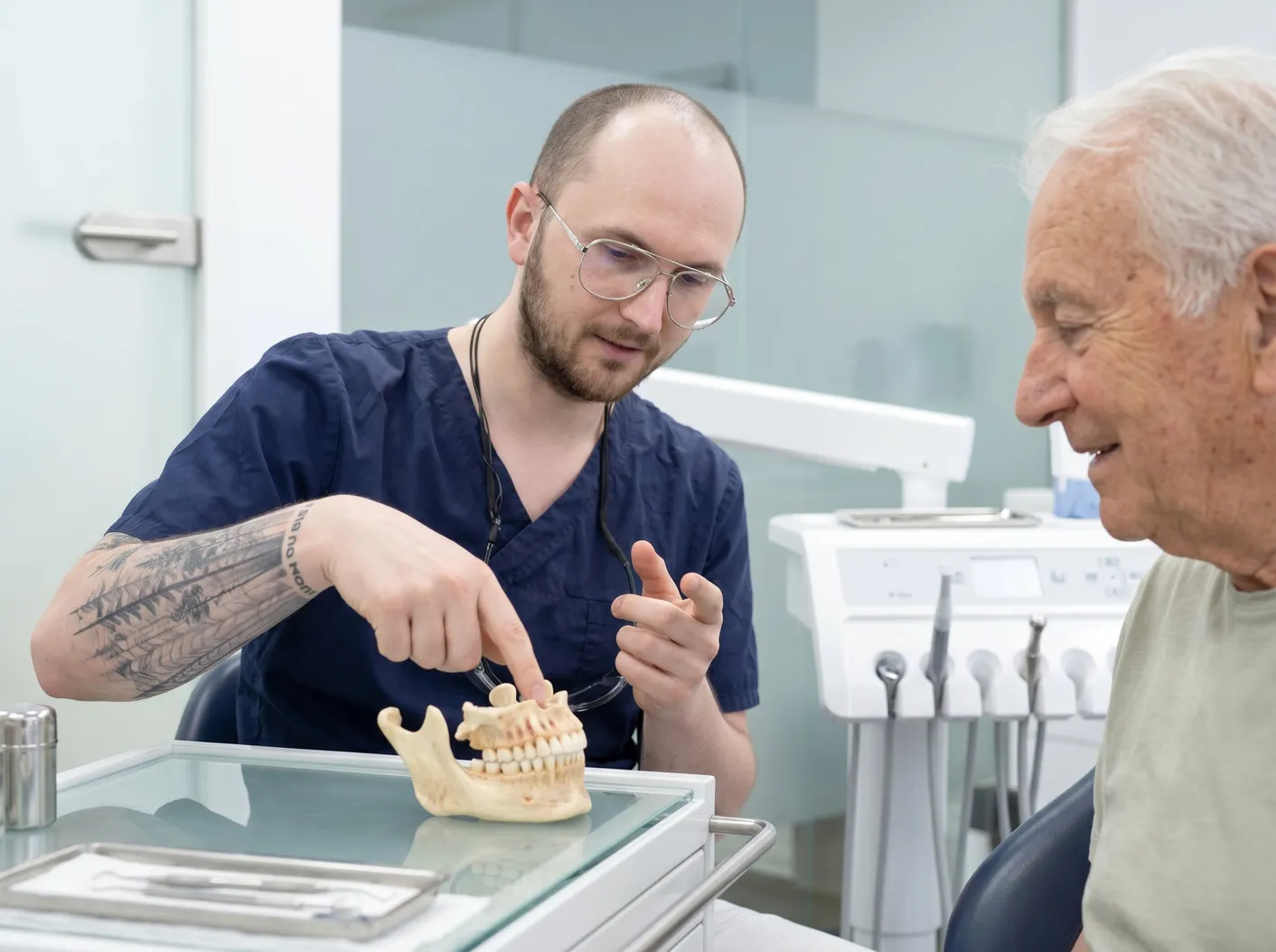
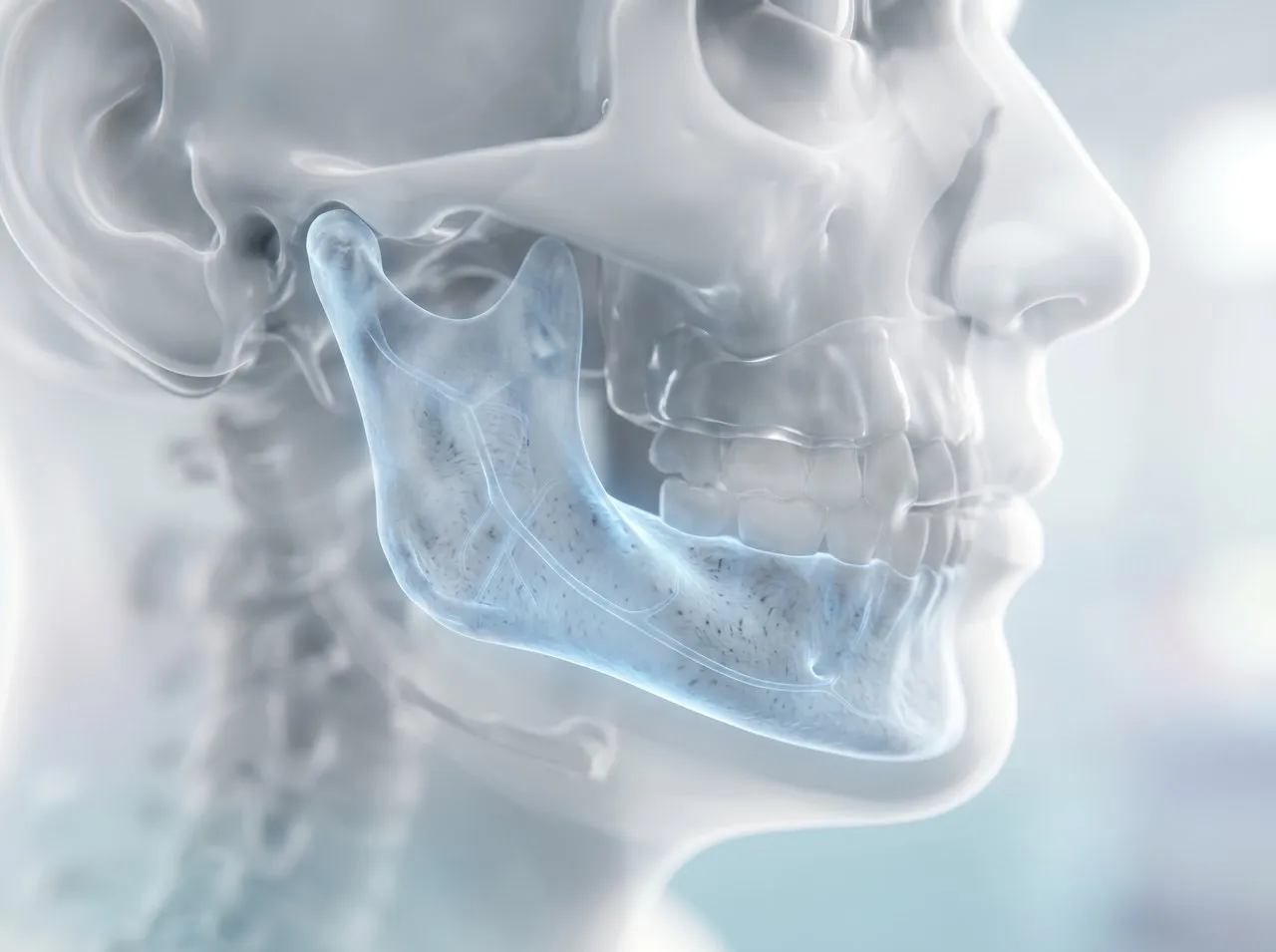
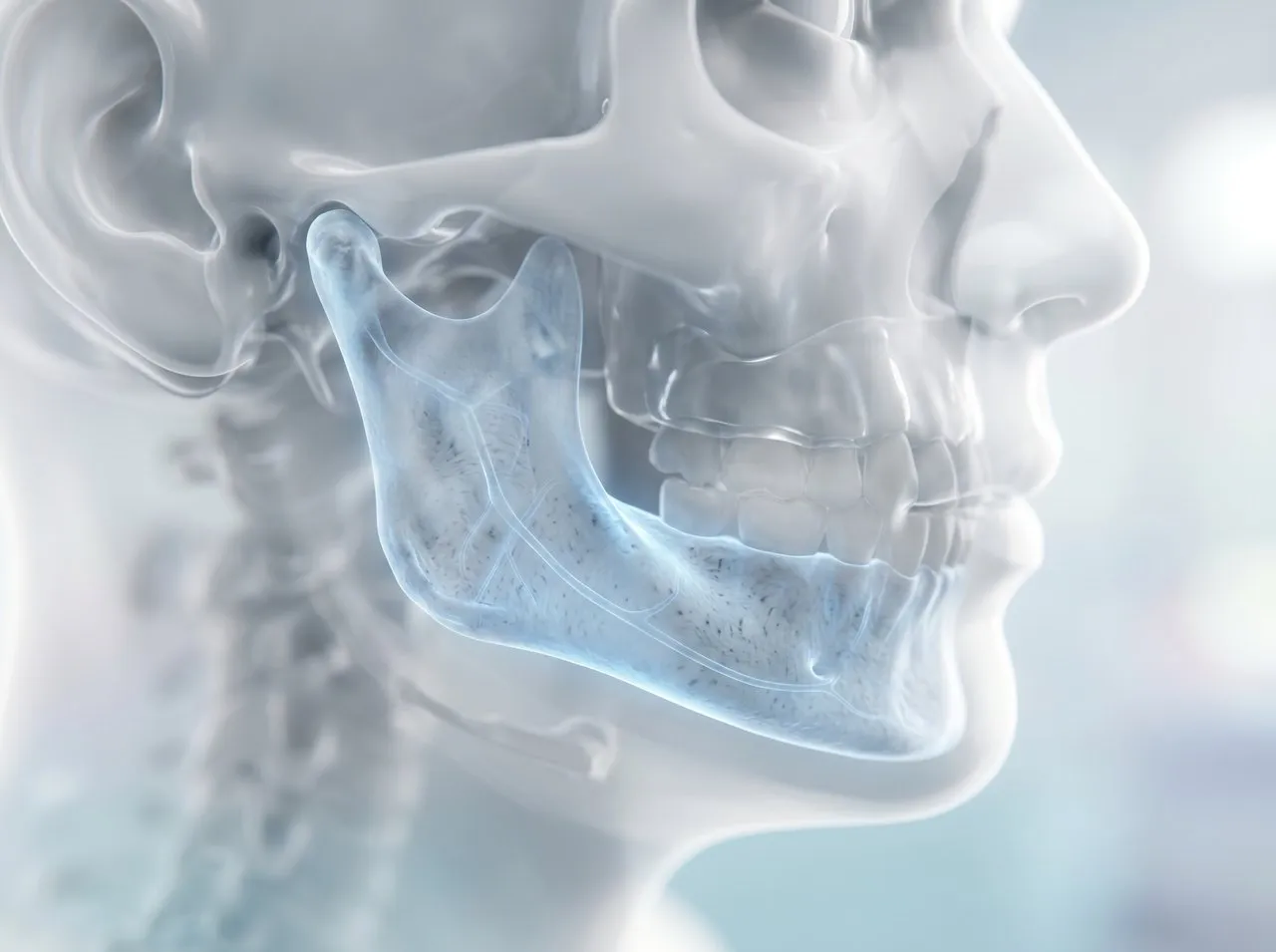
The bone in the upper jaw is often softer than in the lower jaw. After tooth loss, it deteriorates more quickly. In the molar region, the maxillary sinus is also very close by. As a result, the bone height is often insufficient for an implant .
Bone grafting may then be an option. The technical term is often augmentation. The aim is to create a stable foundation for the subsequent implant. A sinus lift is often planned for larger defects.
Which procedures affect the costs
Bone grafting procedures vary in complexity. A small internal sinus lift is usually less expensive. An external sinus lift is more extensive and therefore costs more.
The material and technique also affect the price. The procedure may use your own bone, a bone substitute or both. The final cost also depends on 3D planning, surgical time and laboratory work.
Bone grafting in the upper jaw: the costs you can expect
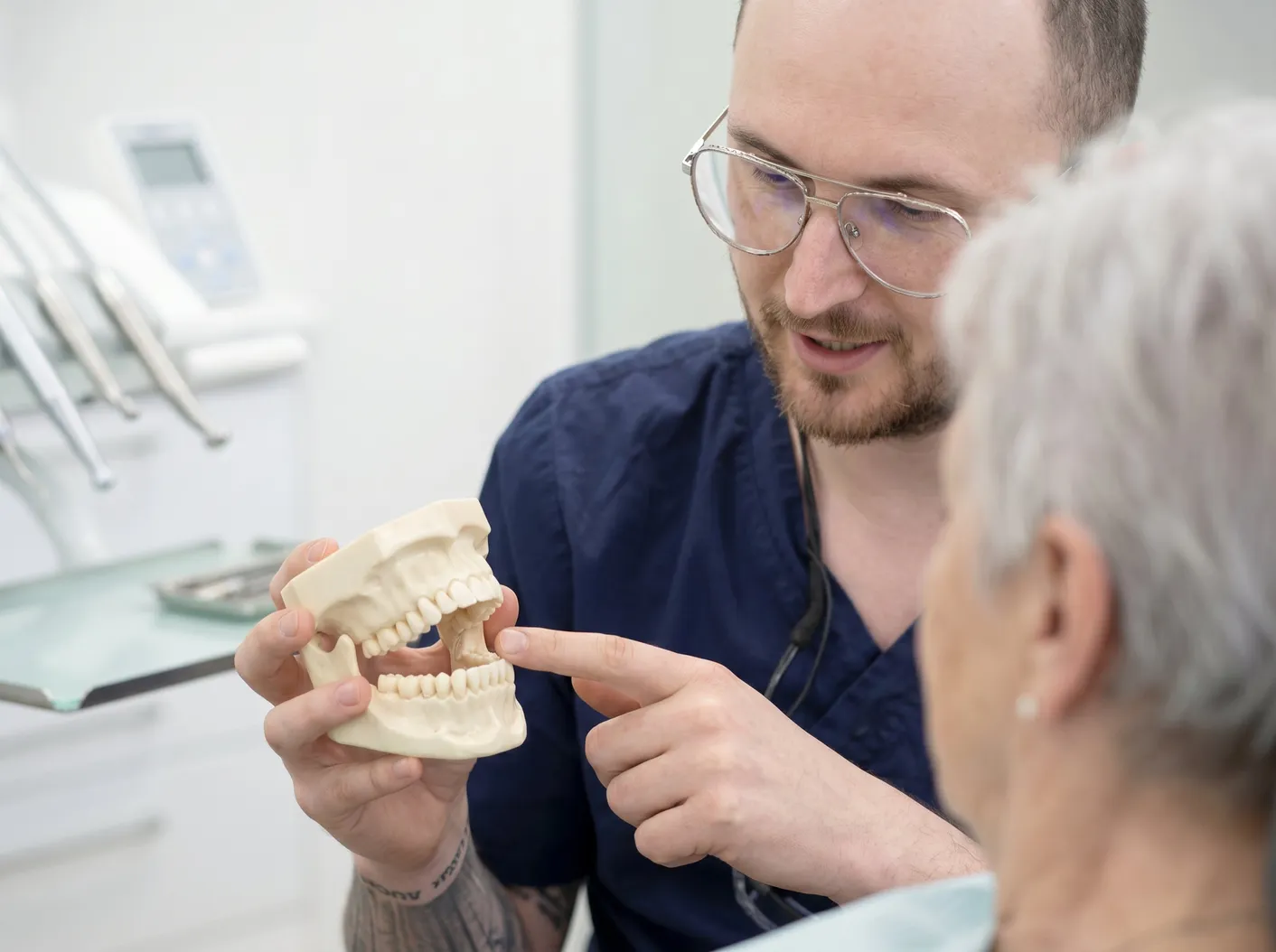
The cost of an internal sinus lift starts at around €1,500. An external sinus lift often costs from €2,000.
These figures are rough guides. The actual amount may be higher, for example if the anatomy is complex or additional diagnostics are required. Sedation and aftercare also increase the total price.
If the bone grafting is combined directly with an implant, the total costs rise further. Figures for an implant plus bone grafting often start at €4,500. Depending on the dental prosthesis, the cost may be higher.
What is usually included in the price
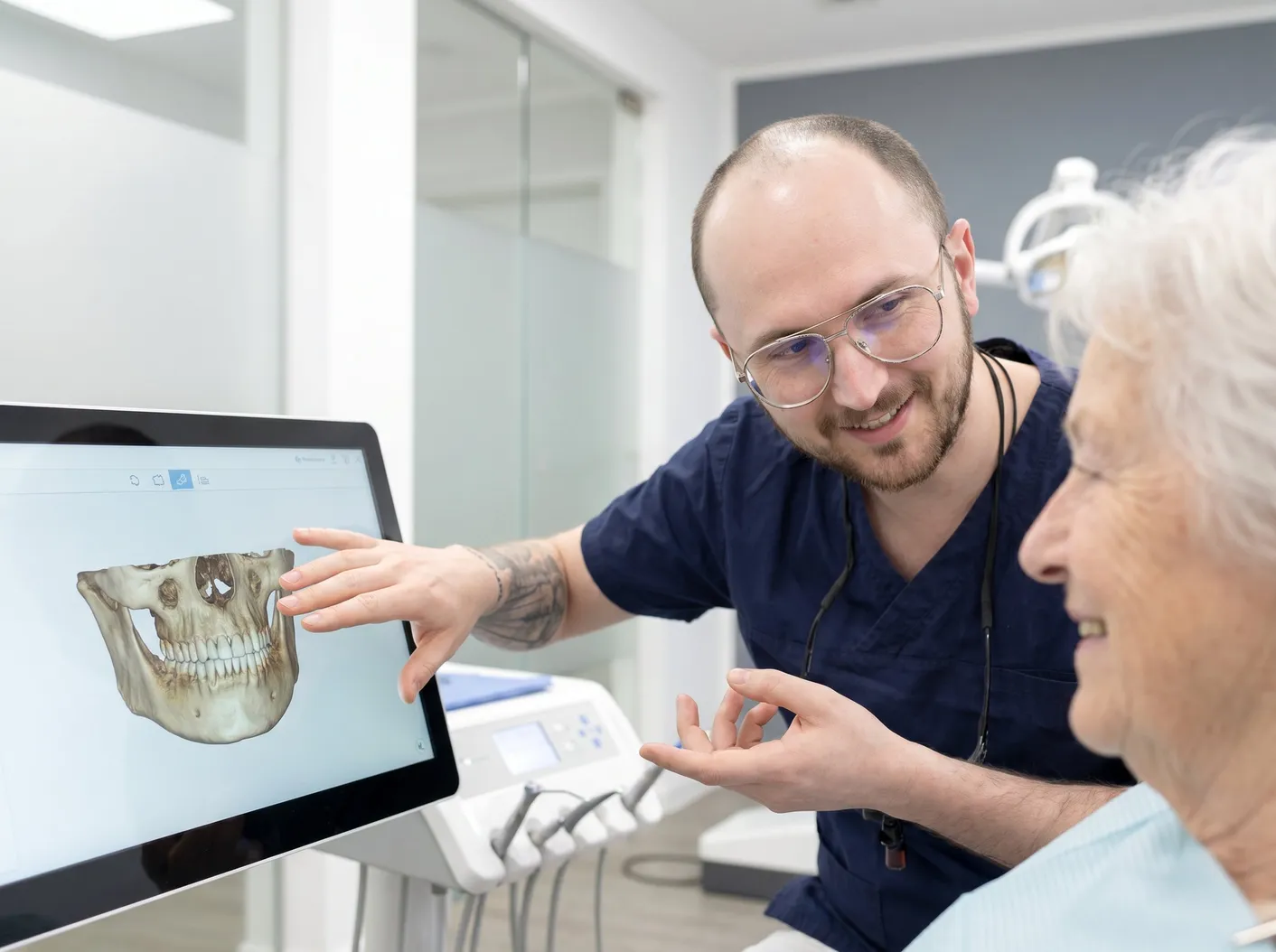
The treatment and cost plan usually contains several items. These include the examination, X-rays or 3D imaging (DVT), surgery and materials. The implant, healing period and subsequent dental prosthesis may also be included.
It is important to distinguish between the bone grafting and the dental prosthesis. Bone grafting is only one part. This is often followed by the implant, abutment and crown. Only the overall plan shows the actual final costs.
Does health insurance cover bone grafting in the upper jaw?
German statutory health insurance usually does not cover implants. It typically pays only a fixed allowance towards the dental restoration based on the clinical findings.
Without a preventive care record, this allowance is usually 60 per cent of the cost of standard care. With regular documented check-ups, it often rises to 70 or 75 per cent.
Patients therefore often pay part of the bone grafting cost themselves. Private or supplementary insurance may reimburse more, depending on the plan. Submit your written treatment and cost plan before treatment to find out what is covered.
Which factors increase the amount you pay yourself
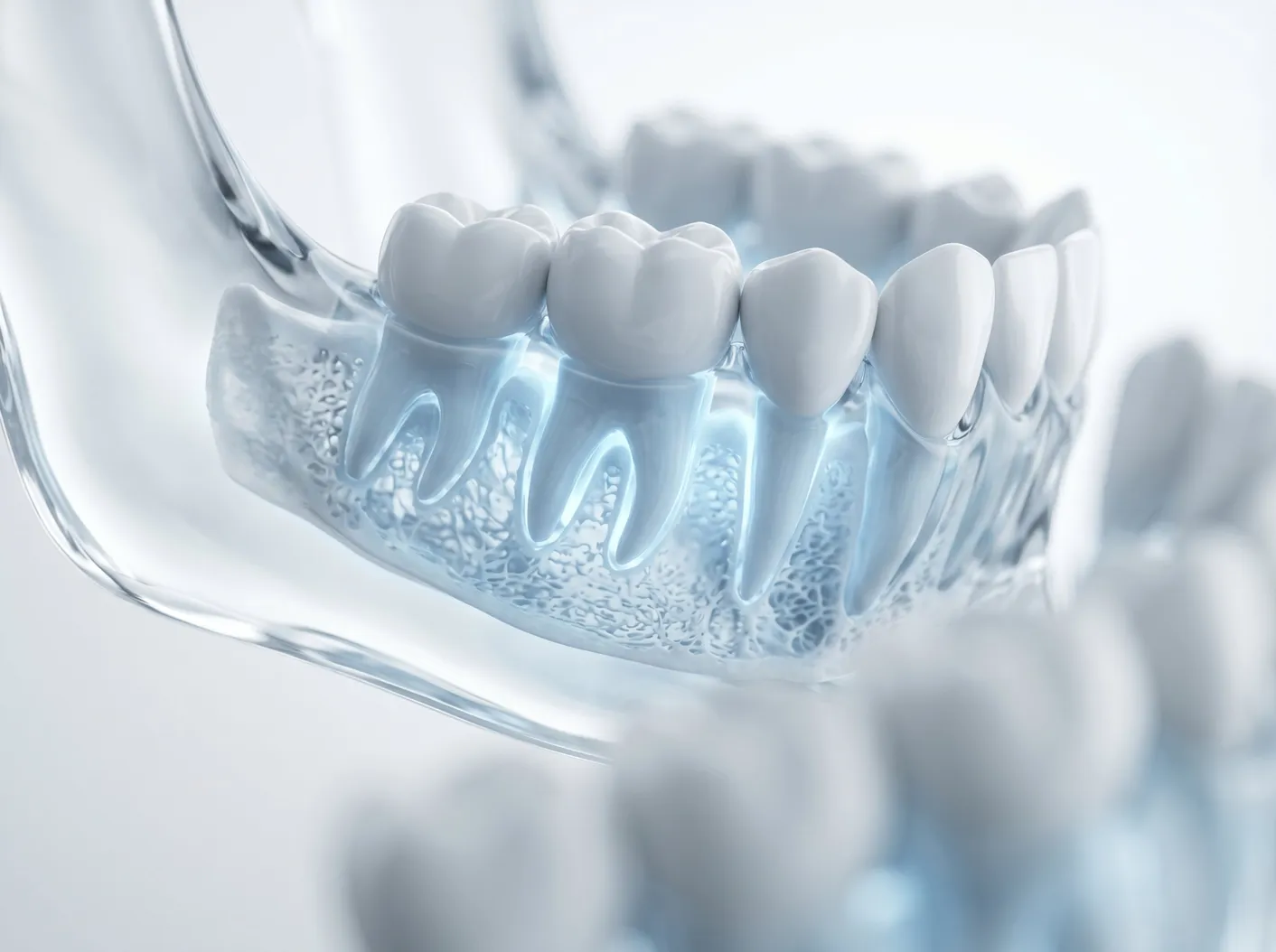
A high personal contribution often results from several steps. These include preliminary treatments, additional imaging and special materials. Several missing teeth also make the plan more expensive.
The location in the upper jaw is also crucial. A sinus lift is more often necessary in the molar region. In the front tooth region, aesthetics and the shape of the hard tissue often play a greater role. Both can make treatment more expensive.
Why precise planning can save costs
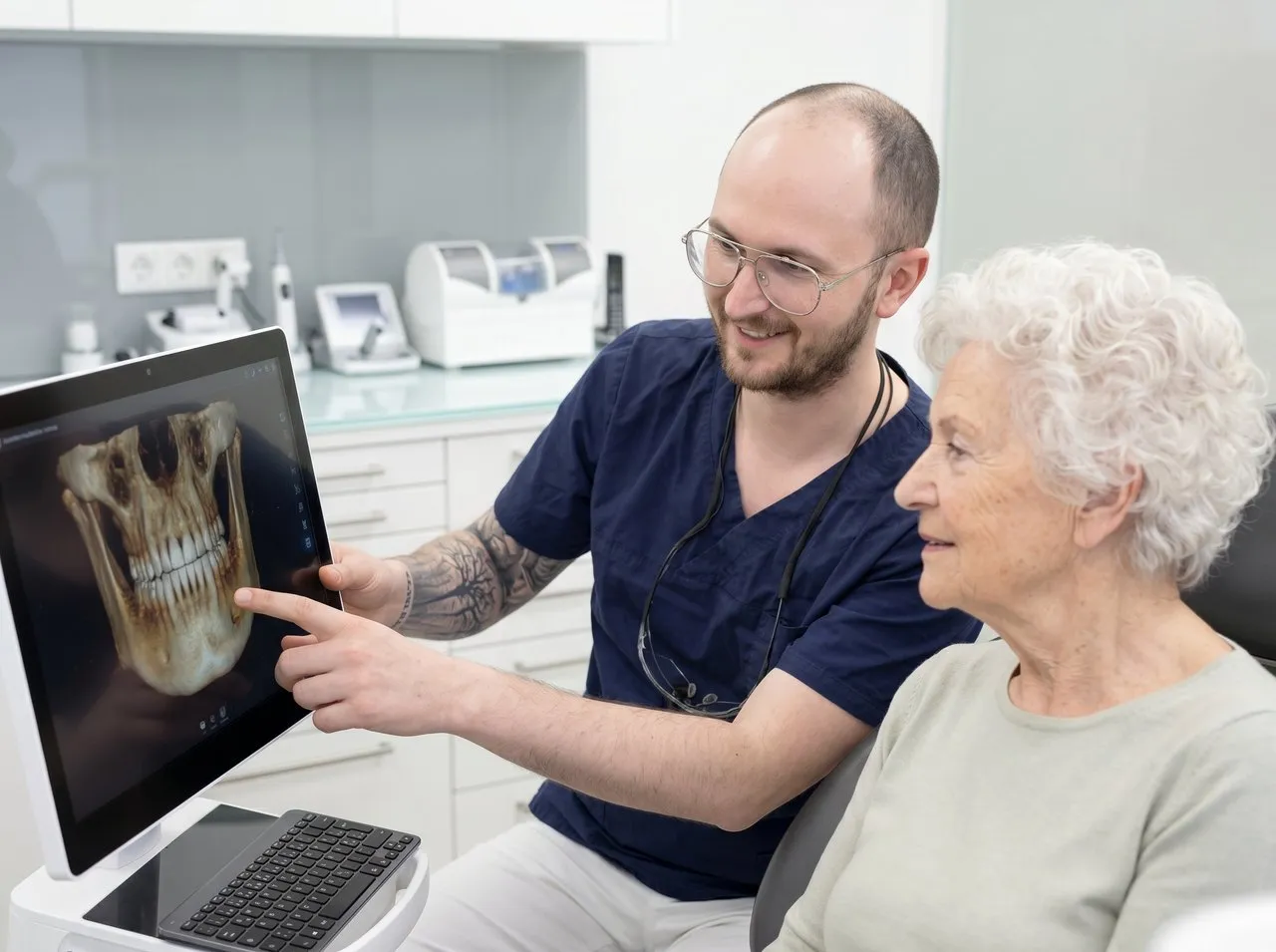
Good planning prevents unnecessary steps. Digital diagnostics show at an early stage which method is appropriate. This allows the procedure and materials to be costed more accurately.
Proper aftercare is just as important. Swelling and a feeling of pressure can occur in the upper jaw. A carefully managed healing period reduces the risk of complications and additional costs.
At our Wunschlachen practice, you will receive a clear cost overview in advance. This allows you to see at an early stage which services are necessary, giving you confidence when making your decision.
Conclusion on the costs for the upper jaw
The costs of bone grafting in the upper jaw cannot be stated as a flat rate. Minor procedures often start in the lower three-figure range. Extensive procedures cost considerably more. Together with an implant and dental prosthesis, the total amount can quickly reach the mid-to-high four figures.
The clinical findings, method and insurance status are crucial. An individual treatment and cost plan is therefore essential. This allows you to assess and plan your personal contribution realistically.