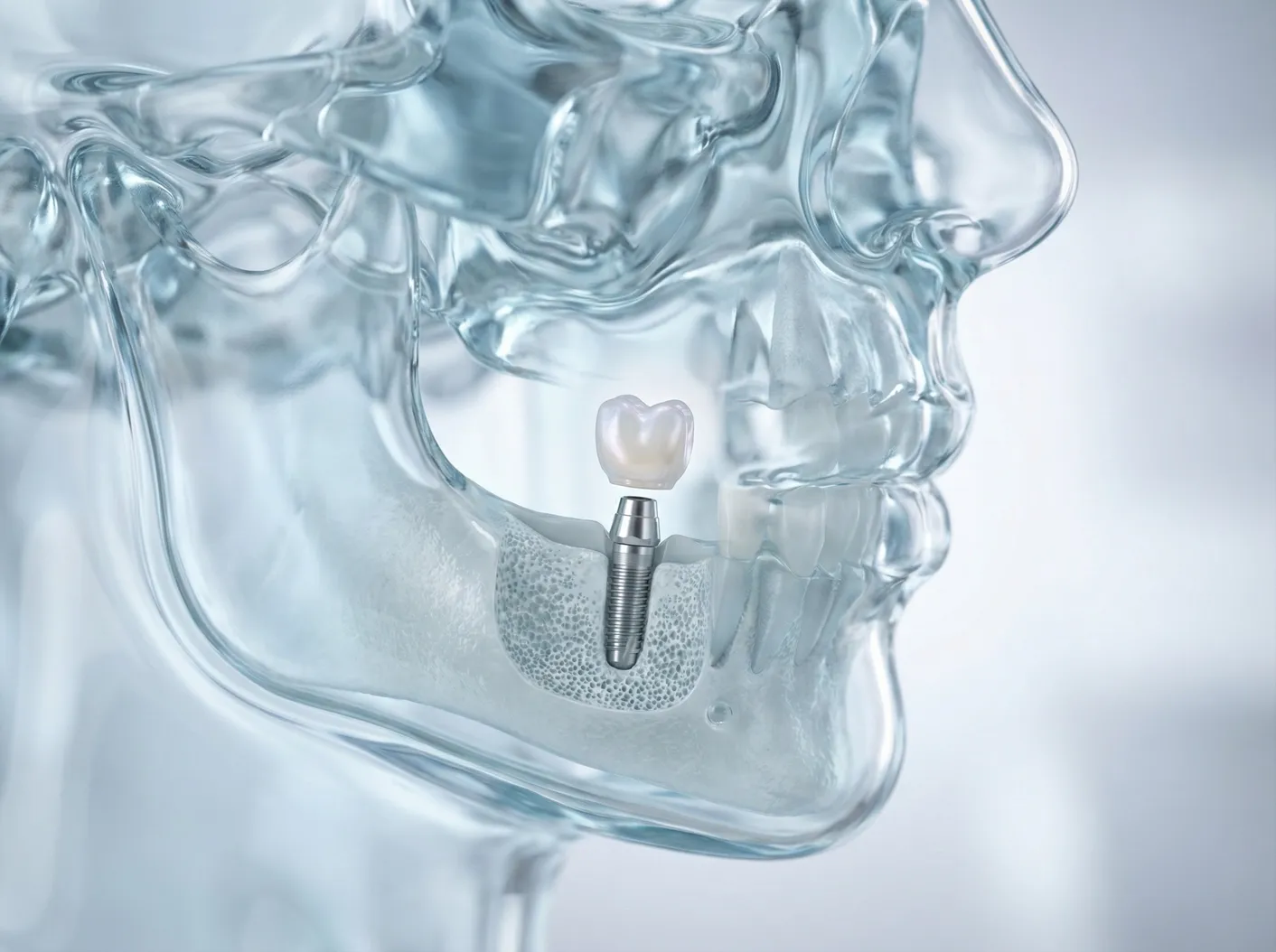
What does a dental implant look like?
An implant replaces a missing tooth root. It serves as an artificial tooth root in the jaw. Usually, only the crown is visible, not the implant itself.
Über 350 Google-Bewertungen
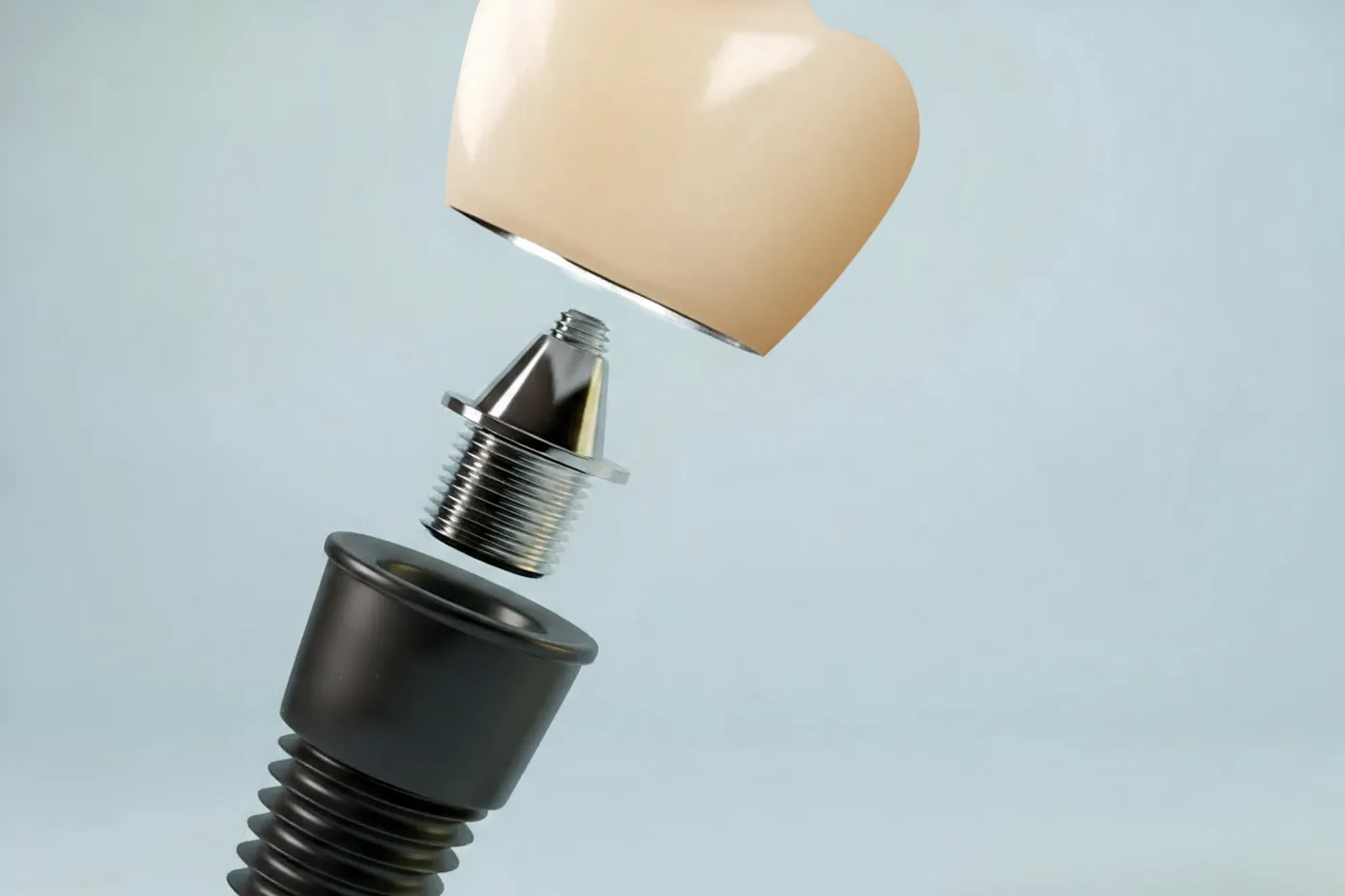
The basic structure of a dental implant
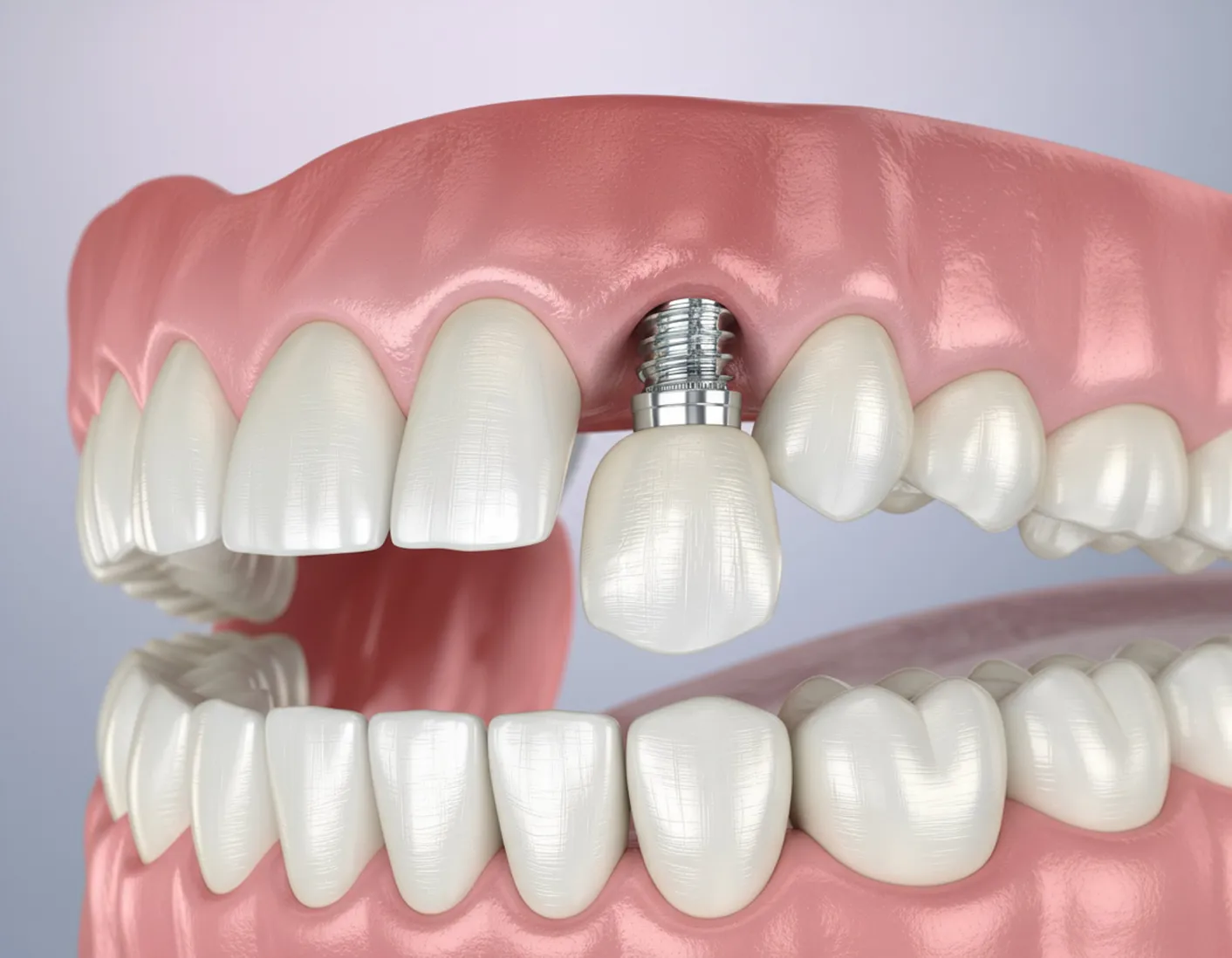
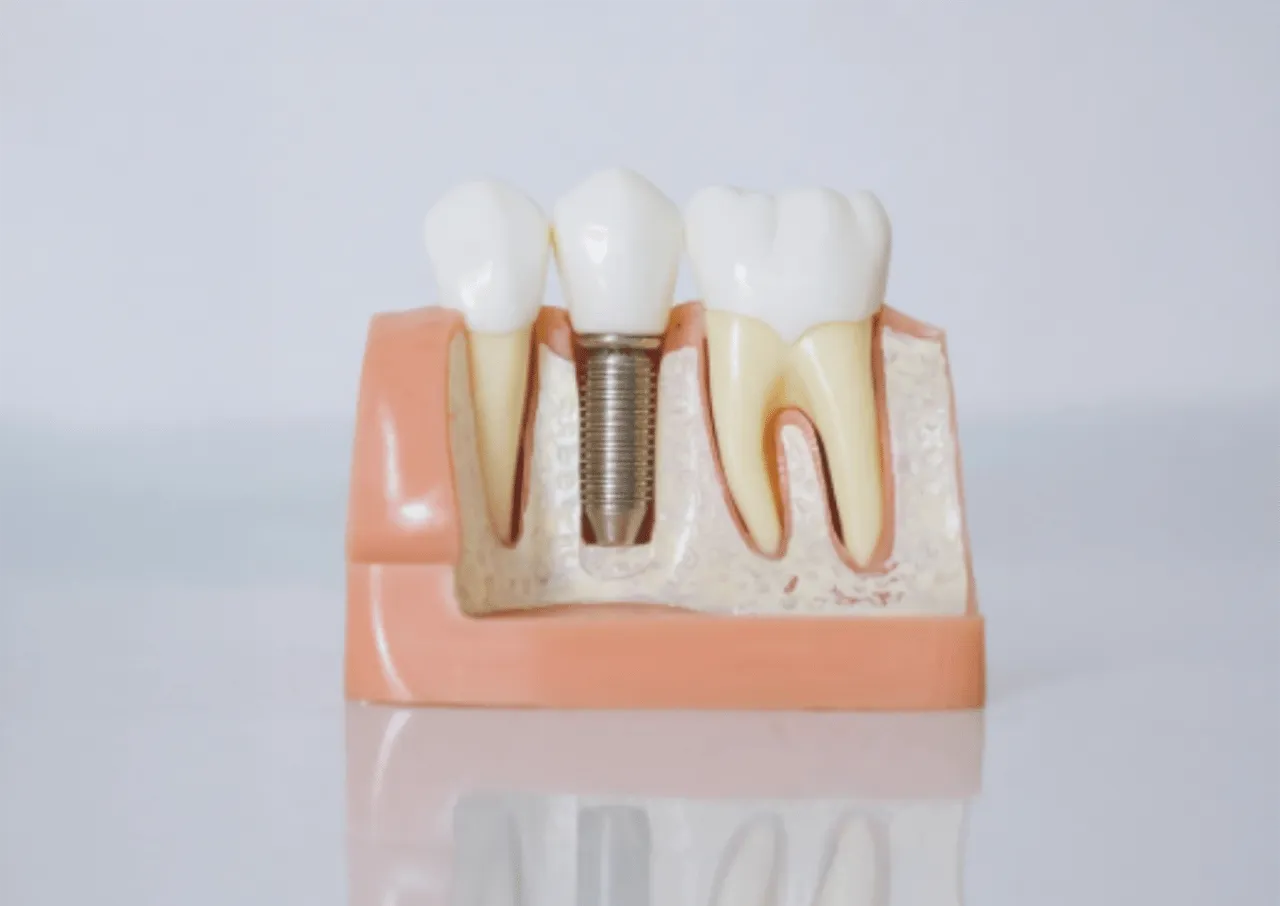
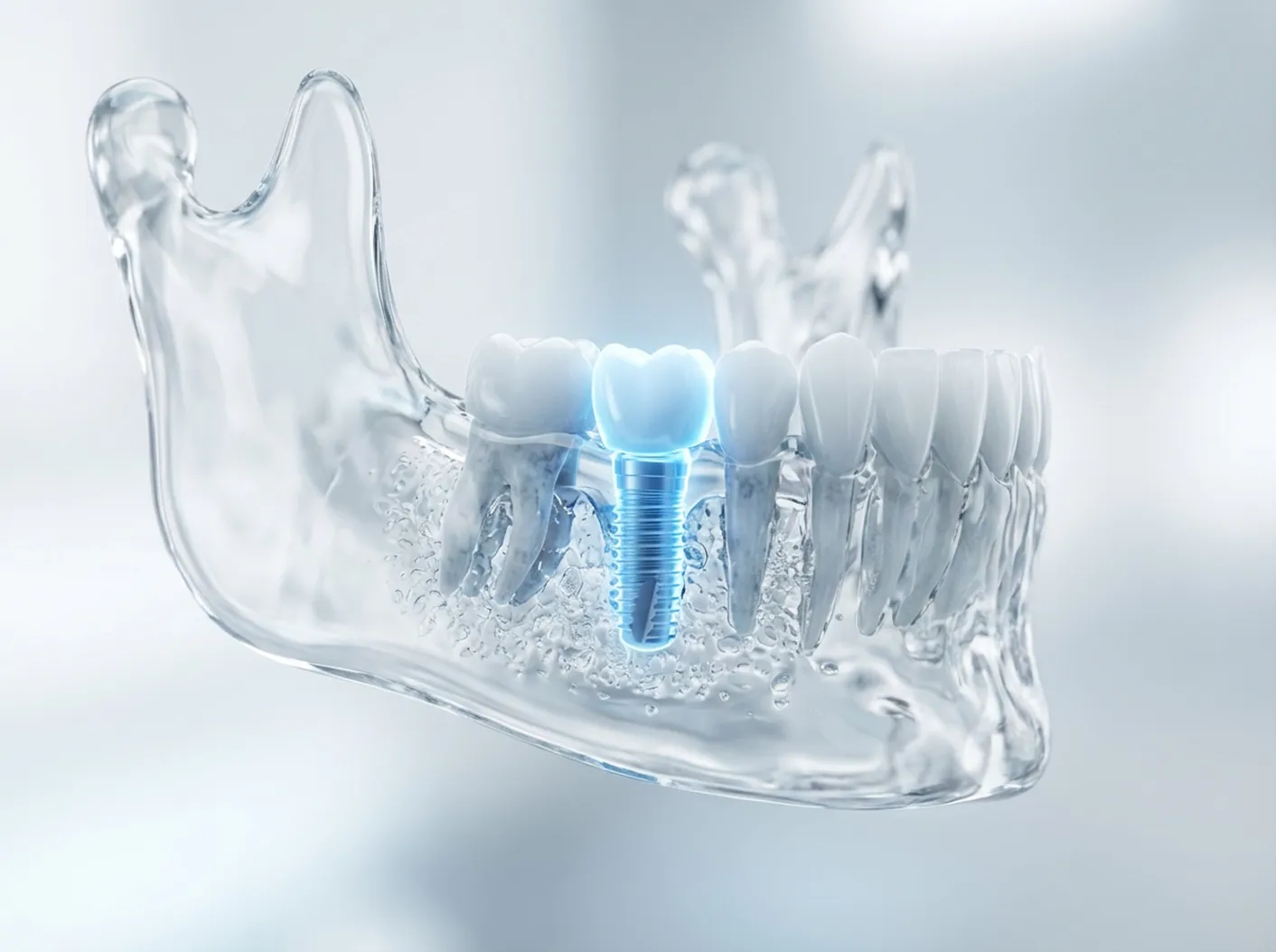
A dental implant usually consists of three parts: the implant body, abutment and dental crown. This structure is well established in dentistry.
The implant body sits in the jawbone. It often resembles a small screw or cylinder. It is usually made of titanium.
The abutment sits on top of the implant body. This connecting piece protrudes slightly through the gum. It later supports the visible crown.
The crown forms the visible replacement tooth. Its colour is matched to the neighbouring teeth, so the result usually looks very natural.
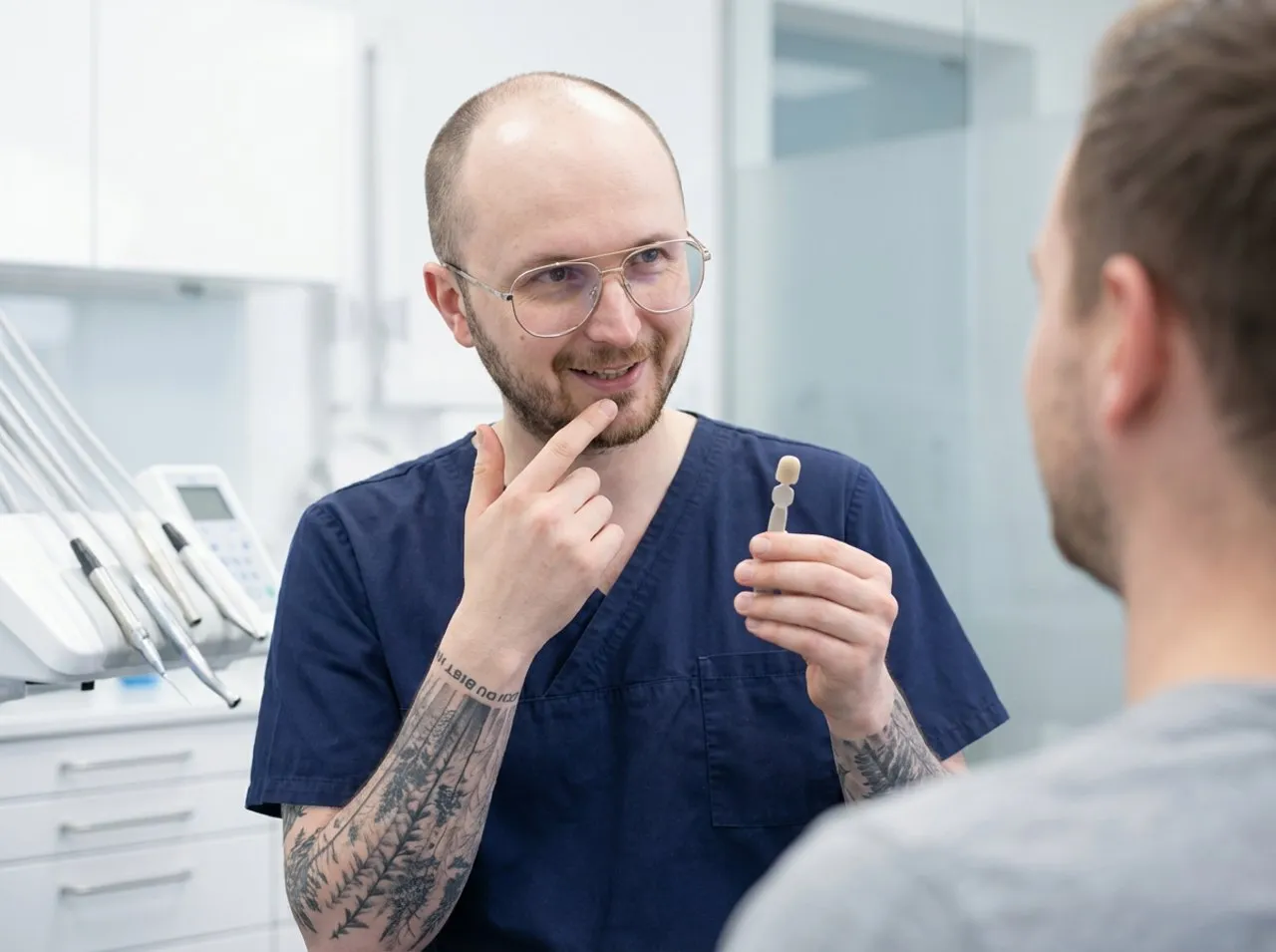
What the implant itself looks like before placement
Before the procedure, an implant has a rather technical appearance. Many patients compare it to a small metal screw. This impression is essentially correct.
Its shape is slender and precise. The thread helps it sit securely in the bone. Depending on the system, it may look short or somewhat longer.
A titanium implant usually has a grey surface. Some systems have fine grooves or threads. Other models look smoother and more compact.
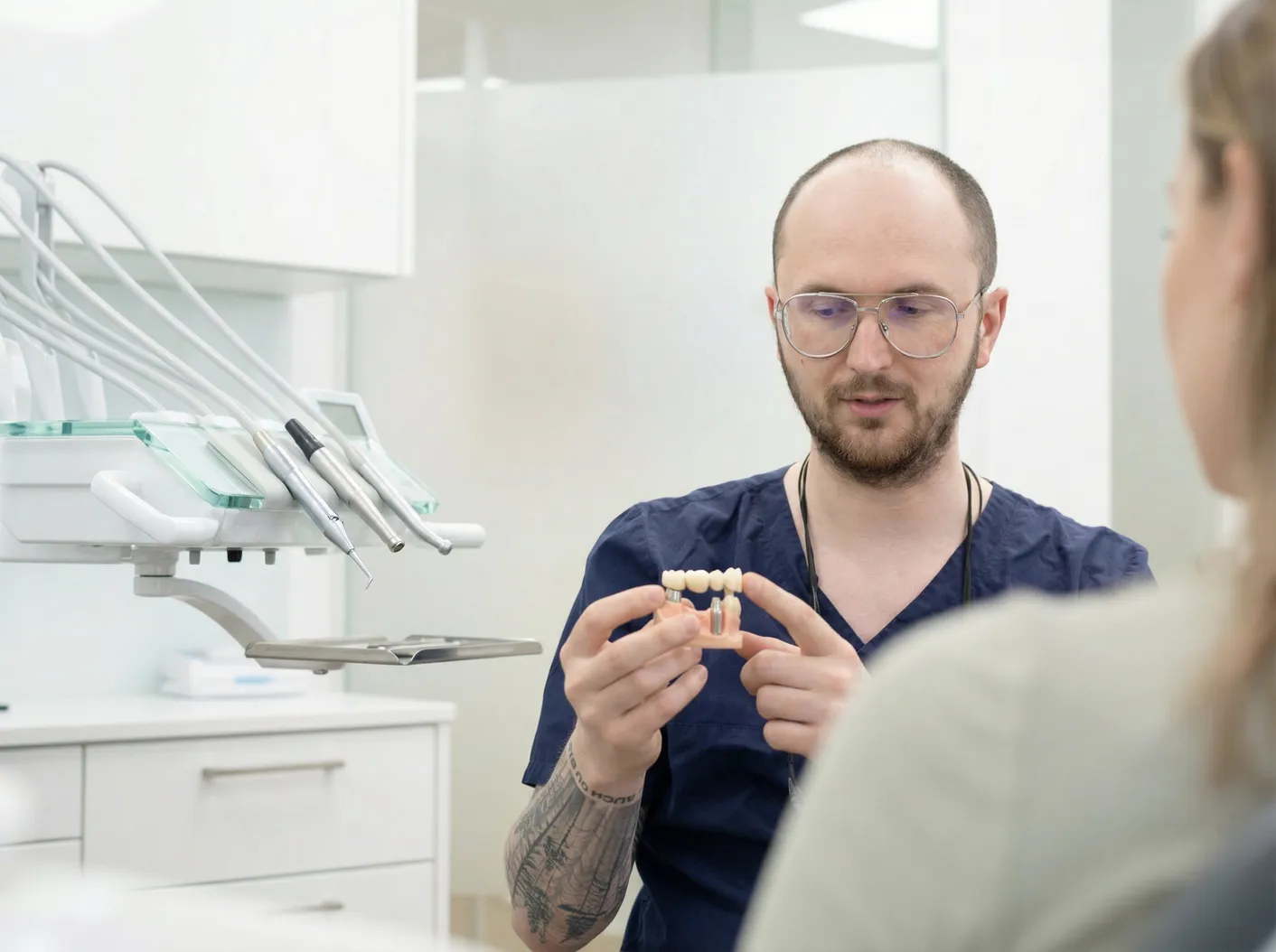
What an implant looks like in the mouth
Immediately after placement, the implant is often not visible. It initially lies beneath the gum. During this phase, it heals into the bone.
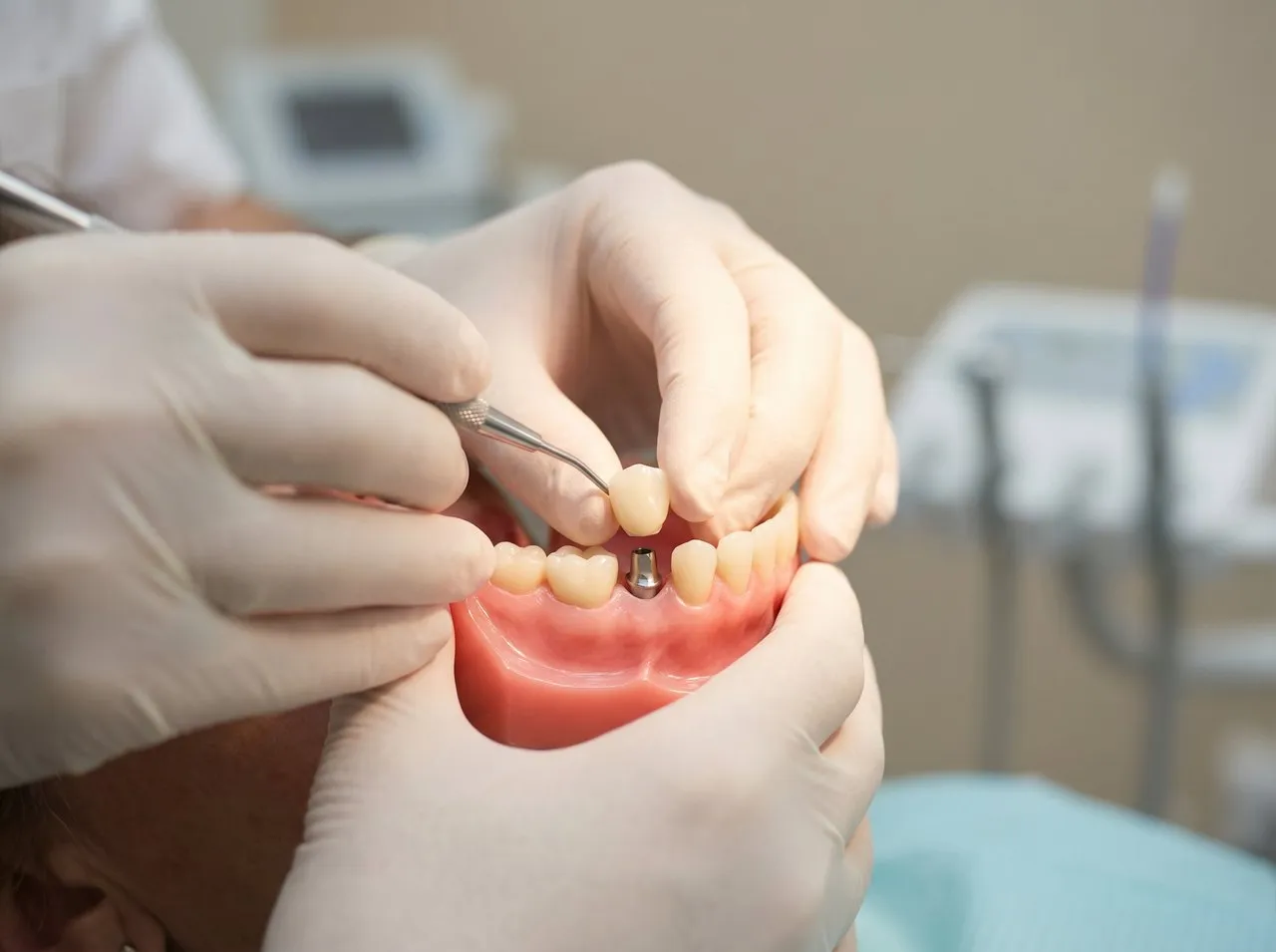
In some cases, a small healing cap is visible. It looks like a small metal head. Sometimes it appears round, sometimes rather flat.
Once healing is complete, the abutment is fitted. The implant crown follows. Only then does the result resemble a natural tooth again.
The finished crown is tooth-coloured. Its shape, length and surface are tailored individually. The aim is a harmonious overall appearance in the mouth.
How to recognise an implant by its appearance
A completed dental implant is often difficult to spot. This is especially true of front teeth, where aesthetic matching is particularly important.
Nevertheless, there are small differences. The crown sometimes looks a little more uniform than a natural tooth. The gum line also requires careful planning.
An implant is usually even less noticeable among the back teeth. Function is more important there, but the restoration still remains visually inconspicuous.
What does an implant look like without a crown?
Without a crown, an implant looks incomplete. Usually, only the abutment or healing cap is then visible. Neither resembles a real tooth.
The abutment is small and functional in design. It serves only to connect the implant to the crown. It therefore looks more technical than natural.
Many patients are briefly alarmed by this sight. However, this is normal. The natural appearance only emerges with the final restoration.
Which materials affect its appearance
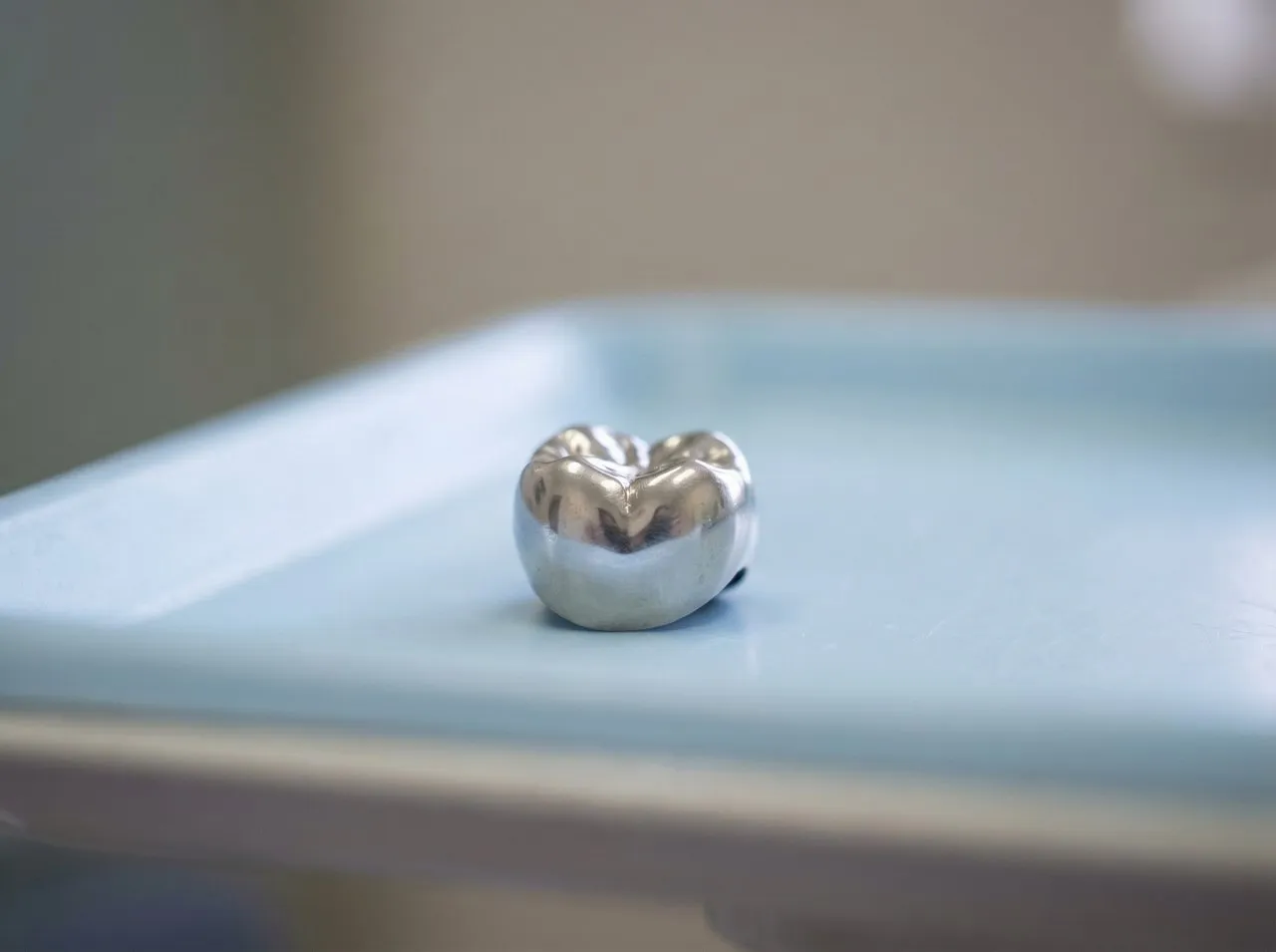
Most implants are made of titanium. Titanium has been proven in implantology for years. It appears strong, precise and metallic.
For the visible area, however, the crown is decisive. It can be made of ceramic or other tooth-coloured materials. This largely eliminates the technical appearance.
The abutment also affects the appearance. The choice of material can be important where the gum is thin. This makes it easier to create a harmonious transition.

Why implants often look like real teeth
A modern dental implant is planned individually. Its colour, shape and position are based on the neighbouring teeth, allowing the replacement tooth to blend in well.
The surface of the crown also plays a role. Small light reflections and fine textures look more natural. This is particularly important in visible areas.
At Wunschlachen, we therefore pay attention to both function and aesthetics. An implant should sit securely and look natural. Both are part of high-quality treatment.
For whom appearance is particularly important
Appearance plays a major role in the front teeth. Even small deviations are more quickly noticeable there, so planning requires considerable experience.
The shape of the gum is also important. It influences the frame around the new tooth. An attractive result is never achieved through the crown alone.
The load is usually greater in the side teeth. There, stability matters most alongside appearance. The implant must reliably provide both.
Conclusion: what an implant really looks like
An implant itself usually looks like a small screw. In the mouth, it is often not visible at all at first. Later, the natural-looking crown is mainly what can be seen.
The key distinction is therefore between the implant body and the replacement tooth. The implant itself remains functional and hidden. The aesthetic end result is what becomes visible.
Anyone who would like to know what an implant could look like in their individual case should seek advice. Images, models and X-rays help with planning, creating a result that is both functional and natural-looking.