
When is the Icon method not possible?
The Icon method can gently improve white spots and early areas of tooth decay. However, it is not suitable for every change to a tooth. The depth, cause and condition of the tooth enamel are decisive.
At Wunschlachen, we therefore carefully assess whether Icon treatment is appropriate. This helps us avoid unrealistic expectations and plan a suitable alternative.
Über 350 Google-Bewertungen

What is the Icon method?
The Icon method is a micro-invasive caries infiltration treatment. Porous tooth enamel is infiltrated with a low-viscosity resin. The healthy tooth substance remains largely intact.
The method is often used for white spots. These white marks often appear after fixed braces. Early tooth decay in the enamel can also be an area of application.
However, the treatment does not replace a conventional filling. It only works for limited changes without an open defect. An accurate diagnosis beforehand is therefore important.
When is the Icon method not possible?
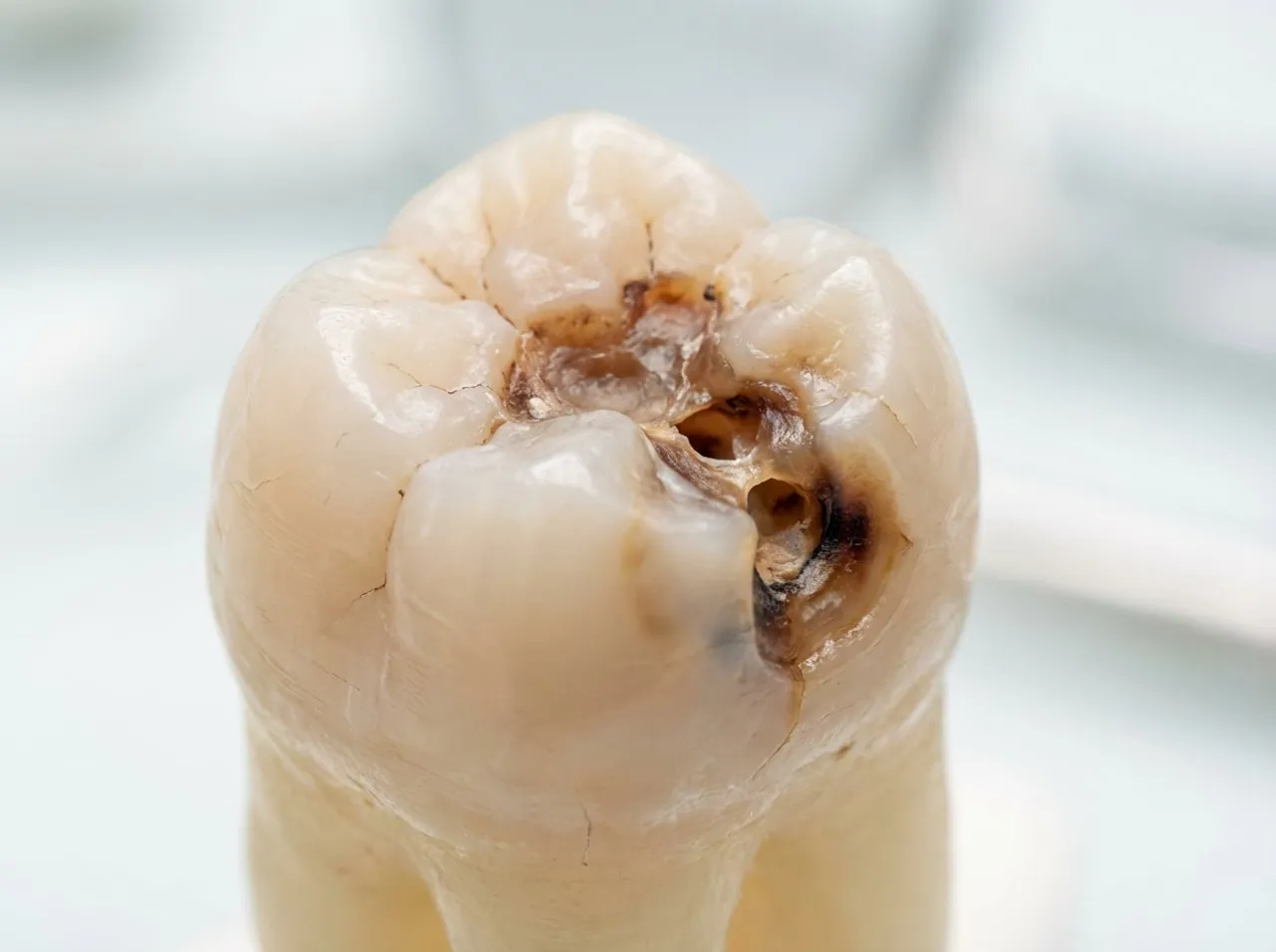
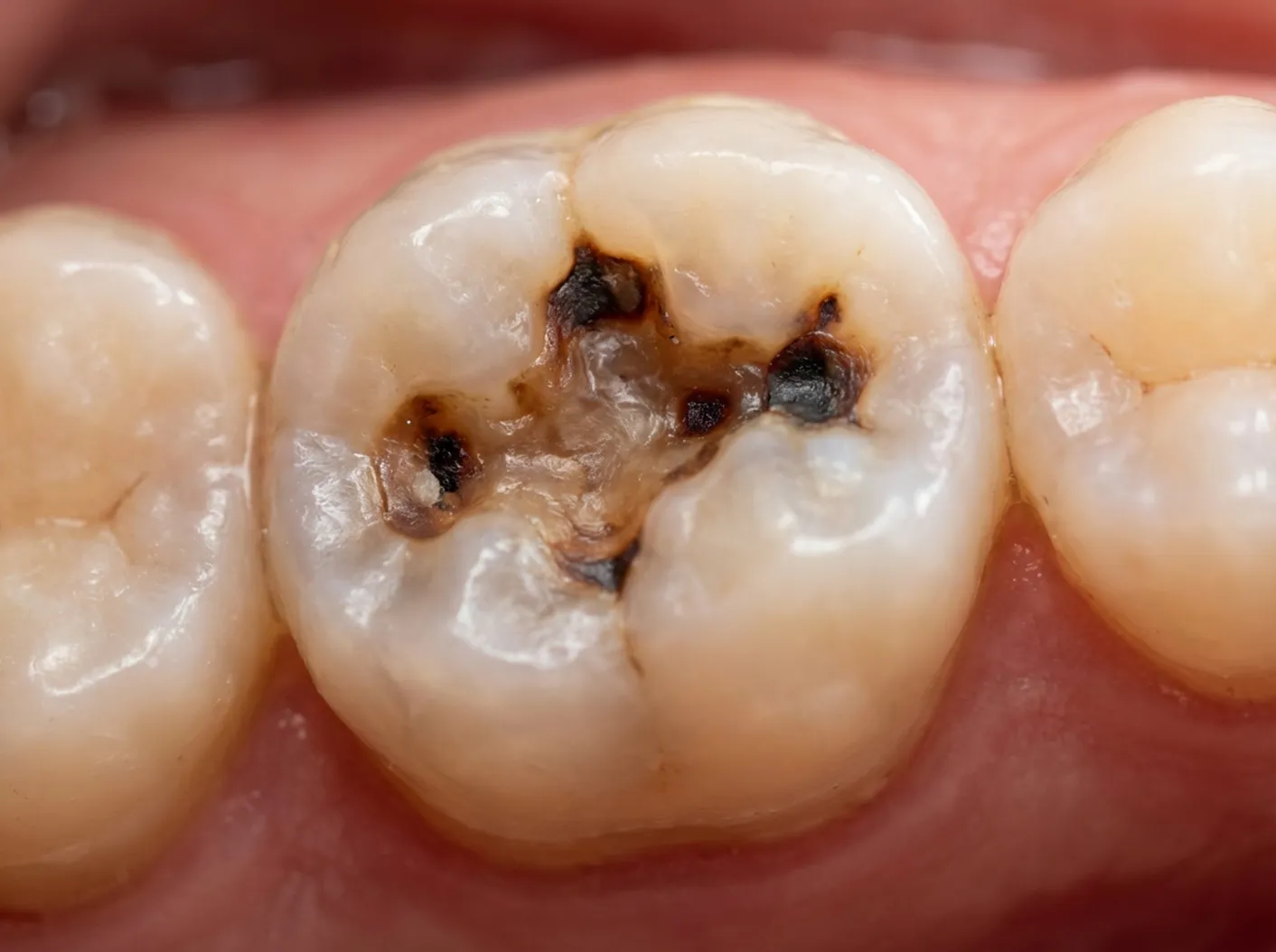
The Icon method is not possible if there is already a cavity. Once the tooth surface has broken down, infiltration is not sufficient. The tooth then usually requires restorative treatment.
Icon is also unsuitable for deep tooth decay. If the change extends significantly into the dentine, the tooth needs a different therapy. A filling or partial crown may then be more appropriate.
The method is also unsuitable for severely damaged tooth enamel. This includes crumbling surfaces, cracks or larger losses of tooth substance. In such cases, a stable surface is often lacking.
Deep discolouration and dark spots
Icon can visibly blend light spots with the surrounding tooth. The limits are narrower for brown or grey discolouration. Very deep discolouration cannot always be concealed sufficiently.
Old injuries can also be more difficult to treat. If the tooth enamel has changed significantly, infiltration has a limited effect. An aesthetic assessment beforehand is therefore advisable.
Sometimes whitening, bonding or a veneer is more suitable. Which solution is appropriate depends on the findings. Wunschlachen explains the options transparently and clearly.
Active tooth decay and poor oral hygiene
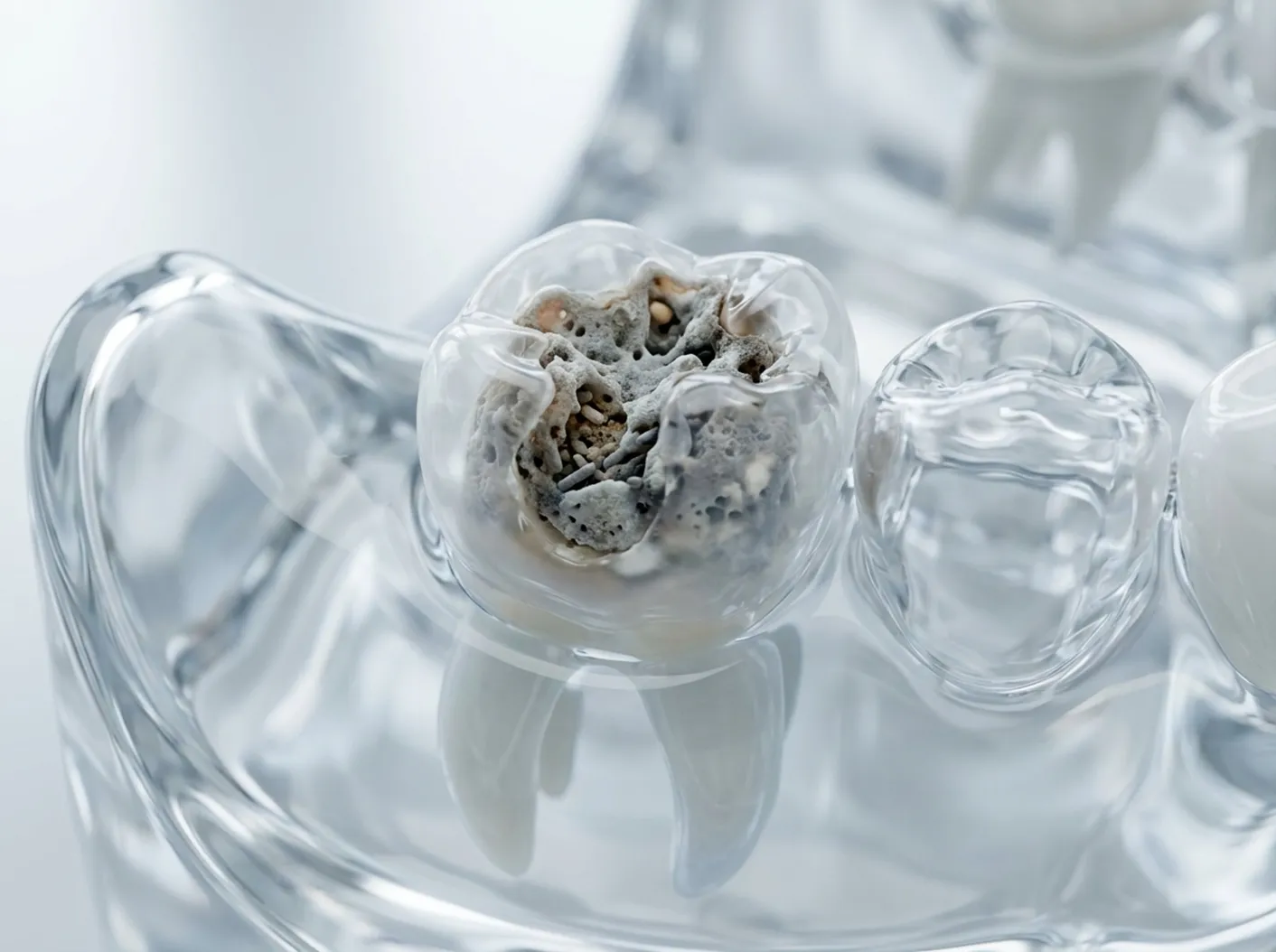
With active tooth decay, the cause must be treated first. This includes bacterial plaque, frequent sugar intake and inadequate cleaning. Otherwise, the disease can continue to progress.
The Icon method only stabilises early lesions. It does not replace consistent preventive care. Good oral hygiene is therefore an important prerequisite.
Inflamed gums can also make treatment more difficult. For Icon, the working area must remain dry and clean. Bleeding or excessive moisture reduces the chances of success.
Icon method for fillings, crowns and veneers
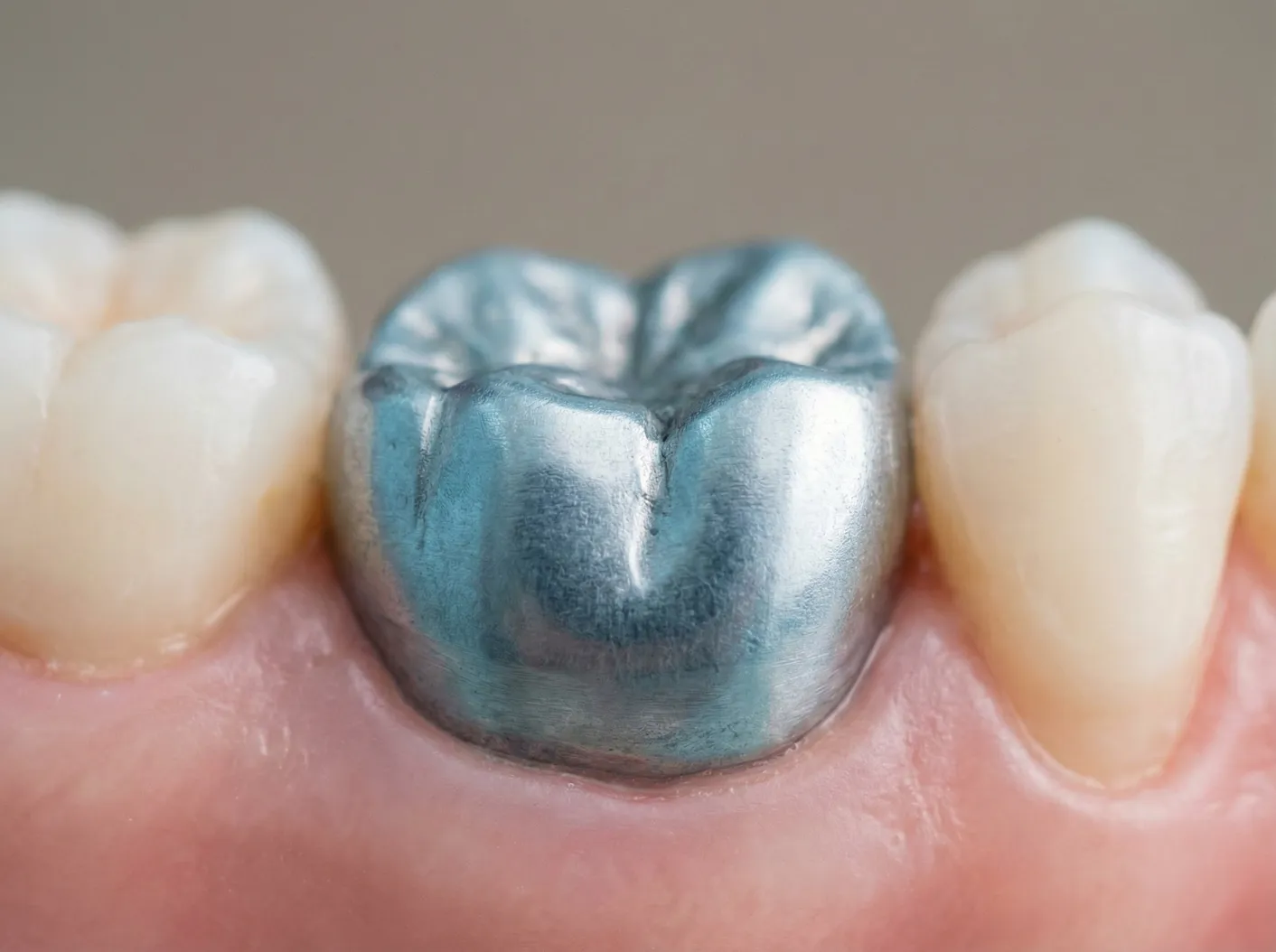
Icon treatment only works on natural tooth enamel. It cannot effectively penetrate fillings, crowns or veneers. Other aesthetic corrections are needed there.
Spots directly next to old fillings must also be examined. Sometimes there is a marginal gap or secondary tooth decay. Replacing the restoration then becomes the priority.
For existing veneers, Icon is usually not a solution. The surface is made of ceramic or composite. These materials react differently from tooth enamel.
When is Icon only of limited use?
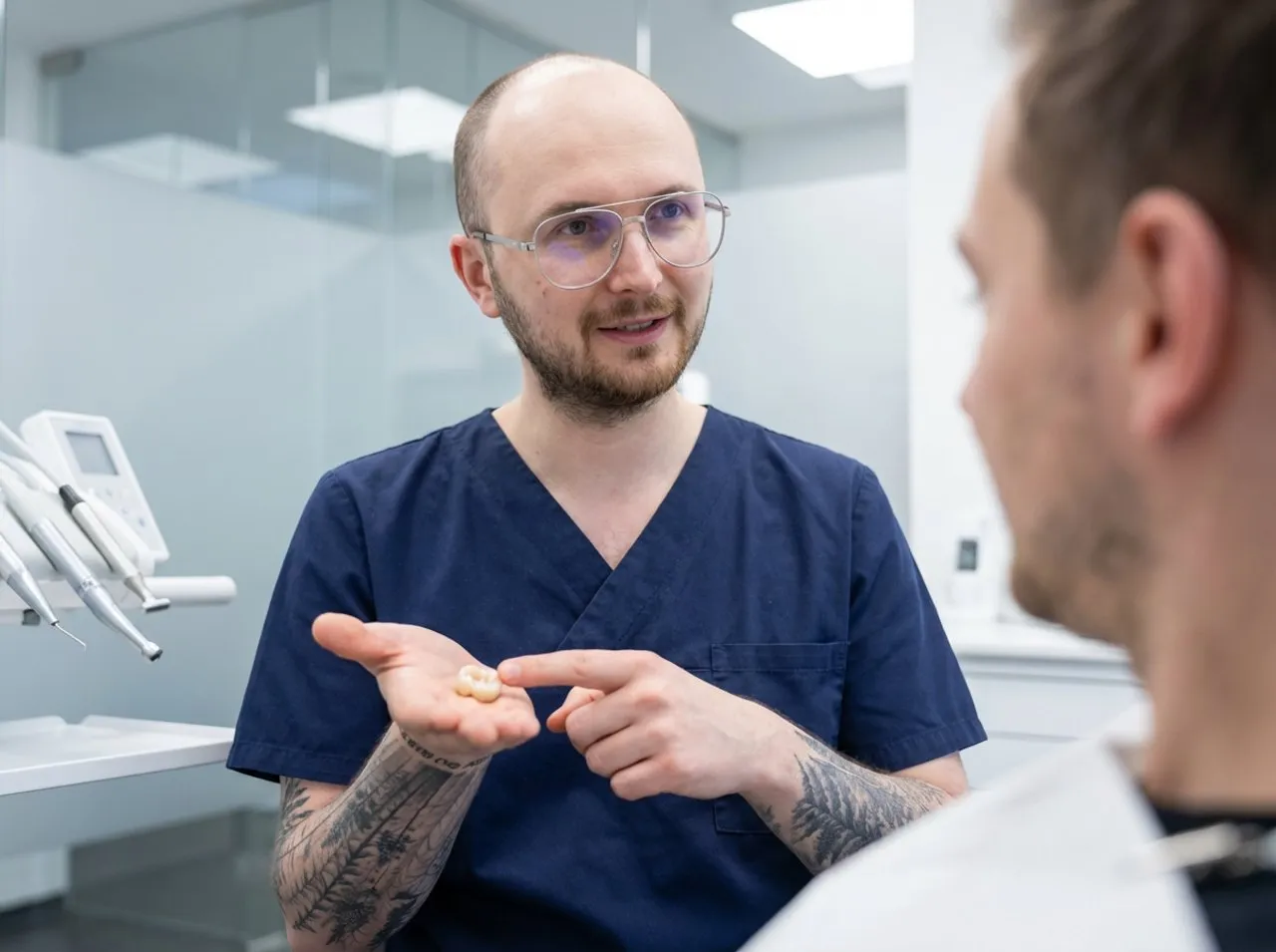
Not every borderline case is automatically excluded. For minor enamel defects, a combination of treatments may help. These include polishing, remineralisation or minimal removal of tooth substance.
Particular care is needed when planning treatment for children and adolescents. The tooth enamel may be immature or react sensitively. The decision should therefore be made carefully.
Clarity is also needed when aesthetic expectations are very high. Icon improves many spots, but does not always make them invisible. A realistic expected outcome prevents disappointment.
What alternatives are available?
If the Icon method is not possible, there are alternatives. Small defects can often be restored with composite. The tooth is built up in a matching colour.
For larger damage, inlays, partial crowns or crowns may be considered. Veneers can be an option in visible areas. They are particularly suitable for shape and colour corrections.
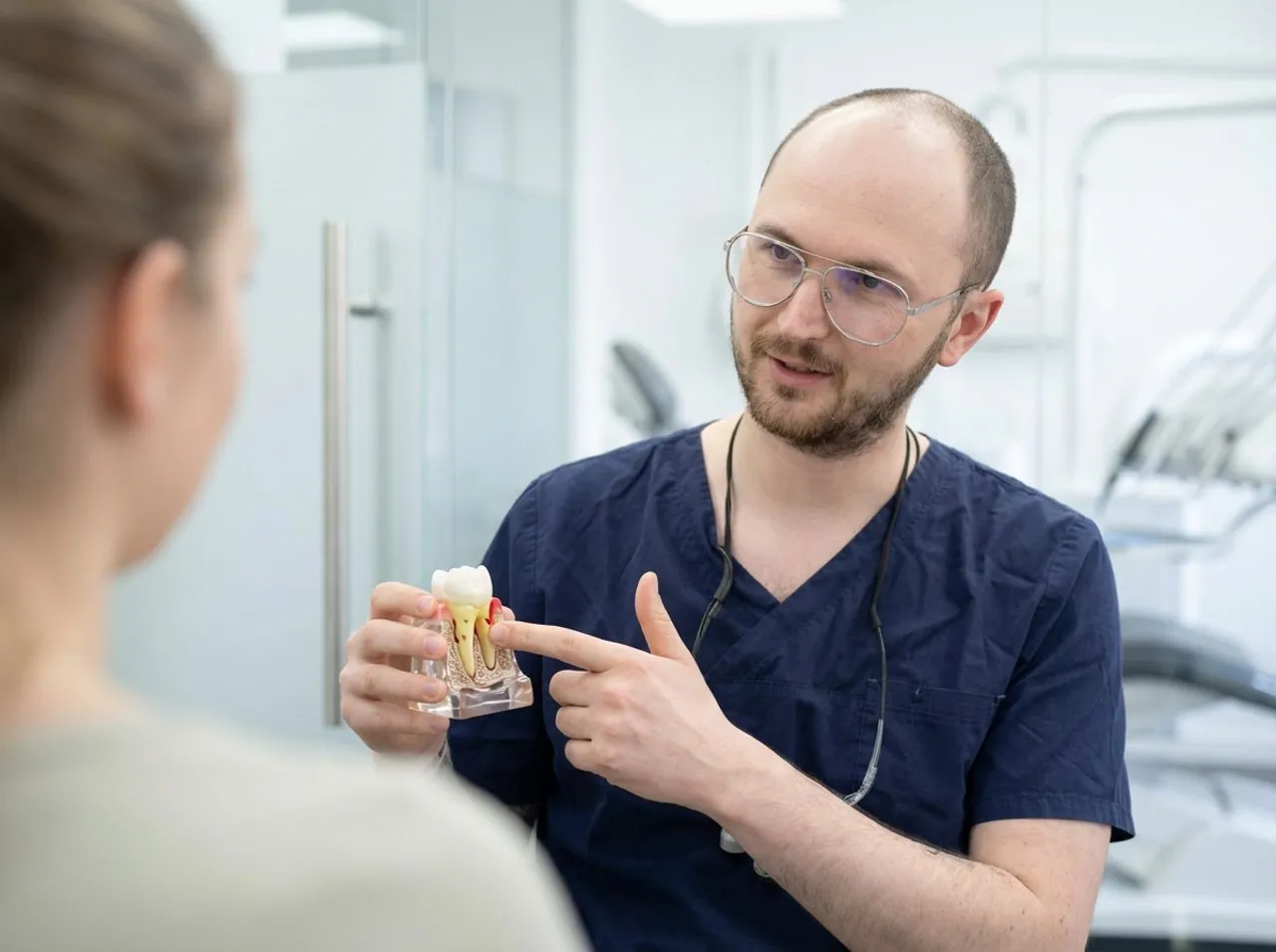
With deep tooth decay, preserving the tooth is the priority. The appropriate therapy depends on the X-ray. Wunschlachen draws up an individual treatment plan for this.
Diagnosis at Wunschlachen
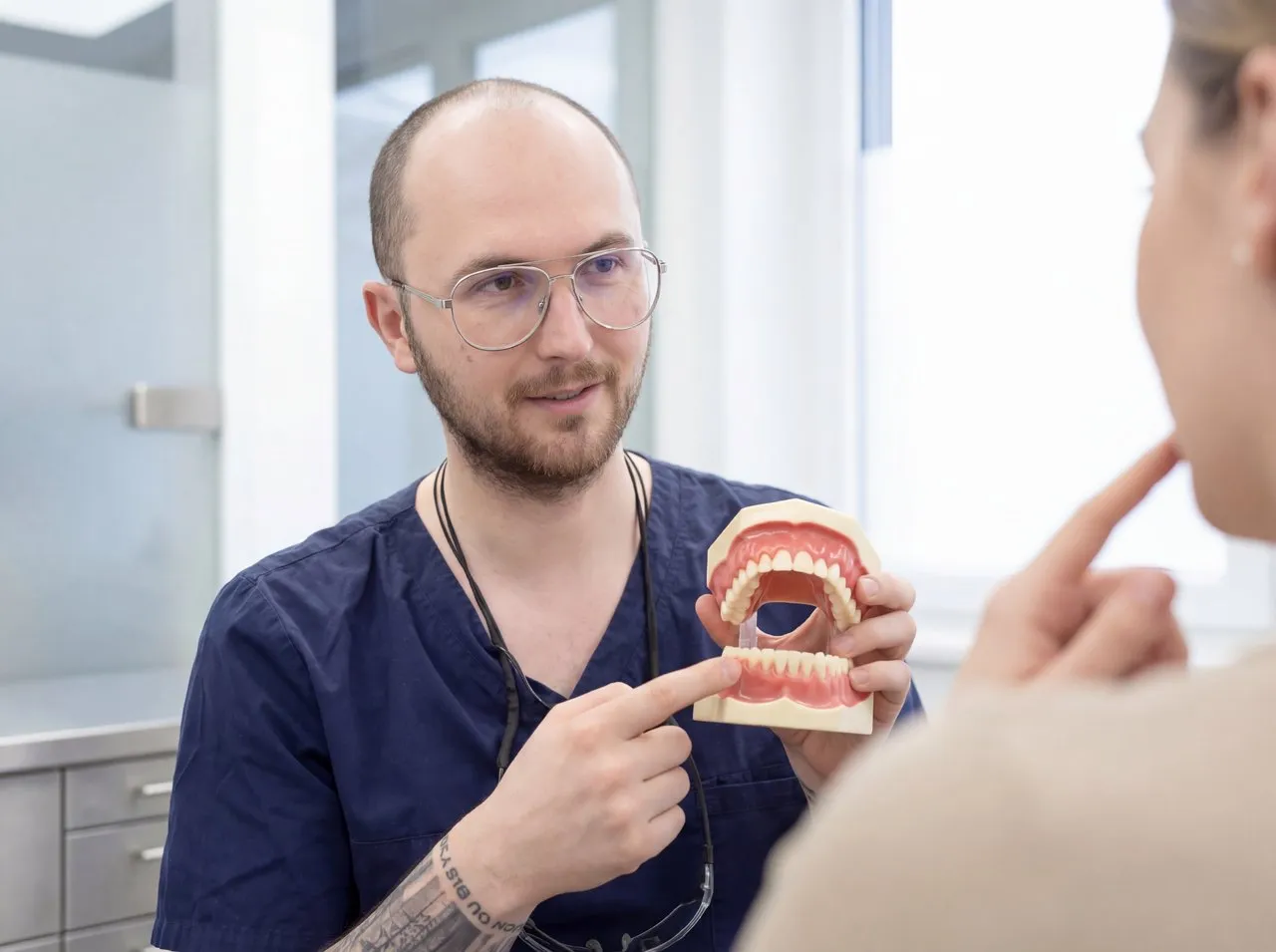
Before every Icon treatment, we examine the tooth surface carefully. Photographs, magnifying optics or X-rays may also be useful. This allows us to see how deep the change extends.
We also discuss your wishes and expectations. You will then find out whether Icon is possible. If not, you will receive a clear recommendation.
The aim is always a solution that preserves the tooth. The treatment should be medically appropriate and aesthetically convincing. This produces a result that suits your smile.
Conclusion: the Icon method has clear limits
The Icon method is a modern solution for early changes to tooth enamel. However, it is not suitable for cavities, deep tooth decay or large defects.
Artificial surfaces cannot be treated with it either.
A reliable assessment is only possible through dental diagnosis. At Wunschlachen, we assess whether Icon is truly suitable. This ensures you receive an honest recommendation and suitable alternatives.