Herpes in the mouth – causes, symptoms, treatment
Herpes in the mouth is a common viral infection. It is usually caused by the herpes simplex virus type 1. The condition appears as painful blisters on the lips, oral mucosa or gums. The pathogen remains in the body for life. In certain situations, the virus can become active again. Cold sores then reappear around the mouth. Eating, drinking and brushing your teeth are often difficult during an outbreak. At our Wunschlachen practice in Berlin, we help with acute symptoms and advise on prevention.
Über 350 Google-Bewertungen

How does infection of the lip and oral mucosa occur?
Herpes is transmitted by the herpes simplex virus. Infection usually occurs through saliva or direct skin contact. A kiss or sharing glasses is often enough. After the initial infection, the pathogen retreats to nerve ganglia. It remains there in a dormant state. If the immune system is weakened, the virus can be reactivated. Typical triggers include stress, colds, fever or strong sunlight. Hormonal changes, such as those during pregnancy, can also encourage a herpes outbreak.

Typical symptoms of herpes in the mouth
A herpes outbreak often begins with tingling, burning or a feeling of tightness. Small, fluid-filled blisters form shortly afterwards. These burst after some time and scab over. With oral herpes, the mucous membranes and gums can also be affected. Painful erosions or shallow ulcers then develop. Speaking and chewing become significantly more difficult. Accompanying symptoms can include swollen lymph nodes, fatigue or a mild fever.

Cold sores and dental visits – when is it better to postpone?
Active cold sores can make dental treatment more difficult. The taut skin on the lip can easily tear when the mouth is opened. This increases pain and the risk of infection. Many dentists recommend postponing planned appointments when cold sores are severe. This reduces the risk of transmission to other patients and the treatment team. In an emergency, treatment takes priority. In such cases, we protect ourselves with special hygiene measures and work as gently as possible.

Is herpes in the mouth contagious?
Herpes is highly contagious, particularly while the blisters are fresh. The fluid contains many viruses. Contact with even the smallest amounts is enough for transmission. During an acute outbreak, avoid kissing and sharing glasses or cutlery. Lip care products, towels and toothbrushes should not be shared either. Thorough hand hygiene is important. Avoid touching the blisters as much as possible.

Treating herpes in the mouth
In mild cases, a herpes outbreak clears up within seven to ten days. Suitable cold sore creams or gels can be used to relieve symptoms. Many of these products slow the multiplication of the viruses. It is important to start treatment very early. Ideally, this should be at the first sign of tingling. The earlier treatment starts, the shorter the outbreak often is. For severe pain, suitable painkillers may be helpful. Seek medical advice about this. In severe cases, a doctor may prescribe antiviral medication in tablet form.

Cold sores – what else helps?
Cooling can relieve burning and swelling. Cooling pads or cold compresses are suitable. However, these should always be wrapped in a cloth. Avoid acidic or strongly spiced foods. These further irritate the mucous membranes. Soft, lukewarm food is generally better tolerated. Maintain good but gentle oral hygiene. Soft toothbrushes and mild toothpaste are advisable. This keeps the mouth clean without causing additional injury to the inflamed areas.
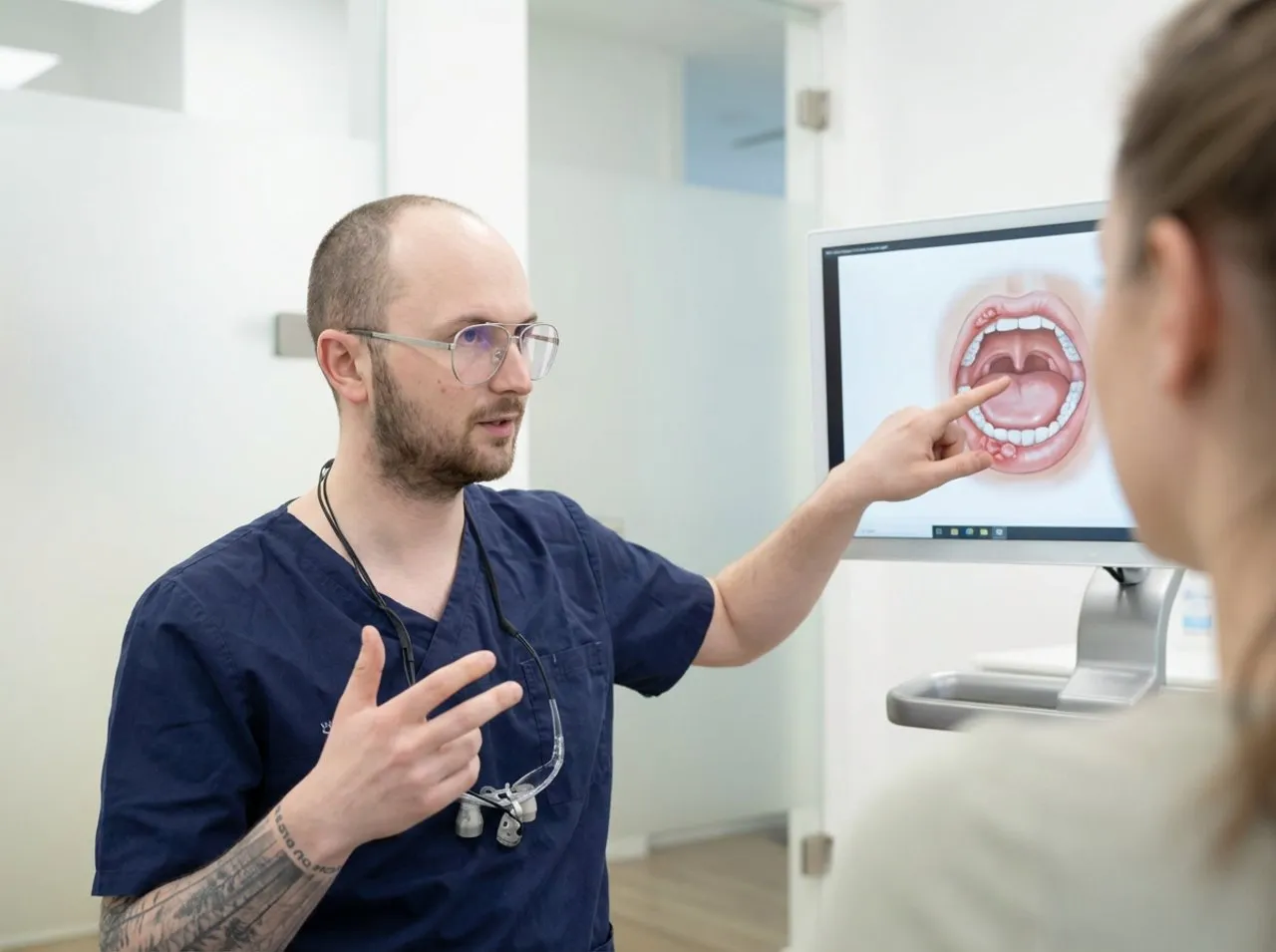
Viral infection and the immune system
A stable immune system helps reduce the frequency of herpes outbreaks. A balanced diet with plenty of fruit and vegetables supports the body's defences. Adequate sleep and stress reduction are also important. Regular exercise in the fresh air can provide additional strength. Also ensure adequate sun protection, particularly if you are prone to cold sores. A lip balm with UV protection can be useful.
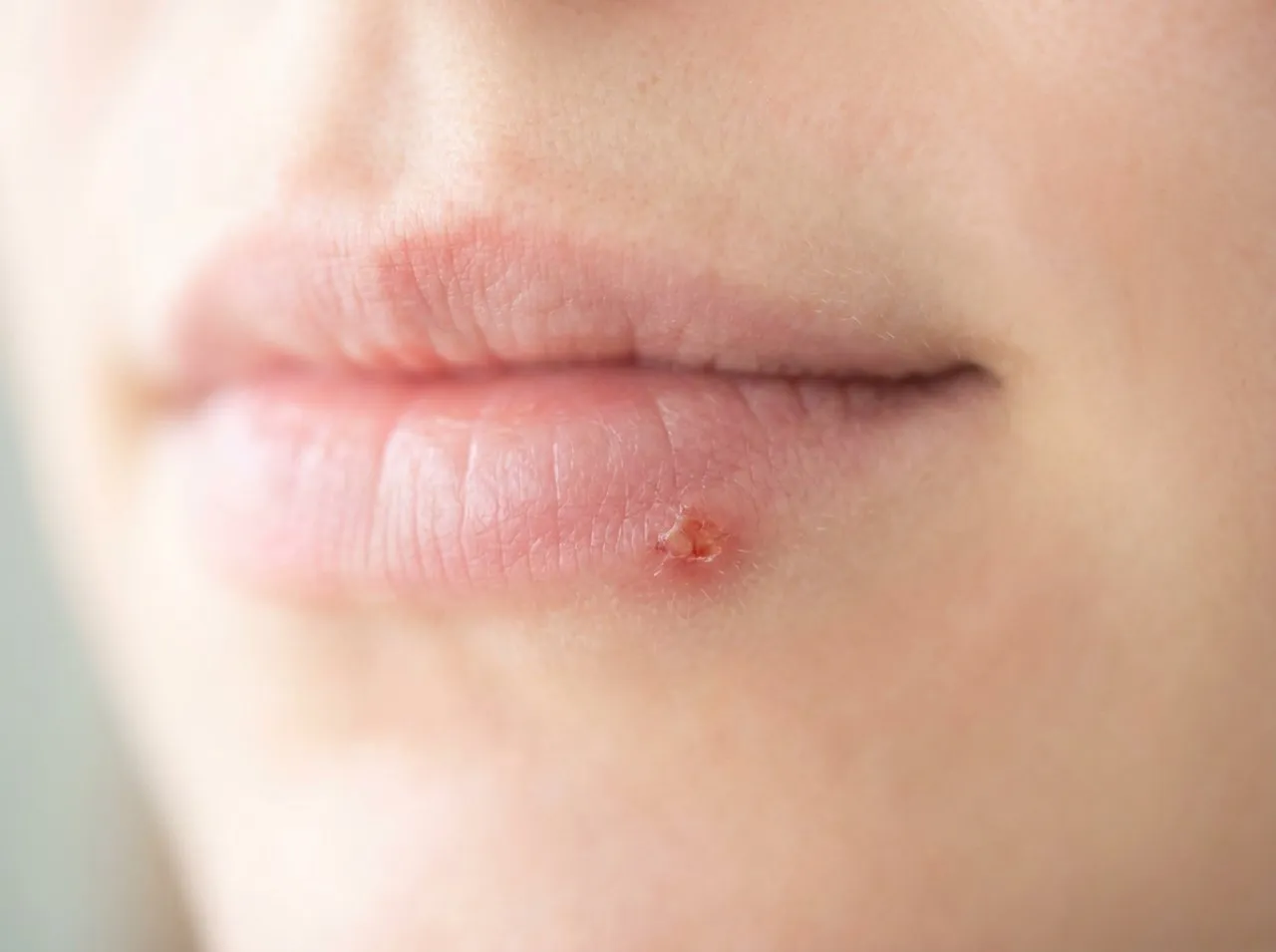
Oral herpes in children and during pregnancy
In children, the first infection is sometimes particularly severe. Fever, mouth pain and difficulty drinking may occur. In such cases, a paediatrician should always be consulted. During pregnancy, cold sores are usually harmless. Nevertheless, affected women should inform their doctor. This allows medication and other measures to be optimally coordinated. Newborns are particularly susceptible to viral infections. Immediately after the birth, anyone with cold sores should therefore refrain from kissing the baby. Washing hands before contact is particularly important here.