
Twilight sedation – a gentle solution for dental treatment
Twilight sedation is becoming an increasingly popular way to make dental procedures more comfortable and stress-free. It is a particularly valuable alternative for patients who are anxious about visiting the dentist. But what exactly is twilight sedation, how does treatment work and what side effects can occur?
Über 350 Google-Bewertungen

What is twilight sedation?
Twilight sedation is also referred to as sedation or ‘light anaesthesia’. It is a procedure in which the patient is put into a state of deep relaxation. Unlike with a general anaesthetic, the patient remains responsive during treatment but is completely relaxed. Sedation is achieved by administering sedatives or a mild anaesthetic gas. Both have a calming effect on the central nervous system. The benefits of light anaesthesia are obvious. The patient remains relaxed while their perception of pain is reduced at the same time. Light anaesthesia is often used for procedures such as tooth extractions, root canal treatments or periodontal treatments.

Twilight sedation procedure
The use of light anaesthesia at the dentist involves several steps.
1. Preparation
Before treatment begins, the dentist will explain the procedure to the patient in detail. The patient's health will be checked to ensure that they are suitable for sedation. This usually involves taking a thorough medical history, including asking about pre-existing conditions and current medication.
2. Administering the sedative
Sedation is usually induced by an intravenous injection or by inhaling gases such as nitrous oxide. With the intravenous method, a sedative is injected directly into a vein, quickly making the patient feel relaxed. With the inhalation method, the patient is given a gas mixture through a mask, which has a calming effect.
3. Twilight sedation itself
During treatment, the patient remains awake but in a state of deep relaxation. Their perception of pain is usually greatly reduced or completely eliminated. The patient can speak to the dentist but feels very relaxed.
4. After treatment
After the procedure, the patient is woken from their sleep. Depending on the type of sedative used, the patient may still feel drowsy for a short time. However, this effect wears off quickly. The dentist will ensure that the patient feels stable and that there are no after-effects of the sedation.

Benefits of twilight sedation at the dentist
Twilight sedation offers numerous benefits that make it a popular choice for dental treatments: • Less anxiety: Patients who are afraid of the dentist can experience a more relaxed treatment with twilight sedation. • Less pain: Sedation significantly reduces sensitivity to pain. • Rapid recovery: As this is a light form of sedation, the patient usually recovers quickly.

Experiences with twilight sedation
Many patients report finding sedation extremely comfortable. Most experience the procedure in a much more relaxed state. Patients often report feeling as though they have slept for ‘just a moment’, even though the treatment lasted several minutes or even hours. People with dental anxiety have had significantly more positive experiences after receiving light anaesthesia. They report having better control over their fears and a less intense awareness of the treatment.
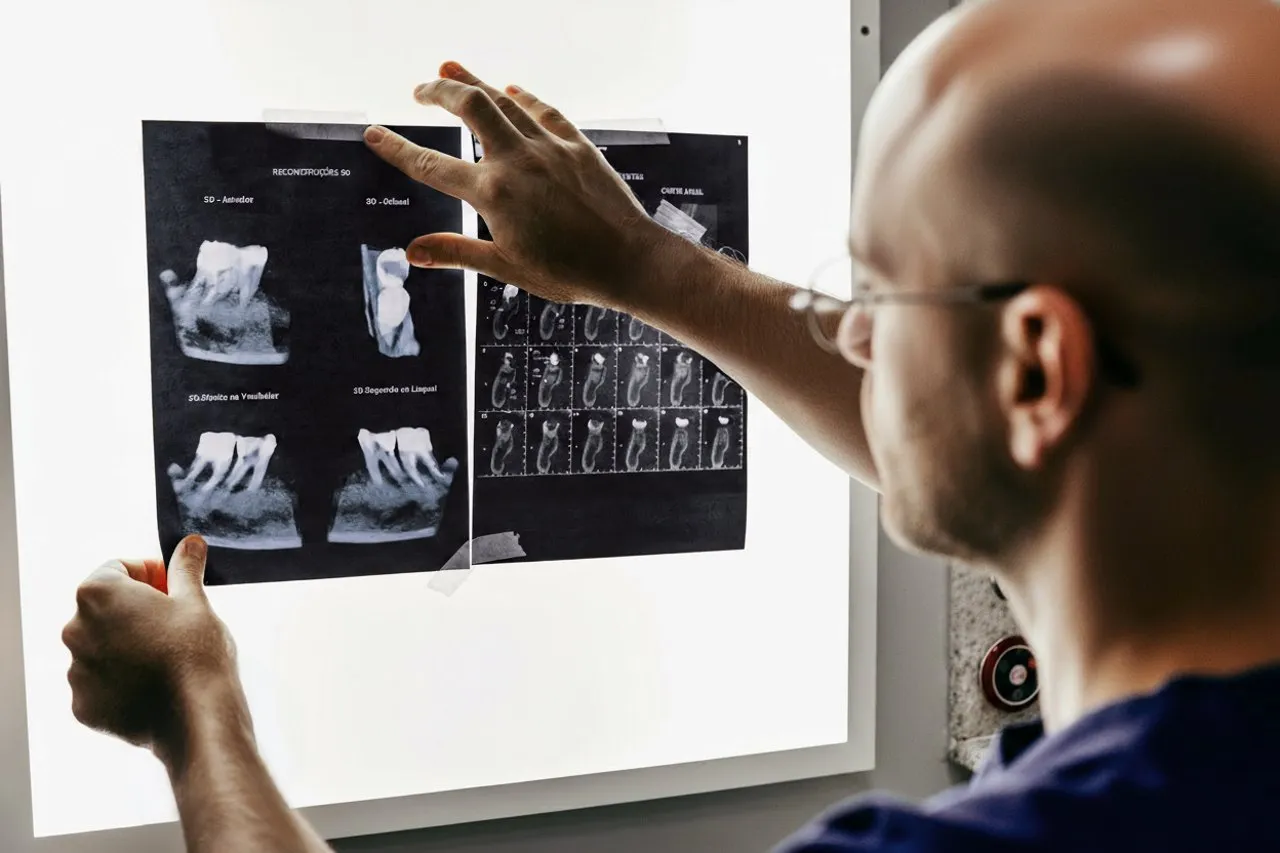
Twilight sedation and anaesthesia – differences from a general anaesthetic
Compared with a general anaesthetic, the patient remains conscious. The main difference is therefore that the patient is not completely ‘switched off’ under light anaesthesia. They are simply put into a relaxed state. A general anaesthetic is necessary for more complicated procedures. Twilight sedation is a less invasive method with lower risks. It is entirely sufficient for many dental treatments.

Twilight sedation side effects
As with any medical treatment, light anaesthesia can have possible side effects. However, these are usually mild and disappear shortly after the procedure. The most common side effects include: • Drowsiness: After the procedure, patients may feel drowsy or sleepy for a short time, but this quickly wears off. • Dry mouth: Some patients experience temporary dry mouth after sedation. • Nausea: In rare cases, mild nausea may occur, particularly if the sedative has been administered in higher doses. It is important to emphasise that twilight sedation is carried out under strict medical supervision. This minimises potential risks.
FAQs about twilight sedation at the dentist
It is a gentle form of sedation in which the patient is put into a state of deep relaxation. However, they do not lose consciousness completely.
It is used for dental procedures that require pain reduction and relaxation but do not require a full general anaesthetic.
The method usually involves an intravenous injection or inhalation of sedatives such as nitrous oxide.
It reduces anxiety, relieves pain and enables relaxed treatment without the risk of a general anaesthetic.
The effects usually wear off quickly, so patients can think clearly again after a short time.
The method is carried out under medical supervision. Your vital signs are continuously monitored by specialists.
Yes, patients can talk to the dentist during it, but they are very relaxed.
Possible side effects include drowsiness, dry mouth and, in rare cases, mild nausea, but these usually subside quickly.
Under a general anaesthetic, the patient is completely unconscious, whereas under twilight sedation they remain responsive but are deeply relaxed.
Twilight sedation is suitable for most patients. However, there are certain contraindications that the dentist takes into account before using it.