Recognise inflamed gums early and take action
Inflamed gums are widespread and should be addressed early. Typical signs include redness, swelling, bleeding and an uncomfortable sensation in the mouth. A dental check-up helps reduce irritation and prevent subsequent damage to the supporting structures of the teeth.
Über 350 Google-Bewertungen

What does having inflamed gums mean?
Inflamed gums are usually a reaction to bacterial deposits. In dentistry, this is often referred to as gingivitis. Initially, it mainly affects the soft oral mucosa at the neck of the tooth. If the inflammation persists, it can spread. This increases the risk of periodontitis. At this stage, the supporting structures of the teeth are also affected. Many people only notice the initial signs late. The symptoms often seem mild at first. This is precisely why a close examination is important.

What are the typical signs?
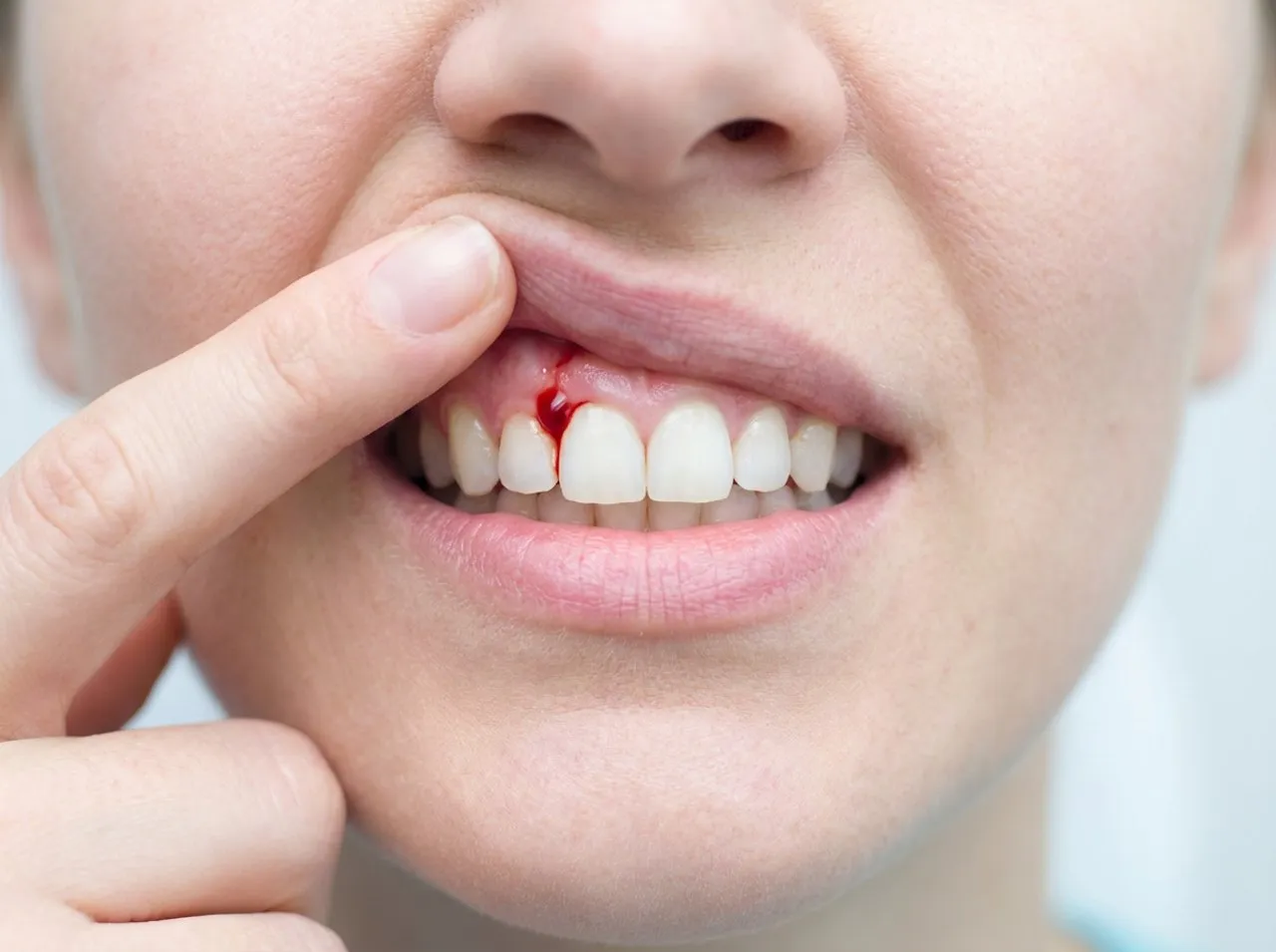
Bleeding when brushing is a common warning sign. Reddened tissue can also indicate inflammation. There is often slight swelling too. Some patients experience a feeling of pressure or increased sensitivity. Others notice bad breath or an unpleasant taste. Such changes should be taken seriously. In later stages, the gums can recede. The teeth then appear longer than before. This should also be examined promptly.

What are the possible causes?
The most common cause is bacterial deposits on the teeth. This plaque readily collects along the gumline. If it is not removed, irritation quickly develops. Tartar also promotes inflammatory processes in the mouth. Its rough surface allows new deposits to adhere. This makes daily care more difficult. Other triggers include hormonal changes and stress. Smoking can also affect the oral soft tissues. Other factors include poorly fitting dentures and problematic filling margins. The risk is increased in people with diabetes or a dry mouth. Certain medications can also affect the tissue. An individual assessment is therefore important.

Why does bleeding occur?
Bleeding is often caused by inflammation of small blood vessels. The affected oral tissue then becomes very sensitive. Even light contact can cause bleeding. Many people then avoid the irritated area. This is understandable, but unhelpful. It leaves even more deposits behind. Recurring bleeding is not considered a normal long-term symptom. It should be investigated by a dental professional. This is the only way to treat the cause specifically.

How are inflamed gums treated?
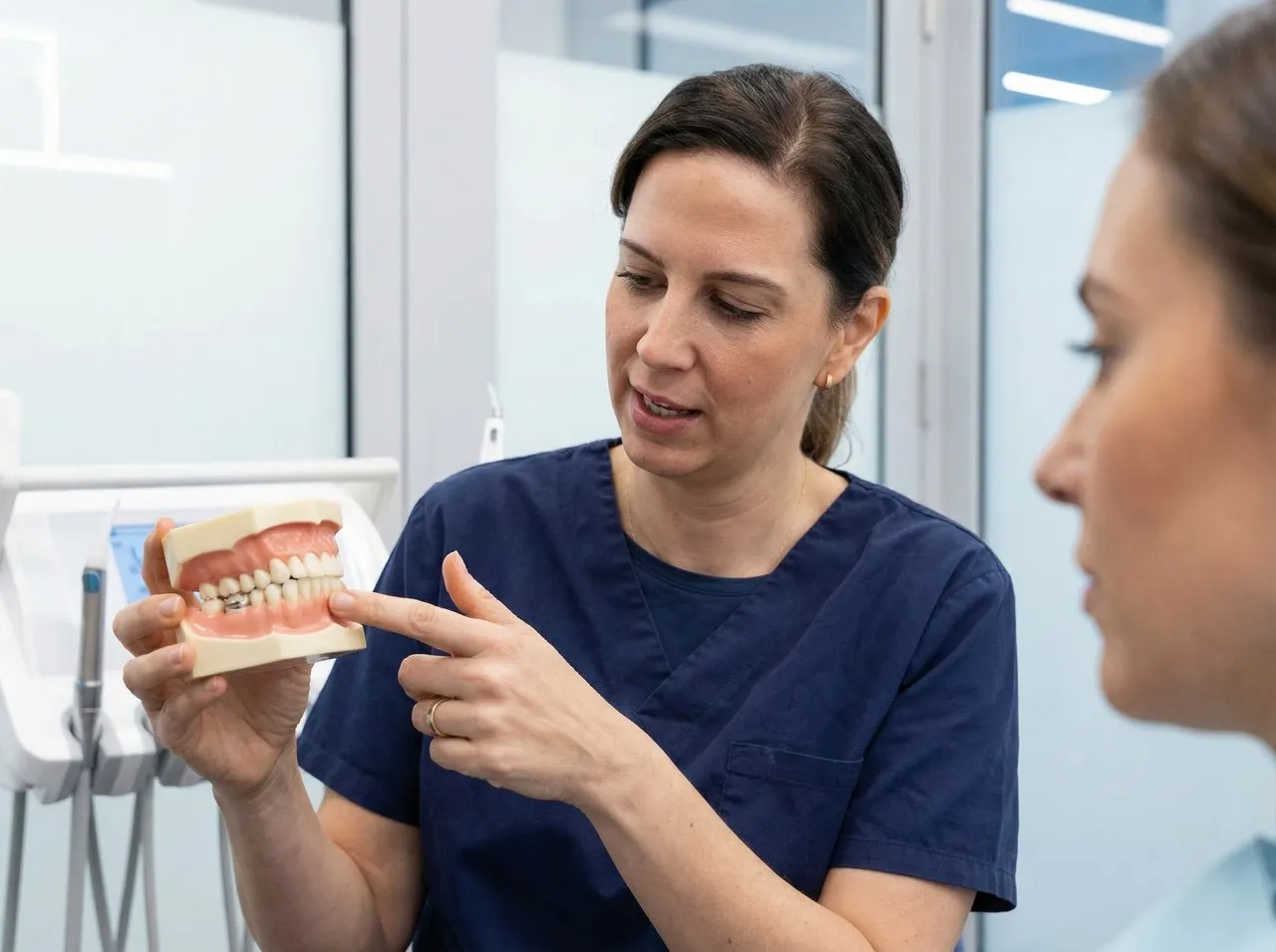
Treatment depends on the findings. With early gingivitis, a thorough clean is often sufficient. Home care is also improved. At the practice, deposits and tartar are removed. This often allows the irritated soft tissue to recover well. It is also important to check hard-to-reach areas. Thorough oral hygiene helps at home. Teeth should be cleaned systematically and with little pressure. The spaces between them also need daily attention. Antibacterial mouthwashes can be useful temporarily. However, they do not replace brushing. The practice team will decide on the appropriate use.
What helps in everyday life?
A soft toothbrush is often more comfortable on irritated tissue. A gentle brushing technique is just as important. Too much pressure can worsen the irritation. Interdental brushes or dental floss clean the spaces between the teeth. Inflammation is particularly common in these areas. The choice should suit the individual's teeth. Home remedies are often used as a supplement. These include camomile and salt water. However, they are not sufficient on their own for persistent symptoms. A balanced diet can also support oral health. Sugary snacks between meals should be reduced. Drinking enough fluids also promotes a healthy oral environment.

When is a dental appointment advisable?
If your gums bleed repeatedly, an appointment is advisable. This also applies to swelling or bad breath. The same applies to receding tissue at the neck of the tooth. Early diagnosis protects against more serious problems. Untreated irritation can spread deeper into the tissue. Treatment then usually becomes more extensive. An examination is particularly important if teeth are loose. Pus or severe redness are also warning signs. In such cases, you should not wait long.

How can inflammation be prevented?
Good oral hygiene is the best preventive measure. This includes thorough brushing and clean interdental spaces. Regular preventive dental care is a useful addition to this routine. Professional dental cleaning can effectively reduce deposits. It also helps identify problem areas early. This improves long-term dental health. Lifestyle also plays an important role. Less nicotine and a balanced diet support the oral mucosa. Drinking enough fluids can also help. Regular check-ups remain important. This allows initial changes to be detected early. It increases the chance of stable oral health.
Why early action is so important
Early treatment protects not only the soft tissue. It also helps preserve deeper structures. These include fibres, bone and the supporting structures of the teeth. The longer inflammation persists, the greater the risk. Bacteria can spread further. The need for treatment then increases significantly. Early action usually creates better conditions. Treatment often remains more manageable. The long-term outcome is also frequently better.
Treatment for inflamed gums at Wunschlachen
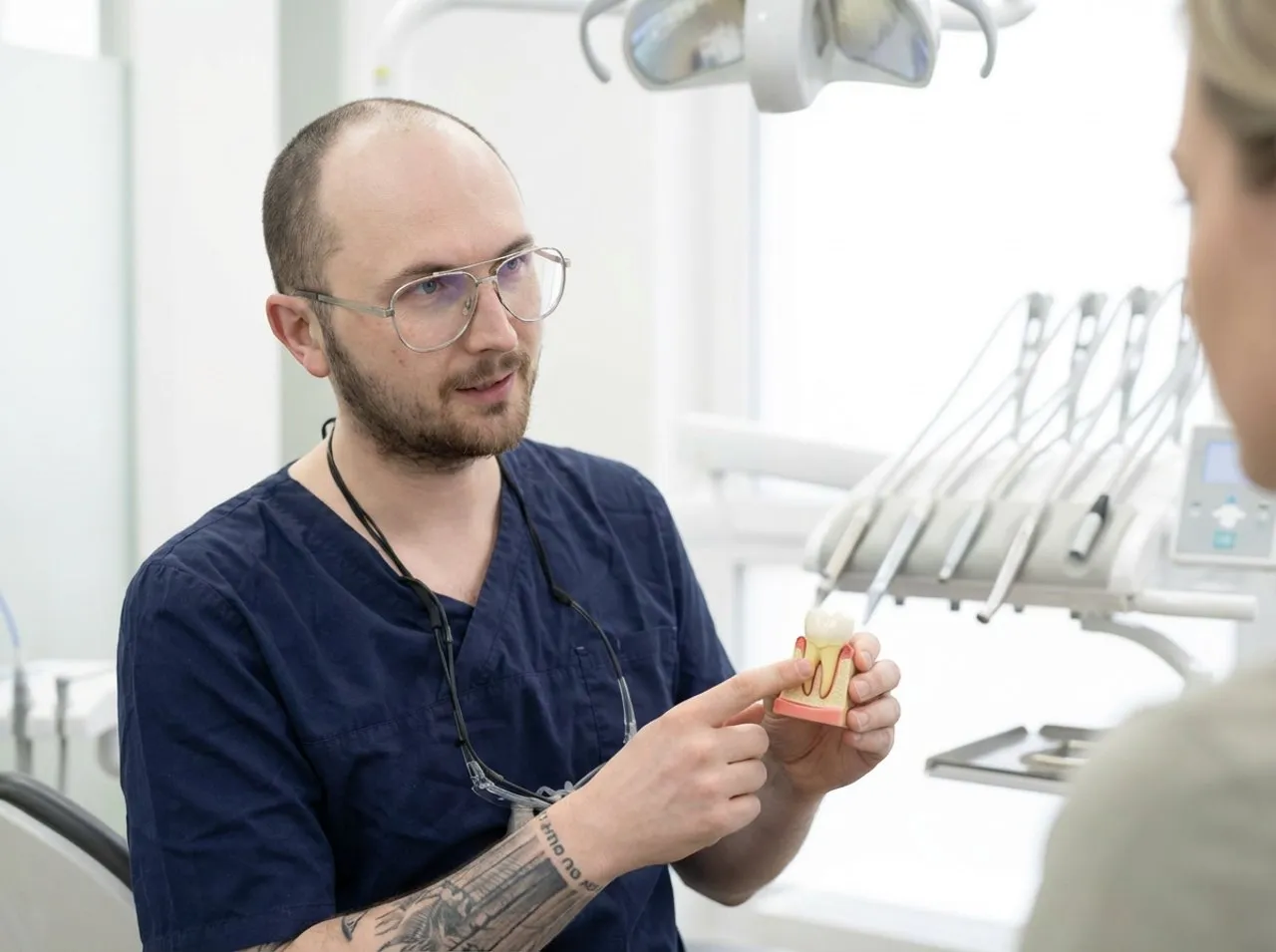
At Wunschlachen, we examine the cause closely. We then develop a clear treatment plan. Our aim is long-term care with a dental focus. We look beyond the acute irritation. Deposits, tooth alignment and possible aggravating factors are also assessed. This provides an accurate overall picture. Early treatment often protects against subsequent damage. This applies to both the gums and the supporting structures of the teeth. Prompt investigation is therefore worthwhile.