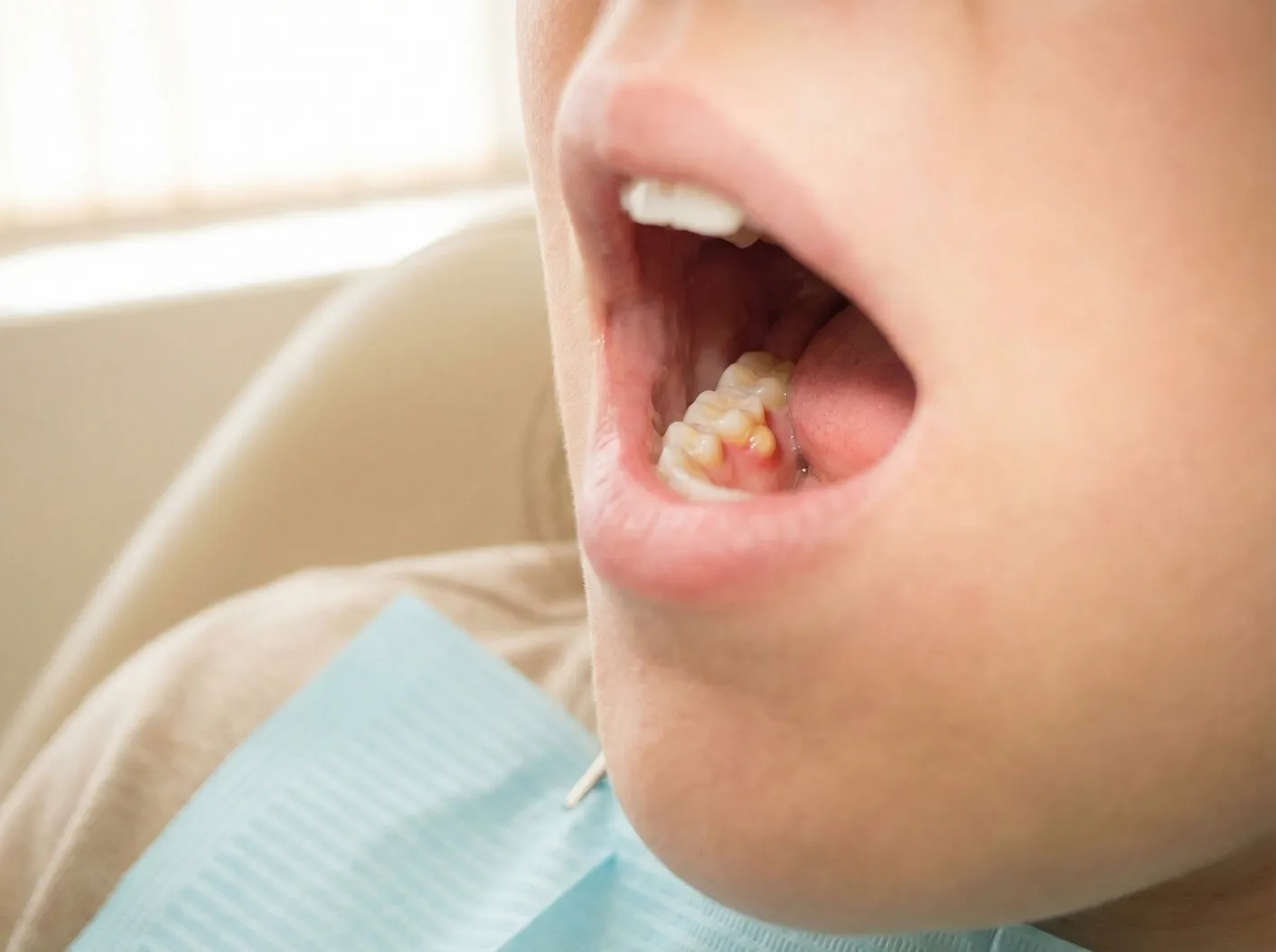
Tooth with pus: symptoms and warning signs
• Pus around a tooth is usually a sign of a bacterial infection. • Typical symptoms include throbbing pain, swelling and a feeling of pressure in the jaw. • Without treatment, there is a risk of an abscess, a fistula and the inflammation spreading.
Über 350 Google-Bewertungen
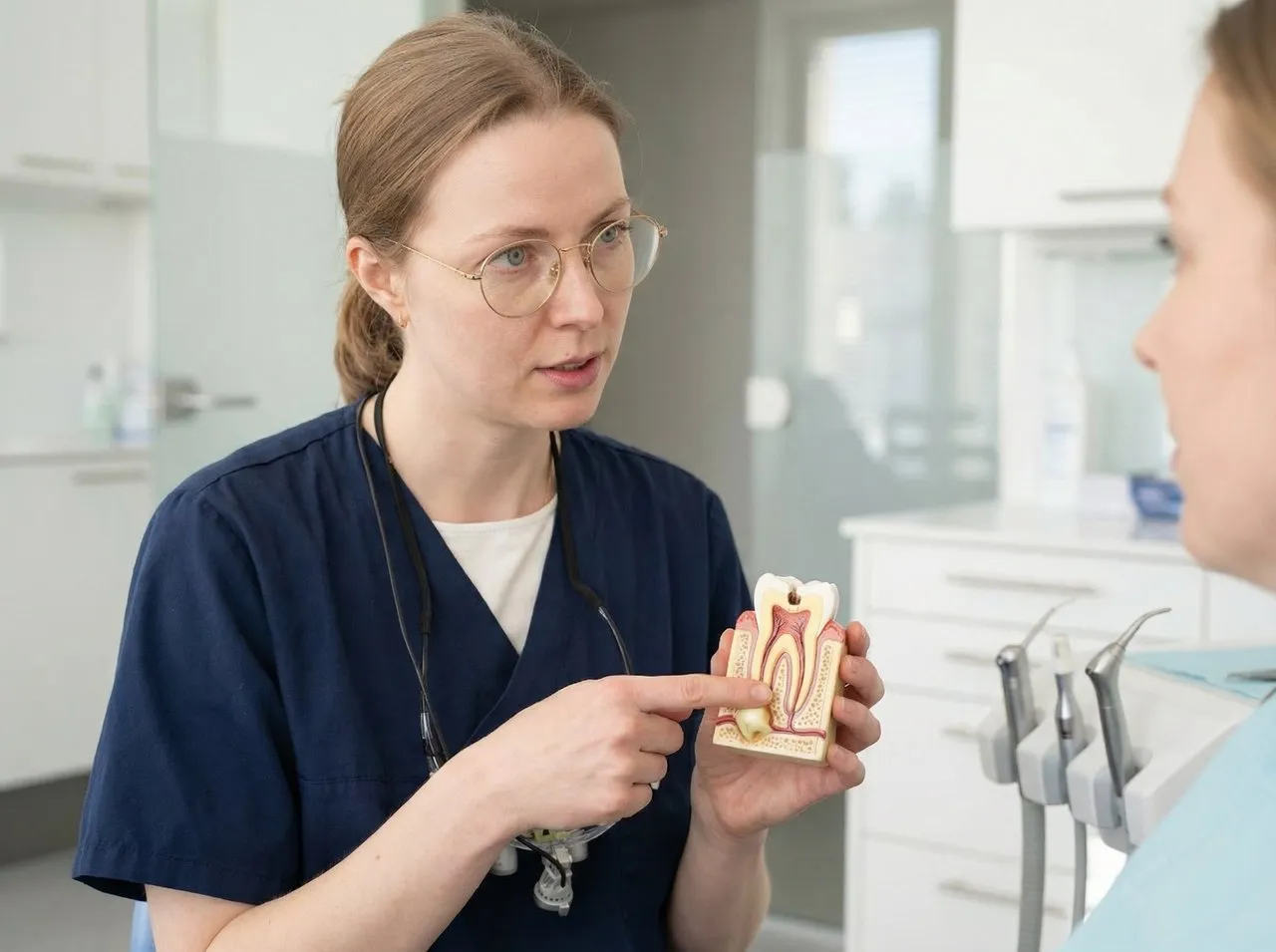
What does ‘tooth with pus’ mean?
A ‘tooth with pus’ describes a collection of pus in the tooth or jaw area. In most cases, the underlying cause is inflammation at the tooth root. Pus forms when the immune system fights bacteria. Fluid collects in an enclosed space. This is often also referred to as a dental abscess. It is an enclosed cavity filled with pus. It can be located in the gum, at the root tip or in the jawbone. An inflammatory channel, known as a fistula, often forms as well.
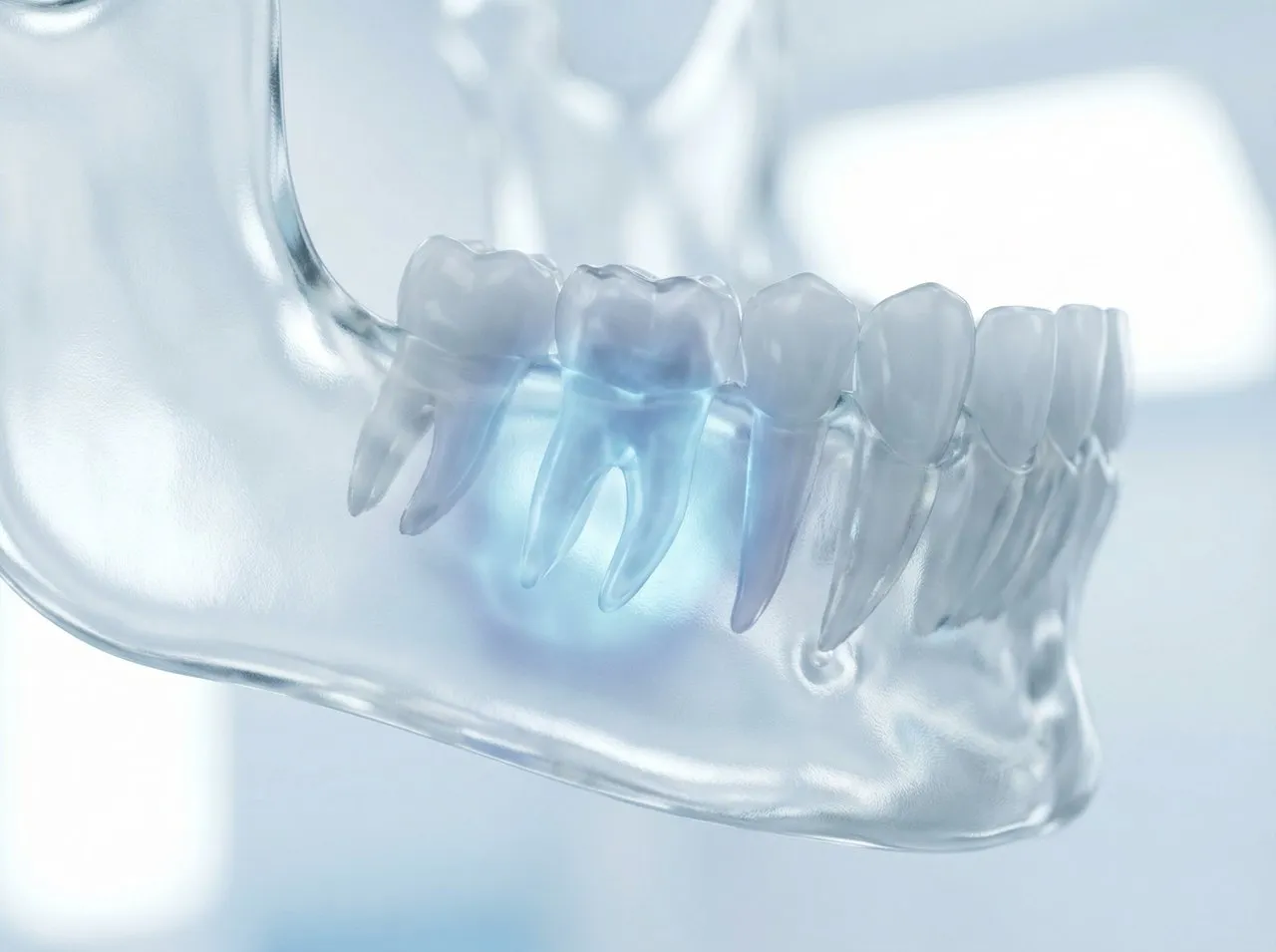
Tooth with pus: symptoms at a glance
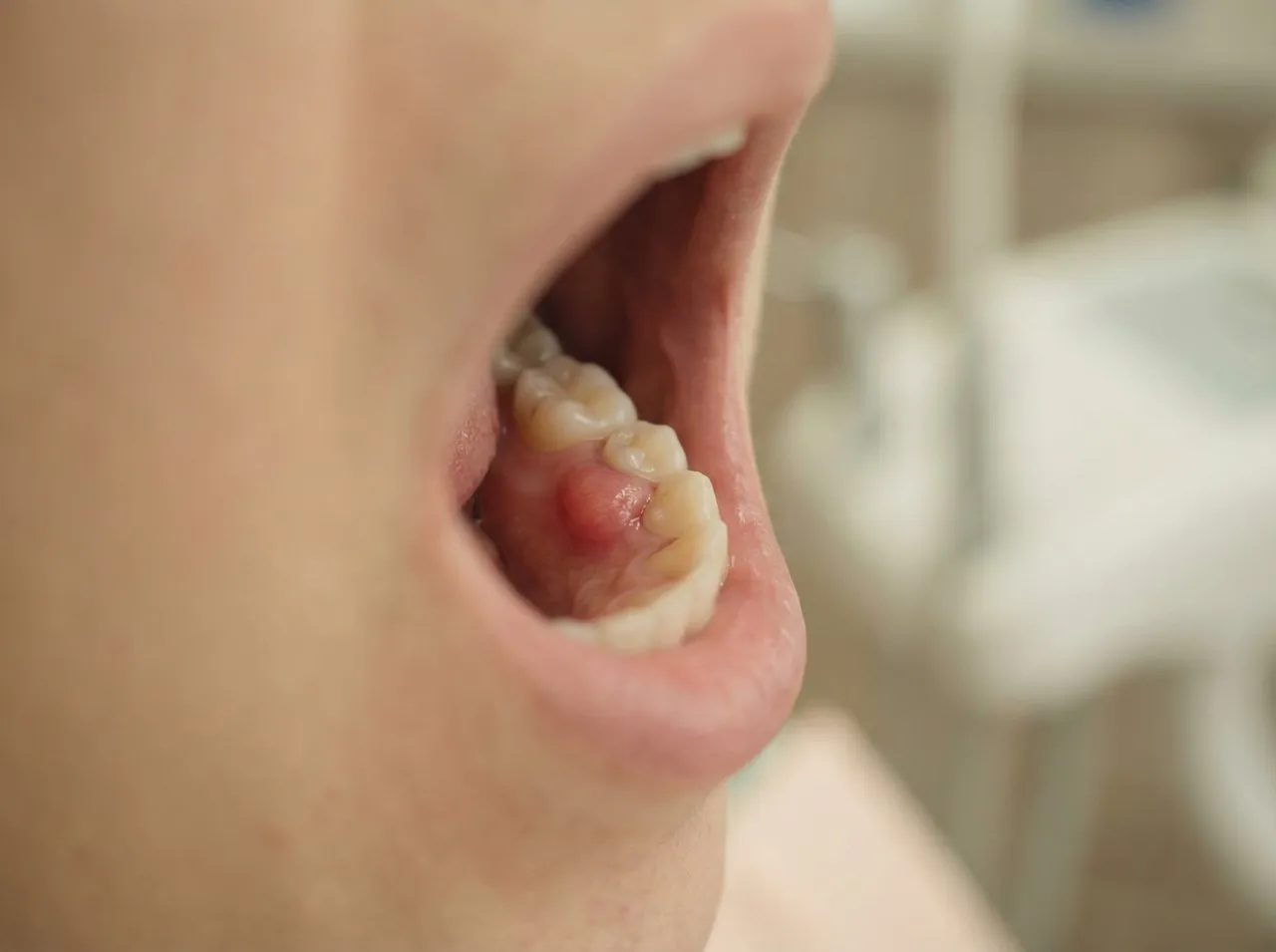
Many people first experience severe toothache. The pain often feels throbbing and deep-seated. It frequently gets worse when chewing or biting. Another key symptom is swelling. It affects the gum or even the cheek. Sometimes a visible blister filled with pus develops on the gum. Pus can also drain away without an open blister. Patients then notice an unpleasant taste. Bad breath often occurs as well. A tender feeling when pressure is applied to the affected tooth is also typical. Tenderness when the tooth is tapped is common too. Many people describe the tooth as feeling ‘too high’. General symptoms can develop as the infection progresses. Fever and exhaustion are warning signs. Swollen lymph nodes in the neck are also possible.
Typical causes of pus formation
Very often, the process starts with deep tooth decay. Bacteria then reach the dental nerve. This causes pulpitis, followed later by inflammation of the tooth root. An old filling can also become leaky. Germs then penetrate the tooth. The same applies after dental trauma, for example from a blow. Another cause is periodontitis. This involves chronic inflammation of the tissues supporting the tooth. Pus can form in deep pockets. Sometimes there is inflammation beneath a crown. A crack in the tooth can also be the trigger. Bacteria then enter the root canals.
Why a tooth with pus can be dangerous
Pus always means that the body is fighting an infection. Without treatment, the abscess can grow. The pressure in the tissue continues to rise. The inflammation can spread to the jawbone. Inflammation of the jaw can then result. In rare cases, germs enter the bloodstream. Spreading within the head is particularly critical. Swelling can make swallowing and breathing difficult. Lockjaw can also occur. The rule therefore is: infections involving pus require prompt dental care. Home remedies are no substitute for treatment. At most, they can temporarily relieve symptoms.
Diagnosis at the dental practice
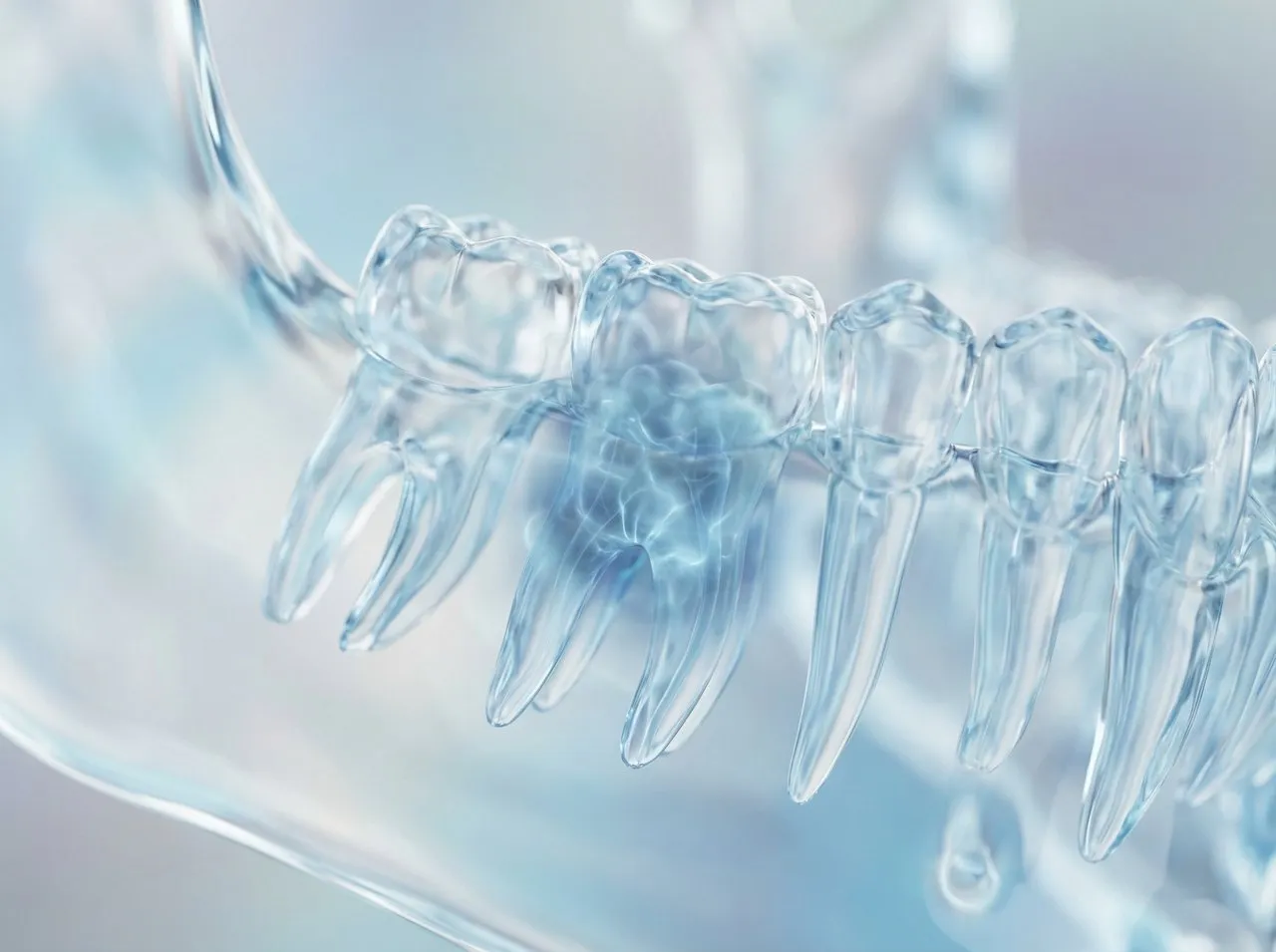
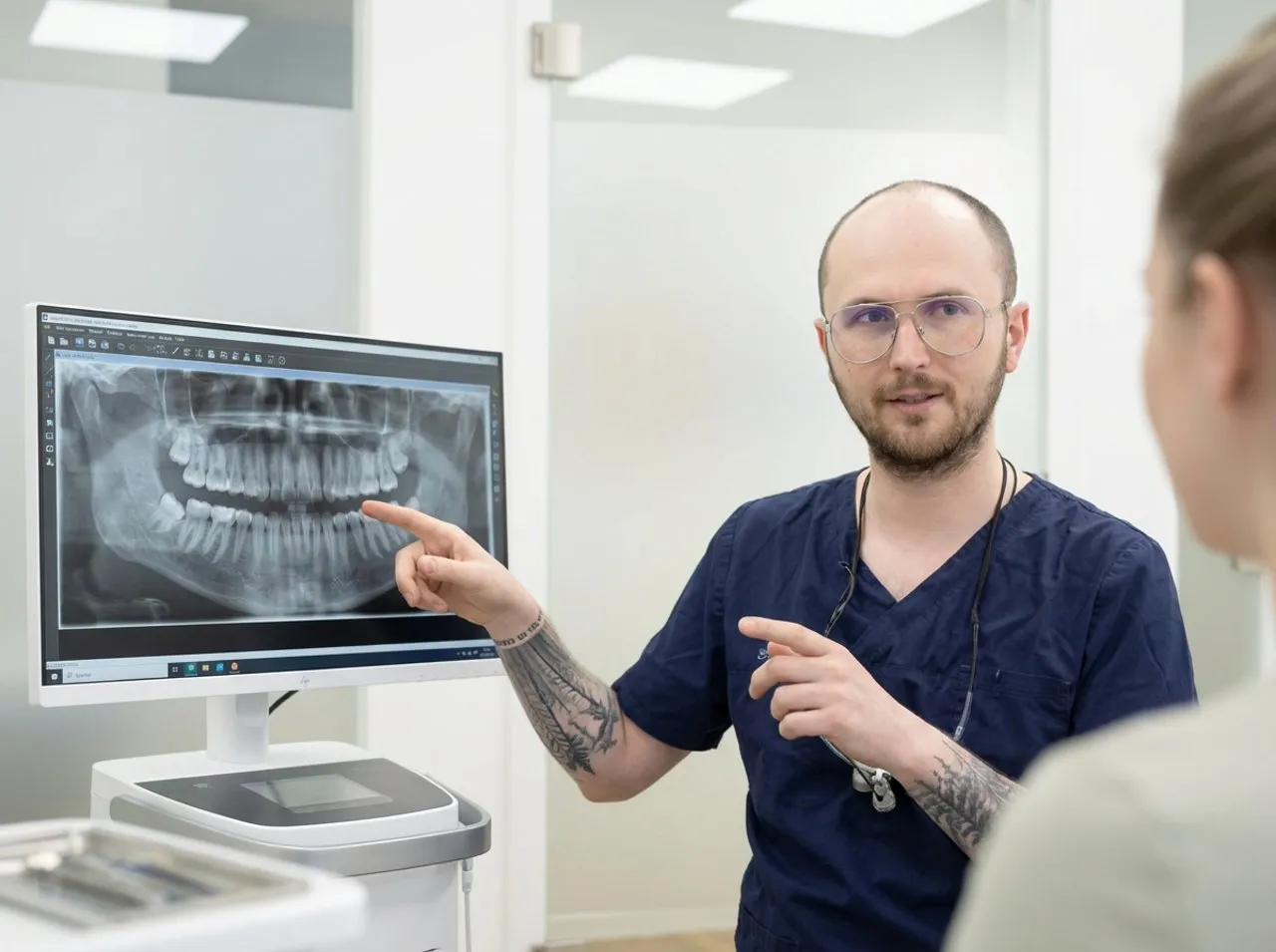
The first step is a focused consultation. The course of the pain and its triggers are important. Previous treatment to the tooth is also relevant. A clinical examination follows. The tooth is checked for tenderness when tapped and for looseness. The gums are checked for pockets and discharge of pus. An X-ray is usually needed. It shows sites of inflammation at the root tip. A 3D scan may be useful in complex cases. This allows the cause to be assessed reliably. A treatment plan is then drawn up. The aim is always to control the infection.
Treatment: what the dentist typically does
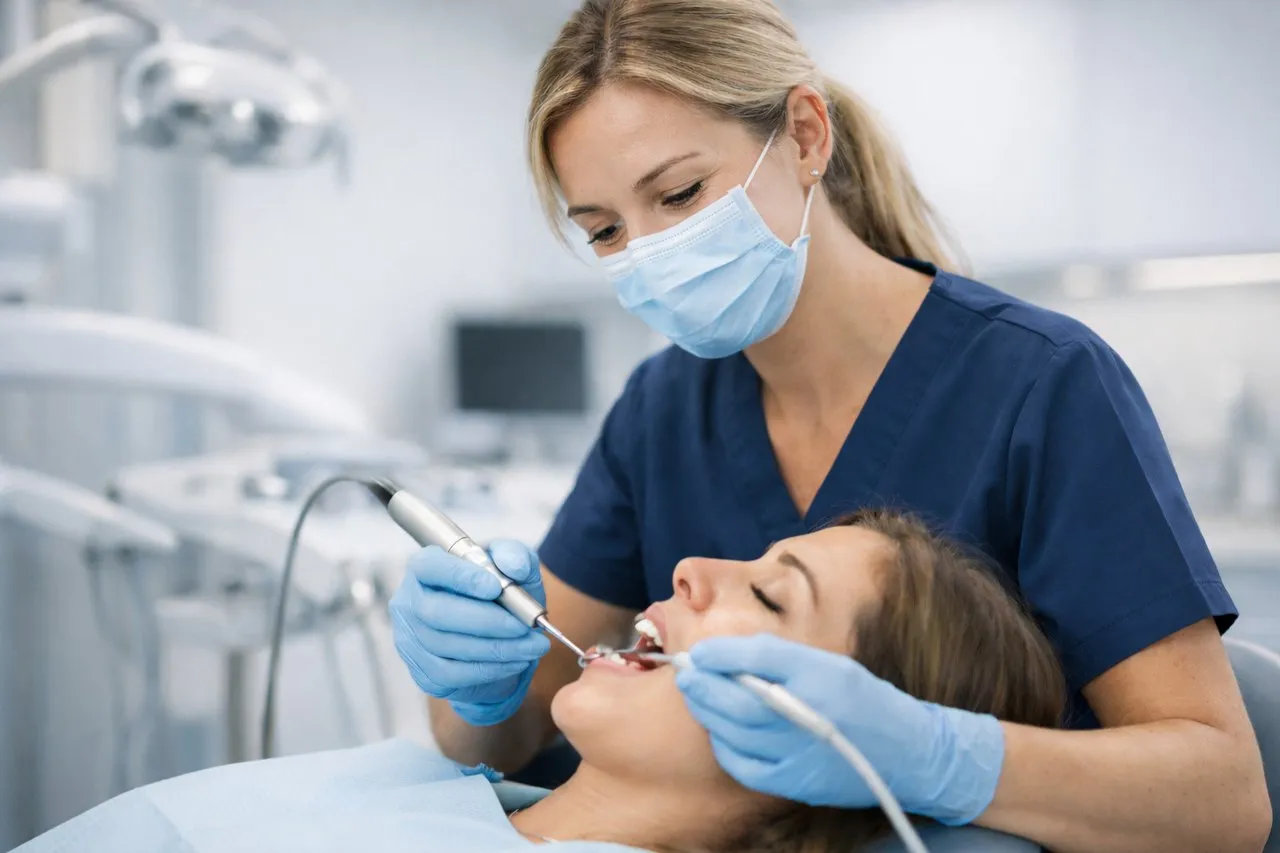
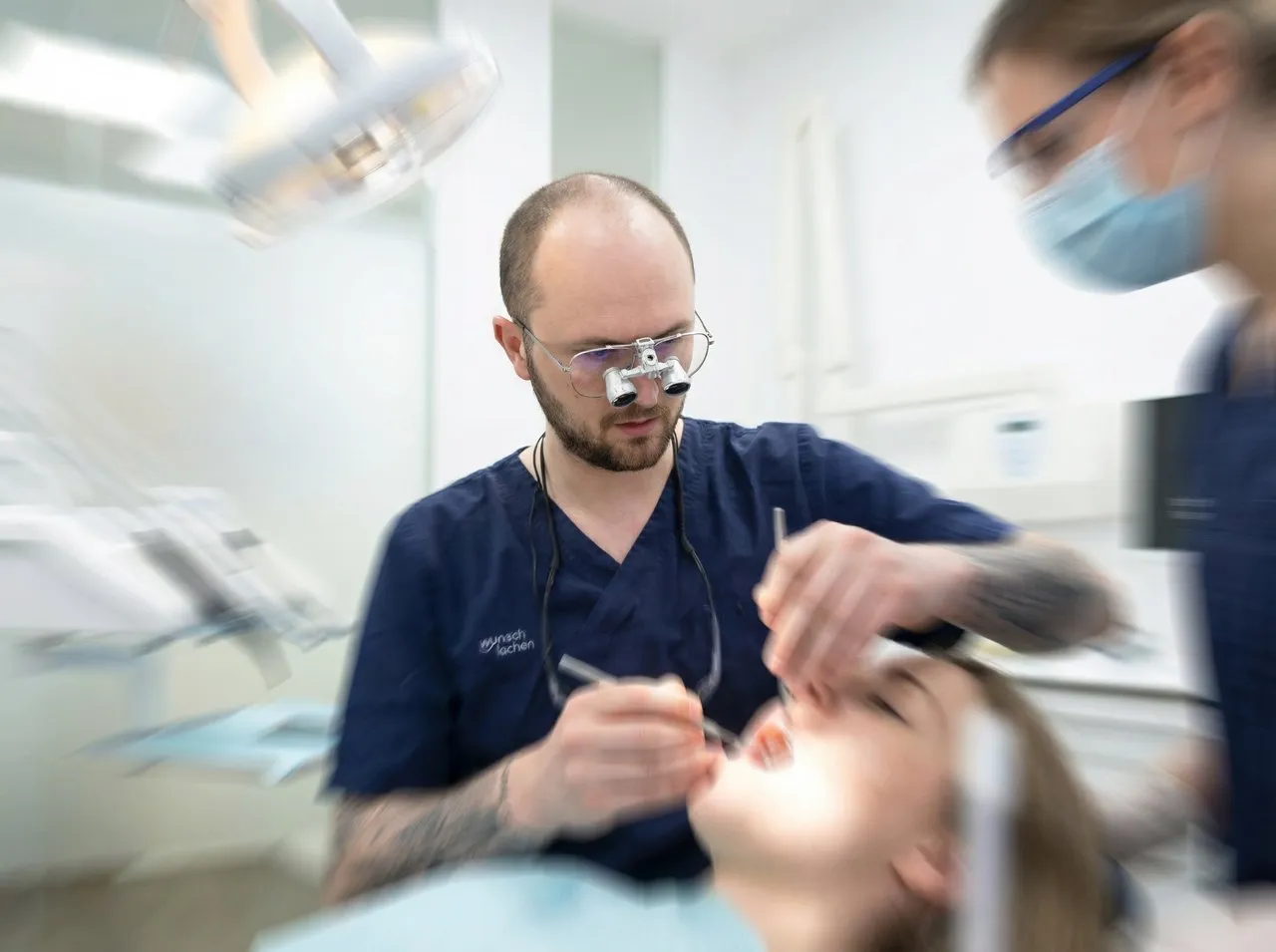
With an acute abscess, the pressure must be released. This is done using drainage or a small incision. Pain often then subsides quickly. If the tooth is worth preserving, this is usually followed by root canal treatment. The infected tissue is removed. The canals are cleaned and disinfected. Sometimes retreatment is needed. This applies to teeth with an older root filling. Apicoectomy can also help in individual cases. If the tooth cannot be saved, it is removed. ‘Extracting the tooth’ eliminates the source of infection. The gap is then restored according to a plan. An antibiotic is not always necessary. It supplements treatment when there is fever or the infection is spreading. Mechanical removal of the infection remains the decisive factor.
What you should bear in mind until your appointment
Cooling can reduce swelling. Use short intervals. Never place cold packs directly on the skin. Painkillers can provide temporary relief. Ibuprofen is often used if it is well tolerated. Follow the instructions on the packet strictly. Avoid external heat. Heat can make the inflammation worse. Smoking also impairs blood circulation. Rinse gently with lukewarm salt water. This can support oral hygiene. Do not squeeze a blister filled with pus yourself.
When is it an emergency?
Seek help immediately if your face swells rapidly. A fever above 38.5 °C is also critical. The same applies to difficulty swallowing or breathing. Severe pain with lockjaw is also a warning sign. A ‘very swollen neck’ can also indicate that the infection is spreading. In such cases, every hour counts.
FAQ: frequently asked questions
Typical signs are throbbing pain, a feeling of pressure and swollen gums. There may also be a discharge of pus or a fistula.
Yes, that is possible. Often the only noticeable signs are a taste of pus or bad breath.
An abscess is an enclosed collection of pus. A fistula is the inflammatory channel leading to the outside.
Usually not. Without drainage or root canal treatment, the cause remains. Antibiotics are only a supplement.
Not always. Inflammation at the root tip can also discharge pus. An examination will determine the exact cause.
When the structure of the tooth cannot be preserved. Severe cracks or recurring infections also play a role.
That is very unlikely. The infection usually remains. It can flare up again later.
The abscess can grow and spread. In extreme cases, inflammation of the jaw or systemic infections can develop.
The bacteria are commonly found in the mouth. Transmission in everyday life is rarely a concern. Your own immune status is the decisive factor.
We identify the cause quickly and treat the infection in a targeted way. If needed, we coordinate urgent appointments and aftercare.
Book your appointment now
We would be happy to advise you in person at our practice.