Activated charcoal toothpaste – effects, benefits and risks
Activated charcoal toothpaste has attracted a great deal of attention in recent years. Many manufacturers promise naturally whiter teeth, thorough cleaning and fresh breath. Do these promises really hold true? In this article, you will learn what activated charcoal toothpaste can do, how it...
Über 350 Google-Bewertungen
Video laden
Mit Klick wird eine Verbindung zu TikTok hergestellt.
What is activated charcoal toothpaste?
Toothpaste containing activated charcoal contains fine charcoal particles, usually derived from natural materials such as coconut shells or wood. These particles are intended to mechanically remove stains from the teeth, resulting in a brighter smile. The paste's striking black colour is characteristic and has certainly contributed to its popularity. The special structure of activated charcoal enables it to bind deposits and odours. This principle has also been used in medicine and water filtration for decades.
What does activated charcoal toothpaste do?
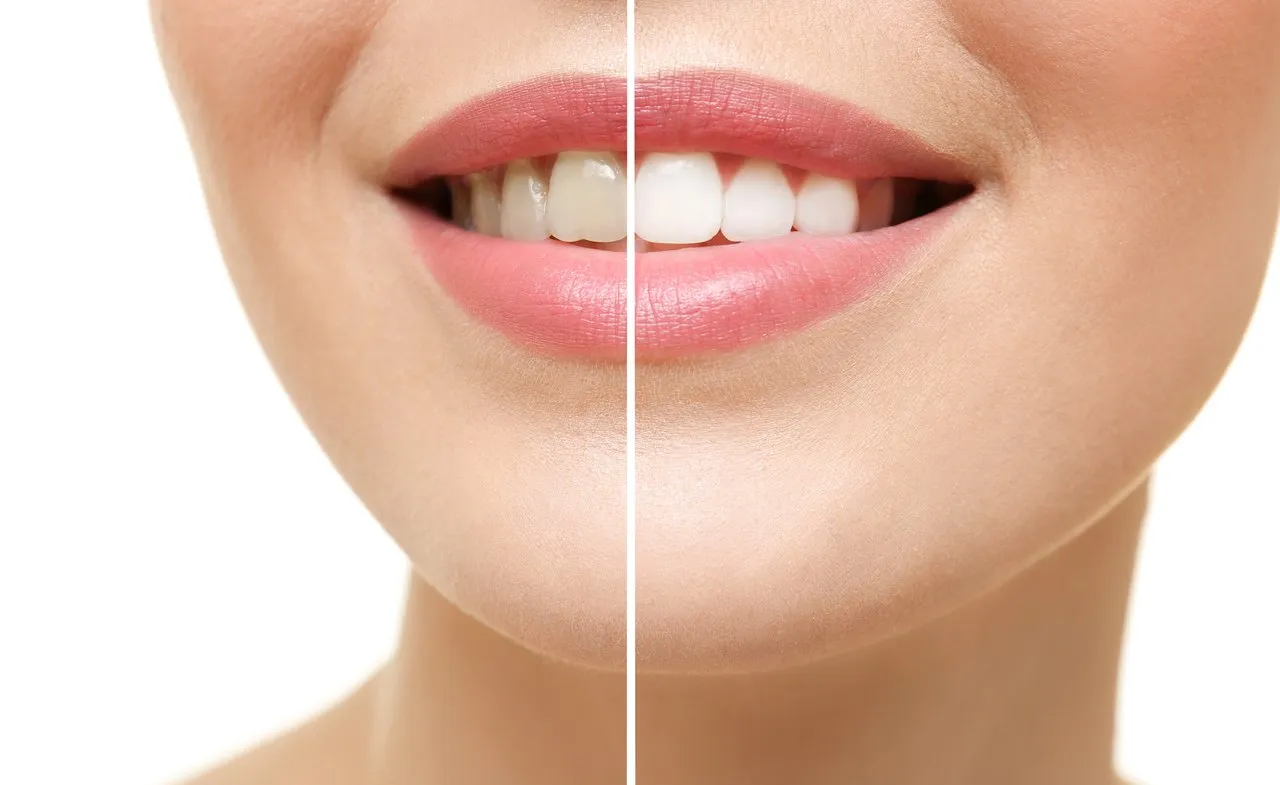
Many patients wonder: what does activated charcoal toothpaste actually do? Manufacturers' promises relate primarily to the removal of surface tooth stains. These can be caused by coffee, tea, red wine or nicotine, for example. The toothpaste is also said to gently brighten tooth enamel and provide fresh breath through its absorbent effect. As activated charcoal contains no aggressive bleaching agents, it is considered a gentler alternative to chemical whitening methods. However, it is important to know that its effect is primarily limited to external stains. Deeper tooth stains cannot be removed with activated charcoal alone. Anyone who wants significantly whiter teeth in the long term should also consider professional dental cleaning or teeth whitening at the dentist.
How toothpaste containing activated charcoal works
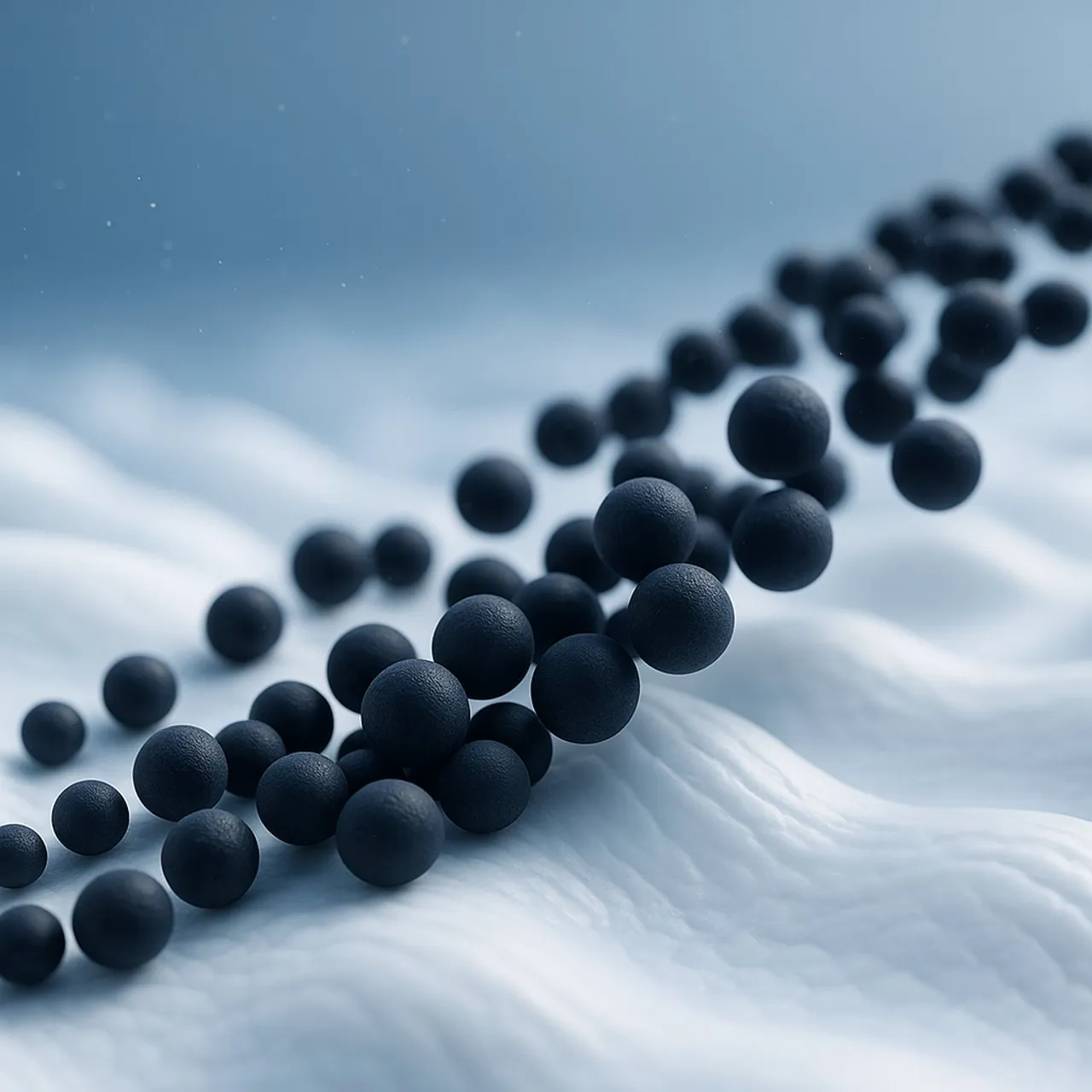
The fine activated charcoal particles act like a gentle abrasive that polishes the tooth surface while removing surface deposits. Their porous structure also enables them to bind odour-causing compounds, resulting in fresher breath. This dual effect – cleaning and odour binding – is one of the reasons why toothpaste containing activated charcoal has become so popular.

Advantages and possible disadvantages of activated charcoal toothpaste
One advantage of activated charcoal toothpaste is its mostly natural ingredients. Many products are free from synthetic colourants and aggressive bleaching agents. With mild stains, visible effects can often be seen after just a few applications. In addition, activated charcoal's odour-binding effect can contribute to a long-lasting feeling of freshness. Despite these positive aspects, there are also limitations. If used too frequently or too vigorously, there is a risk of damaging the tooth enamel through mechanical abrasion. Some products also contain no fluoride, which can increase the risk of tooth decay. Anyone who relies exclusively on activated charcoal toothpaste without ensuring an adequate fluoride intake risks long-term damage to their teeth.
How to use activated charcoal toothpaste
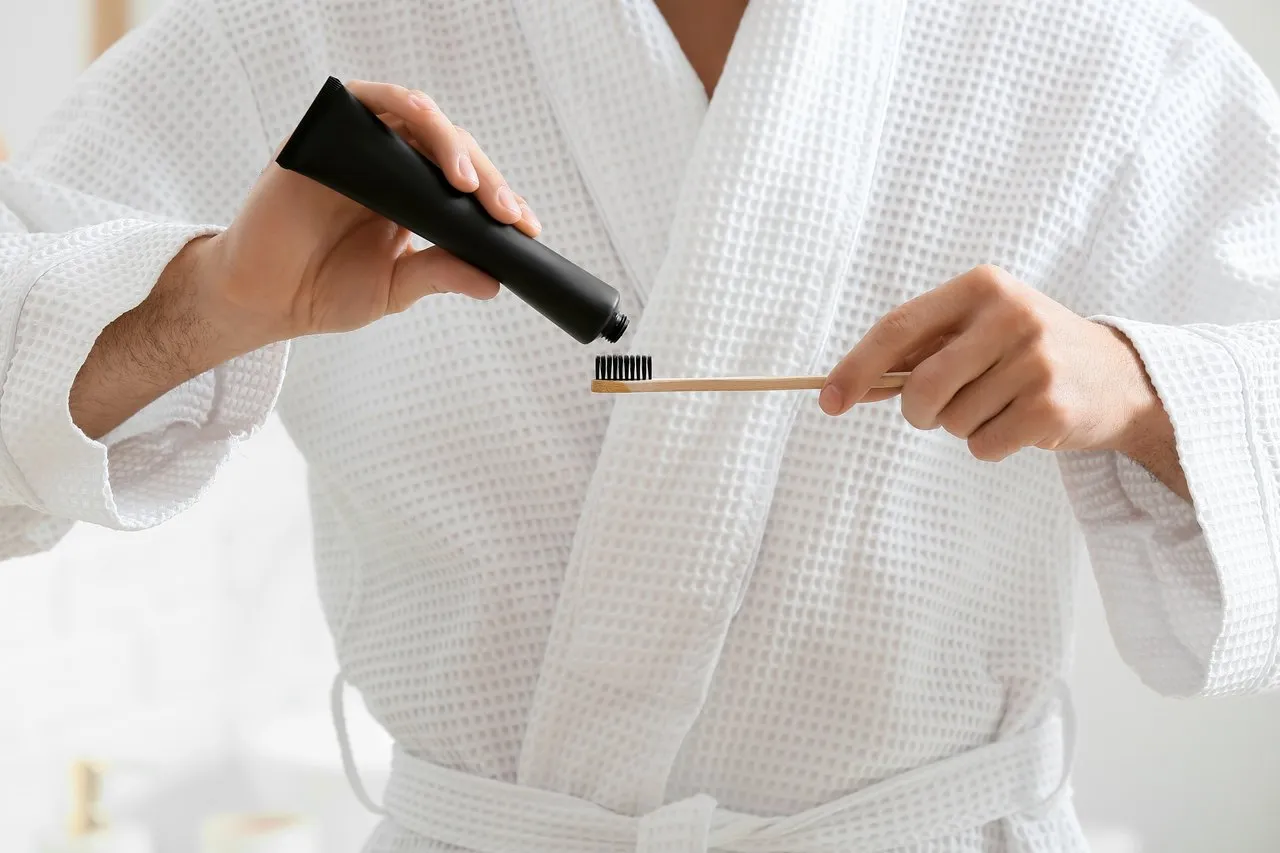
For most people, it is sufficient to use toothpaste containing activated charcoal two to three times a week. This removes surface stains without placing excessive strain on the tooth enamel. A soft toothbrush is recommended to keep mechanical abrasion to a minimum.
A fluoride-containing toothpaste should also always be used to protect the tooth enamel. And last but not least: even the best toothpaste is no substitute for regular professional dental cleaning.
Who is activated charcoal toothpaste suitable for?
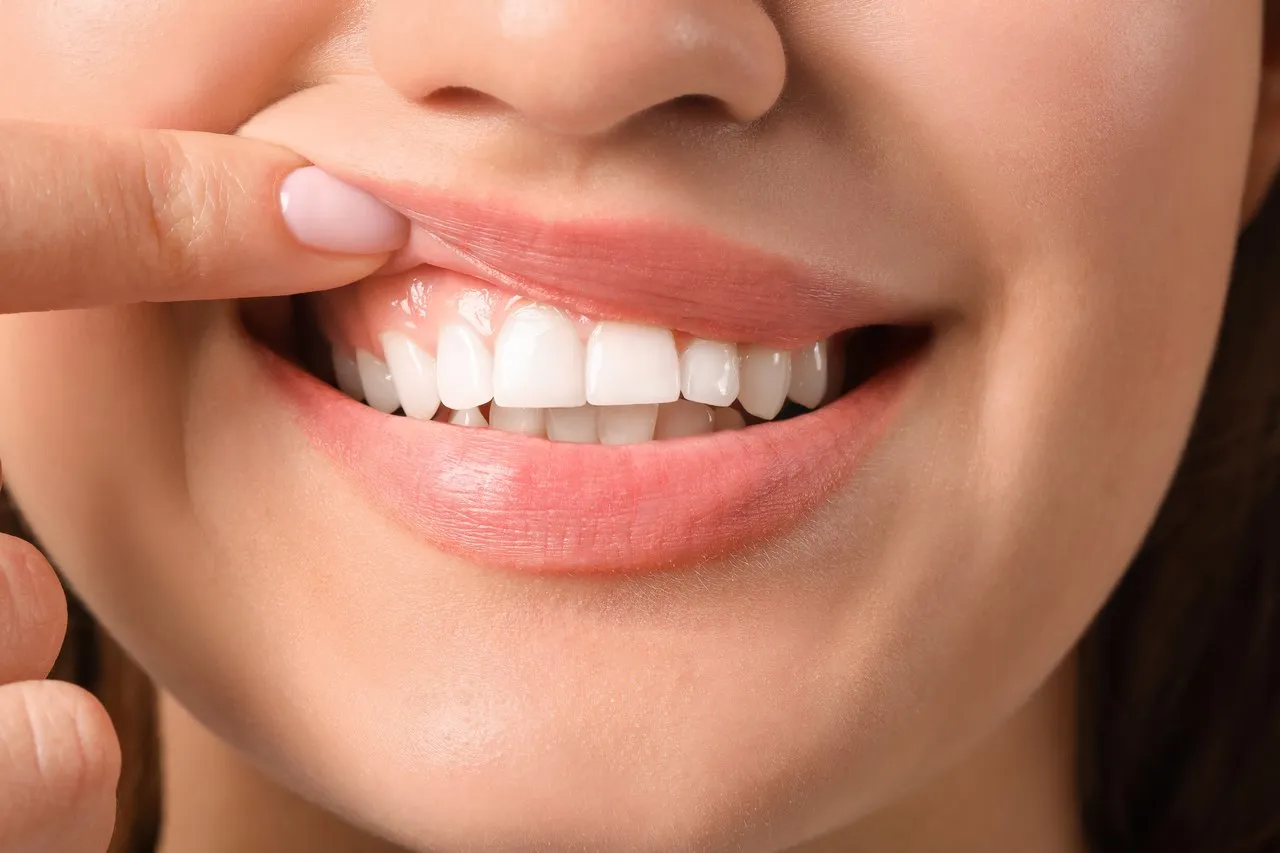
Activated charcoal toothpaste is particularly suitable for people with mild surface stains, for example from coffee, tea, red wine or nicotine. It may also be of interest to anyone looking for a natural alternative to chemical whitening agents. Daily use is not recommended for people with sensitive teeth or exposed tooth necks, or for children under six years of age.
Alternative methods of teeth whitening
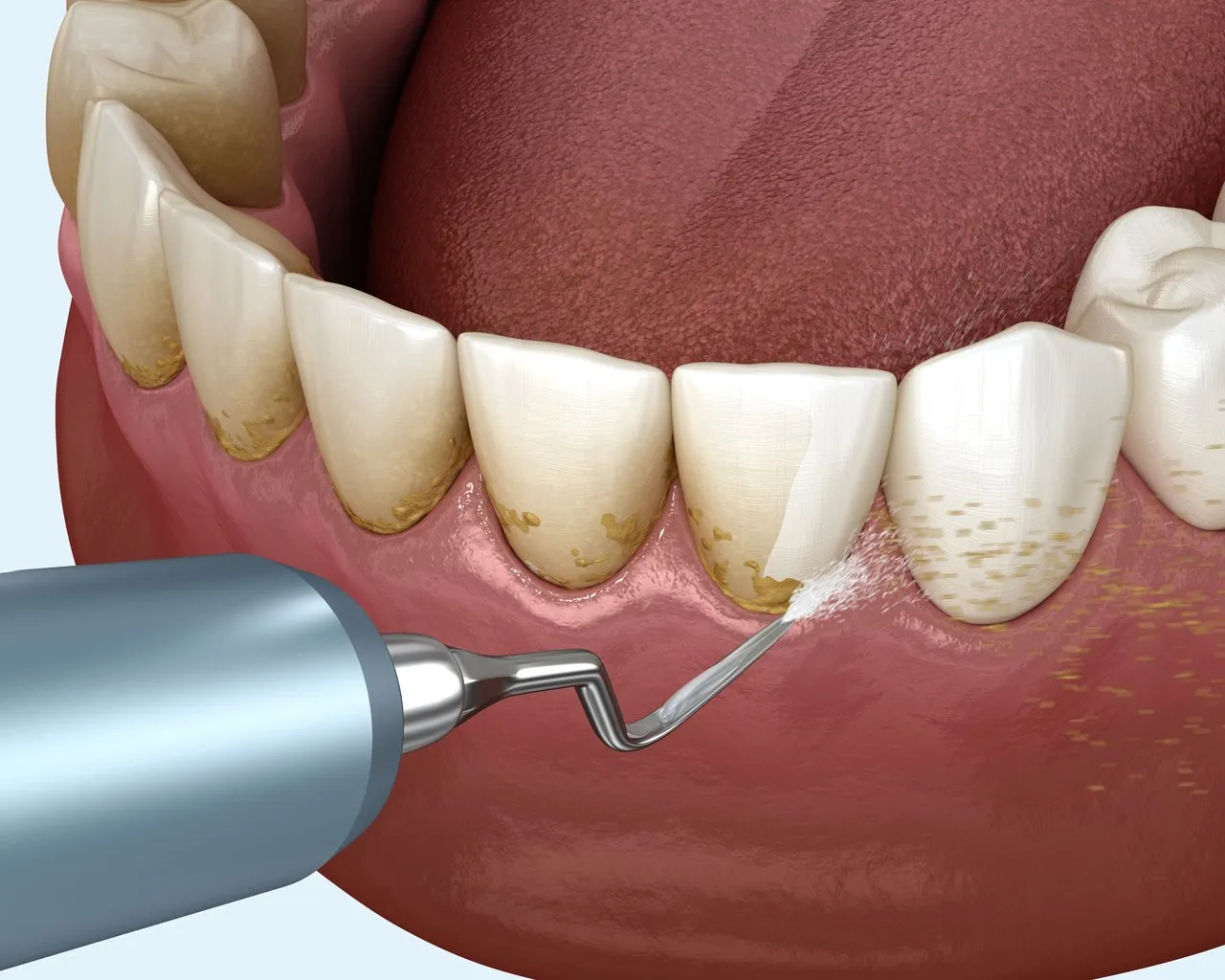
If the desired effect does not materialise, there are gentler and more effective alternatives. Professional dental cleaning not only removes stains, but also dental plaque and helps prevent tooth decay. Teeth whitening is often the better choice for significant brightening, as it is carried out in a targeted and controlled manner. Polishing the teeth with special pastes can also restore their shine.
Conclusion
When used correctly, activated charcoal toothpaste can be a useful addition to daily dental care, particularly when it comes to removing surface stains. However, anyone who wants healthy, white teeth in the long term should pay attention to all aspects of oral hygiene. These include fluoride-containing toothpaste, a balanced diet and regular dental check-ups. If you are uncertain, we will be happy to advise you personally at our Wunschlachen practice about the best options.
FAQ – Frequently asked questions about activated charcoal toothpaste
It removes surface stains and can freshen your breath, but it is no substitute for professional teeth whitening.
Tooth enamel can be worn away if it is used too frequently. It should therefore be used sparingly.
It is better to use it only two to three times a week and alternate it with normal toothpaste.
No, professional teeth whitening or dental cleaning is required for this.
No, many products are fluoride-free. Check the ingredients.
It is not recommended for children under six, as their tooth enamel is still particularly sensitive.
Often after a few applications, depending on the stains.
Yes, it can bind odour-causing molecules and thus provide fresher breath.
Excessive abrasion can make teeth more sensitive.
Activated charcoal toothpaste is sufficient for mild stains; teeth whitening is more effective for significant brightening.
Book your appointment now
We will be happy to advise you personally at our practice.