
Anaesthetics at the dentist – what types are available?
Many people are afraid of pain at the dentist. Modern anaesthetics make treatment considerably more comfortable. At the Wunschlachen practice in Berlin, we use various methods. This allows us to tailor the anaesthetic precisely to your needs.
Über 350 Google-Bewertungen
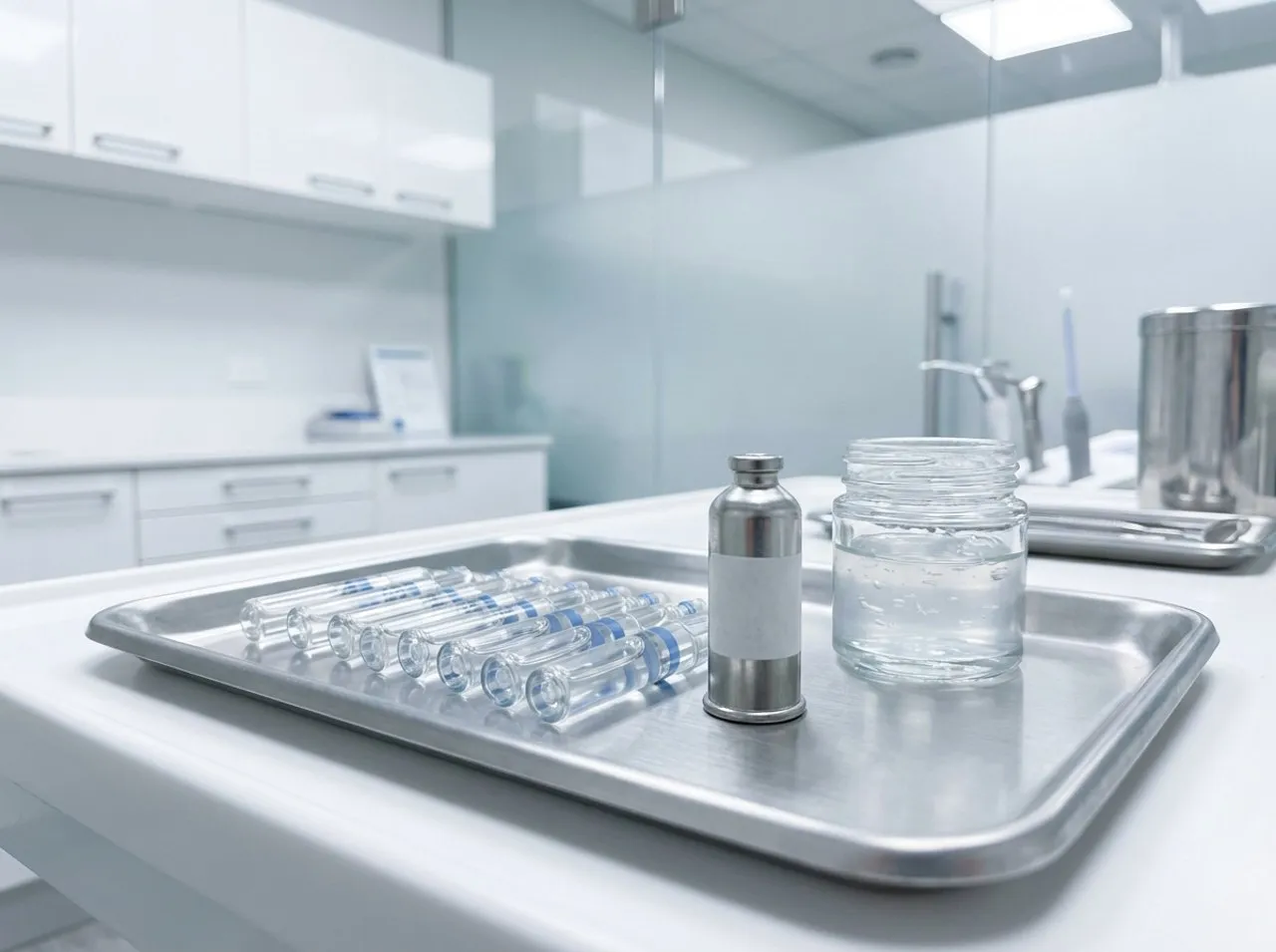
What are anaesthetics at the dentist?
Anaesthetics in dentistry prevent severe pain during treatment. They are usually local anaesthetics, meaning medications for numbing a specific area. They prevent pain signals from being transmitted to the brain. For severe anxiety, calming medications or a general anaesthetic can also be used. Their effect is then limited to a specific area in the mouth.
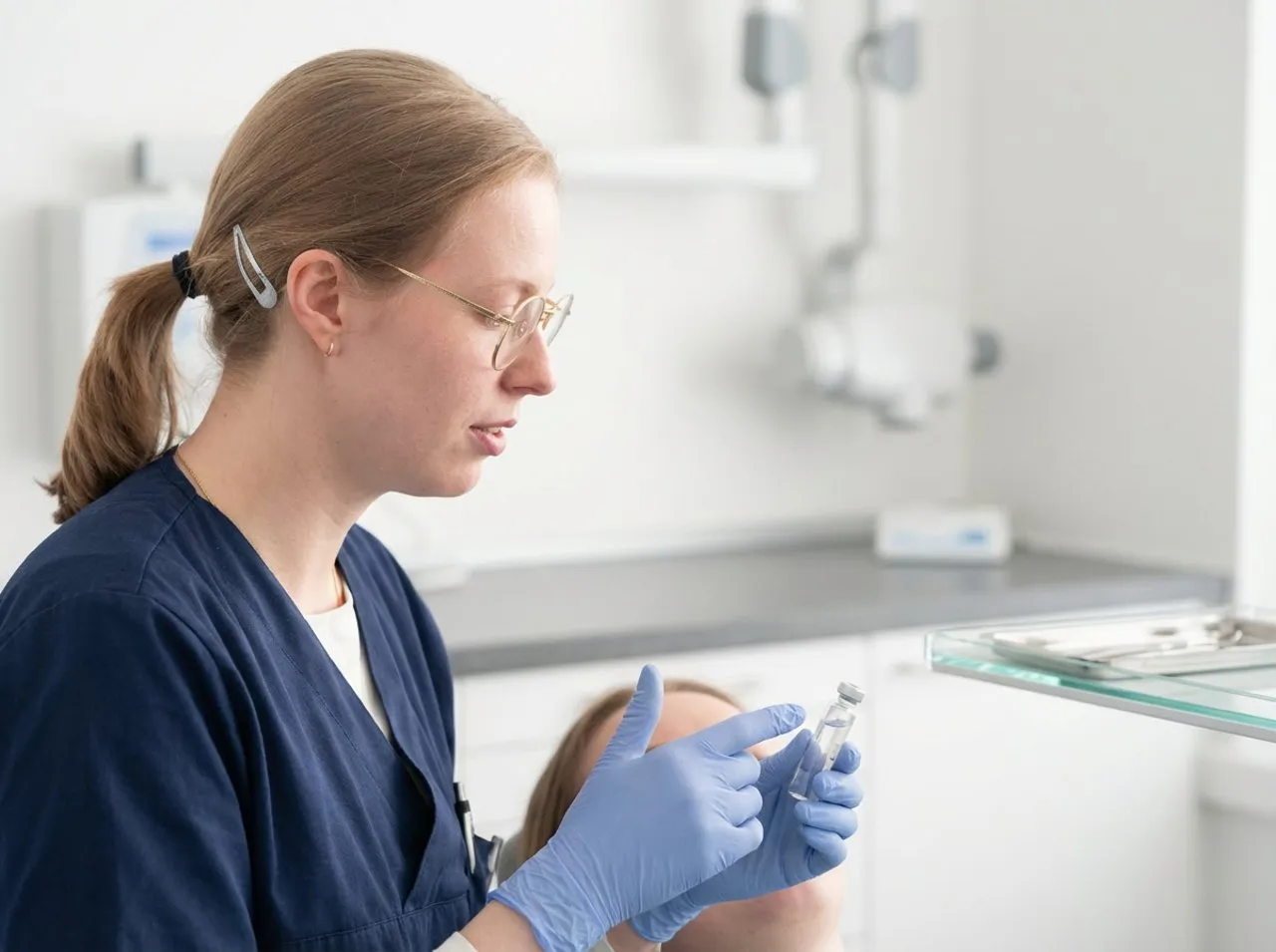
Local anaesthetic: standard for almost every treatment
Local anaesthetic is the most important method used at the dentist. An anaesthetic is injected into the tissue near the tooth. A numbing gel can be applied before the injection. It takes effect within a few minutes and often lasts for several hours. You can breathe and speak normally during this time.

Types of local anaesthetic
• With topical anaesthesia, a gel or spray is applied. It numbs the mucous membrane and reduces the pain of the injection. • Infiltration anaesthesia is administered directly next to the tooth. It is particularly suitable for treatments in the upper jaw. • Nerve block anaesthesia blocks a larger nerve in the jaw. This numbs several teeth in one region at the same time. It is often used for treatments in the lower jaw.

Sedation: relaxed under twilight sedation
Some patients have severe dental anxiety or a strong gag reflex. In such cases, sedation may be beneficial. It provides deep relaxation without a full general anaesthetic. Medications from the benzodiazepine group are often used. These include medications such as Dormicum or Tavor, which have a calming effect and relieve anxiety. Many patients later remember very little about the procedure. During treatment, an anaesthetist monitors your circulation and breathing. You also receive a local anaesthetic for greater comfort.

Sedative tablet before treatment
For mild to moderate anxiety, a sedative tablet is often sufficient. It is taken about an hour before treatment. This minimises inner tension. Such medications make you drowsy and slow your reactions. After taking one, you must not drive yourself. Please bring someone to accompany you. The dentist will check your pre-existing conditions and other medications beforehand. This helps to avoid possible interactions and risks.
General anaesthetic at the dentist
In rare cases, a general anaesthetic is advisable. For example, for very extensive procedures or extreme dental anxiety. It may also be necessary for certain physical impairments. The general anaesthetic is always administered by a specialist anaesthetist. You sleep deeply and are unaware of the treatment. However, a general anaesthetic involves higher costs and risks. A detailed consultation therefore takes place beforehand. Alternatives such as sedation are also discussed.
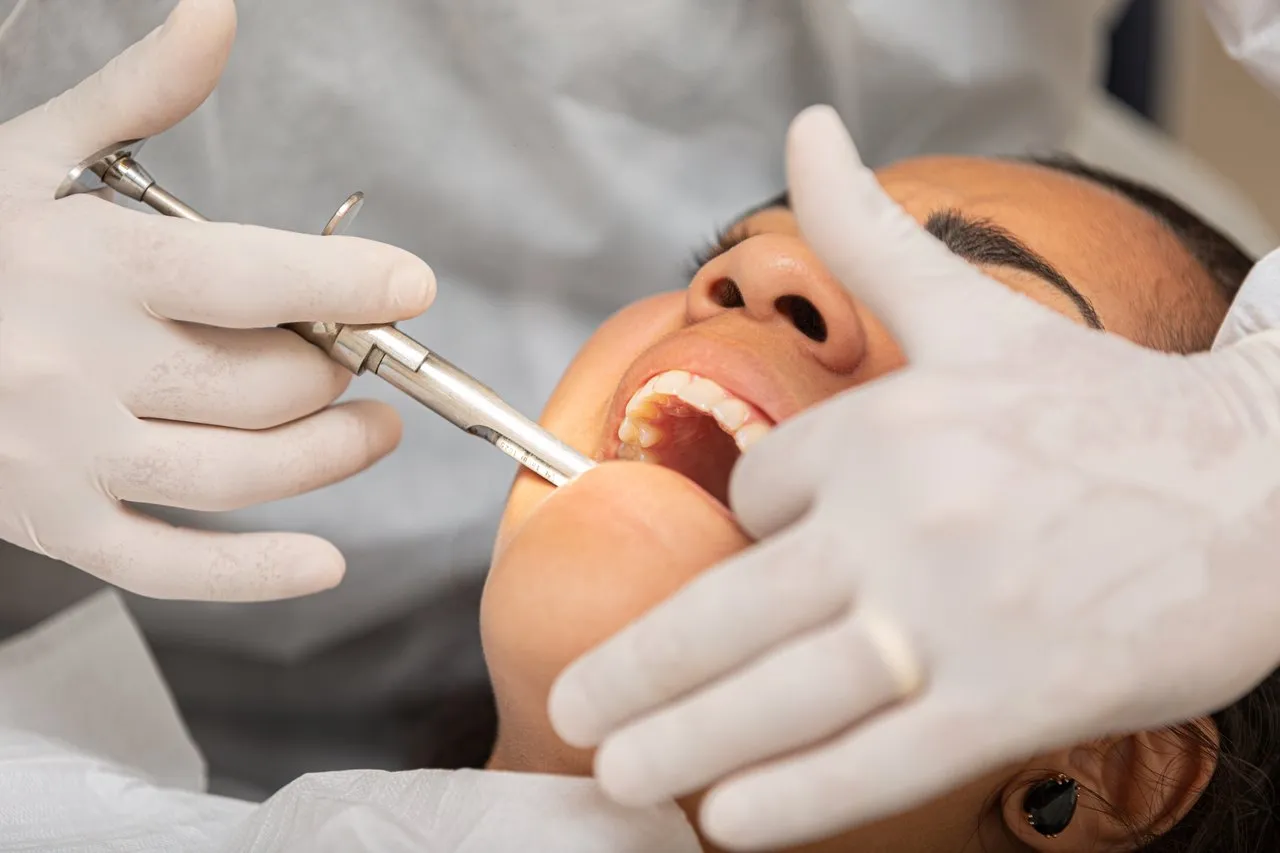
The anaesthetic process at the Wunschlachen practice
There is always a detailed consultation at the beginning. You describe your symptoms and any fears. We then choose the appropriate method together. We take your health, the treatment and your wishes into account. This creates a personalised anaesthetic plan. If you wish, we can also provide information about possible financing options for major procedures. This helps you keep track of the costs.

Risks and side effects of anaesthetics
Local anaesthetic is considered a safe method. Common side effects include prolonged numbness and slight swelling. However, these symptoms usually disappear after a short time. Occasionally, a small bruise develops at the injection site. Allergic reactions to modern anaesthetics are very rare. Nevertheless, please tell us about any known allergies. Sedation or a general anaesthetic may cause tiredness, dizziness or nausea. These symptoms usually disappear within a few hours. You should take it easy and drink plenty of fluids during this time.
How to prepare for an anaesthetic
Eat normally before simple treatments, but do not eat anything too heavy. However, fasting periods often apply for planned sedation or a general anaesthetic. We will give you precise instructions before your treatment. Bring a list of your medications with you. This also includes blood thinners and herbal remedies. Never come to treatment alone if you are having sedation or a general anaesthetic. Someone you trust should accompany you home. You should take it easy for the rest of the day. Please avoid sport during this time.

Conclusion: safe anaesthesia for a relaxed visit to the dentist
Modern anaesthetics make dental treatments very tolerable today. Whether local anaesthetic, sedation or general anaesthetic, we will find the right solution. This means that even patients with anxiety can attend an appointment with less tension. We are happy to answer any questions in a personal consultation. Talk openly to us about your dental anxiety. Together, we will find a suitable solution.
FAQs about anaesthetics at the dentist
Local anaesthetics are usually used. They are injected directly into the tissue.
A numbing gel can be applied beforehand. You will then usually feel only a brief prick.
The effect usually lasts between one and three hours. The numbness then gradually wears off.
With sedation, you are relaxed but responsive. Under a general anaesthetic, you sleep deeply and are not responsive.
Yes, it is particularly helpful for severe dental anxiety. It significantly reduces anxiety and tension.
Driving is usually possible after a local anaesthetic. It is prohibited after sedation or a general anaesthetic. You should therefore always arrange for someone to collect you.
Yes, there are special dosages for children. Safety is the top priority. Parents are given detailed information before treatment.
Usually, only temporary numbness and slight swelling occur. Serious complications are very rare after a careful preliminary examination. If you have any concerns, please speak to us at any time.
No, certain pre-existing conditions may make this inadvisable. The dentist checks this very carefully during the preliminary consultation. Other medications must also be taken into account.
Talk openly about your concerns. Ask about a gentle anaesthetic method. Relaxation exercises before your appointment can also help.