
Antagonist – meaning and definition in dentistry
An antagonist is a term with a specific meaning in dentistry. It describes the counterpart of a tooth that functions together with another tooth. This is also known as the opposing tooth. In this article, we take a detailed look at the antagonist and its...
Über 350 Google-Bewertungen

Antagonist definition
In dentistry, the antagonist is the tooth that comes into contact with another tooth during chewing. These teeth are usually located in the upper and lower dental arches and work together. The antagonist is therefore the direct "opponent" of another tooth. The precise position and contact of an opposing tooth are crucial to the proper functioning of the dentition. Ideally aligned teeth ensure that the teeth are balanced in relation to one another. This allows chewing movements to be carried out efficiently and without pain.
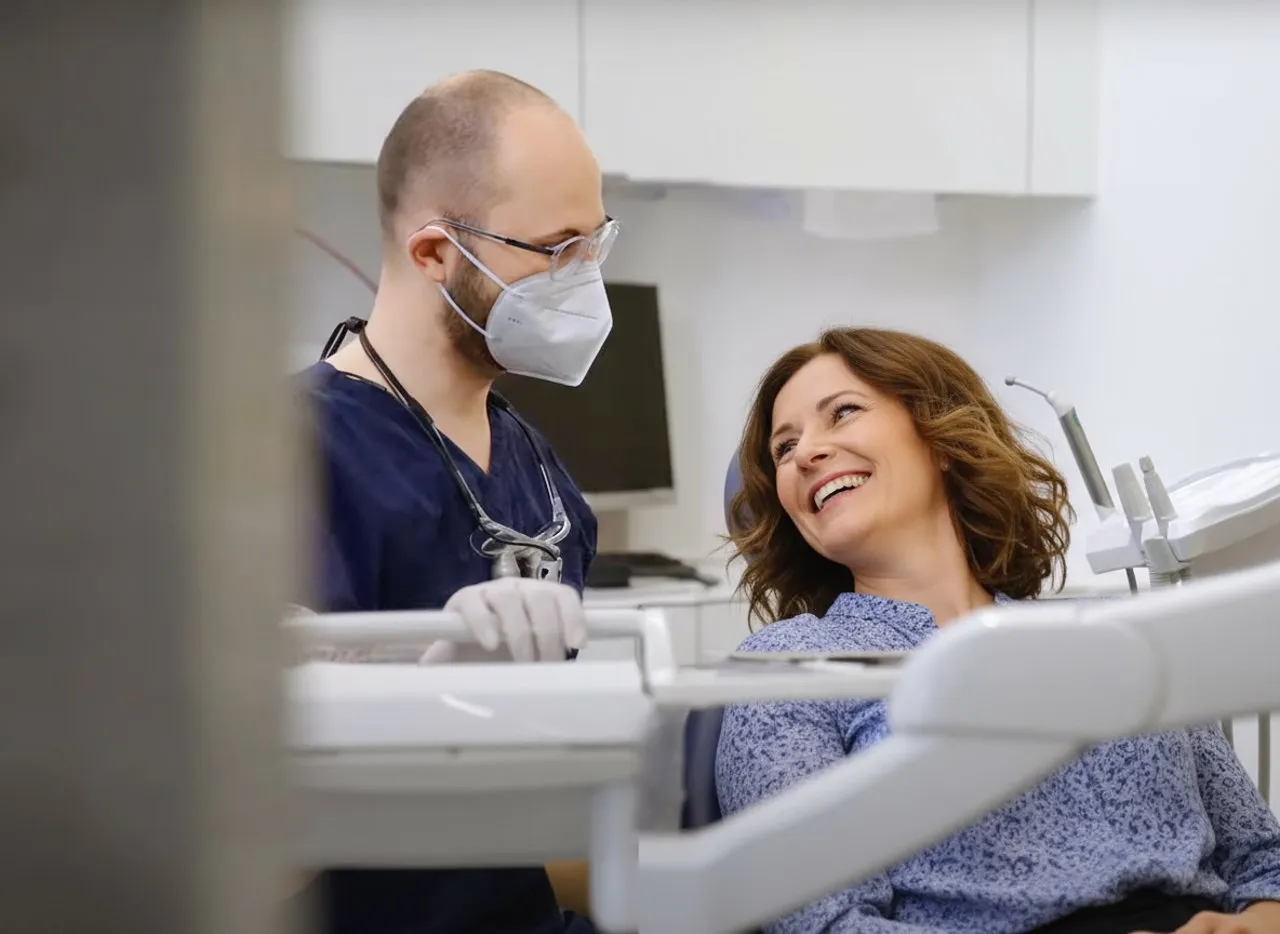
The antagonist and its role in the chewing system
The teeth in the upper and lower jaws are aligned so that they interact optimally when chewing. There is a kind of "tooth pair", in which each tooth in the upper jaw has an opposing tooth in the lower jaw. These teeth are responsible for distributing the forces exerted during chewing and ensuring that the dentition functions efficiently. A common example is the molars: the upper molar has an antagonist in the lower jaw. This interaction is important for preventing dental problems. For example, excessive wear, an imbalance in jaw position and temporomandibular joint disorders.

The importance of a balanced antagonist system
A correctly aligned antagonist system is essential for the health of the dentition. An imbalance or incorrect tooth position can lead to various problems. This can affect the entire chewing process and lead to muscle tension, pain or even temporomandibular joint disorders. A common cause of such an imbalance is an incorrect bite. This can be caused by misaligned teeth such as overbite, underbite or crossbite. In such cases, the teeth are not optimally aligned with one another and contact between the opposing teeth is disrupted. Orthodontic treatment can help to correct these problems and restore the correct alignment of the teeth.
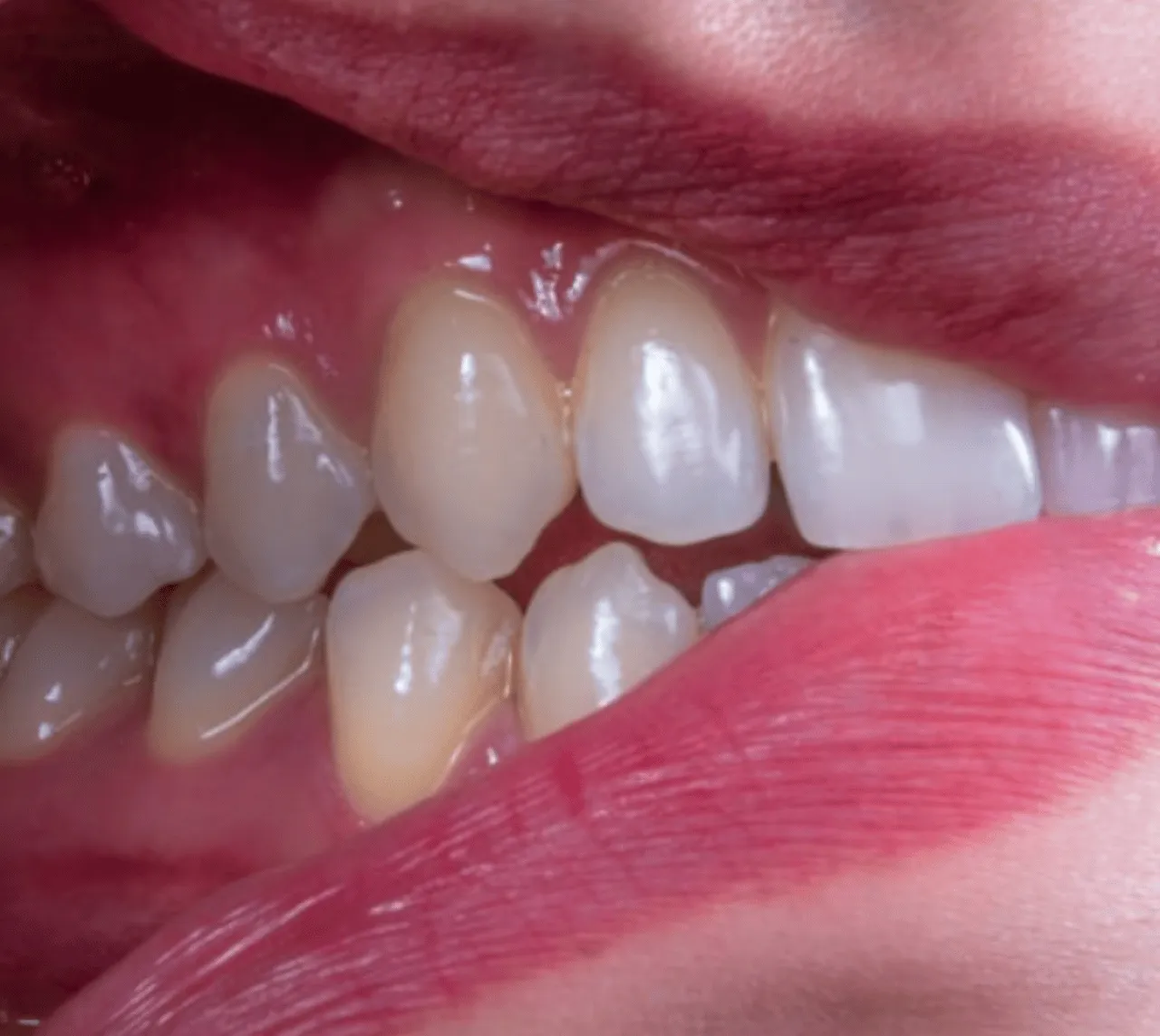
Antagonist and tooth erosion
As well as affecting jaw function, the antagonist also influences tooth wear. If the teeth are not properly matched to one another, this can lead to excessive wear. This is particularly true of teeth grinding (bruxism). Teeth grinding can place considerable strain on the antagonists and lead to tooth erosion in the long term. Tooth erosion is a process in which the tooth surface is damaged by wear or acids. If the opposing teeth are out of balance or the teeth meet at an unnatural angle, this can increase wear.
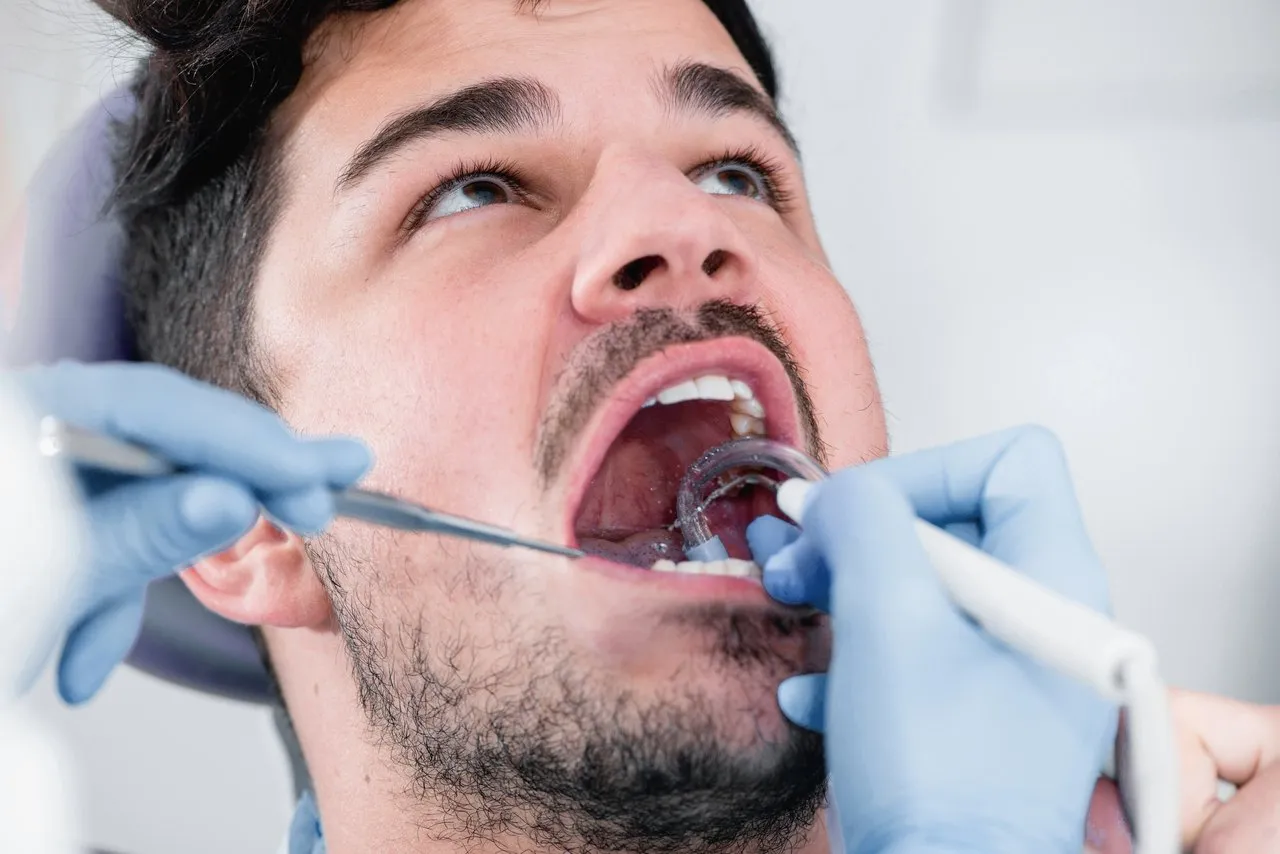
How are antagonists treated in dentistry?
If a problem with the antagonists is identified, a range of treatments may be considered. Orthodontic treatment is often required for misaligned teeth that affect contact between opposing teeth. This can be done using braces or other orthodontic appliances. In some cases, dental restoration may also be necessary. This can be done using crowns, fillings or inlays. This restores the teeth to their natural shape and function. If the opposing tooth is affected by excessive wear, the dentist may recommend a splint or other protective measures. These protect the teeth from further damage.

Conclusion
The term "antagonist" is of central importance in dentistry. It describes the contact between the teeth in the upper and lower dental arches. A well-aligned antagonist system is crucial to the proper functioning of the dentition. This also means that dental diseases and temporomandibular joint problems are avoided. If you experience problems with an opposing tooth, you should consult a dentist to find the right treatment.
Frequently asked questions (FAQ)
The term describes the tooth in the upper jaw that is the direct counterpart to a tooth in the lower jaw. The two teeth come into contact with each other when chewing.
The opposing tooth ensures the correct contact when chewing and helps to regulate wear.
An imbalance can lead to misaligned teeth, temporomandibular joint disorders and excessive tooth wear.
Orthodontic treatment can help to restore the balance of the teeth. In some cases, dental prostheses or splints may also be useful.
The protagonist is the tooth that faces the antagonist in a particular function. Both work together to ensure a correct chewing movement.
All teeth that face one another in the upper and lower jaws have an opposing tooth. This applies particularly to the molars, incisors and canines.
A dentist checks the system through a thorough examination of the bite and by taking X-rays.
A misaligned tooth can lead to muscle tension and pain in the jaw area.
A damaged tooth can be repaired through dental procedures such as fillings, crowns or inlays.
A night guard or other protective measures can help to prevent teeth grinding.
Book your appointment now
We would be happy to advise you in person at our practice.