Anti-inflammatory medicines at the dentist: an overview
Inflammation in the mouth can be very distressing. It is often accompanied by pain. Many patients seek rapid relief.
At the Wunschlachen practice in Berlin, we first determine the cause. We then provide the appropriate treatment. Medicines are only one part of this.
Über 350 Google-Bewertungen

What are anti-inflammatory medicines?
Anti-inflammatory medicines reduce the body's inflammatory response. They reduce swelling, heat and pain. This makes everyday life easier. Dentistry often involves acute symptoms. These include toothache, jaw pain or inflammation following a procedure. The gums can also be affected. Many patients ask about tablets for inflammation. The most important group is non-steroidal anti-inflammatory drugs, or NSAIDs for short. Typical active ingredients are ibuprofen, diclofenac and naproxen.

When are they useful in dentistry?
Anti-inflammatory medicines help when tissue is irritated. This can happen with acute inflammation of the tooth root. It can also occur after wisdom tooth surgery. Swelling can also occur after implant placement. An anti-inflammatory medicine can then provide relief. The same applies after root canal treatment. It is important to recognise the limits of self-treatment. Severe pain is a warning sign. A dental diagnosis is then needed.

Which painkillers have an anti-inflammatory effect?
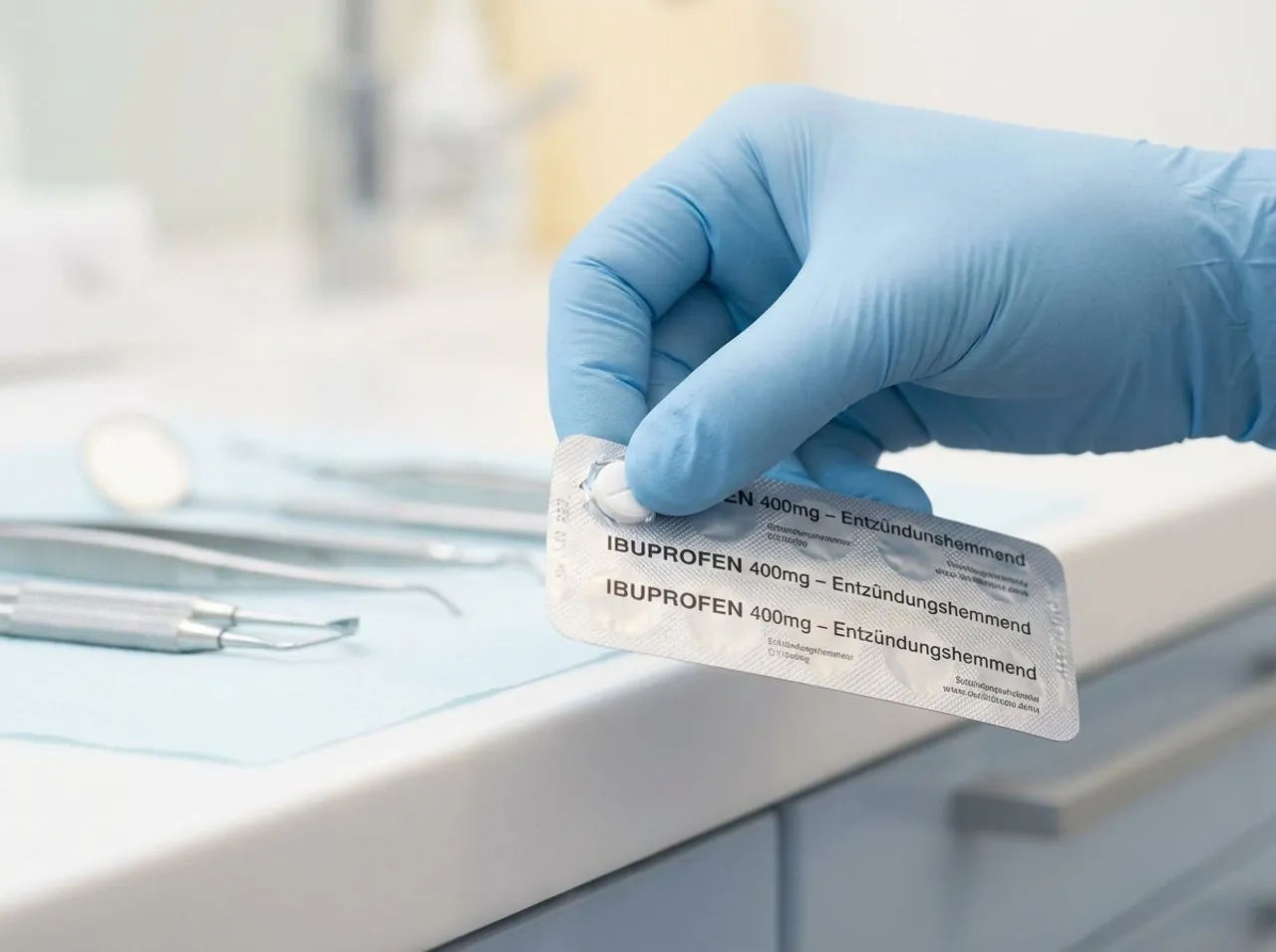
Many conventional painkillers only relieve pain. Not every medicine reduces inflammation. This is crucial when choosing a treatment. Ibuprofen is often considered the standard option. It relieves pain and reduces inflammation. Naproxen has a longer duration of action. Diclofenac also has an anti-inflammatory effect. Neither is suitable for everyone. Paracetamol is an alternative if other medicines are not tolerated. It reduces pain and fever. However, its anti-inflammatory effect is weak. Acetylsalicylic acid, or ASA for short, is used less often in dentistry. It inhibits blood clotting. This can be problematic after procedures.

What is the strongest anti-inflammatory medicine?
We are often asked this question. The answer depends on the clinical findings. Tolerability also matters. There is no single ‘best’ medicine for everyone. Ibuprofen is often sufficient for mild symptoms. A different approach may be needed for more severe cases. Sometimes the painkiller is not the decisive factor. The source of inflammation often has to be removed. This applies, for example, to an abscess.

Taking medicines correctly: dosage and timing
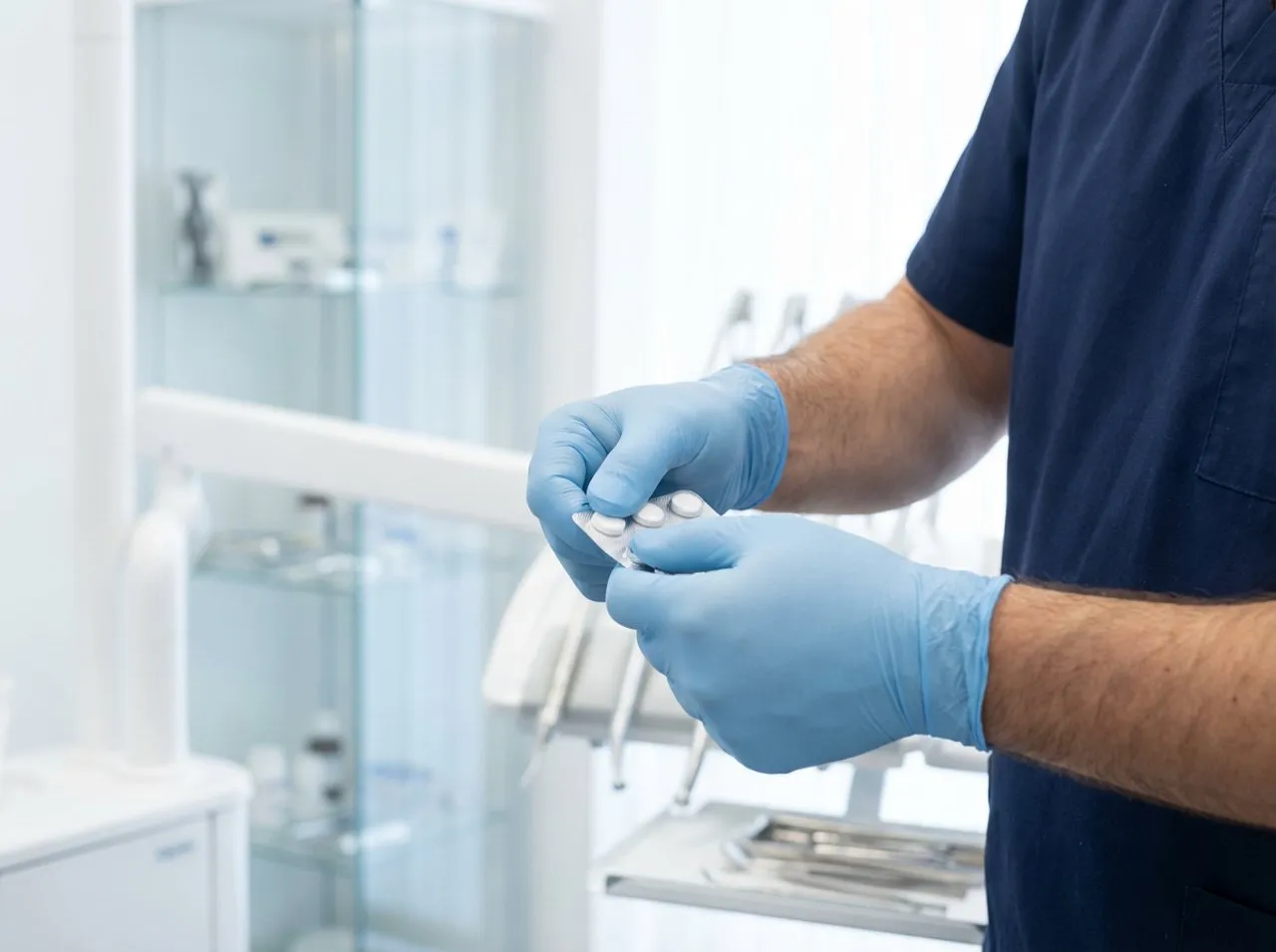
Only take painkiller tablets as instructed. Stick to the dosage. Do not double a dose. Timing is important in dentistry. Take the medicine in good time before its effect wears off. This keeps the level in your body stable. Only combine active ingredients after seeking advice. This also applies to over-the-counter medicines. Interactions are possible. Watch out for stomach problems. NSAIDs can irritate the stomach lining. A medicine to protect the stomach may be advisable.
Risks and contraindications
Anti-inflammatory tablets are not harmless. They are effective, but not suitable for everyone. Pre-existing conditions play a major role. NSAIDs are often problematic for people with stomach ulcers. Caution is also needed with kidney problems. The same applies when taking blood thinners. Pregnant women need specific advice. Children require adjusted dosages. Ask your doctor about this. Allergies are also relevant. Asthma can worsen with NSAIDs. Tell us about any such factors in advance.
Inflammation in the mouth: medicine alone is rarely enough
Many patients would like a medicine to treat inflammation. It can reduce symptoms, but rarely resolves the underlying cause. For tooth decay no tablet provides a permanent solution. The tooth must be treated. Otherwise, the pain will return. Antibiotics may be necessary for inflammation of the jaw. This depends on the diagnosis. Painkillers are then only used alongside other treatment. An anti-inflammatory medicine is also not enough for periodontitis. Professional cleaning is required. Systematic treatment often follows.

Additional measures at the practice
We combine medicines with local measures. These include effective local anaesthesia. This keeps treatment comfortable. Cooling helps with swelling after surgery. Soft food protects the tissue. Gentle oral hygiene is also important. Sedation options are available for severe anxiety. These are medically supervised.
When should you come to the practice immediately?
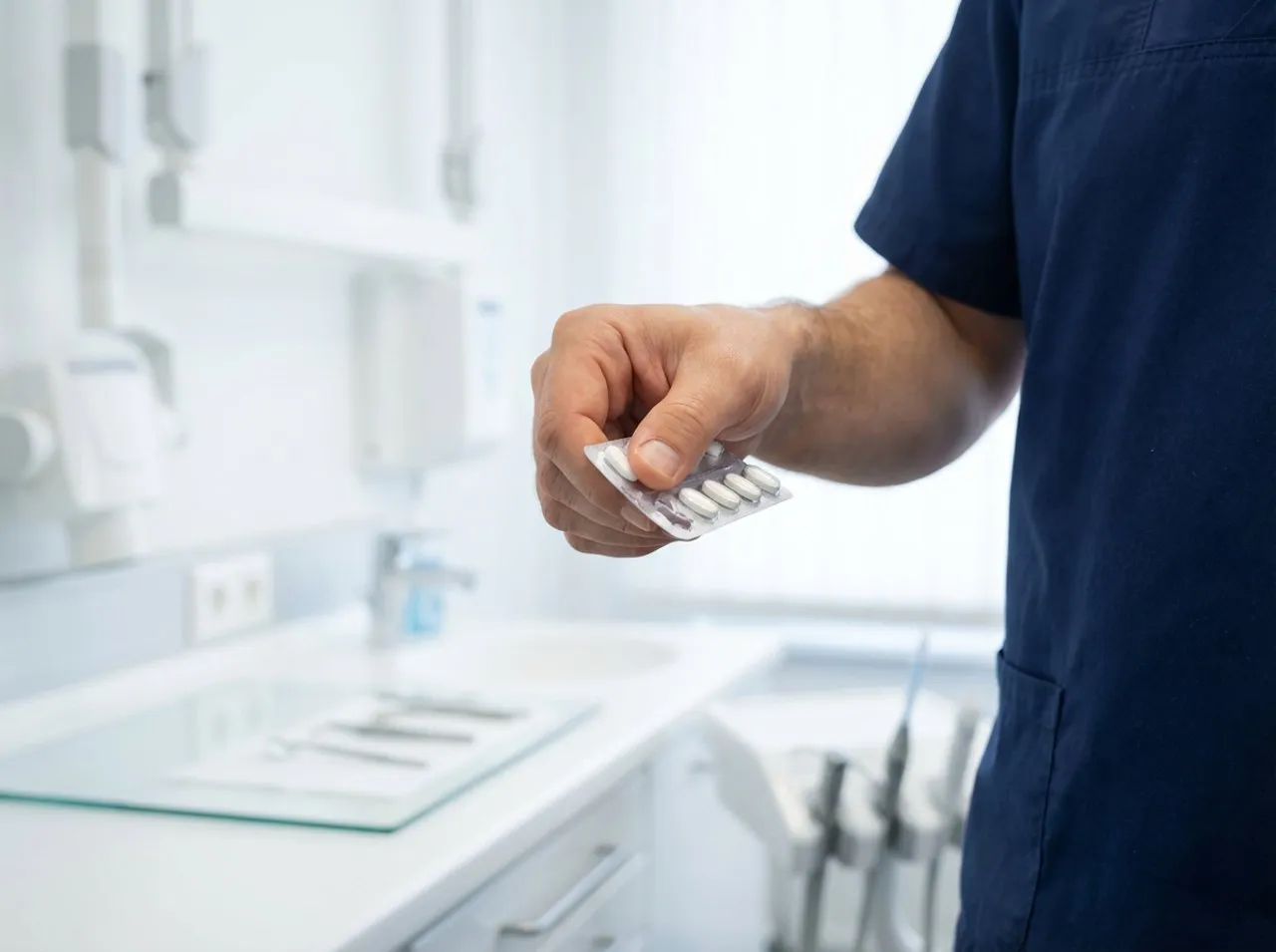
Come in if you have a fever or noticeable swelling. Pus is also a warning sign. The same applies to difficulty swallowing. Severe pain despite taking medicine is another indication. Numbness in the jaw must also be investigated. Do not wait until the weekend. Inflammation can spread. Early treatment protects the jawbone.