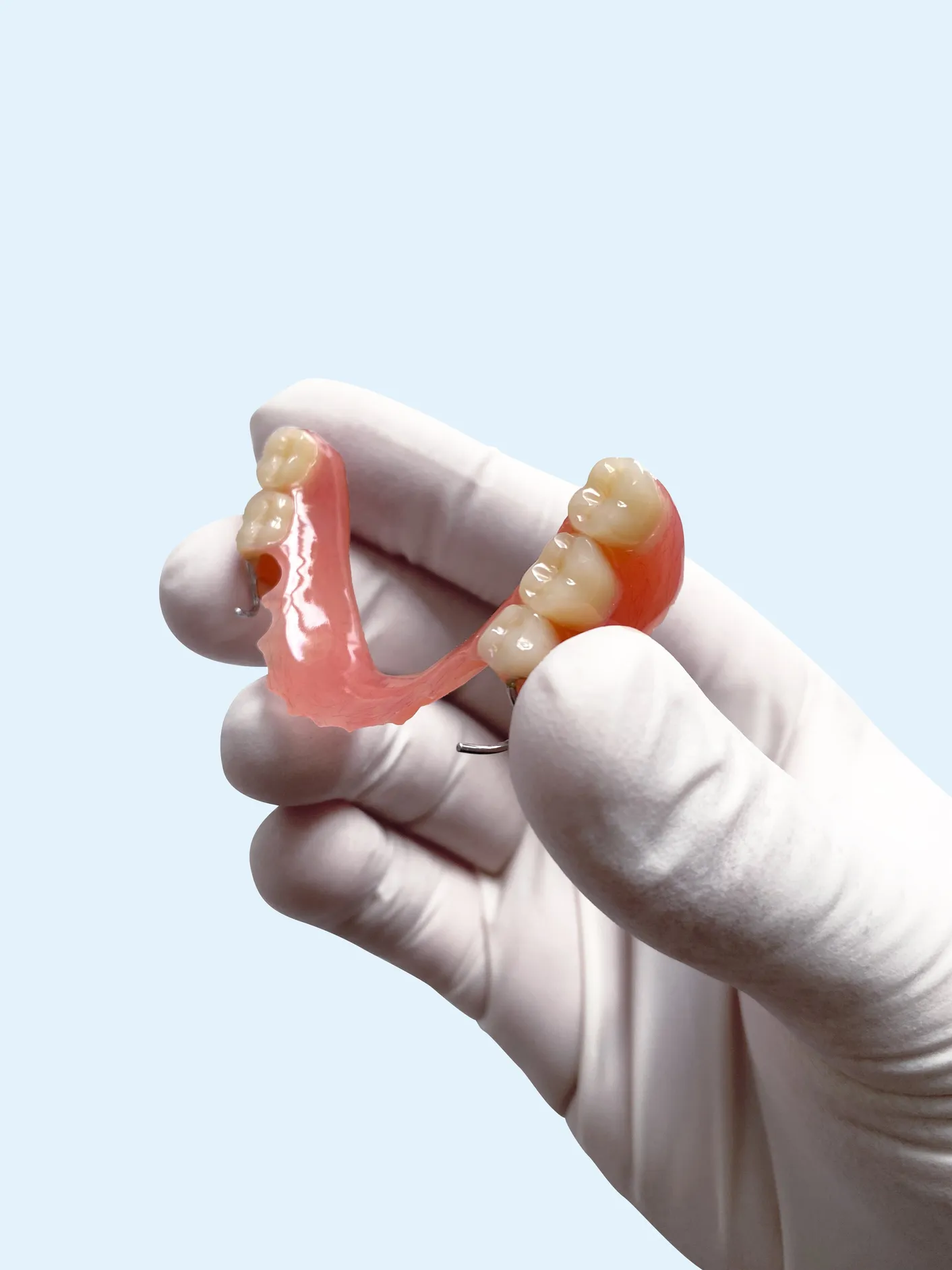
Atrophy – causes, effects and treatment at the dentist
Atrophy is a medical term describing the reduction or breakdown of tissue. This topic is particularly important in dentistry. Bone substance and soft tissue in the mouth and jaw can be weakened by various causes. People affected by jawbone loss...
Über 350 Google-Bewertungen
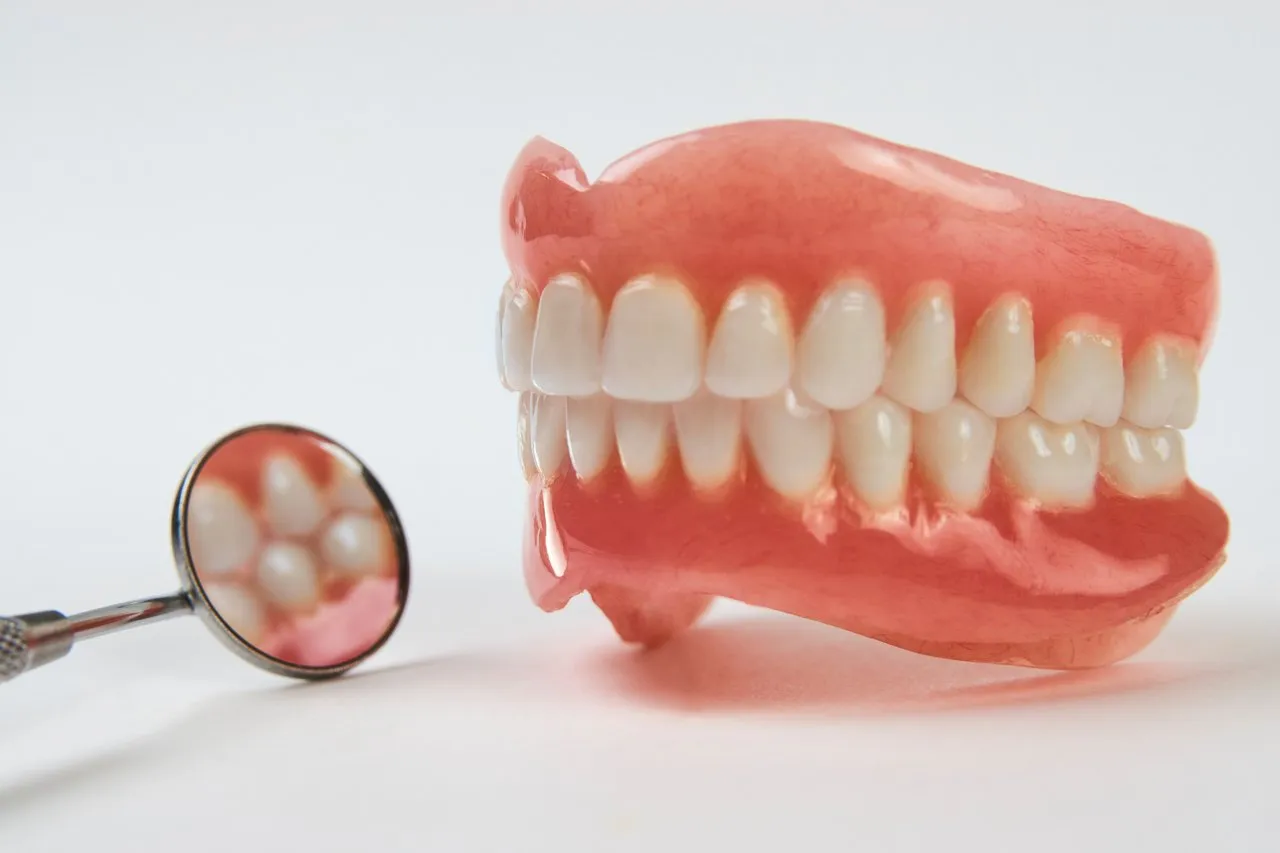
Atrophy: definition and meaning
The term describes the process of tissue loss, in which cells or entire tissue structures decrease in size or number. This means that the affected tissue becomes increasingly unable to perform its normal function. In dentistry, the term jawbone loss is often used when bone loss in the upper or lower jaw progresses. This loss can also significantly affect the stability of teeth or dentures.
The meaning of atrophy goes beyond the mere loss of substance. It is a sign that there is an imbalance in the body or an untreated underlying condition. In patients with tooth loss, for example, the lack of stimulation of the jawbone is a key cause.
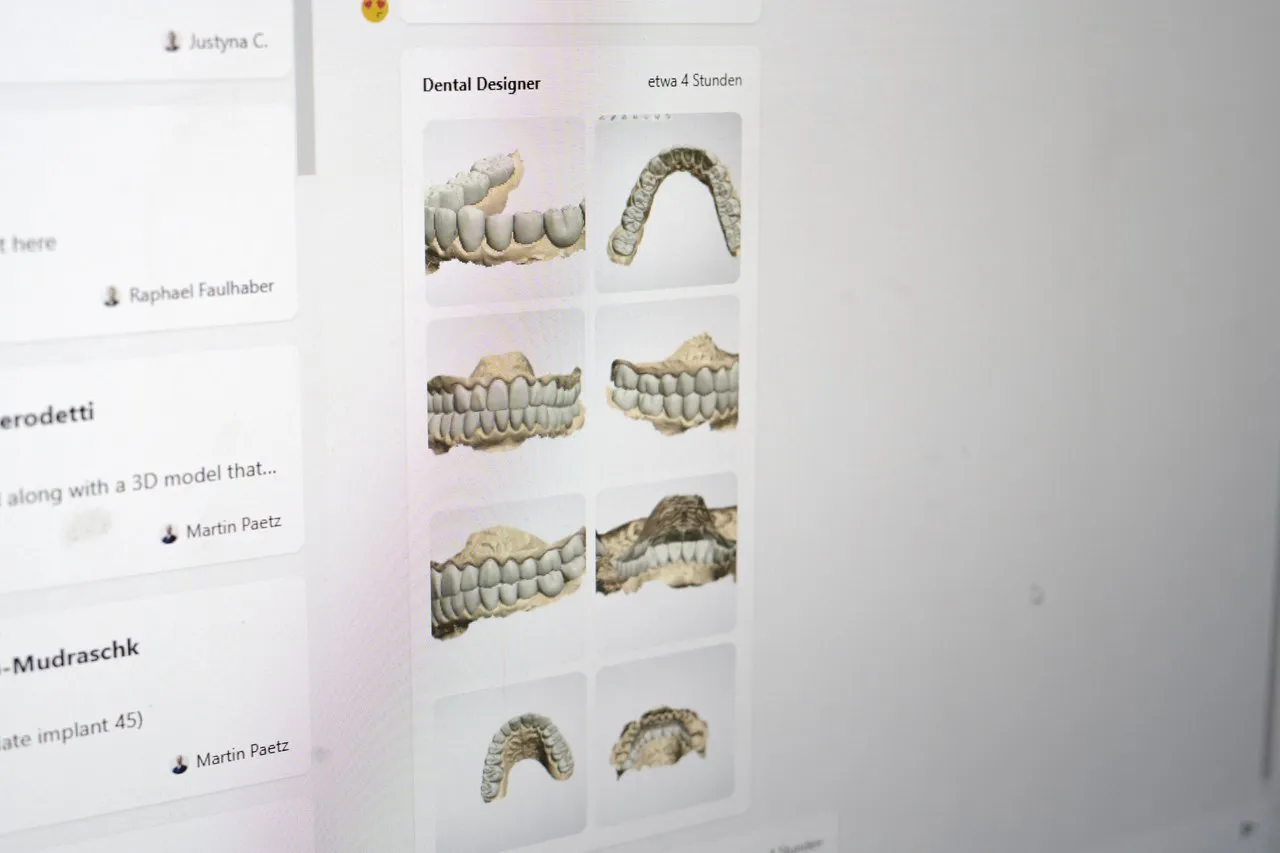
Causes of jawbone loss and tissue loss
Jawbone loss is caused in many cases by tooth loss. When teeth are missing, the jawbone in that area is no longer subjected to sufficient stimulation. Without regular stimulation from chewing pressure, the body breaks down bone mass that is no longer needed. However, other factors can also cause tissue loss or atrophy. A common cause is long-standing periodontitis, an inflammation of the supporting structures of the teeth. Bacteria destroy the structures that anchor the tooth in the jaw. This not only leads to loose teeth, but also to bone loss in the long term. Other causes of loss in the jaw area include: • ill-fitting dentures that place strain on the jawbone and cause pressure sores • hormonal changes • metabolic disorders • the natural ageing process Inadequate oral hygiene can also significantly increase the risk of tissue loss.
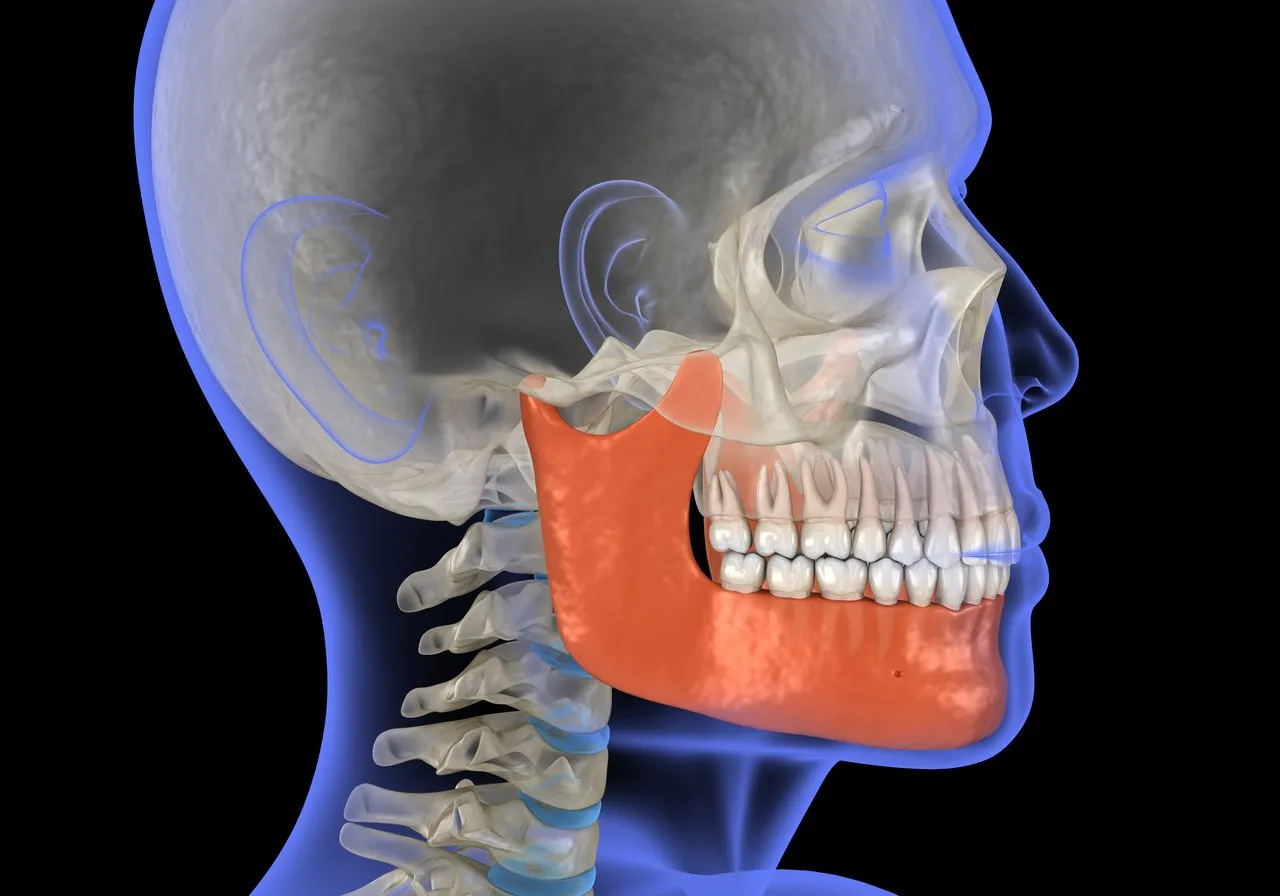
Effects of atrophy in the mouth and jaw
The effects of atrophy should not be underestimated. Jawbone loss causes facial contours to sink in and makes the face look older. Dentures or implants lose their retention because the bone base is no longer stable enough. Those affected frequently report difficulties with chewing, speaking and smiling. Tissue loss can also affect the oral mucosa, leading to sensitivity, pressure sores and an increased risk of injury. The function of the chewing muscles also suffers when the jawbone deteriorates and the load in the mouth changes. In the long term, untreated atrophy means that complex treatments such as the placement of dental implants become more difficult or even impossible.
Treatment options for jawbone loss and tissue loss
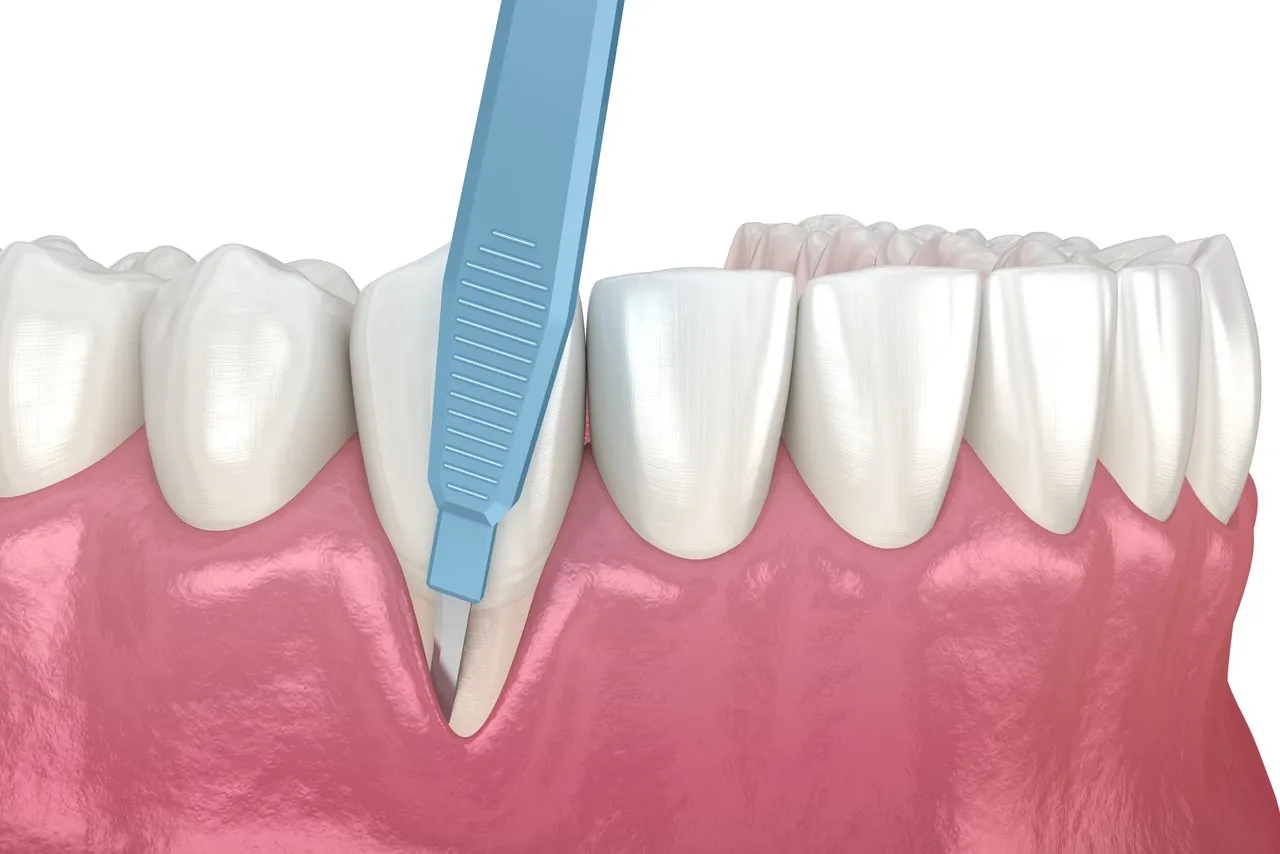
Modern dentistry offers various approaches to treating or preventing atrophy. A key approach is bone augmentation, also known as augmentation. This involves rebuilding the jawbone using the patient's own bone, bone substitute material or special surgical techniques. This creates a stable foundation for implants and stops jawbone loss in the long term. Soft tissue augmentation also plays a role when the oral mucosa is affected. Surgical procedures or transplants can help stabilise the tissue and restore its function. However, it is important that the cause of the atrophy is identified and treated. If periodontitis is present, it must first be treated to prevent further tissue loss. For problems with dentures, an adjustment or replacement is necessary to reduce pressure on the jaw. Long-term protection against atrophy can also be achieved through early implant treatment. Because implants transfer chewing pressure to the jawbone, the bone is stimulated and remains stable.
Recognising atrophy in everyday life
Many patients wonder how they can tell whether they are affected by jawbone loss or tissue loss. Initial signs include ill-fitting dentures, changes in the bite or a visible change in facial shape. A drooping nasolabial fold or sunken cheeks can also be an indication of atrophy. As these changes usually occur gradually, regular dental check-ups are essential. This allows early signs to be recognised and treated in good time before serious consequences occur.
Conclusion
Atrophy is a serious issue in dentistry that can affect both the jawbone and soft tissue. The definition of atrophy only describes tissue loss itself, but its significance in everyday life is much greater. Jawbone loss and tissue loss affect appearance, function and quality of life. Timely diagnosis and modern treatments can halt its progression. Our goal is to safeguard your oral health in the long term.
FAQ – frequently asked questions about atrophy
Atrophy means tissue loss, i.e. a reduction in cells or tissue in the body.
In dentistry, atrophy usually refers to jawbone loss or tissue loss in the mouth.
Atrophy in the jaw leads to bone loss, which can destabilise teeth, dentures or implants.
Signs include ill-fitting dentures, changes in the bite or sunken facial features.
Common causes include tooth loss, periodontitis, ill-fitting dentures or metabolic disorders.
Yes, good oral hygiene, regular check-ups and early implant treatment can reduce the risk.
Untreated jawbone loss leads to functional limitations, aesthetic problems and more complicated treatments.
Treatments range from bone augmentation and soft tissue augmentation to implants.
The duration depends on the extent of bone loss; several months are usually needed for complete healing.
Because this is the only way to preserve function, appearance and long-term oral health.
Book your appointment now
We would be happy to advise you in person at our practice.