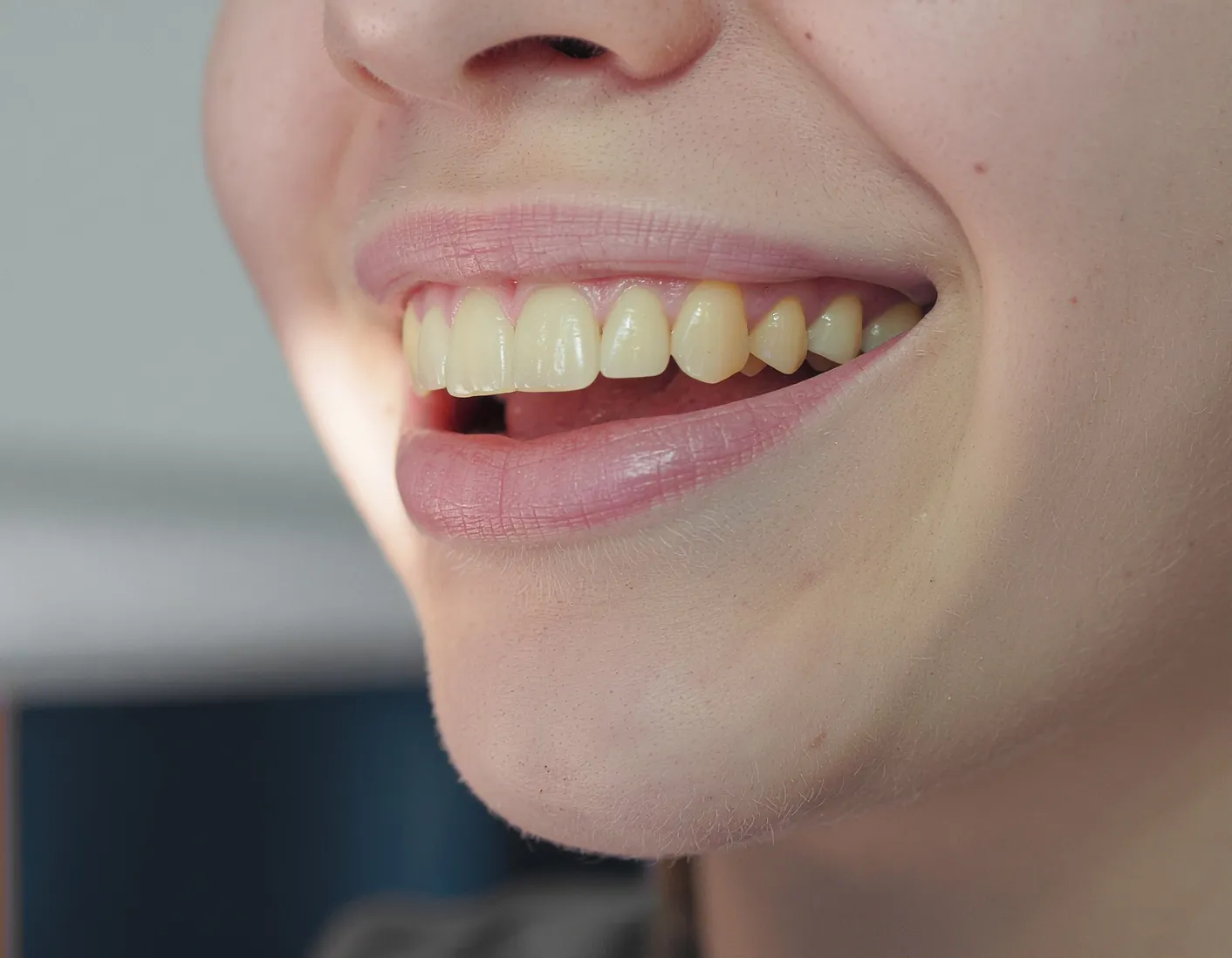
Yellow teeth: causes, diagnosis and treatment
Many people have yellow teeth even though they are healthy. The underlying colour depends on enamel and dentine. Yellow teeth are therefore not automatically a warning sign.
Über 350 Google-Bewertungen

Tooth colour is determined by the interaction of enamel and dentine
Tooth enamel is translucent. Beneath it lies dentine with a natural yellow hue. As the enamel becomes thinner, the colour appears warmer.
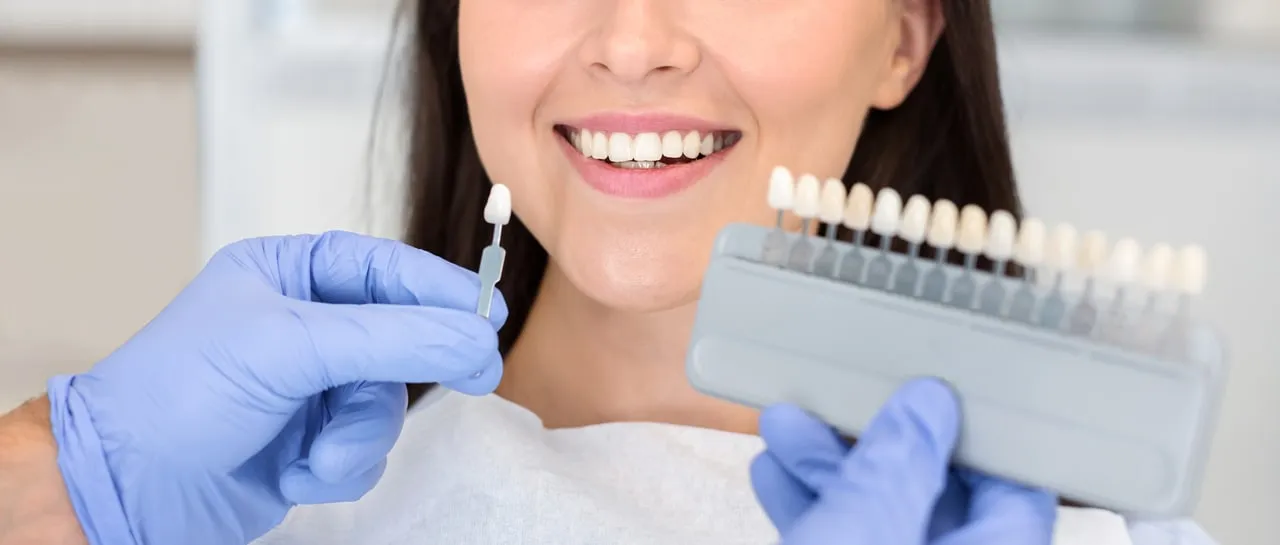
Teeth turn yellow due to external and internal factors
A distinction is made between extrinsic and intrinsic discolouration. Extrinsic refers to deposits on the surface. Intrinsic affects the tooth structure itself.
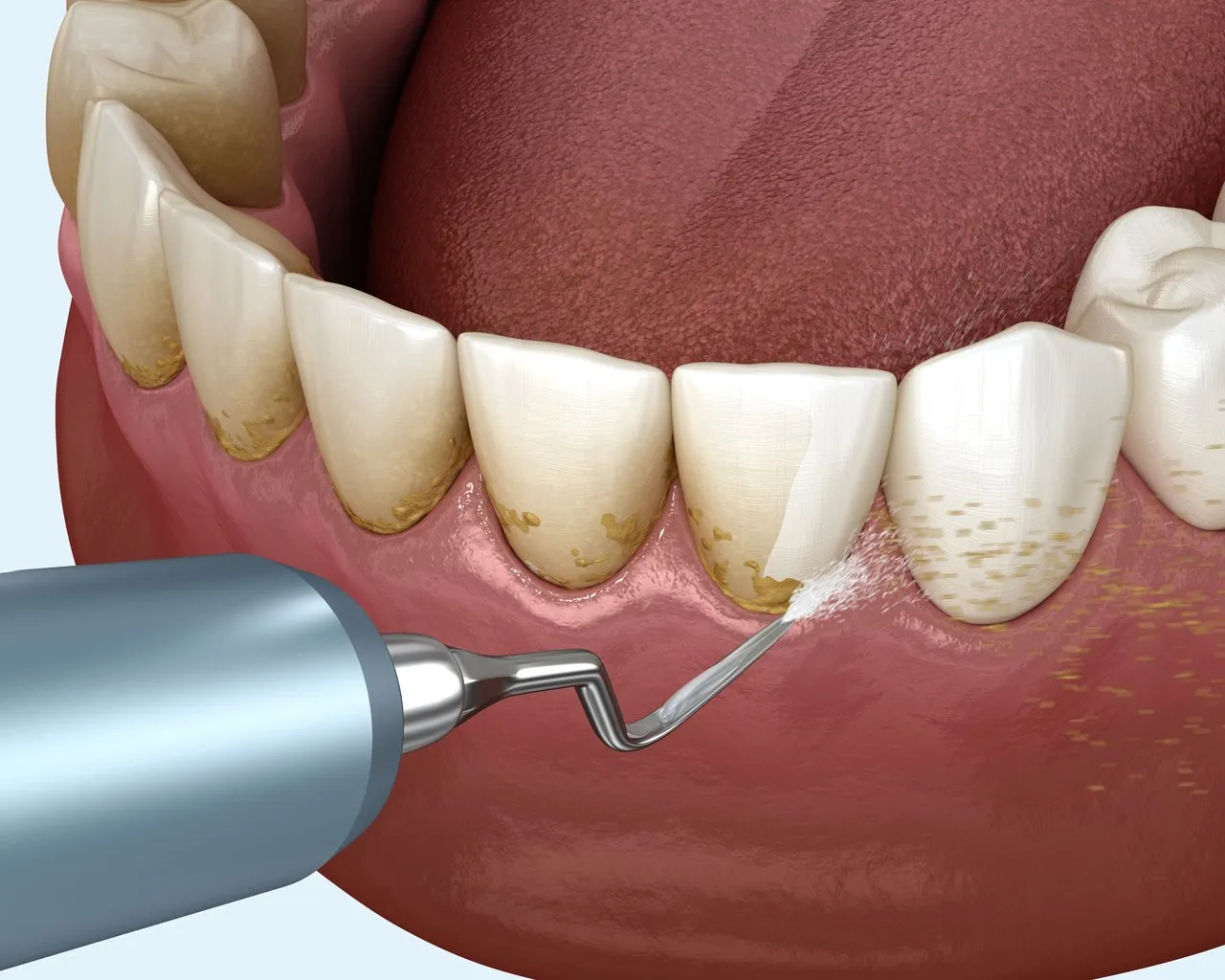
Extrinsic discolouration caused by pellicle and plaque
An acquired pellicle covers the enamel. Chromogenic pigments from food and drink attach to it. Plaque and tartar increase the retention of these pigments. Coffee, tea and red wine are typical culprits. Smoking causes nicotine products to adhere particularly firmly. Mouthwashes containing colourants can also cause discolouration.
Intrinsic discolouration in the hard tooth tissue
Intrinsic changes occur in the dentine. Enamel is often reduced by erosion or abrasion. This makes the dentine show through more clearly. Trauma also plays a role. A single tooth may darken following pulp necrosis. Endodontic materials can cause additional discolouration.
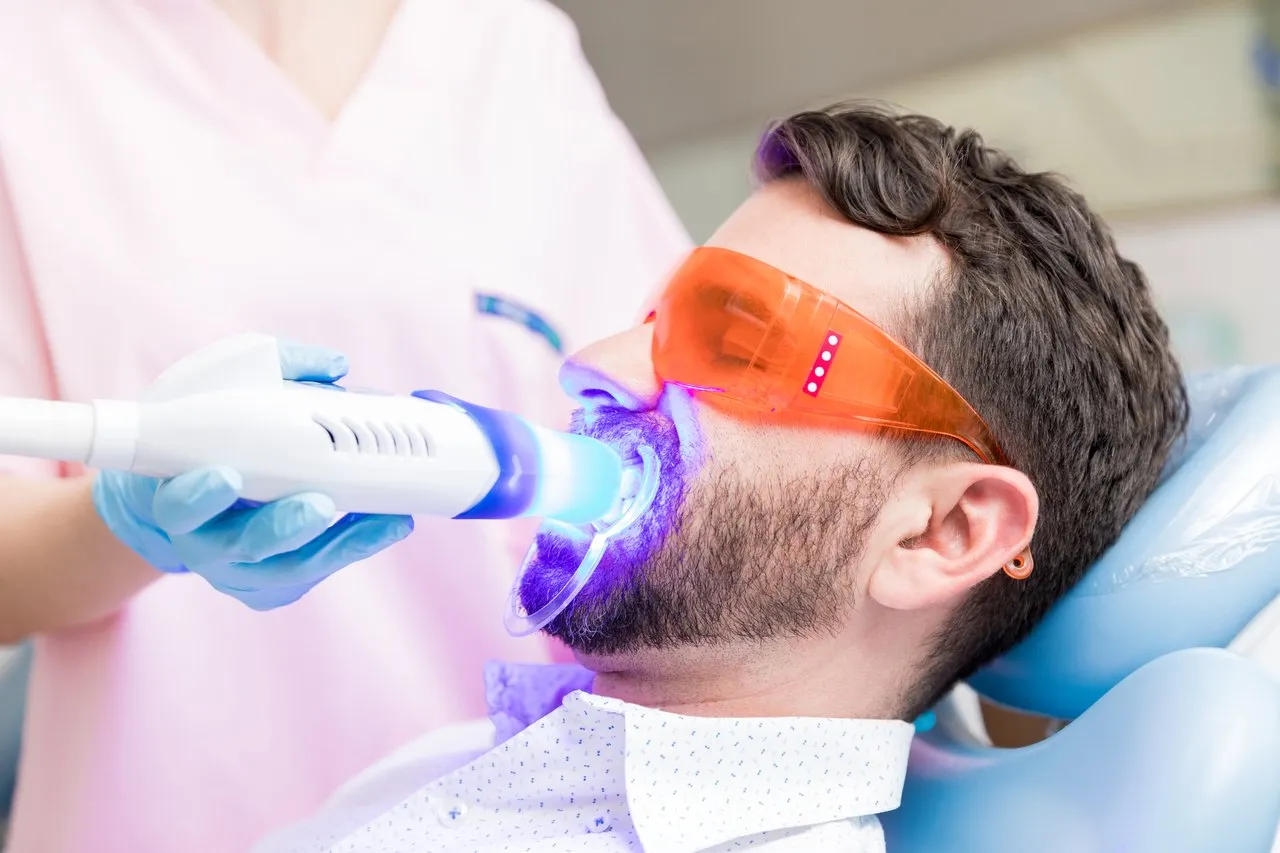
Why do teeth turn yellow over the course of our lives?
Enamel thickness often decreases with age. At the same time, dentine formation in the pulp chamber increases. Both usually make tooth colour more intense. Gum recession exposes the necks of the teeth. Cervical dentine is darker than enamel. This creates the appearance of a yellow border.
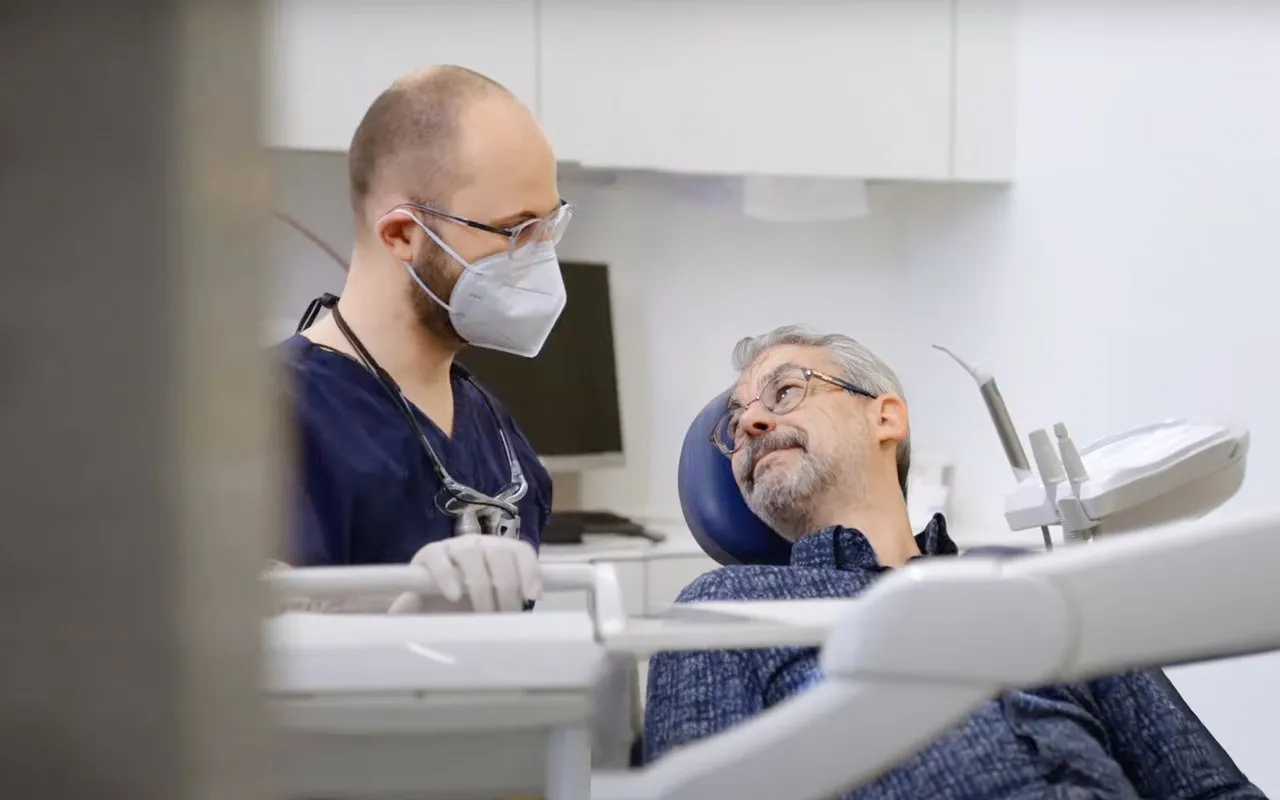
Diagnosis at the dental practice
We begin by taking a structured medical history. We ask about diet, smoking and oral hygiene. Medication and dry mouth are also relevant. We then examine deposits, tartar and surface roughness. Photographic records help with objective comparison. If a single tooth is discoloured, we test its vitality and check for leaks.
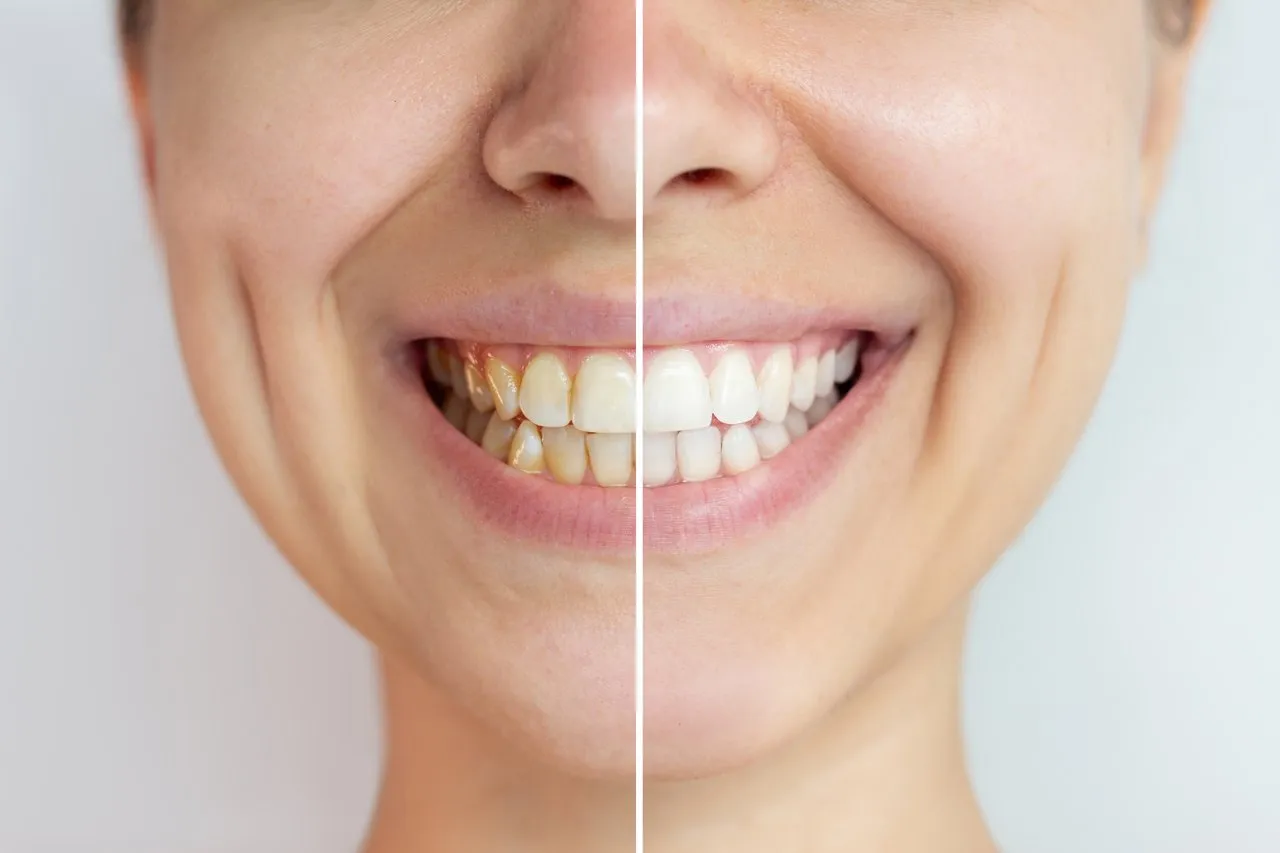
Treatment: professional cleaning as the foundation
For extrinsic deposits, preventive dental care is key. A professional dental clean removes plaque and tartar. Air polishing removes pigments from fissures and the spaces between teeth. This is followed by polishing with low abrasivity. This leaves the surface smoother and less susceptible. Fluoride varnish provides additional stabilisation for the enamel.
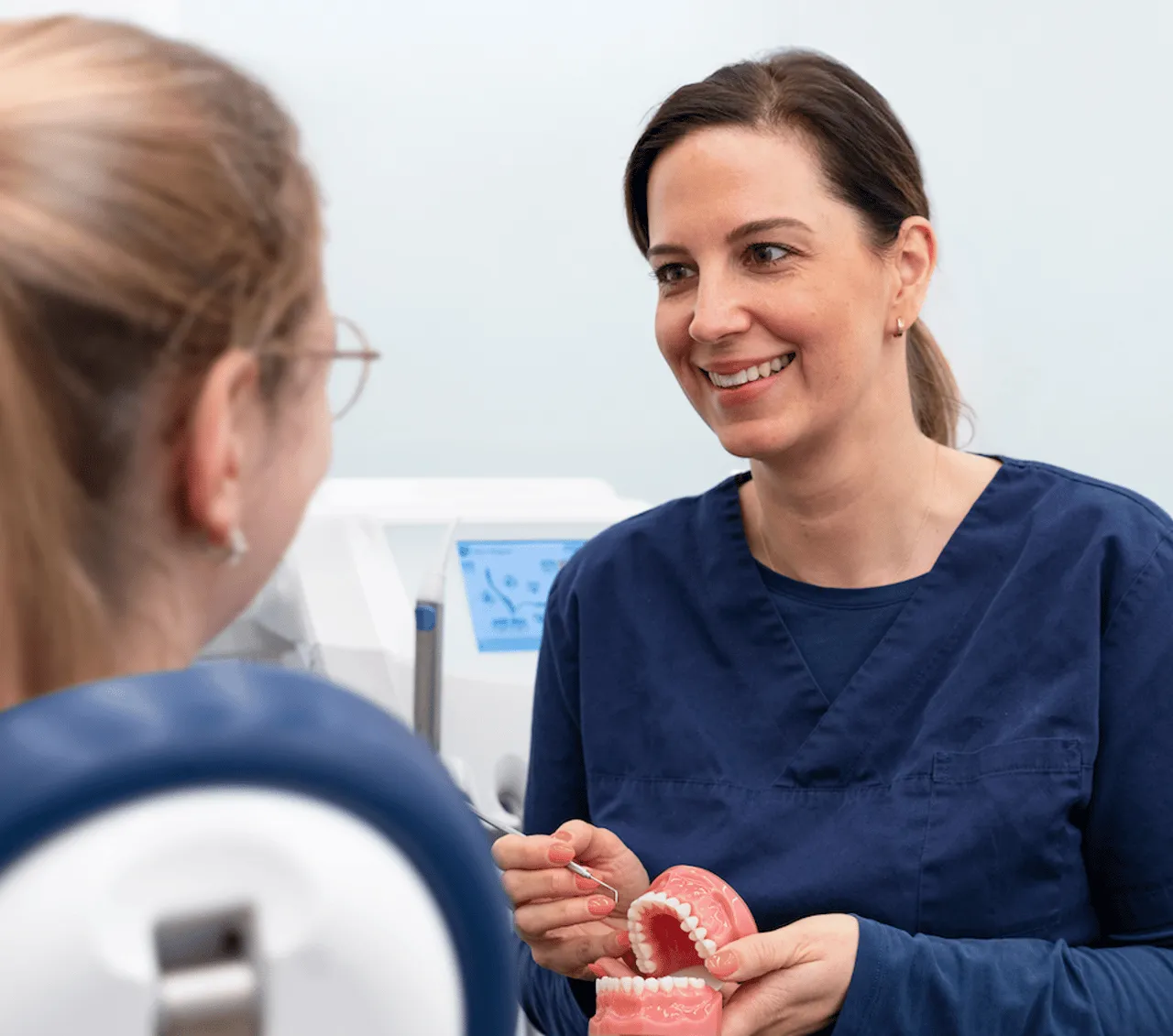
Whitening: controlled lightening of the tooth structure
Whitening usually helps with intrinsic discolouration. We use specific peroxides at safe doses. Tray-based whitening often uses carbamide peroxide. In-practice whitening usually uses hydrogen peroxide. Tooth decay and leaking margins must be treated beforehand. Otherwise, sensitivity and uneven results may occur.
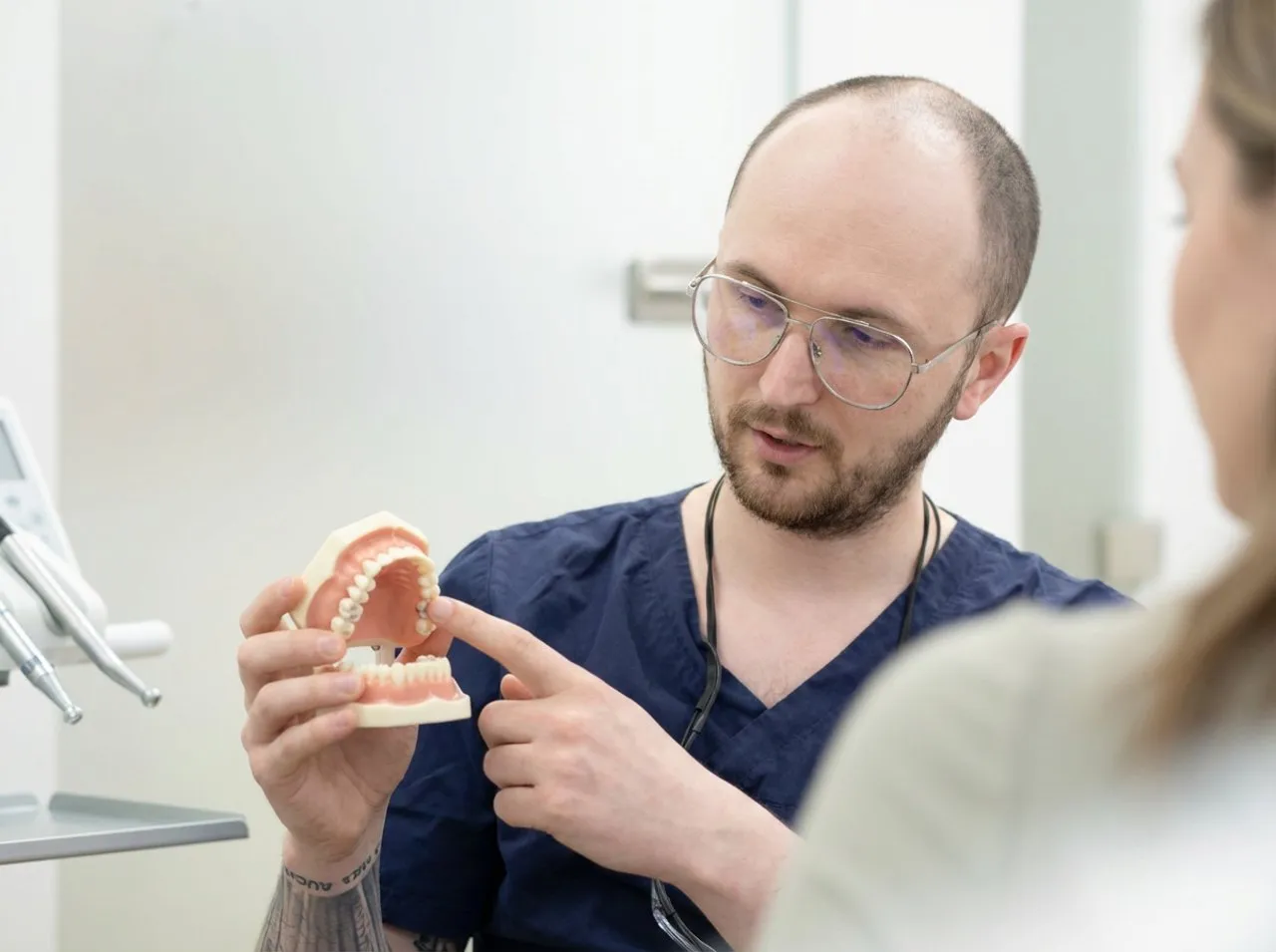
Sensitivity and protective measures
Many patients experience temporary hypersensitivity. This is caused by peroxide diffusing into the dentinal tubules. Desensitisation reduces this transmission of stimuli. We often combine fluoride and protective varnishes. A short break in treatment may also be helpful. This keeps whitening well tolerated.
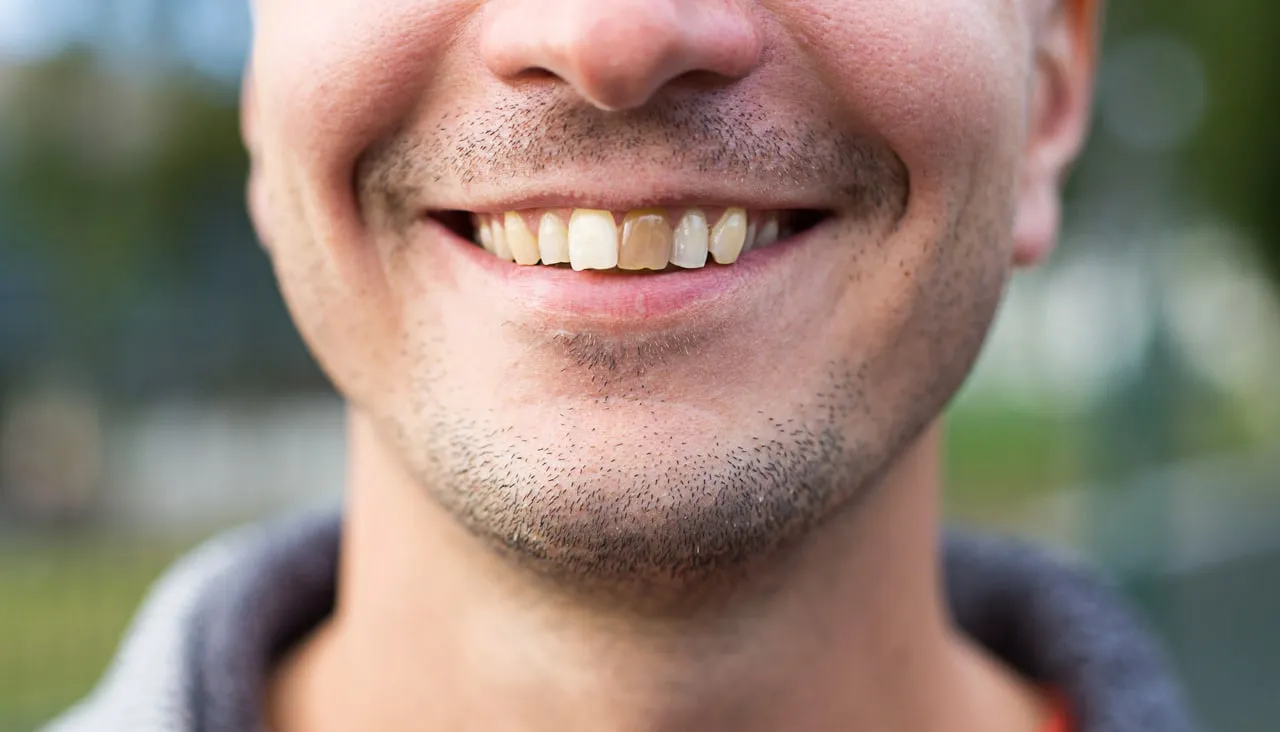
A single tooth is darker: internal whitening or restoration
After root canal treatment a front tooth sometimes becomes discoloured. Internal whitening is then an option. The gel is placed inside the pulp chamber. Large defects require a restoration. Veneers or crowns can harmonise colour and shape. The decision depends on the remaining tooth structure and occlusion.

Taking sensible action at home without damaging enamel
Avoid aggressive home remedies such as bicarbonate of soda. They increase abrasion and roughen the enamel. Pigments then accumulate more quickly. Use interdental brushes that match the width of the spaces between your teeth. Clean your tongue regularly too. This reduces biofilm-associated odours and deposits.
Choosing the right dental care products
Whitening toothpastes generally work through abrasive particles. Look for a moderate RDA value. This is particularly important if the necks of your teeth are exposed. An electric toothbrush often improves plaque control. Pressure sensors protect against brushing trauma. Fluoride remains the most important protective factor.
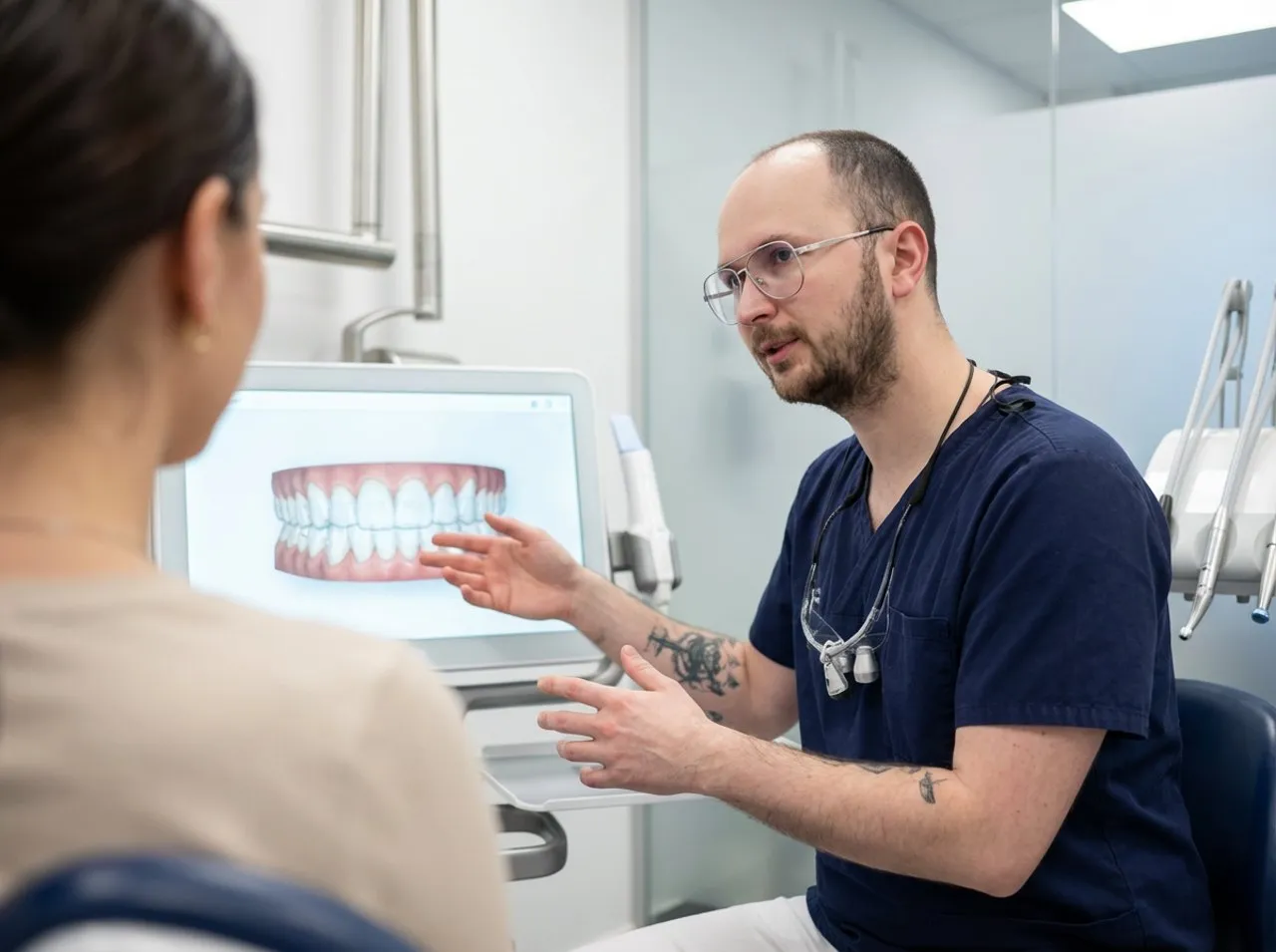
When is an appointment advisable?
Come and see us if spots appear suddenly. Pain or sensitivity should also be investigated. At Wunschlachen in Berlin, we provide personalised advice. We develop a plan combining preventive care and aesthetics. This keeps the result natural and stable over the long term. We are also happy to check existing fillings for colour matching.
FAQs about discolouration and whitening
Start with a professional dental assessment. A professional dental clean with air polishing and polishing is often sufficient. The need for whitening can then be assessed reliably.
Reduce your intake of chromogenic drinks and rinse with water afterwards. Do not brush immediately after exposure to acid. It is better to wait around 30 minutes.
Preventive care at the dental practice usually helps with surface deposits. Whitening is more effective for internal discolouration. Leaking fillings should be replaced beforehand.
Have the cause identified. Extrinsic means deposits; intrinsic means the tooth structure. Treatment is tailored precisely to this classification.
The spaces between the teeth are often not cleaned adequately. Abrasion caused by too much pressure is also common. In addition, coffee and tobacco cause very persistent staining.
Opt for gentle preventive care and fluoride. Receding gums need protection from abrasion. Gentle tray-based whitening is often possible.
Teeth can be cleaned, whitened or restored. Which option is suitable depends on the tooth structure and your expectations. We often combine several steps.
To some extent, yes, within biological limits. The aim is a harmonious shade that does not look artificial. Restorative materials must be adjusted if necessary.
These toothpastes usually remove superficial pigments. They do not bleach the tooth in the same way as peroxides. Choose a toothpaste with moderate abrasivity.
The decision follows an examination and photographic shade comparison. Tooth decay, cracks and receding gums must be assessed beforehand. The risks and benefits can then be weighed up carefully.
Book your appointment now
We would be happy to advise you in person at our practice.