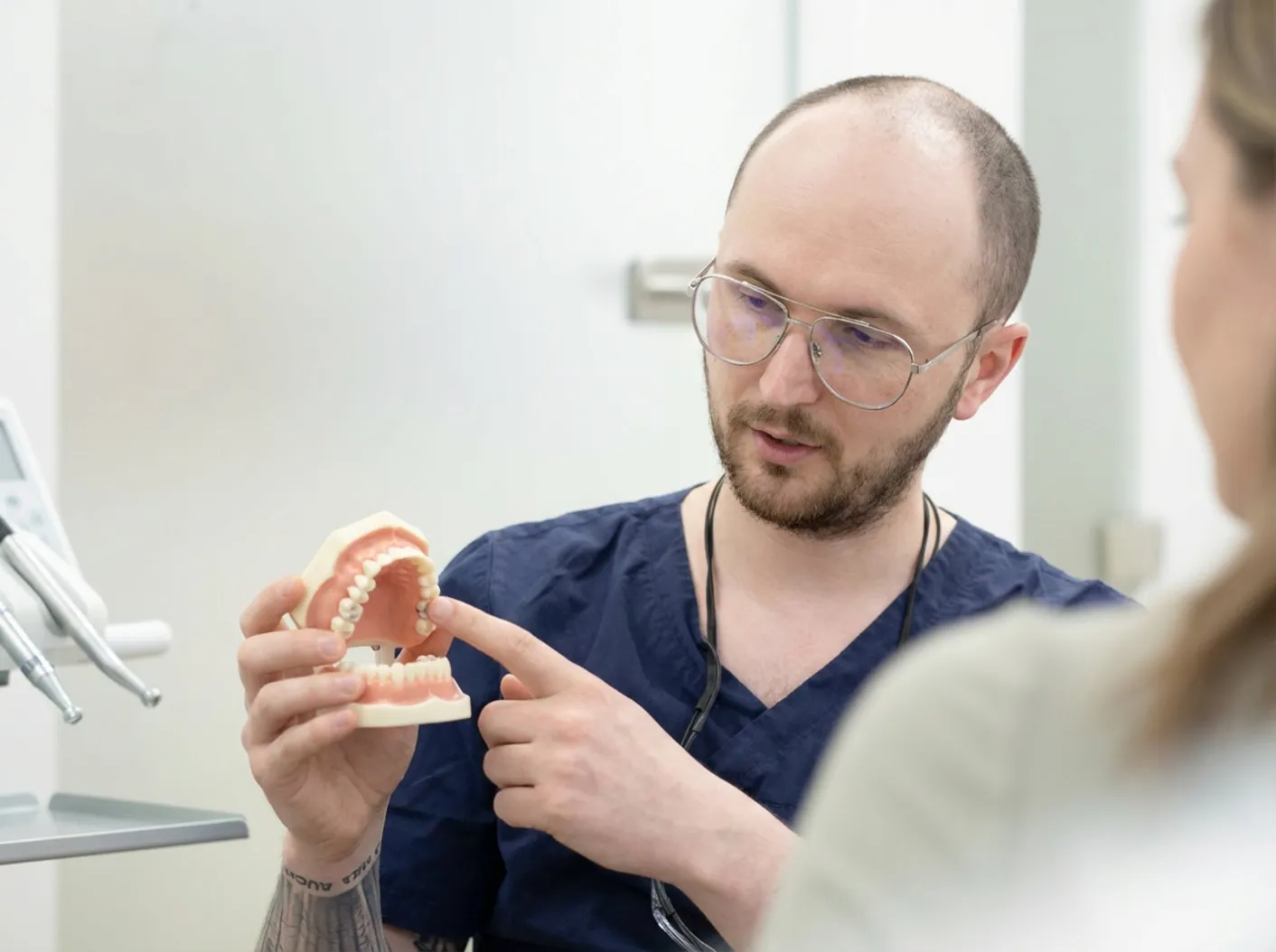
Bacterial infection in the mouth: symptoms and treatment
A bacterial infection in the mouth can quickly cause severe symptoms. It often starts innocuously. Without treatment, it can spread. Bacteria find many niches in the mouth. The spaces between teeth and gum pockets are typical locations. Small wounds can also provide entry points.
Über 350 Google-Bewertungen
What does “bacterial infection in the mouth” mean?
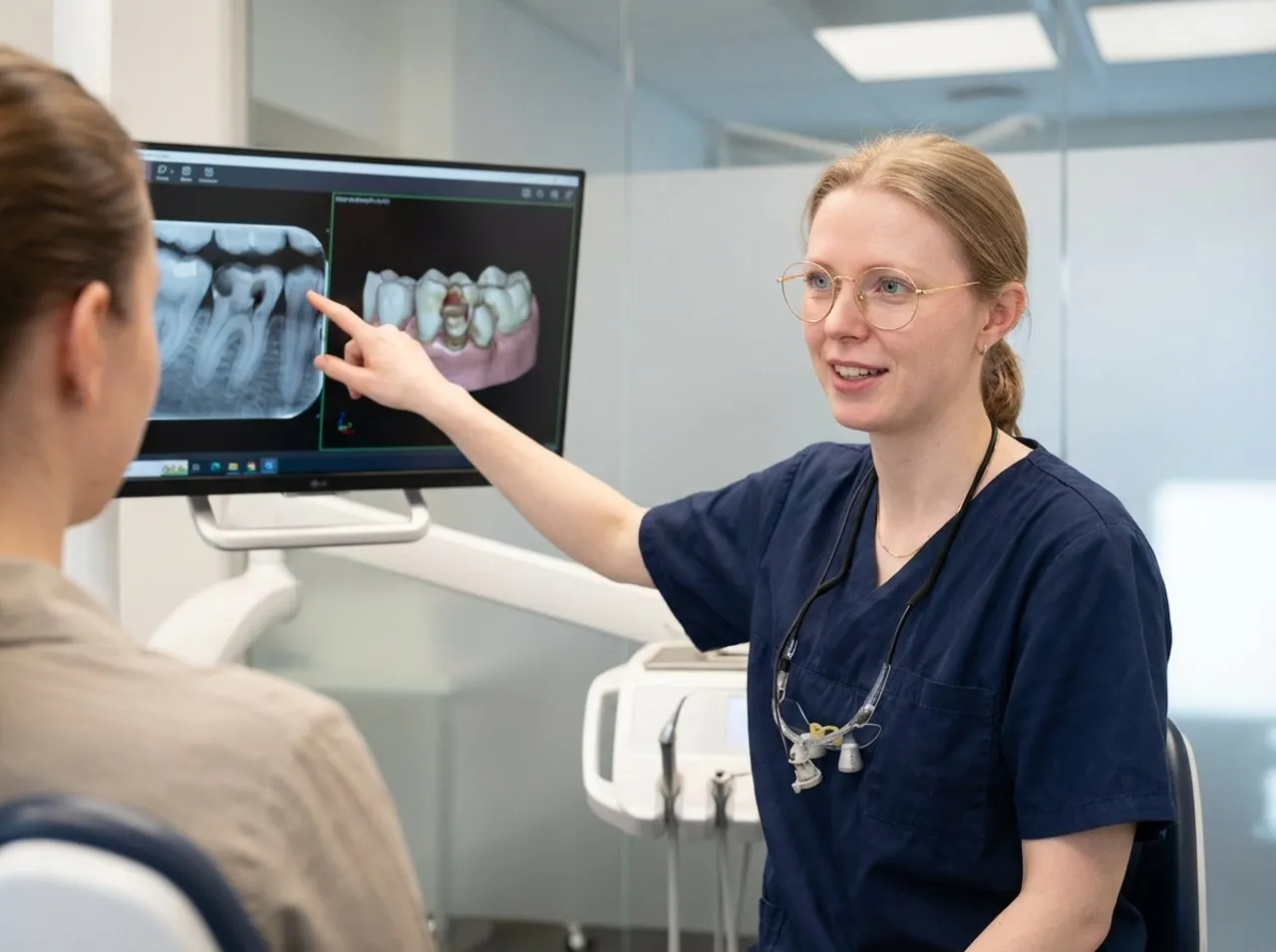
With a mouth infection, disease-causing germs multiply in the tissue. This leads to inflammation. The gums, dental nerve or jawbone are often affected. The cause is rarely simply “bad teeth”. Several factors usually come together. These include plaque, a dry mouth and a weak immune system.
Common causes in everyday dental practice
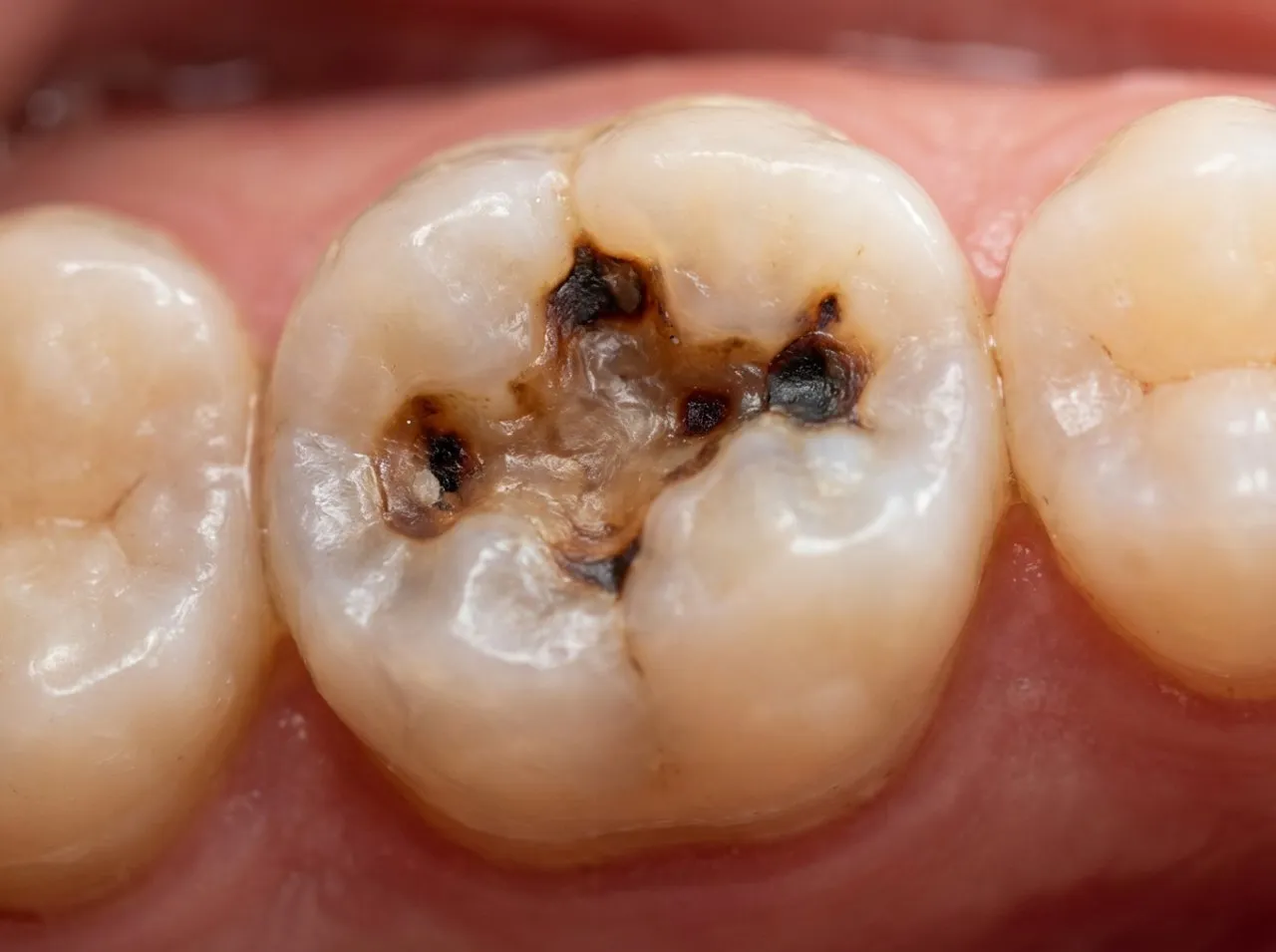
Tooth decay is a classic cause. Bacteria convert sugar into acids. The tooth becomes porous and sensitive. If germs penetrate deeper, pulpitis develops. The dental nerve responds with severe throbbing. If left untreated, an abscess can develop. Gingivitis is also common. Plaque irritates the gums. They bleed more readily and become swollen. If the inflammation persists, periodontitis may follow. This breaks down the supporting fibres and bone. These are also known as periodontal diseases. Other triggers include ill-fitting crowns or dentures. They make cleaning more difficult, creating new niches for bacteria. A wound can become infected after a procedure. This also applies after an extraction. Good aftercare is then important.

Typical symptoms and warning signs
Many people affected feel pressure or a burning sensation. Bad breath can also occur. Sometimes taste changes. The gums are often red and warm. Bleeding occurs when brushing. This is an early warning sign. An abscess causes swelling. Pus may leak out. There is often severe, throbbing toothache. Fever and listlessness indicate a more severe infection. Difficulty swallowing is also possible. If this happens, you should act quickly.
Why an infection can spread
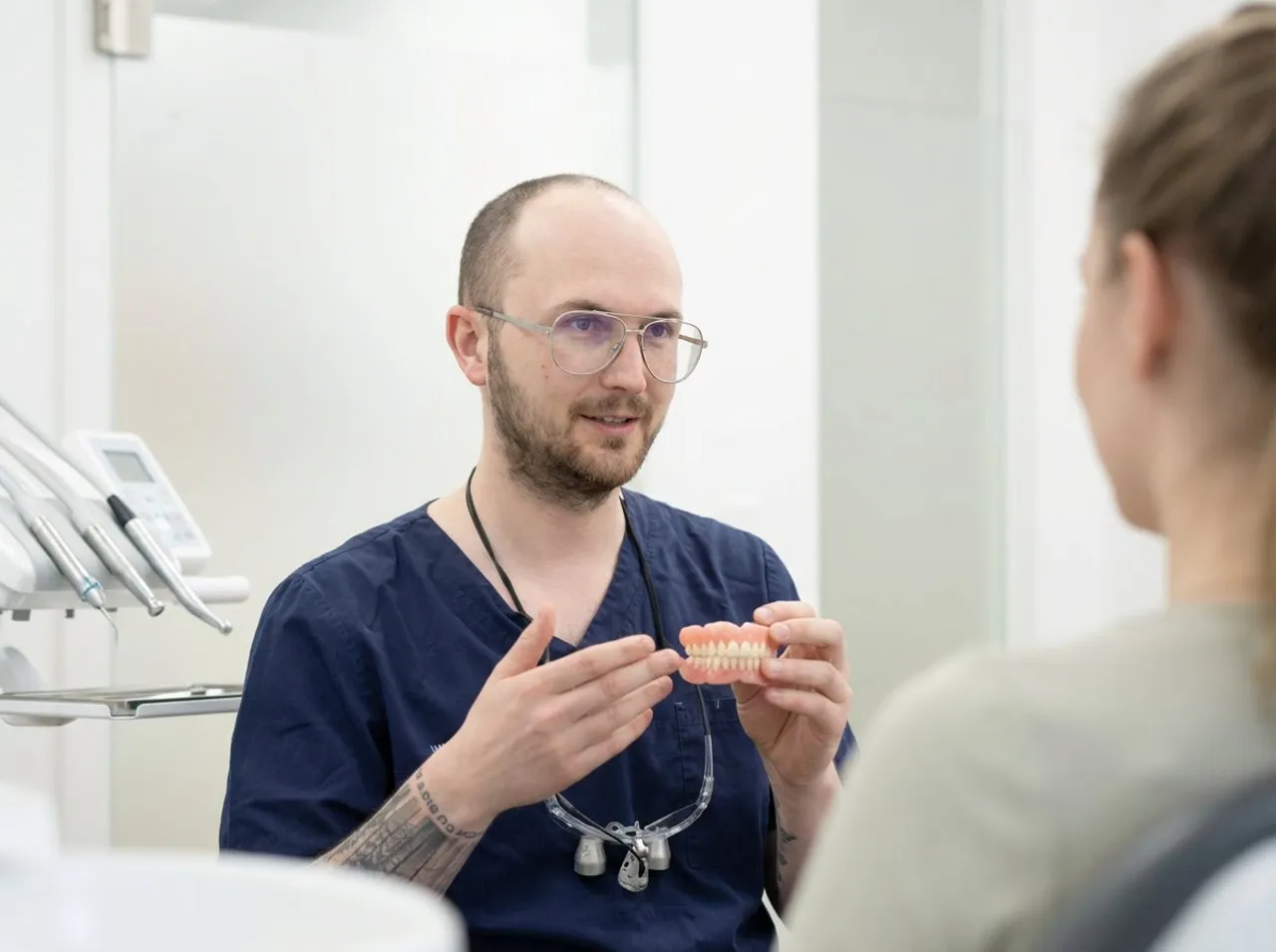
Bacteria use tissue spaces and the bloodstream to reach neighbouring areas. Deep gum pockets are particularly risky. Another factor is an untreated focus of infection at a tooth root. Germs are well protected there. They can reach the jawbone. Some patients remain unaware of an infection for a long time. This is the case with chronic periodontitis. Damage then develops gradually.
Diagnosis at the dental practice
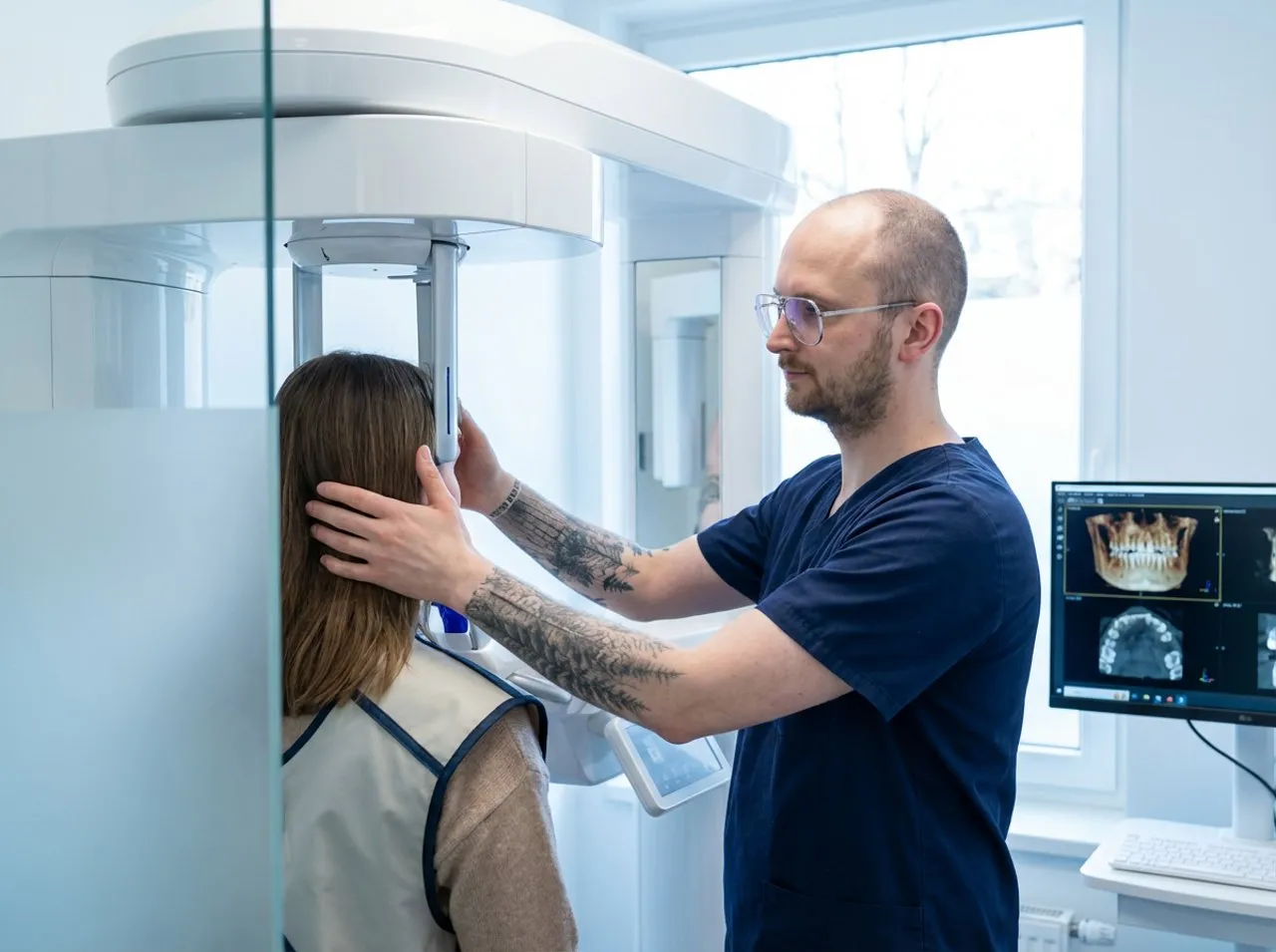
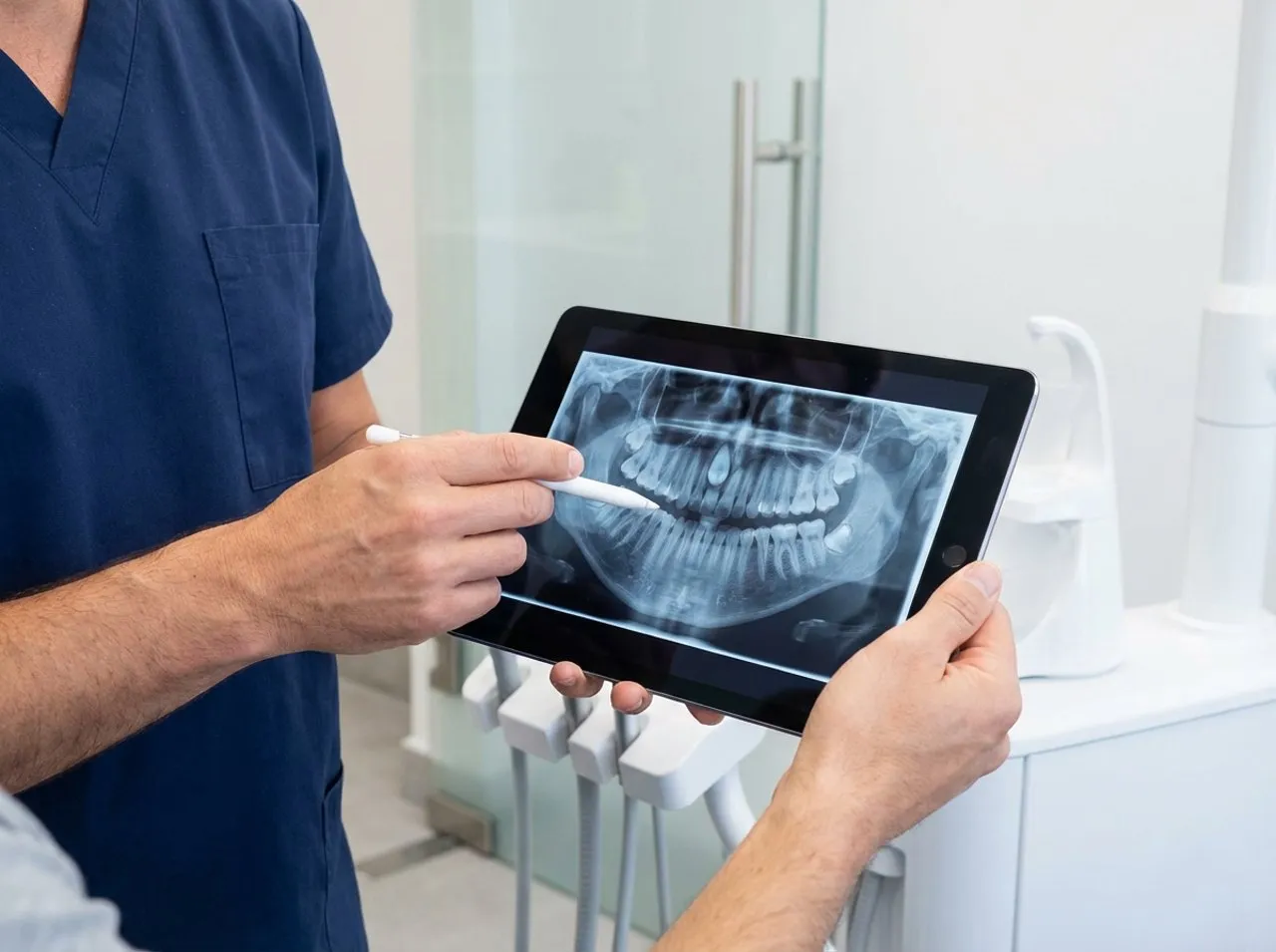
We start with a thorough examination, checking the teeth, gums and gum pockets. Sensitive areas are tested carefully. X-rays reveal hidden foci of infection, allowing us to detect inflammation at the root. Bone loss can also be assessed. If necessary, we measure the pocket depths. This helps with diagnosing periodontitis, so we can plan treatment in a targeted way.
Treatment: what really helps
Treatment depends on the source. First, we remove plaque and bacterial films. This significantly reduces the bacterial load. For gingivitis professional cleaning is often sufficient. Suitable oral hygiene advice also helps. Follow-up appointments ensure the treatment is successful. Periodontitis requires systematic treatment. The pockets are cleaned and smoothed. In some cases, surgical treatment follows. If tooth decay is deep, we treat the tooth. Sometimes a filling is sufficient. If the nerve is affected, root canal treatment is necessary. An abscess often needs to be drained. We open and irrigate the area, reducing pressure and pain. Antibiotics are not always necessary. They are used in severe cases. The correct choice and duration are important. Painkillers can help in the short term, but they are no substitute for treatment. Self-treatment alone is risky.
What you can do yourself
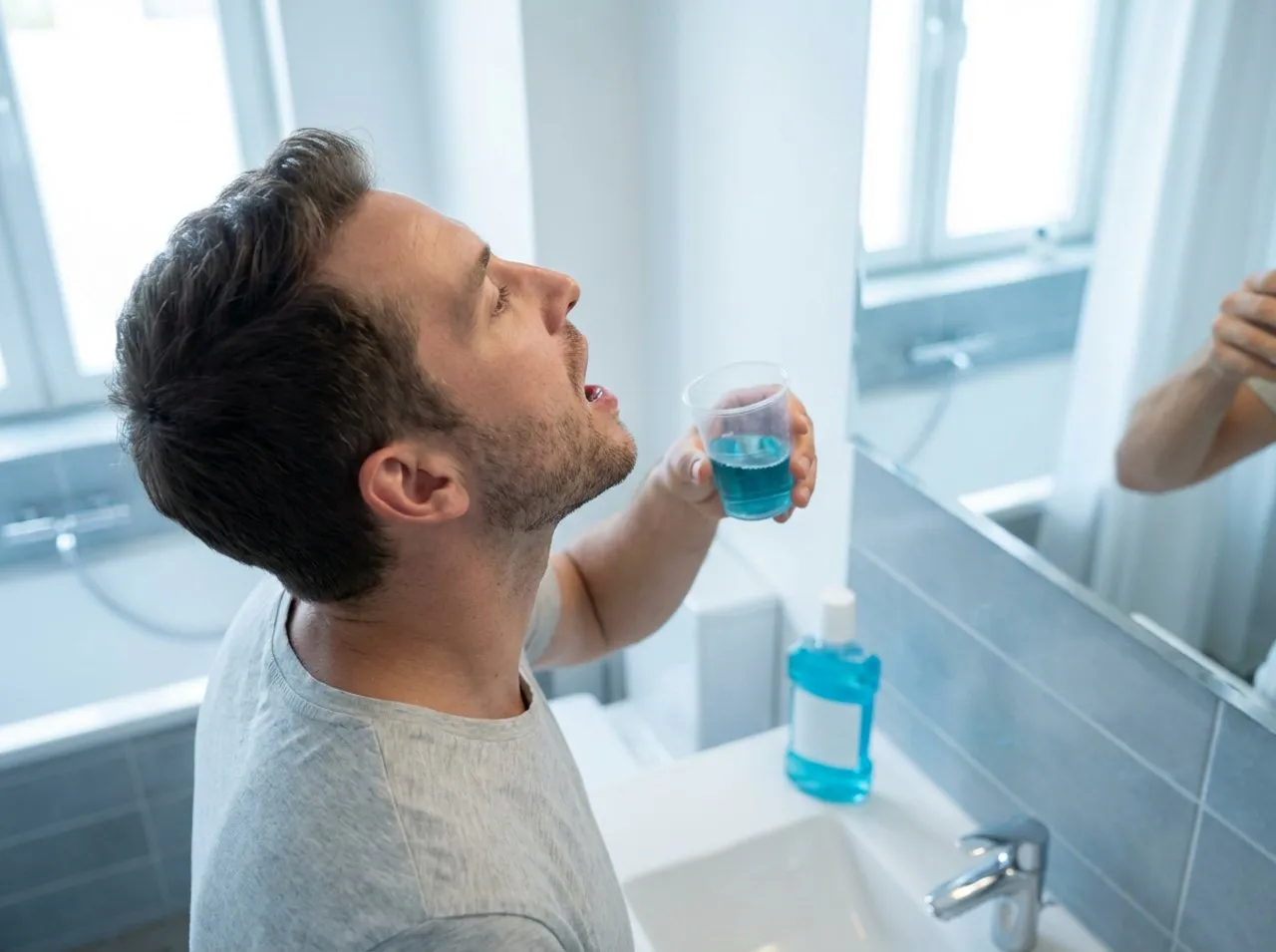
Brush thoroughly twice a day. Also use interdental brushes. This reduces plaque in narrow spaces. An antibacterial mouthwash can be useful temporarily. Use it as recommended. Continuous use is not ideal. Avoid smoking. Nicotine impairs blood circulation, so tissue heals more slowly. Drink enough water. Saliva protects against germs. A dry mouth increases the risk.

When you should act immediately
Severe facial swelling is a warning sign. The same applies to fever. Breathing or swallowing problems are also emergencies. You should come in if pain increases rapidly, especially if pus is present. Waiting often makes the situation worse.
Prevention: how to keep your mouth healthy
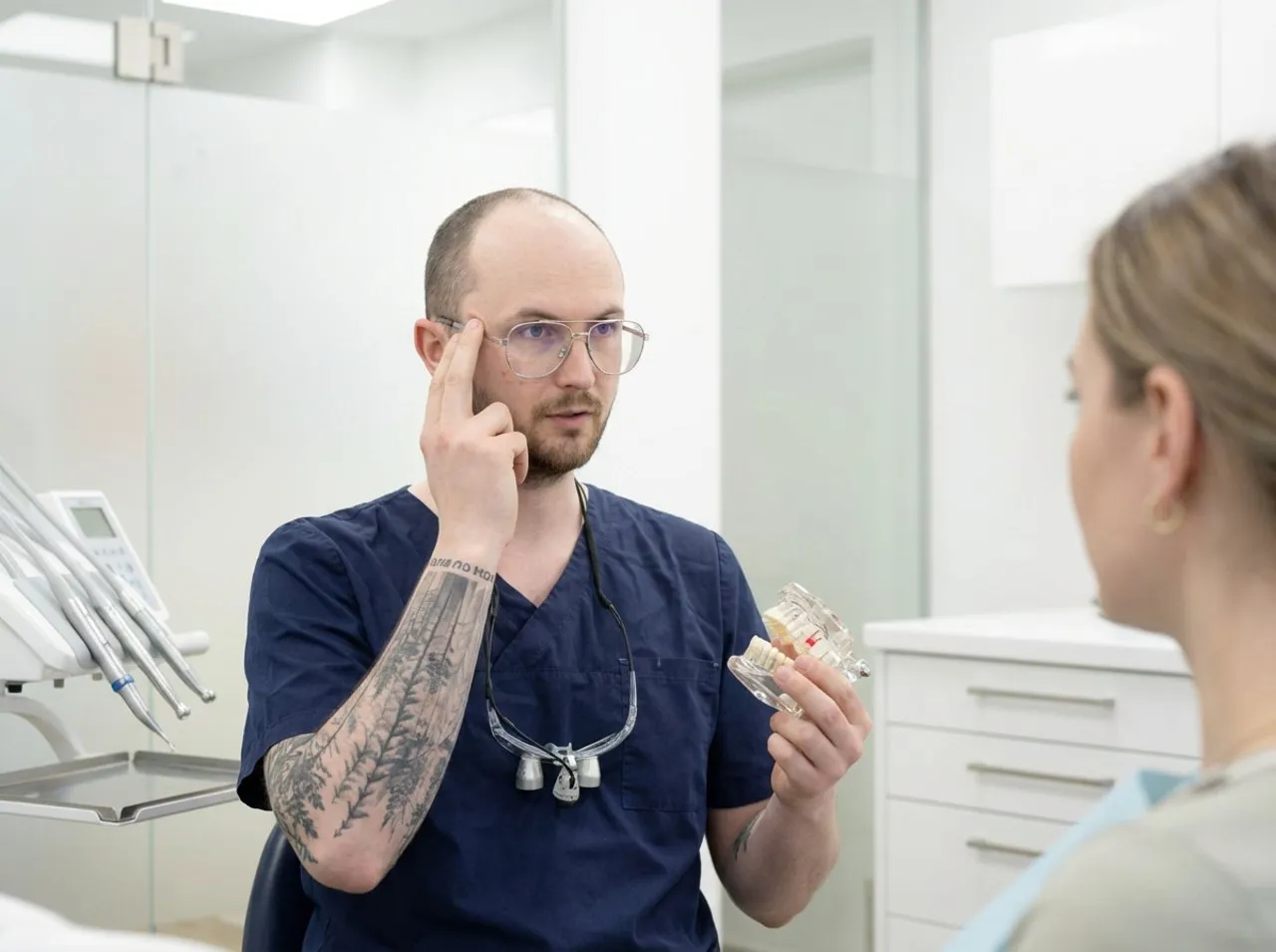
Regular check-ups are essential. We detect early changes, preventing deep-seated inflammation. Professional dental cleaning complements oral hygiene. It removes hard deposits and also reduces discolouration. People prone to periodontitis need more frequent appointments. This includes supportive periodontal therapy, which stabilises the result in the long term.

Treatment at Wunschlachen in Berlin
At our Wunschlachen practice, we take inflammation seriously. We work in a structured and gentle manner. Your comfort remains our priority. We explain our findings and your options clearly. You receive a clear plan, giving you confidence throughout the process. If you suspect a bacterial infection in your mouth, contact us. Early assessment often reduces the amount of treatment needed. It also protects your teeth and bones.
FAQs – Frequently asked questions about bacterial infections in the mouth
Typical signs are redness, bleeding, bad breath and pain when pressure is applied. Swelling is also possible.
Bacteria can be transmitted, but not every transmission causes illness. Your immune system is the decisive factor.
For fever, a spreading abscess or severe general symptoms. The dentist makes the decision.
Yes, it is triggered by bacterial plaque. Risk factors such as smoking also play a role.
Gingivitis only affects the gums. Periodontitis also attacks the bone and supporting structures.
As quickly as possible. An abscess can spread rapidly and cause severe pain.
They can relieve symptoms, but they do not replace dental treatment.
Yes, peri-implantitis is possible. Regular check-ups reduce the risk.
Remove plaque, clean your tongue and care for the spaces between your teeth. If bad breath persists, the causes should be investigated.
Good oral hygiene, check-ups and professional cleaning help. Not smoking is also important.