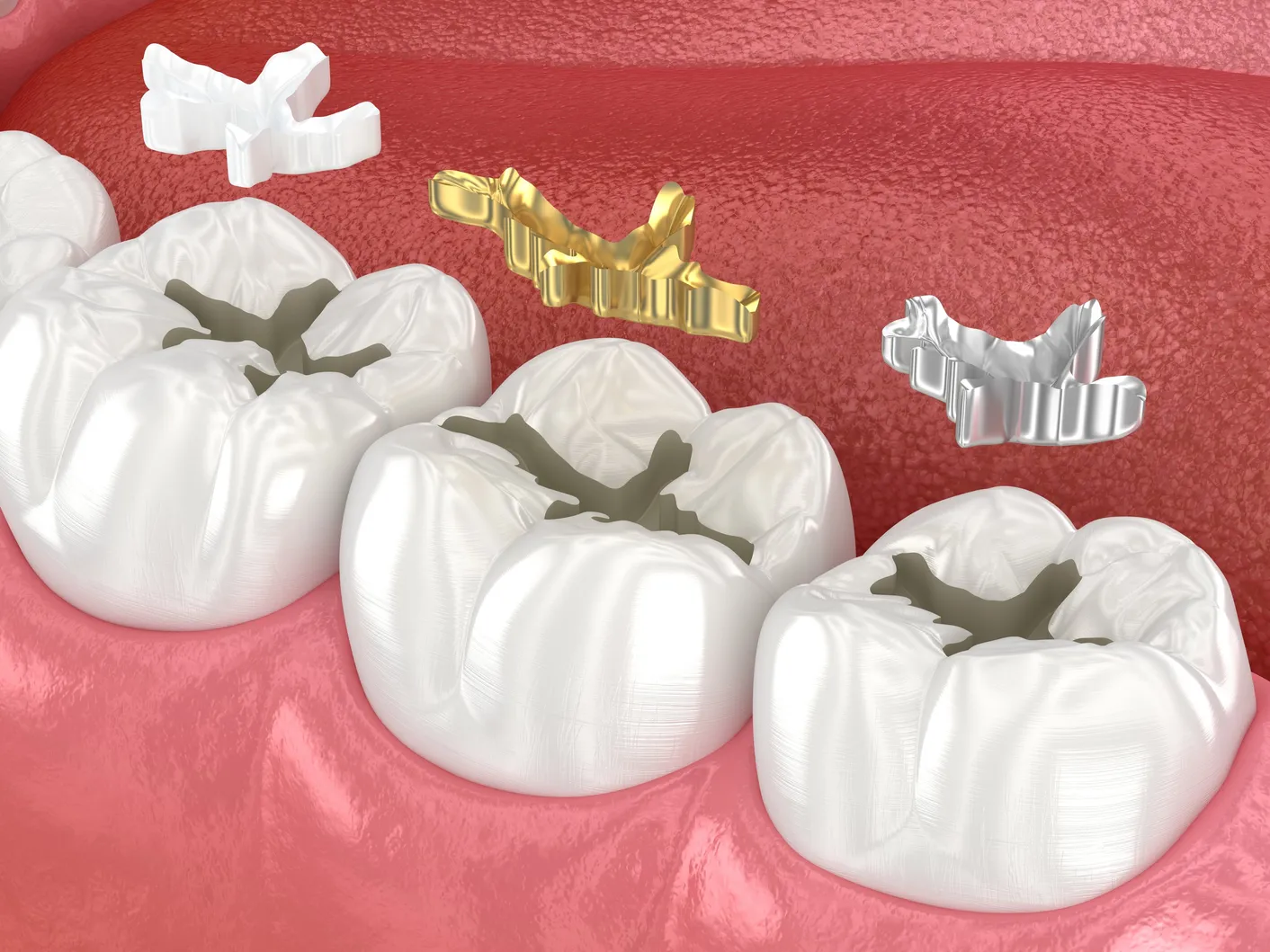
Materials for dental restorations at Wunschlachen Berlin
A radiant smile that not only looks beautiful but is also functional. This is what many patients want. If one or more teeth are missing, modern dental restorations offer numerous solutions. However, it is not only the shape of the dental restoration that matters, but also the material used for it...
Über 350 Google-Bewertungen
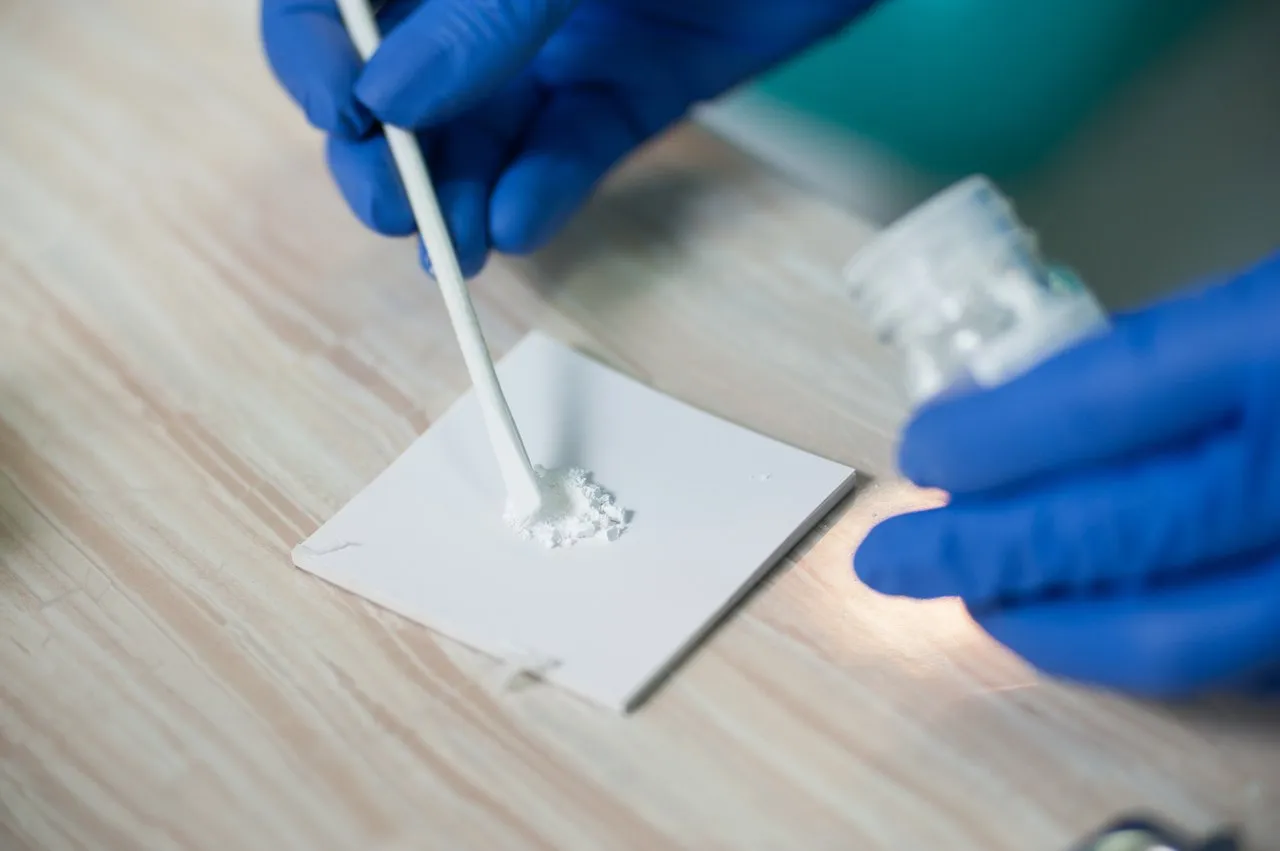
Which material is best for dental restorations?
There is no general answer to this question, because the material used for a dental restoration should always suit your personal situation. Factors such as the position of the gap, aesthetic requirements, allergies, chewing habits, budget and general oral health influence the choice. At our practice, we use tried-and-tested materials and modern techniques to offer you a tailored solution. Below, we present the most important materials for dental restorations, along with their advantages and special features.
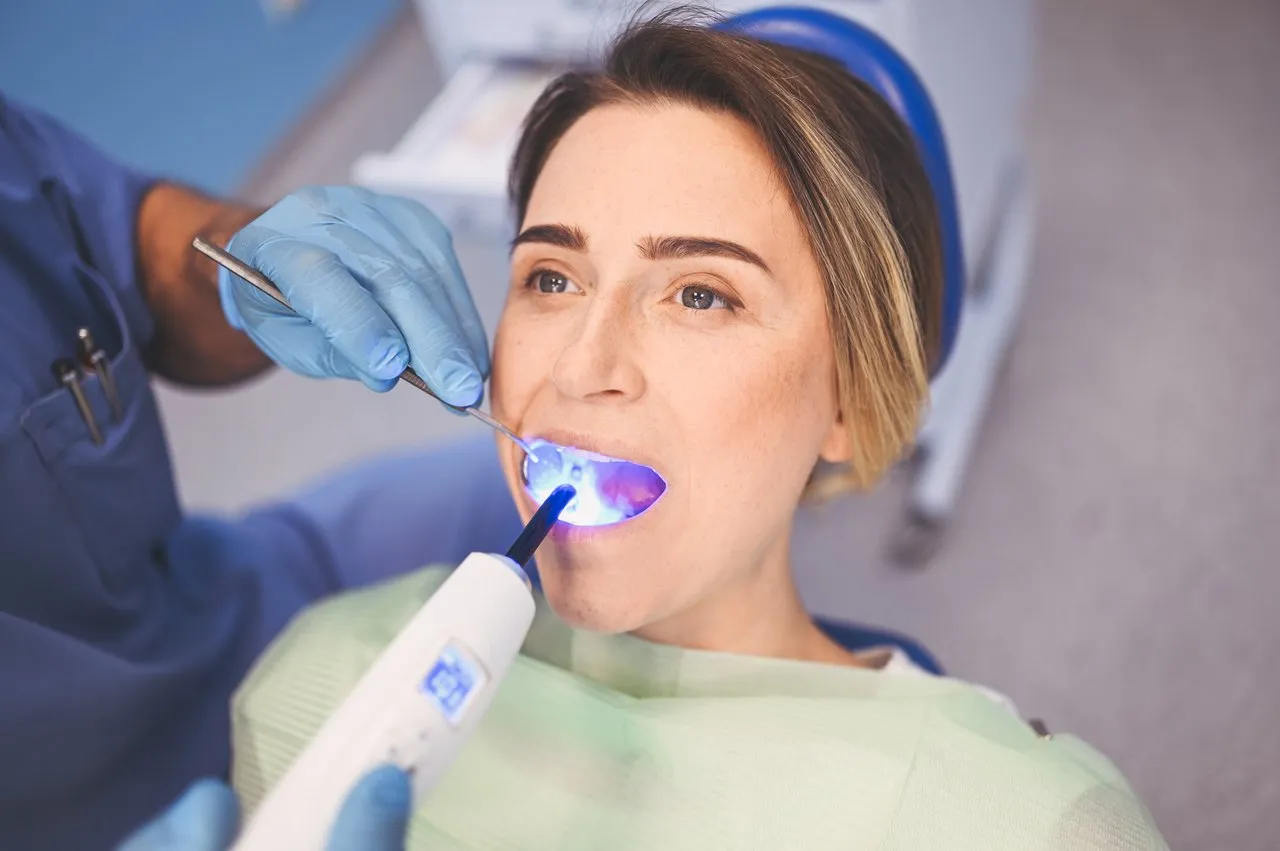
Metal dental restorations – stable and tried and tested
Conclusion: Metal alloys are considered a particularly durable material for dental restorations, especially in areas that are not visible.
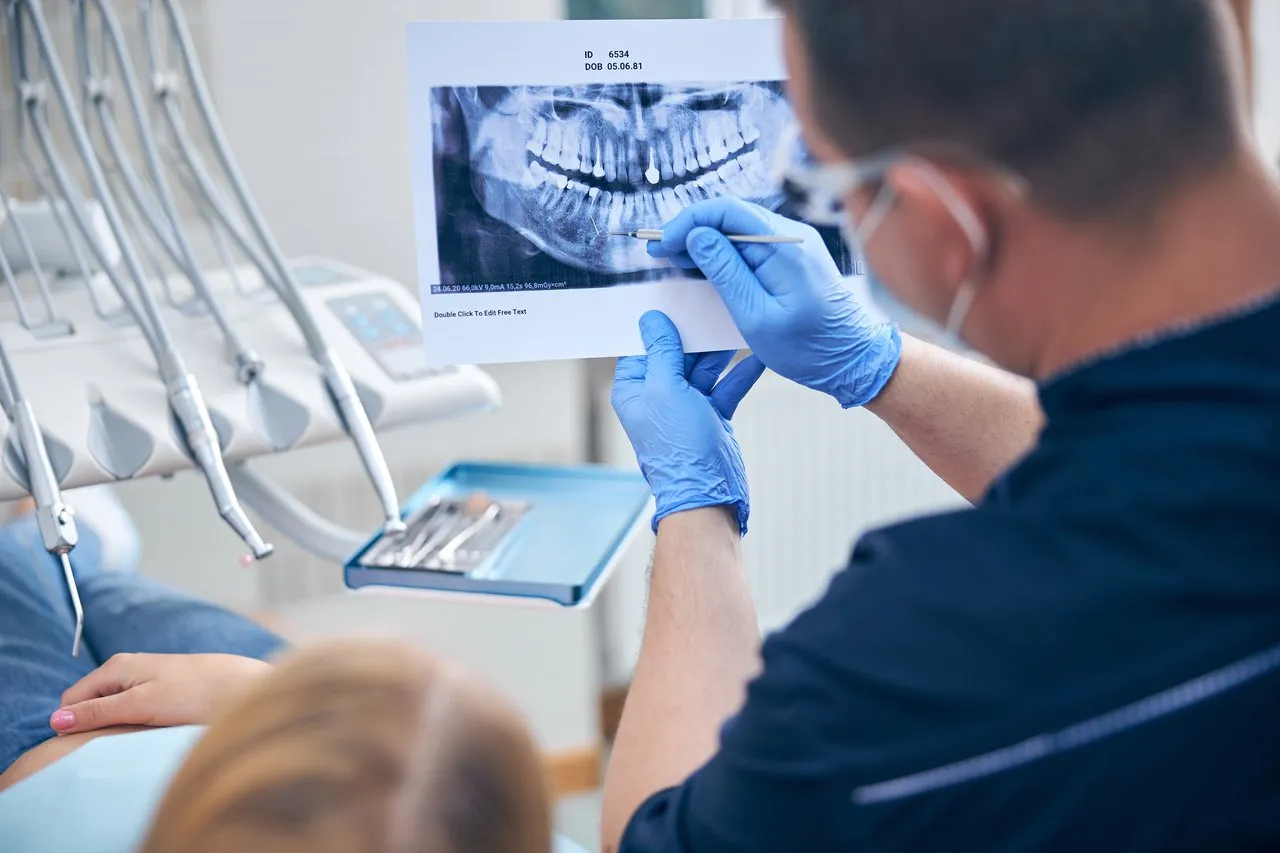
Ceramic: the most popular material for aesthetically pleasing dental restorations
Ceramic is the most aesthetically appealing material for dental restorations and is ideal for visible front teeth. Its colour can be customised and its smooth surface reduces plaque build-up. This is a major advantage for oral hygiene. Advantages of ceramic: • Excellent aesthetics • Biocompatible • Very good long-term prognosis
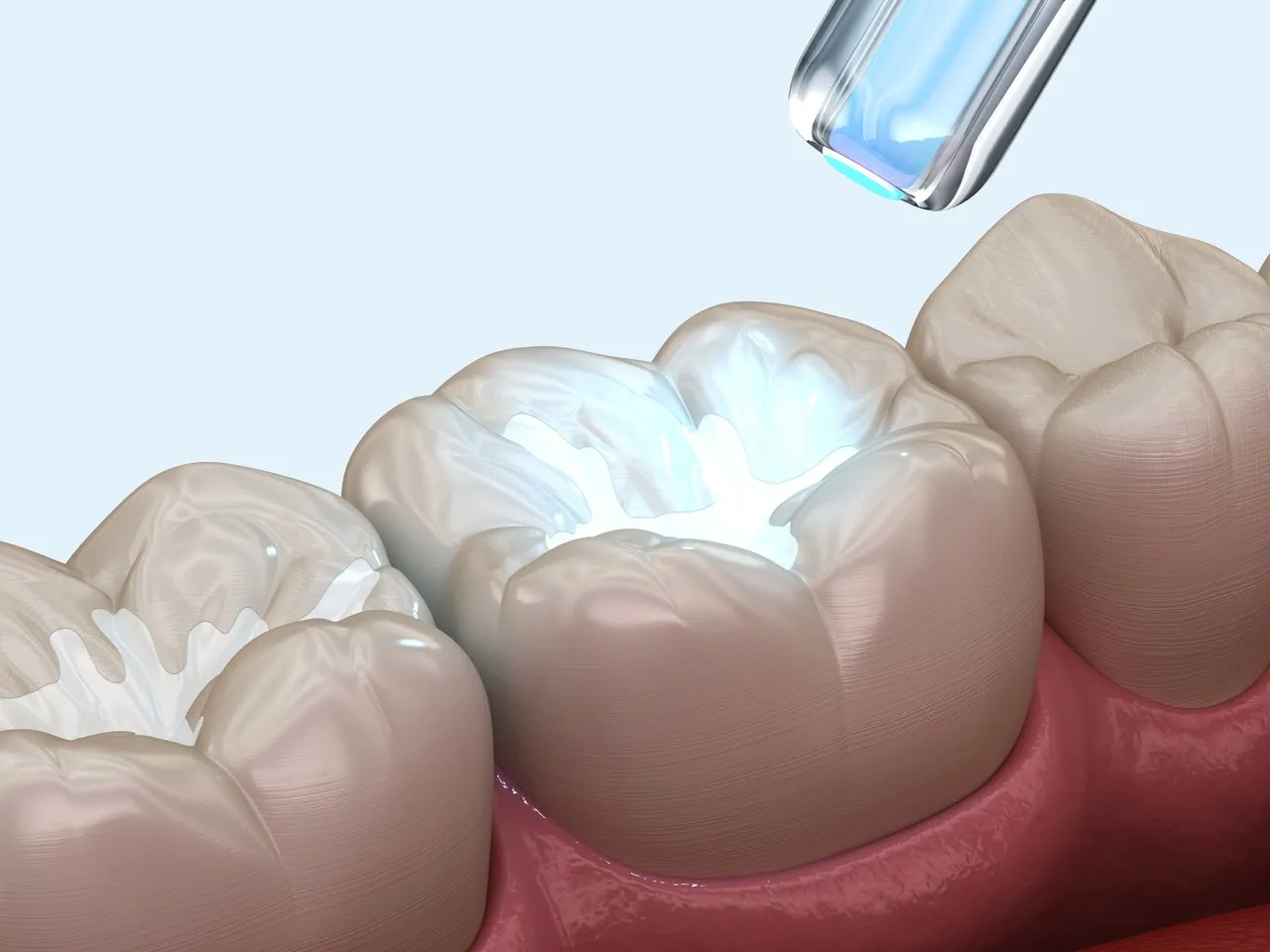
Plastic for dentures: flexible and cost-effective
Plastic is often used for temporary restorations, partial dentures or as a veneering material. High-performance plastics and composites containing quartz or glass are now available to increase durability. Conclusion: Plastic is well suited to temporary dental restorations or as a low-cost alternative, but not as a long-term solution where chewing loads are high.
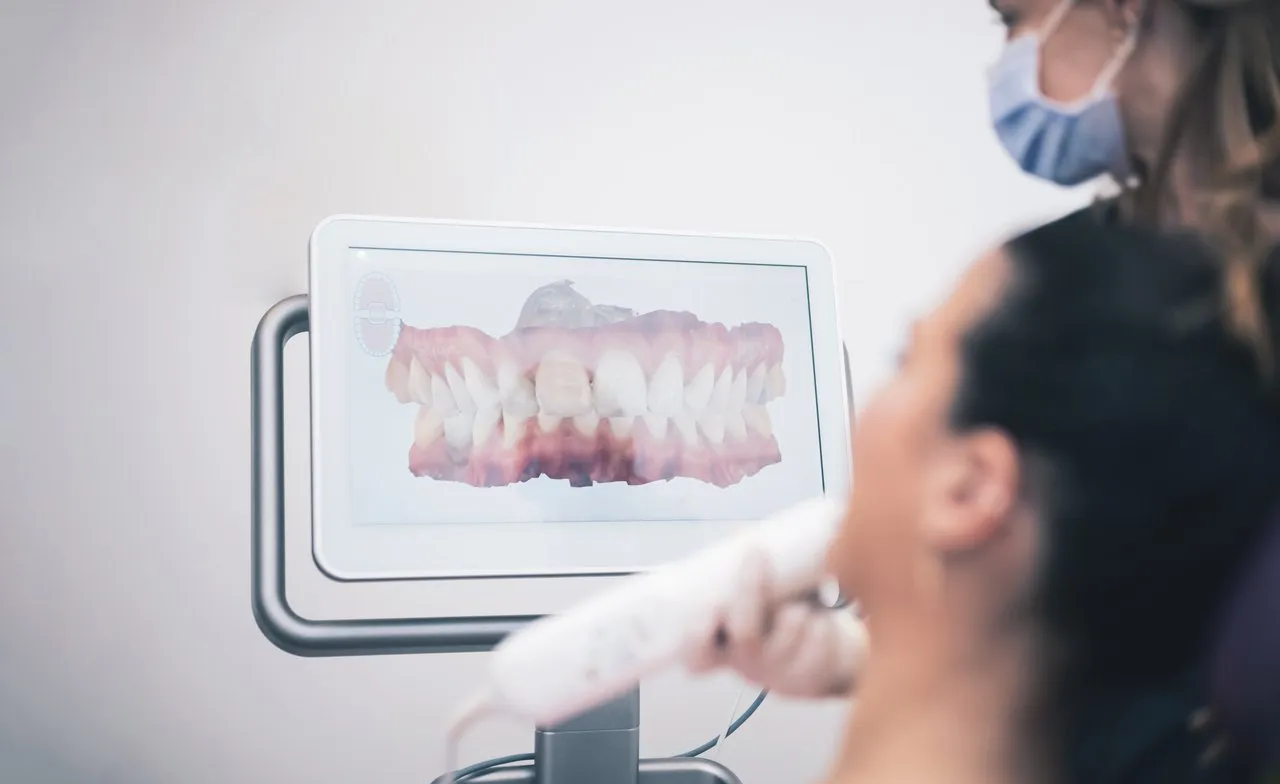
Which dental restoration material is right for me?
The right material for a dental restoration should always be chosen together with your dentist. The following factors are taken into account:
• Physical tolerance
• Position of the gap in the jaw
• Aesthetic requirements
• Budget (including health insurance reimbursement options)
• Comfort and durability
Whether you choose metal, ceramic, plastic or a combination, we will advise you personally and work with you to find the optimal solution for your smile.
FAQ Frequently asked questions about dental restoration materials
It depends on function, aesthetics and budget. Ceramic is suitable for visible areas, metal for the back teeth.
Ceramic is more aesthetically pleasing, metal is often more robust. A combination of both materials is also possible.
Yes, titanium is considered highly biocompatible and is frequently used for implants.
The costs vary depending on the type of restoration. Ceramic is usually more expensive than metal or plastic, but the cost is often partly covered by health insurance.
Plastic is less durable than ceramic or metal and is primarily suitable for temporary restorations.
Basic restorations using non-precious metal (NEM) alloys are generally covered. Higher-quality materials such as ceramic or gold usually have to be paid for privately or may be partially subsidised.
Zirconia is a particularly strong ceramic with high load-bearing capacity and a very natural appearance. It is ideally suited to high-quality dental restorations.
Yes, particularly metal alloys. Ceramic and titanium are considered to carry a particularly low risk of allergy.
Yes, e.g. in metal-ceramic crowns or composite veneers.
Get individual advice. At Wunschlachen, we analyse your needs and work with you to find the best solution.
Book your appointment now
We would be happy to advise you in person at our practice.