Blood blister on the gum: causes and treatment
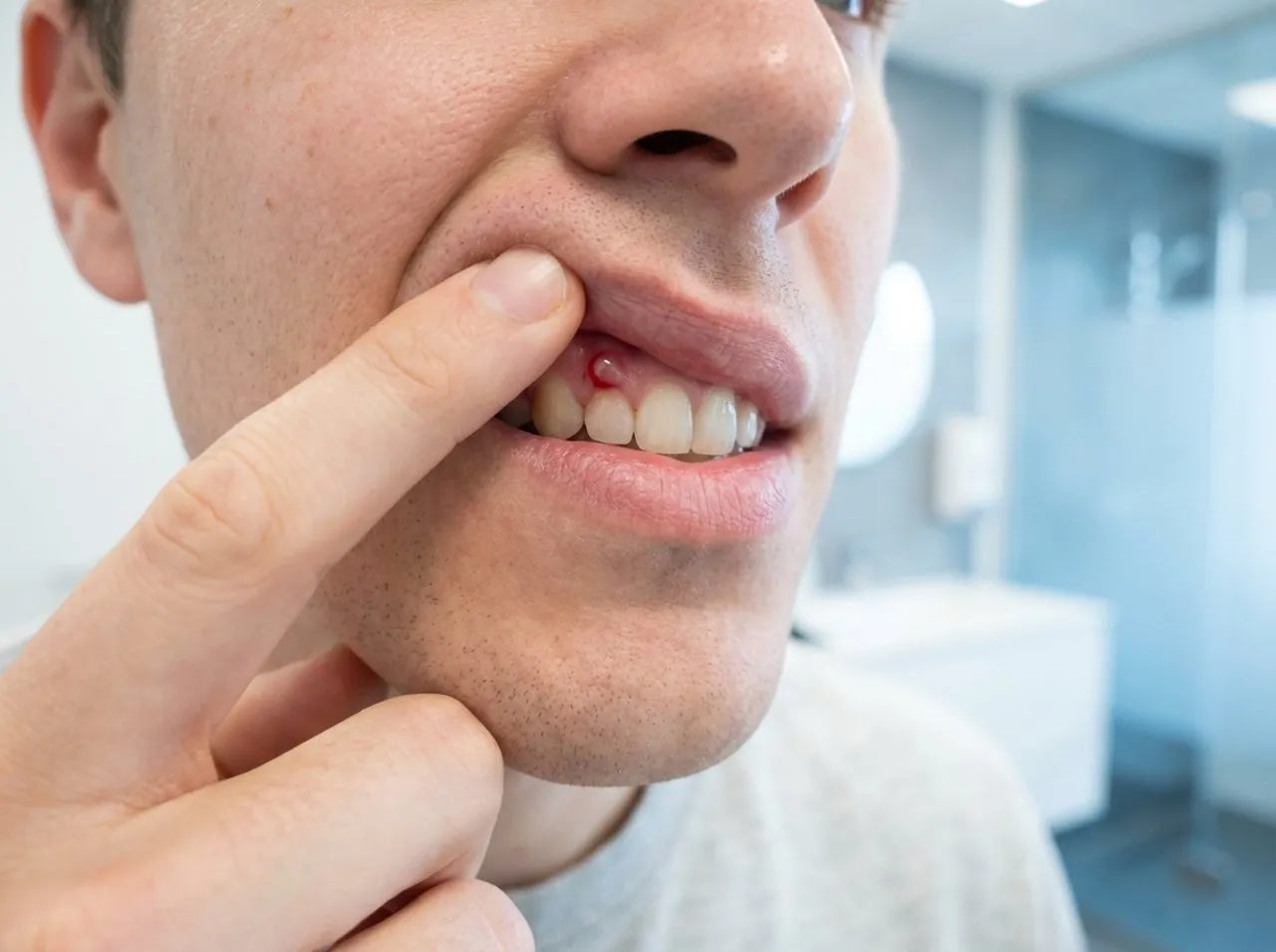
A blood blister on the gum is often alarming. It is usually a small, blood-filled blister in the mucous membrane. It shows that delicate blood vessels in the gum have been injured.
This change is often harmless and heals on its own. Nevertheless, such a blood blister can indicate irritated or diseased gums.
Über 350 Google-Bewertungen
What is a blood blister on the gum?
A blood blister is a tense, blood-filled swelling in the oral mucous membrane. It often occurs at the gum line or in areas subject to considerable strain. It is important to distinguish it from other changes. Mouth ulcers are usually whitish and very painful. Pus-filled blisters tend to look yellowish and indicate a bacterial inflammation.

Mechanical irritation and injuries
The most common cause is a minor injury to the mucous membrane. This can happen through brushing your teeth too vigorously, hard food or sharp edges on fillings. Ill-fitting dentures or braces can also irritate the gums. Fine blood vessels in the tissue can tear as a result. Blood leaks out and collects beneath the mucous membrane, forming a blood-filled blister on the gum.

Inflamed gums and periodontitis
Inflammation makes the gums soft and prone to bleeding. Gingivitis or early periodontitis weakens the blood vessel walls. Even slight pressure can then cause bruising in the gum. Redness and swelling are often present as well. In such cases, the accumulation of blood is a warning sign and should be assessed.

Blood clotting, medication and general medical conditions
Sometimes there is no local irritation behind it. Blood thinners or certain painkillers affect clotting, making small bruises in the oral mucous membrane more likely to occur. Clotting disorders or general medical conditions can also be involved. A medical assessment is then important.

Symptoms: how can you recognise the change?
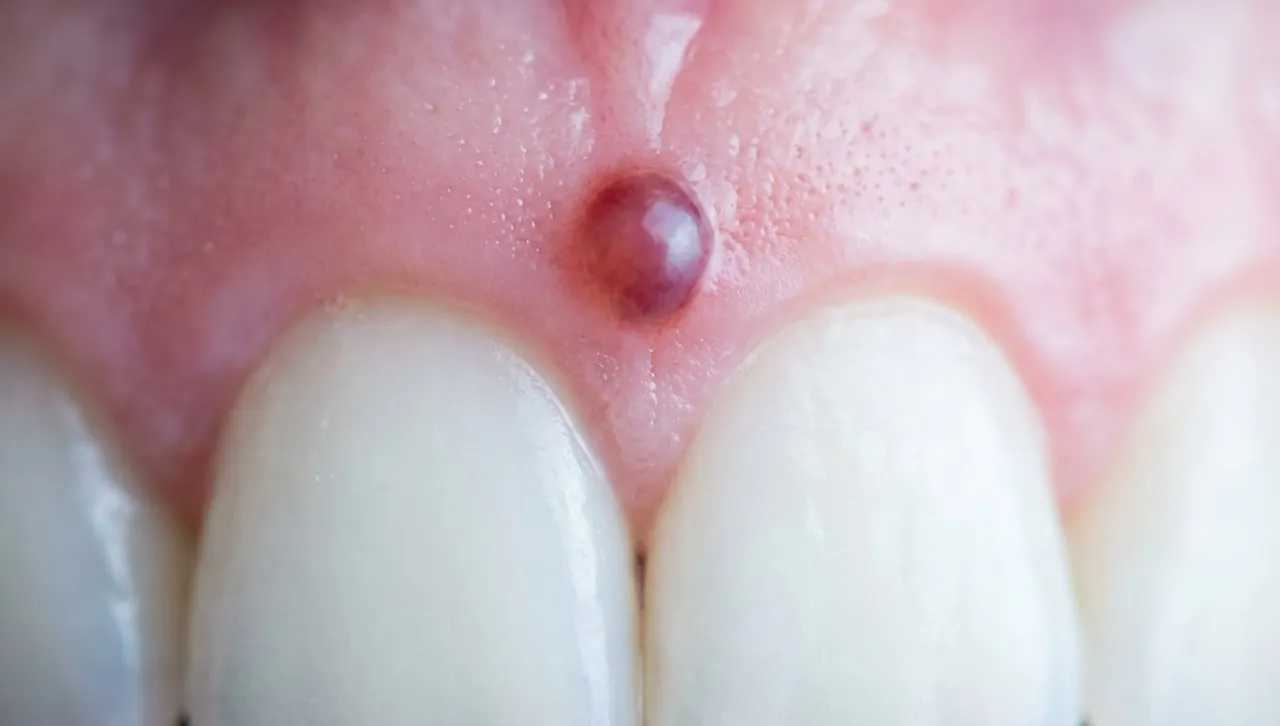
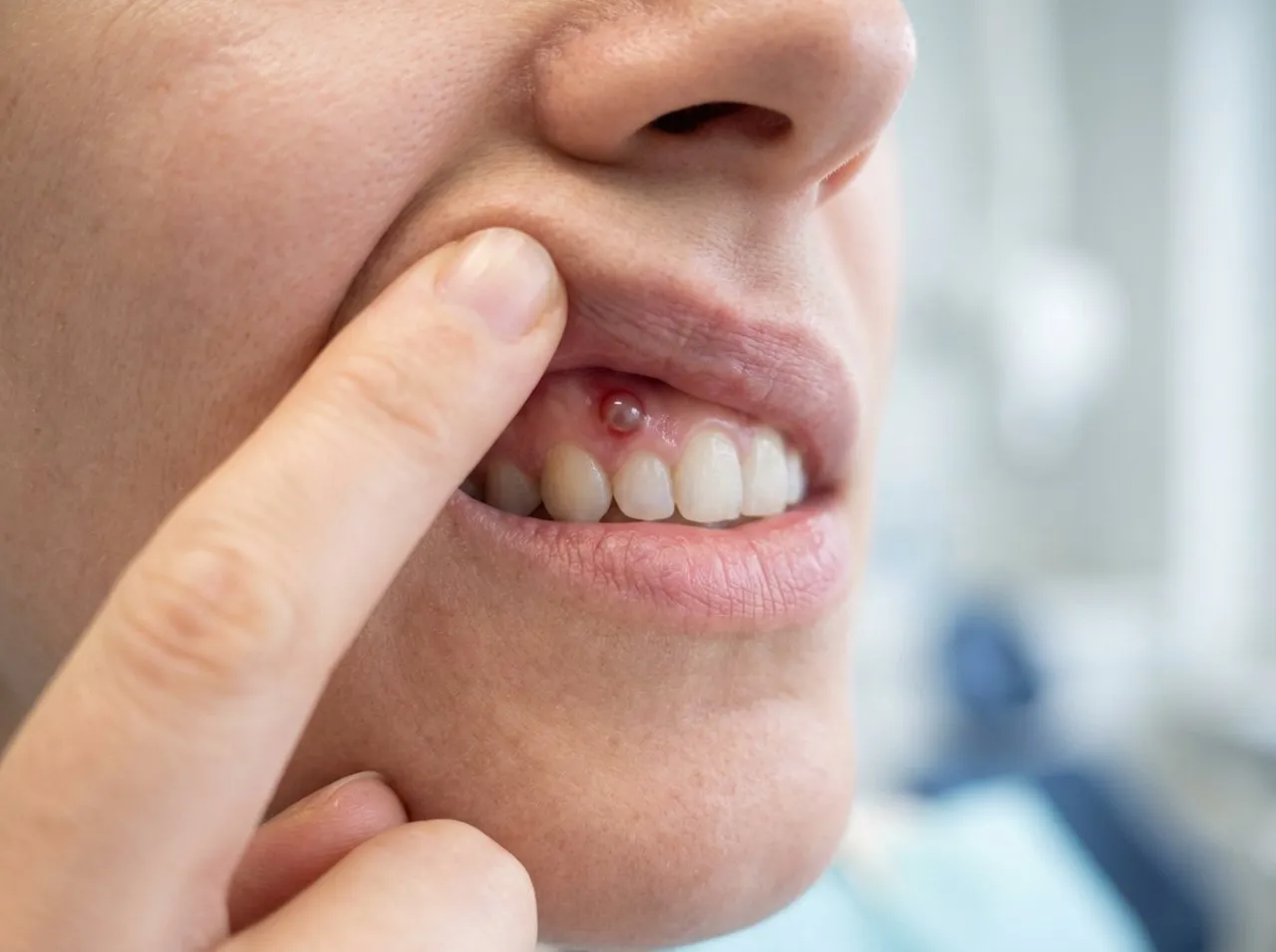
A blood blister on the gum appears as a soft, tense little blister. Its colour ranges from bright red to dark purple. Depending on its size, it may interfere with chewing or speaking. Many patients only feel a sensation of pressure. If the swelling bursts, you briefly taste blood in your mouth.
Diagnosis at the dentist
The dentist thoroughly examines the gums and oral mucous membrane. The location, size and surface of the blister provide important clues. The dentist also asks about brushing habits, pre-existing conditions and medication. Depending on the findings, teeth, fillings, crowns or dentures are checked. If the tendency to bleed is unclear, an additional assessment by your GP may be necessary.
Treatment: what helps a blood blister on the gum?
Many blood-filled blisters heal without intervention. It is important to avoid the irritation that caused them. Brush gently and be careful when eating. The dentist also treats the cause. Sharp edges are smoothed, dentures adjusted and inflamed gums professionally cleaned. This significantly reduces the risk of further injuries. Only rarely does a blister in the mucous membrane need to be opened. This is done at the practice under sterile conditions. The area is then disinfected and checked.

Home remedies: what supports healing?
Mild measures can promote healing. Lukewarm saltwater rinses or rinsing solutions containing camomile are suitable. They have a mild disinfectant effect and soothe irritated gums. Cool compresses applied externally reduce the sensation of pressure and pain. It is important not to apply cooling directly to the mucous membrane. Ice cubes should not be kept in the mouth for long. Under no circumstances should you puncture the blood blister yourself. This significantly increases the risk of infection. Aggressive home remedies such as high-strength alcohol are unsuitable for the gums.

When is a blood blister on the gum dangerous?
Warning signs include several blisters at the same time or in rapid succession. It is particularly concerning if there is no known injury. Prolonged bleeding or severe pain are also indications. Caution is advised if fever, general weakness or bruises on the skin occur as well. You should then see a dentist or doctor promptly. Severe swelling in the floor of the mouth or throat is an emergency. If this is accompanied by breathing difficulties or problems swallowing, call the emergency services.
Prevention: how to protect your gums
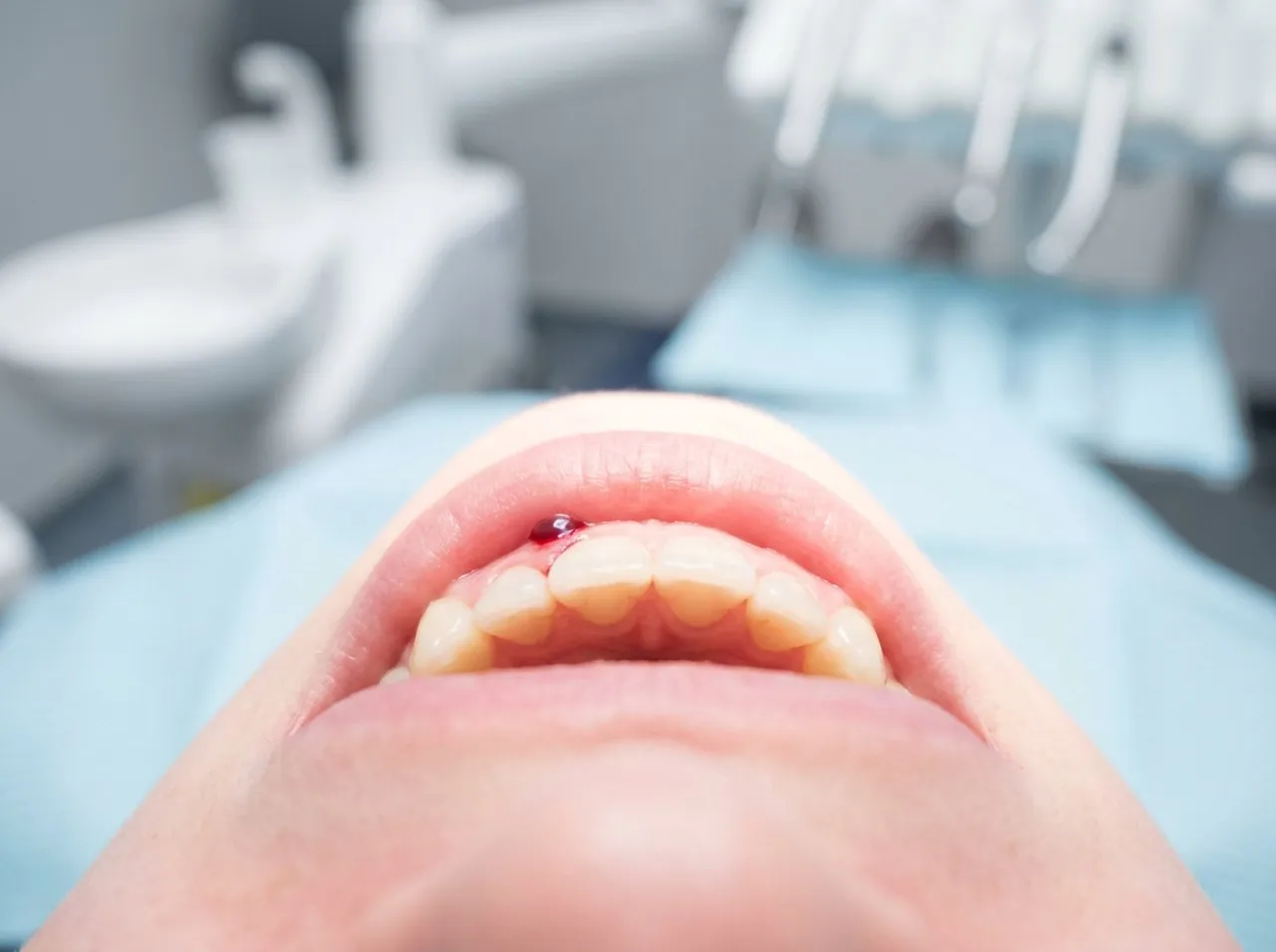
Gentle but thorough oral hygiene is the best prevention. Use a soft toothbrush and a gentle brushing technique. In addition, dental floss or interdental brushes help against plaque between the teeth. Regular professional dental cleanings reduce inflammation of the gums. At the same time, the dentist detects minor injuries or ill-fitting dental prostheses early. This can often prevent blood blisters on the gums.

Treatment of blood blisters on the gums at Wunschlachen
At the Wunschlachen dental practice in Berlin, we take every change seriously. First, we carefully determine what caused the swelling in your gum. We then draw up an individual treatment plan. We take particular care with patients who are anxious about dental treatment. Gentle anaesthesia and calming sedation are available on request.